Retail News CRM

Tag: wage

  • Manila’s Record-Breaking 12% Minimum Wage Boost Benefits Over a Million Workers

    Manila’s Record-Breaking 12% Minimum Wage Boost Benefits Over a Million Workers

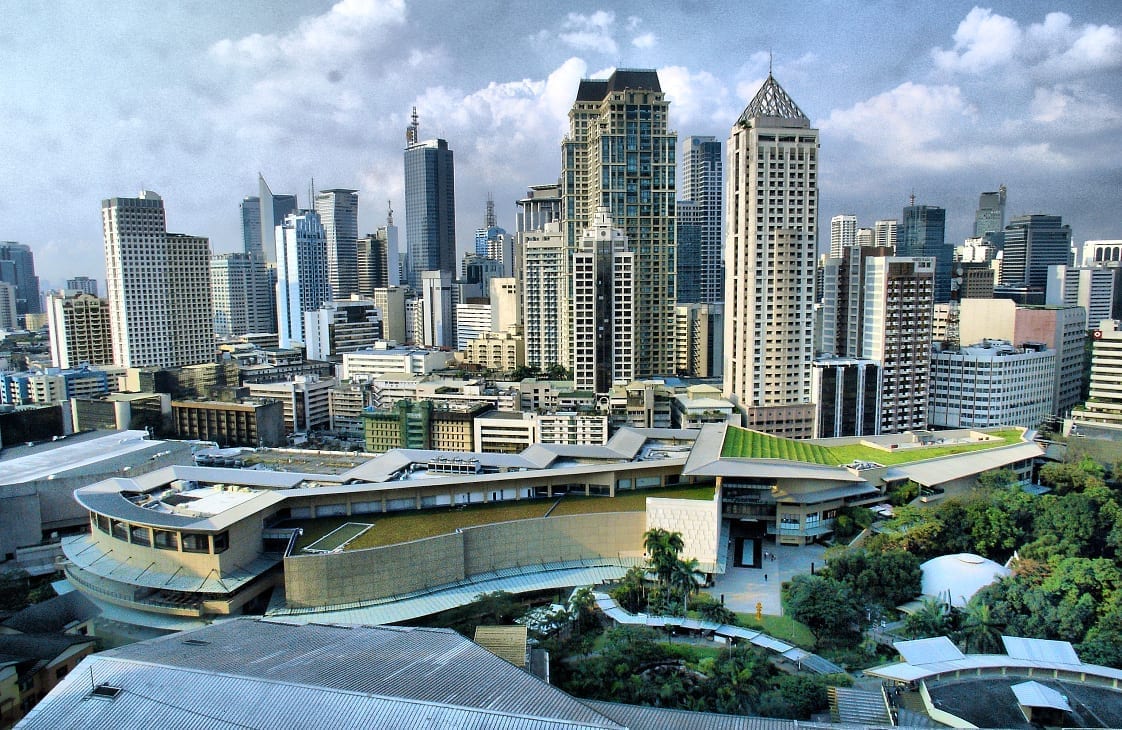
    The Philippine government has sanctioned an unprecedented 12% increase in the daily minimum wage for Metro Manila, providing an additional 85 pesos (US$1.4) in two separate instalments beginning later this month. This decision is set to impact over 1.1 million minimum wage workers in Metro Manila with the largest single wage adjustment ever made in the capital region.

    Increased Wages and Phased Approach

    The wage hike will be implemented in two parts, with an initial 60 pesos increase on July 19, and a follow-up rise of 25 pesos on January 20, 2027. Once both increases have been fully enacted, non-agriculture workers will earn a daily minimum wage of 780 pesos (US$12.73). The hike also extends to other sectors, with workers in agriculture, service and retail establishments employing 15 or fewer staff, and manufacturing companies with fewer than 10 workers experiencing a 13% increase to their daily minimum wage, reaching 743 pesos.

    The adjustment comes at a time when the price of fuel and basic goods in the Philippines have surged since March, due to the conflict between the U.S. and Iran. This has consequently escalated inflation and diminished consumer purchasing power.

    Inflation in the Southeast Asian nation decreased to 6.8% in May from a three-year peak of 7.2% in April, though it still considerably surpasses the central bank’s maximum target of 4%.

    Metro Manila: Highest Minimum Wage in the Country

    Metro Manila, which is composed of 16 cities, currently holds the record for the country’s highest legislated daily minimum wage. According to research, the living wage for an average family of five in the capital region is 1,289 pesos.

    John Paolo Rivera, a senior research associate at the government-operated Philippine Institute for Development Studies, has expressed that the wage increase will provide “meaningful relief” to workers by “boosting purchasing power in a high-inflation environment and facilitating household consumption.” However, he also cautioned that it could elevate costs for small and medium-sized businesses, which may respond by increasing prices or slowing recruitment.

    “The overall effect will hinge on the adaptability of firms and whether productivity improvements accompany higher wages,” he stated. The Trade Union Congress of the Philippines, however, has criticized the two-part implementation and characterized the increase as “grossly inadequate considering the erosion of workers’ purchasing power.”

    Questions & Answers

    What is the new minimum wage for Metro Manila?
    The new minimum wage for non-agriculture workers in Metro Manila will be 780 pesos (US$12.73) once both increases have been fully implemented.

    When will the wage increase take effect?
    The wage increase will be implemented in two stages, with the first increase of 60 pesos starting on July 19, and the second increase of 25 pesos on January 20, 2027.

    What are the potential impacts of this wage increase?
    While the wage hike is expected to provide “meaningful relief” to workers by boosting purchasing power in a high-inflation environment, it may also raise costs for small and medium-sized enterprises, potentially leading to higher prices or slower hiring.
  • Singapore Government Announces Wage Increase For 53,000 Retail Workers Over Next Three Years

    Singapore Government Announces Wage Increase For 53,000 Retail Workers Over Next Three Years

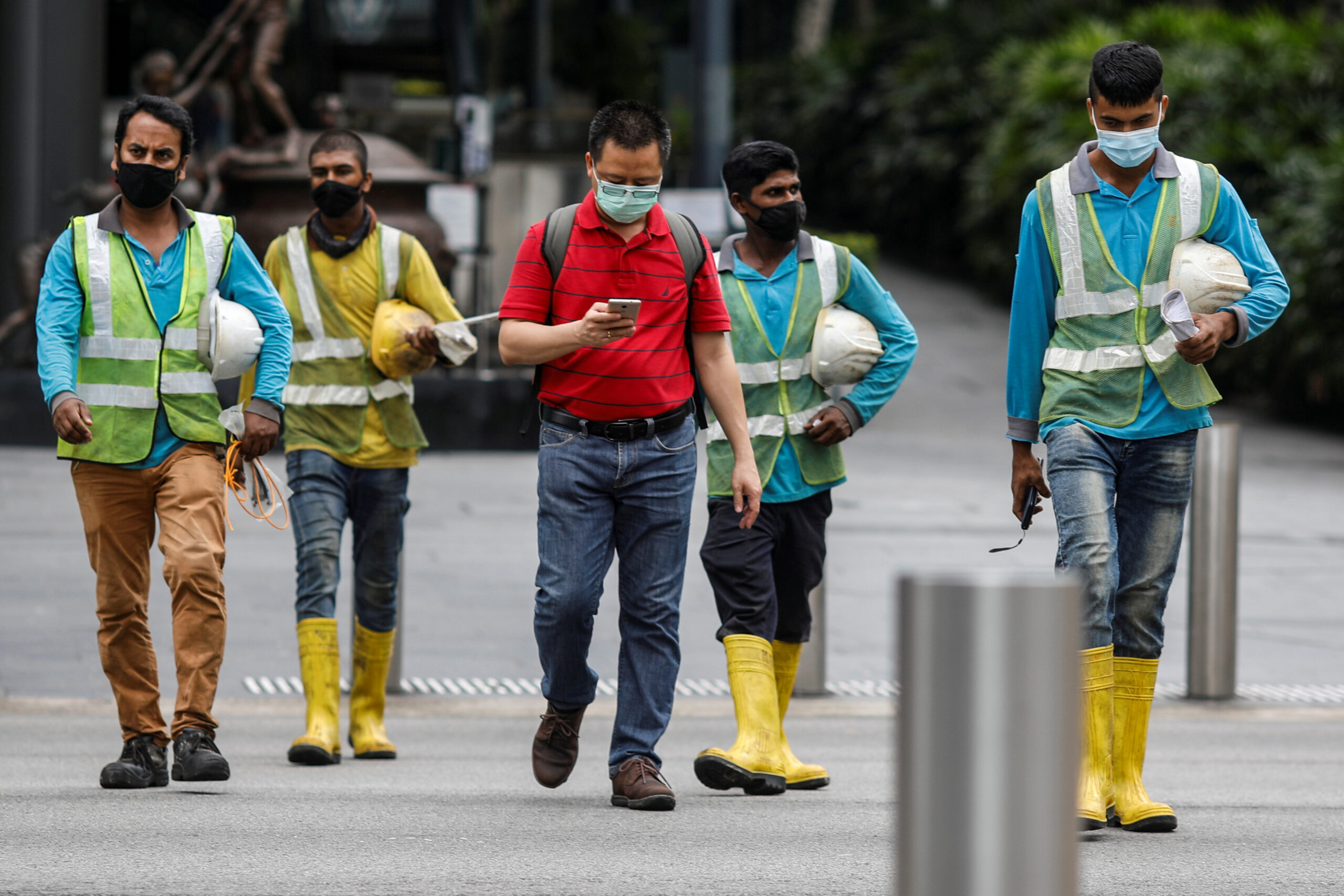
    The government of Singapore has made public plans to elevate the wages of over 53,000 retail workers residing in the country within the forthcoming three years.

    Progressive Wage Model Adoption

    The Ministry of Manpower revealed their acceptance of the Progressive Wage Model (PWM) on Monday. This model proposes a systematic progression of wages for retail employees based on their levels and the requisite training at each level. Devised by the Tripartite Cluster for Retail Industry (TCR), the PWM aims to ensure that workers’ wages correlate with their skills and productivity.

    As per the PWM, full-time retail assistants and cashiers will see a rise in their baseline monthly gross wages from the current $2175 to $2305 in September. This trend will continue with further increments to $2435 in the subsequent September and $2565 in September 2027.

    Wage Hike for Senior Roles

    There will be similar wage increases for senior retail assistants and cashiers starting from this September. Their wages will increase from the current $2395 to $2535, followed by further increments to $2680 in 2026 and $2820 in 2027.

    The wages of assistant retail supervisors will also be raised from $2635 to $2790 in September, with subsequent increases to $2950 next year and $3100 in 2027. However, the wages of retail supervisors and managers will vary according to market conditions.

    Part-Time Worker Consideration

    Part-time workers who clock in less than 35 hours a week will also benefit from a close to 6% rise in their hourly gross pay from September 1. Further wage increases will continue to be applied in the ensuing years.

    The PWM requirements, which are mandatory, will cover retail employees who are Singapore citizens and permanent residents. A review of the wage schedule will be carried out by the TCR next year.

    Training Requirements

    Employers will have to ensure that their retail workers meet the prescribed training requirements, including the Workforce Skills Qualification module or a relevant qualification from Institute of Higher Learning conferred by MOE-registered educational institutions. Employers will be given a grace period to comply with these training requirements.

    TCR co-chair Ryan Chioh acknowledged the challenges of rising costs and manpower constraints in the industry, but expressed that “the PWM, with structured wage progression and targeted training, helps businesses tackle these pressures while building a skilled and motivated workforce.”

    The PWM recommendations are the result of TCR’s extensive engagement with retail employers, the National Trades Union Congress, and industry associations.

    Singapore Retail Sales Update

    As per the most recent data from the Department of Statistics, retail sales in Singapore (excluding motor vehicles) experienced a modest increase of 0.4% in June, following stagnant growth in May.

    Questions & Answers

    What is the Progressive Wage Model (PWM)?
    The Progressive Wage Model is a wage structure that proposes a systematic progression of wages for retail employees based on their levels and the requisite training at each level.

    Who will be affected by the PWM in Singapore?
    The PWM will impact over 53,000 resident retail workers in Singapore, including full-time and part-time employees who are Singapore citizens and permanent residents.

    What changes will employers need to make in light of the PWM?
    Employers will need to ensure that their retail employees meet training requirements and are paid according to the wage schedule stipulated by the PWM. They will be given a grace period to comply with these changes.

  • Thailand Boosts Bangkok Minimum Wage to $12 Daily, Enhancing Economic Opportunities for Workers

    Thailand Boosts Bangkok Minimum Wage to $12 Daily, Enhancing Economic Opportunities for Workers

    The recent announcement by the National Wage Committee heralds a significant shift for workers in Thailand’s hospitality and entertainment sectors, as reported by Bangkok Post. About 700,000 employees are set to benefit from an impending 7.5% increase in the minimum wage—an enhancement that will bring the daily wage from THB372 to THB400 in Bangkok and the surrounding provinces.

    New Wage Structure Expands Nationwide

    Currently, the THB400 rate is restricted to tourist-heavy areas like Phuket, Chon Buri, Rayong, Chachoengsao, and the island of Koh Samui. After a three-hour debate, the wage augmentation garnered a two-thirds majority support among committee members, as affirmed by Boonsong Thapchaiyut, both the committee chairman and permanent secretary of the Ministry of Labour.

    “This wage increase is focused initially on the tourism and service sectors, where we believe employers will feel less financial strain,” Boonsong stated, clarifying that the THB400 daily wage will apply to hotels rated two stars and above, as well as any establishments with over 50 rooms or a restaurant.

    Support for Businesses Amid Changes

    To ease any potential financial burden on businesses—especially amid these changes—the Ministry of Labor has collaborated with six commercial banks to provide THB30 billion in soft loans. Additionally, discussions about further relief measures are underway.

    Analysts at Finansia Syrus Securities, as reported by Kaohoon International, expect that the minimum wage adjustment will have a minimal impact on Thailand’s retail industry, particularly in Bangkok. This is largely because the capital’s wage figures only account for around one-third of the overall sales in the sector. Most major retail businesses in the city are already exceeding the current minimum wage levels.

    As this wage increase takes effect, one can only wonder: will ice cream cones start costing a fortune as prices rise to cover the new wages?

    Questions & Answers

    What is the new minimum wage for Bangkok and surrounding provinces?
    The minimum wage will increase from THB372 to THB400.

    How many workers are expected to benefit from this wage increase?
    Approximately 700,000 workers nationwide will benefit.

    What sectors will the new wage apply to?
    The THB400 daily wage will apply to the tourism and entertainment sectors, including hotels rated two stars and above, and establishments with over 50 rooms or a restaurant.

  • Laos raises minimum wage for workers

    Laos raises minimum wage for workers

    The Lao Government has decided to raise the monthly minimum wage from LAK1.2 million (nearly US$70) to LAK1.3 million starting May 1 to ease workers’ difficulties amid soaring inflation and economic uncertainties.

    The decision was made at the Lao Government’s meeting held on April 25 – 26 under the chair of Prime Minister Sonexay Siphandone.

    In 2022, as workers’ lives were hit hard by soaring inflation, the Lao Federation of Trade Unions Central Committee proposed increasing the monthly minimum wage to 1.5 million LAK.

    However, the Lao National Chamber of Commerce and Industry opposed it, saying that the wage hike would negatively impact enterprises that were also struggling with difficulties.

    Aside from the minimum wage rise, PM Sonexay Siphandone told the Ministry of Labour and Social Welfare to work with related sectors to consider how the increase is relevant to the current economic situation.

    He also asked ministries and sectors to conduct an in-depth study on wage hikes and report results to the Government in the third quarter of this year.

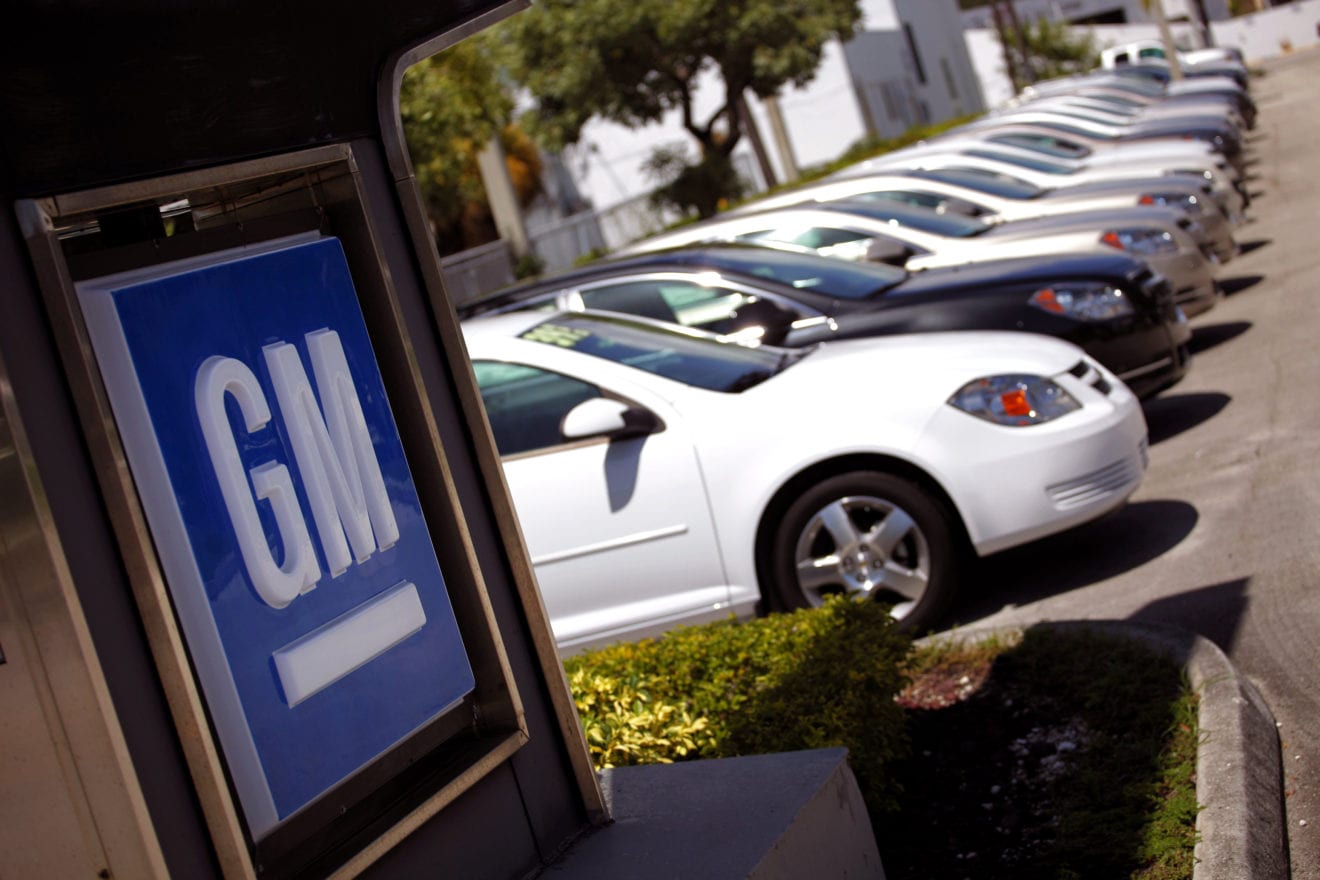
  • GM Korea’s union has plan to get workers paid

    GM Korea’s union has plan to get workers paid

    GM Korea’s union is planning to request further government support for employees who took unpaid leave after the shutdown of the Gunsan manufacturing plant last year. The decision, outlined in a follow-up document detailing a GM Korea union meeting held on Jan. 22, could go back on the original arrangement with the company to share the cost burden of supporting employees who went on unpaid leave.

    Since GM Korea’s Gunsan plant closed last year, the government provided support for six months, until November, to hundreds of workers who took unpaid leave. The company and its union decided to each cover half of the support payments, or 1.125 million won ($1,000) for every worker, for 24 months after the end of the government support. According to the document, the union will work towards gaining further government support by recategorizing unpaid-leave workers as paid-leave workers.

    According to the Ministry of Employment and Labor, companies can apply for government support for workers on paid leave to partially cover their payment. If the company pays 70 percent of the pay for employees on paid leave, the government can provide around two-thirds the amount for up to 180 accounting days.

    The document said the change would require agreement from the company and approval from the Labor Ministry. GM Korea said it has paid what it owes to workers on unpaid leave. It declined to comment on the union’s plans. Korea Development Bank completed last month injection of $750 million into the struggling company.

  • Hyundai Motor reaches tentative wage deal with South Korean union

    Hyundai Motor reaches tentative wage deal with South Korean union

    Hyundai Motor reached a tentative wage pact with its South Korean labor union on Wednesday after the worst strikes in the automaker’s history disrupted output at its domestic production base.

    The agreement is subject to a vote by almost 50,000 union members on Thursday, who rejected an earlier deal in August because of it was less generous than the previous year’s package.

    The union has held 24 rounds of full-scale or partial strikes since July 19, preventing the automaker from making 131,851 vehicles worth more than 2.9 trillion won ($2.60 billion), the government said last week.

    “The company and the union have formed a common ground that we should prevent further catastrophe as a prolonged strike has had a substantial impact on not only the company but the regional and national economy,” Hyundai Motor said in a statement.

    Under the latest agreement, Hyundai will increase basic monthly pay by 72,000 won; give each worker a one-off payment of 3.3 million won as well as bonus and incentives payments worth 3.5 times their basic monthly wage; and each worker will also receive 10 Hyundai shares, the company said.

    The deal came after the government threatened to intervene to suspend strike action, criticizing the union for walkouts despite relatively high wages at the automaker.

    The prolonged labor disputes coupled with sluggish domestic demand have prompted some analysts to cut earnings forecasts for the July to September quarter which the company is scheduled to report late this month.

    Twelve out of 25 net profit estimates have been revised down in the past 30 days, pushing the average estimate 12 percent lower, according to Thomson Reuters StarMine.

    Hyundai Motor, which is the world’s fifth-biggest carmaker including affiliate Kia Motors (000270.KS), has been hit by strikes in all but four of the union’s 29-year history though it usually made up for lost production by the end of each year.

  • Myanmar sets daily wage minimum to boost apparel manufacturing

    Myanmar sets daily wage minimum to boost apparel manufacturing

    Last year Gap Inc. was the first U.S. retailer to return to Myanmar for its apparel manufacture, a major sign of the potential return of the country’s once-thriving garment industry.

    But demonstrations by labor unions over working conditions and pay have hampered progress in the three years since U.S. sanctions were lifted, after which Myanmar also attempted its first minimum wage boost.

    Even with the increase in minimum wage that is apparently acceptable to most labor groups and factory owners, Myanmar will still have among the lowest wages in the world. And its standards for factory conditions are seen as lower than in Bangladesh, the site one of the deadliest garment factory collapses in history.

    The government was under pressure not to raise the wage too high out of fear that retailers would turn to South Korea, China, and other countries with established manufacturing. The wage is for eight-hour days in a six-day week; it doesn’t address overtime pay or working conditions. Last year Myanmar exported $1.5 billion of clothes and materials, up from $1.2 billion in 2013 and $947 million in 2012, according to the Global Trade Atlas.

    Still, the stability and the raise, if slight, is seen as an encouragement to more investment by U.S. and other apparel retailers, which can now count on an official wage structure to help them determine costs. Gap and H&M already source goods from there. The country’s economy is predicted to grow 8% this year, according to the World Bank.