Tag: wal-mart

  • Wal-Mart Stores boosts JD.com stake

    Wal-Mart Stores boosts JD.com stake

    American retail giant Wal-Mart Stores has further increased its stake in China’s second-largest eCommerce firm JD.com.

    It now has a 12.1 per cent shareholding, up from 10.8 per cent, and comes about three months after the Arkansas-based retailer disclosed it had almost doubled its holding in JD.com from 5.9 per cent.

    Like Amazon, a large part of JD.com’s income comes from selling products it holds in its own inventory. Its logistics network has also helped it win more users through speedy shipping, says Deal Street Asia.

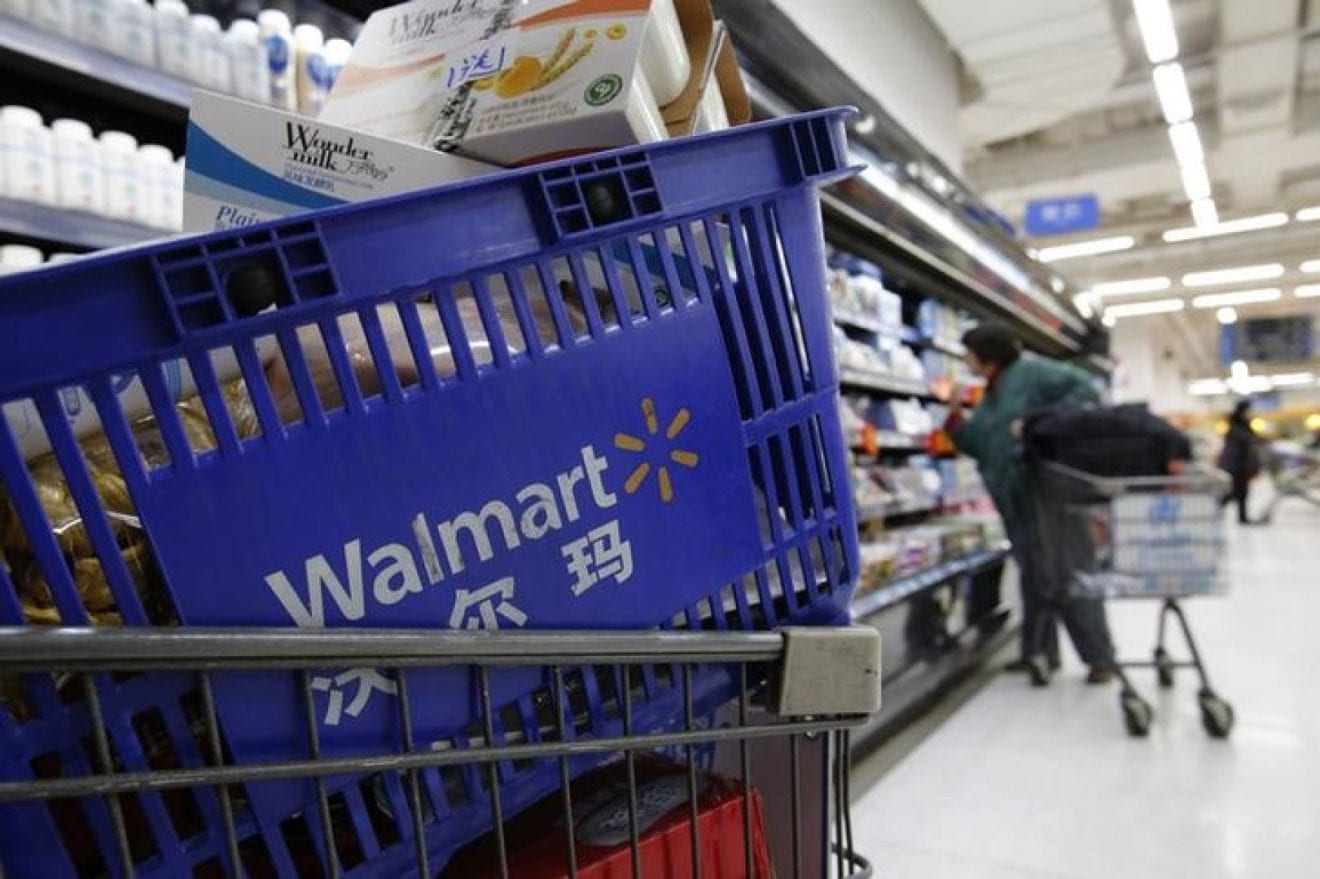
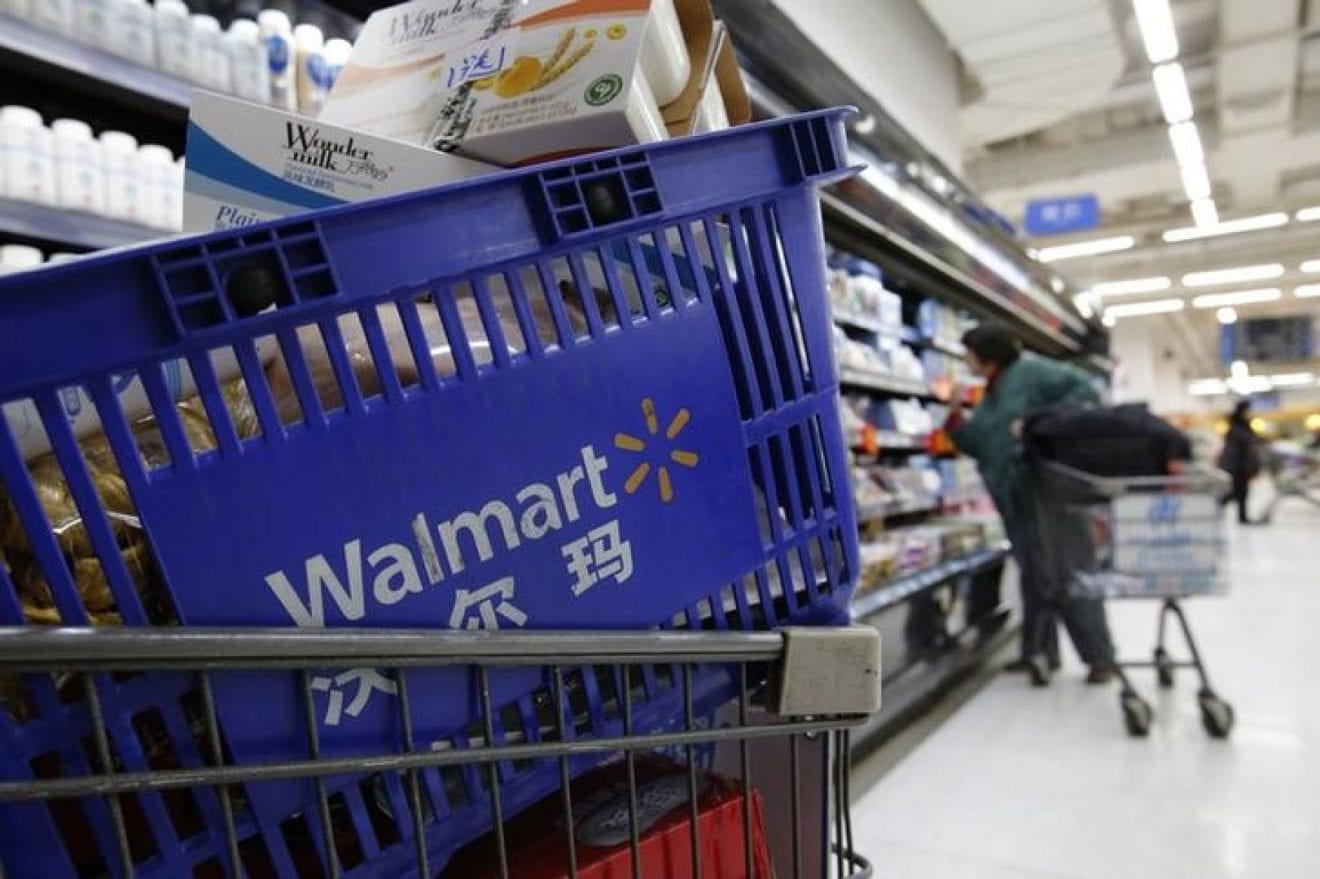
    With about 400 physical stores in China, Wal-Mart struck a swap deal with JD.com last June, selling its fully owned Chinese eCommerce player Yihaodian to JD.com in return for a 5 per cent stake in JD.com, worth around $1.5 billion. This gave Wal-Mart access to JD.com’s nationwide logistics and warehousing networks, as well as its 150 million users.

    Meanwhile, JD.com is better able to compete with Alibaba in the online grocery business, which is expected to grow to nearly $180 billion by 2020, according to data from food research body IGD.

    In October, Wal-Mart invested $50 million in Chinese online grocery and delivery firm New Dada. This will help it gain more foothold by offering shoppers faster delivery times. At the time, New Dada had more than 25 million registered customers. It delivers in more than 300 cities.

  • YCH Group launches four-storey retail hub in Xiamen

    YCH Group launches four-storey retail hub in Xiamen

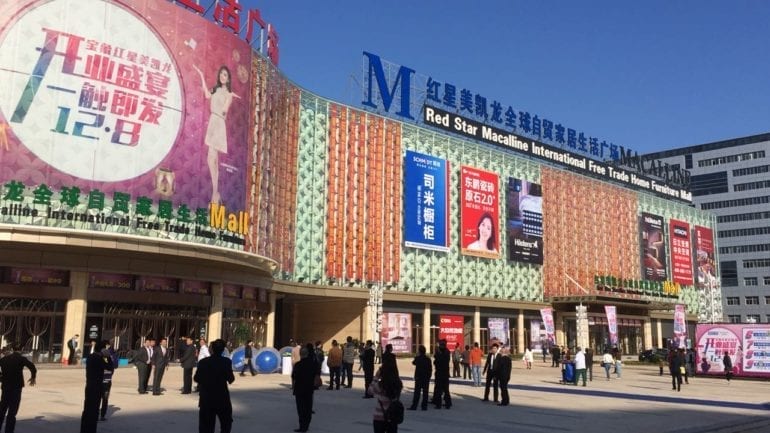
    A new retail hub has launched in Xiamen, China, which will host retail majors Sam’s Club and Red Star Macalline.

    Spanning 55,000 square metres with a built up space of 100,000 square metres, the four-storey retail hub is a “lifestyle-centric’ outfit, designed to support the Pilot Free Trade Zone as the first major mall in Xiamen region.

    Already confirmed as “anchor tenants”, Sam’s Club and Red Star Macalline will occupy some 85% of the retail space. Sam’s Club’s will open its first Xiamen store here, marking the 15th location for the Walmart-owned retailer in China.

    The hub will also house popular eateries such as McDonald’s and Ajisen Ramen. Mall developers XPD-YCH Logistics, a joint venture between YCH Group and Xiamen Port Development, hope the new mall will boast Xiamen’s tourism profile in China.

    The new mall is also conveniently situated within the Pilot Free Trade Zone, meaning it is in close proximity to both air and sea ports and hotels.

    “This will enable them to remain competitive while simultaneously boosting trade and facilities investment for China with the Pilot Free Trade Zone,” he added.

    Xiamen is currently one of the fastest growing cities in China, growing at 6.7% with a population of 4.4 million. Xiamen received 1.63 million tourists from home and abroad, and taking in 1.853 billion RMB in tourism revenue according to statistics released by the Xiamen Tourism Bureau in late 2015.

    As a domestic market, China has also overtaken the US to become the world’s largest retail market in 2016 with total sales of US$4.886 trillion. The new Xiamen mall opened its doors December 15.


  • Walmart makes another big move in China

    Walmart makes another big move in China

    Walmart has made another big e-commerce investment in China.
    On the heels of launching three major e-commerce initiatives in China, Walmart will invest $50 million in New Dada — China’s largest local on-demand logistics and grocery online-to-offline (O2O) e-commerce platform.
    Walmart’s newest investment further extends its agreement with JD.com, which uses New Dada’s network to offer customers two-hour delivery on groceries ordered from Walmart stores through the JD Daojia Dada app.
    New Dada, an independent joint venture between Walmart’s Chinese partner JD.com and Dada, has more than 25 million registered customers. Providing local on-demand delivery capabilities with 2.5 million crowd-sourced deliverers across more than 300 cities in China, this new service complements the 426 stores that Walmart operates in nearly 170 cities.
    Overall, Walmart’s investment in New Dada will help the retailer target Chinese shoppers with faster delivery times in a popular, fiercely competitive online grocery market, according to a company statement.
    “All around the world, we’re creating seamless shopping experiences that bring together our stores, sites and apps to make shopping faster and easier,” said Walmart CEO Doug McMillon. “Our alliance with JD and cooperation with New Dada will enable seamless shopping to millions of customers across China.”
    Specifically, the business partners expect the combination of New Dada’s delivery network with Walmart stores to give “consumers convenient access to a wide range of high-quality goods delivered to their homes and offices in record time,” said Philip Kuai, CEO of New Dada. “We look forward to deepening our cooperation with Walmart as China’s O2O retail industry continues to evolve and grow.”
    Walmart’s next move is to double the number of its stores that offer two-hour delivery by the end of the year, the statement said.
  • L’Oreal Launches New Shampoo Brand In China

    L’Oreal Launches New Shampoo Brand In China

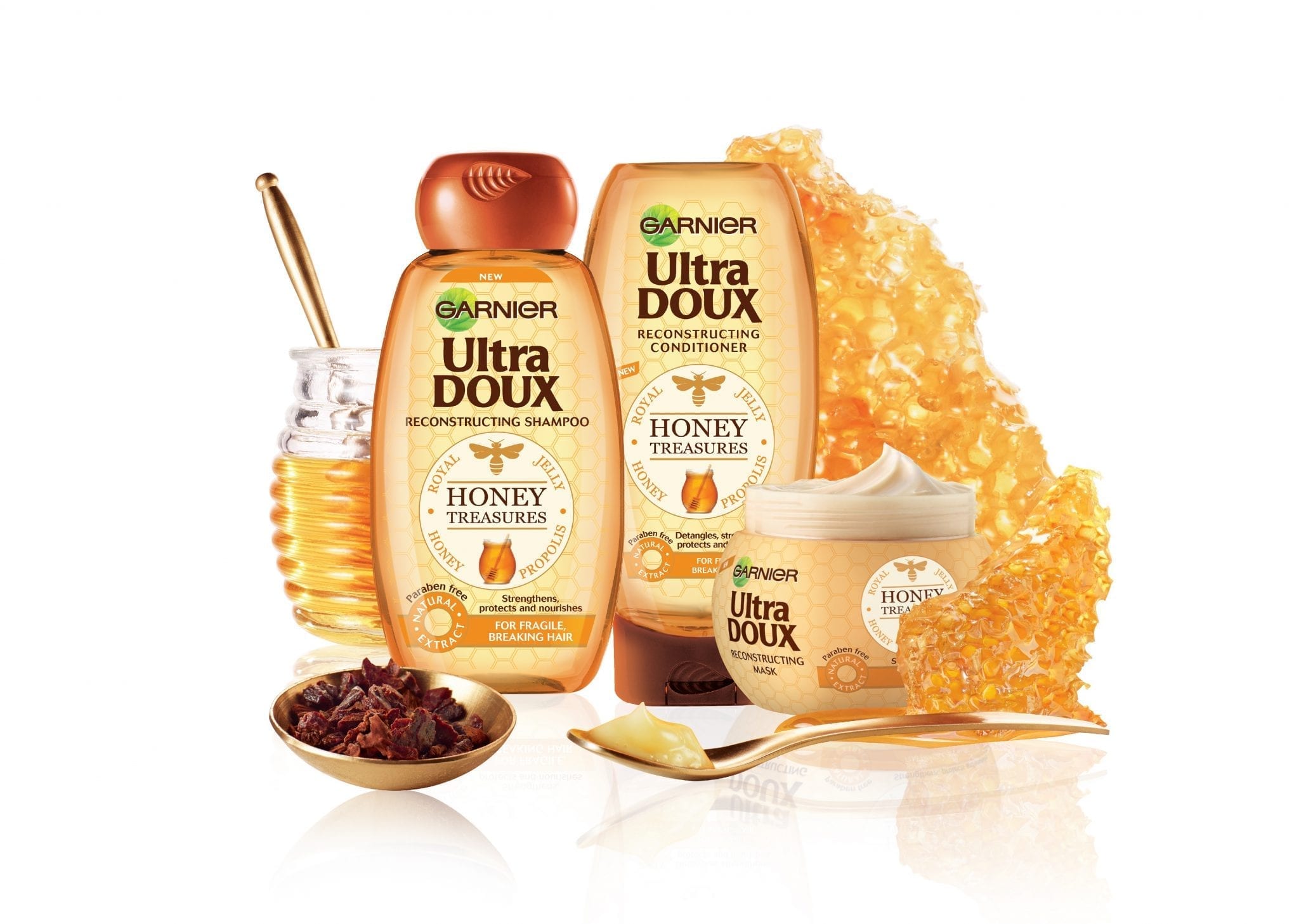
    The world’s leading cosmetics group L’Oreal launched a new shampoo brand in the Chinese market called Ultra Doux, which is now available in Wal-Mart stores across the country.

    Targeting the Chinese market, Ultra Doux offers a total of 43 products within five series, with a price range from CNY20 to CNY80. Its positioning eyes the medium-end market. In regards to marketing appeal, Ultra Doux features natural and organic characteristics.

    Ultra Doux is a brand under Garnier and its products are sold in markets like France, U.K., Russia, and Germany. Garnier was acquired by L’Oreal in 1985.

    L’Oreal’s market share expectation for Ultra Doux is 2.8% after 12-month operation in China. This is a little higher than the market share of L’Oreal Paris in 2014, which was 2.5%.

    According to information from L’Oreal, the Ultra Doux products will be sold in supermarkets, cosmetics specialty stores, and e-commerce platforms in China.

  • Brexit to bring cheaper British goods into China, JD director

    Brexit to bring cheaper British goods into China, JD director

    Chinese e-commerce giant JD.com said on Friday British goods will come into Chinese market at cheaper prices after the country voted to leave the European Union (EU).

    “British products will be more competitive,” Tony Qiu, director of JD Worldwide, made the remarks in Paris at a news conference after discussing with French companies about coming out on top in the Chinese market.

    Since British people voted to leave the EU last Friday, the pound has dropped almost 8 percent against the dollar, accompanied with plunges in global stock markets.

    He said it’s not clear yet whether the Brexit will impact the company’s business.

    JD does have the ambition to sell goods to the European people in the long run, he added.

    JD.com, China’s second largest e-commerce platform, has already partnered with French brands, such as L’Oreal and Evian, to direct sell French cosmetics and drinks through its on-line channel.

    JD.com together with Alibaba Group, the biggest player in the field of e-commerce, account for about 80 percent of online retail sales in China.

    In late June, Wal-Mart sold its online retail site Yihaodian to JD.com. The deal will see Wal-Mart become a retailer inside Yihaodian rather than have a separate online store entirely. The partnership with JD.com is seen as a way for the US giant to gain a stronger foothold in the highly competitive Chinese e-commerce market.

  • Alco Electronics’ David Leung on Making Gadgets in China

    Alco Electronics’ David Leung on Making Gadgets in China

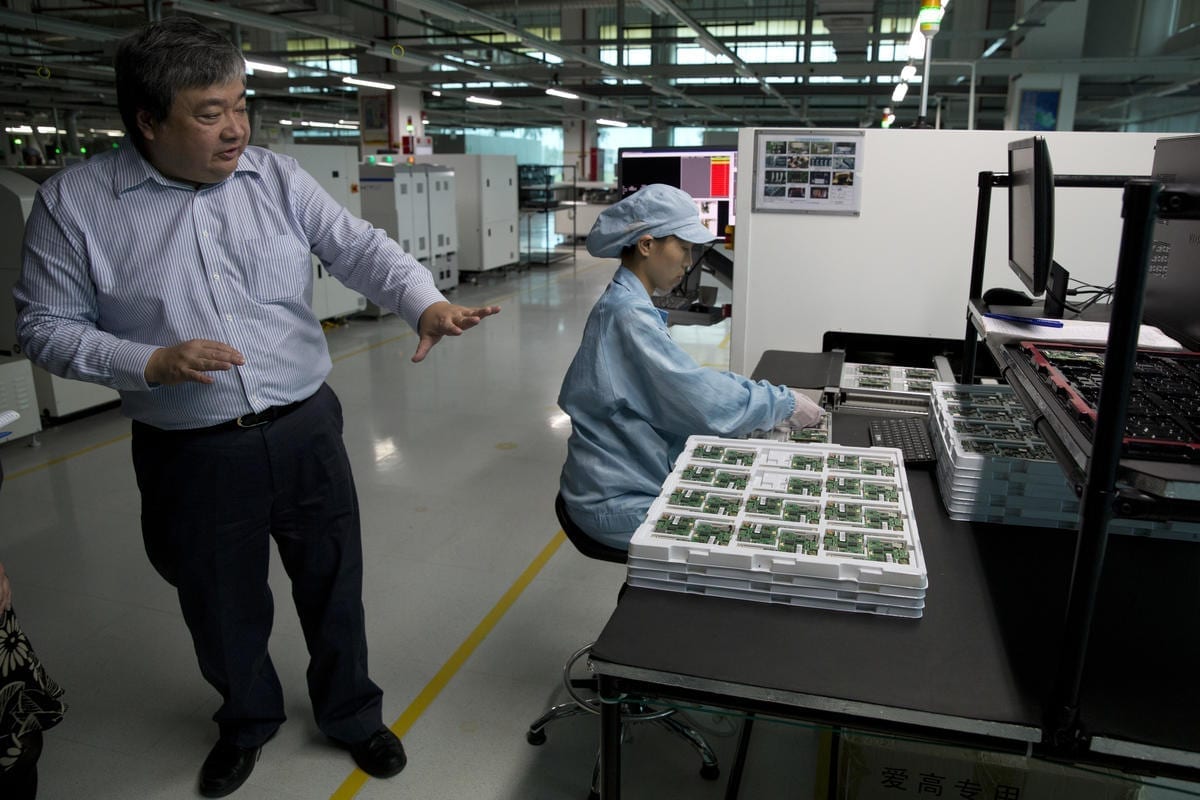
    A look inside Alco Electronics Ltd.’s factory in China shows what it takes to succeed as a maker of gadgets for the rest of the world — human precision in tiny tasks and increasingly automated manufacturing, but also flexible thinking and perks to keep the best employees.

    Chinese workers in blue coats and caps worked on a production line making tablets during The Associated Press’ recent visit to the 2.5 million-square-foot plant. Their tasks can be tedious, such as soldering a connecter onto a circuit board. Machines do things like inspect incoming circuit boards and tighten screws on tablets — automation that lowers costs and improves quality. A droning noise signals where tablets are undergoing testing for all functions for eight hours before they’re packaged. That’s critical to help reduce returns.

    Sunroofs keep the production floor lit and reduce energy use

    The company, which counts Wal-Mart Stores Inc. as one of its top five retail customers, gets about 60 percent of its sales from tablets and other computer products. Nearly 70 percent of its annual sales of about $330 million came from North America. It ships its products under the RCA and Venturer brands.

    Alco, founded in 1968 to make AM/FM radios to export primarily to North America, has shifted with market demands. In 1980, it moved production from Hong Kong to China in search of cheaper labor. Due in part to automation and the changing labor market, it has about one-tenth of the employees it had at its peak of nearly 20,000 workers.

    The company is now juggling customer demand for affordable but high-quality electronics as it wrestles with escalating labor pressures and other costs in China. David Leung, head of sales for North America, recently spoke with about what’s selling, the differences in the Chinese and U.S. markets, and what Alco needs to do to attract workers.

    Q. So the tablet is hot.

    A. In the U.S., Wi-Fi is everywhere. So any device with the Wi-Fi capability is very popular. Content owners are putting the apps onto the tablet so they can sell directly to the consumer. We work directly with Wal-Mart on Vudu (which distributes movies over the internet to TVs.) The tablet is like a vending machine for your home. In peak times, we can do 40,000 (tablets) a day that is if all 200 components arrive on the same day.

    Q. What kind of worker are you hiring?

    A. It is not a shoe factory or a garment factory. In general, we don’t need a skilled worker. We need a disciplined worker, a worker willing to learn.

    Q. How are you trying to attract workers given the labor shortage?

    A. Wages alone is not the biggest incentive. It’s wages plus perks. We provide classes for them to learn in their free time. Many workers like to learn Cantonese and English as well. We also have karate classes, cooking classes. We have hired table tennis, basketball and yoga teachers to better their skills. We also host tournaments for volleyball, basketball, table tennis and badminton in our Sport Centre. Since we are now making electric bicycles for Europe, we also have a cycling team.

    Whatever the worker likes to do, we will try to find a teacher.

    Q. Where do you sell your products other than the U.S. market?

    A. Canada, Mexico. We ship to South America, Central America. And lately we’re making shipments to India.

    Q. What about China?

    A. At the moment, we do not do a lot of business in China. Our product is more geared for the overseas market. We are starting to do some China business. We (started) selling Window tablets in the China market using portals like JD.com. In China, the physical store is not a big thing. They all rely on the internet. So we need to do our product with different packaging that is more suitable for the internet. Many of the streaming portals are not available in China. Even YouTube is not available. Also, Google is not available in China so we have to redo all our software.

    China is a very big country. We need to learn about the distribution channel in China. We’ve been doing export market selling to the United States for the past 30 years. So although our factory is in China, selling in China is a brand-new market for us.

    Q. How is marketing products in China different from North America?

    A. Online is No. 1 in China. China skipped all the shopping mall phenomenon and they jumped right into internet selling. So in order to sell to China, you have to find the right website. You have to really get into the social network to promote your product. It’s not the advertisements on TV that is the most important. It’s the advertisement through social networking that is key in the selling of your products.
     

  • Wal-Mart says heavy e-commerce investments put a crimp on earnings

    Wal-Mart says heavy e-commerce investments put a crimp on earnings

    The retailer’s global online sales increased 16% in Q2, excluding the impact of the stronger U.S. dollar.

    Wal-Mart Stores Inc. says its heavy investment in e-commerce infrastructure is paying off, with online sales growing by double-digit percentages, but that it hit a rough patch in international online sales and that the spending is weighing on its earnings.

    The retail giant, No. 3 in the Internet Retailer 2015 Top 500 Guide, said Tuesday its global online sales, excluding the impact of the strengthening dollar, grew 16% in the second quarter. But investments in e-commerce are estimated to lower full-year earnings per share by between 6 cents and 9 cents, company officials said. With 3.23 billion shares outstanding, that suggests Wal-Mart will spend between $190 million and $295 million on e-commerce this year.

    “The highlight was solid growth in the Walmart.com and SamsClub.com U.S. businesses, while international was soft, due to economic challenges in several of our key markets,” chief financial officer Charles Holley said on the company’s earnings call. The international results led Wal-Mart to revise its e-commerce sales growth forecast for 2105 to the mid to high teens from the previous mid-20s range.

    Wal-Mart also said its e-commerce investments, meant to vie with Amazon.com and other online retailers, are vital given the competitive environment.

    “We’re pleased that the investments we’ve made are helping to improve our business,” CEO Doug McMillon told analysts during the company’s earnings conference call, according to a transcript from Seeking Alpha. “Even if it’s not as fast as we would like, the fundamentals of serving our customers are consistently improving. In this case, our desired changes require investments, which are pressuring earnings this year.”

    Also in the quarter, the retailer opened two automated online fulfillment centers in the U.S., each bigger than 20 football fields, and two more are coming this quarter, said Holley. The centers will serve customers this holiday season and serve as the cornerstones of Wal-Mart’s fulfillment network, he says.

    On the call, Wal-Mart executives discussed its deal, announced last month, to acquire the remaining 49% it did not already own in Yihaodian, a Chinese online grocery retailer that’s been expanding into other categories and is No. 7 in the Internet Retailer 2015 China 500 Guide. Wal-Mart spent $760 million in the quarter to acquire the remaining 49% of Yihaodian, the online retail site in China with 100 million registered users.

    “Our primary goal is to continue to accelerate Yihaodian’s core e-commerce business and maintain strong local Chinese expertise,” Neil Ashe, CEO of Wal-Mart Global e-Commerce, told analysts. “Now that we are the sole owners, we will be expanding our leadership team from within the Yihaodian business, from within Wal-Mart and from the e-commerce industry in China. We will also leverage Walmart’s global reach and scale to better benefit Yihaodian, including global sourcing. China is an exciting, dynamic, large and competitive market. We are excited about our long-term opportunity in China.”

    For the quarter ended July 31, Wal-Mart reported:

    • Net sales of $120.229 billion, relatively flat from $120.125 billion.
    • Wal-Mart did not report online sales but said e-commerce sales increased 16% globally when adjusting for the strengthening dollar, which is reducing the dollar value of sales outside the United States. The total value of purchases on Wal-Mart’s e-commerce sites in 11 countries increased 18% on a constant-currency basis. That includes sales by outside merchants selling on Walmart.com and other sites that offer goods from other retailers.
    • Net income of $3.475 billion, down 15.1% from $4.093 billion in the same period in 2014
    • A decline in operating income in the retailer’s three primary divisions. At Wal-Mart U.S. it was $4.819 billion, down 8.2%; at Wal-Mart International it was $1.277 billion, down 14.2%; and at Sam’s Club it was $428 million, down 13.4%.
  • Wal-Mart eyes China growth with Yihaodian buy

    Wal-Mart eyes China growth with Yihaodian buy

    Wal-Mart Stores Inc stock is now trading 20.29% below its 52-week-high, 3.06% above its 52-week-low.

    Wal-Mart Stores CEO Doug McMillon has already increased starting wages and cut a layer of management in stores to try to tackle the situation at the stores. Wal-Mart Stores Inc (WMT) reported last quarter earnings on May 19.

    However, the company has strived to adopt the local culture in China and the consumers’ buying patterns. In an update, Walmart said today that Yihaodian now has over 100 million registered customers, and more than eight million products on offer.

    Wal-Mart, France’s Carrefour SA and Britain’s Tesco PLC have all seen sales growth slip over the last five years in China, losing market share to local rivals, according to consumer analytics firm Kantar Worldpanel. It has decreased by 1% from the same period of last month. With fiscal year 2015 revenue of $486 billion, Walmart employs more than 2 million associates worldwide.

    Walmart is cutting its hours in dozens of its stores.

    We reached out to Wal-Mart for a comment. That kind of integration is often referred to as online-to-offline (O2O), and has been a focus recently for Chinese Internet companies that are forging growing alliances with traditional retailers like department and convenience stores. State-owned China Resources controls 13.9%, while Wal-Mart lags behind both with 10.6%. Analysts at Morgan Stanley lowered their price target on shares of Wal-Mart Stores from $82.00 to $80.00 and set an “equal weight” rating on the stock in a research note on Monday, June 8th. Wal-Mart did not, however, disclose the size of the shareholding held by each party. US online retailing giant Amazon has tried a similar strategy in China, but so far has met with limited success and is still a relatively small player.

    The road aheadTo keep up with Sun Art, Wal-Mart plans to open 33 more stores and clubs this year, especially in the southern regions, where it enjoys a stronger market presence. Later this quarter, it will launch a mobile app which will let Chinese customers order products online and select in-store pickup or home delivery. Prior to joining Walmart Global eCommerce, Wang Lu was responsible for managing CBS Interactive in China, including the IT group, Auto group, Women & Fashion group and Lifestyle group.

    The retail juggernaut previously bought a 51% stake in the e-commerce retail enterprise back in 2012 in an aggressive push to benefit from the Asian country’s booming e-commerce space.