Tag: Walgreens

  • Boots Thailand Expands With Mega Store In One Bangkok Mall, Reinforcing Wellness Commitment

    Boots Thailand Expands With Mega Store In One Bangkok Mall, Reinforcing Wellness Commitment

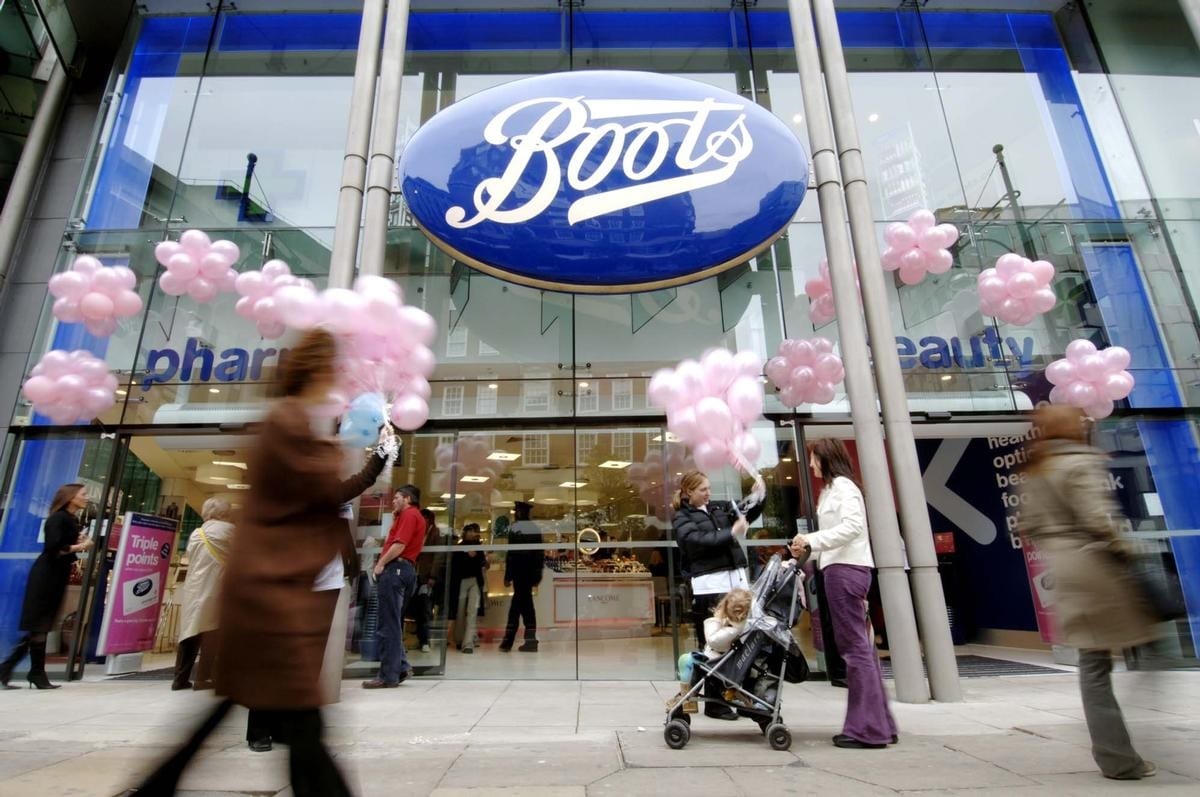
    Boots Thailand has recently unveiled one of its largest outlets yet located at the bustling One Bangkok mall. The aim is to expand its network further across the nation.

    Expansive Features and Focus on Wellness

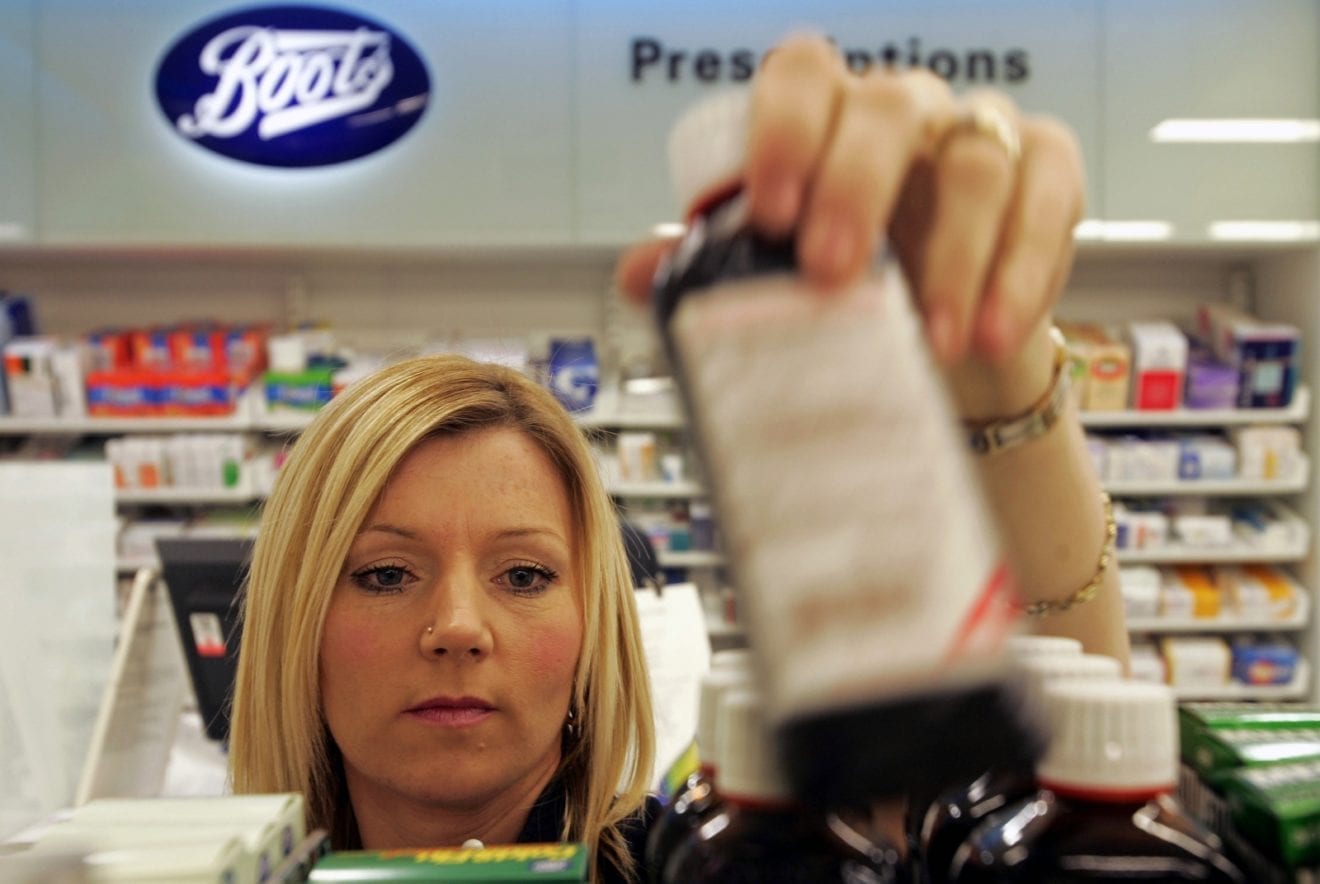
    The newly opened concept store, situated on the B1 floor within The Storeys zone, is a haven for health and beauty enthusiasts. Equipped with a pharmacy, a dedicated vitamin section, derma skincare, beauty corners, and a range of exclusive brands, the store promises a comprehensive shopping experience.

    Boots Thailand’s impressive network currently includes over 260 stores throughout the country, offering a broad selection of health and beauty products to its visitors. The company’s core mission is to cater to the wellness needs of the community, and it consistently strives to keep its customers at the forefront of its services.

    Unrivalled Customer Care and Unique Products

    A spokesperson for Boots Retail Thailand confirmed the company’s commitment to providing the finest customer and patient care. They highlighted Boots as the top choice for pharmacy and healthcare needs and stated that they offer innovative products exclusively.

    Boots was established in 1849 in the UK, starting as a pharmacy-led health and beauty retailer. Now, it is part of the esteemed global enterprise Walgreens Boots Alliance. In July, the Alliance made a definitive agreement to transition into a private entity, facilitated by Sycamore Partners. Apart from the UK, Boots currently operates stores in numerous markets, such as Ireland, Norway, the Middle East, and Indonesia.

    Questions & Answers

    Q: What does the new Boots Thailand store offer?
    A: The new store is equipped with a pharmacy, vitamin section, derma skincare, beauty corners, and showcases recent and exclusive brands.

    Q: What is the primary aim of Boots Thailand?
    A: Boots Thailand aims to cater to everyone’s wellness needs, with a strong emphasis on customer-centric services.

    Q: Who is the parent company of Boots Retail?
    A: Boots Retail is a part of the global enterprise Walgreens Boots Alliance.

  • RangeMe opens 200,000 suppliers to Australasian retailers

    RangeMe opens 200,000 suppliers to Australasian retailers

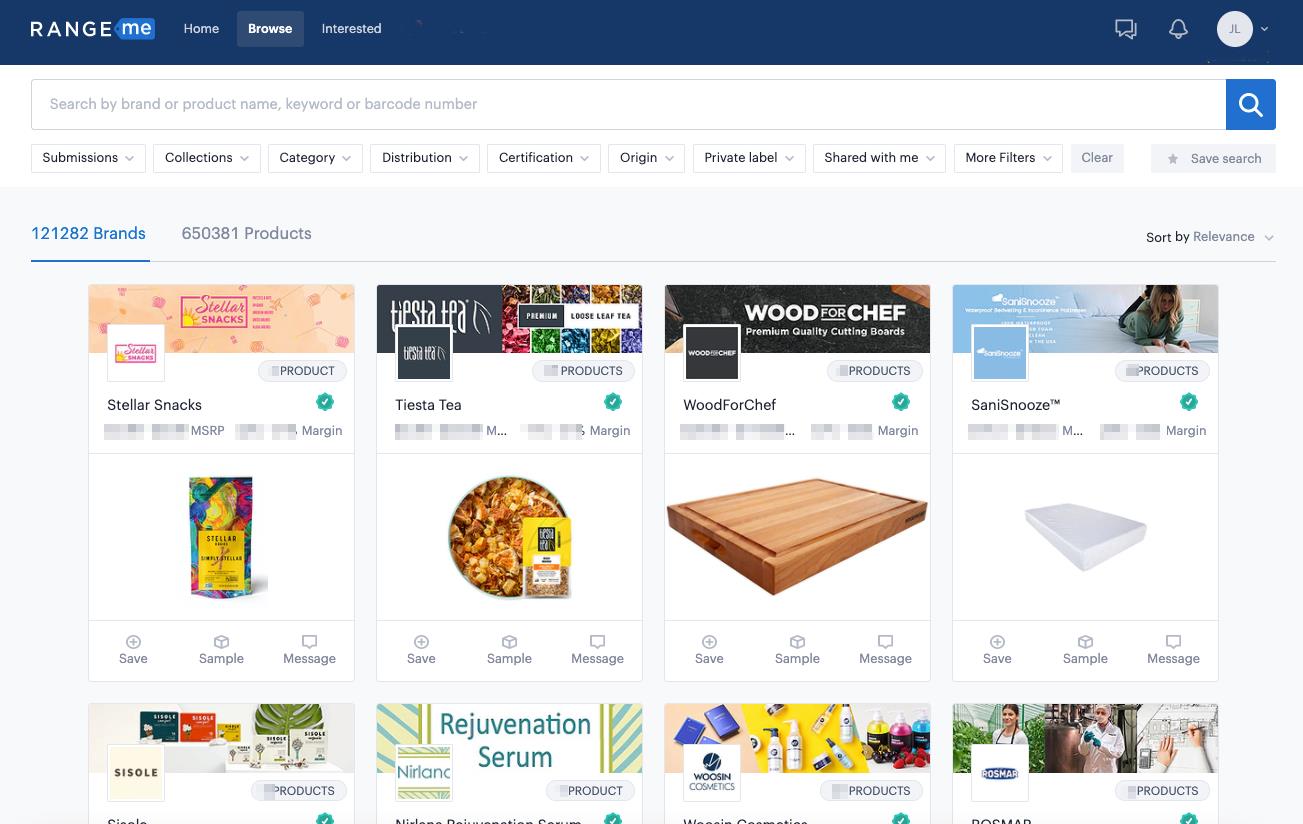
    Product discovery and sourcing platform RangeMe has fully launched its global service to retailers in Australia, New Zealand, and the wider APAC region, allowing businesses to access 200,000 international suppliers.

    A number of businesses are already using the service, such as Blooms the Chemist, Good Price Pharmacy Warehouse, Pet Circle and Pet Culture, and are now able to source new products at a time demand for a wider range of products is growing.

    “This will be a transformative experience for these retailers’ buyers,” said RangeMe chief executive Nicky Jackson.

    “Our mission has always been to empower retailers and suppliers to be productive and successful. The world has become a smaller place, but it remains distant for forging strong cross-border buyer and seller relationships

    “We built RangeMe to connect buyers and suppliers anywhere in the world.”

    RangeMe allows businesses to search and filter for products they want to sell, creating a more specific and intentional supplier relationship. The business is also open for Australian suppliers, which can sign up to be a part of the service and potentially gain new buyers from over 12,000 overseas clients – including Walmart, Sephora, Walgreens and Albertsons.

  • Alipay is available at Walgreens’stores now

    Alipay is available at Walgreens’stores now

    Chinese consumers visiting the U.S. can now use Alipay at Walgreens, one of the largest drugstore chains in the country. Whether traveling for business or pleasure, Alipay users can shop at 3,000 locations in major cities such as New York, San Francisco and Las Vegas to start, the companies said. The number is expected to reach 7,000 by April. Walgreens operates about 9,560 drugstores in all 50 U.S. states, Washington, D.C., and other U.S. territories.

    About 4 million users of the mobile-payments app are in the U.S. annually, according to Alipay, which is owned by Alibaba Group affiliate Ant Financial. The service offers them a quick and easy way to pay for goods while overseas, one that is already ubiquitous in China and lacks the higher foreign-transaction fees typical of credit cards.

    “Walgreens is focused on making shopping more convenient for our customers,” including Chinese consumers, said Walgreens President of Operations Richard Ashworth, including Chinese consumers. “Not only can they buy our products via our dedicated store on Alibaba’s Tmall Global marketplace, but they will now also be able to shop in the U.S., using Alipay as they would in China.”

    In September, parent company Walgreens Boots Alliance made its first move into China’s consumer market by launching a flagship store on Alibaba Group’s dedicated cross-border e-commerce platform, Tmall Global. The direct-to-consumer channel added to a wholesale and retail pharmacy business that WBA had already been operating in China.

    According to China’s Ministry of Tourism, Chinese travelers took about 140 million trips abroad last year. In an effort to capture that business, Ant Financial has been working with merchants across the globe to make Alipay available overseas to its more than 1 billion users (which includes users of its joint-venture partners’ apps). Alipay currently is available in over 40 countries and regions. Last year, Alipay added Germany’s Oktoberfest, the world’s largest gingerbread city in Norway and San Francisco’s Pier 39 to its list of merchant partners, all of which are popular destinations for Chinese tourists.

    “This is a key strategic partnership for achieving awareness in the U.S.,” Yulei Wang, general manager of Alipay North America, said of the Walgreens partnership. “We are excited to partner with a company that has been trusted across America since 1901, and is constantly evolving to provide more Chinese consumers a seamless and familiar way to pay.”

  • Walgreens investment in GuoDa is finally happening

    Walgreens investment in GuoDa is finally happening

    Walgreens Boots Alliance has finally achieved regulatory approvals for its Chinese pharmacy acquisition – more than six months after announcing the deal.

    The US-headquartered drugstore giant has bought a 40 per cent stake in Sinopharm Holding GuoDa Drugstores Co, better known as simply GuoDa, which it describes as a leading retail pharmacy chain in China. It will invest about US$416 million in capital to acquire the stake.

    “We believe GuoDa holds a strong position in the sector, and as a global pharmacy-led health and beauty enterprise, we are well positioned to support its further growth ambition,” said Walgreen Boots executive vice chairman and CEO Stefano Pessina.

    “We are delighted that we have received regulatory approvals and our investment agreement has now been completed.”

    Walgreen Boots believes it can build the GuoDa business by sharing its international best practices and pharmacy expertise.

    “We believe there is great potential in working together to play a transforming role in the evolving Chinese retail pharmacy market.”

    Founded in 2004 and headquartered in Shanghai, GuoDa operates more than 3800 retail pharmacies across around 70 cities, and employs close to 20,000 people.

    Both Walgreen Boots and GuoDa believe recent healthcare reform undertaken by the Chinese government present “unprecedented opportunities” to expand the business nationwide.

    Last December, at the time he announced the planned investment, Pessina said after a 10-year presence of Walgreen Boots in China, it was an exciting opportunity to invest in the nation’s retail pharmacy sector.

  • Walgreens to invest $416 million in Chinese pharmacy chain

    Walgreens to invest $416 million in Chinese pharmacy chain

    Walgreens, the biggest U.S. drugstore chain, said it will buy the minority stake from China National Accord Medicines Corp. for about $416 million.

    The Deerfield-based company said it will expand its global retail pharmacy operations by taking a 40 percent stake in Sinopharm Holding Guoda Drugstores Co. Ltd., a subsidiary of Chinae National Accord Medicines Corp.

    Sinopharm GuoDa “operates and franchises retail pharmacies across China,” a market that Walgreens CEO Stefano Pessina has said he wants to tap as the companies looks to faster growing and emerging markets to extend its reach.

    “It is China’s leading pharmacy chain,” Walgreens Pessina said in a statement.

    The deal comes when the Chinese government has been encouraging private investments and equity from abroad in its health care industry.

    Healthcare expenditure in China is expected to reach $1.1 trillion by 2020, according to the U.S. Department of Commerce.

    GuoDa, which operates and franchises 3,800 retail pharmacies across 70 cities in China, said the Walgreens investment would help its nationwide expansion plans. The company employs close to 20,000 people.

    “We are delighted that we have received regulatory approvals and our investment agreement has now been completed,” Pessina said. “We believe GuoDa holds a strong position in the sector, and as a global pharmacy-led health and beauty enterprise, we are well positioned to support its further growth ambition. We are looking forward to sharing our international best practices and pharmacy expertise. We believe there is great potential in working together to play a transforming role in the evolving Chinese retail pharmacy market.”

  • Currency hurt Walgreens Boots Alliance sales

    Currency hurt Walgreens Boots Alliance sales

    Walgreens Boots Alliance sales figures have been an early victim of the strengthening dollar, especially against sterling in which the majority of which Boots’ sales are denominated.

    This dynamic has turned a 1.4 per cent international sales gain in local currency terms into a decrease of 10.9 per cent in the final accounts. In turn, this has diminished overall turnover growth to a paltry 0.4 per cent – markedly down on the 35 per cent uplifts posted a year ago when not yet annualised Alliance Boots’ sales were providing a healthy boost to the figures.

    Fortunately, thanks to some one-off expenses and losses on equity interest last year – neither of which reoccurred this year – the bottom line outcome is strong, with net income rising by well over 3130 per cent. Given that Walgreens is still in the process of driving synergy savings from the Boots Alliance merger it will generate further profit uplifts well into the next fiscal, even against a more challenging growth backdrop.

    It is inevitable, however, that the returns from cost savings and the streamlining of the business will diminish over time. And given that the prospects for a recovery in sterling look slim, the company will need to look to its domestic operation to drive future growth.

    On this front there are two pieces of somewhat disappointing news from today’s results.

    The first is the merger with Rite Aid which was scheduled to close in the second half of this year has now been extended into the next fiscal. There is no real mystery about this – it comes down to the glacial pace at which the Federal Trade Commission, which is examining the deal, moves. However, the extension means Walgreens will not be able to rely on Rite Aid to boost its numbers in the next quarter. Longer term, the deal will be value accretive, mostly thanks to the forecast $1 billion in synergy savings and to the productivity improvements Walgreens can bring to Rite Aid’s rather lacklustre stores.

    The second concern comes from Walgreens’ front of store sales numbers in the US, which fell by 0.3 per cent on a comparable basis and by 0.5 per cent in total. Such an outcome is discouraging given that these had been on an upward trajectory thanks to the improvements the company has been making in its beauty offer. Given that Walgreens has also marketed its general merchandise offer more heavily this year, it is disappointing not to see gains in customer traffic. That said, the numbers are up against some tough comparatives from last year and with the new beauty offer continuing to attract interest from consumers, these metrics will strengthen over the holiday quarter.

    The new fiscal year presents Walgreens Boots Alliance with more opportunities than it does challenges. As such, after a softer start expect to see strong growth in both sales and profits across the year as a whole.


    -Neil Saunders

  • Silver consumers driving convenience push

    Silver consumers driving convenience push

    Look for more, but smaller, neighborhood stores, an increase in local delivery trucks and changing store layouts as retailers accommodate aging populations, says The Silver Series IV: Retail Reconfiguration for Seniors.

    The report is the latest in a series of analyses from Fung Global Retail & Technology on the impact of the growing 65-and-over population  – silver consumers – on global economies, industries and retail.

    With smaller households and appetites, seniors shop more frequently, but make smaller purchases, favoring the convenience store sector, the report says. The trend is already being seen in Europe, where large-format retailers such as Tesco and Carrefour are opening smaller stores. While this has yet to take place in the US, ignoring this population segment is unwise, as silvers are growing in number and driving a disproportionate amount of consumer spending.

    “The era of the silver generation has arrived,” writes Deborah Weinswig, MD of Fung Global Retail & Technology.

    The global population silver consumers – aged 65 and older – will account for over one-third of population growth through 2035, according to the United Nations, and will comprise more than 20 per cent of the population overall in Japan, South Korea, Western Europe, North America and China. These households tend to be wealthier, and in the US, senior households spend well above the national average on household supplies and books, though less on apparel and footwear, which could be due to limited choice.

    Long thought to be the province of the young and tech savvy, eCommerce also is a growth market for seniors, who will enjoy or require the convenience of home delivery.

    Not all stores and product manufacturers are accommodating silvers’ changing needs. Seniors can find large-format stores and regional malls overwhelming, and product packaging may need to be redesigned in order to make it easier for seniors to read and open, Weinswig notes.

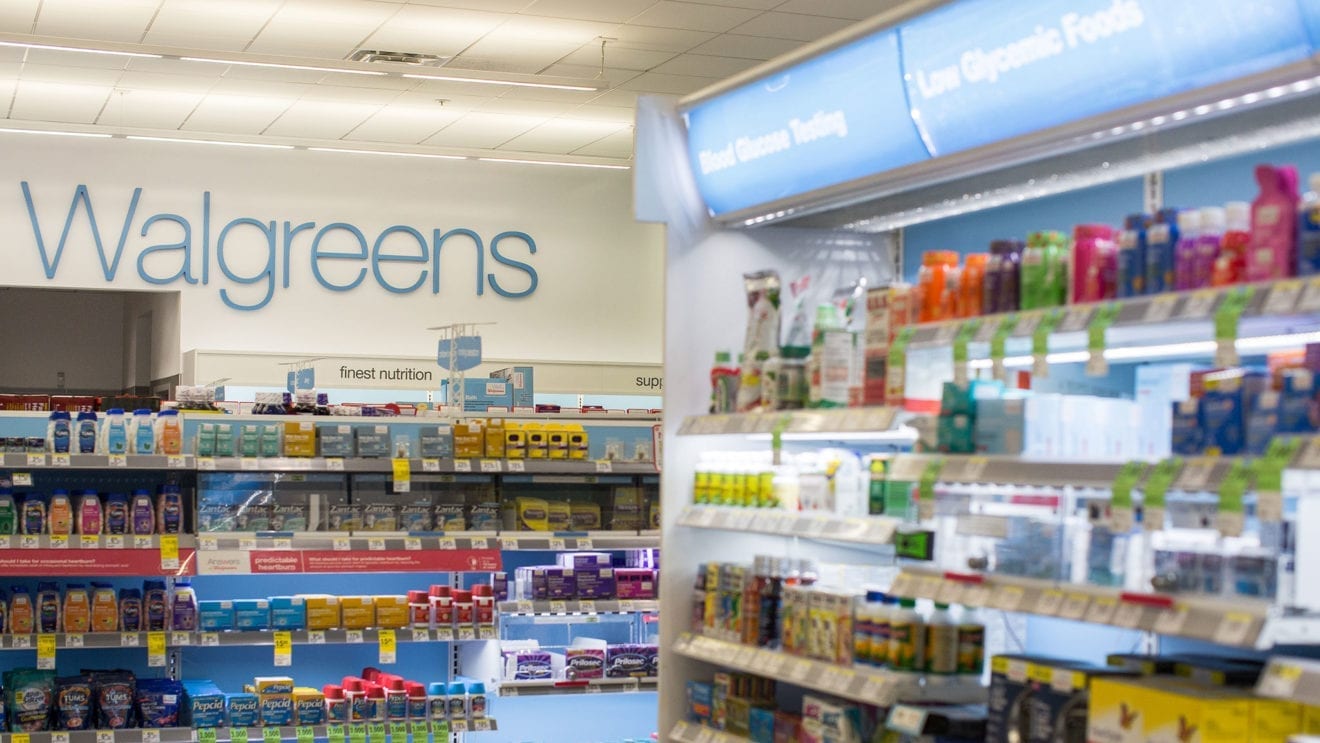
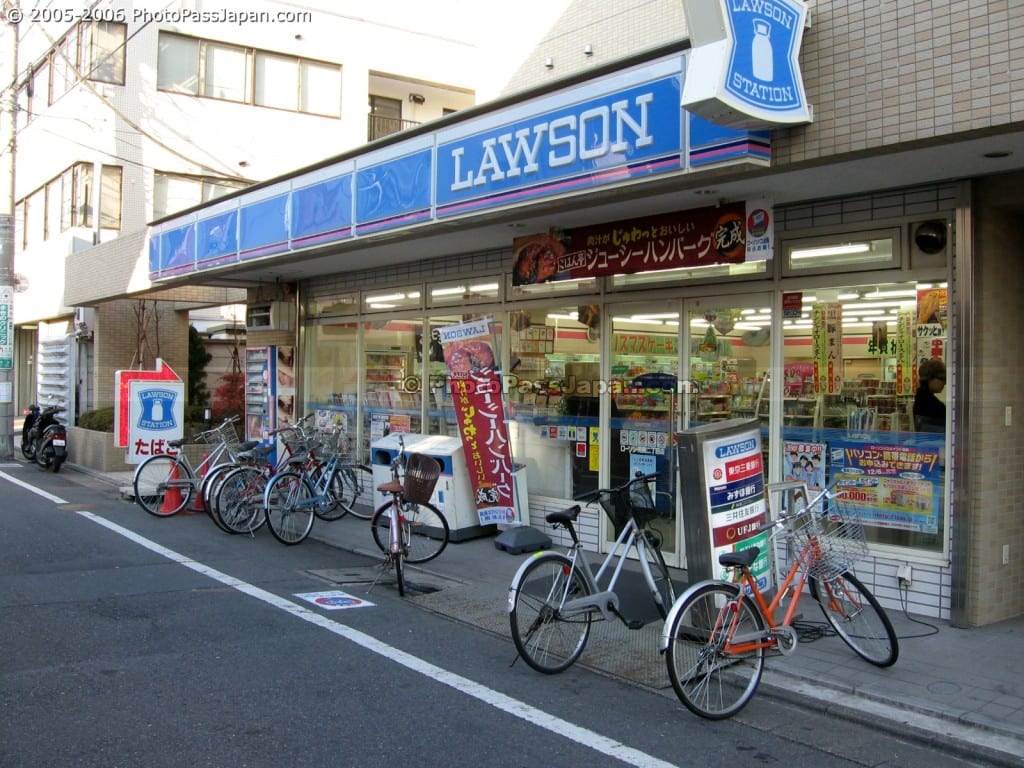
    But some retailers around the globe are adapting. Japan’s Lawson convenience store chain has renovated units in areas with a high concentration of silvers, widening aisles, lowering shelves and stocking more products that appeal to older shoppers. The 7-Eleven chain in Japan offers a meal delivery service to seniors, while the Aeon Mall offers medical facilities, leisure activities, a concierge and other services for its senior shoppers. Supermarket chains in Germany and Austria have widened aisles, provided customised shopping carts and added nonskid flooring, while in the US, drugstores CVS and Walgreens are adapting store layouts to minimise high- and low-shelving, and have carpeted floors in some stores and even added magnifying lenses to shelves so shoppers can read labels with small print more easily.

    “It is no coincidence that Japan, which is well ahead of most countries in terms of the aging of its population, has a major convenience store sector,” Weinswig writes. “We are now seeing other markets follow Japan in a convenience boom: in France and the UK, for instance, major retailers are pushing into the format as the segment outpaces the wider grocery market.”

    The full report can be found here.

  • Why the Boots Alliance merger is a success

    Why the Boots Alliance merger is a success

    With a strong international business, a focus on driving productivity and investment in omnichannel, the Boots Alliance Walgreens business is on track to long-term success.

    The inclusion of Boots Alliance’s sales for the full quarter provided a fillip to revenue growth which was up by almost 14 per cent. Underlying sales, while up at headline level, were somewhat more subdued – especially within the US retail pharmacy division.

    The warmer weather in the US, especially during the early part of the quarter, was unhelpful – it meant the traditional cold and flu season did not strike with its usual vengeance. This, in turn, suppressed sales of key seasonal lines like flu, cold and cough medicines. This was noticeable in the front of store retail sales decline of 0.3 per cent on a comparable basis; something only offset by a strong prescription performance which pushed the retail pharmacy division’s overall performance into positive territory.

    Although cold remedies pulled down front of store sales, Walgreens is making encouraging progress in other parts of its retail offer. As a local retailer with a solid network of well frequented stores, Walgreens has a major opportunity to sell more product to existing customers, as well as drawing in a wider audience for products outside of the pharmacy and wellness space.

    Accomplishing this task requires a reinvigoration of the front of store proposition, especially in areas like beauty where Walgreens aim should be to be seen as much as a destination for higher end, more premium brands as it is for essentials and everyday beauty. This transformation has started, especially with the success of the group’s own brands like No. 7 cosmetics, and in the gifting category – which was an area of focus over the holiday period.

    In reshaping the front of store offering, Walgreens is ahead of its main rival CVS which has a lot more work to do in order to shift perceptions. Walgreens, of course, has an advantage as it is able to learn from Boots in the UK, which has, for a long time, been successful at selling both premium beauty and many other non-beauty categories. While Walgreens should not aim to simply replicate Boots, there are elements of the proposition – including the focus on lunchtime snacks and takeaway food – that can be adopted and adapted to the US market.

    Looking internationally, Boots in the UK had a successful quarter helped by a focus on Christmas gifting and also the strong performance of the ‘order online and collect from store’ service. Similar to Walgreens in the US, Boots in the UK has an extensive and localised store network which makes it a convenient option when it comes to picking up products purchased online. This, again, is something that the US operation can learn from and develop as the group looks to grow its omnichannel capabilities.

    Being part of a much bigger group isn’t only creating opportunities for the sharing of brands and ideas, it is also – as the Walgreens always planned – delivering savings. This quarter, synergies saved around US$329 million, and the group remains on target for $1 billion of savings across this quarter. This target is attainable and should help to provide an underlying boost to earnings moving into the second half.

    The successful integration of Boots Alliance and Walgreens has likely given the group confidence to pursue Rite Aid – the proposed acquisition of which was announced last October and approved by Rite Aid’s stockholders in early February. All being well, this transaction should close during the second half of this fiscal year.

    The deal makes sense on a number of levels – not least because Rite Aid has struggled to keep pace with its two rivals and we believe that Walgreens will be able to quickly make the chain more productive.

    Rite Aid has started this work with its Genuine Wellbeing format refresh, which creates a more engaging and enticing shopping experience with enhanced levels of customer service. This is something that Walgreens will be able to bolster, especially through its strong stable of own brands including Boots No 7 cosmetics.

    The potential synergy savings that will accrue from the merger are also attractive. These are estimated at $1 billion which, given the complementary nature of both businesses, are conceivable and go some way to offset the premium that Walgreens offered for Rite Aid.

    With a strong international business, a focus on driving productivity within the US, investment in omnichannel, and the boost from another acquisition, this looks to be a year of progress and change at Walgreens. While all of this activity may cause some short term fluctuations in earnings and sales, it will successfully position the group for longer term success.
  • Walgreens Boots to close 200 stores

    Walgreens Boots to close 200 stores

    Drugstore giant Walgreens Boots Alliance says it plans to close 200 US Walgreens stores during the next 30 months as it reduces overheads.

    But the 8232-strong network in the US and territories will not be shrinking – the company has promised the same number of new locations will be opened during the same time as it plugs obvious gaps in its network footprint.

    The Chicago Tribune newspaper reports that the locations of the stores facing closure has yet to be confirmed and the company declined any further comment.

    After Boots and Walgreens merged, the new company last August  announced a program to cut US$1 billion in costs. This week it has expanded that target to $1.5 billion by the end of 2017, with plans to streamline its IT functions and reorganise corporate operations.

    Alex Gourlay, executive vice president of Walgreens Boots and president of Walgreen, told an analysts conference call that the store closure and opening plan is about “getting the right stores in the right places”.