Tag: wallets

  • OCBC Revolutionizes Digital Banking: Integrates Top Southeast Asian Wallets, Targets 2.72 Billion User Base

    OCBC Revolutionizes Digital Banking: Integrates Top Southeast Asian Wallets, Targets 2.72 Billion User Base

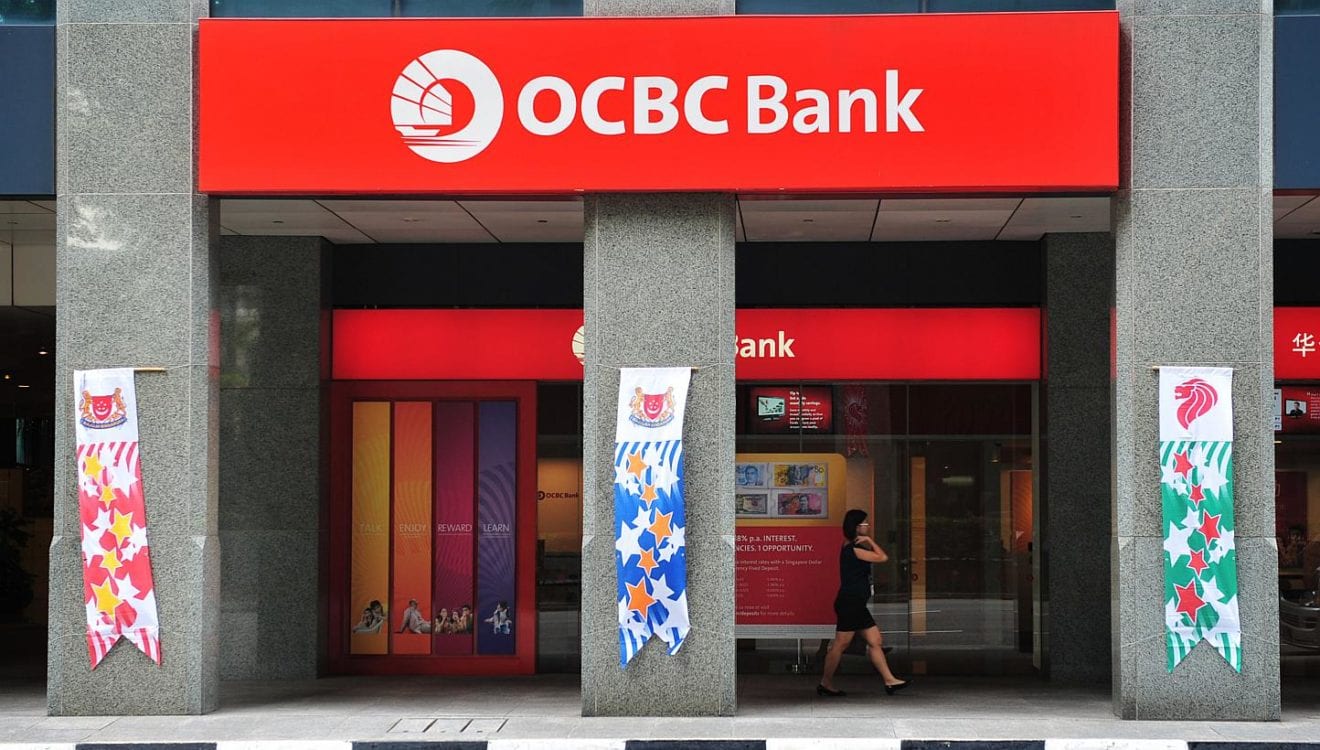
    Singapore’s OCBC bank has significantly advanced its position in the regional payments sector by incorporating eight major Southeast Asian digital wallets into its banking app. This move has established the most inclusive bank-to-wallet ecosystem in the region, according to the bank.

    The decision, facilitated by an expanded partnership with Visa, is designed to simplify remittances, reduce expenses, and bring countless unbanked consumers closer to digital financial services. Now, OCBC customers in Singapore can directly transfer money to top wallets in Indonesia, Malaysia, the Philippines, and Vietnam.

    The recently integrated wallets include the Philippines-based Coins and GCash, Indonesia’s GoPay, LinkAja, and Ovo, Vietnam’s Momo, the Philippines’ PayMaya, and Malaysia’s Touch ‘n Go. This addition builds upon the previous year’s integration of Weixin Pay and Alipay, bringing the total number of wallets to ten. Collectively, these wallets represent a user base of nearly 2.72 billion.

    Addressing the Needs of Singapore’s Foreign Workforce

    This improvement directly tackles the most significant challenges in conventional remittances, namely speed, cost, and accessibility. OCBC points out that a large number of foreign workers still depend on cash agents or manual transfers.

    Through bank-to-wallet connectivity, either the workers or their employers can send funds instantly and without any fees, even if the recipients do not have a bank account or access to physical branches. OCBC anticipates high adoption rates among Singapore’s 1.6 million foreign workers.

    Initial Success: Quadrupled Transfers to China

    OCBC introduced wallet transfers to China a year ago and has since processed more than S$60 million through this feature. Cross-border transfers to China have increased fourfold, with 90% of users avoiding branch visits. Three-quarters of these users are PMETs, primarily Chinese nationals sending money home. This initial success set the groundwork for the current broader rollout across Southeast Asia.

    Visa Partnership to Expand Global Reach

    The expanded capabilities have been made possible by Visa Direct, which links nearly 11 billion endpoints worldwide, including over 3.5 billion digital wallets. According to Adeline Kim, Visa’s Singapore country manager, Visa Direct is helping to “bridge financial gaps”. Moreover, six out of ten Singaporean remittance users anticipate maintaining or increasing their overseas transfers this year.

    OCBC’s Global Ambitions

    Sunny Quek, OCBC’s head of global consumer financial services, has said that the bank is making good on its promise to extend beyond China. He said that “By connecting OCBC accounts to eight of Southeast Asia’s most popular wallets, we are removing friction from cross-border payments and making remittances faster, cheaper, and more inclusive.”

    He further revealed OCBC’s long-term plan to connect its customers to 50 wallets globally, which would make its app “the most comprehensive wallet access of any banking app”.

    Boosting OCBC’s Regional Digital Presence

    This development further solidifies OCBC’s standing as a leading regional financial institution. As one of the world’s most highly-rated banks and one of the largest financial groups in Southeast Asia, OCBC continues to invest in consumer banking innovation in the face of growing competition in the digital payments and fintech landscapes.

    Questions & Answers

    What new capabilities has OCBC Bank added to its banking app?
    OCBC has integrated eight major Southeast Asian digital wallets into its banking app, facilitating direct money transfers to top wallets in Indonesia, Malaysia, the Philippines, and Vietnam.

    What are the benefits of this integration for OCBC customers?
    This integration simplifies remittances, reduces costs, and allows for the instant and fee-free transfer of funds – even if the recipients don’t have a bank account or access to physical branches.

    What is OCBC’s long-term vision for its banking app?
    OCBC aims to connect its customers to 50 wallets globally, with the goal of offering the most comprehensive wallet access of any banking app.
  • Unlock Personalized Deals and Tailored Ads with Google Wallet’s Latest Update: Here’s How

    Unlock Personalized Deals and Tailored Ads with Google Wallet’s Latest Update: Here’s How

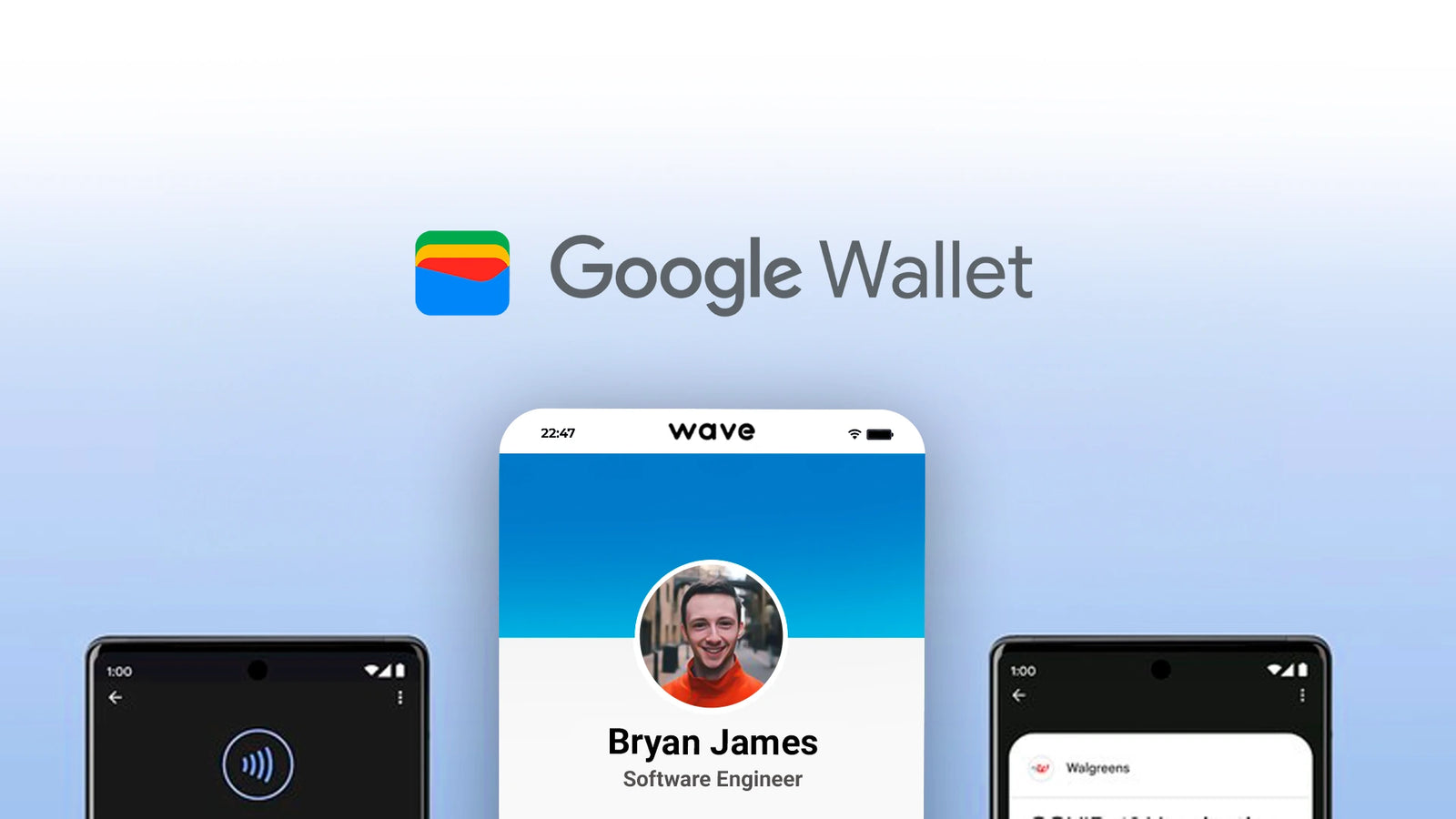
    Google has been improving its Google Wallet app, making it a convenient hub for Android users to digitally store items such as credit and debit cards, passports, tickets, and transit passes. Despite these features, Google Wallet may not be as frequently used as other Google apps, such as YouTube, Messages, Keep, Drive, Email, Chrome, and the Google app.

    Upcoming Changes to Google Wallet

    However, Google Wallet should not be disregarded. Reports suggest that Google has been undergoing modifications to enhance the app’s utility. Insights from a recent teardown of the Wallet app indicate that Google is developing the Google Transit Card. This feature will enable users to pay for public transportation using a specific card without the necessity to unlock their phone, an addition that will undoubtedly be beneficial and time-saving for daily commuters.

    Additionally, the Wallet app is set to offer unique deals based on the loyalty cards stored within the app, provided certain settings are enabled.

    Data Management and Privacy Settings

    A forthcoming update to the Google Wallet app will allow U.S. users to manage their data and privacy settings. These settings can be utilised to create personalised experiences across Google. With your Google Wallet payment information and activity enabled for personalising content and experiences across Google, you will be able to view recommendations or deals based on the loyalty cards in your wallet.

    Google can utilise your purchasing information and details about the loyalty cards in your wallet to provide special deals and personalised ads that may be of interest to you. If you are uncomfortable sharing information about your wallet’s loyalty cards and purchases with Google, these settings can be disabled.

    Enabling Personalisation Settings

    To enable this setting in the app, open the Google Wallet app and tap on the profile icon in the upper right corner. Navigate to Your data in Wallet > Manage data from Wallet and payments services, then toggle on or off the setting Use Wallet to personalise experiences across Google.

    If you’re using a desktop computer, go to wallet.google.com, select Settings from the left sidebar, then under “Data & Privacy,” toggle on or off Use Wallet to personalise experiences across Google.

    Wallet History for Personalised Ads

    The Wallet History feature uses information from Google Wallet and payment services to help Google serve you more customised and useful ads. This setting can be turned on within the app by navigating to Your data in Wallet > Manage data from Wallet and payments services > Use Wallet to personalise Google Ads. Users can toggle this setting on or off at My Ad Center.

    This setting can also be activated via desktop by going to wallet.google.com, selecting Settings on the left, then under “Data & Privacy,” toggling on or off Use Wallet to personalise Google Ads. Users will be directed to My Ad Center to complete the process.

    When both settings are enabled, Google will utilise the data from your purchases, loyalty cards, event tickets, and boarding passes to offer more personalised services. These can manifest as personalised ads, promotions, and recommendations.

    Rolling out the Update

    Google has stated that the update to Google Wallet will be gradually rolled out. Users who do not yet see these settings in the Google Wallet app should expect to receive them in due course. When the settings become available in your Google Wallet app, you will receive a notification from Google.

    Questions & Answers

    What updates are being made to the Google Wallet app?
    In addition to the existing features, Google is reportedly developing a Google Transit Card to simplify payments for public transportation, and is also enhancing data and privacy settings to offer personalised experiences based on stored loyalty cards.

    What is the Google Transit Card?
    The Google Transit Card is a new feature being developed for the Google Wallet app. It will allow users to pay for public transportation using a specific card, without having to unlock their phone.

    How can I personalise my experience on Google Wallet?
    With the upcoming update, users can manage their data and privacy settings, which will then be used to offer personalised deals and recommendations based on the loyalty cards stored in your wallet. You can also enable Wallet History to receive more customised ads.

  • Citi Hires Ex-EY Partner for Asia Digital Payments

    Citi Hires Ex-EY Partner for Asia Digital Payments

    Citi has hired a former partner from Ernst & Young to lead the upcoming launch of a new digital payment solution in the region.

    James Lloyd joins the treasury and trade solutions (TTS) unit as its Asia Pacific head of Spring by Citi – upcoming digital payments offering – according to an internal memo.

    In his Hong Kong-based role, Lloyd reports to Sanjeev Jain, APAC head of payments and receivables, TTS, and Anupam Sinha, global head of domestic payments and Receivables, TTS.

    Lloyd joins from EY where he was a partner within the strategy and transactions practice, leading the firm’s dedicated regional fintech capabilities and serving as APAC leader for its global payments practice.

    Spring by Citi

    The Spring by Citi offering aims to help corporate and institutional clients reach end-customers by enabling digital payments across preferred methods, be it credit cards, instant payments or digital wallets.

    The offering is scheduled for launch in the fourth quarter this year starting with Singapore, Australia and Hong Kong before adding more markets in 2022.

    A spokesperson for the bank confirmed the new appointment.

  • Asia is Ready for a Digital Banking Revolution

    Asia is Ready for a Digital Banking Revolution

    In the next three years, Asia will see more than fifty new digital banks that will completely change the financial services landscape. That’s just the beginning, GFT’s Christopher Ortiz says. The region will also see broader adoption of blockchain technology with new private exchanges, multi-currency e-wallets and digital assets.

    Some of the incumbent banks understand that a technological revolution is inevitable and are working on a digital reshaping of their offering, with broader cloud adoption, end-to-end digitalization of processes and a revamped user experience. What’s interesting is the focus remains predominantly on the retail offering, while the institutional and wealth businesses are trailing behind, weighed by the concept of personalized relationships.

    While this remains true for the current core client base of the top wealth managers, some wealth players are underestimating the impact of the transfer of wealth to the next generation, who despite not being digital natives have already adopted a complete digital lifestyle.

    Some of the most prestigious Swiss private banks understand the impending evolution and have already started a deep transformation of their offering and services with a digital mindset, to smoothly transition to a real personal digital experience. Asian wealth institutions are poised to start this process and revisit the impact of these new services on their current revenue streams.

    This is no longer about providing digital channels; that was the goal of the past ten years. The challenge is to reshape business models and create revenue-generating digital processes and services. It is estimated that cloud migration can help financial institutions reduce 80 percent of their mainframe costs, but this is not a short migration process it could take several years. As such, our recommendation to CIOs is to start embracing the cloud and initiate the migration as soon as possible.

    By 2025, most banking services will be completely digitalized. Multi-currency e-wallets with multiple central bank digital currencies and stable coins will replace physical currency, and the broad tokenization of investment assets and real state will be a reality, while most cross-border transactions will be booked on DLT technology. Financial intermediaries will also have reinvented themselves.

    Banks, as we know them today, are undergoing a fundamental change to become IT platforms with a banking license. However, the overall readiness of current financial services incumbents is under par. With some exceptions, the risk-aversion mindset is likely to prevail, and the lack of a transformational change mindset will stretch the profitability and long-term survival of key incumbents.

    The median age in Asia is around 30 years old, and about 70 percent of the region’s population is underbanked. The scale and challenges are unprecedented.

    In addition, If we look at the amount of unserved retail wealth in Asia, the opportunities are limitless. Yes, Asia will witness a revolution. Now it’s up to the incumbents to jump on the wagon and help drive it.

  • Bitcoin Cash Wallet Cointext Expands to Asia via Hong Kong

    Bitcoin Cash Wallet Cointext Expands to Asia via Hong Kong

    Hong Kong is the primary city in Asia to formally be associated by Cointext, an administration which empowers anybody to send cash to mobile numbers or Bitcoin Cash addresses without Internet, applications, or records. Notwithstanding inhabitants of the Chinese independent domain, Israelis and Palestinians likewise now approach the administration.

    Cointext, an administration which empowers digital money clients to execute transactions straightforwardly over mobile  SMS, has declared that it released bolster for its Bitcoin Cash (BCH) wallet to Hong Kong, and additionally Israel and the Palestinian regions. It is private and secure for casual use.

    “These are important regions for us to connect because they’re financial centers, and Cointext gives them a simple alternative to physical cash,” said founder and lead developer Vin Armani.

    Cointext clients get to their wallets by sending SMS directions like BALANCE, RECEIVE, and SEND to a local number. It never holds funds. Another wallet is in a split second set up the minute the beneficiary gets a message through the administration.  The system does not write data to disk and stores no information about phone numbers, keypairs, or transactions pushed through the system. There’s no database layer. All transactions are settled immediately on-chain. Citizens in the new nations get a Cointext wallet by messaging the word START to their separate numbers: 85257456744 for Hong Kong and 972526230418 for Israel.

    Propelled back in March of this year in the US, Canada, South Africa, Switzerland, Sweden, Netherlands, and the UK, Cointext is a full-highlighted wallet that doesn’t require applications, records, passwords, or even access to the Internet. The administration offers an entrance ramp to the digital money community for anybody with an SMS-empowered phone.  In order to be viable, the CoinText application requires a cryptocurrency that is committed to 0-confirmation speed and on-chain scaling to keep network fees low.

    Not long ago, it was revealed that Cointext has extended its support of six more European nations. On Oct. 1, the organization reported that individuals would now be able to utilize the application to send BCH over SMS in Portugal, Estonia, Germany, France, Austria, and Czech Republic. CoinText collects a fee of 10 Satoshi (.0000001 BCH) per byte to broadcast a SEND message through its API.  In US Dollars, the fee is about $.05 (five cents). This cost is fixed no matter how much perceived value of BCH is moved on the network. This fee may differ by region due to varying costs of SMS gateways.

    Both the Hong Kong and Israel discharges have the default information in English. However, Hebrew and Chinese dialects are in progress of development, the organization said. With this most recent extension to East Asia and in the Middle East, Cointext currently caters to over 25 nations and backings of 15 dialects.

  • FamilyMart Taiwan deploys e-wallet

    FamilyMart Taiwan deploys e-wallet

    FamilyMart Taiwan has launched an e-wallet known as “My FamiPay”.

    The application, launched in collaboration with Cathay United Bank (CUB) and Soft Space, integrates debit/prepaid/credit cards and other various stored value cards to facilitate in-store purchases and utility bill payments.

    Loyalty points can be seamlessly collected and used to redeem or make payments at the counter. Furthermore, the application accepts transactions from over 21 non-cash payment providers via barcode scanning.

    The application will also support pre- order purchases offered exclusively to FamilyMart customers.

    According to eMarketer, Taiwan is the most mobile country in the world with 73.4% of Taiwan’s population using smartphones.

    By using Soft Space’s e-wallet, CUB aims to offer tailored financial and digital services, while FamilyMart Taiwan’s members can benefit from CUB’s extensive client list.

    Soft Space also plans to offer analysis services for FamilyMart Taiwan and CUB to embark on big data analytics.

    Further plans include making the “MyFamiPay” app available to a third party payment processor that allows business owners to accept money online seamlessly.