Tag: Warburg Pincus

  • PE takes stake in China’s Leyou

    PE takes stake in China’s Leyou

    US private equity firm Warburg Pincus has signed on to buy a majority stake in Beijing baby products retailer Leyou, according to a report.

    Warburg’s acquisition – valued at between US$200-400 million, is a brand with a 580-store strong network of self-operated and franchised outlets operating in 150 cities. The deal was handled by investment bank BDA Partners.

    The revoking of China’s One Child Policy has prompted many investors to expect a Chinese baby boomer market on the way. Warburg has invested in a number of similar industries in the PRC.

    BDA Partners MD Anthony Siu said: “With the relaxation of the one-child policy, there is potential for an uptick in mother-and-baby retail sales… for retailers that have well-established brands, we expect to see more majority buyout transactions. The market is maturing.”

    Previous investors into Leyou have included Goldman Sachs, WI Harper, Deutsche Bank, AsiaVest Partners, and the Carlyle Group. Carlyle remains an investor in Leyou.

  • Warburg Pincus bets big on Chinese car park operator Sunsea

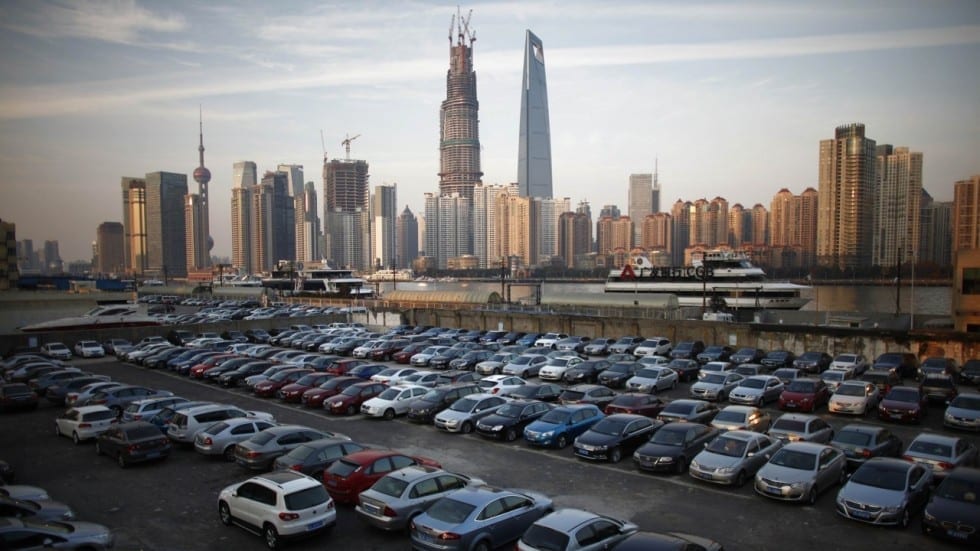
    Warburg Pincus bets big on Chinese car park operator Sunsea

    Warburg Pincus, one of the largest investors in China’s commercial and industrial real estate, has found its next pot of gold amid the country’s property market, as residential assets succumb to a year-long government campaign to cool prices.

    The New York-based private equity firm said it is investing 1.5 billion yuan (US$227 million) into Sunsea Parking together with Warburg-backed Red Star Macalline, the largest furniture retail chain in China.

    The partnership would transfer the operational rights of 300,000 parking spaces at Red Star Macalline’s malls in China to Sunsea, while the parking operator would use the proceeds to buy the rights to manage another 35,000 to 40,000 spaces, according to a statement.

    “The number of China’s private passenger cars is growing at an annual rate of 10 per cent and the country has become the largest market in the world. But the number of parking spaces lags far behind the demand,” said Joseph Gagnon, managing director and head of Asia real estate at Warburg Pincus. “Beijing’s parking spaces to car ratio is just one third of Hong Kong’s.”

    According to a Bain & Company report, every car in Beijing and Shenzhen has 0.4 registered parking spaces, compared to 1.3 in Manhattan and 2.5 in central and western US.

    Other oft-cited data from China’s National Development and Reform Commission estimates there is a 50 million gap in the number of spaces in China. In Beijing alone, the gap was 3.55 million by 2016.

    The Bain survey showed 60 per cent of China’s drivers said they had difficulties finding a parking space in urban central areas, and the same number take more than five minutes to find a spot.

    It estimated that parking fees collected in China’s first and second-tier cities will grow by an average 13 per cent during 2016-2021, to 780 billion yuan (US$118 billion).

    “Car parks as an asset class is currently underestimated,” said Yan Liang, chairman of the Sunsea Parking Group.

    “The asset owns both the characteristics of real estate and financial products, which could potentially be the underlying asset of Reits.

    “More and more commercial properties are shifting from a sale model to leasing model (in terms of car parks), which involve more management, and there is huge potential for efficiency improvements and cost cutting.”

    Sunsea Parking now operates nearly 200,000 parking spaces across 40 Chinese cities and according to Red Star Macalline, its revenue from those increased by an average 50 per cent after Sunsea took control, which is why Red Star Macalline decided to invest in it, and hand over their management.

    Yan, the chairman of Sunsea, said rare foreign capital had been tapping into China’s parking space industry because few spaces carry independent, clear cut property rights, and are sporadically located, creating hurdles for management.

    “Clearly the value is underestimated. You see attached parking spaces can be sold for 5,000 yuan per sq m, while the whole flat is sold for 50,000 yuan per sq m,” said Yan.

    Cao Wenwei,,CEO of Limetree Capial, a US dollar private equity firm, which had invested in parking spaces, said what interests investors most is they can provide a steady cash-flow to develop financial products, for example asset securitisation.

  • Warburg Pincus takes Reiss stake

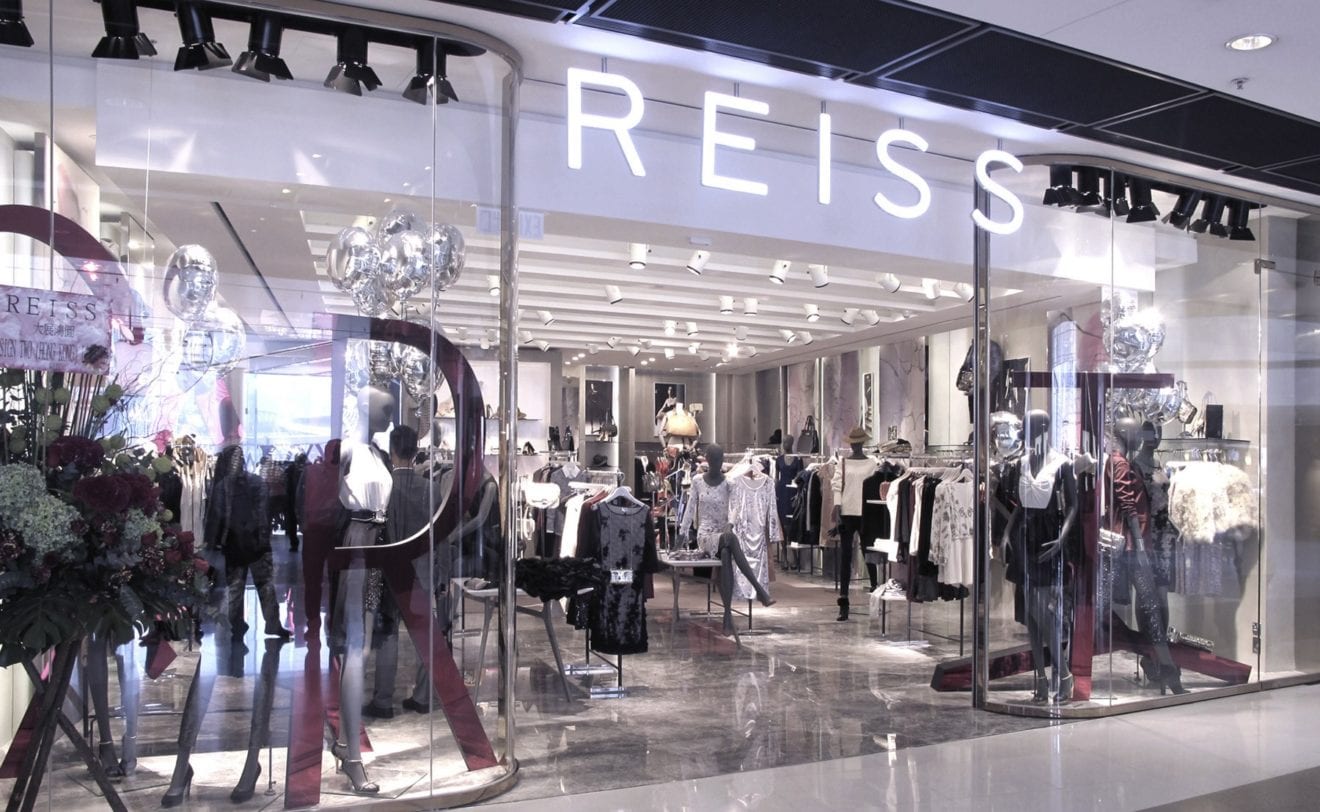
    Warburg Pincus takes Reiss stake

    A majority stake in UK luxury fashion retailer Reiss has been bought by private equity company Warburg Pincus.

    The transaction values the brand, which started out as a menswear store in 1971, at £230 million.

    Reiss has two stores in Hong Kong and four in Manila, Philippines; its only stores to date in Asia. The Hong Kong stores are located in IFC Mall and Ocean terminal, Harbour City. It also sells online, on its own website and on Asos. It has 160 stores globally.

    The sale ends more than six months of talks between founder David Reiss and several potential investors, one of whom was revealed as Permira, which is the private equity investor in Dr Martens.

    According to UK media, Reiss achieved total sales of £146 million in the year to January 31, up substantially from the £111 million of the previous year. Pre-tax profits soared from £3.6 million in 2013 to £10 million during 2014.

    Warburg Pincus MD Paul Best says he plans to expand the brand’s presence internationally.

    “The business has built an enviable position in its core UK market, with a broad and loyal customer base. We believe there is significant opportunity to build on this success,” he said in a statement.

    Reiss, who will remain as chairman and CEO, says the deal will allow the business to grow into a “truly global fashion brand”.

    “We have built a great business providing our customers with timeless luxury at affordable prices.”

    Reiss and Best said the company’s expansion strategy would be focused on the US, Canada, Asia and Australia.

  • Warburg Pincus in $400m bid for MedPlus India

    Warburg Pincus in $400m bid for MedPlus India

    Private equity investor Warburg Pincus is making a bid of up to $400 million for the giant MedPlus India pharmacy chain.

    Nine year old MedPlus currently operates a network of 1200 retail stores in 12 states of India.

    Promoter Madhukar Gangadi, who together with his family owns 31 per cent of the company, wants to ramp up the brand’s rollout to a massive 10,000 stores by 2020.

    Warburg Pincus is one of several in a race to acquire 69 per cent of the business, according to The Economic Times newspaper. Its rivals include General Atlantic and Bain Capital.

    If the chain fetches the figures being broadly quoted – between $350 and $400 million – it would represent a 250 per cent profit on the original investment of the outgoing shareholders, US-based Mount Kellett Capital Management, TVS Capital Funds and Ajay Piramal’s India Venture Advisors.

    Investment bank Credit Suisse is leading the search for strategic buyers to help fund the store rollout.

  • Vincom Retail wins US$100m PE funding

    Vincom Retail wins US$100m PE funding

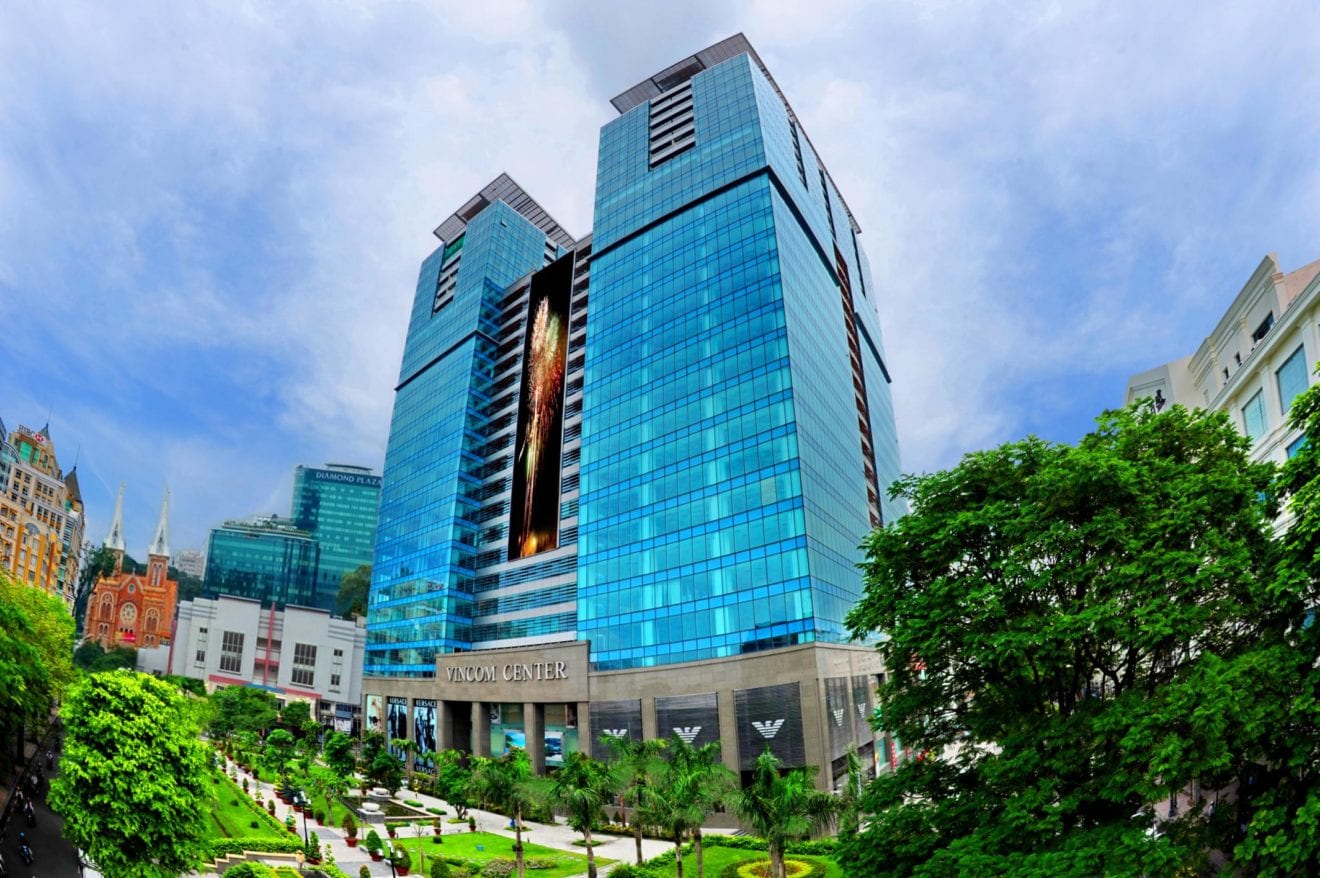
    Vietnam’s largest mall operator, Vincom Retail, has secured US$100 million in funding from a consortium led by private equity company Warburg Pincus.

    It takes the US PE company’s combined investment in the Vietnamese property developer to $300 million.

    Vincom Retail, the largest shopping mall operator in Vietnam, currently has 20 malls in operation or under development. Together with a robust pipeline in prime locations nationwide, the company has the only true national mall network.

    The existing prime assets of Vincom Retail include Vincom Dong Khoi and Vincom Thu Duc in Ho Chi Minh City, Vincom Ha Long, Vincom Ngo Quyen (Da Nang), plus Vincom Ba Trieu, Vincom Long Bien, Vincom Mega Mall Royal City and Vincom Mega Mall Times City in Hanoi.

    Vingroup CEO Duong Thi Mai Hoa said Vincom Retail has more than tripled the size of its portfolio since it first partnered with Warburg Pincus in 2013.

    “The follow-on investment by the Warburg Pincus Consortium is a vote of confidence from our investors in our strong performance to date and our long-term vision for both Vincom Retail and Vietnam. Warburg Pincus has been a great partner to date, and we believe this investment will help us to further accelerate the buildout of our malls as well as our broader retail platform, which includes VinMart, VinDS, VinFashion and VinPro, on a national basis.”

    Vingroup Joint Stock Company is Vietnam’s largest publicly-traded real estate operator and one of the largest companies by market capitalisation.

    Vincom Retail’s properties have attracted leading global and local brands, as well as world class F&B and entertainment operators. The Vincom Retail malls are home to more than 700 domestic and international brands, with major tenants such as Robins Department Store, Marks & Spencer, CJ CGV, Mango, DKNY, French Connection, BCBG Maxazria, Karen Millen, GAP, Lacoste, Nike, Adidas, Emigo, VinMart, VinPro and Vinpearl Land.

    Jeffrey Perlman, MD of Warburg Pincus, said his company was impressed by the growth and performance of Vincom Retail since its initial investment.

    “We believe strongly in the long-term economic prospects for Vietnam on the back of continued urbanisation and emerging middle class consumption. With its best-in-class management team, leading integrated retail platform and unrivaled local expertise, Vincom Retail is poised for strong growth over the next five years. We look forward to continuing to work closely with the Vingroup and Vincom Retail management teams to build the preeminent retail franchise in Vietnam.”

    Vingroup and its subsidiaries boast a market capitalisation of US$3.2 billion as of June 2015.

    It develops and manages real estate, hospitality and entertainment properties in Vietnam across six business divisions – Property: Vinhomes luxury apartments & villas, Vincom and Vincom Mega Mall shopping centers, and Vincom Office space for lease; Hospitality and entertainment: 5-star Vinpearl Resort, upscale Vinpearl Luxury resorts, Vinpearl Land amusement parks and family entertainment centers, Vinpearl Premium resorts and villas, and Vinpearl Golf Club; Retail: VinMart supermarkets, VinMart+ convenience stores, VinFashion, VinDS chain of specialty retail stores, VinPro electronics and appliance stores, and Adayroi comprehensive E-commerce platform.

    Vingroup also operates in Healthcare: Vinmec quality healthcare services; Education: Vinschool quality education, and Agriculture: VinEco – Trusted quality source of food and the Group’s newest sector.