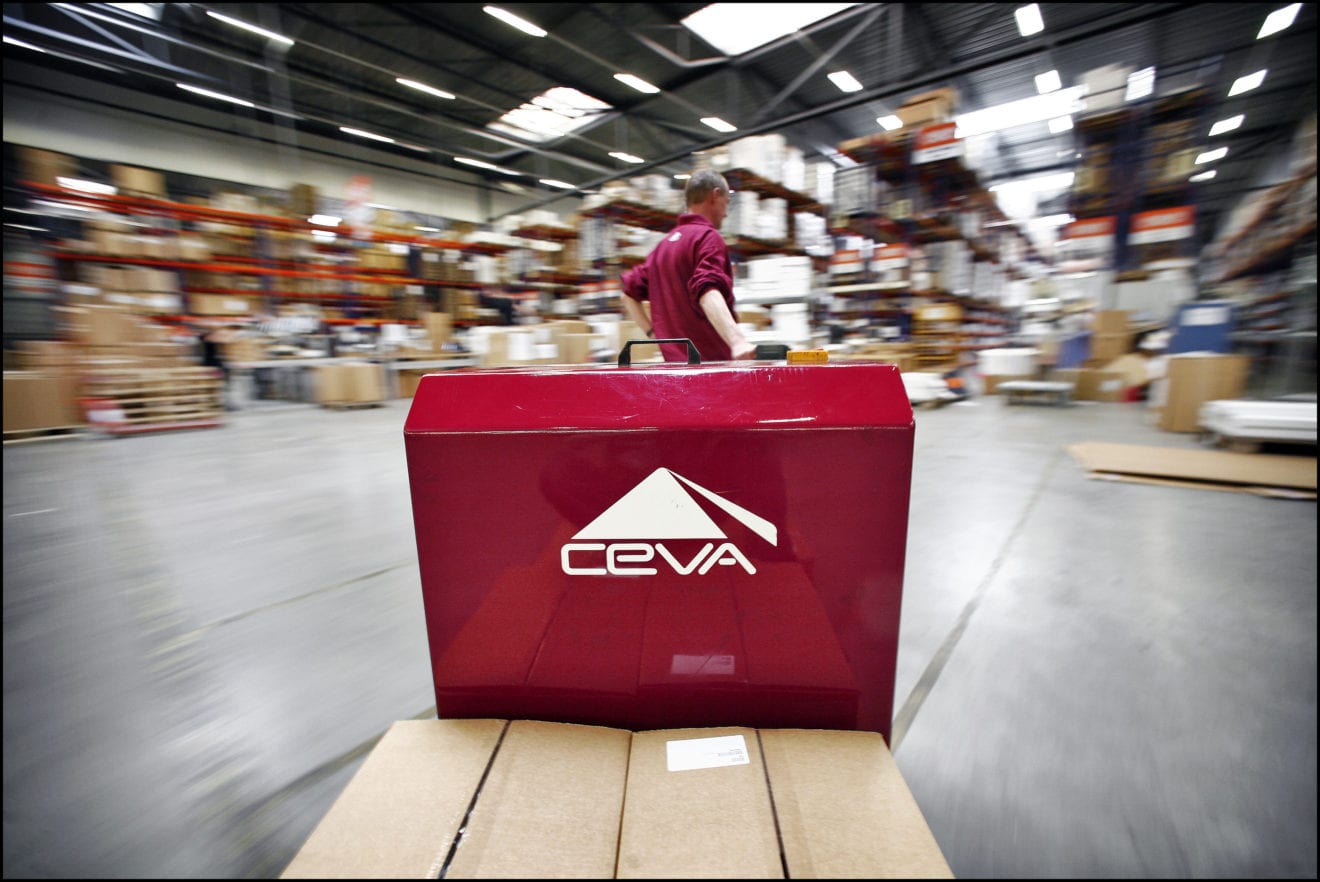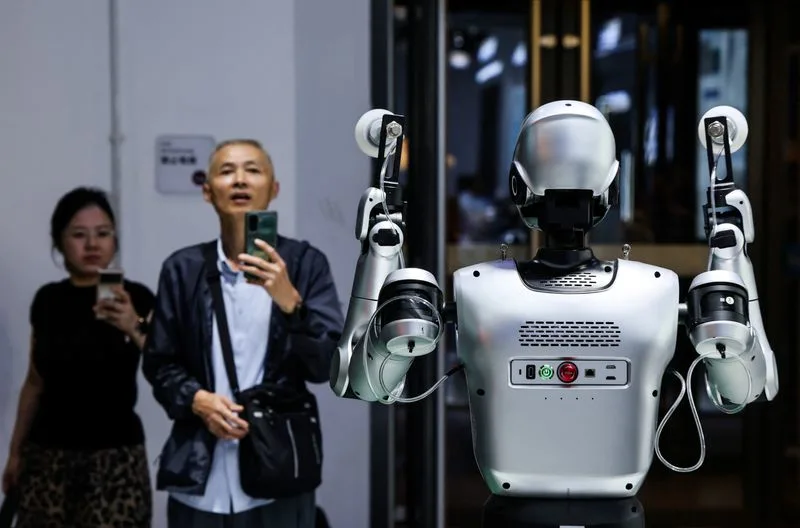
Geekplus expanded its partnership with LPP Logistics in September 2026, deploying more than 1,600 autonomous robots across two fulfilment centres in Poland. The setup scales automated storage to 1.4 million locations. Vertical racking reaches heights of 12 metres, delivering measured operational efficiency gains of 99 per cent.
RoboShuttle systems and P-series picking robots handle apparel inventory and tote-based flows. Software orchestration runs through the vendor’s proprietary Robot Management System. That platform directs fleets exceeding 1,000 autonomous units within a single warehouse footprint.
High-density vertical storage
The Polish deployment uses vertical density to expand throughput without buying extra real estate. Storage racks extend 12 metres high. This design lets the fashion logistics operator house hundreds of thousands of individual totes across high-bay aisles.
Warehouse workers staff workstations while autonomous units retrieve inventory from upper racking tiers. This eliminates manual floor transport. Across both facilities, the operating system tracks real-time inventory movements and adjusts picking paths to maintain throughput during volume shifts.
Scaling warehouse robotics across borders
Chinese mobile robotics suppliers are taking market share from legacy European conveyor and automated crane builders. Their modular hardware deploys without structural facility overhauls. For apparel operators managing thousands of rapid-turnover stock keeping units, mobile units offer shorter implementation timelines and lower civil engineering costs than fixed automated storage and retrieval grids.
Central European distribution hubs face persistent labour crunches alongside volatile e-commerce return rates. Automated tote-to-person workflows cut walking distances inside large hubs. However, they leave supply chains dependent on software integration across proprietary enterprise resource planning and warehouse management systems.
Building on the Polish rollout
LPP Logistics manages distribution for Gdansk-based fashion group LPP, operating more than 700,000 square metres of space across three continents. Its network includes dedicated distribution and fulfilment centres supporting global ocean, rail, and road freight routes.
“Geekplus is proud to scale with LPP Logistics and extend our warehouse automation strategy across two fulfilment centres in Poland. For retailers, one of the biggest challenges is keeping high-volume fashion fulfilment fast and reliable, while staying flexible enough to handle seasonal demand and changing assortments. Geekplus is here to help close that gap by enabling high-density, fashion-focused fulfilment today, while giving LPP Logistics the flexibility to add capacity over time.”
Capacity targets for peak retail seasons
Sebastian Sołtys, chief executive of LPP Logistics, cited fleet flexibility as the key driver for expanding the Geekplus footprint across multiple sites. The modular setup lets the operator add robot units and picking stations ahead of fourth-quarter peak shipping windows. Existing sorting lines stay online during upgrades.
Teams are now calibrating order routing rules across both Polish facilities to balance stock allocations as winter fashion assortments enter the network.