Tag: waste management

  • Korea to ban single-use plastic bags

    Korea to ban single-use plastic bags

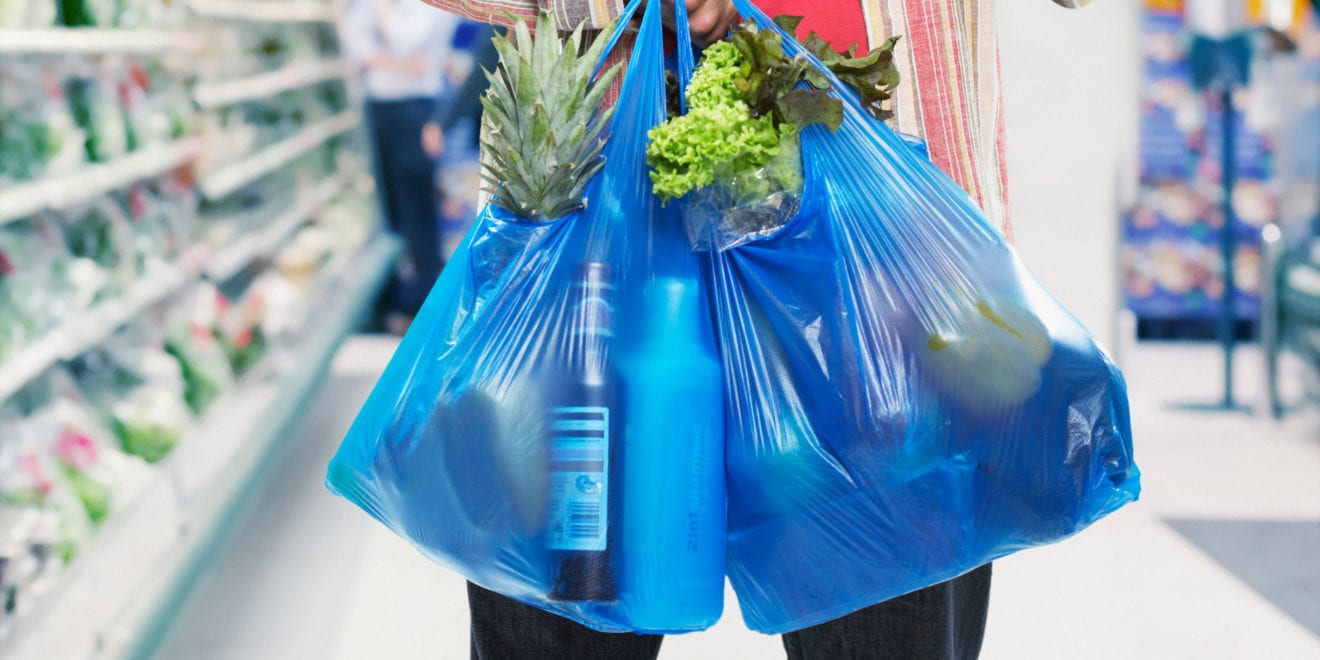
    South Korea is to ban big-time supermarkets and retailers nationwide from selling single-use plastic bags in an attempt to conserve natural resources and reduce recyclable waste. The ban will come into effect on Tuesday as part of a revised law on conserving resources and encouraging the reuse of recyclable waste. Subject to the ban are 2000 outlets of major discount chains and 11,000 supermarkets with sales floor spaces of 165sqm or more where handing out free plastic bags are currently prohibited.

    Stores that violate the ban could face fines of up to 3 million won (around US$2683). Instead, those shops are required to offer customers recyclable containers, cloth shopping bags or paper bags.

    Plastic containers for wet goods, such as meat and fish, will still be used.

    Under the revised law, 18,000 bakeries nationwide will be barred from handing out free disposable plastic bags.

    In cooperation with local governments, the Environment Ministry plans to encourage the affected stores to observe the ban from January through March.

    The ministry is also pushing ahead with a plan to reduce the use of plastic garment bags at laundry shops.

  • Western Australia to stop using plastic bags

    Western Australia to stop using plastic bags

    The ban on the use of plastic bags in Western Australia has started as of January 1, 2019, with retailers no longer be able to provide customers with lightweight plastic bags when shopping in their stores. Retailers who fail to comply with the new laws will face substantial fines and disruptions to their business operations. The National Retail Association (NRA), which has partnered with the state government to assist the sector to make a smooth transition ahead of the ban, has issued a statement to consumers earlier reminding them to be prepared for the change when they shop starting the new year.

    David Stout, NRA manager of Industry Policy, said the bag ban applies to all retailers operating in Western Australia regardless of size or type – ranging from newsagents to food outlets, to pharmacies and petrol stations.

    Stout said shoppers need to make sure that they have alternative options in place, like reusable bags, to safeguard against any inconvenience.

    “The NRA has visited thousands of retailers in all parts of the state over the past few months to ensure that retailers are as ready as possible,” Stout said.

    He added that the NRA will continue to assist retailers with any teething issues after the ban comes into effect.

  • Korea to ban plastic bags in supermarkets

    Korea to ban plastic bags in supermarkets

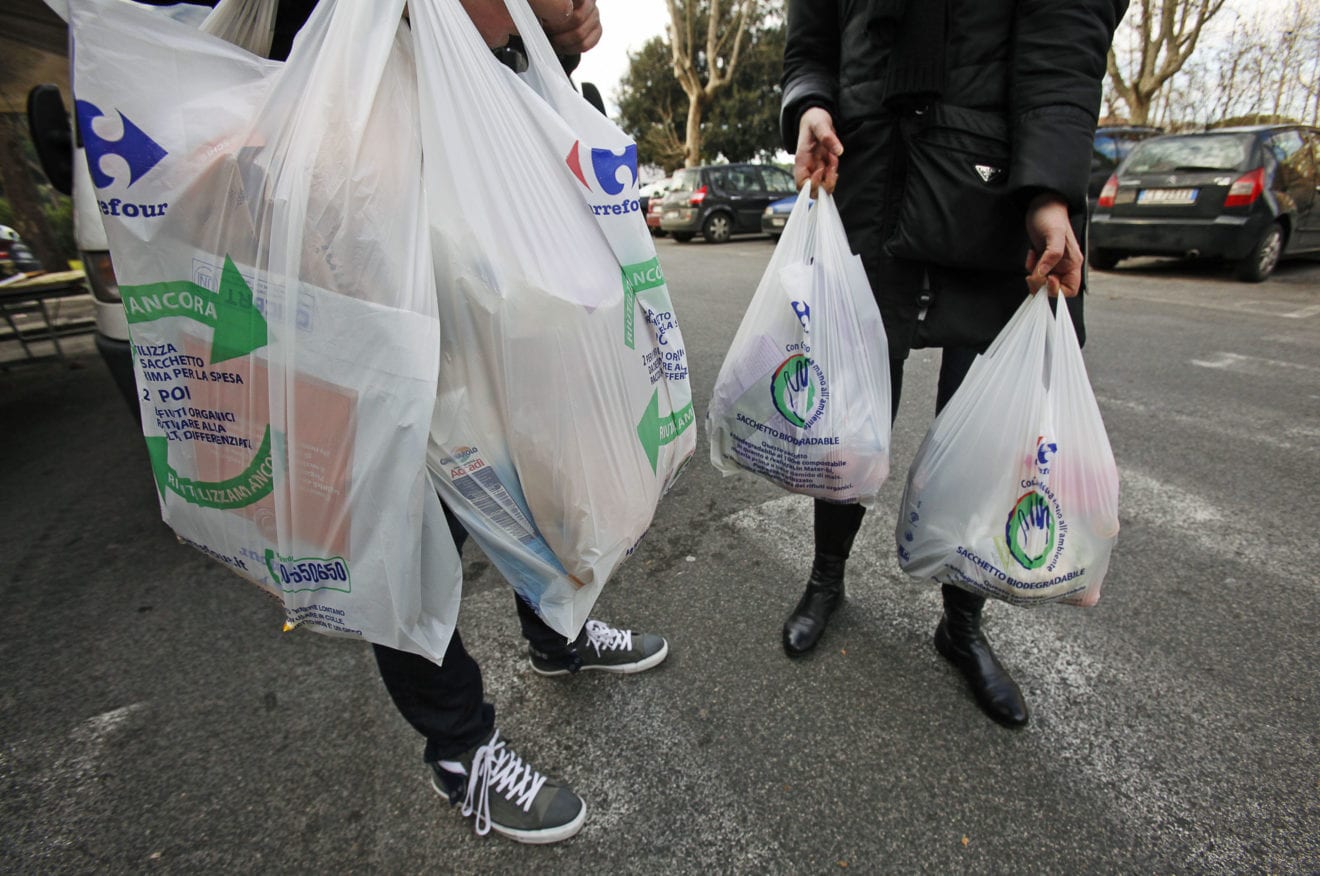
    Large supermarkets are banned from giving or selling plastic shopping bags to customers. The Ministry of Environment announced Monday that it will completely prohibit grocery franchises and supermarkets over 165 square meters (1,776 square feet) from selling or giving away single-use plastic bags from New Year’s Day. While it discouraged stores from providing plastic bags before, the ministry enforced a total ban through a revision to the Act on the Promotion of Saving and Recycling of Resources in an effort to cut plastic waste.

    Some 13,000 supermarkets are affected. If they offer disposable plastic bags, they risk fines of up to 3 million won ($2,690). The only kind of one-use bags stores can sell are the disposal bags accepted by district waste collectors. Stores will be encouraged to sell or offer paper and other non-plastic grocery bags instead.

    Supermarkets can continue to offer customers small plastic bags for wrapping items like fish and meat.

    The revision to the law also prohibits some 18,000 bakeries from handing out plastic bags free of charge.

    The ministry said it will give a grace period of around three months to help stores adjust to the change and work with local government bodies to ensure that the regulations are followed.

    Earlier this year, seven of Korea’s largest grocery and bakery franchises, including E-mart and Lotte Mart, signed voluntary agreements with the ministry to reduce disposable waste.

    That initiative has produced notable results. Paris Baguette and Tous Les Jours, for example, used 74 percent fewer plastic bags in November last year compared to the same period 2017, according to the ministry.

    “It’s necessary to reduce use of disposable waste for the environment and future generations,” said a spokesman from the ministry. “We request the people’s active participation to promote a green consumer culture.”

  • Samsonite to support global fight against plastic bottles

    Samsonite to support global fight against plastic bottles

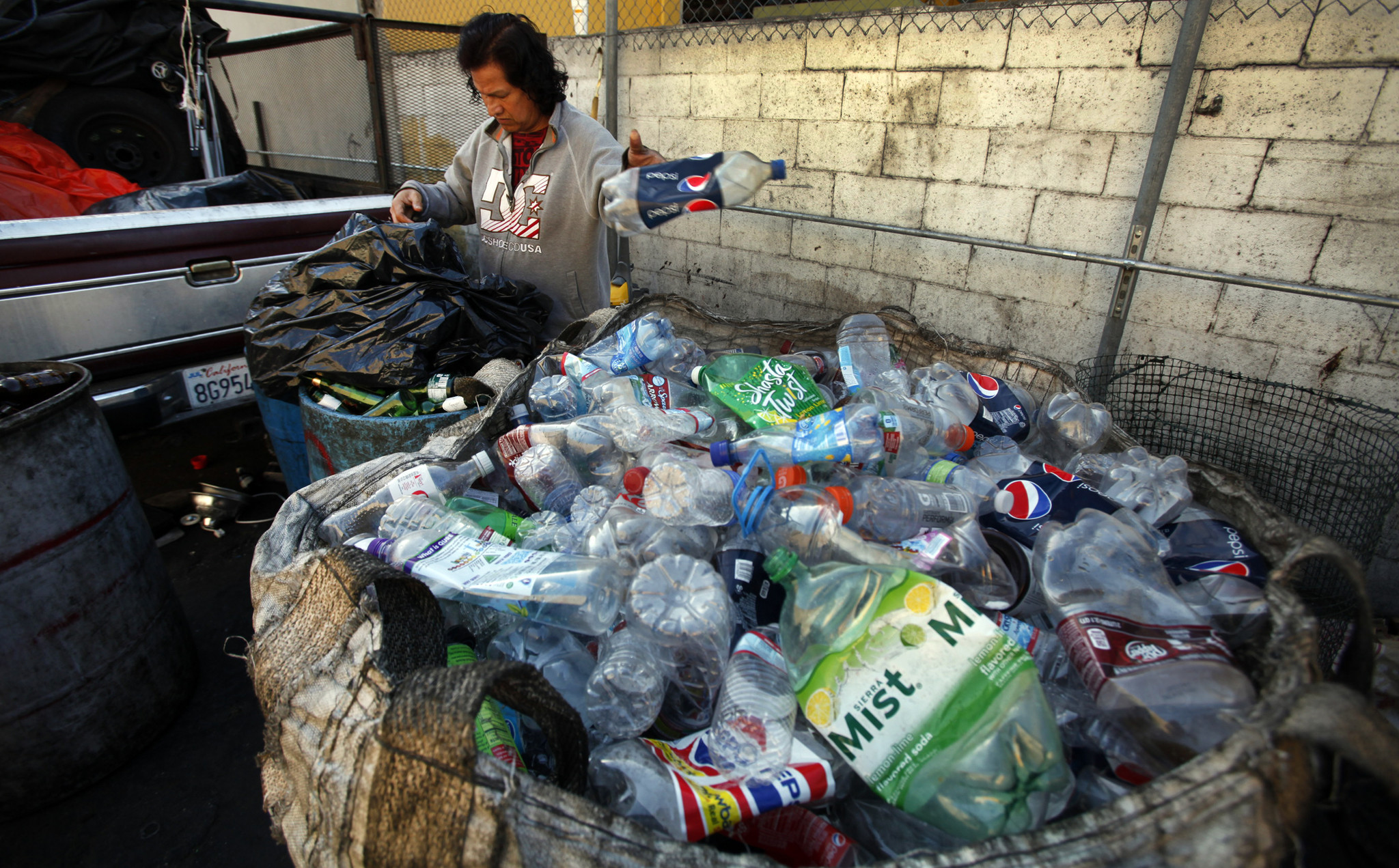
    Samsonite has launched an eco luggage collection for Asia made of Recyclex, a material comprising 100 per cent post-consumer recycled plastic (PET) bottles. As part of its public-facing environmental program, Samsonite has been working with one of its suppliers to create sustainable materials suitable for travel and lifestyle products. The company claims its new innovation Recyclex is as durable and reliable as Samsonite’s polyester fabric made from virgin materials, with the added benefit of reducing plastic waste.

    Subrata Dutta, president of Samsonite Asia Pacific said sustainability is a priority that runs through Samsonite’s products.

    “We recognise that travellers are increasingly aware of environmental protection and looking for ways to reduce their environmental footprint … We expect to generate stronger awareness of environmental protection in the market, and will continue to seek opportunities to maximise the use of recycled and recyclable materials in our products and packaging.”

    The products consumed more than 400,000 recycled plastic bottles in Asia. On some items, cork serves as an alternative for the polyurethane trim on the carry handles, logo, ID tag and back protection.

    Over the next two years, Samsonite will launch at least 30 product lines worldwide made from recycled materials such as rPET and recycled polypropylene.

  • E-commerce platform JD introduces reusable packaging

    E-commerce platform JD introduces reusable packaging

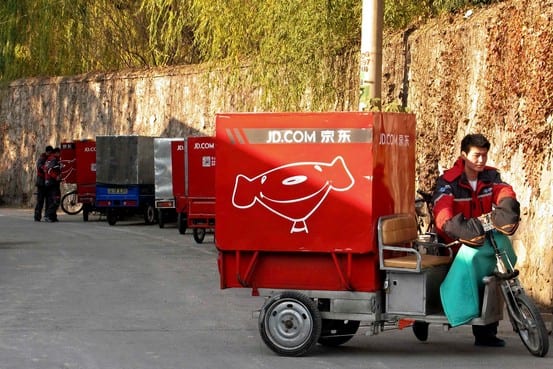
    E-commerce platform JD has launched a reusable packaging initiative to promote sustainable consumption. The new program offers JD’s customers the option of ordering reusable packaging for their small and medium-sized parcels, returning the green boxes to delivery personnel after receiving their order. The firm estimates the program can save RMB32.5 million (US$4.68 million) per year if 10 per cent of orders use the new packaging.

    Customers who choose the packaging are rewarded with JD’s “Jingdou” loyalty points, which can be exchanged for products on JD.

    The service, which kicked off in Beijing, Shanghai, Guangzhou and Shenzhen, will expand to Chengdu and five other cities by the end of this month, and will cover 20 cities by the end of the year.

    JD Logistics’ head of planning and development Bing Fu said: “JD.com is always exploring ways to reduce e-commerce waste through green logistics. By using this green packaging, and taking part in our other innovative recycling programs, JD’s customers can enjoy the convenience of e-commerce while knowing that their purchases have involved minimal carbon emissions.”

    By deploying green boxes, JD expects to reduce the number of boxes used throughout the supply chain by 10 billion by 2020. The company has also set the target for 80 per cent of packaging materials to be recyclable; over 50 per cent of plastic packages to be replaced by biodegradable material; and 100 per cent of logistics packaging to be composed of recyclable or reusable materials.

    Meanwhile, JD introduced a fleet of hydrogen energy delivery trucks to greater Shanghai earlier this year, marking the first significant commercial deployment of hydrogen-powered vehicles for logistics in China as well as the latest expansion of JD’s goal to make the ‘last mile’ of the distribution process carbon-free. In early June, the company unveiled a fleet of 50 solar-powered delivery vehicles in Beijing.

  • Biodegradable Packaging Material Market Remains Highly Fragmented, with Tier 3 Players Collectively Foreseen

    Biodegradable Packaging Material Market Remains Highly Fragmented, with Tier 3 Players Collectively Foreseen

    Biodegradable packaging market witnessed moderate growth during 2013 to 2027, and the status quo is envisaged to prevail over the period of forecast 2018 to 2028, according to new Fact.MR study. Volume sales of biodegradable packaging are foreseen to record a modest 4.2% CAGR through 2028, which is anticipated to equal a market value in excess of US$ 703 billion. The study finds that tier 3 players will collectively continue to account for over three-fifth share of the biodegradable packaging market.

    Biodegradable packaging market is expected to envisage healthy value CAGR of 4.2% during the period 2018-2028, with revenues surpassing US$ 703 billion by 2028 end. The study also opines that the paper & paperboard biodegradable packaging will retain its undisputed dominance in the biodegradable packaging market, as it may account for more than 95% of the total market revenue by the end 2028. The global war against plastic packaging materials is opening an attractive window of opportunities for paper packaging companies, enticing them into entering the biodegradable packaging market.
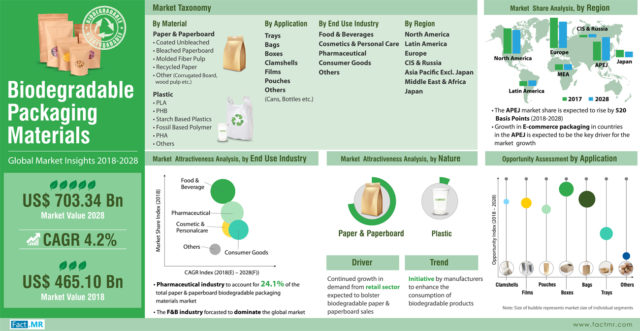
    A majority of regulatory bodies and international environmental organizations have proposed a ban on single-use packaging materials to mitigate the perilous effects of non-degradable solid waste on the environment. Increasing environmental awareness and consumer inclination towards making sustainable purchases is providing a major boost to the growth of the market.

    Positive effects of the ban on single-use packaging on the biodegradable packaging market are offset by stringent labeling regulations and certification procedures to control false claims about the biodegradability of packaging materials. The market is characterized by the needs to comply with strict quality standards established in various regional markets, which may complicate it for market players to maintain competitive prices of biodegradable packaging solutions.

    Meanwhile, the study finds that leading players in the biodegradable packaging market are adopting strategies to acquire their smaller rivals to consolidate a stronger position in the packaging sector. DS Smith plc – a British paper packaging company – recently announced its plans to acquire its Spanish rival Europac Group for over US$ 2 billion, in order to merge the Western European biodegradable packaging market. Another leading player – Smurfit Kappa Group recently completed the acquisition of Reparenco – a paper and recycling company in Netherlands – for €460 million to expand its European biodegradable packaging capacities.

    An American manufacturer of biodegradable packaging – WestRock Company recently acquired packaging businesses across the world, including Hanna Group Pty Ltd, Plymouth Packaging, Inc., and Schlüter Print Pharma Packaging GmbH, to establish a stronger presence in the market. The company also revealed its plans to acquire KapStone Paper and Packaging Corp., an American paper company, for a total enterprise value of around US$ 4.9 Bn to leverage KapStone’s expertise in biodegradable packaging using kraft paper.

    “Increasing growth of the e-commerce sector and popular trends of online grocery shopping is opening new avenues of growth for players in the biodegradable packaging market. Purchasing decisions of environment-conscious consumers are greatly influenced by sustainable packaging materials, which may create high demand for biodegradable packaging solutions in the coming future. Stakeholders in the biodegradable packaging market are shifting their focus on the dynamic trends in the e-commerce sector while adopting their future business strategies,” says a lead analyst at Fact.MR.

    The study further states that, among all the leading end-user industries in the biodegradable packaging market, food & beverage industry is expected to account for more than 30% of the total market share throughout the forecast period. Increasing demand for packaged food products, convenience foods, and ready-to-eat meals is reflected in supermarket shelves. Leading market players are introducing biodegradable packaging films, trays, and bags to further improve the fresh food experience for consumers while offering numerous environmental benefits.

    Sensing the extraordinary growth opportunities in the biodegradable packaging market for the F&B industry – the Mondi Group recently developed an innovative, paper-based, biodegradable packaging bag for food – Sustainex®, in collaboration with a Polish converter, SILBO. Multifold opportunities for biodegradable packaging in the F&B industry are boosting market players to develop innovative technologies, biodegradable packaging materials, and designs, which is expected to influence the dynamics of the biodegradable packaging market in the upcoming years.

  • PM Vietnam warns against allowing in global waste

    PM Vietnam warns against allowing in global waste

    “Authorities need to work in co-ordination to stop scrap from entering Vietnam and affecting the environment and people’s lives,” he said at a meeting of the government’s standing committee on importing scrap Wednesday.

    They need to investigate the scrap containers that have entered the country without anyone accepting delivery so far and occupying huge space at ports, he said.

    They need to take legal action against violations of environmental laws and illegal imports of scrap, he said.

    They should not permit businesses to import scrap, he warned further.

    The Prime Minister approved a proposal to issue a directive on controlling scrap imports, which will be an important legal basis for the Ministry of Natural Resources and Environment to stop their imports.

    Since China announced last year it would stop allowing imports of waste as part of its “war on pollution” Vietnamese experts and officials have been concerned this country could become the next dumping ground for the world’s scrap.

    Over 900 Vietnamese firms import paper, plastic and metal scrap for use in manufacturing, according to Vietnam Customs.

    In the first six months 8,000 containers of scrap arrived at Cat Lai port in Ho Chi Minh City, said its operator, Saigon Newport Corporation.

    A third have remained at the port for over 90 days without anyone carrying out clearance procedures for them, it added.

    This year Vietnam had imported 2.28 million tons of metal scrap for over $816 million as of June 15, an increase of 55 percent year-on-year, according to customs.