Tag: waste

  • Celonis And Peech Unveil Innovative Solution To Curb Perishable Goods Loss In Retail Industry

    Celonis And Peech Unveil Innovative Solution To Curb Perishable Goods Loss In Retail Industry

    A new inventory management solution developed by Celonis and Peech has been launched to help retailers and consumer packaged goods companies reduce waste and revenue loss from perishable goods.

    The product, called the Celonis Inventory Lifecycle Optimisation app, is designed to enhance how businesses manage perishable items, including fresh produce and baked goods, by improving the effectiveness of price markdowns before products reach the end of their shelf life.

    Price adjustments for perishable goods are a key part of inventory management and have a direct impact on reducing unnecessary food waste. However, existing inventory management systems often lack mechanisms to track whether established markdown procedures are being correctly followed. This gap can lead to missed markdown opportunities, resulting in product disposal that diminishes stock and affects revenue.

    New inventory solution from Celonis and Peech enables retailers to reduce perishable goods losses

    Retailers and consumer packaged goods companies will be able to reduce product waste and lost revenue with the launch of a new solution co-developed by Process Mining leader Celonis and tech company Peech.

    The Celonis Inventory Lifestyle Optimisation app optimises the process of managing perishable inventory.

    Adjusting, or marking down, the price of products with a limited shelf life, such as fresh produce and baked goods, is a critical aspect of inventory management. It’s also critical for reducing food waste.

    Traditional inventory management systems can identify perishable products that are at risk of expiring, but they lack the ability to track adherence to standard markdown processes. Missed markdown opportunities can result in needless product disposal, which leads to inventory loss (or shrinkage) and negatively affects revenue.

    Dean Tarpley, Industry Principal for Retail & CPG at Celonis, said retail and CPG’s incredibly tight margins leave no room for operational inefficiencies.

    “The Inventory Lifecycle Optimisation app enables organisations to identify process improvement opportunities, take action to increase markdown adherence, and monitor the effectiveness of those efforts.”

    Anmol Gupta, Founder and CEO of Peech, said: “By bringing Celonis Process Intelligence to the inventory lifecycle process, we were able to create a solution that lets retailers and CPG companies answer the question, ‘Did we do everything possible to sell the inventory before it goes bad?’ whether it’s a loaf of bread on the grocery store shelf or cosmetics waiting for delivery in the warehouse.”

    A leading global retailer that is using the solution to minimise shrink in perishable inventory, has improved its sell-through rate by 2% leading to a projected $35 million in recaptured revenue.

    The company, which has more than $200 billion in annual revenue, found that its stores were not properly executing against defined processes for discounting limited shelf-life goods within bakery, meat, prepared foods, and other departments. Non-adherence was leading to lost sales opportunities, increased wastage, and compliance risks.

    Using the Inventory Lifecycle Optimisation app, regional managers are now able to identify products, stores, and departments falling behind regional benchmarks in program compliance. They can also get insights on a weekly basis to guide staff conversations for markdown process adherence improvement. The solution is being scaled across 4,000 stores and the company expects meaningful gains in process compliance.

    The app identifies and quantifies missed revenue opportunities by tracking markdown adherence and highlighting areas for improvement. It provides:

    • Increased visibility for data-driven improvements: Monitoring shrink prevention processes across all levels of the business, companies get in-depth insights to better identify and understand adherence improvement opportunities. Main View that tracks compliance and performance at the region, market, store, department, and even associate levels, enabling targeted process interventions.
    • Better tracking of intervention effectiveness: Companies can observe the impact of process changes over time, with a user-customised targeted view on the specific areas they care about most. Once interventions are made, a Monitoring View lets companies track the impact of their process improvements over time, in both relative rate and recaptured revenue contexts.
    • Customised reporting: Companies can use insights from the app to drive impactful process improvement conversations through built-in user-specific notifications. Customers can elect to have scheduled notifications that highlight the improvement of the stores, departments, etc. sent to managers and decision makers (via Celonis Action Flows).

    The app is the latest addition to the Celonis Platform Apps Program, enabling companies to quickly realise value with solutions built by ecosystem partners on the Celonis Process Intelligence Platform.



  • Indonesia to convert waste into fuel, power in 30 big cities

    Indonesia to convert waste into fuel, power in 30 big cities

    Indonesian Deputy Minister of Energy and Mineral Resources Yuliot Tanjung said that the government is targeting to process waste into fuel and electricity in 30 big cities by 2029.

    He added that each city can produce around 20 megawatts of electricity. The products obtained from waste processing will not be limited to electricity but also include fuel oil, which will be produced using pyrolysis technology.

    According to the official, waste can be converted into electricity and fuel oil through integrated waste processing with the help of technology.

    Earlier, the Ministry of Environment informed that the acceleration of waste utilization into energy is expected to support waste management efforts in regions, supported by new regulations regarding electrification.

    The government is unifying three presidential regulations related to waste management to support the utilization of waste to produce electrical energy through waste power plants.

  • Starbucks plans to reduce food waste in Japan

    Starbucks plans to reduce food waste in Japan

    Starbucks today announced a new program to reduce food waste at select Starbucks stores across Japan.

    To ensure unsold food does not go to waste, participating stores have the option of marking down select bakery products by 20% several hours prior to closing.

    As part of Starbucks ongoing commitment to fight against hunger, the company will donate part of the revenue of these discounted sales to Musubie, a local non-profit which provides meals for children across Japan.

  • Key Apple supplier is one step closer to building its new U.S. factory

    Key Apple supplier is one step closer to building its new U.S. factory

    Back in May, the world’s largest foundry, Taiwan Semiconductor Manufacturing Co. (TSMC), was going to announce that it was building a U.S. based chip manufacturing facility. The U.S. facility moved one step closer to reality. Taiwan’s ministry of economic affairs gave the go ahead for TSMC to proceed with the first phase of building the factory in Arizona with an investment of $3.5 billion. The total cost of the facility is expected to be close to $12 billion.

    The country’s ministry of economic affairs has the job of authorizing major investments made overseas by Taiwan companies. TSMC’s application has been approved by the ministry according to an announcement made earlier today. The plant is expected to be operating by 2024 and churn out chips made using the 5nm process. By that year, the most cutting-edge integrated circuits will be made using the 3nm process. TSMC’s Arizona factory will turn out 12-inch wafers with as many as 20,000 a month rolling out of the facilities.

    The factory was originally planned by President Donald Trump as a sign that the U.S. would become a leader in tech production. While many U.S. companies design their products in the states like Apple does, the actual manufacturing is usually done overseas in Taiwan or China. For example, the iPhone is designed in Cupertino but is assembled by three Taiwan firms. Trump had asked TSMC to announce its plans prior to the U.S. election as he figured that his chances for re-election would get a shot in the arm if he could announce that the world’s largest chip manufacturer was building a plant in the states. However, it looks as though Trump will be out of office by the time the factory in Arizona starts volume production.

  • Carmaker Hyundai launches fashion collection from up-cycled waste

    Carmaker Hyundai launches fashion collection from up-cycled waste

    Hyundai Motor has announced the launch of its sustainable fashion collection – Re:Style 2020 – created by upcycling discarded automotive waste materials from manufacturing and scrapping processes.

    The company says it has taken a creative approach to sustainable fashion by converting auto waste into marketable products in collaboration with artists – Alighieri, E.L.V. DENIM, Public School, pushBUTTON, Richard Quinn, and Rosie Assoulin.

    The eco-friendly fashion collection features a variety of products such as jewelry, jumpsuits, working vests, bags, and various other clothing. For example, Alighieri created a collection of necklaces, chokers, and bracelets with repurposed car seatbelts, car glass, and foam materials. A work vest with pockets has been made using airbag materials by pushBUTTON. The collection also includes a tote bag made of seatbelt webbings, carpet fabrics, and foam, designed by Rosie Assoulin.

    The idea behind Hyundai’s ‘Re:Style 2020’ has been to make use of waste materials from the auto scrapping process that ultimately ends up in landfills. Though materials such as iron and nonferrous metals are currently recycled as part of the scrapping process, some other materials such as leather, glass, and airbags cannot be. It was these leftovers that were sent to the collaborative partners of the fashion collection.

    The sales of sustainable fashion products will begin on October 13 at London’s Selfridges pop-up store and Selfridges online store. Proceeds from the sales will go towards the British Fashion Council’s Institute of Positive Fashion.

    Hyundai says that by demonstrating that discarded resources can be reimagined into valuable products, the company aims to encourage other industries to see waste as a recreative opportunity. “(And) work collaboratively toward an environmentally accountable and economically efficient future,” says Wonhong Cho, Executive Vice President and Global Chief Marketing Officer of Hyundai Motor Company.

  • Vietnam aims to free tourist areas of plastic waste

    Vietnam aims to free tourist areas of plastic waste

    Vietnam will cut down 75 percent of its marine plastics and stop generating plastic waste in coastal tourist areas by 2030, the government says.

    Prime Minister Nguyen Xuan Phuc has issued a national action plan on the management of plastic waste in the ocean until 2030, which aims to fulfill the country’s international commitment to resolve the issue of marine plastics.

    According to the plan, by 2030, Vietnam would have reduced the amount of plastic waste being dumped into the ocean and collected 100 percent of lost or discarded fishing equipment. Additionally, 100 percent of coastal tourism service providers would stop using disposable plastic products and non-degradable plastic bags, and 100 percent of marine protected areas would be free of plastic waste.

    The government has asked the Ministry of Natural Resources and Environment to expand its annual monitoring activities and evaluate the current status of marine plastics at river mouths and in 12 island districts every five years.

    To achieve its goals, the government will work to promote and raise public awareness on the issue of plastic waste; change the public’s behavior and treatment of plastic products and marine plastics; collect, sort, store, transport and treat plastic waste generated by activities in coastal areas and on the seas.

    The PM asked the Ministry of Natural Resources and Environment to work with authorities of coastal provinces and municipalities to develop and pilot models for managing, reducing and eventually stopping the use of disposable plastic products and hard-to-degrade plastic bags in coastal areas.

    According to the United Nations Environment Program, Vietnam is the world’s fourth-largest marine plastic polluter after China, Indonesia and the Philippines. It has been estimated that Vietnam dumps an average of 300,000-700,000 tons of plastic waste into the ocean per year, accounting for six percent of the world’s marine plastics.

  • Australia’s food waste problem fueled by meal delivery services

    Australia’s food waste problem fueled by meal delivery services

    Australia’s food waste problem is getting worse, like meal delivery services fuel further waste.

    The nation’s total food waste bill is now $10.1 billion, up from $8.9 billion dollars in 2018, making it the highest in four years of data collected by the Rabobank Food Waste report.

    Australia is the fourth highest food waster in the world, with the average household now throwing away an average $1,026 worth of food per year, a 15 percent increase from $890 last year.

    Household waste makes up 34 percent of food waste nationally, with 31 percent from primary production and 25 percent from manufacturing.

    Glenn Wealands, head of Client Experience, Rabobank Australia said food waste is one of the most “significant challenges facing our nation and planet”.

    “As individuals, each and every one of us can and must make a difference. When we waste food, the ramifications go far beyond just dollars, impacting our planet and precious resources,” Wealands said.

    “We know from this research that more than three-quarters of us care about reducing food waste and are annoyed by it. However, it is alarming that less than three out of 10 of us recognize the impact our food waste has on the environment.”

    Rabobank said the main contributor to household waste was poor food prepared properly, leftovers going uneaten, buying too much and changing plans after shopping.

    Gen Z remains the most wasteful generation, binning $1,446 of the food they purchase every year, up $234 from 2018. While Baby Boomers remain the least wasteful of all Australians, throwing out only $498 of their food.

  • The Source Bulk Foods opens Restaurant in Singapore

    The Source Bulk Foods opens Restaurant in Singapore

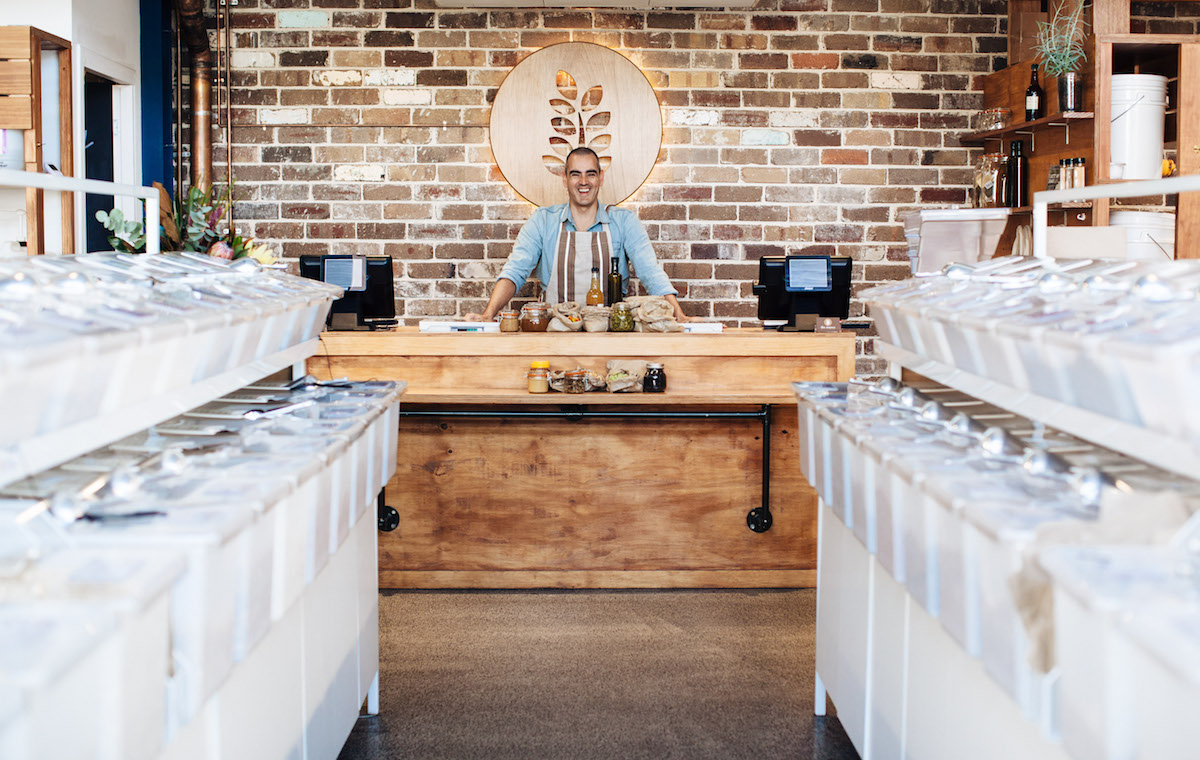
    Australia’s largest bulk foods and zero waste retailer The Source Bulk Foods has unveiled its first outlet in Singapore.

    Located at Cluny Court, the store will carry a wide range of pantry staples, numbering more than 350 products that include premium whole foods and treats as well as packaging-free household products.

    Founded in 2012 in Byron Bay, Sydney, Australia, The Source Bulk Foods has promoted an ethos of zero packaging, encouraging customers to buy and use only what is needed.

    “We are as much about providing nutritious products as we are about embracing a zero waste goal, and creating a healthy community,” said The Source Bulk Foods master franchisor for Southeast Asia Rob Behennah.

    “Our passionate team looks forward to delivering wholesome food, nourishing families, and in doing so, taking a hands-on approach to nurturing our planet.”

    Shoppers at the store are given three easy steps to purchase: grab a bag (or refill a jar), write the product code, and fill the bag with the desired amount of the chosen product. Customers then proceed to the cashier, where their groceries will be weighed and payment made.

    “The Source Bulk Foods is revolutionising the way we shop,” said franchise partner and full-time nutritionist Sarah Widjaja.

    “At every step of the way, suppliers, retailers, and customers can reduce their use of unnecessary packaging and single-use plastics. By buying only what is needed, we can also minimise food waste.”

  • Little Yellow Bird Raised Half Million Dollar in Crowdfunding Campaign

    Little Yellow Bird Raised Half Million Dollar in Crowdfunding Campaign

    Little Yellow Bird has raised over $440,000 in an equity fundraising campaign – having passed its minimum funding figure of $300,000, and becoming New Zealand’s self-professed ‘first community-owned ethical fashion brand’.

    The campaign has only hours left, has attracted over 220 backers, and will see Little Yellow Bird scale itself up with the aim of increasing market reach, growing sales and its leadership team, and expanding into new markets.

    Expansion plans also include a clothes recycling program, which the company calls a “crucial next step for sustainable change” in its industry.

    “We’re more than just a clothing brand,” Little Yellow Bird founder Samantha Jones said.

    “We’re telling the story about where and how our products are made and are working tirelessly to provide employment opportunities in the communities where our clothes come from.”

    At the end of the funding period, the ownership of the business’ shares will be split between campaign investors, Jones, and female-founder focused Lightning Lab XX at $1 a share.

    The brand uses rain-fed, organic cotton grown without the use of pesticides or chemicals, while its factories use zero-waste initiatives. The business is working to minimize waste and utilizes closed loop systems to do this.

  • Korea to ban single-use plastic bags

    Korea to ban single-use plastic bags

    South Korea is to ban big-time supermarkets and retailers nationwide from selling single-use plastic bags in an attempt to conserve natural resources and reduce recyclable waste. The ban will come into effect on Tuesday as part of a revised law on conserving resources and encouraging the reuse of recyclable waste. Subject to the ban are 2000 outlets of major discount chains and 11,000 supermarkets with sales floor spaces of 165sqm or more where handing out free plastic bags are currently prohibited.

    Stores that violate the ban could face fines of up to 3 million won (around US$2683). Instead, those shops are required to offer customers recyclable containers, cloth shopping bags or paper bags.

    Plastic containers for wet goods, such as meat and fish, will still be used.

    Under the revised law, 18,000 bakeries nationwide will be barred from handing out free disposable plastic bags.

    In cooperation with local governments, the Environment Ministry plans to encourage the affected stores to observe the ban from January through March.

    The ministry is also pushing ahead with a plan to reduce the use of plastic garment bags at laundry shops.

  • Samsonite to support global fight against plastic bottles

    Samsonite to support global fight against plastic bottles

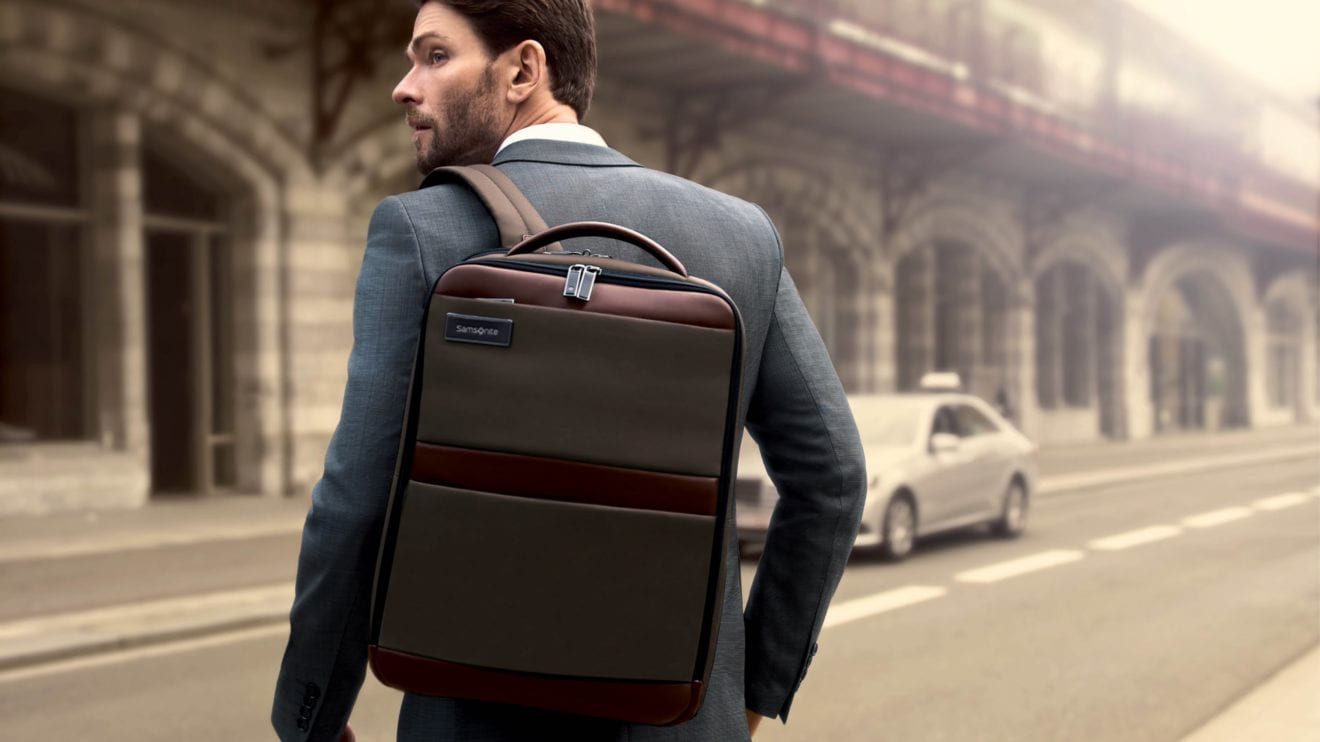
    Samsonite has launched an eco luggage collection for Asia made of Recyclex, a material comprising 100 per cent post-consumer recycled plastic (PET) bottles. As part of its public-facing environmental program, Samsonite has been working with one of its suppliers to create sustainable materials suitable for travel and lifestyle products. The company claims its new innovation Recyclex is as durable and reliable as Samsonite’s polyester fabric made from virgin materials, with the added benefit of reducing plastic waste.

    Subrata Dutta, president of Samsonite Asia Pacific said sustainability is a priority that runs through Samsonite’s products.

    “We recognise that travellers are increasingly aware of environmental protection and looking for ways to reduce their environmental footprint … We expect to generate stronger awareness of environmental protection in the market, and will continue to seek opportunities to maximise the use of recycled and recyclable materials in our products and packaging.”

    The products consumed more than 400,000 recycled plastic bottles in Asia. On some items, cork serves as an alternative for the polyurethane trim on the carry handles, logo, ID tag and back protection.

    Over the next two years, Samsonite will launch at least 30 product lines worldwide made from recycled materials such as rPET and recycled polypropylene.

  • All Starbucks in Korea to get paper straws from yesterday

    All Starbucks in Korea to get paper straws from yesterday

    Starbucks Korea is stocking all 1,225 of its stores nationwide with paper straws in a bid to cut down on its plastic usage. Starting last Monday, Starbucks began stocking all of its stores with white paper straws, which it found during trials to be more popular than green ones. The paper straws will also be coated with soy oil both inside and outside in response to customer complaints that its original trial straws were too flimsy.

    Starbucks trialed paper straws at 100 stores in Seoul, Busan and Jeju Island over the last two months.

    Though all stores now have paper straws, some branches will continue to offer customers plastic ones until they deplete existing stocks.

    Additionally, on Monday Starbucks began stocking all of its stores with plastic cup lids that don’t require straws. These special lids, which resemble those used with hot drinks that come in paper cups, will be provided for take-out orders of regular cold drinks. Paper straws and regular lids will be provided for specialty cold drinks like Frappuccinos and drinks topped with whipped cream that are difficult to drink without straws.

    “We developed the plastic cup lids to minimize disposable waste consumption and also offer an alternative to customers who prefer drinking without straws,” said a Starbucks spokesman.

    Starbucks will also remove the straws and stirring sticks it previously left out for customers and instead place them behind counters and only provide them on request. It will replace all plastic stirring sticks with wooden ones as well.

    Last year, Starbucks Korea used 180 million plastic straws, nearly enough to circumnavigate the earth if laid end-to-end.

    “With the adoption of paper straws we will be able to prevent consumption of at least 180 million plastic straws from next year,” said a Starbucks spokesperson.

  • McDonald’s Starts Reducing Plastic

    McDonald’s Starts Reducing Plastic

    As part of McDonald’s initiative to use its scale to contribute to positive changes in the communities where it operates, Arcos Dorados – McDonald’s franchisee in Latin America and the Caribbean- will cease to offer plastic straws in its 2,100 restaurants across the region, from October 31. Straws will be provided only for those customers who expressly request them. For now, straws will still be available at the drive-thru.

    This step is part of a global assessment within McDonald’s to transition to packaging alternatives that are 100% renewable, recyclable or from certified sources towards 2025; to reduce its impact in the environment and take action on one of the most important challenges of society. This path aims to reduce plastic consumption and is the first move to more sustainable alternatives to plastic straws.

    The initiative has been tested in Latin American countries such as Colombia and Uruguay, and many other countries around the world. Arcos Dorados aims to avoid the consumption of close to 300 tons of plastic, based on the results of the test conducted in Colombia, where 6 out of 10 consumers preferred not to use the straw in their beverage.

    “We are looking for ways to use our scale to make a positive impact in society and the environment, as part of our ‘Scale for Good’ goals. The initiatives we have announced recently regarding our commitment to youth opportunities and employment, kid’s nutrition, sustainable packaging and actions to curb climate change; allow us to effectively contribute to the change of consumer’s habits and behaviors so we all can live in a better world” said Woods Staton, Executive Chairman of Arcos Dorados.

    McDonald’s goal is to recycle packaging used in 100% of its restaurants towards 2025, considering local infrastructure for recycling, legislation and consumer behavior in the different cities in which the brand operates; aiming to become part of the solution and to influence this critical change.

    Globally, the company has been creating awareness about the collection and recycling of its packaging at restaurants, and now is working on finding more sustainable alternatives to plastic straws. In fact, McDonald’s is currently testing different solutions to more sustainable packaging through tests in different countries.

    Recently, the Company announced a partnership with Starbucks and Closed Loop Partners, a group of investors in sustainable goods, to launch the “NextGen Cup Consortium and Challenge” with the goal promote innovation of the cups that are currently used in the industry, to make them completely recyclable and environmentally friendly”.

  • Retailers join StarHub in e-waste recycling initiative to improve the current situation

    Retailers join StarHub in e-waste recycling initiative to improve the current situation

    Four electronics retailers, Best Denki, Courts, Gain City and Harvey Norman have joined DHL, StarHub and Tes’ Renew program to further encourage electrical and electronic waste (e-waste) recycling in Singapore.

    Under the collaboration agreement, the four retailers will place the Renew bins in 20 of their retail stores. These include seven Courts stores, five Best Denki and Gain City stores each and three Harvey Norman stores.

    The signing of the e-waste recycling agreement was watched by Minister for the Environment and Water Resources Masagos Zulkifli, and Senior Minister of State, Dr Amy Khor, at StarHub Green. The aim of expanding the Renew program to include the four major electronics retailers is to provide consumers with greater recycling convenience and encourage them to responsibly dispose of their unwanted electronic devices as well as information and communications technology (ICT) equipment.

    The network of 468 Renew bins can be found across 422 locations island-wide, including educational institutions, malls, government offices, office buildings and community clubs. Since the launch of the StarHub Renew program in 2012, the amount of e-waste collected has increased exponentially. The program has cumulatively collected more than 249 tonnes of e-waste since 2012, with more than 92 tonnes collected last year.

    “The rate at which e-waste is generated has gathered pace as Singapore progresses toward its Smart Nation vision,” says StarHub chief strategic partnership office Jeannie Ong.

    “As DHL works toward its 2050 zero emission goal, we want to encourage more of our partners, customers and employees to join us on this journey. E-waste growth will only continue to accelerate with the pace of digital transformation, says DHL Express Singapore head of commercial Julian Neo.

    Non-bulky e-waste items such as mobile phones, cables, modems, laptops, remote controls, keyboards, mice, DVD players, MP3 players and lithium-ion batteries can be deposited into the Renew bins.

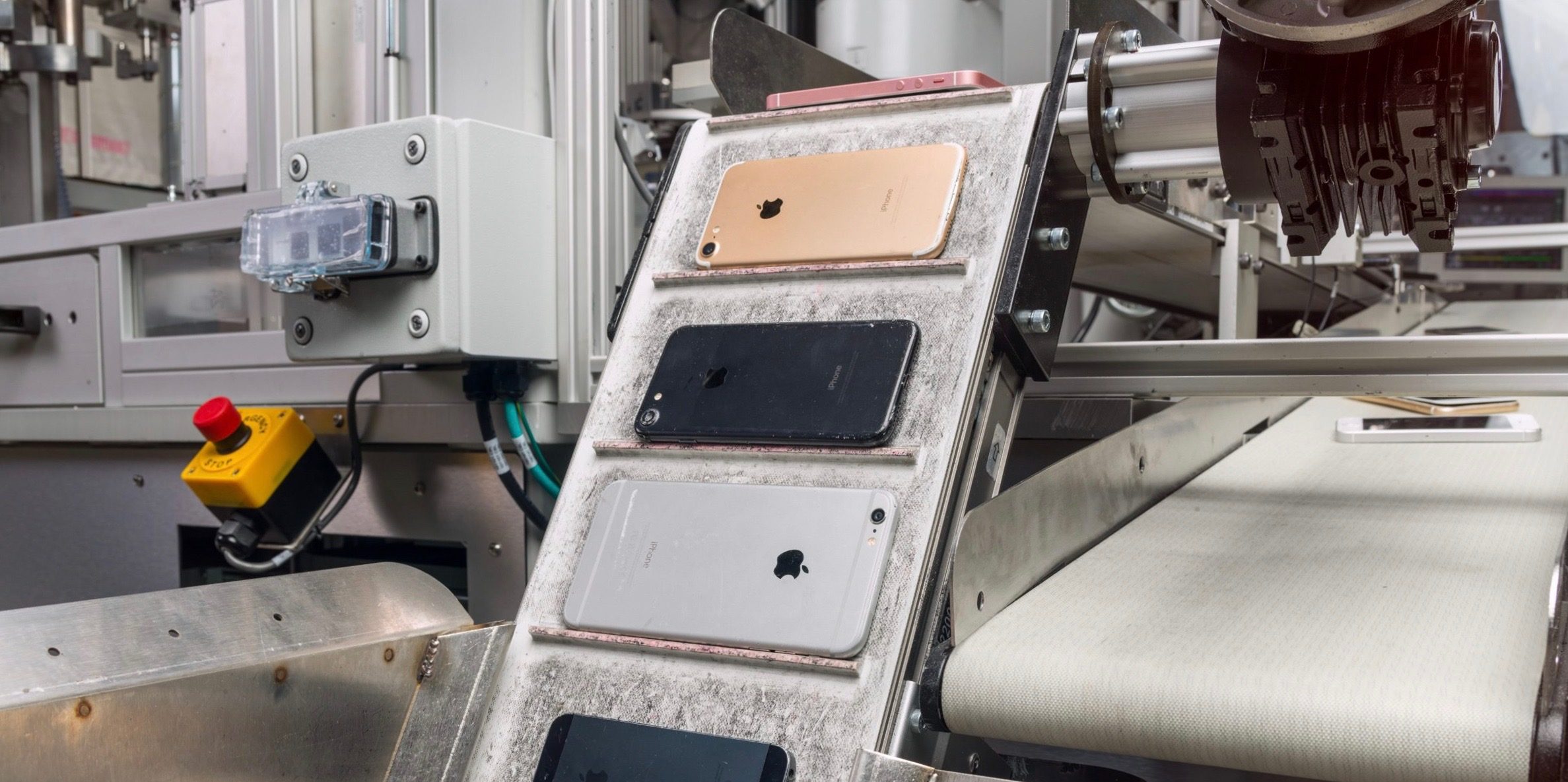
  • How does electronic waste get recycled?

    How does electronic waste get recycled?

    The life cycle of electronics and electrical equipment (EEE) does not end when they stop working.If recycled properly, the precious metals found in electronic waste can go towards new EEE products.Discarded consumer electronics such as mobile phones, for instance, contain small amounts of precious and rare earth metals such as gold and silver.Scrapped cars and home appliances such as fridges and air conditioners also contain these rare metals, along with base metals of iron and zinc.In Singapore, there are several e-waste recycling initiatives for consumers.

    StarHub, for instance, partners recycling company Tes-Amm and logistics company DHL Delivery to place 328 specialised recycling bins in 277 locations under its Renew programme.Singtel has recycling bins placed at three of its shops for consumers to discard their used gadgets.Under the Project Homecoming initiative led by Canon and Epson, those with ink and toner cartridges can also drop them off at selected National Library Board locations.SORTED

    Once collected, the e-waste is sorted, labelled and dismantled according to their types – wires, LCD screens, hard disks and more.Measures, such as demagnetising hard disks, are taken to ensure data security.The e-waste is then exported to countries equipped to separate the metals through chemical processes.Once extracted, the metals are used in the manufacture of new products.

    Why recycle e-waste?

    When electronic waste is not disposed of properly, both the environment and public health suffer.This is because e-waste is very heterogeneous, National University of Singapore’s Associate Professor Tong Yen Wah explained.Apart from being made up of many types of components and materials, discarded electronics are also assembled in many ways, from simple devices like batteries to complex ones like smartphones.
    “All of these make e-waste very difficult to handle and recycle, and if their disposal is not done properly, these materials can get out and be circulated in the environment,” said the co-director of NUS’ Energy and Environmental Sustainability Solutions for Megacities programme.For instance, toxins from e-waste in landfills can seep into the groundwater that flows into rivers, causing water pollution.