Tag: watch

  • Mobvoi video teaser tips a July 10th unveiling of the TicWatch Pro LTE

    Mobvoi video teaser tips a July 10th unveiling of the TicWatch Pro LTE

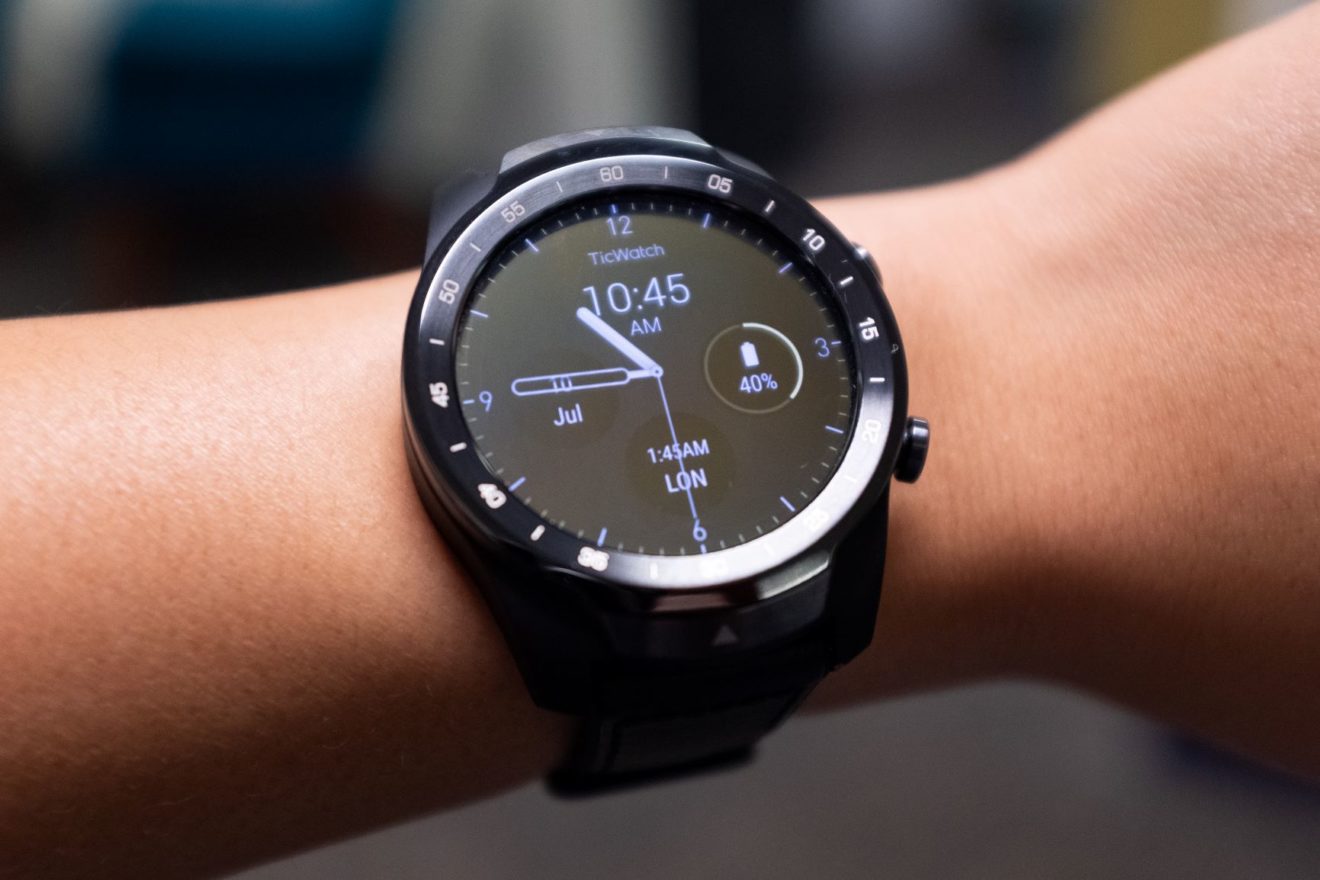
    Watchmaker Mobvoi tweeted a video teaser revealing that a new smartwatch is coming on July 10th. Using adjectives in the video like “fast,” and “powerful,” this could be the LTE version of the company’s TicWatch Pro. After all, the tweet includes hashtags like #TicWatch

    The TicWatch Pro features an AMOLED screen with an LCD overlay. In Smart Mode, the AMOLED screen is employed and the timepiece is used as a smartwatch running Wear OS. In this mode, the battery lasts for 2 to 5 days between charges. In Essential Mode, the LCD screen shows the time, date, steps taken and the wearer’s heart rate. The brighter it is outside, the easier it is to read this display. In this mode, the battery lasts as long as 30-days on a single charge.

    Last month, Mobvoi posted a web page for an LTE enabled version of the TicWatch Pro but quickly took it down. But if this video teaser has anything to do with such a device, it could be introduced next week.

    The TicWatch Pro is $249.99, but an LTE version is sure to cost more. Whatever Mobvoi plans on releasing, you might be able to earn an early bird discount on the product. Click on this link and submit your email address. On July 10th you will receive an email with an early bird code that just might allow you to buy the new watch at a discounted price.

    The current non-LTE version of the TicWatch Pro is powered by the Snapdragon Wear 2100 chipset. It features a 1.39-inch display with a 400 x 400 resolution and a super-twisted nematic monochrome passive-matrix liquid crystal display. It is equipped with 512MB of memory and 4GB of storage and has NFC so that users can cover a purchase at the cash register with Google Pay. A 415mAh battery is included. The video’s mention of a big boost could be a hint that the new model will sport the more powerful Snapdragon Wear 3100 chipset.

  • Oriental Watch profit steady despite sales drop

    Oriental Watch profit steady despite sales drop

    Oriental Watch’s sales fell by 15.7 percent last year – but the company’s bottom line was only minimally affected, in part due to reduced rents.

    The Hong Kong-listed retailer says that while the number of mainland visitors to the territory recovered last calendar year, the China-US trade dispute had brought uncertainties to the market. Subdued consumer sentiment and currency rate fluctuations had also impacted on sales.

    Chairman Yeung Ming Biu said the company had focused on stringently controlling rent and other costs for the last five years. The group’s aggregate rental cost (excluding related property management fees) decreased by 4.1 percent in the year to March 31 to HK$162 million, accounting for 34 percent of the group’s overall operating expenses – almost one percentage point less than the previous year.

    That result despite relocating the company’s flagship store from 100 Queens Road, Central, to 50 Queens Road, in the heart of the city’s upscale boutiques.

    “The group believes that the change of location will further fuel the brand presence and the sales once it starts operation,” he said. “In addition, regular internal assessment on the performance of all retail stores and closedown of high-rent yet non-performing stores are also the group’s strategy for better resources allocation.”

    Group turnover last year was $2.437 billion, (US$312 million), with gross profit down just 0.7 percent to $603 million and gross profit margin up from 21 percent to 24.7 percent. Profit attributable to shareholders was $138 million, just 0.7 percent less than the prior year.

    Oriental Watch has 61 stores, 46 of them in Mainland China, 11 in Hong Kong, three in China and one in Macau.

    products and purchasing stock only when existing inventory depleted to a pre-agreed level. As at March 31, overall inventory was $824 million, down 17.7 percent from the $1.001 billion of a year earlier.

    “In parallel, the group has also continued to step up its efforts in adjusting and optimizing its brand portfolio, in order to stabilize the group’s overall sales performance and keep abreast of market trends. Oriental Watch will continue to maintain a lower inventory level for a better cash position and a sustainable business development in the future,” said Yeung Ming Biu.

  • Fossil to launch new Emporio Armani, Diesel and Michael Kors smartwatches

    Fossil to launch new Emporio Armani, Diesel and Michael Kors smartwatches

    Each year Fossil refreshes its stylish lineup of smartwatches with new models that feature updated hardware and, sometimes, different designs. This is year is no exception and a new set of Fossil wearable devices are expected to arrive as early as fall.

    A fairly sizable number of unannounced Fossil smartwatches have been recently spotted at FCC, and their codenames have been deciphered by Droid-life as belonging to brands like Michael Kors, Emporio Armani, and Diesel. There’s also one Fossil-branded smartwatch among those listed at FCC, but there might be additional ones that haven’t popped up yet at the Federal Communications Commission.

    Along with the listing of their codenames, we also have some pictures showing the Wear OS app drawer and settings, but aside from that, no exciting new info revealed in the documentation filed at FCC.

    We’re not even sure whether or not these will be equipped with Qualcomm’s new Snapdragon Wear 3100 chipset, which would be an upgrade from the current Fossil smartwatch. The good news is we’ll most likely learn more about Fossil’s upcoming smartwatches pretty soon now that they’ve been listed at FCC.
  • Omega China makes E-commerce debut

    Omega China makes E-commerce debut

    Swiss timepiece maker Omega has launched its first e-commerce initiative in China.

    Omega China has opened a new pop-up store in the Tmall Luxury Pavilion, an online platform for premium brands under Alibaba Group.

    Pre-sales for Omega’s new Seamaster Aqua Terra Beijing 2022 limited-edition wristwatch will be exclusively available on the pop-up site between June 15 and August 7. The watch will be available in physical stores later on. Just 2,022 watches have been made to mark Beijing’s upcoming Winter Olympics.

    The Pavilion has recently overhauled its site with more personalised offers and recommendations, introducing a brand-generated content feed and online magazine.

    “We want to step up our offerings in terms of creative experiences, trending product feeds and style tips from fashion editors to help young users find items and brands they love,” said Tmall Luxury Pavilion head Lili Chen. “The Pavilion revamp enhances the discovery journey and shopping experience for our customers, while helping luxury brands better express their brand vision, aesthetics and new creations.”

    Omega joins 133 brands on Tmall’s Luxury Pavilion, including rival brands Tag Heuer and Zenith, along with Versace, Stella McCartney, Moschino, and others.

  • Apple Watch cuts more ties with the iPhone in latest watchOS 6

    Apple Watch cuts more ties with the iPhone in latest watchOS 6

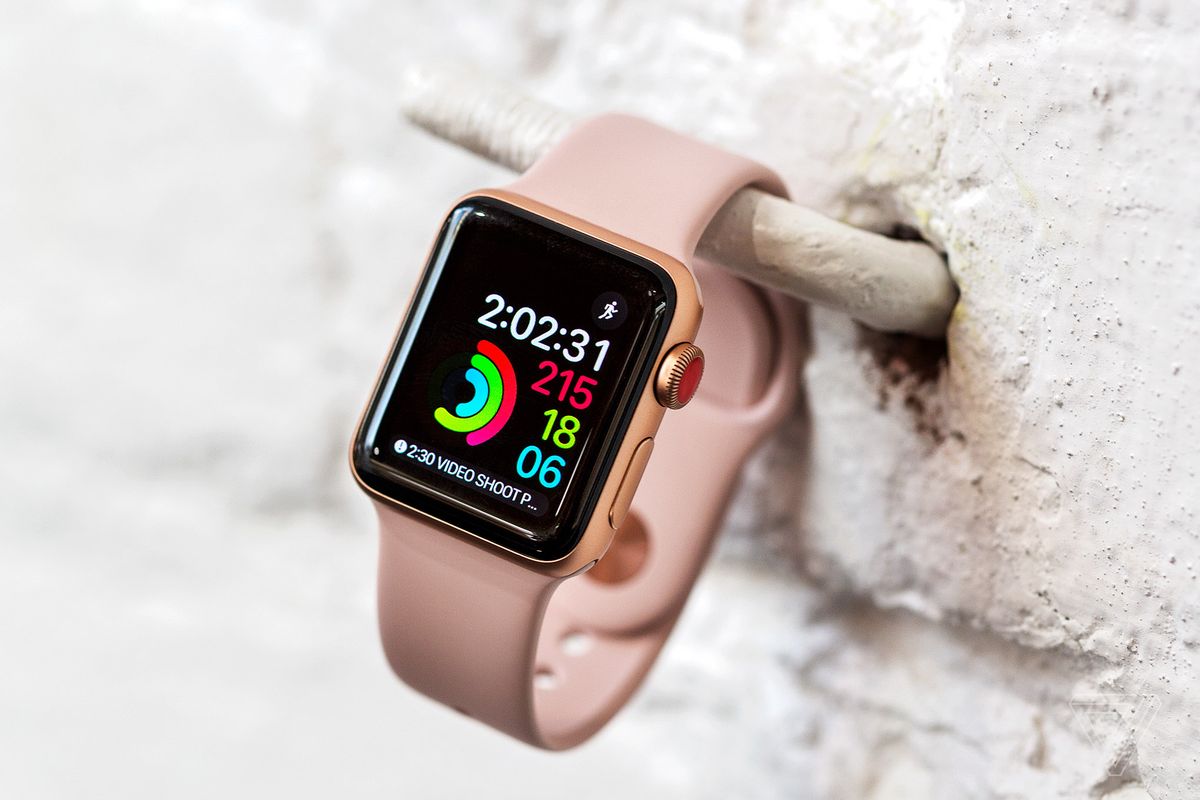
    VentureBeat’s Jeremy Horwitz discovered something interesting on his Apple Watch when he installed watchOS 6 Developer beta 2 on the device. There are indications that with the latest watchOS build, the wearable will be able to directly load OTA updates without having to go through an Apple iPhone. It’s another cut in the umbilical cord that connected the Apple Watch to the iPhone when the timepiece was first released in 2015. If you’re running the latest Developer beta of watchOS, you can see how the timepiece can run OTA updates through the settings menu by going to Settings > General > Software Update.

    The first cut in the cord came with the release of the Apple Watch Series 3 (GPS + Cellular), which allowed users to make and take calls, reply to messages and receive notifications on the device even if they left their iPhone at home. Before the latest beta update, Apple Watch users needed to open the Watch app on their iPhone in order to complete the updating process.

    So this seems to be good news for those fighting for the independence of the Apple Watch. We say “seems” because for now, even if you install a software update directly from your smartwatch’s settings menu, you have to read and accept the watchOS terms and conditions from your iPhone before starting the update. That seems a little contradictory for a feature that is designed to wean Watch users off their handsets, so we have our fingers crossed that this is something that will be figured out before the final version of watchOS 6 is disseminated.

    When updating directly from the Apple Watch, the timepiece needs to be connected to Wi-Fi and resting on its charger. Once the battery is charged up to the 50% level, the update will begin.

    The next build of watchOS will feature new watch faces. Many new watch faces, according to Apple. In fact, the company says that there will be “more new faces since the very first Apple Watch.” The big news, of course, is that there will be an App Store for the Apple Watch that will host independent apps for the device. And Apple is adding some new apps for the wearable including Audiobooks, Voice Memos, and Calculator. The new Trends feature will allow Apple Watch users to get a longer-term view of their activity stats ranging from a 90-day look to a full year. If the trend shows a healthy increase in activity, that will be good for a user; if the trend shows that the Apple Watch owner is slacking off, the timepiece will pass along some hints on how to get back on track.

    The update will also alert someone if they are in danger of damaging their hearing because of some loud surrounding noises. This is done by having the microphone on the Apple Watch turn on every now and then to measure ambient sounds. If the sound registers over 80dB, the Apple Watch will show a warning. The update to watchOS 6 will also include a setting allowing your timepiece to “chime” at the top of each hour while the Taptic engine will produce a vibration at the same time. And lastly, with the latest build of Apple’s smartwatch operating system, women will be able to track the time every month when they are most fertile and more likely to get pregnant. This is actually good news for Apple. The more children that are born in homes where Apple products are prevalent, the more future customers the company can count on.

  • Richemont watch Sales Drops

    Richemont watch Sales Drops

    Richemont has brushed aside the gloom and doom of the global watch market, reporting sales of its watches and jewelry grew by 10 percent in the year to March.

    While figures for Swiss watch exports show sluggish sales to Hong Kong and the US this year, Richemont’s brands, which include Baume & Mercier, IWC Schaffhausen, Jaeger-LeCoultre, and Officine Panerai, seem to have some degree of collective immunity.

    The company says jewelry and watch sales did very well in both the US and Asian markets.

    Richemont has reported net more than doubled to €2.79 billion euros (US$3.12 billion) for the full year, largely driven by a one-off gain of €1.38 billion euros relating to its acquisition of Yoox Net-A-Porter Group (YNAP).

    Sales reached €13.99 billion, 27 percent up on last year when including the recently acquired online businesses YNAP and Watchfinder, and up 8 per cent with those companies excluded.

    By brand, the growth was led by jewelry brands Cartier and Van Cleef & Arpels, with IWC and Jaeger LeCoultre, also posting higher growth.

  • Sincere Fine Watches opening in Changi

    Sincere Fine Watches opening in Changi

    Sincere Fine Watches has opened a multi-brand boutique at Jewel Changi Airport.

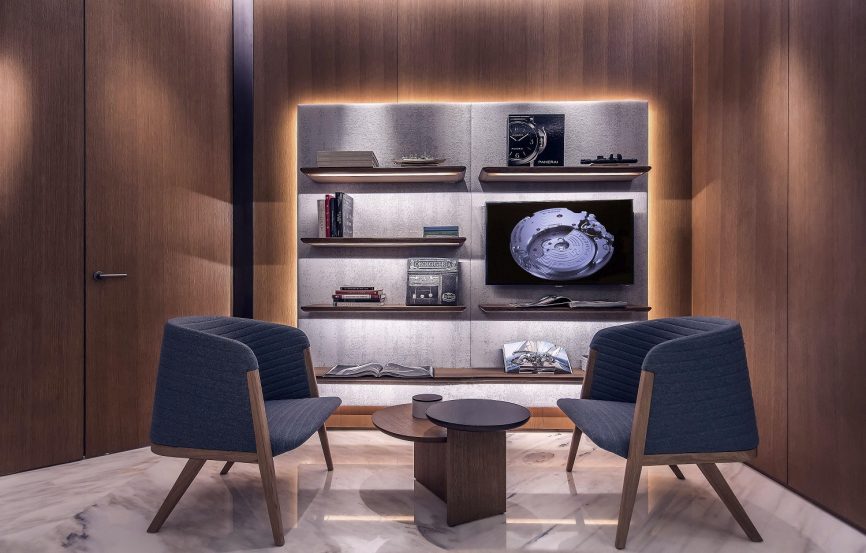
    The only luxury multi-brand watch store at the newly opened airport shopping center spans 183sqm and was inspired by Jewel’s dome-shaped facade and modern architecture.

    Glass and rose-gold elements are used throughout the boutique, combined with warm-brown hues on the wooden panels and shades of copper to create a welcoming aura.

    The new boutique brings together 20 international labels, some of them relatively new to the market. They include Armin Strom; Baume & Mercier; Blancpain; Bremont; Graham; Hamilton; IWC Schaffhausen; Longines; Maurice Lacroix; Mido; Montblanc; Panerai; Omega; Rado; TAG Heuer; Tissot; and Tudor.

    Sincere Fine Watches plans more brands and timepieces exclusive to the Jewel Changi store soon.

  • Panerai Opens Tsim Sha Tsui Centre Boutique

    Panerai Opens Tsim Sha Tsui Centre Boutique

    Florentine high-end luxury watchmaker Panerai has opened a boutique in Kowloon.

    The 60sqm Panerai Tsim Sha Tsui Centre store is the fifth opened in Hong Kong, after the Landmark Prince, Canton Road, IFC and Times Square boutiques.

    The concept of the design and materials used reflect Panerai’s Italian tradition and stands as a reference to the underwater universe. The use of oak, veined Italian marble, burnished brass, bronze, and a special “reeded” glass reinterprets the watchmaker’s technical codes, as well as the brass lights and sales counters with wooden details recalling the sea and sailing ships.

    Panerai now has 85 boutiques throughout the world, five of which are in Hong Kong.

  • Garmin expands Forerunner line with five new GPS models

    Garmin expands Forerunner line with five new GPS models

    While Garmin makes all kinds of wearable devices, ranging from super-basic activity trackers to luxury smartwatches, its central focus remains on so-called GPS running watches, designed to take on the likes of the Fitbit Versa rather than the global market-leading Apple Watch family.

    But not all athletes have the same passion, drive, and needs, which is why Garmin is today vastly expanding the Forerunner lineup with five new models ranging in price from $199.99 to $599.99. These are joining the entry-level $100 Forerunner 25, mid-range $350 Forerunner 735XT, and a $450 Forerunner 645 Music that lets you store your favorite tunes directly on your wrist, as well as supporting contactless payments.

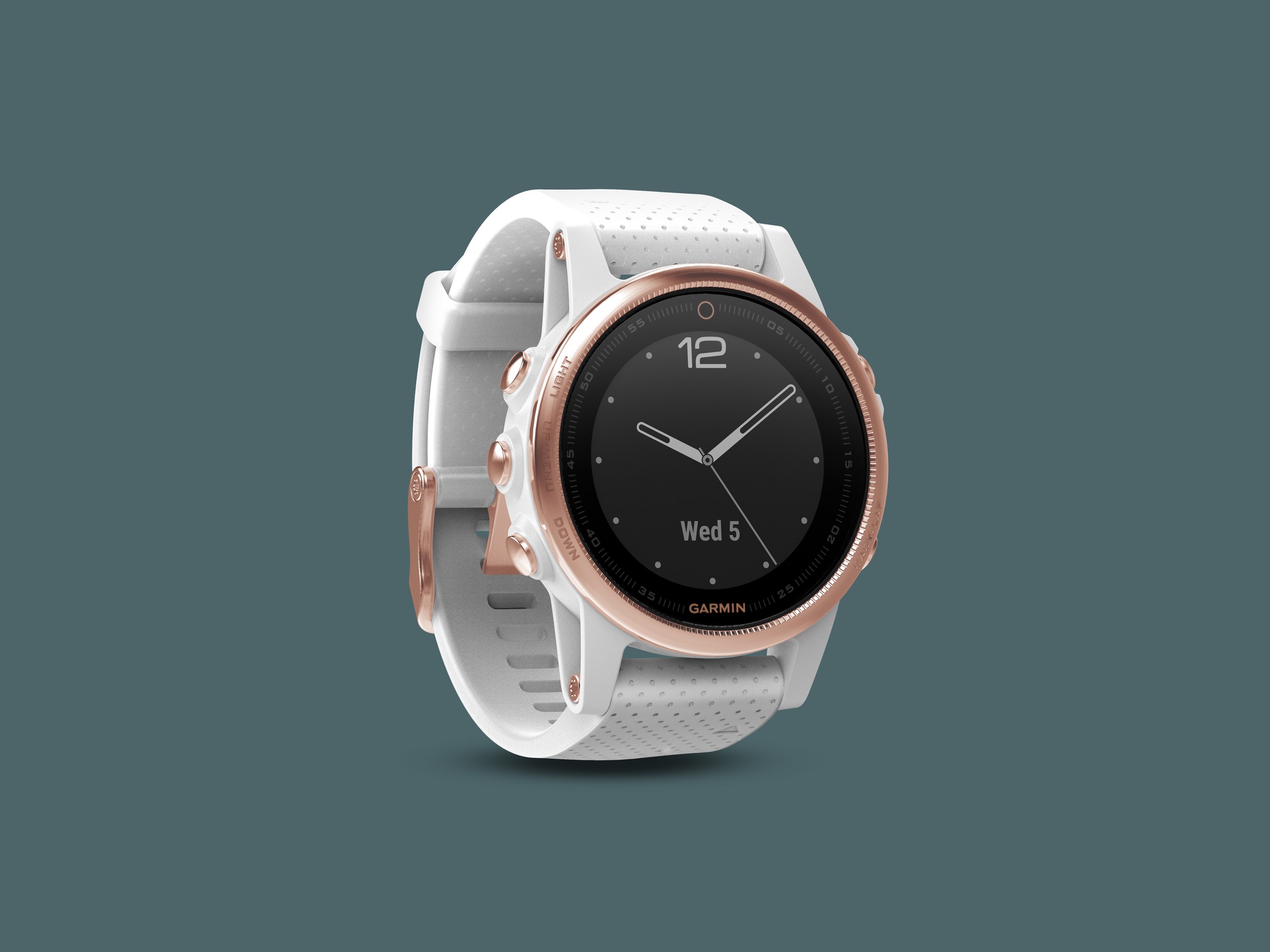
    Obviously, the newly unveiled Garmin Forerunner 45 and Forerunner 45S come with no such advanced features, although their built-in heart rate monitor and standalone GPS functionality are arguably enough to justify a $200 price tag. In case you’re wondering, the main difference between these two models is the smaller 39 mm case of the 45S (compared to a 42-milimeter “standard” Forerunner 45 variant).

    Not exactly the world’s most stylish wearable products, the Forerunner 45 series also comes with “chemically strengthened” glass, a silicone strap, relatively small display, top-notch water resistance, lengthy battery life (up to 7 days in “smartwatch mode”), and all the elementary fitness tracking features a casual runner would ever need.

    At $350, the Garmin Forerunner 245 Music adds the ability to hold up to 500 songs into the equation, as well as more “advanced features to help runners improve.” Basically, you can get personalized recommendations on smarter ways to train and recover after intense workouts, not to mention a larger and sharper screen, stronger Gorilla Glass 3 lens protection, and improved battery life in “GPS mode.” There’s also a non-Music Forerunner 245 version available in exchange for $299.99.

    Last but certainly not least, the $600 Garmin Forerunner 945 is purportedly “made for the driven, the qualifiers, and the elite”, holding up to 1,000 songs (with both Spotify and Deezer support), while aiming to take your training to the next level with all the state-of-the-art activity tracking technologies and sensors available today, from VO2 Max to Pulse Ox and a bunch of complex performance monitoring tools.

    The Forerunner 945 can keep the lights on for up to two weeks on a single charge with the GPS switched off, while supporting wrist payments and boasting an extra-robust body with Gorilla Glass DX protection.

  • Google launches its health-tracking app for Iphone Users

    Google launches its health-tracking app for Iphone Users

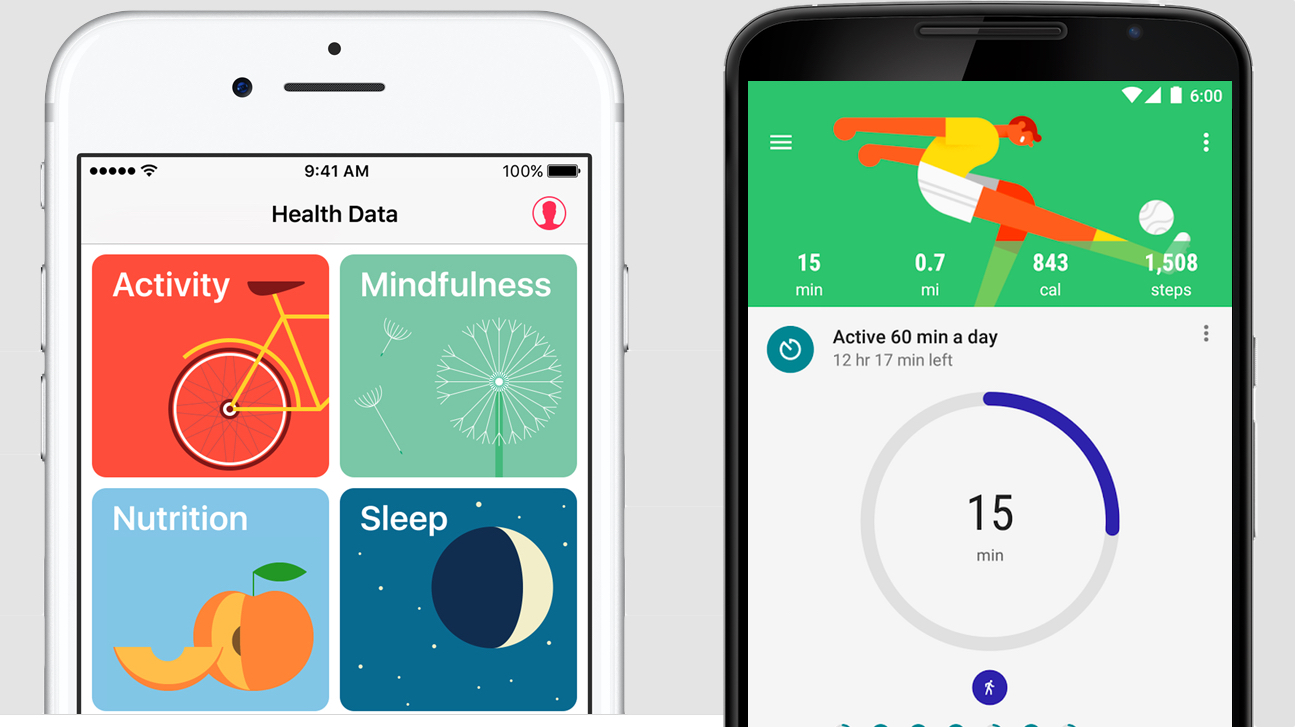
    Google Fit, the health-tracking app that made its debut on Android four years ago, has now been released on iOS. The app has gone through multiple overhauls since its launch back in 2014, but the last major update released last year made it extremely simply to use.

    Starting today, iOS users will be able to track their Heart Points and Move Minutes, the best way to build smarter, healthier habits throughout the day. Google Fit awards users so-called Move Minutes and Heart Points the more they move and the more intensely they move. Based on the scores, you’ll be closer to reach the recommended amount of weekly physical activity and reap the health benefits.

    It’s purely motivational, but very helpful if you’re trying to exercise but don’t find the courage to do it regularly. More importantly, Google Fit allows users to track their progress throughout the day using various apps.

    For example, app connected to Apple Health, such as Sleep Cycle, Nike Run Club and Headspace, can be synced with Google Fit to offer a more holistic view of your health. You’ll also be able to see how many Heart Points and Move Minutes you earn through other activities.

    Moreover, if own an Apple Watch as well, Google Fit will keep track of all your workout sessions too. Just don’t forget to check the app’s journal to see what you need to do to sleep better and get more active. You can download Google Fit for iOS right now via the App Store.

  • Fitbit partners with Snapchat to make Apple Watch owners jealous

    Fitbit partners with Snapchat to make Apple Watch owners jealous

    Fitbit may have joined the “true” smartwatch game a bit late compared to Samsung or Apple, but after a somewhat slow start in this potential-brimming market, the Versa seems to have put the company on the right track. The world’s second-largest smartwatch vendor took quite a risk by developing its wearable software from scratch rather than adopting Google’s Wear OS, but this proprietary platform continues to grow at a healthy pace in terms of capabilities and ease of use.

    Of course, everyone needs high-profile partners to boost the appeal and trendiness of today’s wearable devices, and Fitbit’s newest ally in its fight against Apple and Samsung is as high-profile as they come. We’re talking about Snap, the company behind one of the world’s most popular social networks.

    Snapchat users who just so happen to own a Fitbit Versa, Versa Lite, or Ionic as well can now connect their Bitmoji account to their smartwatch to display their “personal emoji” on their wrist. For those unfamiliar with the Bitmoji app, we should probably mention the experience is very similar to what Apple offers with Memoji and Animoji on iPhones and Samsung’s own AR Emoji experiments for recent high-end Galaxy handsets.

    Obviously, the main difference is you can have fun with Bitmoji on both Android and iOS, as well as on Fitbit devices starting today. Your cartoon avatar will show up on the “first-ever” Bitmoji clock face (once you download it from the Fitbit App Gallery, that is), aiming to motivate you to be more active, help you create healthier habits, and celebrate personal achievements.

    While unlikely to be as expressive as its smartphone counterpart, your wrist Bitmoji promises to support more than 50 fun clock face variations, changing throughout your day to reflect your activity and progress towards your fitness goals. For instance, your personal emoji will wave hello to start your day, dance with your alarm clock to annoy help you wake up in a better mood, throw confetti after you hit your daily step objective, meditate when you’re totally relaxed and zen, carry an umbrella if there’s a chance of rain, and much more.

    That definitely sounds like something Apple Watch and Samsung Galaxy Watch owners could also appreciate, but for the time being, all we can do is wait and see if there are any Memoji or AR Emoji expansions planned for the near future.

  • Important change for next-gen Apple Watch Screen

    Important change for next-gen Apple Watch Screen

    It’s a little premature to make anything more than educated guesses regarding the key selling points and major new features of an Apple Watch Series 5 expected out sometime in the fall. But it’s certainly not too early for the manufacturer of the world’s most popular smartwatch family to line up its component suppliers and lay out some general production plans.

    While these are obviously rarely made public, we can typically rely on inside sources to spill the beans for reputable news organizations like Reuters. These often rock-solid informants are claiming Apple has reached a deal with Japan Display that represents a major breakthrough for the financially struggling screen manufacturer. The company, which is a long-time Apple partner, should start supplying OLED panels for the Apple Watch lineup at some point “later this year.”

    Even though there’s absolutely nothing wrong with the Apple Watch Series 4 screen, supply chain competition is always good, generally driving progress and innovation forward at a much faster pace than when a company holds a monopoly on one or several essential components. Unless we’re talking about Samsung, which has managed to exclusively take care of the iPhone X, XS, and XS Max OLED panels while maintaining an impressively high standard of quality and performance.

    By the way, you might be surprised to hear Samsung doesn’t also handle the production of the small but sharp OLED display on the Apple Watch Series 4. That’s actually LG’s business, which is soon expected to be shared with Japan Display. If and when that happens, Apple’s bill of materials could go down, as increased competition among suppliers has a tendency of impacting component prices.

    In other words, LG is likely to charge less for its Apple Watch Series 5 screens than those of the next-gen wearable’s predecessor, as Japan Display finally joins the OLED supply game. This company, which was born as an LCD technology joint venture by Sony, Toshiba, and Hitachi, realized the full potential of OLED (organic light-emitting diode) panels a little too late, staying focused on liquid-crystal displays past their prime. While Japan Display’s financial troubles are far from over, any OLED partnership with Apple would provide a welcome boost to a fledgling business division.

    What it means for future iPhones

    In short, not much. After all, it’s taken LG a long time to start supplying a small number of OLED iPhone screens. Meanwhile, Apple’s two 2019 and three 2020 OLED iPhones are all expected to primarily use Samsung-made displays. That’s obviously because the world’s largest smartphone vendor makes the most sophisticated handset panels out there, lightyears ahead of LG or Japan Display’s alternatives.

    Therefore, as much as Apple would like to further diversify its iPhone supply chain and reduce the company’s reliance on its Korea-based arch-rival, quality trumps any discounts Samsung’s display-making rivals could offer. Basically, unless Apple plans to release a lower-quality, lower-cost OLED iPhone variant in the near future, Japan Display is facing quite an uphill battle here.

    The same goes for LG, although the backup supplier could earn a slightly larger share of 2019 and 2020 OLED iPhone orders, offsetting its Apple Watch losses caused by Japan Display’s newly reported “breakthrough.”

    In theory, all these possible changes and shifts of suppliers could yield lower retail prices for future Apple Watch and iPhone generations, but knowing how the Cupertino-based tech giant typically operates, we wouldn’t hold our breath. After all, the best way to make up for shrinking sales numbers is to jack up profit margins.

  • Swatch wins trademark lawsuit against Apple

    Swatch wins trademark lawsuit against Apple

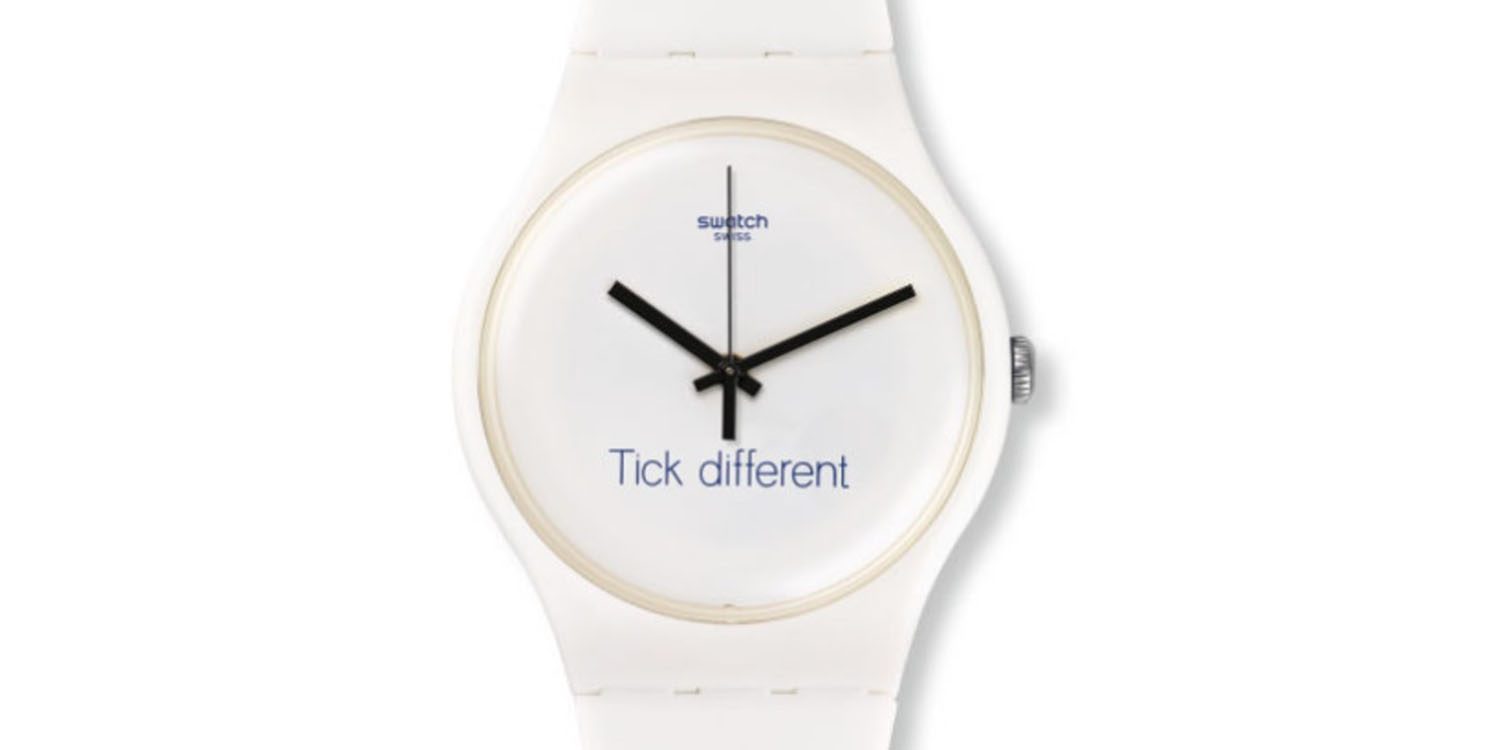
    Swatch is no stranger to legal battles with giants like Apple and Samsung, and to some success, we might add. The Swiss company filed a lawsuit against Samsung two months ago, because the South Korean company copied Swatch’s trademark on its smartwatch faces. However, Swatch was sued by Apple two years ago for a similar reason. The Cupertino-based company claimed in the lawsuit that Swatch’s logo – “Tick different,” which is etched on some of its smartwatches, strongly resemble its famous “Think different” slogan.

    Unfortunately for Apple, a Swiss court has just ruled in Swatch’s favor over the use of its “Tick different” logo. Apparently, the court doesn’t think that Swatch’s slogan infringes on Apple’s own logo, but even if they are very similar, the Swiss company claims the “Think Different” advertising campaign wasn’t too popular in Switzerland to warrant protection.

    The Federal Administrative Court has agreed with Swatch and said that Apple hasn’t given the court enough documents that would back up its case. Of course, Swatch wouldn’t stand a chance in the United States where the “Think Different” advertising campaign remains one the most famous in the company’s history.

  • Apple Watch’s ECG became finally available in Europe

    Apple Watch’s ECG became finally available in Europe

    The Apple Watch is the world’s most popular line of smartwatches right now, holding about 50% of the global market. When Apple announced the Apple Watch Series 4 last year, there was one feature that stood above all. It wasn’t the larger display or the Digital Crown with tactile feedback.

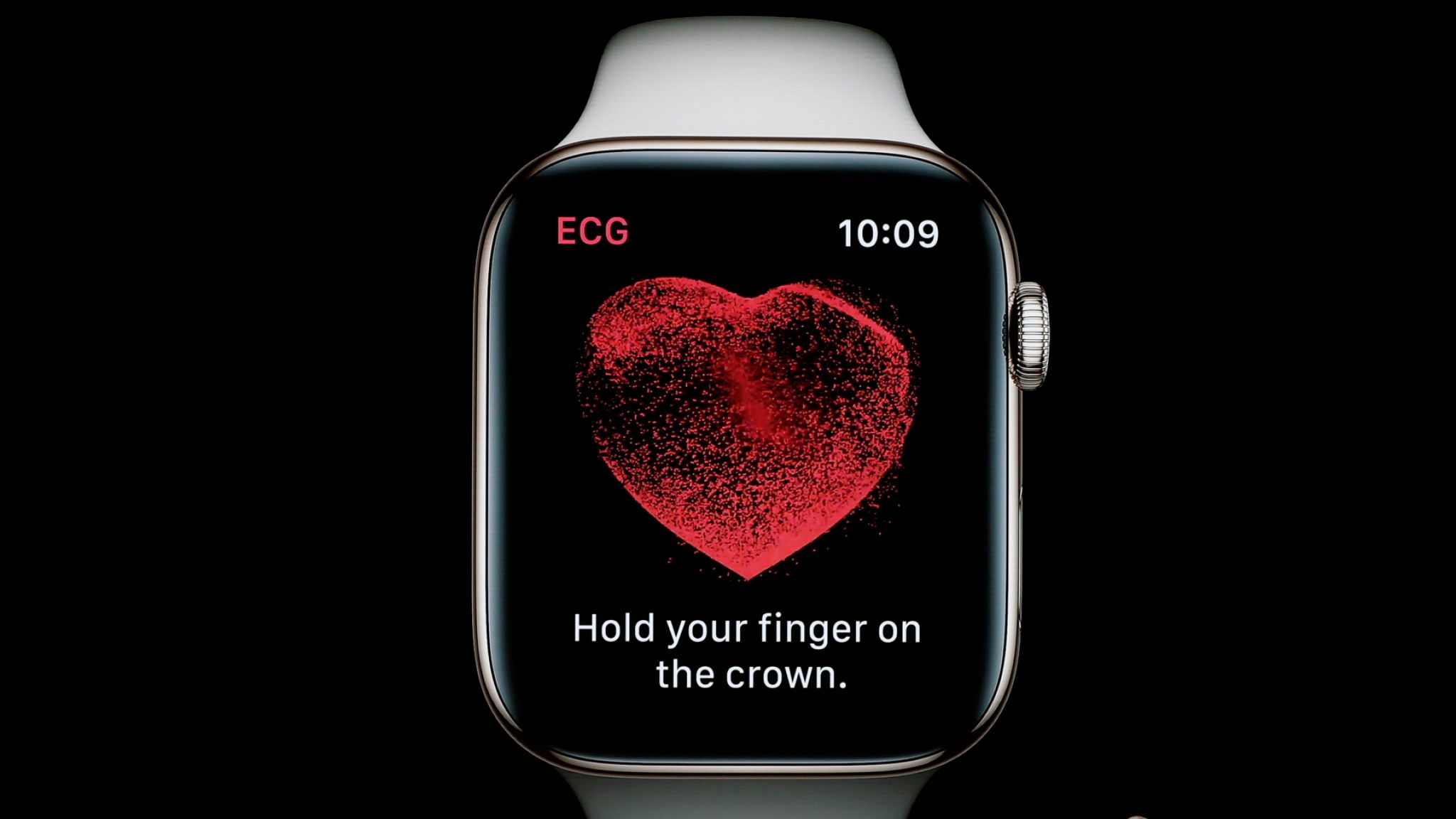
    Instead, it was the addition of ECG (electrocardiogram) capabilities without any additional hardware needed (besides the Apple Watch itself, of course). The feature allows the user to quickly and easily take an ECG and then, if need be, send the results to their doctor. Even without having the results looked at by a specialist, the device’s own algorithms would alert the user if they notice something out of the ordinary. Since then, reports are showing up regularly about how the Apple Watch helped one person or another notice an issue with their heart that was later confirmed by a cardiologist. This allowed proper measures to be taken a lot sooner than if the patient had waited until the problems became obvious.

    Unfortunately, despite the Apple Watch being loved all around the world, the ECG functionality was limited only to the United States. Not anymore!

    Select European countries and Hong Kong are getting ECG

    Apple’s watchOS 5.2 is now available for all Apple Watch models and adds a couple of features for users in 19 European countries and Hong Kong. The more important one is ECG, which comes only to the Apple Watch Series 4. Here’s the full list of European countries that are getting the new feature:

    Austria, Belgium, Denmark, Finland, France, Germany, Greece, Hungary, Ireland, Italy, Luxembourg, Netherlands, Norway, Portugal, Romania, Spain, Sweden, Switzerland, the UK.

    Despite the ECG app and the Irregular Rhythm Notification (more on it below) being cleared for use in the European Economic Area, according to Apple, there are several countries that are part of the EEA and won’t be getting these features yet: Bulgaria, Croatia, Czech Republic, Estonia, Iceland, Latvia, Lithuania, Poland, Slovakia, Slovenia.

    The reason for that is unknown. It could be due to additional regulatory approval needed or, alternatively, those are just markets Apple isn’t as interested in right now.

    A more notable country that’s also missing from the expansion list, although not in Europe, is Canada. It was expected to be one of the first countries besides the US to get the ECG app, but it appears that Canadians will have to wait at least until the second wave of expansion.

    ECG on a smartwatch, how does that work?

    For those of you that are just hearing about the Apple Watch’s ECG, here’s a quick rundown. Electrodes inside the Apple Watch Series 4 measure the electrical impulses your heart is releasing when beating. To do that, the user must touch the Digital Crown (the rotating bit on the side of the watch) in order to close the circuit, creating an effect similar to a single-lead electrocardiogram.
    After 30 seconds of measuring your rhythm, the ECG app will classify it as either AFib or sinus rhythm. If you get AFib as a result, you might want to get a consultation from your general practitioner or cardiologist. Of course, the results won’t be nearly as accurate as those taken by professional medical equipment, but the Apple Watch feature is far from a gimmick. Medical trials have shown that the wearable device is classifying the different heart rhythms with very high accuracy.
    The watchOS 5.2 update is also bringing a health-related feature to older Apple Watches as well. Called Irregular Rhythm Notification, this feature is coming to Apple Watch Series 1 and newer models. It checks the user’s heart rhythm on regular intervals using the optical sensors of the device and sends a notification if five irregular rhythms are detected over the span of at least 65 minutes.

    Sinus rhythm notification on the left (in Spanish) and an irregular heart rhythm warning on the right (in Italian

    To start using the new features, users have to enable them from the Health app on their iPhones. Obviously, the Apple Watch must be updated to watchOS 5.2, but to do that the iPhone itself must be updated to iOS 12.2.
  • Emperor Watch & Jewellery sales slowing down in Hong Kong, Macau

    Emperor Watch & Jewellery sales slowing down in Hong Kong, Macau

    Emperor Watch & Jewellery sales rose strongly in Hong Kong and Macau last year, due to a rebound in tourism in the first half and the opening of new stores.

    Hong Kong remained the group’s core market, with sales there up 19.6 per cent. In Macau, sales rose 224 per cent, according to the company’s latest results.

    Adjusted net profit of $269 million represented a 68.1 per cent improvement over the preceding year.

    Emperor Watch & Jewellery sales in Singapore and Mainland China were broadly stable year on year.

    The company ended the year with 95 stores, a net gain of 15. Six of the new stores were jewellery shops opened in Hong Kong, all in shopping malls with heavy foot traffic, such as Telford Plaza I in Kowloon Bay, APM in Kwun Tong and Mostown in Ma On Shan.

    In Malaysia, the company opened its first store, a 2000sqft site in Pavilion Kuala Lumpur.

    Sales of watches grew 13.1 per cent to HK$3.664 billion, accounting for 77.6 per cent of group sales. Jewellery sales rose by 25.5 per cent to $1.058 billion, thanks to an expanded store network and greater marketing activity.

    In its results, Emperor Watch & Jewellery described last year as one “of contrasts”.

    “The first half of the year was marked by encouraging growth for the luxury consumption market in general. However, this growth was not sustained and the second half was punctuated by a fall-off in market sentiment in the shadow of a prolonged Sino-US trade dispute.”

    It said the macro-economic headwinds such as the trade dispute, a cooling Chinese economy and swings in currencies present “formidable business challenges in the near term”.

    “Over the past decades, the group has witnessed many ups and downs, and has emerged stronger after each cycle. As such, the group will continue to execute responsive and flexible strategies while fine-tuning its priorities to stay competitive. The group will also strive to optimise its cost structures across each level of business and remain vigilant regarding uncertainties on the horizon.”