Retail News CRM

Tag: water

  • Nestlé Partners with Platinum Equity: Spins off Premium Water Business into Multibillion-Dollar Joint Venture

    Nestlé Partners with Platinum Equity: Spins off Premium Water Business into Multibillion-Dollar Joint Venture

    Nestlé has revealed plans for a significant reorganization of its worldwide water division through a new collaborative endeavor with the private equity company, Platinum Equity. This move will see both Nestlé’s water and premium beverage businesses incorporated into a new autonomous company named Peranel. The 50:50 partnership with Platinum Equity will oversee this process.

    Peranel is set to manage an assortment of high-end brands, including Perrier, S Pellegrino, Acqua Panna, Maison Perrier, Buxton, and La Vie, across more than 120 countries globally.

    Financial Aspects and Benefits of the Partnership

    From this arrangement, Nestlé is projected to receive around €3 billion (US$3.4 billion) in cash while still holding a 50% stake in the newly formed business. Nestlé has communicated that this partnership will offer increased strategic focus and operational flexibility for the water division, allowing the company to redirect its attention towards its primary growth categories.

    Emphasizing the benefits of this partnership, Nestlé’s CEO, Philipp Navratil, stated that, “By partnering with Platinum Equity, Peranel will be better positioned to execute its strategy with enhanced agility. With added focus, it will be better equipped to drive its long-term growth ambitions by bolstering this unique portfolio of international and local brands, through continued investment in innovation, premiumization, operational excellence, and sustainability.”

    The new company, Peranel, will be under the leadership of the current CEO of Nestlé’s waters and premium beverages, Muriel Lienau, along with a team of seasoned management personnel. The transaction, which assigns an enterprise value of $5.6 billion to Peranel, is anticipated to be finalized in the first half of the ensuing year.

    Steady Growth and Future Outlook

    Nestlé’s announcement of this restructuring aligns with the multinational FMCG company’s release of its first-half results. The company reported sales of CHF43.1 billion (approximately US$ 52.76 billion) for the six months ending June 30, with an organic growth of 3.7%. This growth was supported by 1.8% real internal growth and 1.9% pricing. The coffee and confectionery sectors continued to perform exceptionally well, while pet care sustained its positive momentum.

    Nestlé’s CEO, Philipp Navratil, commented on the company’s performance stating, “Emerging markets growth accelerated, and we delivered solid performance in developed markets. We are increasing and prioritizing our investment behind our leading brands and growth platforms, sharpening our portfolio focus and driving further efficiencies to reinvest. While the external environment remains uncertain, we are taking actions to accelerate consistent growth.”

    Navratil also confirmed the company’s full-year guidance, with an expectation of achieving organic sales growth of between 3 and 4 percent.

    Questions & Answers

    What is the purpose of creating the new company, Peranel?
    The formation of Peranel will allow Nestlé’s waters and premium beverages business to execute its strategy with greater agility and focus.

    Who will be leading the new company, Peranel?
    Peranel will be led by Muriel Lienau, the current CEO of Nestlé’s waters and premium beverages, and a team of seasoned management personnel.

    What are Nestlé’s growth expectations for the year?
    Nestlé expects organic sales growth of between 3 and 4 percent for the year.
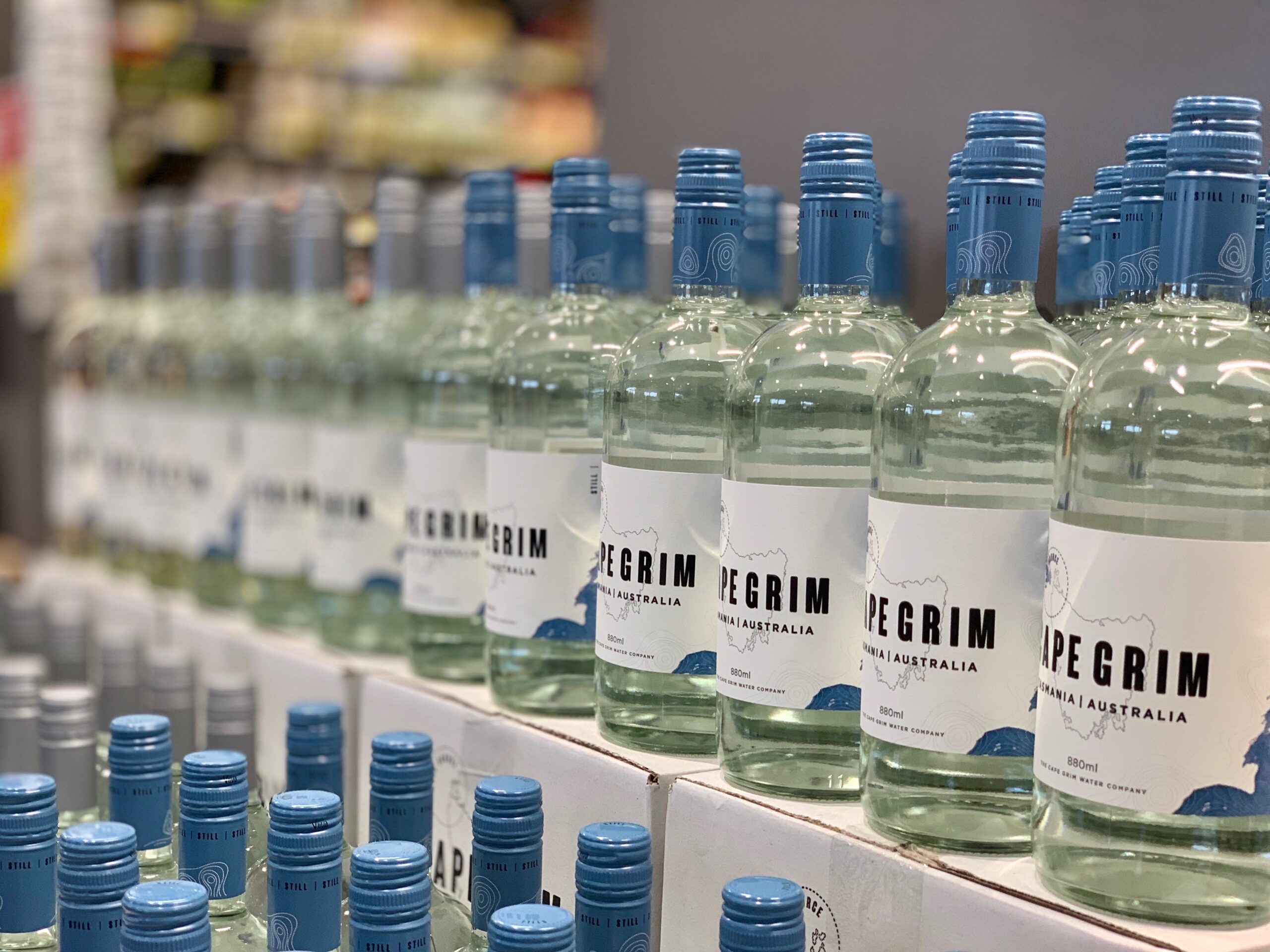
  • Cape Grim Water: From Market Leader to Liquidation – The Rise and Fall of Tasmania’s Premium Water Brand

    Cape Grim Water: From Market Leader to Liquidation – The Rise and Fall of Tasmania’s Premium Water Brand

    After nearly three decades of operation, the Cape Grim Water Company has fallen into administration. Jason Tang and Ozem Kassem from KPT Restructuring have been assigned as administrators for the company.

    The water bottling business was established in 1998. It capitalized on the pristine rainwater from northwest Tasmania, branding its product as the “world’s cleanest water”. The company strategically marketed its product to high-end hospitality and export sectors, emphasizing its unique rainwater harvesting process that ensures the water is captured before touching the ground.

    In its heyday, Cape Grim Water had secured a supply partnership with the airline, Qantas, further validating its premium product status. Along with its successful water business, the company had launched the Cape Grim 666 Vodka in 2008, a product that also utilized the region’s rainwater.

    However, Qantas ended its contract with Cape Grim Water in 2005. The discontinued partnership left the company with a surplus of stock that it couldn’t sell. This led then-director Doug Halley to attempt selling the surplus to acquaintances at a cut-rate price.

    The Cape Grim Water Company ceased trading in early 2021. By July 2024, its water bottling operations were liquidated. Despite these setbacks, Aqua Sano continued to be the main distributor of Cape Grim Water across all mainland Australian states and territories.

    In an update provided by Aqua Sano in October of last year, it was indicated that the chances of Cape Grim Water resuming operations were slim. Despite this, Aqua Sano expressed their regret for the inconvenience caused to their customers and voiced their hope to supply Cape Grim Water again in the future.

    The first meeting of the company’s creditors will be held on January 19. During the meeting, attendees will decide whether to appoint a committee of inspection.

    Questions & Answers

    What is the Cape Grim Water Company?
    The Cape Grim Water Company is an Australian business that bottles and sells rainwater from northwest Tasmania, marketing it as the “world’s cleanest water”.

    When did Cape Grim Water cease trading?
    The Cape Grim Water Company ceased trading in early 2021 and its water bottling operations were liquidated by July 2024.

    What will happen at the meeting of creditors on January 19?
    The creditors of Cape Grim Water will meet to decide whether to appoint a committee of inspection.

  • Muscle Nation, Raw C launch coconut pineapple protein water

    Muscle Nation, Raw C launch coconut pineapple protein water

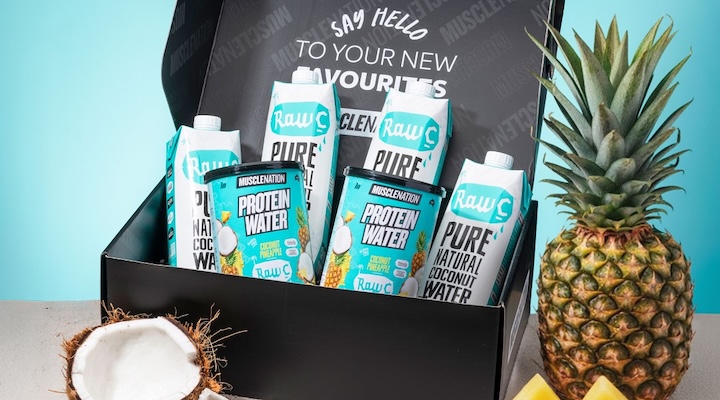
    Muscle Nation, a renowned fitness brand, has joined forces with Raw C, a prominent coconut water company, to introduce a new product: Coconut Pineapple Protein Water. This innovative beverage is designed with health-conscious consumers in mind.

    A Unique, Nutritious Blend

    Coconut Pineapple Protein Water combines the unique flavor of Raw C’s coconut water with the protein-packed formulation of Muscle Nation. Each serving delivers 22 grams of protein, zero sugars, and a mere 101 calories. The beverage is naturally sweetened with monkfruit and stevia, ensuring it contains no artificial colors, flavors, or preservatives.

    The protein water uses a specially-formulated blend of hydrolyzed collagen and whey protein isolate. This combination is enriched with electrolytes, Vitamins such as Vitamin C, and branched-chain amino acids (BCAAs) to aid in hydration and muscle recovery. For added electrolytes, Muscle Nation suggests pairing the protein water with Raw C’s Pure Natural Coconut Water.

    Refreshing, Light, and Performance-Oriented

    Chris Anastasi, the founder of Muscle Nation, shared his enthusiasm about the new product and its potential. He said, “We loved the idea of transforming recovery into something more exciting. Coconut water has become synonymous with health and fitness in Australia, which made it the perfect base for our protein water. The result is refreshing, light, and designed to enhance performance.”

    Availability

    The Coconut Pineapple Protein water, a collaboration between Muscle Nation and Raw C, is available for purchase at Muscle Nation’s online store. It will also be stocked in Woolworths supermarkets across the country.

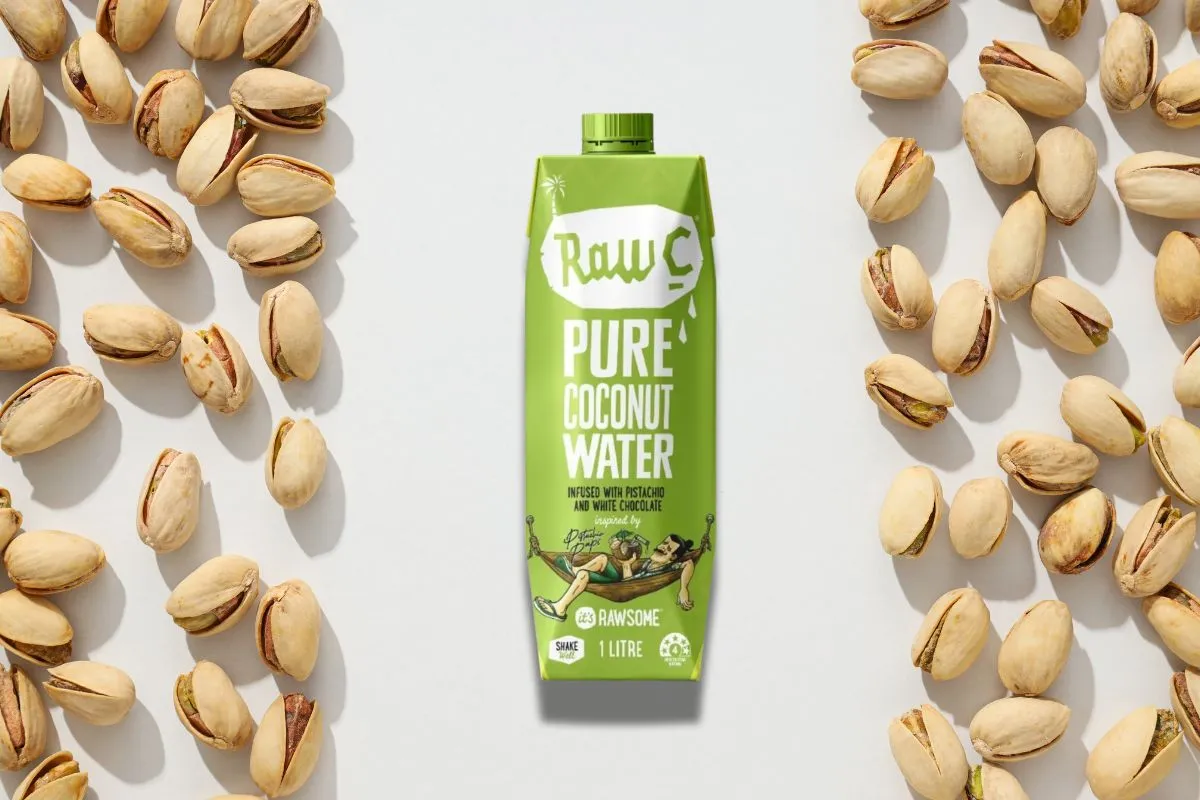
    In addition to this, last month, Raw C announced another exciting collaboration. They teamed up with Pistachio Papi to launch a limited-edition beverage, Pure Coconut Water infused with Natural Pistachio and White Chocolate.

    Questions & Answers

    What is unique about the new Coconut Pineapple Protein Water?
    It combines the delicious flavor of Raw C’s coconut water with Muscle Nation’s protein-packed formulation. It’s also naturally sweetened and contains no artificial additives.

    What ingredients does the protein water contain to support fitness recovery?
    It contains a blend of hydrolyzed collagen and whey protein isolate, electrolytes, Vitamin C, and branched-chain amino acids (BCAAs).

    Where can consumers purchase the Coconut Pineapple Protein Water?
    It’s available through Muscle Nation’s online store and stocked in Woolworths supermarkets nationwide.

  • Raw C And Pistachio Papi Unveil Unique Coconut-pistachio Beverage: A First In The Market

    Raw C And Pistachio Papi Unveil Unique Coconut-pistachio Beverage: A First In The Market

    Raw C, a renowned coconut water brand, has collaborated with Pistachio Papi to introduce a unique limited-edition beverage: pure coconut water blended with natural pistachio and white chocolate. The collaboration, aptly named “Sip The Spread,” will be available nationwide at Woolworths stores. This venture denotes Pistachio Papi’s initial foray into the beverage segment.

    A Perfect Partnership

    Scott Mendelsohn, the founder of Raw C, expressed enthusiasm about the collaboration, describing the partnership with Pistachio Papi as the ideal progression for their brand. Mendelsohn explained that Raw C has always been committed to using authentic ingredients and cultivating natural flavors in their offerings. This alliance is expected to yield products their consumer base genuinely appreciates while introducing an entirely remarkable product to the market.

    The Clean-Label Promise

    The limited-edition beverage continues Raw C’s commitment to not using artificial ingredients or preservatives, upholding their ‘clean-label promise.’ The new product is anticipated to appeal to younger consumers, a demographic often on the lookout for novel and healthier alternatives in the beverage aisle.

    A Refreshing Evolution

    Mark Abdelmalik, the founder of Pistachio Papi, revealed that they’ve always aspired to extend Papi into the drinkable product range. With the burgeoning popularity of coconut water, their partnership with Raw C seemed like an ideal match. He stated, “Together we’ve created a refreshing, natural drink that leaves you wanting more – a first of its kind.”

    Questions & Answers

    What is the new product launched by Raw C and Pistachio Papi?
    The new product is a limited-edition beverage that blends pure coconut water with natural pistachio and white chocolate.

    What is the anticipated target demographic for the new product?
    The product is expected to appeal to a younger demographic seeking innovative and healthier alternatives in the beverage category.

    What is the significance of Raw C’s ‘clean-label promise’?
    Raw C’s ‘clean-label promise’ signifies their commitment to using no artificial ingredients or preservatives in their products.

  • Sip Coco’s Pure Coconut Water Takes Australia By Storm With New One-litre Bottles

    Sip Coco’s Pure Coconut Water Takes Australia By Storm With New One-litre Bottles

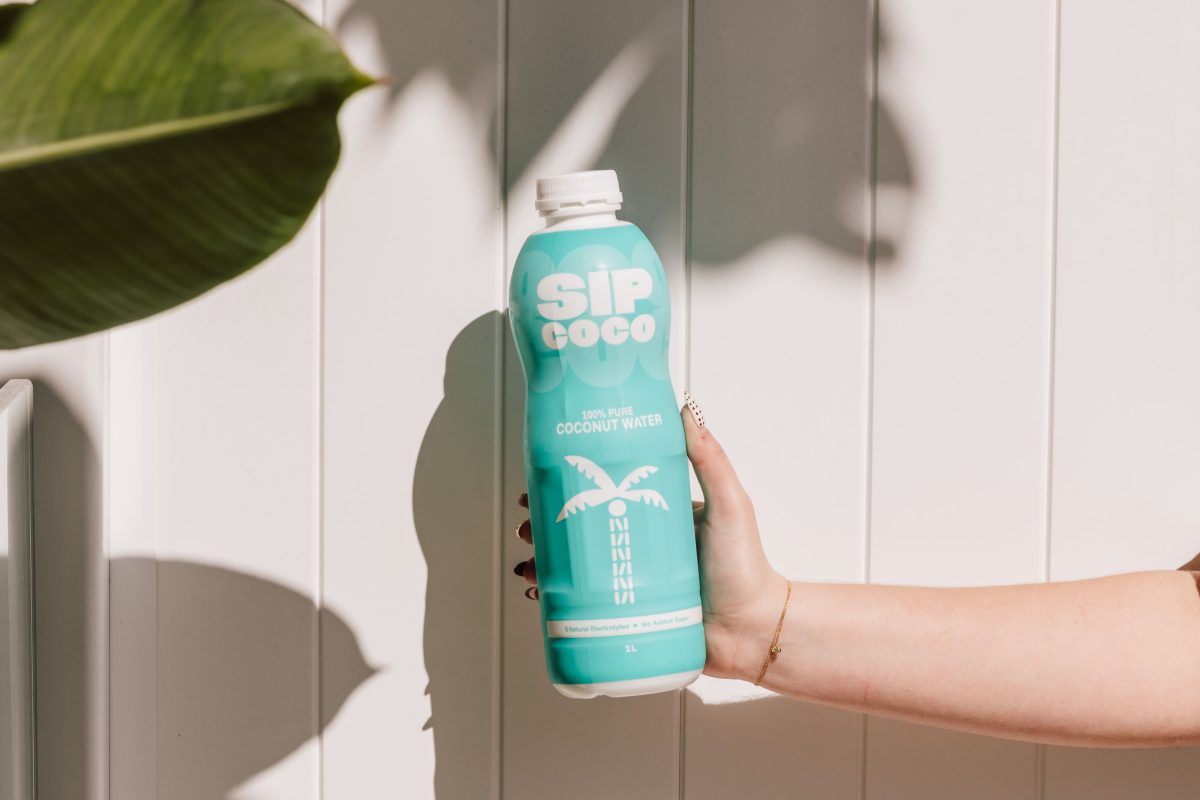
    Sip Coco, a prominent retailer of coconut water, recently introduced one-litre bottles of their product to the market. The coconut water, which is 100% pure and contains no added sugar, is lauded for its five natural electrolytes such as sodium, potassium, magnesium, calcium, and phosphorus. The product can be found in cafes, independent stores, and hospitality venues all over Australia, all contained in unique teal-coloured bottles.

    The Success of Sip Coco’s Launch

    Just a few months ago, the company unveiled their bright and invigorating Sip Coco cans that have since been a hit with consumers. The cans have found their way into a variety of venues and activities, from running clubs to yoga sessions, and from cafe gatherings to post-workout hydration. Sip Coco CEO, Chris Seaton, stated that the positive reception and demand from Australians for their straightforward, refreshing coconut water led to the creation of their one-litre size. Australians were eager for more, wanting to prolong the enjoyment of their coconut water and share it with others, prompting the larger, ‘super-sized’ Sip Coco bottle.

    One-Litre Bottles: One Flavour Offering

    While Sip Coco offers a range of flavours in their canned product line – including passionfruit, ginger, watermelon, lychee, and pineapple – for now, the one-litre bottle is only available in the original coconut water flavour. This decision reinforces the company’s focus on delivering a simple, pure and refreshing coconut water experience in their new bottle format.

    Questions & Answers

    What is unique about Sip Coco’s coconut water?
    Sip Coco’s coconut water is 100% pure and contains no added sugar. It comes in a distinctive teal-coloured bottle and is available in a one-litre size.

    What led to the creation of the one-litre Sip Coco bottle?
    The positive reception from Australians and their desire to have more of the refreshing, no-fuss coconut water to share and enjoy led to the development of the larger, one-litre Sip Coco bottle.

    Are other flavours available in the one-litre Sip Coco bottle?
    Currently, only the original coconut water flavour is available in the one-litre bottle. Other flavours, such as passionfruit, ginger, watermelon, lychee, and pineapple, are available in the canned product line.

  • Raw C Launches 1l Chocolate-infused Coconut Water: A Healthier Alternative Now Available At Woolworths

    Raw C Launches 1l Chocolate-infused Coconut Water: A Healthier Alternative Now Available At Woolworths

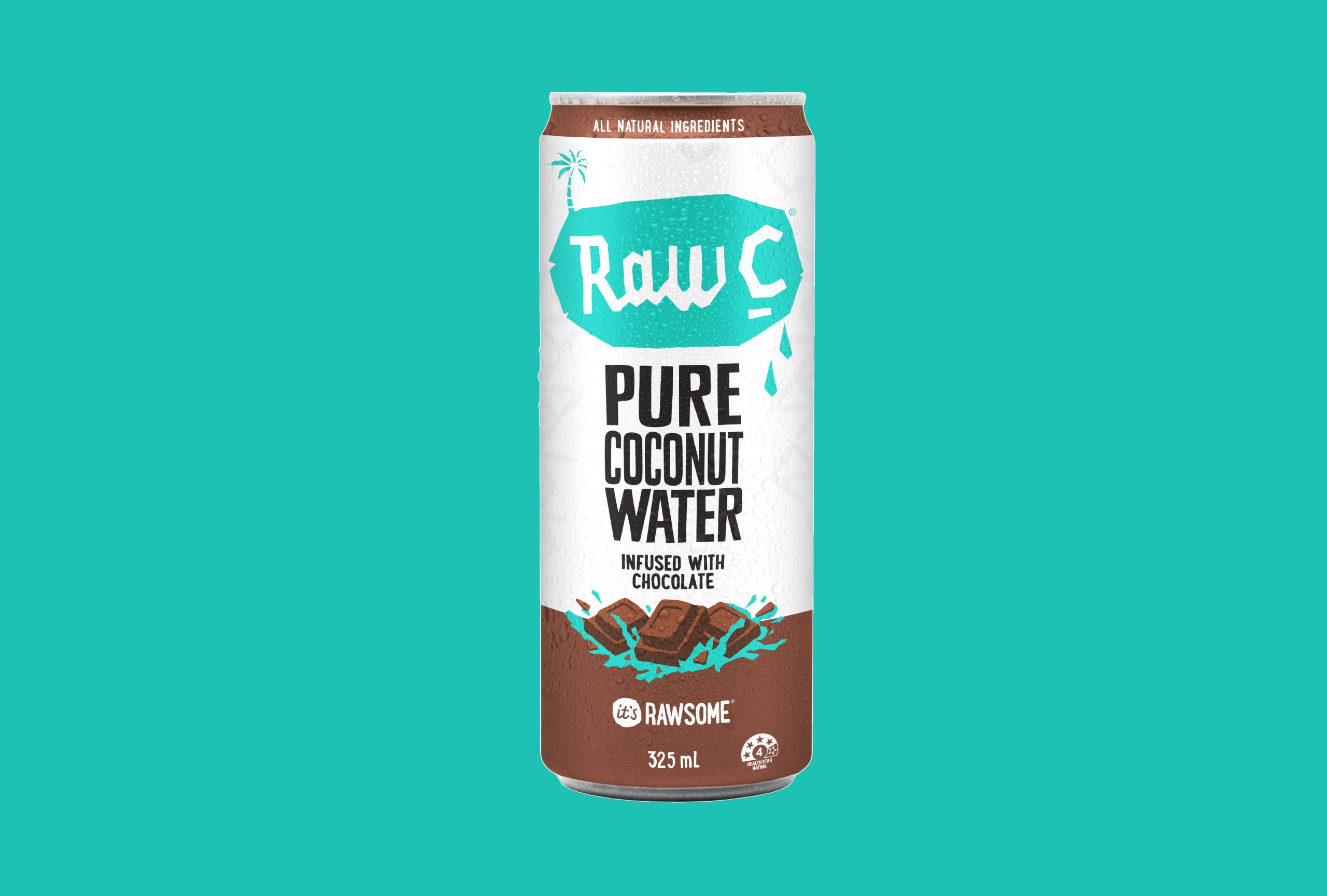
    Raw C, the well-known coconut water brand, has recently introduced a larger 1-litre variant of its Chocolate-Infused Coconut Water, building upon its original 325ml can offering. This innovative product, initially released in April, skillfully combines Raw C’s single-origin coconut water with delectable cocoa and smooth coconut cream.

    Raw C’s decision to introduce the larger format has been driven by an escalating consumer demand for their product. The brand’s Chocolate Coconut Water offers a healthier alternative to regular chocolate milk, with less fat and sugar content. In fact, it boasts up to three times less fat and over 70 per cent less sugar than traditional chocolate milk options.

    Endorsing the brand’s clean-label ethos, the Chocolate Coconut Water is dairy-free, vegan, gluten-free, non-GMO, and free of artificial additives. This ensures that consumers are offered a product that is not only delicious but also aligns with their health and dietary needs.

    In a significant development, the new 1L variant of Raw C’s popular offering is now available for purchase at Woolworths stores across the country.

    Questions & Answers

    What is the new product expansion from Raw C?
    Raw C has introduced a 1-litre version of its Chocolate-Infused Coconut Water, adding to its previous 325ml can offering.

    What makes Raw C’s Chocolate Coconut Water a healthier alternative?
    The brand’s Chocolate Coconut Water contains up to three times less fat and over 70 per cent less sugar than traditional chocolate milk. It is also dairy-free, vegan, gluten-free, non-GMO, and free of artificial additives.

    Where can the new 1L format of Raw C’s Chocolate-Infused Coconut Water be purchased?
    The new larger variant of Raw C’s product is now available nationwide in Woolworths stores.

  • Over 2,000 Demand Free Tap Water at Singapore Restaurants, Igniting Vital Health Discussion

    Over 2,000 Demand Free Tap Water at Singapore Restaurants, Igniting Vital Health Discussion

    The recent Change.org petition calling on the Singaporean government to ensure public access to free tap water at eateries is gaining traction. Launched in late May, its visibility surged following a Facebook post by Gerald Giam, a member of the Singapore parliament, which highlighted the issue’s importance and potential health implications.

    Giam passionately pointed out, “Some eateries charge as much for water as they do for sugary drinks. This unintentionally nudges consumers toward less healthy options, increasing the risk of obesity and diabetes.” The petition reminds us of the alarming trend where many outlets across Singapore have begun charging for a basic commodity, tapping into economic pressures and beverage sales strategies. A 2018 survey conducted at VivoCity found that over half of the surveyed outlets charged anywhere from 30 cents to S$1 (23 to 78 US cents) for a glass of water. Furthermore, a report by The Straits Times documented a troubling climb in the number of eateries charging for tap water—from 5% in 2013 to around 10% in 2015.

    Yee Yucai, the petition’s organizer and consultant at the Singapore General Hospital, drew upon a personal experience to voice his frustration. At a recently visited buffet costing about S$60 per person, water was not provided without an additional S$5 for beverages. “That’s going too far,” Yee lamented, highlighting how food and beverage (F&B) establishments are pushing diners toward buying profit-generating drinks instead of offering complimentary water, despite ongoing governmental campaigns to curb sugar consumption.

    Customers have certainly taken notice of this trend. Student Koh Liang Lin reflected, “If water is chargeable at the restaurant, it will push me to top up a dollar more to get a canned drink.” Such sentiments have been echoed in the past by a human resource manager who expressed reluctance at paying for water, considering it “super not worth it.”

    What Are Businesses Saying?

    While many dining establishments do not charge for tap water or have ceased the practice due to customer complaints, the reality for F&B operators is more complicated. Daniel Sia, the chef-owner of Nasi lemak restaurant The Coconut Club, acknowledged the financial burdens involved in providing free tap water. “Utilities cost money, and offering that service often leads to a drop in beverage sales, which is an opportunity cost,” he explained. Anonymous sources from various cafés indicated that, in a tight economy, every cent counts. One owner candidly remarked that they charge 50 cents for free-flow tap water as their profit margins can be precarious.

    Additionally, certain establishments invest in filtration systems that can set them back between S$1,000 and S$3,000 monthly. While offering complimentary drinks may seem minor, the cumulative operational costs—cleaning, service, and utilities—rapidly accumulate. A Korean restaurant operator noted, “Bigger restaurant groups may absorb the cost, but for small businesses like ours, utilities are just a fraction of many overheads.”

    ‘A Basic Service’

    The debate over mandating eateries to provide free tap water resurfaced in parliament in 2021 but was dismissed due to the financial burdens on businesses. Giam suggested a compromise, proposing that eateries be allowed to charge for tap water but at lower rates than sugary beverages, to encourage healthier consumer choices. Conversely, Yee contended that the financial impact of providing free tap water is “very minimal,” based on calculations showing that offering water could only amount to about 0.13 cents per customer. For Yee, providing free water should be seen as an essential service that fosters public health.

    As diners navigate the waters (pun intended) of dining out amidst these changes, one can wonder: is there a better way for businesses to balance profit margins while providing a basic need? Perhaps it’s time restaurants reevaluate their drink strategies in favor of health and goodwill.

    Questions & Answers

    What is the main goal of the Change.org petition?
    The petition seeks to urge the Singaporean government to ensure that eateries provide free tap water to promote healthier food and beverage choices, reducing reliance on sugary drinks.

    How have some businesses responded to offering free tap water?
    While many have stopped charging for water, some F&B operators argue that the costs of providing it affect their already thin profit margins, leading them to charge nominal fees instead.

    What does the public think about the trend of charging for tap water?
    Many consumers are frustrated by the trend, feeling that charging for water nudges them toward purchasing less healthy options and that access to water should be a basic service in dining establishments.

  • Rippl launches Star Wars range in 7-Eleven

    Rippl launches Star Wars range in 7-Eleven

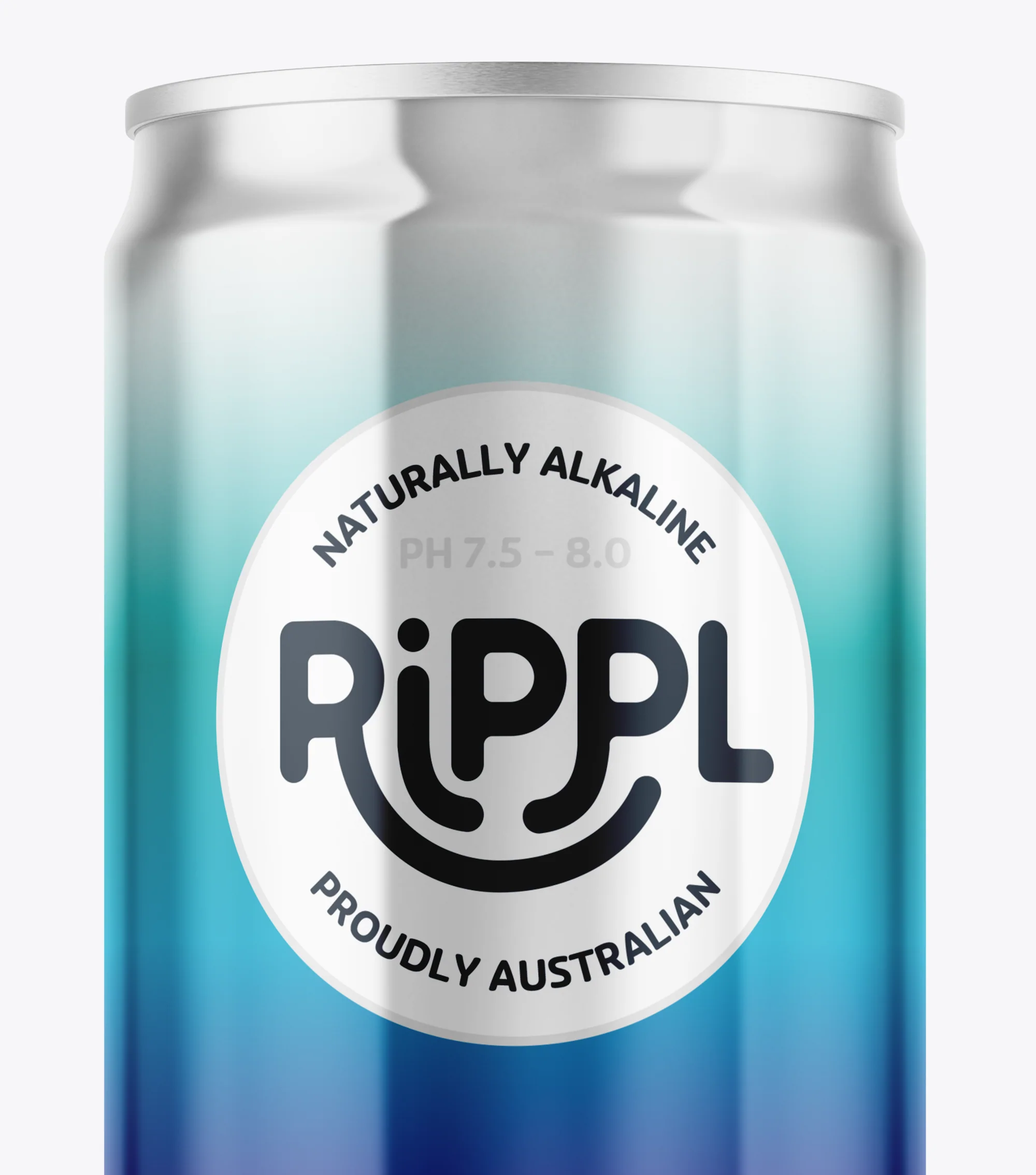
    Australian canned water brand Rippl has rolled out its Star Wars water range in 7-Eleven stores nationwide.

    The brand offers aluminium canned and bottled water in various customisable options for consumers and businesses. It sources spring water from Black Hill in Millbrook, Victoria, which boasts a natural alkalinity of PH7.8-8.0.

    In addition, Rippl features limited-edition can designs from popular brands and pop culture icons such as Disney, Star Wars, Jurassic World, Mattel, Hello Kitty, and more.

    Rob Hilton, MD of Mammoth Brands, the parent company of Rippl, said the brand aims to provide consumers and businesses with an “inspiring form of hydration” while prioritising sustainability.

    “Rippl Water is not just about drinking; it’s about making a statement with every sip,” said Hilton. “We aim is to offer a product that is both good for the planet and our customers.”

    Rippl Water x Star Wars is available for an RRP of $72 for a pack of 24 cans, and $96 for a pack of 24 bottles online and in 7-Eleven stores nationwide

  • Hot weather drives up demand for coconut water

    Hot weather drives up demand for coconut water

    Coconut prices have quadrupled in recent months to VND13,000 ($0.51) amid rising demand due to the hot weather.

    Prices are rising quickly, sometimes within a day, Nguyen Dinh Tung, CEO of fruit exporter Vina T&T, said at a press briefing Friday.

    Businesses have to assure farmers they would buy even when prices are low and offer other incentives to ensure regular supply, he said.

    Sellers say they sell thousands of pieces a day, much higher than usual, and struggle to buy more due to low supply.

    With temperatures rising to 40 degrees Celsius in many places, there is increased demand for fresh coconut juice, he added.

    Since the end of March the southern region has endured a severe heatwave. Temperatures have consistently exceeded 35 degrees Celsius – a threshold for heatwaves, according to meteorological classifications.

    In Ben Tre Province in the Mekong Delta, one of the largest coconut growing areas in the country, prices have been rising virtually daily, giving farmers a profit of VND3,000-5,000 per piece.

    Retailer Saigon Co.op has seen demand for coconut juice rising by 50%

    The fact that Vietnamese coconuts will soon be exported to China has also pushed up prices.

  • Gatorade enters new beverage category with ‘unflavoured’ water

    Gatorade enters new beverage category with ‘unflavoured’ water

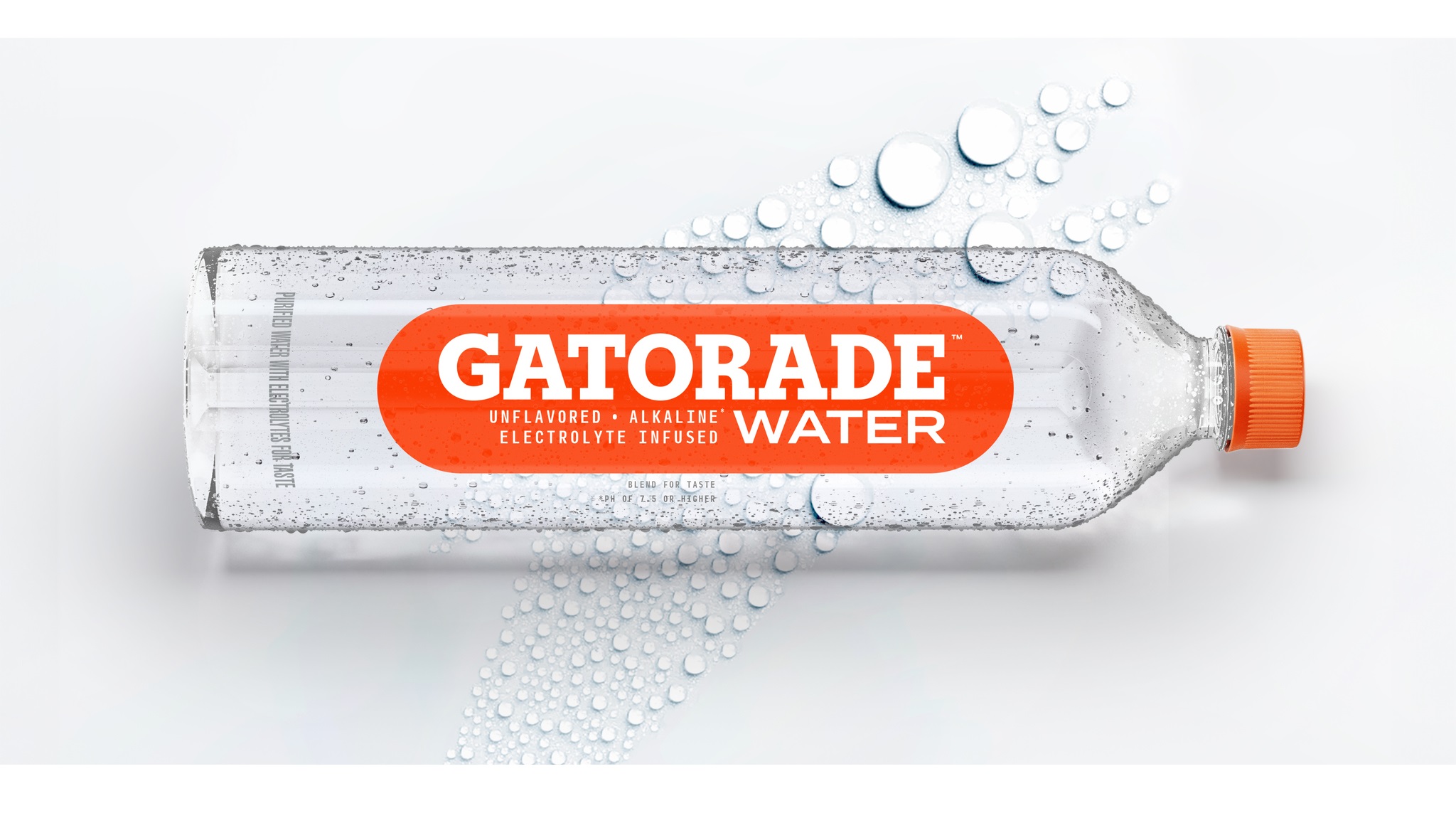
    Sports drink brand Gatorade has introduced its first-ever ‘unflavored water’, Gatorade Water, entering a new category in the beverage market.

    While the idea of unflavoured water may sound amusing (because water has always been flavourless), the company said its product aims to meet the hydration needs of active people.

    Gatorade Water has a pH of 7.5 and is infused with electrolytes to provide a “refreshing and crisp taste”. Its bottles are also made from 100 per cent recycled plastic.

    “Today’s athletes are more wellness-minded than ever, and they expect Gatorade to meet all their hydration needs, 24/7,” said Anuj Bhasin, chief brand officer, of Gatorade.

    “Gatorade Water is an all-day hydration option for all active people, no matter who they are or how they move, from the leader in sports fuel that they know and trust.”

    Gatorade Water is available in the US currently, via Amazon or at gatorade.com.

  • Refilled’s vending machines encourage users to bring their own bottles

    Refilled’s vending machines encourage users to bring their own bottles

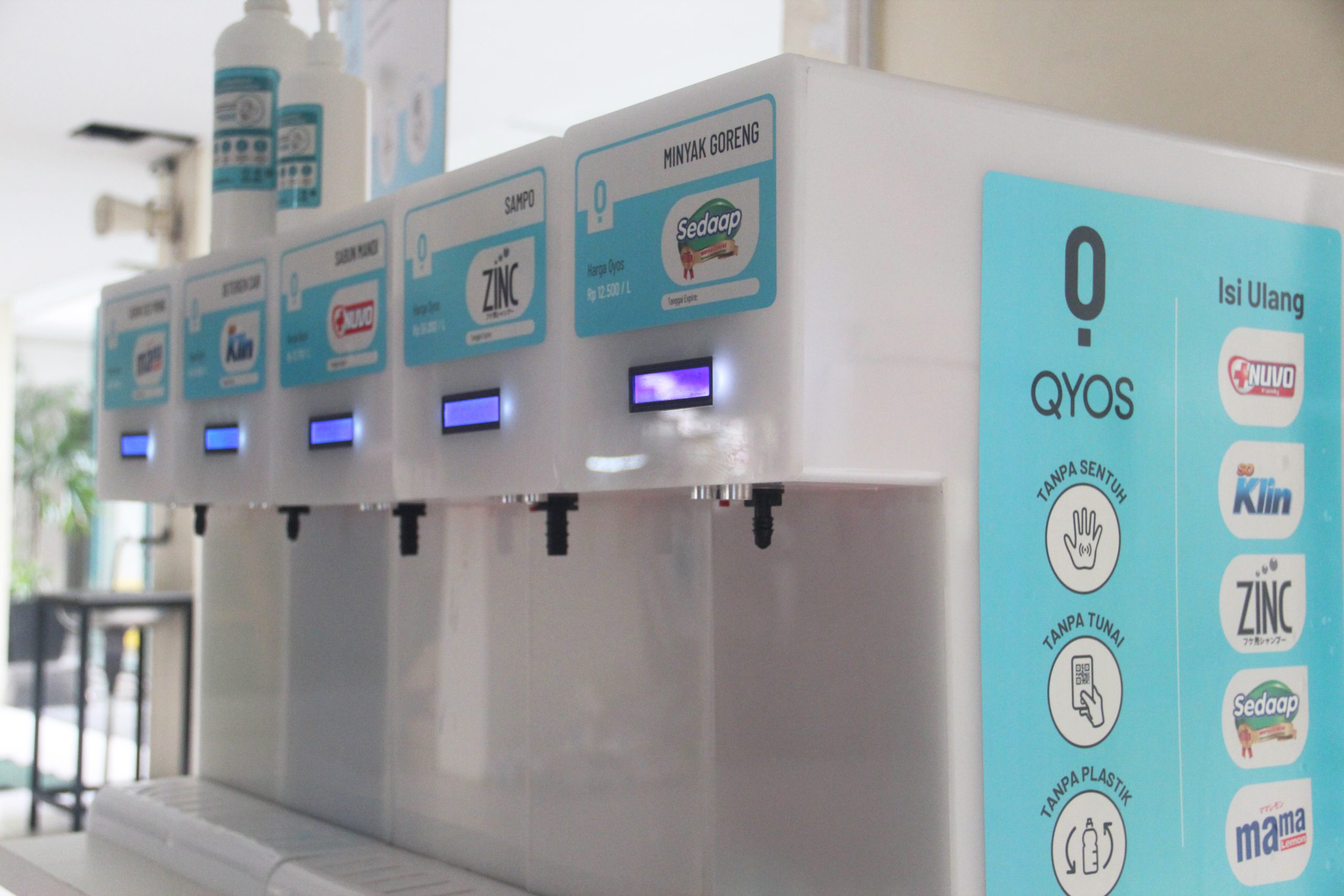
    A new climate tech start-up has introduced a unique vending machine technology that promotes the idea of BYO (bring-your-own) bottles to buy their drinks rather than marketing drinks in bottles that add more to landfills.

    Refilled aims to eliminate the colossal single-use plastic bottle waste caused by the vending industry by replacing them with its new BYO bottle system. The company hopes to capitalize on the dominant trend of reusable bottles, a market now worth $14bn, by giving people more flavor variety and nutritional options than just plain water on tap.

    It also tracks the number of bottles saved in real-time as its reusable bottles are equipped with QR codes that can be scanned at the Refiller and used to pay for drinks, with no card, phone or cash required.

    Already, Refilled has secured orders from the University of Technology Sydney and The University of Sydney Union (USU) who are looking to deploy their machines within their premises and provide students with more sustainable flavored drink alternatives at a price more affordable than a standard bottle of water.

    Research indicates that more than 891 billion single-use plastic bottles are produced worldwide every year but only less than 20 percent are recycled. Vending machines have been singled out as a major source of plastic pollution.

    Refilled stated that it is on track to build and install 100 of its vending machines (called ‘Refillers’) by 2024, eliminating upwards of one million single-use plastic bottles from becoming waste yearly. A single Refilled vending machine can stock 10x more beverages than a typical vending machine, dramatically reducing waste and delivery emissions caused by frequent deliveries and restocking traditional beverages.

    To date, Refilled has raised $600k through angel investors and Melt Ventures an impact VC Fund. Refilled is seeking an additional $3m in its next funding round.

    “Refilled is transforming the ordinary, everyday act of drinking water into climate action,” Refilled founder and CEO, Ryan Nelson, said. “Most people have good intentions and want to do good for the planet, but not everyone can afford to buy an electric vehicle or install solar panels.

    “Armed with just a reusable bottle and a couple of bucks, our Refillers offer an affordable, achievable way to eliminate plastic pollution,” Nelson added. “If we can replace even a fraction of drinks vending machines, which are an outrageous source of plastic waste, we will stop millions of plastic bottles going to landfill.”

    University of Sydney Union President, Naz Sharifi, said that the union remains committed to a sustainable future for its members, permeating everything they provide.

    “From our events, retail and products to our student programs and facilities, ss part of our ongoing efforts to expand our sustainable practices and to reduce the usage of single-use plastic bottles, we are thrilled to be partnering with Refilled, who share our social, environmental, and ecological aspirations,” Sharifi said. “This will allow our members access to filling stations in key locations around campus.”

    Anna Chavez GM Commercial Operations , ActivateUTS / University of Technology Sydney, is also proud to partner with UTS Alumni and founder Ryan Nelson, homing Refilled’ s prototype in ActivateUTS Student engagement ‘Hideout’ space, empowering students to eliminate thousands of single-use plastic bottles in its first year alone.

    “Students loved the newly launched machine, at our recent Orientation Day, offering an easy-to-use interface, paired with a cost effective and convenient product,” Chavez said. “We believe the right commercial decisions can meet the needs of the business, consumer and drive a positive change towards a more sustainable world, and Refilled is a great example of this.”

  • Hydropower production rises 24%

    Hydropower production rises 24%

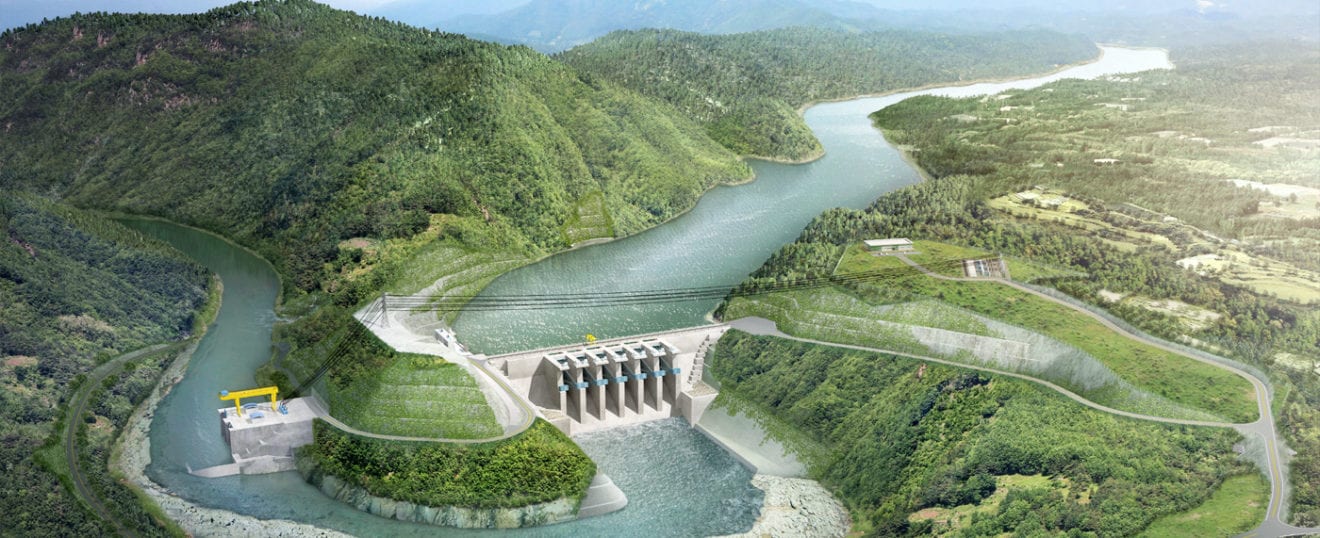
    Hydropower plants in northern Vietnam have pumped up their production by almost a quarter compared to earlier this month, to release water amid forecasts of heavy rain caused by Storm Talim.

    Water levels at most hydropower plants are now 10-20 meters higher than the minimum level for power production, according to the Ministry of Industry and Trade.

    This is why plants in Lai Chau, Tuyen Quang and HoaBinh provinces will increase their production to avoid overflow as heavy rains are expected this week as an effect of Storm Talim making landfall.

    Talim is the first storm to form over Vietnamese waters this year. The national meteorological center said that between July 11 and August 10 tropical convergence tends to be more active and stronger, leading to thunderstorms, tornadoes and high waves at sea.

    Power demand in Vietnam increased last week due to high heat. Maximum production last week recorded a new historic peak of 45,474 megawatts and increased by 1,720 megawatts from the week prior.

    From the beginning of the year until July 13, total production reached 147 billion kilowatt-hours, up 1.35% year-on-year.

    Hydropower accounted for 27.5% of total production.

    Coal supply is now stable as most thermal power plants have secured adequate coal inventory.

    After a major shortage recorded in the last weeks of May and early June, Deputy Minister of Industry and Trade Do Thang Hai had assured that there would be no power shortage for northern Vietnam for the rest of the year.

    Authorities will increase hydropower production and decrease thermal production in the third quarter as storms and heavy rains are expected to arrive.

  • Samsung Australia fined $14 million over false water-resistance claims

    Samsung Australia fined $14 million over false water-resistance claims

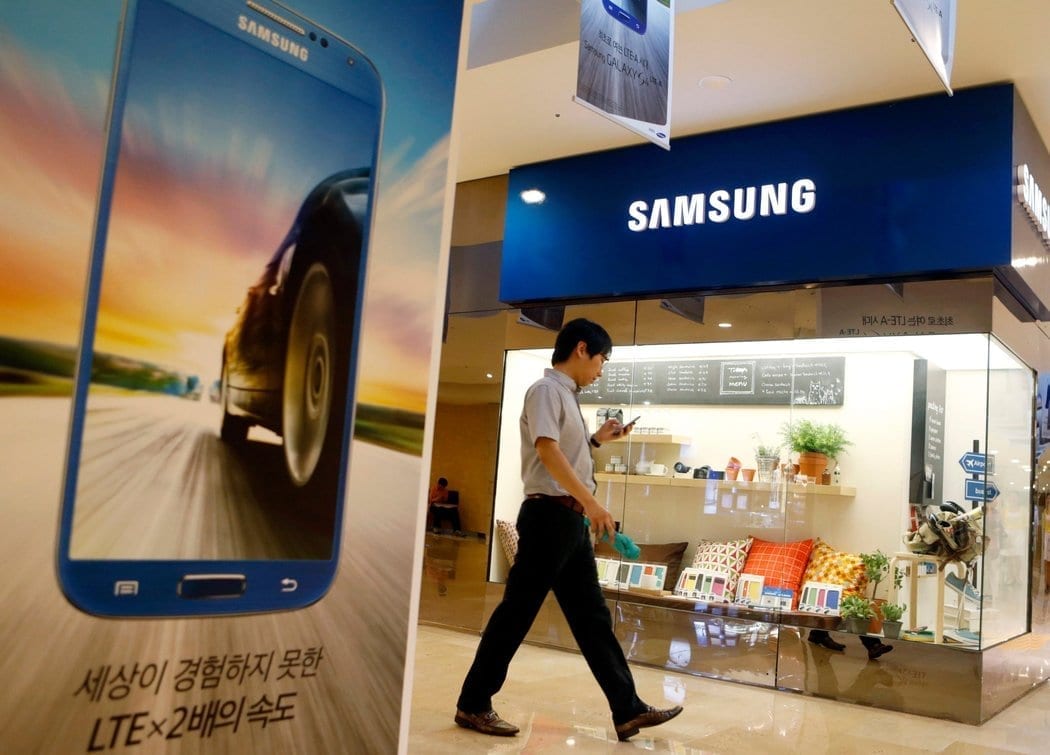
    Samsung Australia admitted to misleading buyers of some of its ‘Galaxy’ phones about the water-resistance level, the Australian Competition & Consumer Commission (ACCC) said. The regulator had first sued the company in July 2019.

    Samsung Australia said in a statement that this was not an issue in its newer, current models.

    The regulator said between March 2016 and October 2018, the company ran in-store and social media advertisements that claimed the phones could be used in pools or sea water.

    The ACCC, however, received hundreds of complaints from users saying the smartphones did not function properly or even stopped working entirely after being exposed to water.

    The claims “promoted an important selling point for these Galaxy phones. Many consumers who purchased a Galaxy phone may have been exposed to the misleading ads before they made their decision to purchase a new phone,” said ACCC Chair Gina Cass-Gottlieb.

    Samsung and the ACCC agreed that changes the company had made to newer models of the smartphones launched in Australia from March 2018 did not face such risks from water exposure, the company said.

  • Aqua Pura adds sparkle to its Fruit Splash range

    Aqua Pura adds sparkle to its Fruit Splash range

    Mineral water brand Aqua Pura has added two new flavors, Citrus and Melon, to its Fruit Splash range, which contain natural fruit flavoring and have less than fifty calories per serve.

    Fruit Splash Brand manager Amelia Wright says the new flavors are based on the already-established Fruit Splash Range.

    “When brainstorming range extensions for Fruit Splash, we came back to what has served us well, being our original Fruit Splash products, Tropical and Wildberry,” said Wright.

    “These are the flavours our consumers know and love from Fruit Splash, so building upon that, we knew we had to maintain this offering in different flavors whilst catering to those who prefer sparkling water.”

    With non-alcoholic drinks on the rise, consumers are increasingly looking for a healthier alternative from carbonated soft drinks.

    “From the popularity and growth we see on the Wildberry and Tropical products, we know this is what Aussies like”, Wright added.

    All Fruit Splash Sparkling flavors are available nationwide for RRP $2.50 per bottle.

  • Fiji Kava names new CEO

    Fiji Kava names new CEO

    Health and wellness company Fiji Kava has appointed Dr. Anthony Noble as its new CEO effective May 31.

    Noble is currently the MD and CEO of Australian Biotherapeutics and has experiences in natural product development, sales and operations management.

    “Anthony’s experience and background in the natural products and biotechnology industries are directly transferable to Fiji Kava, including operational supply chain excellence and in growing the availability of our Fijian Noble Kava across key international markets with new and existing partners,” said Fiji Kava chairman, Dr. Andrew Kelly.

    “We were extremely impressed by the success of Australian Biotherapeutics under the leadership of Anthony including the role he played in securing investment and commissioning their $10m greenfield production facility in Queensland.” Prior to Australian Biotherapeutics, Noble spent 10 years at SFI Health, SFI Research as global head of innovation, and head of North Asia, GM of the company’s Chinese joint venture, and global head of business to business.

    Nicholas Simms, who has been acting as interim CEO, will continue as a non-executive director with founder Zane Yoshida on the Fiji Kava Board.