Tag: wealth

  • CIMB Expands Wealth Services into Singapore and Thailand, Targeting Southeast Asias Rising Affluent Class

    CIMB Expands Wealth Services into Singapore and Thailand, Targeting Southeast Asias Rising Affluent Class

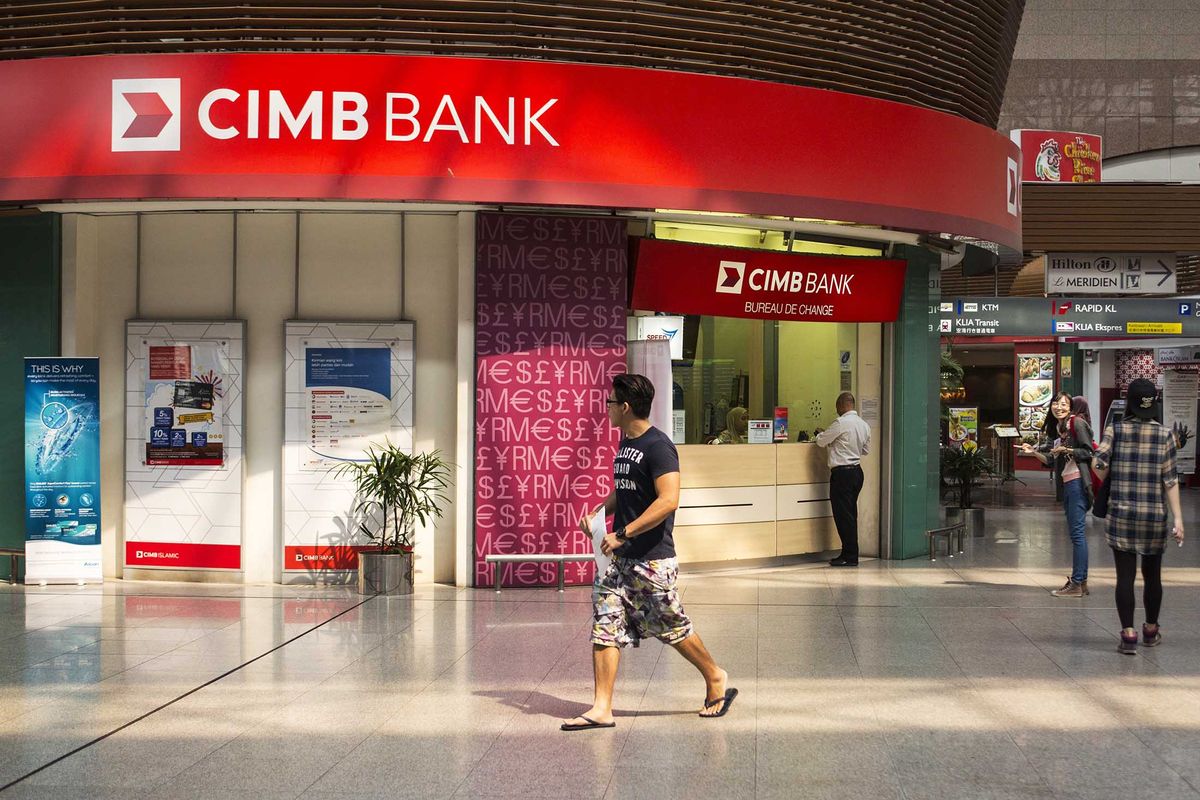
    CIMB Group, Malaysia’s second-largest bank in terms of assets, has announced its intention to expand its private wealth business to Singapore and Thailand by the end of the year. This move is part of a larger plan to double the bank’s wealth assets under management by 2030.

    Targeting Southeast Asia’s Growing Affluent Segment

    Haniz Nazlan, the CEO of group consumer banking at CIMB, revealed on Monday that this expansion activity is targeting the rapidly increasing affluent segment in Southeast Asia. This strategic move follows the successful launch of the bank’s private wealth business in Indonesia earlier in the year and in Malaysia on the same day.

    According to Nazlan, the ASEAN economy, worth US$4 trillion, has been experiencing robust annual economic growth rates of approximately 4%, which is significantly higher than many developed markets. This economic dynamism is expected to stimulate a 5% to 6% annual increase in the region’s affluent population. Furthermore, the middle class is projected to comprise between 65% and 70% of the ASEAN population by 2030.

    Factors such as growing incomes, escalating cross-border investments, and a notable surge in intergenerational wealth transfers are propelling the market.

    A New Service for High Net-Worth Clients

    Daniel Cheong, CIMB’s head of consumer banking for Malaysia, revealed that the new private wealth service is tailored to clients who have at least RM1 million ($244,612) in assets under management. This offering is positioned above CIMB Preferred, the bank’s mass-affluent priority banking segment, which requires a minimum of RM250,000 in assets.

    CIMB’s Private Wealth service offers clients dedicated relationship managers, treasury solutions, investment advisors, customized investment products, succession planning, and digital wealth capabilities.

    Nazlan noted that affluent clients are progressively seeking advice that goes beyond mere investment product selection. He explained that they want guidance on wealth protection, preparation of their children’s futures, access to global opportunities, and making informed decisions in an unpredictable world.

    Nazlan disclosed that CIMB’s wealth assets under management (AUM) were approximately RM250 billion in the preceding year. However, he refrained from providing interim growth targets or customer acquisition figures, stating that it is still the early stages of the Private Wealth proposition’s rollout.

    Questions & Answers

    What is CIMB Group’s plan for its private wealth business?
    CIMB Group plans to expand its private wealth business to Singapore and Thailand by year-end, aiming to double its wealth assets under management by 2030.

    Who are the target clients of the new CIMB private wealth service?
    CIMB’s private wealth service targets high net-worth clients who have at least RM1 million ($244,612) in assets under management.

    What are the key services offered by CIMB’s Private Wealth service?
    CIMB’s Private Wealth service offers dedicated relationship managers, investment advisors, treasury solutions, succession planning, customizable investment products, and digital wealth capabilities.

  • Bangkoks Ultra-Rich Population on Pace to Lead Southeast Asias Wealth Boom

    Bangkoks Ultra-Rich Population on Pace to Lead Southeast Asias Wealth Boom

    Bangkok is emerging as Southeast Asia’s most dynamic hub for ultra-high-net-worth (UHNW) individuals, illustrating Thailand’s increasing allure for global wealth despite ongoing economic and geopolitical instability. The UHNW populace in Thailand’s capital is anticipated to expand to approximately 1,840 by 2030, up from 1,210 in 2025. This growth represents a surge of over 50%, equating to an average yearly increase of 8.7%.

    In 2025, Thailand recorded 2,090 UHNW individuals, with 1,210 primarily residing in Bangkok. UHNW individuals are classified as those possessing net assets exceeding US$30 million. This predicted growth positions Bangkok as the twelfth fastest expanding major UHNW city globally among the 100 largest urban economies by nominal GDP, rendering it the quickest growing wealth center in Southeast Asia, surpassing Jakarta.

    Bangkok’s Wealth Creation: A Unique Blend

    Bangkok’s wealth generation is notable not just for its speed but also for its unique blend of robust domestic entrepreneurship and increasing international appeal. Predictions suggest that, among major global cities, Bangkok will experience one of the swiftest increases in its ultra-wealthy population over the next five years. This growth will further consolidate its position as an emerging global wealth center.

    Most UHNW individuals based in Bangkok are self-made entrepreneurs. However, many benefitted from inherited capital during their businesses’ early development stages. The global UHNW population reached an all-time high of 556,850 individuals in 2025, a 14.4% rise from the previous year. This growth marked the second successive year of double-digit expansion and the strongest growth since 2017.

    In Asia, Hong Kong has the highest number of UHNW people, with 18,290, ranking second only to New York globally, which boasts 23,785 individuals. By 2030, the global UHNW population is expected to reach 746,570, with total wealth swelling to $85 trillion.

    Questions & Answers

    What is the projected number of ultra-high-net-worth individuals in Bangkok by 2030?
    The number of ultra-high-net-worth individuals in Bangkok is predicted to rise to about 1,840 by 2030, up from 1,210 in 2025.

    What factors contribute to Bangkok’s wealth generation?
    Bangkok’s wealth generation is characterized by robust domestic entrepreneurship and an increasing international appeal, making it a global wealth center.

    How does Bangkok’s ultra-high-net-worth population growth compare globally?
    Bangkok is projected to have the twelfth fastest-growing major ultra-high-net-worth population among the 100 largest urban economies by nominal GDP. This places it as the quickest growing wealth center in Southeast Asia.

  • UOB Private Bank Taps Dennis Hong to Fuel North Asias Wealth Management Expansion

    UOB Private Bank Taps Dennis Hong to Fuel North Asias Wealth Management Expansion

    United Overseas Bank (UOB) Private Bank has announced the appointment of Dennis Hong to the position of Regional Market Head for Greater China and North Asia, commencing in September 2026. This decision aligns with UOB’s ongoing plan to fortify its wealth management sector and tap into the increasing cross-border wealth traffic between Greater China and ASEAN.

    Hong’s Role and Responsibilities

    Hong’s new assignment will see him spearheading the advancement and strategic planning of UOB Private Bank’s operations in Greater China and North Asia. He will be managing principal markets such as China, Hong Kong, Taiwan, and Japan. Hong’s responsibilities will encompass the formulation of market strategies, expansion of client base, enhancement of advisory services, and supervision of regional teams. All these efforts are directed towards fostering client relationships and facilitating consistent business growth.

    Hong enters his new role at UOB Private Bank with a wealth of knowledge and experience in private banking and wealth management. His most recent position saw him guiding an Asia-Pacific private banking division, which emphasized the Greater China and North Asia markets. Hong has demonstrated his skills in building and managing significant teams, creating market propositions, and promoting business growth across major regional markets throughout his career. Hong will be stationed in Singapore, reporting directly to Chew Mun Yew, the Head of UOB Private Bank.

    UOB Private Bank’s Growth Strategy

    UOB Private Bank has confirmed that the Greater China market will continue to be a fundamental component of its regional growth strategy. This approach is particularly relevant as clients are increasingly seeking integrated wealth, investment, and financing solutions across various jurisdictions.

    The bank also intends to bolster its value proposition for high-net-worth (HNW) and ultra-high-net-worth (UHNW) clients, demonstrating its commitment to providing superior financial services and ensuring customer satisfaction.

    Questions & Answers

    What is the role of Dennis Hong at UOB Private Bank?
    Dennis Hong has been appointed as the Regional Market Head, Greater China and North Asia. His responsibilities include leading the growth and strategic development of the bank’s operations in these regions.

    What experience does Dennis Hong bring to his new role at UOB Private Bank?
    Hong has extensive experience in private banking and wealth management. He has previously led an Asia-Pacific private banking franchise with a strong focus on Greater China and North Asia.

    What is UOB Private Bank’s growth strategy for the Greater China market?
    UOB Private Bank has identified the Greater China market as a key pillar of its regional growth strategy. The bank aims to meet the growing demand for integrated wealth, investment, and financing solutions across multiple jurisdictions.

  • OCBC Boosts Hong Kong Wealth Management Team by 30% Amid Rising Demand

    OCBC Boosts Hong Kong Wealth Management Team by 30% Amid Rising Demand

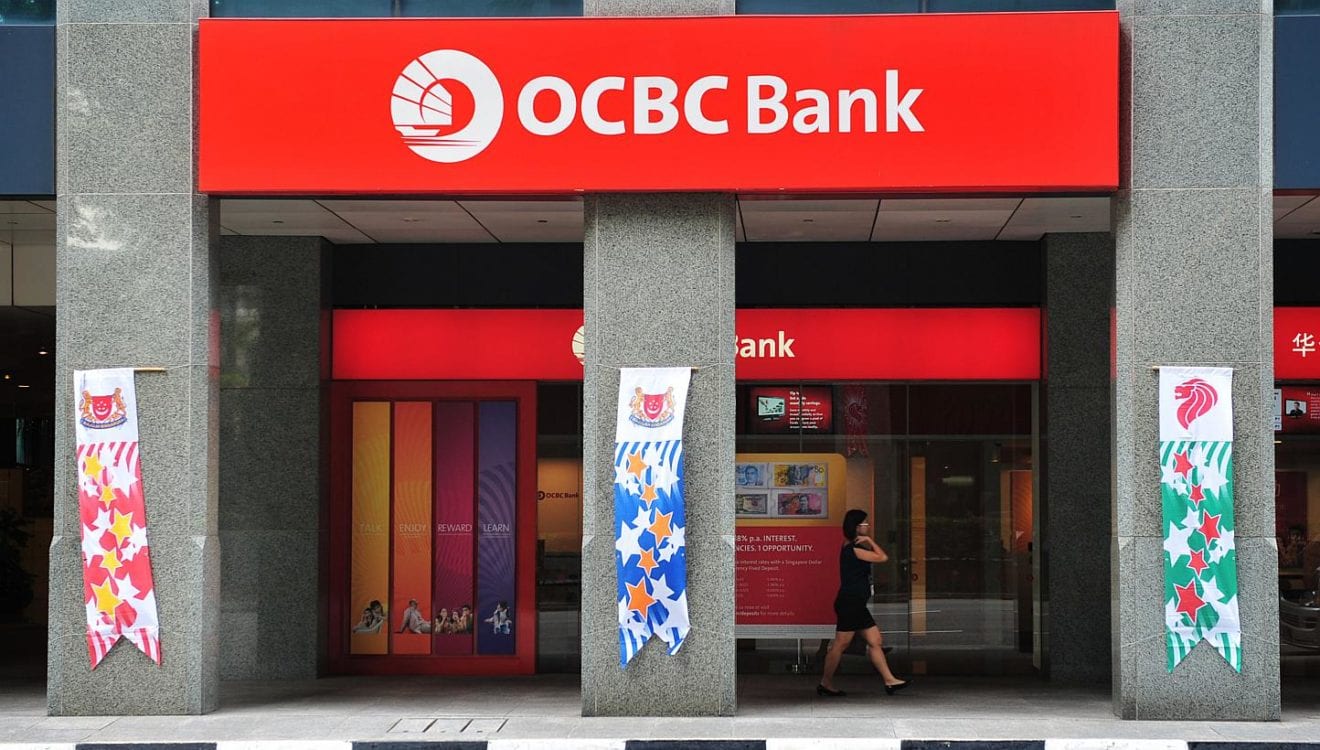
    The Oversea-Chinese Banking Corporation (OCBC) has announced plans to bolster its wealth-management staff in Hong Kong by 30% this year. This move is a strategic reaction to an increasing demand from its clientele for investment and financing services.

    Singapore’s second-largest financial institution aims to recruit an additional 30 to 50 relationship managers to its Hong Kong division, according to Josephine Lee, OCBC’s head of Hong Kong consumer financial services. The bank projects a significant increase in its wealth sector income, anticipating a five-fold jump since 2023. Furthermore, Lee disclosed the bank’s strategy to launch a novel array of services this year specifically aimed at clients with at least $1 million.

    OCBC’s wealth services portfolio has been a significant factor in boosting the bank’s profitability. The bank has surpassed projected profits for the first quarter, largely due to increasing fees related to wealth services. Furthermore, the demand for wealth accounts within Hong Kong has shown a marked increase from clients both within and outside the jurisdiction, primarily attracted by offerings such as financing. “We must enhance our pool of relationship managers to optimally serve our client base,” says Lee.

    The Greater China region, which includes Hong Kong, has been a significant income generator for OCBC, contributing 23% to the bank’s operating profit in the first quarter. This makes it the second-largest contributor, following Singapore, and shows a slight increase compared to the same period last year.

    Questions & Answers

    What is the anticipated increase in OCBC’s wealth-management staff in Hong Kong?
    The bank plans to increase its wealth-management staff in Hong Kong by 30% this year, which translates to an addition of 30 to 50 relationship managers.

    How significant has the wealth services portfolio been to OCBC’s profitability?
    The wealth services portfolio has played a major role in boosting the bank’s profitability, with the first quarter earnings surpassing estimates mainly due to increased fees related to these services.

    What proportion of OCBC’s operating profit was contributed by the Greater China region in the first quarter?
    The Greater China region, including Hong Kong, contributed 23% to the bank’s operating profit in the first quarter, making it the second-largest contributor after Singapore.

  • OCBC Posts 5% Surge in Q1 Profits, Bolstered by Wealth Management and High Fees

    OCBC Posts 5% Surge in Q1 Profits, Bolstered by Wealth Management and High Fees

    In the first quarter, the Oversea-Chinese Banking Corporation Limited (OCBC) experienced a decline in its net interest income. However, this was counterbalanced by increases in wealth-led gains and higher fees, resulting in an overall rise in total income.

    Financial Performance Overview

    OCBC reported a 5% increase in net profit for Q1, largely attributed to robust performance in its wealth management and insurance sectors. This helped offset the impact of falling interest rates. The bank, based in Singapore, saw its net profit increase to S$1.97 billion in the three months leading up to March 31, marking 13% growth from the previous quarter and up from S$1.88 billion in the equivalent period a year earlier. The total income also experienced an upward trend, reaching an all-time high of S$3.83 billion, a 5% annual increase.

    Non-interest income, a key driver of these results, also saw record figures. It witnessed a 23% surge, amounting to S$1.61 billion, and made up over 40% of the total income. This growth was spread across various operations including fees, trading, and insurance.

    Revenue Streams: Wealth Management and Lending

    Wealth management was a significant contributor to OCBC’s revenue. Income from this sector grew by 11% to S$1.48 billion, and assets under management in banking wealth management rose by 12%, reaching S$342 billion. This growth was facilitated by net new money inflows across all customer segments.

    Net fee income also saw considerable growth, up 24% to S$675 million. This was stimulated by a 34% increase in wealth management fees, fueled by a rise in customer investment activity across private banking, premier banking, and other wealth channels. Other areas that showed improvement were investment banking, trade-related, and loan-related fees. Trading income saw a rise of 10% to S$434 million, spurred on by strong customer flow income amid sustained wealth-related activity and heightened hedging demand from corporate clients.

    However, the bank also faced challenges in the form of pressure on its lending margins due to falling interest rates. Net interest income fell by 5% to S$2.22 billion, and net interest margin contracted to 1.76% from 2.04% in the previous year.

    Despite these challenges and a 6% increase in operating expenses to S$1.50 billion, mainly due to higher staff costs and continuous investment in technology infrastructure, OCBC managed to maintain a cost-to-income ratio below 40%, at 39.3%.

    Questions & Answers

    What were the major contributors to OCBC’s growth in the first quarter?
    Wealth management was a key factor, with an 11% income increase. There were also broad-based increases in non-interest income, which rose 23%.

    What challenges did OCBC face in the first quarter?
    The bank experienced pressure on its lending margins due to declining interest rates, which caused a 5% fall in net interest income.

    Did OCBC manage to maintain financial stability despite these challenges?
    Yes, although it faced some challenges, OCBC maintained a stable asset quality and a prudent approach to provisioning. The bank’s strong capital, funding, and liquidity position has left it well-equipped to pursue growth opportunities amidst ongoing economic uncertainties.

  • BNP Paribas Switzerland Pivots to Wealth Management, Targeting Swiss Entrepreneurs and High-Value Lending Market

    BNP Paribas Switzerland Pivots to Wealth Management, Targeting Swiss Entrepreneurs and High-Value Lending Market

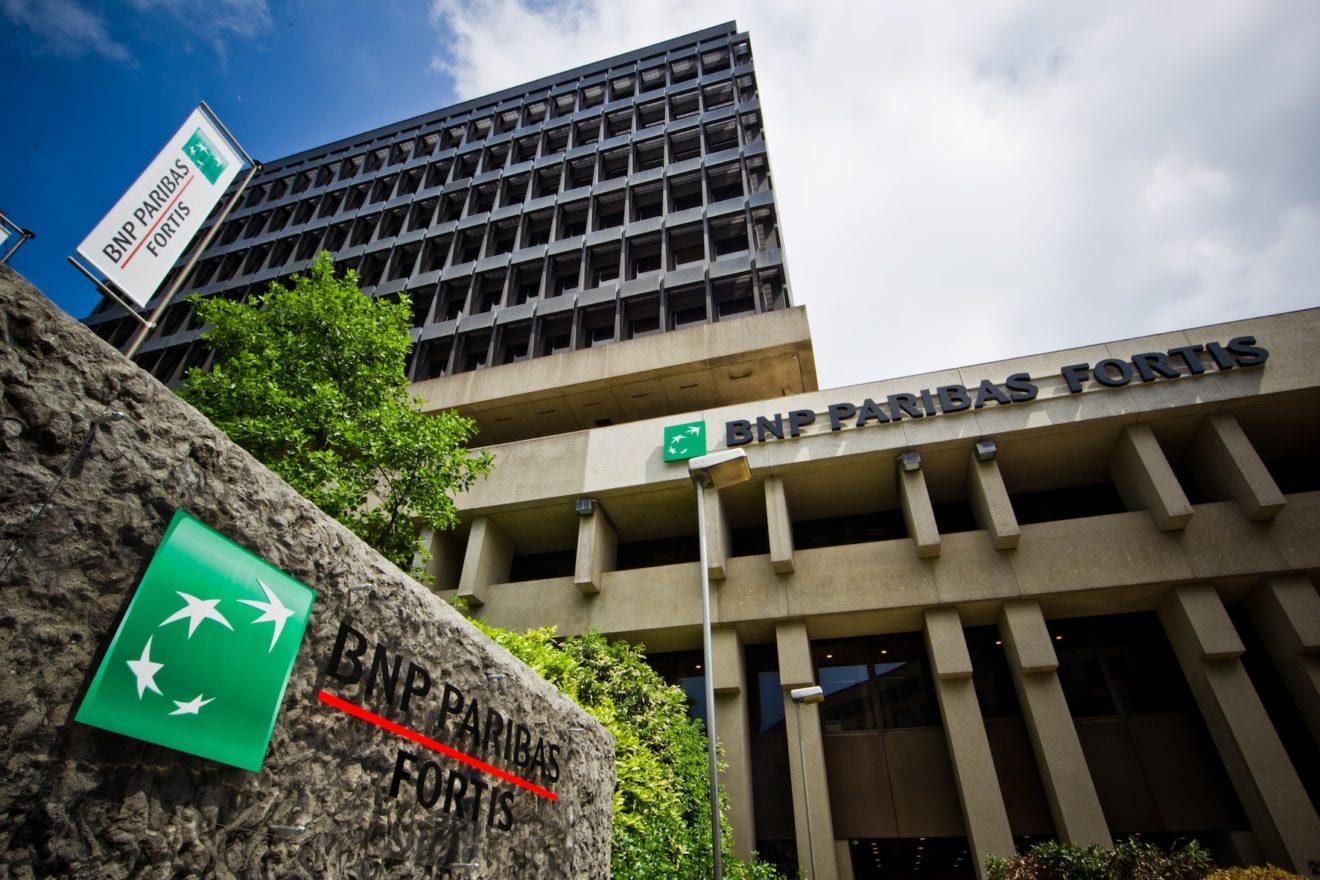
    BNP Paribas, the French multinational bank, has recently finished the restructuring of its Swiss operations, with a primary emphasis on Wealth Management. From this point onwards, the bank’s primary concern will be to expand its wealth management sector, focusing especially on Swiss entrepreneurs. A key component of this strategy is the lending business.

    Aligning the Swiss Operations

    Over the years, BNP Paribas has been realigning its operations in Switzerland. Today, Wealth Management and entrepreneurial services form the bedrock of their strategy. Since May 2025, the Swiss unit has been operating as a branch of BNP Paribas Paris. As a result of this change, separate financial figures will no longer be made public. Enna Pariset, Swiss head of BNP Paribas, stated, “The retreat from commodity trade finance was finalized in 2022, and we concluded 2025 positively, intending to continue our growth.”

    Swiss Client Growth

    The bank intends to concentrate primarily on Swiss entrepreneurs. Pariset mentions that “Four years after the launch of the initiative, roughly 30% of the assets under management are from Swiss clients.”

    The Corporate and Investment Banking (CIB) unit is another important aspect of the company. In 2024, revenues from Swiss clients totaled €1 billion globally and saw further growth in 2025. According to the new growth plan, these figures are projected to increase to approximately €1.5 billion by 2030.

    Lending as a Key Strategy

    Lending forms a fundamental part of the Wealth Management strategy. BNP Paribas positions itself as a purveyor of intricate financing solutions for entrepreneurs and affluent private clients. Yusuf Savmaz, CEO of Wealth Management Switzerland, stated, “Not many banks offer a €150 million single-stock loan in Switzerland. Owing to our robust balance sheet and expertise, such transactions are integral to our core operations.”

    Another area of focus is the expansion of the mortgage franchise. Pariset explained, “This is a relatively new business for us. We see immense potential here, especially considering that our collaboration with AXA Investment Managers has enriched our knowledge of the real estate market in Switzerland.”

    AXA Investment Managers Integration

    BNP Paribas anticipates additional momentum from integrating AXA Investment Managers, which currently manages CHF 75.5 billion in assets for Swiss clients, including CHF 52.4 billion in Switzerland. The Swiss asset management business of AXA IM will maintain its independence, with its own CEO. However, Pariset assured that they will collaborate closely to offer clients a wider range of products.

    Private Banking Positioning

    In classic private banking, the entry threshold in Switzerland is approximately CHF 5 million. BNP Paribas adopts a tailored approach based on the client segment. For Swiss clients, the entry threshold is somewhat lower, while for new relationships with Middle Eastern clients, it’s higher due to increased regulatory requirements, explained Savmaz.

    Artificial Intelligence Initiatives

    A key aspect of BNP Paribas’ model is its integration with Corporate and Investment Banking. This deep understanding of firms through Corporate and Investment Banking helps them assess risks, noted Savmaz.

    While BNP Paribas utilizes traditional strategies in the investment management area, digital assets currently do not play an active role. Pariset stated, “We are not the right bank for that.” However, the bank is investing in new technologies and is working with Zurich fintech Unique on several AI projects.

    Questions & Answers

    What is the focus of BNP Paribas in Switzerland?
    BNP Paribas is focusing on expanding its Wealth Management sector, especially serving Swiss entrepreneurs.

    What is BNP Paribas’ approach to private banking in Switzerland?
    In private banking, BNP Paribas adopts a differentiated approach based on the client segment with an entry threshold of approximately CHF 5 million.

    Does BNP Paribas have plans to invest in digital assets?
    Currently, BNP Paribas does not see an active role for digital assets in its investment management area.
  • HSBC Bolsters China Wealth Management with Strategic Duo Appointment: Max Xu and Samuel Chen

    HSBC Bolsters China Wealth Management with Strategic Duo Appointment: Max Xu and Samuel Chen

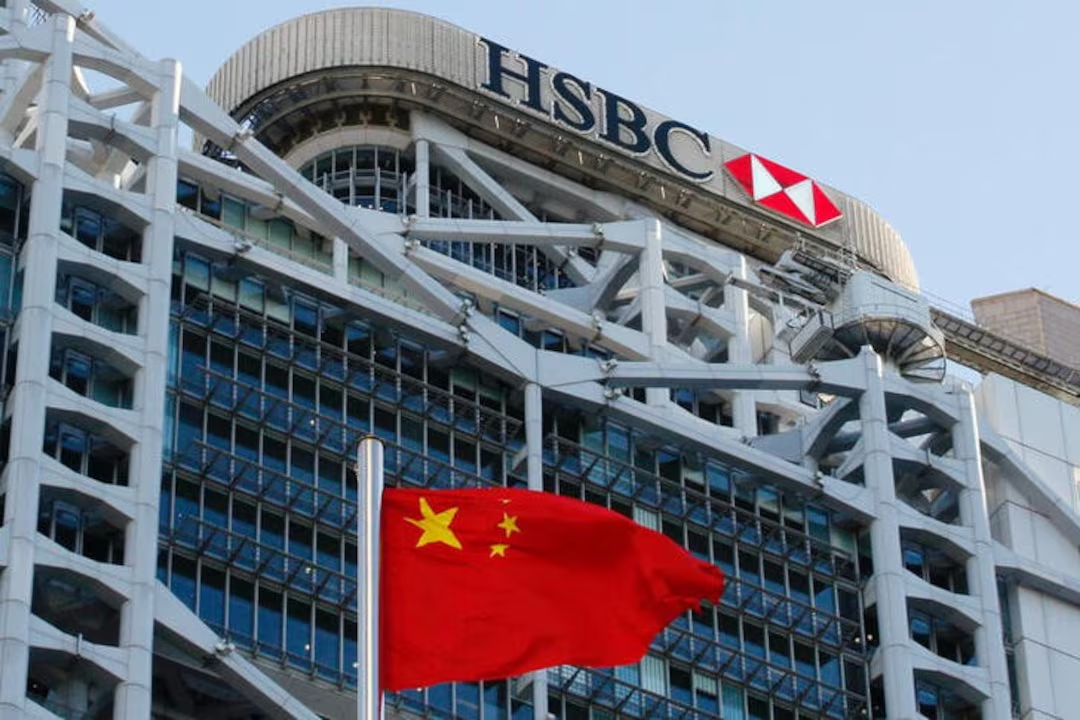
    HSBC, the London-based financial institution, recently announced two significant additions to its Chinese wealth management and private banking sector.

    New Leaders at the Helm

    Max Xu has been appointed the head of international wealth and premier banking (IWPB) at HSBC China, with the appointment effective from April 1. In this pivotal role, he will answer to Mark Wang, the CEO of HSBC China and, on a functional level, to Kai Zhang, the head of IWPB in Asia.

    Xu, who holds the current position of head of premier banking at IWPB China, has been a part of HSBC since 2025. His expansive career spanning more than 20 years is marked by his experiences in institutional and consumer banking, making him an ideal fit for this role.

    Strengthening HSBC’s Private Banking Sector

    Simultaneously, Samuel Chen has been entrusted with the role of head of the private bank at HSBC China, effective from April 1. He will report to Xu and will work closely with Lok Yim, the regional head of HSBC Private Bank in the Asia Pacific region.

    Chen has a rich banking career extending nearly 20 years, including nine years with HSBC Private Bank in crucial client-facing roles. His expertise will be invaluable in expanding the private banking sector of HSBC in China.

    Advancing HSBC’s Agenda in China

    These noteworthy appointments of Xu and Chen are a strategic move by HSBC to enhance its leadership team as it furthers its wealth and private banking operations in mainland China.

    Kai Zhang stated that these appointments solidify their dedication to achieving sustainable growth and delivering a superior client experience across the Premier, Premier Elite, and Private Bank continuum in China.

    Questions & Answers

    Who has been appointed the head of international wealth and premier banking at HSBC China?
    Max Xu, a veteran with over 20 years of banking experience, has been appointed to this role.

    Who will serve as the head of the private bank at HSBC China?
    Samuel Chen, who has almost 20 years of banking experience, including nine years in senior client-facing roles at HSBC Private Bank, will assume this role.

    What do these appointments signify for HSBC’s operations in China?
    These appointments reflect HSBC’s commitment to expanding its wealth and private banking services in mainland China, with a focus on sustainable growth and superior client service.

  • UBS Wins U.S. National Charter: Broadening Services for Wealth Management Clients

    UBS Wins U.S. National Charter: Broadening Services for Wealth Management Clients

    UBS is set to transform its U.S. entity, UBS Bank USA, into a nationally chartered bank following approval from U.S. regulatory bodies. The announcement was made via LinkedIn by Rob Karofsky, President of UBS Americas.

    A Significant Milestone for UBS

    Karofsky hailed this development as a significant achievement, reinforcing the bank’s enduring dedication to the U.S. market and its ongoing efforts to bolster the bank’s position as a global leader in wealth management.

    Expansion of Banking Services on The Horizon

    The new charter will empower UBS to broaden its banking services for its U.S. wealth management clientele. The bank plans to introduce payment services along with checking and savings accounts, among other offerings. The LinkedIn post emphasized that the new charter would reinforce the U.S. banking platform, improve client and financial advisor services, and put the bank in a favourable position for further expansion, all while upholding UBS’s high standards.

    The U.S. as a Crucial Market for Growth

    This move is part of a multi-year strategy by UBS to launch new products, systems, and technologies. The ambition is to create a state-of-the-art core banking platform with a focus on digitalization and artificial intelligence capabilities.

    UBS acknowledges the immense potential of the U.S. market. Despite U.S. clients having significant deposits, they often turn to other financial institutions for regular banking services. By enriching its service portfolio, UBS aims to deepen client relationships and fortify the position of its financial advisors.

    Questions & Answers

    What changes can UBS’s U.S. clients expect following this development?
    Clients can anticipate a wider array of banking services from UBS, including payment services and checking and saving accounts.

    What is UBS’s long-term goal with this transformation?
    UBS aims to fortify its position as a global wealth management leader, deepen client relationships, strengthen the role of its financial advisors, and establish a modern, digital, and AI-driven core banking platform.

    How does UBS view the U.S. market?
    UBS sees the U.S. market as crucial for its growth and plans to capitalize on its potential by expanding its service offerings to U.S. clients.

  • HSBC Unveils Premier Elite Space in Singapore: The Largest Wealth Center Yet

    HSBC Unveils Premier Elite Space in Singapore: The Largest Wealth Center Yet

    HSBC has made a significant stride in expanding its footprint in Singapore by opening its fourth and largest wealth center in the city-state. Situated on the 33rd floor of the Singapore Land Tower, the wealth center spans 7,884 square feet and is equipped with 14 meeting rooms. These rooms include both private client advisory rooms and enclosed teller rooms, further enhancing the center’s capacity to serve its clientele.

    Catering to High Net Worth Clients

    The new wealth center is primarily dedicated to serving HSBC’s high net worth segment, specifically the HSBC Premier Elite. This segment, launched in 2024, caters to clients who maintain a minimum relationship balance of S$1.2 million ($1 million).

    Incorporating this wealth center into HSBC’s Singapore operations is a part of a larger plan to transform its business in the city-state. This plan includes a significant investment, with intentions to quintuple the bank’s local physical network.

    Ashmita Acharya, HSBC’s head of international wealth and premier banking in Singapore, spoke about the design and intent of the new wealth center. She noted that the center integrates the wealth and lifestyle aspirations of HSBC’s clients. By bringing together the best of the bank’s advisory, service, and hospitality expertise, the center aims to enhance the wealth journey of its clients in a meaningful way.

    Questions & Answers

    What is the purpose of the new wealth center established by HSBC in Singapore?
    The new wealth center is dedicated to serving HSBC’s high net worth segment, the HSBC Premier Elite. It aims to bring together the best of HSBC’s advisory, service, and hospitality expertise to enhance the wealth journey of its clients.

    Where is the wealth center located and what are its features?
    The wealth center is located on the 33rd floor of the Singapore Land Tower. It covers an area of 7,884 square feet and includes 14 meeting rooms, enclosed teller rooms, and private client advisory rooms.

    What wider plan is the opening of this wealth center a part of?
    The establishment of this wealth center is part of HSBC’s broader efforts to transform its business in Singapore. This includes plans to quintuple its investment towards increasing its local physical network.

  • Gold Glitters High in Vietnam: Bullion Boosted by Global Rally and Wealth Day Purchases

    Gold Glitters High in Vietnam: Bullion Boosted by Global Rally and Wealth Day Purchases

    On Wednesday, the price of gold in Vietnam experienced a rise, mirroring the global surge in bullion rates after a decrease during the earlier session. Saigon Jewelry Company reported a rise of 0.38% in gold bar prices, reaching VND185.3 million ($7,090.80) per tael, a price match with other retailers.

    Rise in Gold Ring Prices

    Gold ring prices followed a similar trend, increasing by the same rate to VND184.8 million per tael. A tael is a weight measurement equivalent to approximately 37.5 grams or 1.2 ounces.

    God of Wealth Day Impact

    With the advent of the God of Wealth Day on Thursday, numerous jewelry shops in Hanoi witnessed long queues of customers eager to buy gold. It is a popular belief that buying gold during this event will invite prosperity throughout the year.

    Global Gold Trends

    Internationally, gold prices also went up on Wednesday as Asian traders sought refuge in the safe-haven metal amidst uncertainty over U.S. tariffs. This follows a ruling by the U.S. Supreme Court that annulled several of President Donald Trump’s measures. Spot gold saw an increase of 0.7%, reaching $5,181.95 per ounce. Despite ending the previous session with a decline of over 1% as investors capitalized on profits after gold reached a three-week peak earlier in the day, U.S. gold futures for April delivery saw an uptick of 0.5% at $5,200.40.

    According to a technical analyst, gold may find stability around a support of $5,140 per ounce and may retest the resistance at $5,244. They also noted that the immediate resistance is at $5,205; breaking above this may result in an increase in the range of $5,221 to $5,244.

    Questions & Answers

    Why did the price of gold increase in Vietnam?
    The price of gold increased in Vietnam due to a global surge in bullion rates and the upcoming God of Wealth Day, a time when people buy gold to invite prosperity.

    What factors are influencing global gold prices?
    Global gold prices are influenced by many factors, including geopolitical uncertainties such as the recent U.S. Supreme Court ruling on tariffs, which led investors to seek refuge in gold, seen as a safe-haven metal.

    What is the future outlook for gold prices?
    The future of gold prices may see some stability around a support of $5,140 per ounce and may retest the resistance at $5,244. If the price breaks above the immediate resistance of $5,205, it could lead to a gain in the range of $5,221 to $5,244.

  • DBS Wealth Management Hits Record-Breaking Asset Surge in 2025

    DBS Wealth Management Hits Record-Breaking Asset Surge in 2025

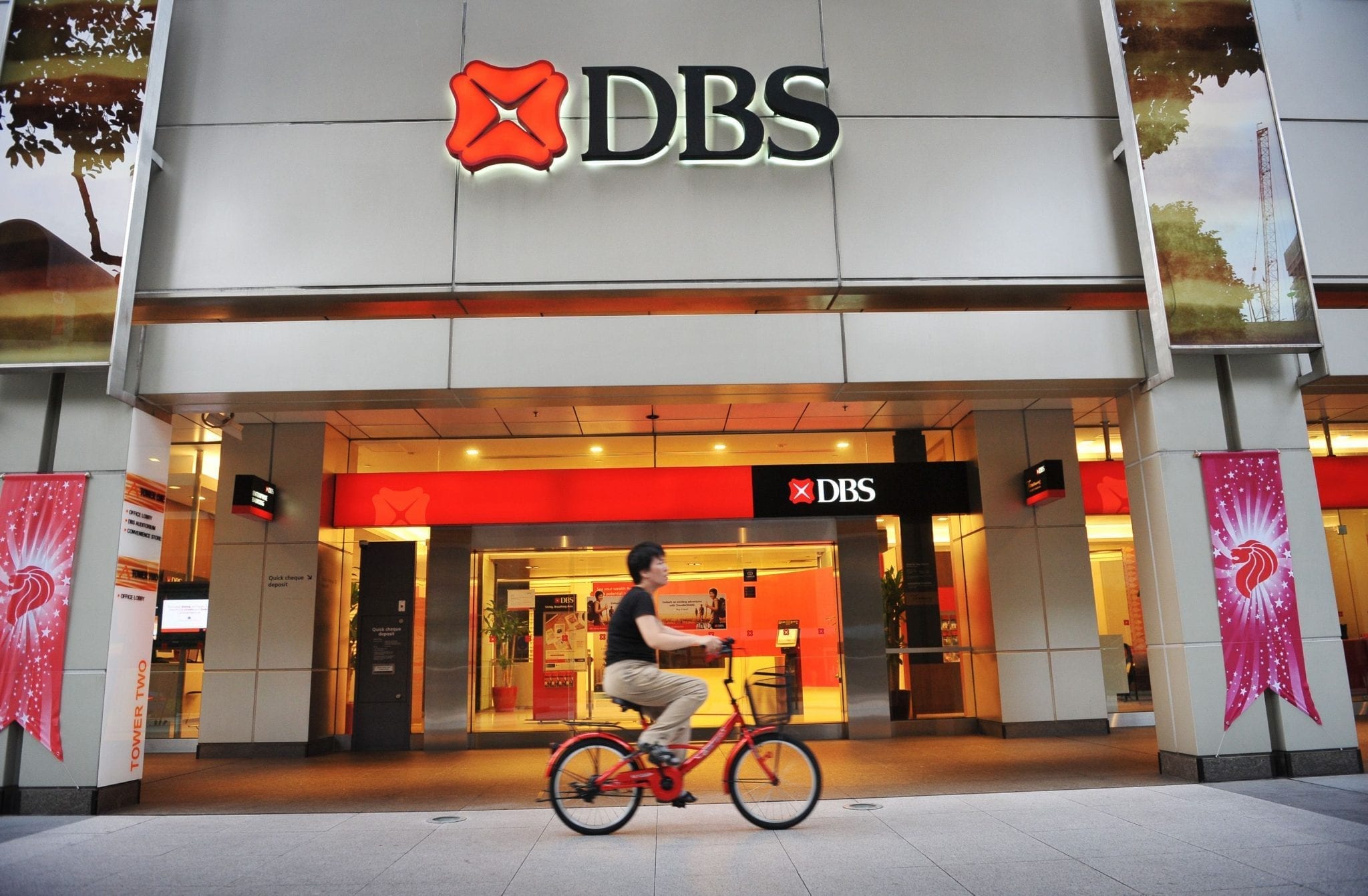
    DBS’ wealth management business achieved remarkable success in 2025, setting records in both assets under management and net new assets.

    Unprecedented Growth

    According to the bank’s Chief Financial Officer, assets under management soared by 19 percent, reaching an all-time high of S$488 billion ($384 billion). This significant growth was fueled by a remarkable S$39 billion in net new assets, also a record in the bank’s history.

    Rising Revenue

    DBS’ wealth business also reported its highest ever income, which increased by 9 percent to reach S$5.7 billion. Non-interest income saw an impressive surge of 27 percent, amounting to S$3.3 billion. The wealth management division played a major role in the bank’s revenue generation, contributing substantially to both fee income and treasury sales.

    Profitable Performance

    Overall, the bank’s pre-tax profit marginally climbed, setting a new benchmark at S$13.1 billion. This highlights DBS’ consistently strong and profitable performance, even in the face of uncertain market conditions.

    Questions & Answers

    What was the increase in DBS’ assets under management in 2025?
    In 2025, DBS’ assets under management rose by 19 percent, achieving a record high of S$488 billion ($384 billion).

    What was the total income for DBS’ wealth business in 2025?
    In 2025, DBS’ wealth business registered its highest income ever at S$5.7 billion, marking a 9 percent increase.

    What was the total pre-tax profit for DBS in 2025?
    DBS reported a pre-tax profit of S$13.1 billion in 2025, marking a new high in the bank’s history.

  • HSBC Empowers Staff with Innovative Wealth Academy in Singapore: A Game-changer in Wealth Management Training

    HSBC Empowers Staff with Innovative Wealth Academy in Singapore: A Game-changer in Wealth Management Training

    In a bid to bolster the skills of its customer-facing staff in the area of wealth management, HSBC has inaugurated a new learning initiative in Singapore, partnering with an academic institution and an aviation firm.

    HSBC has unveiled its Wealth Academy in Singapore, designed to enhance the advisory competencies and services of its frontline teams. The Academy will work together with London Business School for advanced learning, and through a freshly inked agreement, will also cooperate with Singapore Airlines Academy to cultivate service excellence and client experience.

    The bank has mandated all relationship managers and wealth advisors based in Singapore to complete training at the Wealth Academy by the end of the current year. This program is part of a larger global rollout that will span 16 markets.

    The Three Pillars

    The academy aims to facilitate career growth for frontline staff through three pillars of structured learning.

    The first pillar involves the establishment of a Wealth Knowledge Hub, a digital curriculum that ranges from basic to advanced wealth concepts. The second pillar includes both in-person and virtual sessions with global experts via Wealth Live Learning. This will concentrate on topics such as client engagement, product knowledge, and risk and controls. Lastly, the third pillar will provide development pathways to certain participants via Wealth Excellence.

    “In a complex and competitive wealth management landscape, our people will always be our key differentiators, and the launch of the Wealth Academy reflects our long-term commitment to developing a future-ready frontline that can support clients with confidence and insight,” stated Ashmita Acharya, head of International Wealth and Premier Banking, HSBC Singapore.

    Questions & Answers

    What is the purpose of HSBC’s Wealth Academy?
    The Wealth Academy is designed to enhance the advisory skills and services of HSBC’s frontline teams, preparing them for a complex and competitive wealth management landscape.

    What are the three pillars of learning at the Wealth Academy?
    The three pillars include the digital curriculum of the Wealth Knowledge Hub, in-person and virtual sessions with global experts via Wealth Live Learning, and development pathways offered through Wealth Excellence.

    Who is required to undergo training at the Wealth Academy?
    All relationship managers and wealth advisors based in Singapore are mandated to complete training at the Wealth Academy by the end of the current year.

  • Veteran Citi Executive Carl Ashton Leaps to UBS, Boosting Australia’s Wealth Management Unit

    Veteran Citi Executive Carl Ashton Leaps to UBS, Boosting Australia’s Wealth Management Unit

    UBS Global Wealth Management has recently expanded its team, bringing in industry expert Carl Ashton. Stationed in the Singapore office, Ashton will be focusing on the Australia market.

    A Wealth of Experience

    Ashton is no stranger to the finance industry, especially in the sector of wealth management. He brings an impressive 19 years of experience from his time at Citi. During his tenure, Ashton was responsible for managing the investment business for the New Zealand and non-resident India market under Citi Private Bank.

    A Strategic Hire

    The addition of Ashton to the UBS Global Wealth Management team is a strategic move for the company. He will be positioned in the Singapore office, where he will be tasked with covering the Australia market. The bank has confirmed this new hire, further solidifying their commitment to enhancing their international team and expanding their reach in the Australia market.

    Questions & Answers

    Who is the latest addition to the UBS Global Wealth Management team?
    Carl Ashton, an industry veteran with 19 years of experience at Citi, has joined the UBS Global Wealth Management team.

    What will be the primary focus of Ashton’s role at UBS?
    Ashton’s main responsibility will be to cover the Australia market from his base at the UBS office in Singapore.

    What previous experience does Ashton bring to UBS?
    Ashton brings a wealth of experience from his previous role at Citi where he managed the investment business for the New Zealand and non-resident India market under Citi Private Bank.

  • Ida Liu, Ex-Citi Veteran, Takes Reigns as HSBC Private Bank’s Global CEO: A New Era of Cross-Border Wealth Management

    Ida Liu, Ex-Citi Veteran, Takes Reigns as HSBC Private Bank’s Global CEO: A New Era of Cross-Border Wealth Management

    Former Citi veteran, Ida Liu, has been announced as the new Global CEO of HSBC Private Bank, effective from January 5, 2026. This strategic move aims to enhance the bank’s leadership among ultra-high net worth clients, bolster cross-border connectivity in primary wealth corridors, and spur the global growth of the private banking sector.

    Ida Liu will report to Barry O’Byrne, the CEO of HSBC International Wealth and Premier Banking, in her new role. With 25 years of diverse professional experience, Liu brings a wealth of knowledge to her new position. Her career spans 18 years at Citi, where she most recently served as the global head of Citi Private Bank. Liu has also made a mark outside of the financial sector, previously holding an executive role at the fashion brand, Vivienne Tam.

    Barry O’Byrne expressed his enthusiasm about Liu joining the HSBC team. He praised her profound expertise in strategic wealth advisory, operational transformation, and business growth. Moreover, he lauded her consistent track record of producing results.

    O’Byrne stated, “Ida Liu’s appointment reflects our ambition to further strengthen the Private Bank as the partner of choice for the world’s most sophisticated entrepreneurs and families.” He expressed confidence that her deep expertise and consistent performance would be instrumental in achieving this goal.

    Questions & Answers

    Who is the new Global CEO of HSBC Private Bank?
    Ida Liu, a former veteran of Citi, has been announced as the new Global CEO of HSBC Private Bank.

    When will Ida Liu assume her new role?
    Ida Liu will take over as the Global CEO of HSBC Private Bank from January 5, 2026.

    What are the key responsibilities Ida Liu will undertake in her new role?
    As the Global CEO, Liu will focus on enhancing the bank’s leadership among ultra-high net worth clients, bolstering cross-border connectivity in primary wealth corridors, and accelerating the global growth of the private banking sector.

  • Wellington & Standard Chartered Unveil No-Load Shares, Transforming Wealth Market Dynamics in Singapore

    Wellington & Standard Chartered Unveil No-Load Shares, Transforming Wealth Market Dynamics in Singapore

    Wellington Management has enhanced its alliance with Standard Chartered Bank by launching exclusive no-load share classes of the Wellington Asia Quality Income Fund for the bank’s customers in Singapore. This strategic initiative enhances its competitive standing in an increasingly cost-conscious wealth market.

    Building on Established Collaboration

    Wellington’s new offering, announced on Monday, is an extension of a collaboration that started in 2024. At that time, Wellington’s Credit Total Return strategy was made exclusively accessible to Standard Chartered’s private and retail banking clients in Singapore and Hong Kong. This award-winning UCITS model has since grown to over $1.3 billion in AUM in less than two years, showcasing robust client acceptance.

    Encouraging Long-Term Investment

    The recently launched Class B Shares of the Asia Quality Income Fund eliminates the initial subscription fees, making investment more accessible. The structure incorporates a contingent deferred sales charge of two percent if shares are redeemed within three years, an inventive way to encourage long-term investment rather than short-term trading.

    Chia Chia Chng, Southeast Asian Wealth Head at Wellington Management, noted that this expanded collaboration reflects the mutual emphasis on resilient income strategies. She further emphasized the attractiveness of dividend strategies given the current economic climate characterized by growth uncertainties, trade policy ambiguities, and geopolitical risk.

    A Disciplined Approach to Asia ex-Japan Equities

    The actively managed fund, overseen by seasoned portfolio manager Naveen Venkataramani, targets superior, dividend-paying companies across the Asia ex-Japan region. The investment approach emphasizes three categories; Dividend Compounders, Dividend Leaders, and Dividend Surprisers. It accentuates robust balance sheets, competitive advantages, and sound corporate governance.

    Venkataramani revealed that historically, dividends have constituted approximately 65 percent of total equity returns in Asia ex-Japan. He predicts room for growth in Asia’s dividend payout, supported by improved cash flow generation and relatively low corporate leverage.

    The Significance of this Partnership for Wealth Platforms

    For astute investors and distributors, this partnership signifies a wider industry trend. Global asset managers and banks are leveraging targeted fee structures and exclusive access to differentiate their offerings in competitive wealth markets like Singapore.

    By merging Wellington’s considerable scale – $1.3 trillion in assets under management – with Standard Chartered’s regional distribution capabilities, this initiative aligns product design with changing client expectations around cost transparency and income resilience.

    Questions & Answers

    What does the newly introduced Class B Shares of the Asia Quality Income Fund offer?
    These shares eliminate initial subscription fees, turning investment more accessible. It also includes a two percent deferred sales charge if shares are redeemed within three years, encouraging long-term investment behaviors.

    What is the investment focus of the Asia Quality Income Fund managed by Naveen Venkataramani?
    The fund targets high-quality, dividend-paying companies in the Asia ex-Japan region, emphasizing strong balance sheets, competitive advantages, and good corporate governance.

    What is the significance of this partnership between Wellington Management and Standard Chartered Bank for the wealth market?
    This collaboration, which offers targeted fee structures and exclusive access, signifies a wider industry trend in competitive wealth markets like Singapore. It aligns product design with evolving client expectations around cost transparency and income resilience.