Retail News CRM

Tag: Wearable

  • Thai Retail Powerhouse Siam Piwat and Huawei Transform Travel Retail with Wearable Tech Integration

    Thai Retail Powerhouse Siam Piwat and Huawei Transform Travel Retail with Wearable Tech Integration

    Siam Piwat, a leading Thai real estate developer, has made a groundbreaking move in the retail sphere by becoming the first in Thailand to launch the OneSiam Global Visitor Card on Huawei Wearable devices. This strategic integration will provide access to over 200 million Huawei Wearable users across the globe.

    The primary aim of this collaboration is to attract high-value tourists from key regions such as China, Hong Kong, Japan, Malaysia, Indonesia, Vietnam, and other Southeast Asian countries. Siam Piwat, the mastermind behind renowned properties like Siam Paragon and IconSiam, anticipates that this alliance with Huawei will spur a transformation in the travel retail industry, increase the competitiveness of Thai tourism, and solidify Siam Piwat’s role as a cornerstone in designing global experiential destinations.

    A Continuous and Strategic Partnership

    This initiative is not the first collaboration between Siam Piwat and Huawei. They initially joined forces in 2020 when Siam Piwat incorporated Huawei Cloud to improve operational efficiency across retail omnichannels and enhance the OneSiam SuperApp, creating a platform that smoothly combines offline and online experiences.

    Amporn Chotiruchsakul, the president of the business support group at Siam Piwat, believes that this partnership has been instrumental in revolutionizing the retail industry and bringing value to customers, partners, and the entire ecosystem. He reiterated the importance of expanding their global partner ecosystem to accommodate the needs of modern travellers.

    Rachel Zhou, director of Huawei Consumer Cloud Service Apac, echoed these sentiments, emphasising that the strengthened partnership signifies a productive blend of world-class retail destinations and innovative technology which will create unrivalled value for Chinese travellers and international tourists visiting Thailand.

    Enhancing the Tourist Experience

    The integration of the OneSiam Global Visitor Card with Huawei Wearables offers international visitors to Siam Paragon and IconSiam the luxury of instant access to exclusive member benefits by simply raising their wrist.

    In addition, the launch of the OneSiam Global Visitor Card on Huawei Wearables will enrich the tourist experience by offering Quick Apps that are instantly usable and compatible with all operating systems, including iOS, Android, and HarmonyOS. These apps feature one-tap membership registration, e-coupons, and an in-mall navigation system—components designed to ensure a superior and personalized user experience.

    Moreover, the initiative aligns with the opening of the Huawei Experience Store flagship on the third floor of Siam Paragon in March. This flagship is the first in the Asia-Pacific region designed as a one-stop service centre for Huawei customers, amalgamating retail space, product trials, and full after-sales services in one location.

    Questions & Answers

    What is the main objective of the Siam Piwat and Huawei partnership?
    The partnership aims to attract high-value tourists from key regions, transform the travel retail industry, and reinforce Siam Piwat’s role in developing global experiential destinations.

    What benefits does the OneSiam Global Visitor Card offer to Huawei Wearable users?
    The card offers instant access to exclusive member benefits, features like one-tap membership registration, e-coupons, and an in-mall navigation system for a personalized user experience.

    What does the Huawei Experience Store flagship offer?
    The flagship, located at Siam Paragon, is designed as a one-stop service centre for Huawei customers, offering retail space, product trials, and full after-sales services.

  • Health and wellness is driving wearable-technology growth in fashion

    Health and wellness is driving wearable-technology growth in fashion

    Wearable technology has come a long way from the original clunky smartwatch, with innovation has taken a giant leap forward in the last five years.

    And health and wellness have become a key driver of this trend, says GlobalData.

    Clothes containing technology is becoming a reality as brands such as Levi Strauss join smaller brands and start-ups in trying to create items consumers will integrate into their lives.

    Michelle Russell, the apparel correspondent at GlobalData, says wearable technology as a category is starting to be taken a lot more seriously in fashion, particularly given the phenomenal growth of athleisure, which has almost created a nice segue for firms looking to enter the category with a focus on health and wellness.

    The world’s biggest tech conference, CES 2020, opened in Las Vegas last week, showcasing some of the latest innovations in this area.

    The Skin Connected Health & Wellness System by Myant allows the continuous monitoring of health and wellness measures – such as heart rate, stress, temperature, activity and sleep stage, and provides advice on how to improve. Users can also share this information with family, friends and healthcare providers.

    Also on show at CES 2020, the e-skin Sleep & Lounge apparel by Xenoma is designed for monitoring the health of elderly people, analyzing the wearer’s sleep condition. The technology also enables everyday monitoring of users’ behavior and fall detection.

    Meanwhile, FootWare, developed by TacSense, claims to be the world’s first-ever health-tracking smart shoe that is able to measure heart rate, respiratory rate, blood pressure, emotion, stress level, and moving pattern.

    “In a decade it may well become the norm for our everyday jackets or pullovers to monitor our health, but for that to happen, companies need to get consumers properly onboard through involvement and addressing poor understanding,” says Russell. “Increased investment is also key to the category’s development.

    “Wearable technology in fashion is certainly heading in the right direction but it seems there is still some way to go before it becomes totally accessible. It is still a niche product and cost could be a major factor for consumers. Sustainability will also be key.”

  • Xiaomi’s next Mi Band could come with NFC support in the states

    Xiaomi’s next Mi Band could come with NFC support in the states

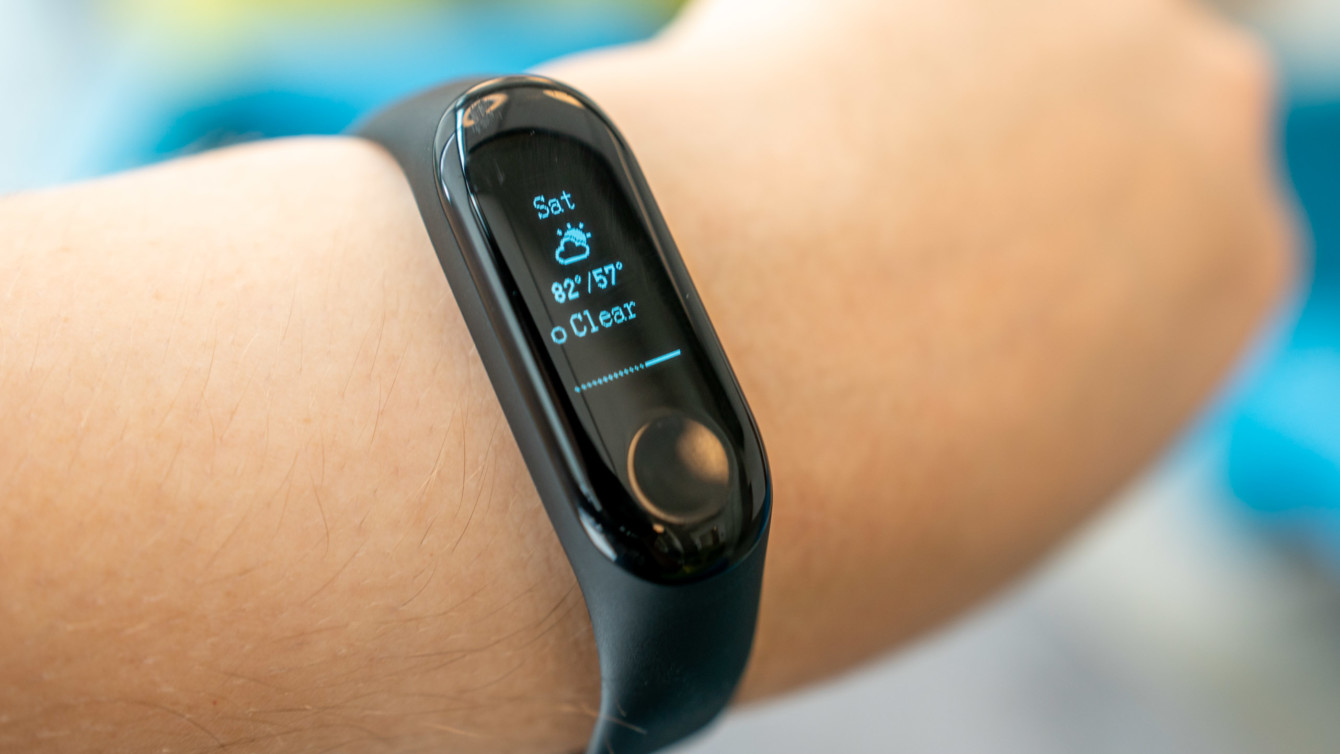
    Xiaomi has a good thing going with its Mi Band fitness tracker. IDC said that last year, the manufacturer shipped 23.3 million units of the Mi Band 3, up 44% over 2017’s deliveries. The device accounted for 13.5% of the wearables market in 2018 behind only the 26.8% share belonging to the Apple Watch. And when the Mi Band 4 was released this past June, 1 million units were sold in the first eight days. At one point, Xiaomi was ringing up over 5,000 units an hour.
    Ever since the first Xiaomi Mi Band was launched in June 2014, demand for the product has been strong. That’s because it offers a number of useable features at a very reasonable price. And it is one of the few Xiaomi products that can be purchased in the states. For example, the Mi Band 4 is available from Walmart for less than $33. And for that price, you’re getting a band that will not only monitor your heart rate, but will also track your sleep, activities, and alert you to phone calls, app notifications, and texts.

    The Mi Band 4 also can act as a stopwatch, an alarm clock, and a timer. And while the device uses Bluetooth 5.0 connectivity, a variant is available in China with support for NFC. That allows users in the country to make mobile payments through Alipay. The version of the Mi Band 4 offered in the U.S. is the one without NFC. But next June, that is going to change according to a report from TizenHelp. The report cites a source who states that the Mi Band 5 will offer NFC service to those both inside and outside of China. Besides allowing users to make mobile payments, NFC support would allow th

    The Mi Band 4 is equipped with a with a .95-inch color AMOLED display carrying a 120 x 240 resolution. The fitness tracker is equipped with 512KB of memory along with 16MB of storage and is water-resistant to a depth of 5ATM (169 feet). The battery runs as long as 20 days between charges and the device is compatible with phones running Android 4.4 or higher and iOS 9.0 and higher.
    The new report adds that the Mi Band 5 will have a more rugged, durable design and will be released during the second quarter of 2020. One feature that was rumored for the Mi Band 4 but failed to make the cut just might be found in the next iteration of the fitness band; that would be an electrocardiogram (ECG). The big breakout feature on the Apple Watch Series 4, an ECG monitors the user’s heart looking for an abnormal rhythm that could be a sign of atrial fibrillation (AFib). The latter can lead to blood clots, strokes, heart failure, and death. Just recently we told you the story of yet another person whose life was saved by the Apple Watch, with the ECG monitor providing the heroics this time. The company that builds the Mi Band for Xiaomi, Huami, has already built a smartwatch with an ECG. While the Amazfit Verge2 does track heart rhythms, its sensor has not been approved by the FDA.
    Besides working on the Mi Band 5, Huami could be developing a new smartwatch for Xiaomi that will run on Google’s Wear OS. The name of the new timepiece is rumored to be the Xiaomi Mi Watch and the device might also be offered in the United States. Hidden code found in the latest version of the Wear OS app revealed the possible existence of this device.
  • Fitbit Versa Special Edition with NFC support flies high

    Fitbit Versa Special Edition with NFC support flies high

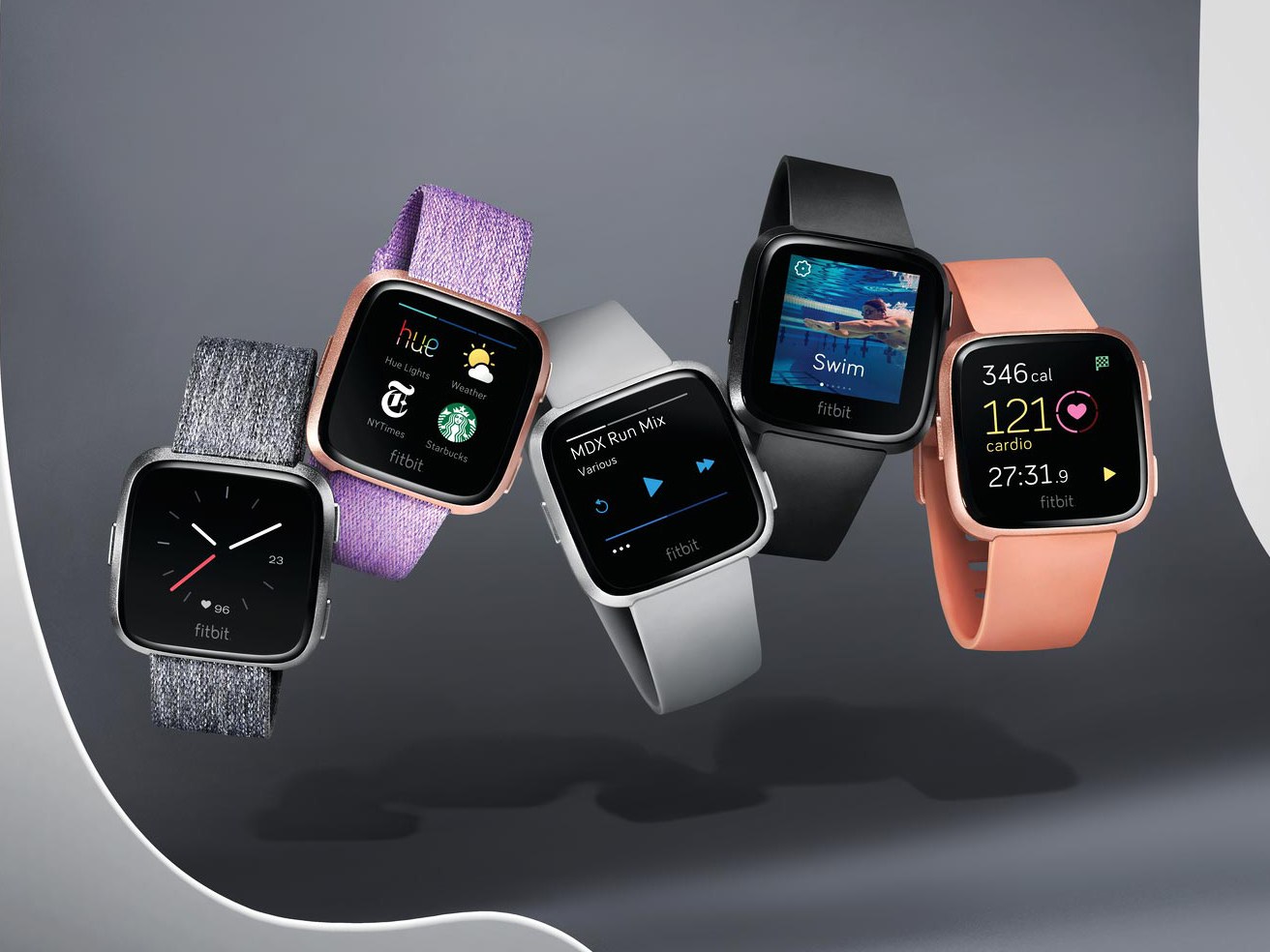
    While it’s certainly not unusual to see older gadgets discounted shortly after new models are released, the recently unveiled Fitbit Versa Lite Edition is not actually an upgraded version of last year’s regular Versa. As such, deals on the original model weren’t exactly guaranteed, especially given Fitbit’s newfound success in a fast-growing global wearables market, owed in part to this specific low-cost Apple Watch rival.

    All things considered therefore, it’s definitely a nice surprise to be able to buy a Special Edition of 2018’s Fitbit Versa at a markdown of around 25 percent on Amazon right now. That translates into pretty hefty savings of 60 bucks (give or take a couple) for what was already one of the most affordable feature-packed smartwatches available in the US.

    In case you’re wondering what makes this device “special”, it’s the addition of an NFC chip compared to a standard Versa edition, which enables wrist payment support. We’re not talking about Google Pay, mind you, but rather’s Fitbit proprietary service, fittingly dubbed Fitbit Pay and compatible with credit and debit cards issued by more than 100 US banks

    You can get the marked-down Versa SE with a “Charcoal Woven” or “Lavender Woven” strap, both of which look… pretty unusual for a fitness-first wearable device. Otherwise, there’s no disputing the appeal of an inexpensive smartwatch with a decent touchscreen in tow, as well as stellar 4+ day battery life, a swim-proof design, built-in optical heart rate monitor, accelerometer, gyroscope, altimeter, and plenty of other tricks up its sleeve guaranteeing a top-notch activity and sleep tracking experience.

  • Smart Garments: The next big thing in sportswear

    Smart Garments: The next big thing in sportswear

    Fitness wearables are no longer just a matter of wrist straps or pieces of practical jewelry. Such technology now works via our clothing. Smart garments are all set to supercharge the fashion industry in the years to come. We are fortunate to have been living in an era which will go down in history as the apogee of technological advancement.
    Technology is an indispensable part of our life today. It has thoroughly morphed all aspects of human life — right from the way we communicate,travel, exchange information to the way we eat, live and drink. Hence, it is but only natural that technology has heralded a propitious change in the way we dress and clothe ourselves today.

    After the huge success of fitness wearables like Apple Watch, Fitbit, Polar fitness monitors, etc., etc., smartness and intelligence is progressively making inroads into the clothes we wear. The fashion world, more so in the last few years, is abuzz with words like wearable technology, smart garments, intelligent garments, e-textiles, etc.

    Although used interchangeably, in a broad sense, they all refer to any piece of clothing with integrated sensors and digital components. The integrated technology monitors the physical conditions of the user and uses big data analytics to predict and show the results.Newer smart clothing technologies can also sense and monitor the environment condition as well.

    GROWTH DRIVERS

    A recent survey by the World Economic Forum (WEF) reveals that 92.1 percent of corporate leaders believe 10 percent of people will wear clothes connected to the internet by 2025, and 85.5percent believe 105 percent of eyewear will be internet connected.

    Growing use across various industrial verticals such as sports and fitness, healthcare, military and defense is driving the smart clothing market globally. The rising demand for monitoring body activities through sensors is expected to surge the demand for smart clothing market over the forecast timespan. Growing awareness among individuals regarding fitness is providing an impetus to the industry growth. In addition, the inclination of athletes towards the use of these products to prevent injuries and optimize their performance will have a positive impact on the business. Additionally, incorporation of newly developed and advanced fibers such as nanofibers and hybrid materials is expected to drive the growth of smart clothing market.

    THE MARKET SIZE

    As per the US based global market research and management consulting company Global Market Insights Inc., the size of the smart clothing market was over US$ 150 million with shipments of around 800,000 units in 2016. The market is expected to balloon to over US$ 4 billion by 2024, and shipments are forecast to grow at over 50 percent CAGR.

    Smart t-shirts are emerging as one of the most popular and widely used categories of this segment in recent times. Projected to grow at over 50 percent CAGR from 2017 to 2024, these smart garments can provide biometric data such as heart rate, breathing rate and volume, muscle activity, etc., which are utilsed to optimize performance and workout plans professionally. Smart jackets are set to witness growth over the future owing to the ability of these products to control the mobile devices of the wearer and connect to several services such as music and camera, device charging, etc., directly from the jacket.

    Military and defense applications are predicted to witness high growth with a CAGR of over 55 percent from 2017 to 2024. In order to gain visibility into the health of a soldier as well as crucial battlefield insights, various government institutions are investing heavily to develop technologically advanced military uniforms.

    The US smart clothing market, the biggest hitherto in the world, is estimated to witness huge adoption and will dominate the industry with the significant revenue share. Increasing investments by various sports associations to eliminate the possibility of any preventable injuries of highly paid professional athletes is expected to fuel the industry growth.

    The Asia Pacific smart clothing market is expected to witness substantial growth over the forecast timespan. This can be attributed to the growing adoption of various wearable devices coupled with the increasing demand for advanced features in the products. In addition, rising security concerns and increasing military and defense budgets across countries such as India and China is predicted to witness huge demand for these products.

    THE INDIAN SCENARIO

    The smart garments segment is still in its nascent stages in India, and very under-developed compared to its peers in the Asia Pacific.

    The Indian ecosystem is just experiencing the advent of wearable technology and while the initial focus is mainly on the fitness and healthcare sector, there is a lot of scope for innovation in the existing product line – such as gamification, introducing social incentives to encourage community / group adoption as well as building an augmented product by providing a comprehensive set of services and charging based on usage. There are immense opportunities in the other sectors as well.

    Here is a look at some of the best Indian companies who are shelling who are breaking new ground in the smart garment industry:

    SYGNAL – Hyderabad based startup, Broadcast Wearables Pvt Ltd. is an AI based wearables company on a mission to make everyday devices smart. It is the parent holding of SYGNALS who has the distinction of producing the world’s first touch- enabled t-shirt.

    Loaded with a bunch of sensors packed in a small chip, the brand’s smart t-shirts are equipped to track a plethora of things including, the number of steps taken in the entire day, calories burnt even in the slightest form of exercise, floors climbed, distance walked or run. It can also navigate the wearer to a desired location. All the data is synched through Bluetooth to the app, and can be viewed for at least three days.

    LECHAL – Hyderabad based Ducere Technologies Pvt Ltd., is another noteworthy name in the field of Indian smart fashion. The company’s offering Lechal uses GPS to track down the users location through a GPS linked app, which then sends vibrations to his soles, thus telling him which turn to take. Built into the shape of a small pod which comes fitted into insoles, it functions through an app installed on a smartphone. The app also allows the user to keep a record of his route and tracks the steps taken, the distance travelled and the calories burned. The pods have a claimed life of 15 days on each charge.

    BOLTT – Boltt is a ‘sports tech-brand’ that is developing next generation consumer-centric solutions for personal health & fitness. Known for its advanced artificial intelligence (AI) ecosystem, Boltt provides ‘connected fitness solutions’ bundled with the hardware.The hardware includes smart shoes, stride sensor and activity tracker. The Boltt sensor is powered by Garmin’s patented SDM Technology. Boltt’s AI is aimed at solving problems in health and fitness coaching by providing real-time audio feedback and provides customised workout suggestions. As of now, there are Boltt’s wearables portfolio encompasses such as Boltt Fit, Boltt Beat, Boltt Beat 2.0, Boltt Ace, Boltt Verve Luxe, etc.

    ARROW – Popular shirt brand Arrow from Arvind Ltd., launched its first smart shirt and India’s first smart garment in 2016. The Smart Shirt comes with an inbuilt chip on the cuff that can be programmed by downloading the Arrow mobile app on a near field communication (NFC)-enabled smartphone. The Smart Shirt allows the wearer to share things like his LinkenIn profile, his Facebook profile or visiting card through a tap on the shirt’s cuff with a smartphone. Among other functions it performs are connecting via Bluetooth to play your favourite songs on the phone or switching your phone to ‘meeting mode’.

  • Wearables are pivoting from fitness to wellness

    Wearables are pivoting from fitness to wellness

    The wearables market has grown over the past decade, and now a new generation of tech wearables is looking to differentiate itself by looking to the buzzy wellness industry for growth. The industry and definition of wellness has expanded to incorporate aspects of mental health, fitness and physical health, beauty and more, resulting in a new class of consumerism and ample opportunity for companies to tap into it.

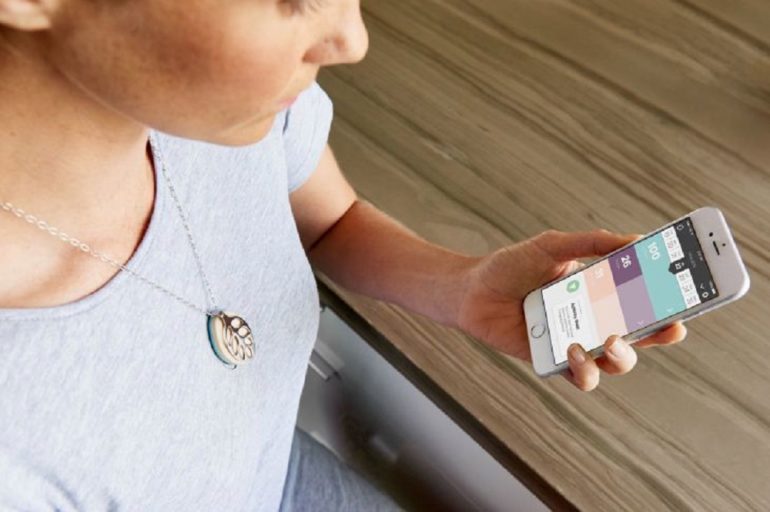
    In the past few years, wearables brands Bellabeat, Oura and Motiv have launched, focusing more on a holistic approach to health and less on being performance-oriented.

    Instead of fitness bracelets, they’re packaged as necklaces, rings or water bottles. And, in addition to the usual sleep tracking, heart rate and pedometer functions, their features include guided meditation, menstrual-cycle tracking and integration with Amazon Alexa.

    “You see so many fitness and wellness [wearable] brands right now, and they are uniquely aware of their competitors. They are thinking outside the box in order to be the best,” said Aimee Gaudin, international head of marketing at Smartech stores.

    Smartech itself is designed to bridge the gap between lifestyle and technology.

    In store, it sits between Selfridges’ tech, home goods and lifestyle departments. Currently, Smartech is negotiating with Selfridges to display and sell Motiv rings in Selfridges’ beauty section as a marketing opportunity for the brand, Gaudin said.

    “A lot of high-end department stores focus on fashion and don’t have much tech, so I always [position] our products as a fashion product, but for Motiv, I will [position] it as a beauty product first,” she said.

    Motiv’s customer base runs the gamut from “tech nerds to trendy moms,” according to Tejash Unadkat, CEO of Motiv.

    The company had initially anticipated that it would attract a similar customer base to Fitbit, which is known for its fitness fanatics, but in fact the brand “rarely” attracts them, he said.

    Motiv has consciously marketed itself as a holistic device, with a strategy of being placed in mainstream stores, instead of fitness or early-adopter tech ones, in order to continue to expand its customer base. For example, last month the brand began retailing in Nordstrom in its seasonal health and wellness section, showcasing the sleep-tracking function of the device.

    “Internally, we say the Motiv ring is not a fitness ring but a smart ring that has features around security, convenience and health,” said Unadkat.

    Overall, the wearables market is expected to see $42 billion in sales in 2019, according to Gartner, with $16.2 billion specifically on smartwatches.

    Fitbit earned its first quarterly profit since the third quarter of 2016 in early November by focusing less on fitness and more on mainstream smartwatches.

    Bellabeat, the female-focused wellness wearable, is also delving into the watch category with the launch of Time on Dec. 6, which looks like a classic analog timepiece.

    Since the brand launched in 2013, it has primarily focused on associating itself as a beauty and wellness device, according to Urska Srsen, founder and CEO of Bellabeat.

    “It’s very much a beauty product because beauty is a strong component of women’s wellness,” she said. “We see beauty as a reflection of the love and self-care you invest in yourself.”

    The brand is sold through retailers like Neiman Marcus and John Lewis in the U.K., in addition to its own e-commerce site. Its other smart products include a water bottle and a clip-on device that can also be worn as a necklace or bracelet.

    Bellabeat markets itself to the average woman who is neither a tech early-adopter nor a gadget enthusiast, Srsen said. Instead, they look for women who are equally interested in fashion and beauty as they are in wellness.

    By focusing on the $4.2 trillion dollar wellness market, these brands are attempting to avoid the pitfalls that traditional fitness tracker companies like Fitbit have experienced in the past with slow growth due to a niche focus on performance-oriented devices.

    “This is something we have to make retailers understand,” Srsen said. “Our customers are shopping in wellness and beauty; they aren’t looking in the tech and fitness section. We aren’t just educating retailers on where they should be displayed, but we’re also educating them on a new category around the intersection of tech, beauty, wellness and fashion.”

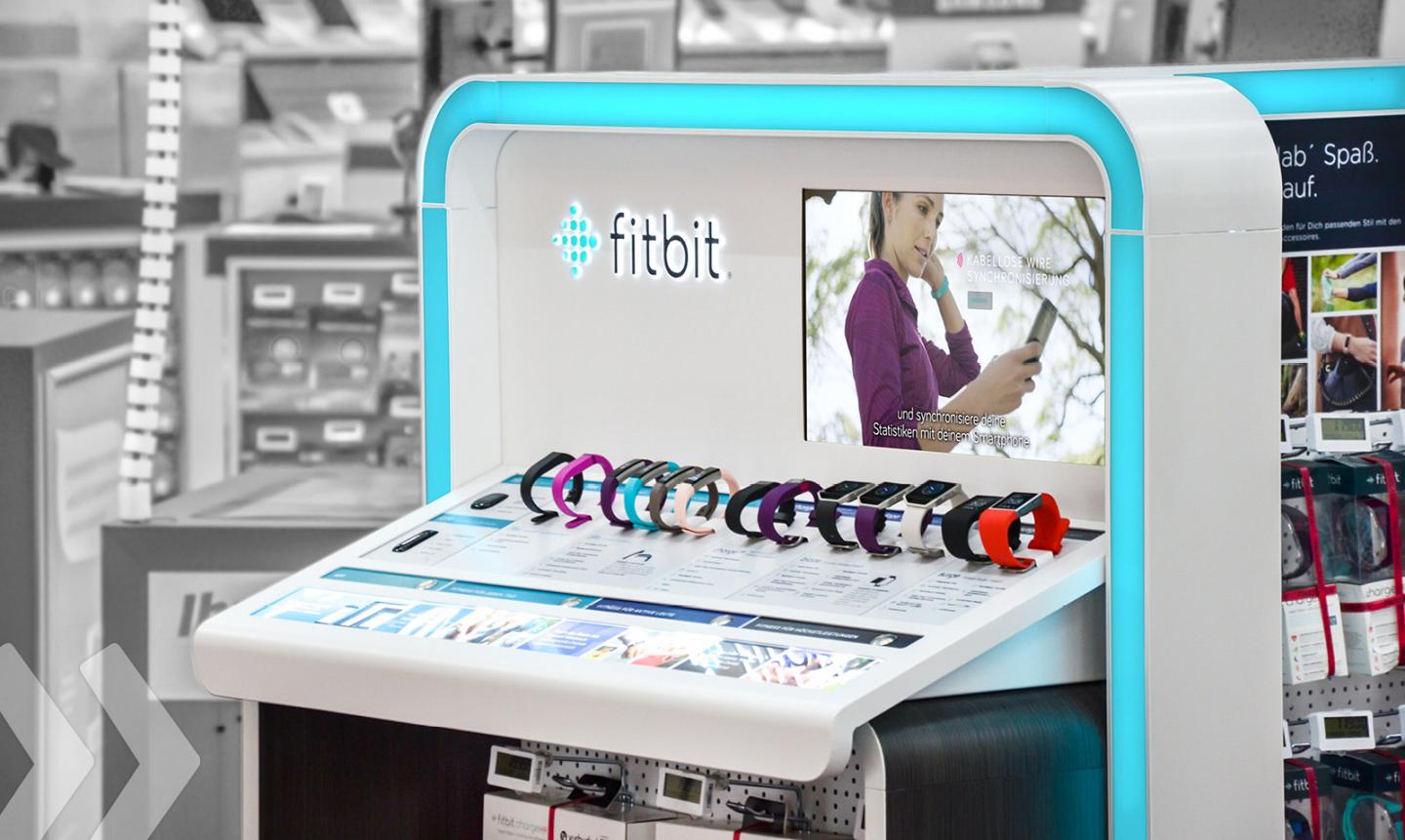
  • Fitbit Hong Kong to roll out vending machines

    Fitbit Hong Kong to roll out vending machines

    Fitness product company Fitbit Hong Kong is aiming to grow its B2B sales via smart vending machines.

    Offered by SmartRetail, the machines accept cashless payments, and not only track sales and inventory in real time, but can also scan consumers to provide personalised recommendations.

    “For example, the machine may recommend a light-coloured wrist band to a young woman, while recommending a darker one to an older man,” says SmartRetail founder/director Adam So.

    The visual data will enable Fitbit to respond more rapidly to consumer tastes through accessing transaction data, says So. Marketing messages can also be delivered on a screen.

    IBM Hong Kong, which provides the technology for the units, says the visual and transaction data can also be used to enhance Fitbit’s sales analysis.

    “They can analyse the traffic at different time periods, the weather of a specific location, and how these environmental factors can affect sales,” says IBM Hong Kong CTO Samson Tai. “It is also possible to integrate transactions with loyalty programs. The potential with this real-time data is huge.”

    Showcased at the Hong Kong Computer Festival, the unit is still being tested, says local agent Leader Radio Technologies head of operations Ida Lee.

    She says there has been positive feedback, leading to Fitbit planning to introduce the machine in gyms or corporate offices.

    Lee says Leader sees potential for the units as the company has more B2C customers than B2B clients. “We have a stable retail and distributor ecosystem, and we wish not to disrupt it. Rather, we want to tap into the fitness, banking and corporate industries by placing our machines in their places.”

  • Wearable device sales to grow 16.7% this year

    Wearable device sales to grow 16.7% this year

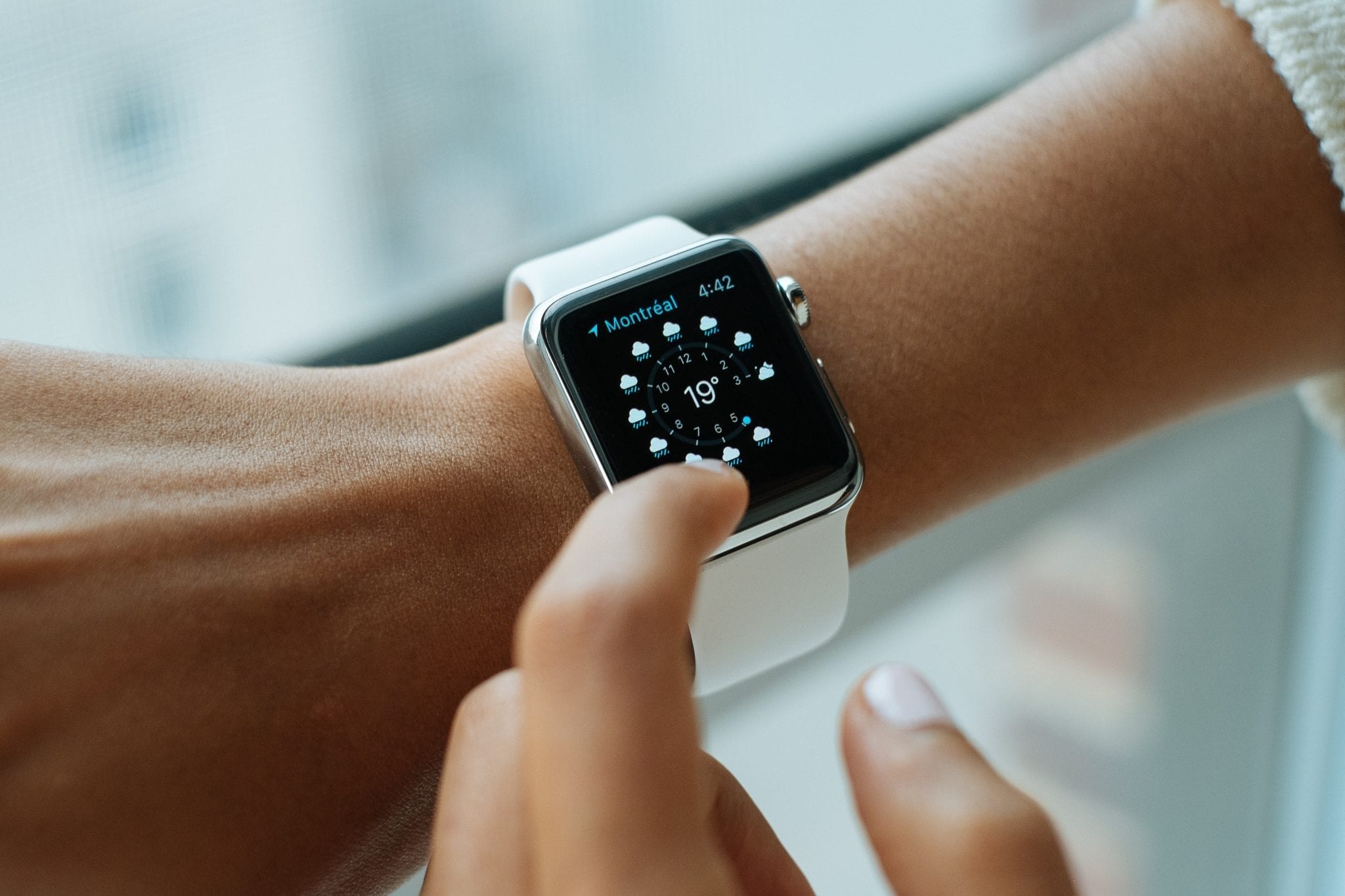
    Wearable device sales are on track to grow 16.7% this year to 310.4 million, representing sales of $30.5 billion, Gartner has projected.

    Nearly a third ($9.3 billion) of the total value of the market is expected to come from smart watches.

    Gartner predicts there will be 45.1 million smartwatches sold this year, and by 2019 the devices are expected to be the second best selling category of wearable devices behind Bluetooth headsets.

    While Apple is expected to continue to have the greatest market share of any smartwatch provider, its market share is expected to decrease from around a third in 2016 to a quarter in 2021 as more providers enter the market.

    Gartner said Apple may announce an Apple Watch in September that will enable direct cellular connectivity for texting, interacting with Siri or transferring sensor data when a Wi-Fi network is not present.

    “Smartwatches are on pace to achieve the greatest revenue potential among all wearables through 2021, reaching $17.4 billion,” Gartner research director Angela McIntyre said.

    “The overall ASP of the smartwatch category will drop from $223.25 in 2017 to $214.99 in 2021 as higher volumes lead to slight reductions in manufacturing and component costs, but strong brands such as Apple and Fossil will keep pricing consistent with price bands of traditional watches.”