Tag: wearos

  • New Shazam Wear OS update gives the app independence from your phone

    New Shazam Wear OS update gives the app independence from your phone

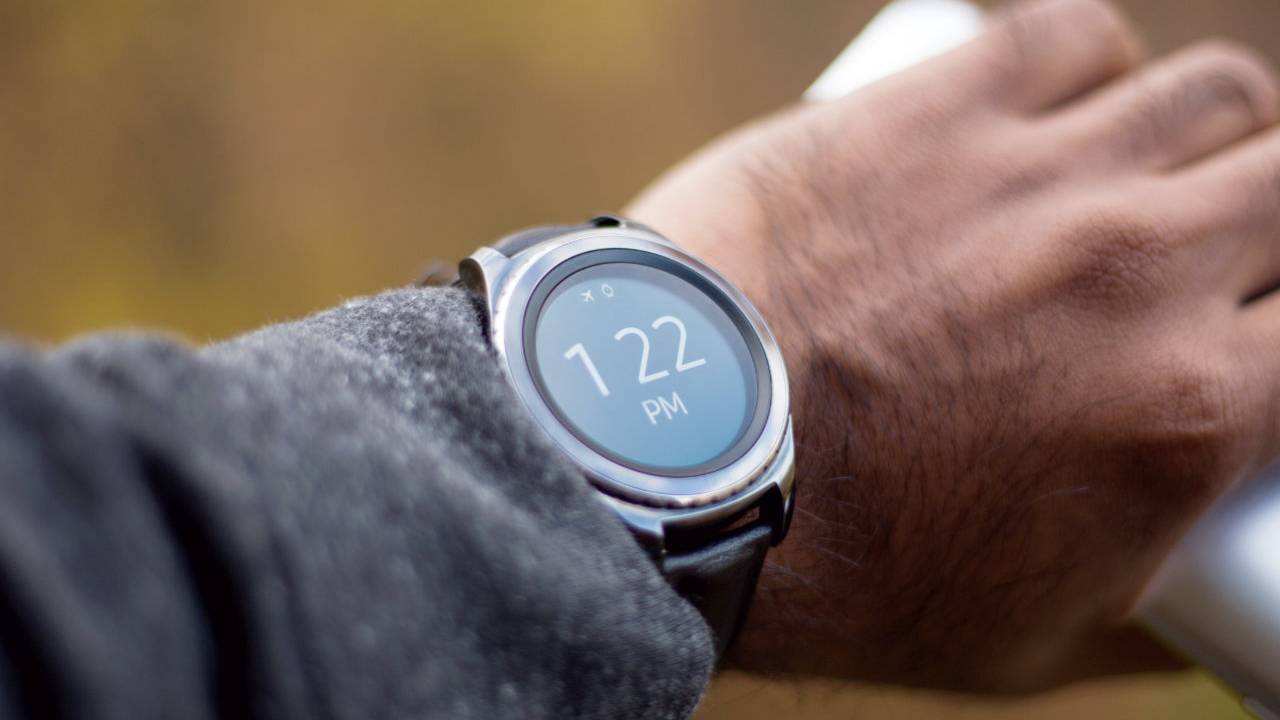
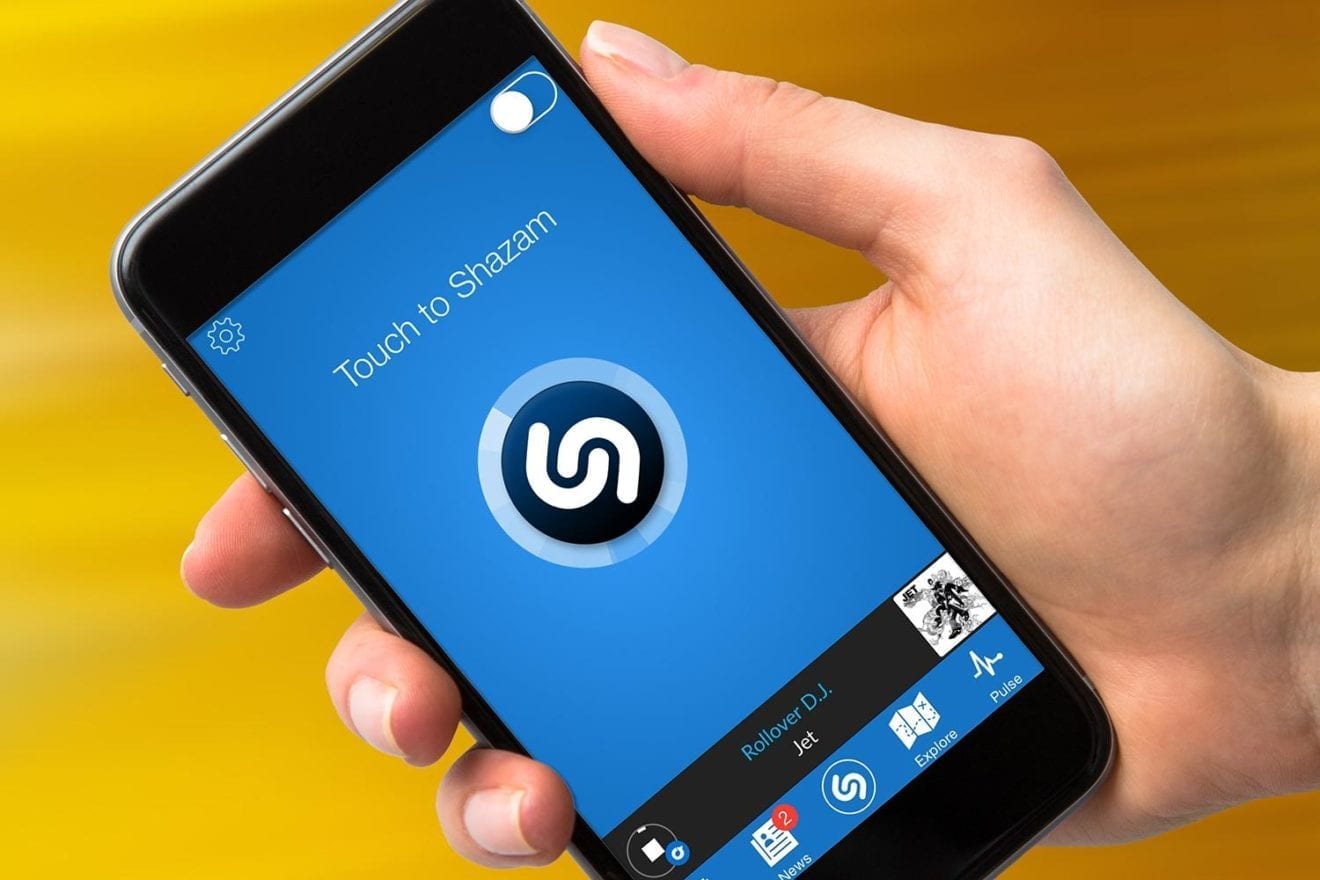
    Music lovers who are also the owners of a Wear OS watch will be pleased to know that there is a new version of Shazam for you. Shazam for Wear OS just got a major upgrade that will pretty much make the app independent of your phone and work completely on its own on your smartwatch. This means you can now identify songs directly from your wrist without needing to have your phone nearby.

    With this update (version 14.18) of Shazam, you won’t need to fumble around to connect with your phone app. In fact, you won’t even need the Shazam app installed on your Android phone anymore. Even offline, your smartwatch Shazam will now record a snippet, and then once you’re back online, it’ll work its magic and tell you the song’s name. This will make it so much easier to identify songs on the go.

    Furthermore, if you happen to have more than one device, songs you Shazam on your smartwatch will now instantly sync to your other devices. This functionality does require you to be logged into the app in order to work, though.

    This new feature will make it even more convenient for users to quickly identify songs on the go without having to rely on their phone. It also adds a seamless experience for those who use multiple devices within the Shazam ecosystem.

    This new version of Shazam for Wear OS is widely available now via the Google Play Store. Apple acquired Shazam back in 2017, so it is good to see the app continue to be supported on Android and Wear OS devices. This update shows that Shazam is committed to providing a user-friendly experience across various platforms, as users can now easily access the app’s features on their smartwatches, regardless of the operating system they use.
  • Volvo And Google Extend Partnership For VolvoCars.OS

    Volvo And Google Extend Partnership For VolvoCars.OS

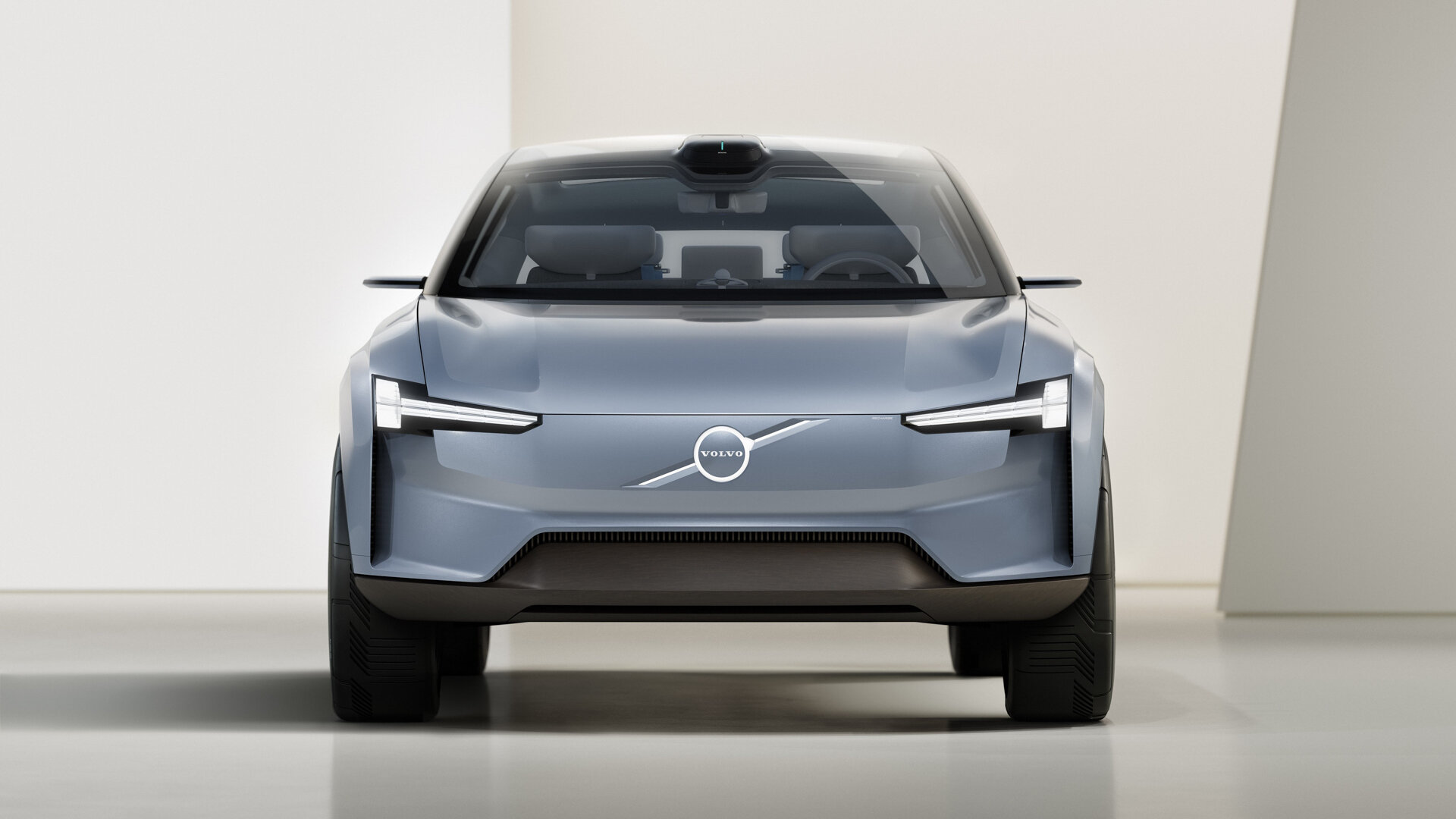
    Volvo and Google have announced that they are extending their partnership for Android Automotive which will not hook into a new user experience that the Swedish brand is developing called VolvoCars.OS. VolvoCars.OS uses an assortment of operating systems be it Android Automotive, QNX, and Linux. But the big deal is that it will hook into the cloud, or Android Automotive in its electric cars, and will also have a new front end for in-car displays.

    This is a more integrated approach mirroring what Google is doing with its other platform – wearOS on the smartwatch platform which is now merging with Samsung’s Tizen OS or even on the phone with its partnership with Reliance Jio in India for the Jio Phone Next. It is integrating more closely with OEMs and creating a more unique and customized experience.

    Of course, on the car, especially on Volvo’s cars, which are known the world over for their safety. This new UI is going to optimize safety. As always, this starts with a high-resolution infotainment screen and even a heads-up display, and everything will be available through voice, embedding the Google Assistant at the heart of the experience. Volvo and Google are already doing this, but what they will probably end up making is something more unique for Volvo than something stock that makes every Android Automotive car feel the same.

    “Our teams have spent a lot of time with Google to further develop and improve our user experience for the next generation of Volvo Cars,” said Henrik Green, chief technology officer, Volvo.

    “Especially in terms of safety, serenity, and simplicity, we have made great strides thanks to a deeper integration of design and technological development. We are convinced that it will allow us to create even better Volvo cars and set a new industry standard,” he added.

    Of course, these cars will also integrate better with mobile phones and the phone will act like a key leveraging a car key feature that Google unveiled at Google IO earlier this year. Volvo will also have an app that will connect you to everything else that comes with owning a modern electric car, the company claims in an official release.

    It is building features for paying for charging and connecting the with home devices and also pre-cooling and preheating the vehicle remotely. All these cars will also support OTA updates, but that’s something that has become a standard-issue these days with connected cars.

  • Google uploaded some of its apps in the Samsung Galaxy Store

    Google uploaded some of its apps in the Samsung Galaxy Store

    In a seemingly strange move, Google has uploaded two of its apps – Google Translate and WearOS – to Samsung’s own Galaxy Store. This collaboration will probably continue in the future with more applications added to the Galaxy Store.

    Looking at this reciprocally, Samsung’s own software has been available in the Google Play Store for quite some time now including apps like Samsung Health, SmartThings, Galaxy Wearable and more. This makes sense, as Samsung wants consumers outside their ecosystem to still be able to use the company’s wearables with phones from other brands.

    One possible explanation of why Google apps appeared in the Galaxy Store may lay in the screenshots of the aforementioned apps – WearOS’ in particular. The interface in the images seems to be in Chinese, suggesting that Google is trying to reach Chinese consumers.

    On the other hand, WearOS and Google Translate won’t work at all without Google Play Services installed on the device, and the latter is still inaccessible from China. It all might seem like a futile exercise but the only other explanation is that Google wants its software to be more easily available/accessible on Samsung phones – If people prefer to use the Galaxy Store more often, they’ll now find some Google stuff there too.

    We might have to wait a little longer before the reasoning behind all this becomes clearer, but there’s no harm in Google apps showing in as many places as possible.

  • Google adds Tiles to Wear OS To Show Useful Information

    Google adds Tiles to Wear OS To Show Useful Information

    From a totally redesigned UI and battery life improvements to faster Google Pay and bug fixes, no matter how big or small the update there’s no denying Wear OS by Google, as it’s now called, has come a long way since it was first introduced back in 2014 under the Android Wear branding.

    Today, to help improve the overall experience even more, the Silicon Valley-based giant has announced another pretty big update to its wearable-focused OS.

    Around eight months ago, as some of you may remember, a new Wear OS design was introduced that provided users with swipeable access to a variety of things. A swipe from the bottom of the screen showed recent notifications and Quick reply suggestions, while a swipe down displayed a variety of Quick Toggles. Similarly, a swipe over to the left side of the panel brought up the Google Assistant and over on the right sat Google Fit.

    The response to this new design since its launch last summer appears to have been largely positive, and now Google is building upon it with a cool new feature that it’s calling Tiles.

    As the name suggests, Wear OS by Google will soon integrate a number of tile-like cards into its UI that users can easily swipe through to see various bits of information that may interest them. Tiles are accessible by simply swiping to the left and, if users aren’t happy with the default order, they can be rearranged freely by long-pressing them and dragging each one individually until they are in the desired order. Alternatively, smartwatch owners can switch them around inside the Wear OS by Google app on their smartphone.

    According to Google, the initial rollout will include a total of six individual tiles. The first, called Goals, works just like the current Google Fit screen, allowing users to view their daily workout goals and start a physical activity with a simple tap.

    Another fitness-focused feature comes in the shape of the Heart rate Tile which, as expected, shows users their current heart rate. However, in order to use this one, consumers need a smartwatch with a built-in heart rate monitor. Alternatively, Bluetooth heart rate sensors such as straps can also be used.

    Joining Heart rate will be Next event and Forecast. The former does exactly what it says on the tin by displaying the next event in the calendar, while the latter allows users to prepare for the day by providing the local weather forecast.

    Completing the lineup of Tiles is Headlines which will constantly display the latest news headlines from a variety of different sources throughout the day. Also arriving as part of the update is the Timer tile which, as its name suggests, allows users to quickly set timers on their respective smartwatches.

    The new Tiles feature will begin rolling out to Wear OS watches across the globe over the course of the next month. An exact start date for this is yet to be confirmed, but Google does plan on showing the feature off at Google I/O next week where it’s also expected to announce the Google Pixel 3a and Pixel 3a XL, which will act as the company’s first mid-range smartphones.

    Regarding the future of Tiles, Google has confirmed that, over time,it’ll expand upon the current list of six by introducing new ones that center around different features. Eventually, users should have a Tile for every need.