Retail News CRM

Tag: week

  • Vietnam’s Gold Prices Soar Despite Global Market Decline: A Week of Ups and Downs

    Vietnam’s Gold Prices Soar Despite Global Market Decline: A Week of Ups and Downs

    Vietnam’s gold market saw a modest rise in prices on Saturday, ending the week on a slightly high note. The day observed a 0.34% increase in the prices of gold bars from Saigon Jewelry Company, which closed at VND147.2 million (US$5,594.85) per tael. This showed a 0.14% increase over the week.

    Similarly, the prices of gold rings also rose, marking a 0.4% increase to VND147.2 million per tael. For context, a tael is a traditional Asian unit of weight, which is equivalent to 37.5 grams or 1.2 ounces.

    Global Gold Prices

    In contrast to Vietnam, global gold prices experienced a downward trend on Friday. The decline marked the third consecutive weekly fall for the yellow metal. The decrease in prices was influenced by the strengthening of the U.S. dollar and a hawkish stance of the Federal Reserve.

    Spot gold decreased by 0.9%, settling at $4,169.44 per ounce. This was after hitting its lowest level since June 11 at $4,119.78. Also, U.S. gold futures contracted by 1.4% to $4,186.50.

    Senior market analyst at Jefferies-owned Tradu.com, Nikos Tzabouras, commented on the situation. He noted that gold is at risk of sinking further into bear market territory, potentially falling below the $4,000/oz mark. He attributed this to the challenging market environment and the unfavorable effects of prolonged higher Federal Reserve expectations on non-yielding assets, which, however, is beneficial to the dollar.

    With regards to gold price projections, Goldman Sachs revised its forecast, lowering its December prediction to $4,900 per ounce from its earlier estimate of $5,400. The firm reasoned that while its price outlook remains generally positive, it is exercising caution due to potential near-term downside risk and medium-term upside risk.

    Questions & Answers

    What caused the rise in Vietnam’s gold prices?
    The increase in Vietnam’s gold prices is not attributed to a specific cause in the article. However, gold prices can rise due to various factors such as fluctuations in currency values, inflation, and geopolitical instability.

    What is causing the downturn in global gold prices?
    The global decline in gold prices is attributed to the strengthening of the U.S. dollar and the hawkish stance of the Federal Reserve, which has increased expectations for higher interest rates.

    What is Goldman Sachs’ revised forecast for gold prices by December?
    Goldman Sachs has revised its forecast for gold prices by December to $4,900 per ounce, a decrease from its previous estimate of $5,400 per ounce.

  • Lenskart to launch IPO this week, seeking US$7.9b in valuation

    Lenskart to launch IPO this week, seeking US$7.9b in valuation

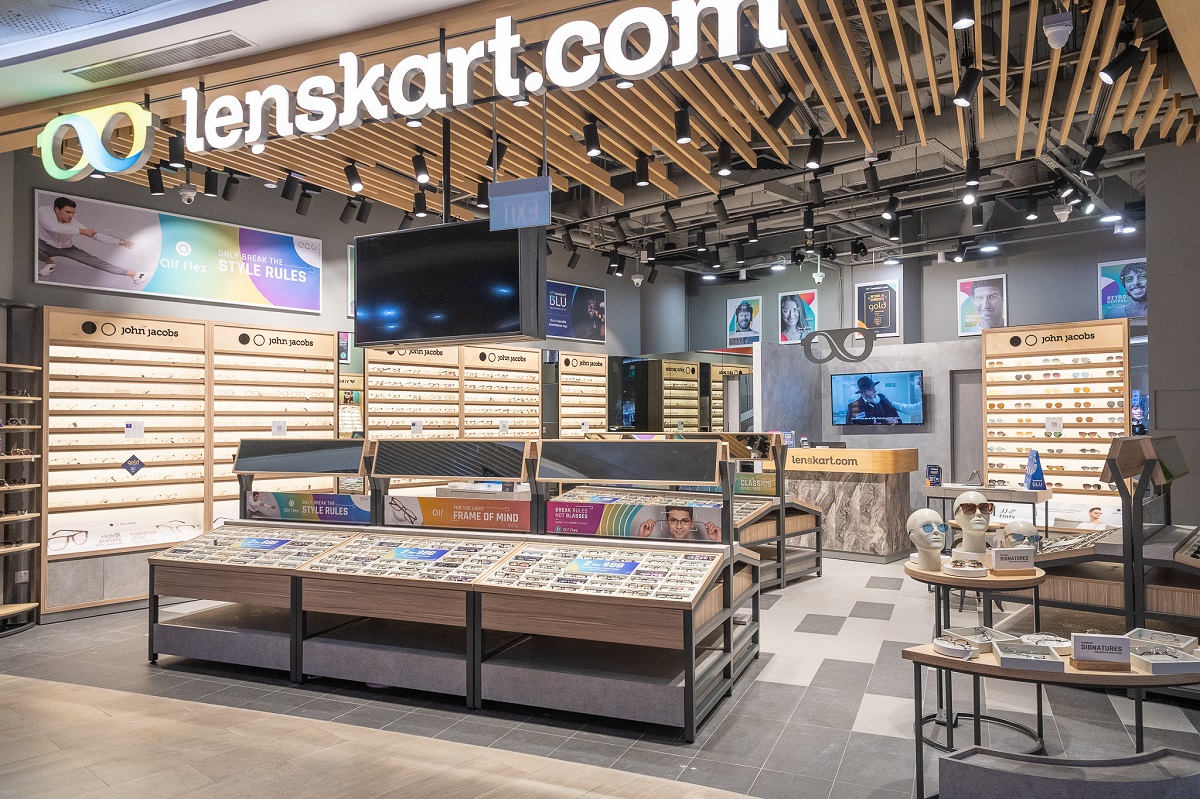
    Lenskart Solutions, a leading Indian eyewear retailer, is preparing to unveil its Initial Public Offering (IPO) this week. The company is targeting a valuation of approximately 695 billion rupees, which equates to around $7.91 billion.

    Details of the IPO

    Lenskart Solutions has established a price range of 382-402 rupees per share, which translates to around $4.35 to $4.57. As part of the IPO, Lenskart will issue fresh shares amounting to 21.5 billion rupees. Current investors, inclusive of the company’s founders, are also set to sell approximately 128 million shares, as indicated in an updated prospectus.

    The IPO will commence on October 31 and continue until November 4, with anchor investors beginning to submit their bids on October 30.

    Lenskart’s Success Story

    Lenskart Solutions was established in 2010 and has its headquarters in Gurgaon. As of September 10, the company was valued at $6.1 billion. It operates more than 2060 stores throughout India and has more than 650 outlets internationally.

    The main shareholders, often referred to as ‘promoters’, encompass a Mumbai-based private equity firm named Kedaara Capital, Temasek, a state-owned investment company from Singapore, and SoftBank from Japan.

    Future Plans

    In a statement released in July to the Securities and Exchange Board of India (SEBI), Lenskart Solutions announced that the funds procured from the IPO will be utilized to invest in the establishment of new company-owned, company-operated stores nationwide.

    Questions & Answers

    What is the targeted valuation for Lenskart Solutions’ IPO?
    The company is aiming for a valuation of approximately 695 billion rupees or around $7.91 billion.

    Who are the main shareholders of Lenskart Solutions?
    The primary shareholders include a Mumbai-based private equity firm named Kedaara Capital, Singapore’s state investment company, Temasek, and Japan’s SoftBank.

    What will the funds procured from the IPO be used for?
    Lenskart Solutions has stated that the funds will be utilized to invest in the establishment of new company-owned, company-operated stores across India.

  • The evolution of fashion week with see now and buy direct approach

    The evolution of fashion week with see now and buy direct approach

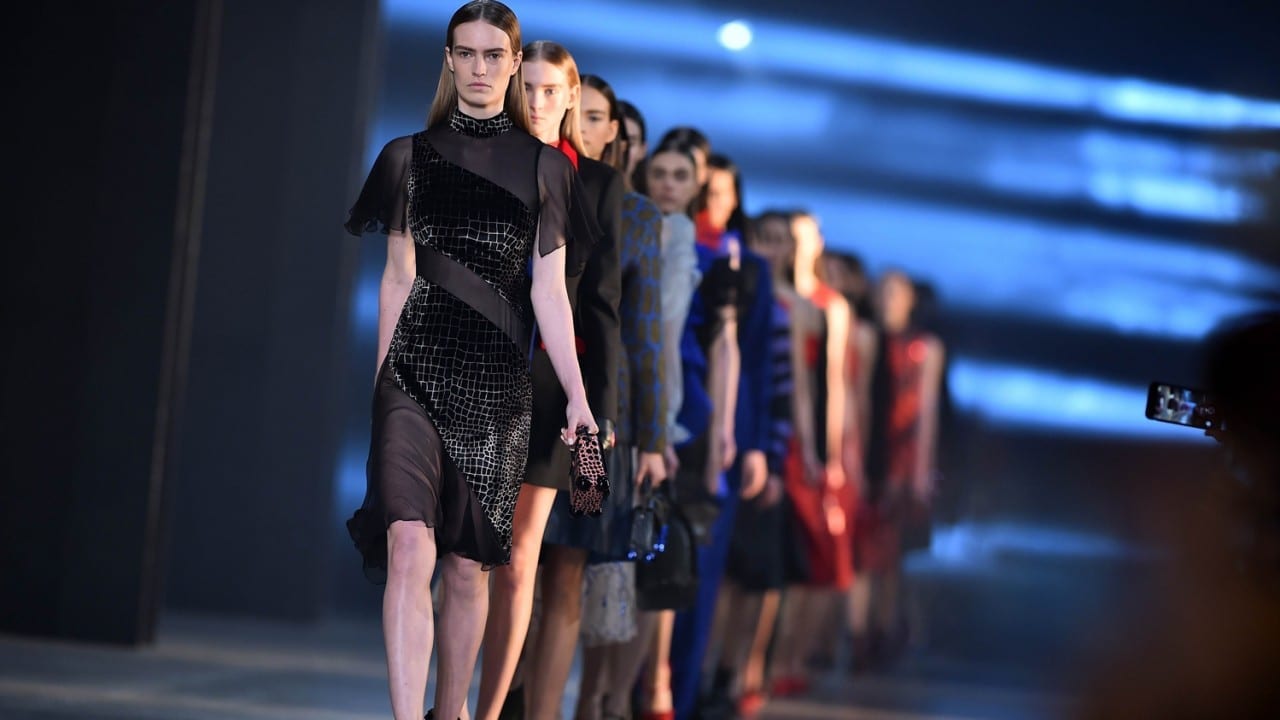
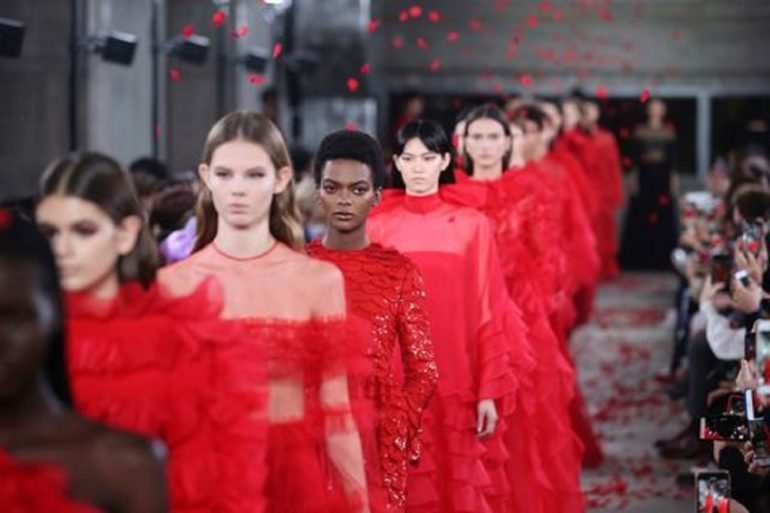
    The fashion industry loves a bandwagon, and the see-now-buy-now one keeps rolling along. A murderer’s row of major brands, from Burberry and Ralph Lauren to Tommy Hilfiger and Moschino, has incorporated at least some element of instant gratification into their recent collections. Burberry and Lauren presented immediately shoppable runway shows, with the latter inviting attendees straight into the store after his spring 2017 show.

    Hilfiger made his Tommy x Gigi collaboration available to buy fresh off the runway, and Moschino’s Jeremy Scott has been offering capsules of his most poppy, instantly recognizable pieces — like this season’s slogan sweatshirts and trash-can bag. But it’s been tough, from an outside perspective, to see how they stack up — when a collection is trumpeted as “sold out,” it’s rarely revealed how many pieces were even available, or how long that process took.

    In recent weeks, see-now-buy-now’s image as the silver-bullet savior of fashion has taken a hit. Designer Thakoon Panichgul, who had completely overhauled his business to focus on seasonless dressing and e-commerce, announced he was putting his brand on “pause” to rethink the concept. And Tom Ford, who tried out see-now-buy-now for one season, decided it wasn’t for him, telling Women’s Wear Daily, “The store shipping schedule doesn’t align with the fashion show schedule … you can’t have a show with clothes that have been on the selling floor for a month.”

    Fashion has been bullish on instant shopping for several years now, with the conventional wisdom claiming that our immediate-gratification culture has spurred a Veruca Salt customer. (“Don’t care how, I want it now.”) And for people who follow fashion religiously, that is definitely the case. When I interviewed Jeremy Scott several years ago, he told me that his young customer was impatient for fashion: “I live in a world of Instagram fans who ‘like’ things,” he said, “and don’t understand when they’re ‘liking’ it, why it’s basically not coming out of that phone right there for them.”

    But as Cathy Horyn pointed out after Lauren’s show, the strategy may work better for mid-price labels than it does for luxury ones. Contemporary brands like Rebecca Minkoff have been demonstrably successful at leveraging the possibilities of instant shopping — CEO Uri Minkoff tells the Cut that the brand’s sales were up 64 percent year after year, after adopting see-now-buy-now. “When we create an experience, the format is not as relevant as ‘What is the experience, who is involved?’” he says.

    For example, their show last month at the Grove in L.A. was open to consumers and was stocked with influencers whose combined following totals over 20 million on Instagram alone, including Chiara Ferragni and Aimee Song. Some pieces were available to buy right after the show, while others dropped 30-45 days later, and Minkoff said that both sold “way better than normal,” with even the dress the designer wore for her bow selling out briskly online. Still, says Minkoff, “That’s what works for us. I’m not saying that everyone should do it. In a luxury sense, having a longer-term relationship and a romanticizing of something over a period of time, that’s great.” Minkoff’s brand operates at what he calls “a more spontaneous purchase level.”

    To bridge that gap between romance and spontaneity, some high-end designers have waded into instant shopping by offering small see-now-buy-now capsules and continuing to show the rest of their collection as before. But according to Ken Downing of Neiman Marcus, “I don’t feel like doing just a capsule is the only way to attack this, because I actually think it confuses the consumer even more.” Downing is a strong advocate of see-now-buy-now as an overall approach – he mentions customers who come with photos of a runway model or a celebrity in something they just wore. “If they can’t find what they’re looking for that’s all about that moment, I’m sure they’re finding it in fast-fashion stores,” he says.

    Elizabeth von der Goltz of Bergdorf Goodman echoes this line of thinking. “When people have these see-now-buy-now capsules that they put enough marketing and social media behind, they work extremely well,” she says. “But you need to come up with a full strategy that’s not about this one shot. How do you continue driving your business through the season, versus this one time?”

    One surprising discovery that emerges is that this new world of immediate shopping has some old-school aspects to it. (Maybe not that surprising — if you think about it, the old-school couture fitting and trunk show was the original see-now-buy-now.) Stores are putting their muscle into experiences. Von der Goltz points to recent events Bergdorf has done with Kith, Nike, and Fenty, as well as what she calls its “right off the runway” events, where customers can meet designers, see and touch the clothes, and place preorders. Downing, who was on his way to a customer event in Houston when we spoke, says, “they’re actually very successful events because it’s an experience. You’re interacting with a fashion authority who can give them ideas on how to put clothes together. It’s making the clothes that they’ve seen for some time look new by the way that we’re styling it.”

    While its roll may have slowed slightly, everyone I spoke to agreed that see-now-buy-now is not going anywhere, even if a few brands have soured on it. Fashion consultant Julie Gilhart said she thought it would just become more commonplace, predicting that “many of the up-and-coming brands will just build this see-now-buy-now concept into their initial business start-up.” Minkoff even imagines consumer fashion shows becoming a draw in themselves. “Wouldn’t it be fun for consumers to be able to come to New York,” he muses, “and see three or four fashion shows rather than saying, ‘I’m going to see a Broadway show?’ He thinks that a few seasons from now, that could be the reality. “I don’t think the world is slowing down,” he says. “We are betting the ranch on this model.”

  • Shanghai Fashion Week goes digital with Alibaba

    Shanghai Fashion Week goes digital with Alibaba

    Shanghai Fashion Week is partnering with Alibaba’s B2C marketplace Tmall to hold its first fully digital event due to restrictions on gatherings caused by the coronavirus outbreak.

    The entire roster of runway shows will be streamed online on Tmall from March 24–30. More than 150 international brands and designers will showcase their latest autumn-winter collections via the Alibaba Group digital platforms.

    Readers can watch the opening show of Shanghai Fashion Week here tonight (March 24) at 6pm Beijing time via Taobao Live from your phone or computer watchers of this year’s Shanghai Fashion Week can immediately purchase the items they see on the runway without having to wait for the collections to hit the shelves.

    “We have integrated some of Alibaba’s most advanced technologies to bring a new and elevated experience to consumers,” said Tmall Fashion and FMCG GM Mike Hu. “This partnership with Shanghai Fashion Week allows us to leverage our experience in digitizing brick-and-mortar retail stores and explore a new format for the brand and product launches, bringing together technologies like live-streaming, short-form videos, DingTalk and Tmall Flagship Store 2.0 in a full-chain solution.”

    Covid-19 has forced the cancellation and rescheduling of many global fashion events, including the Milan Fashion Week originally scheduled for February

    Tmall intends for its “cloud launch” format to broaden out the reach and appeal of traditional product-launch events this year. According to material released by the firm, brands will interact with consumers virtually across an extended timeline and physical locations, from warm-up previews to the live broadcast and post-event interviews.

    The platform plans to team up with global brands to launch 360-degree marketing campaigns that cater to Chinese audiences, said Hu.

  • Shanghai Fashion Week to continue despite coronavirus threat

    Shanghai Fashion Week to continue despite coronavirus threat

    Shanghai Fashion Week organizers announced that the event will proceed after early fears it would be postponed due to the coronavirus outbreak.

    The organizers released a statement saying Shanghai Fashion Week will be held on the same dates earlier scheduled: March 24-30.

    Since the coronavirus crisis began in late January, Chinese fashion industry professionals have been unable to participate in fashion weeks held in London, Milan, and Paris. But they are expected to participate in the coming event where more than 100 Chinese designers and brands are expected to showcase their 2020 Autumn/Winter designs.

    Live Streaming is also expected to be used in marketing their Spring/Summer products.

    “We hope this new form will allow designers to try different ways to display their design and different channels to market and sell,” vice secretary of Shanghai Fashion Week committee, Lu Xiaolei said.

  • Hong Kong Fashion Week and Spring Fairs postponed

    Hong Kong Fashion Week and Spring Fairs postponed

    Hong Kong Fashion Week and seven other Spring Fairs which were scheduled for April have been deferred until July 25-28, due to the coronavirus crisis.

    “The safety of exhibitors and buyers has always been a priority,” the organizer of the events, the Hong Kong Trade Development Council (HKTDC) said in an email announcing the postponements.

    “Considering the current development of the novel coronavirus outbreak, and in line with the health measures taken by the Hong Kong SAR Government, a decision has been made in consultation with industry representatives to reschedule eight HKTDC trade fairs.”

    The fairs are Hong Kong Fashion Week, Hong Kong International Lighting Fair (Spring Edition), Hong Kong Electronics Fair (Spring Edition), International ICT Expo, Hong Kong Houseware Fair, Hong Kong International Home Textiles and Furnishings Fair, Hong Kong Gifts & Premium Fair and the International Printing & Packaging Fair.

    “As always, the HKTDC will make every effort to provide fair participants with safe, efficient and effective trading platforms in the future, while helping enterprises maximize their business opportunities through multiple global channels,” the statement concluded.

  • SFFA and RPB Asia Announce Inaugural SG Food TechWeek

    SFFA and RPB Asia Announce Inaugural SG Food TechWeek

    s part of this year’s Speciality & Fine Food Asia (SFFA) and Restaurant, Pub & Bar Asia (RPB Asia) 2019 trade shows held from 17 – 19 July 2019 at Suntec Singapore, we are pleased to announce the inaugural SG Food Tech Week.

    Held over three days, SG Food Tech Week, developed in consultation with Edelman Predictive Intelligence Centre, will bring together the top minds in food and beverage technologies and consultancies with policy makers to uncover key challenges and opportunities in this space.

    The keynote session and panel discussions will focus on topics like block chain and its impact on supply chain management, big data trends and smart manufacturing and how to balance the power of predictive technologies with consumer privacy.*

    Themes for each session will also be co-curated by SFFA and RPB Asia’s panel of Industry Ambassadors to ensure that the content is relevant and tailored to the specific needs of participants.

    In addition, start-ups and SMEs in this space will also be invited to showcase their latest technologies in the second installment of the highly successful investor pitching series PITCH!. The competition will focus on spotlighting the latest technological solutions and innovations that tackle pressing hospitality challenges, streamline workflow and address the need for sustainability in various food production processes. PITCH! will be split into two different tracks focusing on hospitality and production solutions on day one and sustainability on day two, providing contestants with valuable face time with industry heavyweights, investors and mentors.


  • Hong Kong Fashion Week for Fall/Winter Closes

    Hong Kong Fashion Week for Fall/Winter Closes

    he 48th edition of Hong Kong Fashion Week for Fall/Winter ended today at the Hong Kong Convention and Exhibition Centre. The four-day fashion fair (16 to 19 January), organised by the Hong Kong Trade Development Council (HKTDC), welcomed some 15,000 buyers from 77 countries and regions.

    HKTDC Deputy Executive Director Benjamin Chau noted that the fashion industry is facing immense challenges amidst economic and political uncertainties and lacklustre retail sales. “In spite of that, Hong Kong companies are versatile and with e-commerce developing steadily, companies can capture the opportunities to turn the situation around. At this year’s Fashion Week for Fall/Winter, buyer numbers from Italy, Iran, Germany and Israel saw good growth. This shows that buyers from certain regions are not as cautious as expected and their sourcing sentiment is gradually improving.”

    Buyers from emerging markets more upbeat

    In general, buyers from emerging markets demonstrated a more positive sourcing sentiment during the fair. Muhammad Yasin, owner of United Arab Emirates’ company Imperial Clothing FZE, said he had visited more than a hundred exhibitors on just the first day of the show, and had identified about 15 potential suppliers from Hong Kong, the Chinese mainland, Vietnam and Pakistan. He expected to work with two of the companies and initial orders would be worth about US$10,000.

    Israeli buyer Moshe Silverstain said that, after the fair, he would visit some of the supplier’s factories in Nanjing. He expected to place orders for 12,000 raincoats and 20,000 denim trousers.

    Russian company Forward Ltd, which supplies sports uniforms for Russian national teams, visited the fair. The company’s Head of Logistics Department, Ruben Nariyants, said his company had found three potential suppliers from the mainland. To facilitate smooth delivery to Russia, Mr Nariyants said his company is willing to offer logistics assistance; and he expected to finalise cooperation arrangements soon.

    Hong Kong’s designer collections in demand

    Hong Kong Fashion Week has long been a launch pad for up-and-coming young designers to showcase their designs to international buyers. This year, the HKTDC organised two FASHIONALLY COLLECTION shows to spotlight emerging local designers from 14 fashion labels. Buyer Takayuki Kubota from renowned Japanese fashion group H.P. France said he had found suitable Hong Kong designer collections through the FASHIONALLY COLLECTION shows and expected to place initial orders of five to ten styles per brand. He was glad that Hong Kong designers were willing to accept small-quantity orders.

    Yi Gao, owner of Shenzhen designer brand store MR. TOP, found Hong Kong designer brand Lapeewee’s designs fashionable and wearable. He said his company is likely to conclude business deals with the brand very soon.

    Singaporean buyer and designer Samuel Wong said customers in Singapore are receptive to designer brands. He attended the fair to source designer collections and was in talks with Hong Kong label MODEMENT for its women’s and men’s apparel.

    Online store buyers becoming a new force

    Online shopping has been growing in popularity in recent years and there has been an explosion of fashion e-shops, which are becoming a new force driving consumption. Korean department store Shinsegae has opened an e-shop to capture the opportunities in online shopping. Mae Hong, the company’s Buying Manager, said she came to Hong Kong Fashion Week for the first time to look for blouses and knitwear for kids and adults. She had found three potential suppliers on the first day and was in advanced talks with them. If her requirements were met, she would buy at least 1,000 pieces per item.

    Nitin V Tewari, Senior Manager of Flipkart, a leading e-commerce company in India, also visited the fair for the first time. He claimed that fashion is one of their biggest business segments. Through the fair, he hoped to find new brands and OEM manufacturers and he had already identified a number of suitable bags and sportswear brands. He anticipated the purchasing amount would be between US$50,000 to US$100,000 per order, after further discussions.

    Online shopping is also popular in Central Europe. Iva Tureckova, Project Manager of Czech company SLK Trade s.r.o, said her company is a young but fast-growing e-tailer selling women’s underwear in Central Europe. She said she came to Hong Kong to source different underwear brands and to seek opportunities to expand their business by becoming the distributor of brands from Hong Kong and other countries. Through the HKTDC’s business matching sessions, the company had found two potential underwear suppliers and would pursue negotiations with them.

    Fashion seminar explores “Omni-Channel Retailing” opportunities

    ZALORA’s Head of Acquisition, Giovanni Maria Musillo, spoke at the seminar titled “ZALORA: Navigating the Wave of Omni-Channel Retailing” and shared their keys to success and the opportunities in omni-channel retailing. He said ZALORA is a leading fashion e-tailer in Asia with a presence in Hong Kong, Australia, Taiwan, Malaysia, Brunei, Singapore, the Philippines and Indonesia. The website attracts some 30 million visits each month. “Localisation is key to ZALORA’s success. We offer different languages and interfaces to suit different markets’ needs,” he said. “We also ensure that consumers from different countries and regions can settle payments efficiently. These have helped to accelerate ZALORA’s growth.

    “Smart phone penetration in Southeast Asia is set to exceed 100 per cent by 2019 and that is conducive to e-commerce development. It is also expected that the market share of fashion in e-commerce would double from four per cent in 2015 to eight per cent in 2019. All these signify immense business opportunities. With the ‘Korean wave’ sweeping across Asia and Europe in recent years, ZALORA is also actively sourcing different Korean brands to further capture the opportunities.”

    HKTDC’s CENTRESTAGE to return in September

    Hong Kong Fashion Week for Fall/Winter gathered more than 1,500 exhibitors from 21 countries and regions to showcase the latest fashion collections of international brands, garment, accessories, fabrics and sewing supplies. More than 20 fashion events were organised during Fashion Week, including 10 fashion shows as well as industry seminars and networking activities. The Hong Kong Fashion Week for Spring/Summer will be held from 10 to 13 July, while the second edition of CENTRESTAGE will run from 6 to 9 September. CENTRESTAGE aims to provide an ideal promotion platform for Asian and international fashion brands and designers, further solidifying Hong Kong’s position as a fashion capital in Asia.

  • Hong Kong Fashion Week for Fall/Winter Kicks Off Today

    Hong Kong Fashion Week for Fall/Winter Kicks Off Today

    The 48th Hong Kong Fashion Week for Fall/Winter, a superb fashion sourcing platform in Asia, opened today at the Hong Kong Convention and Exhibition Centre. The four-day show (16 to 19 January), organised by the Hong Kong Trade Development Council (HKTDC), features more than 1,500 exhibitors from 21 countries and regions, showcasing the latest fashion designs, garment, accessories, fabrics and sewing supplies.

    Under the theme “Hall of Games”, this year’s Fashion Week for Fall/Winter incorporates board game elements throughout the fairground to enhance the ambience.

    With healthy living becoming a priority among consumers, the demand for sportswear and fitness clothing is on the rise. To help buyers identify relevant products and suppliers, the HKTDC has added two new zones to this year’s show: Fashionable Sportswear and Denim & Casual Wear. The former showcases the hottest styles for various sports activities, including fitness and yoga while the latter focuses on trendy designs for a relaxed lifestyle.

    There are five pavilions at the fair from India, Indonesia, Japan, Macau and Pakistan. Companies from Italy, Sweden and Pakistan are fair debutants this year, bringing along names such as Italian brand Salto, displaying its eco-leather silver pleated skirt; Swedish company Yves Lansac, showcasing its colourful and fashionable watch and handbag collections; and Pakistani exhibitor Umar Garments Printing, introducing its automated screen printing technology that allows high flexibility and accuracy for producing simple to complex designs with advanced inks.

    Other product zones at the fair are: Cashmere, Wool and Thermal Clothing, Fabrics & Yarn and Men in Style. In addition, Emporium de Mode presents exquisite and distinctive brands, while the International Fashion Designers’ Showcase features collections from scintillating designers such as Mim Mak, Jean Du Che and Mountain Yam.

    As a global fashion sourcing hub in Asia, Hong Kong is a hotspot for many international trading houses and premier retailers. The annual Hong Kong Fashion Week for Fall/Winter is an important platform for buyers to discover the latest fashion products and accessories. To create more business opportunities for exhibitors, the HKTDC has arranged 90 buying missions from 43 countries and regions bringing more than 3,770 companies to the show. Among the participants are representatives of famous fashion labels, mega chain stores and distributors from both traditional and emerging markets, including Spain’s Beni Room, Japan’s H.P. France, Thailand’s Jaspal and the Chinese mainland’s The Fashion Door.

    Fashion shows showcasing creativity

    More than 20 fashion events are taking place during the four-day Hong Kong Fashion Week for Fall/Winter. In addition to trend forecasting seminars, thematic forums and networking receptions, a total of 10 fashion shows including designers’ collection and brand collection shows are being staged.

    Hong Kong Fashion Week has long been a launchpad for up-and-coming local young designers. To spotlight Hong Kong’s design talent, local fashion website FASHIONALLY presented two fashion shows today featuring the collections of 14 fashion labels by emerging local designers. Participants included established names as well as first-time participants, including Jane Ng, Yeung Chin, Kenson Tam, Winnie Chen and Key Chow.

    FASHIONALLY COLLECTION #8 featured chic womenswear for Fall/Winter 2017. It was a display of contemporary reinterpretations of feminine aesthetics. The design units that took part in the show were 112 mountainyam (Designer: Mountain Yam), FromClothingOf (Designer: Shirley Wong), phenotypsetter (Designer: Jane Ng), KEVIN HO, Lapeewee (Designer: Yannes Wong), Blind by JW (Designers: Walter Kong and Jessica Lau) and HANG (Designer: Mim Mak).

    FASHIONALLY COLLECTION #9 presented avant-garde designs for Fall/Winter 2017 that challenge the status quo for designs for both men and women. Participating brands included MODEMENT (Designer: Aries Sin), YEUNG CHIN, KENSON (Designer: Kenson Tam), SHERMAN KWAN, DEMO (Designer: Derek Chan), Winnie Witt (Designer: Winnie Chen) and Ka Wa Key (Designer: Key Chow).

    Tomorrow, local collections will be featured at the Brand Collections’ Show, including those from Ika Butoni and Artistic Palace, a house brand of Chinese Arts & Crafts. Renowned for their traditional workmanship, Chinese Arts & Crafts will display their exquisite cheongsam, traditional Chinese clothing and high-end bespoke collections.

    The Designers’ Collection Show will be held on 18 January. It will showcase the latest collections of such brands as Ophee’s (by Hong Kong designer Agnes Wong), ENGELEENA (by New Zealand designer Engeleena Padyachi), Vanilla Gate-Gala (from Thailand) and Bernadette Chan (Hong Kong designer brand).

    An ideal platform for exchange and collaboration

    To help industry players exchange and obtain market intelligence, the HKTDC has invited industry experts to share their insights and ideas on the latest trends and topics at a series of events, including trend forecasting seminars, thematic forums and networking receptions.

    Leading international fashion forecaster Fashion Snoops shared their forecast and analysis on “The Key Trend Stories for Men’s and Women’s Wear for S/S 2018”. Tomorrow, the HKTDC and The Hong Kong Research Institute of Textiles and Apparel (HKRITA) will host a seminar on “Knitting Tech – From Materials to Finishing”. On Wednesday, Asian e-tailer giant Zalora will explore the latest business opportunities of Omni-Channel Retailing, while The Woolmark Company, an authority in the wool industry, will host the “The Wool Lab S/S 18” seminar to discuss the leading trends for Spring/Summer 2018 and introduce purchasing guides to the best wool fabrics and yarns.

    This evening’s networking reception also provides an opportunity for industry players to expand their networks and explore collaboration opportunities.

  • ZALORA Brings See Now, Buy Now Model to Singapore Fashion Week

    ZALORA Brings See Now, Buy Now Model to Singapore Fashion Week

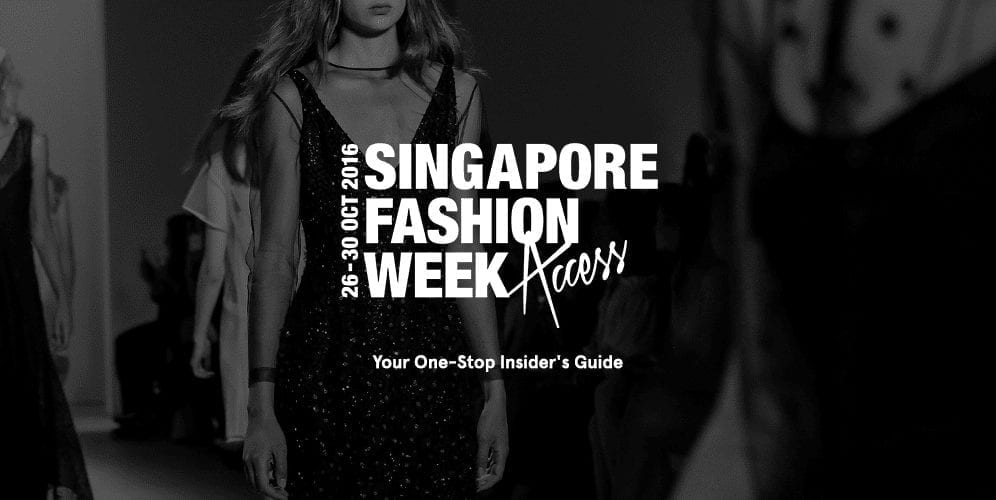
    ZALORA, Asia’s online fashion destination, today announced its partnership with Singapore Fashion Week as the Official E-Tail Partner. This is the second time the online fashion brand is taking part in one of the region’s biggest fashion events of the year. ZALORA will be presenting three Singapore designers and labels namely, Stolen, Aijek, and Max Tan in the Fashion Futures Showcase. Fashion fans in Singapore can purchase the collections on ZALORA from today onwards.

    As the Official E-Tail Partner, ZALORA will be hosting a shoppable Singapore Fashion Week microsite on ZALORA.com that will feature curated collections from Fashion Futures Showcase and Singapore Fashion Week Access, a dedicated show segment for Singapore designers. As part of ZALORA’s commitment to stay up-to-date with the latest trends within the industry, ZALORA is embracing the ‘see now, buy now’ model enabling fashion show goers to purchase their favourite looks immediately.

    Shop Max Tan Spring/Summer 2017, Stolen Spring/Summer 2017, and Aijek Fall/Winter 2016 collections at www.zalora.sg/fashion-week-singapore and on the ZALORA mobile app.

    “ZALORA is proud to be supporting local designer talent in one of the most anticipated fashion events of the year,” said Parker Gundersen, Chief Executive Officer of ZALORA Group. “We’re very passionate about supporting the local fashion industry across all of our markets in Asia, and Singapore Fashion Week provides a great opportunity for us to give the region’s top designers exposure to millions of new consumers on our online platform. It’s also an exciting way for our customers to discover new fashion and to buy product straight from the runway.”

    “Singapore Fashion Week is delighted to be working with ZALORA again this year, as we recognise the growing impact and importance of digital and social media, and connecting designers and labels

    with customers via e-commerce. With the growing trend of ‘See Now, Buy Now’ as well, I believe that online retailers like ZALORA will play an ever-growing role in partnerships with fashion weeks around the world,” commented Tjin Lee, Founder and Chairman of Singapore Fashion Week.

    ZALORA also strongly believes in making fashion more inclusive and accessible. To further engage fashion consumers, the Fashion Futures Showcase will be live-streamed on ZALORA where viewers at home can watch the shows and access exclusive content. Catch all the exciting happenings at Singapore Fashion Week Fashion Futures Showcase on social media at #ZALORAxSGFW.

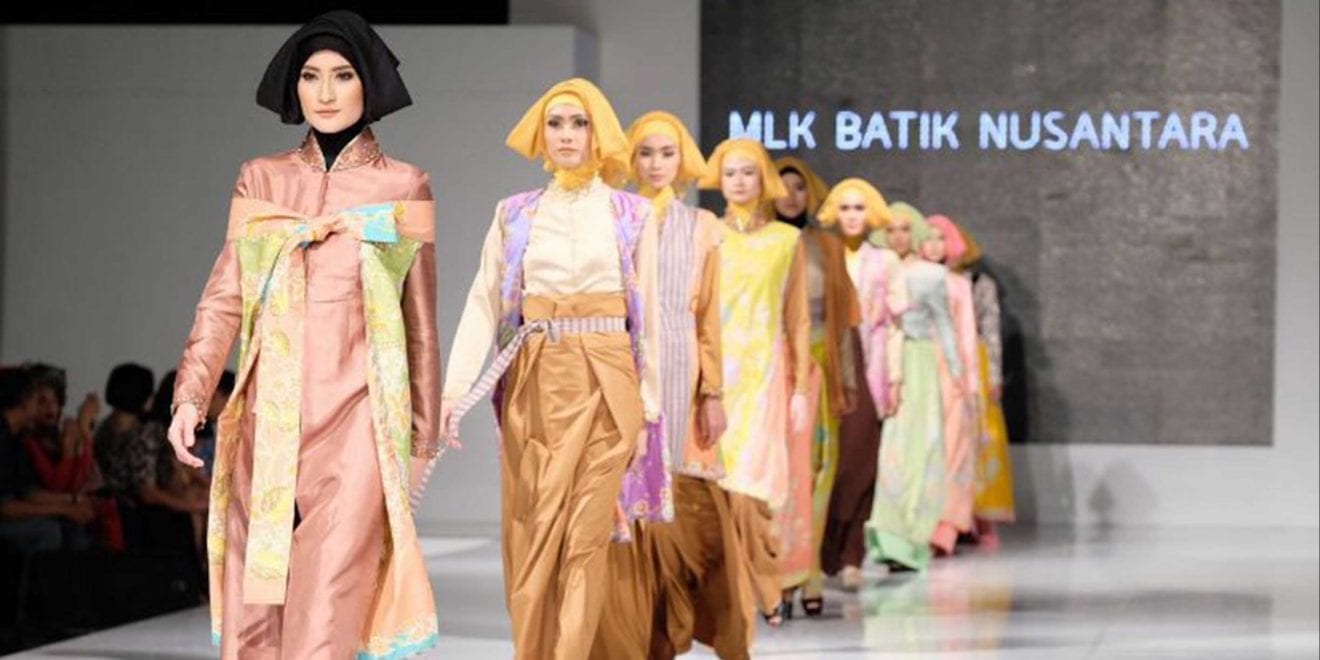
  • Nusantara Batik Week expected to see sales of Rp6 billion

    Nusantara Batik Week expected to see sales of Rp6 billion

    The ongoing Nusantara Batik Week is expected to record sales of Rp6 billion, a local official said.

    The target increased from Rp4.5 billion last year, said Supriono, head of the Pekalongan industry, trade and cooperatives and SMEs office, speaking on Tuesday.

    The Eighth Nusantara Batik Week, held Oct. 4-9, offers various kinds of batik and traditional culinary from Pekalongan and other regions.

    The batik expo is organized to celebrate National Batik Day, which falls on Oct. 2.

    Pekalongan is dubbed as “the city of batik” because it is one of the countrys centers of batik production.

    Indonesias batik, along with the Tango of Argentina and Uruguay, the traditional Ainu dance of Japan, and Frances aubusson tapestries, were among the 76 representatives included in UNESCOs Representative List of the Intangible Cultural Heritage of Humanity published ,on September 30, 2009.

    “The techniques, symbolism, and culture surrounding hand-dyed cotton and silk garments, known as Indonesian batik, permeate the lives of Indonesians from beginning to end. Infants are carried in batik slings decorated with symbols designed to bring the child luck, and the dead are shrouded in funerary batik,” is how Indonesian batik has been described by UNESCO.

  • 2015 Indonesia’s blossoming fashion scene

    2015 Indonesia’s blossoming fashion scene

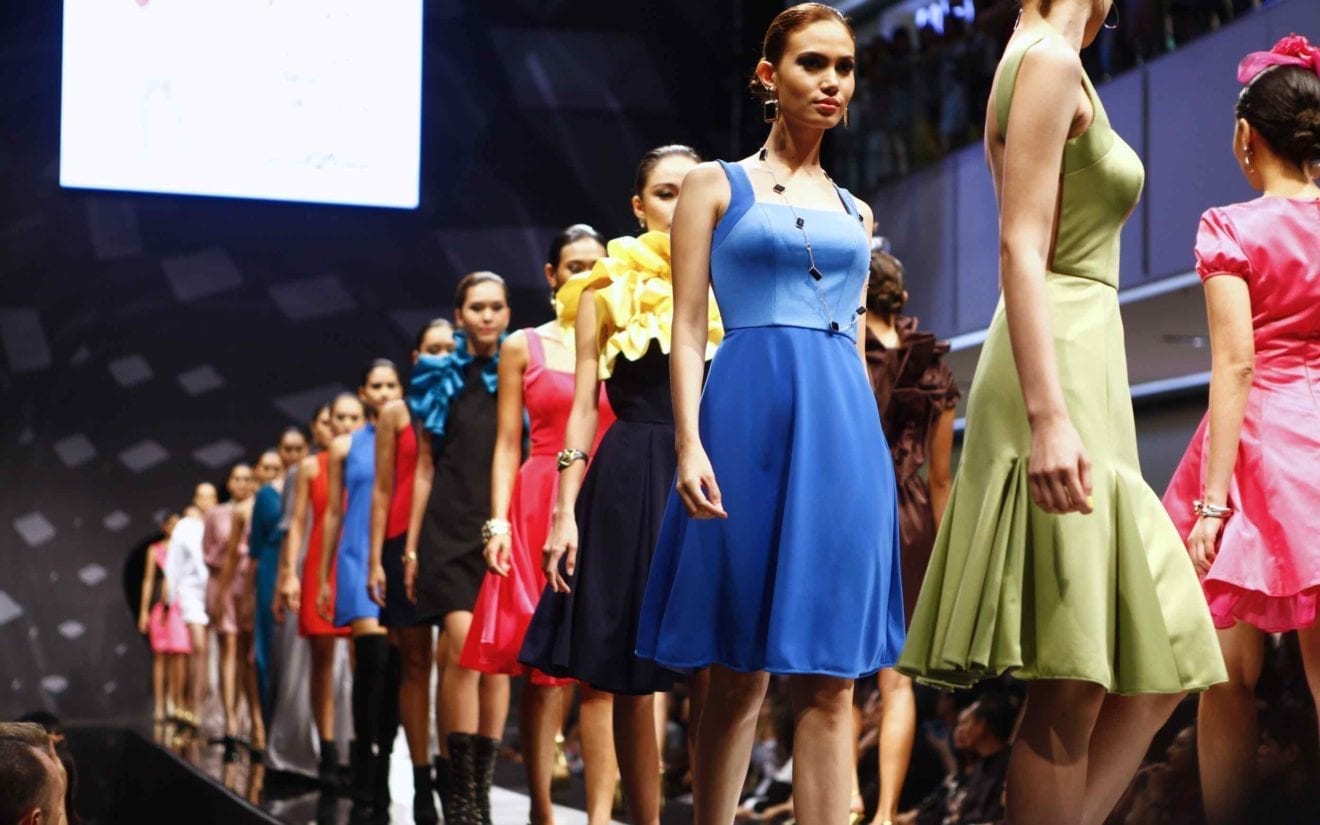
    The year 2015 has been special for Indonesia’s fashion scene — thanks to the rising popularity of local brands.

    Throughout the year, new fashion labels have been popping up, while fashion events have continued to be a paradise for fashion enthusiasts looking for trendy fashion products.

    Fashion observer Diaz Parzada said that this year the country had seen a phenomenal wave of ready-to-wear fashion, which became the main focus of many designers and brands.

    Ready-to-wear has been thriving for the past two years due to its ability to reach a wider audience, and of course, to generate profit.

    “This is a breakthrough as designers are not just people who make clothes but also professional business players that have many doors through which to distribute their works,” said Diaz, who is also the advisor for designer mentoring program Indonesia Fashion Forward and the business development director at the British Council.

    Veteran designers like Biyan Wanaatmadja and Sebastian Gunawan were the first to tap into the ready-to-wear industry, and many young designers are now following their lead.

    Young couturier Tex Saverio, who is known for his high fashion pieces, is one example.

    He launched his second ready-to-wear line, TXID, earlier this year after receiving good responses to his first ready-to-wear line, Tex Saverio Jakarta, and his collaboration with a couple of foreign online ready-to-wear brands.

    “Through ready-to-wear, I want to promote Indonesian fashion to the world. In addition to that, I want to educate the Indonesian market, to teach them that a fashion house should not have only one line,” Tex said.

    Many celebrities and fashion lovers also set up their own fashion ventures this year, offering fashion products at more competitive prices through various online platforms or fashion bazaars.

    However, that online phenomenon has also made the executive director of the Indonesian Fashion Designers Association (IPMI), Tri Handoko, concerned about a paucity of strong design characteristics differing from one brand to another.

    “Most of those new brands offer similar designs; their lookbooks are even similar with no distinct identity visible in their collections,” he said.

    “On one hand, that movement shows support for local fashion, but on the other hand, the creativity level is stagnant to some extent.”

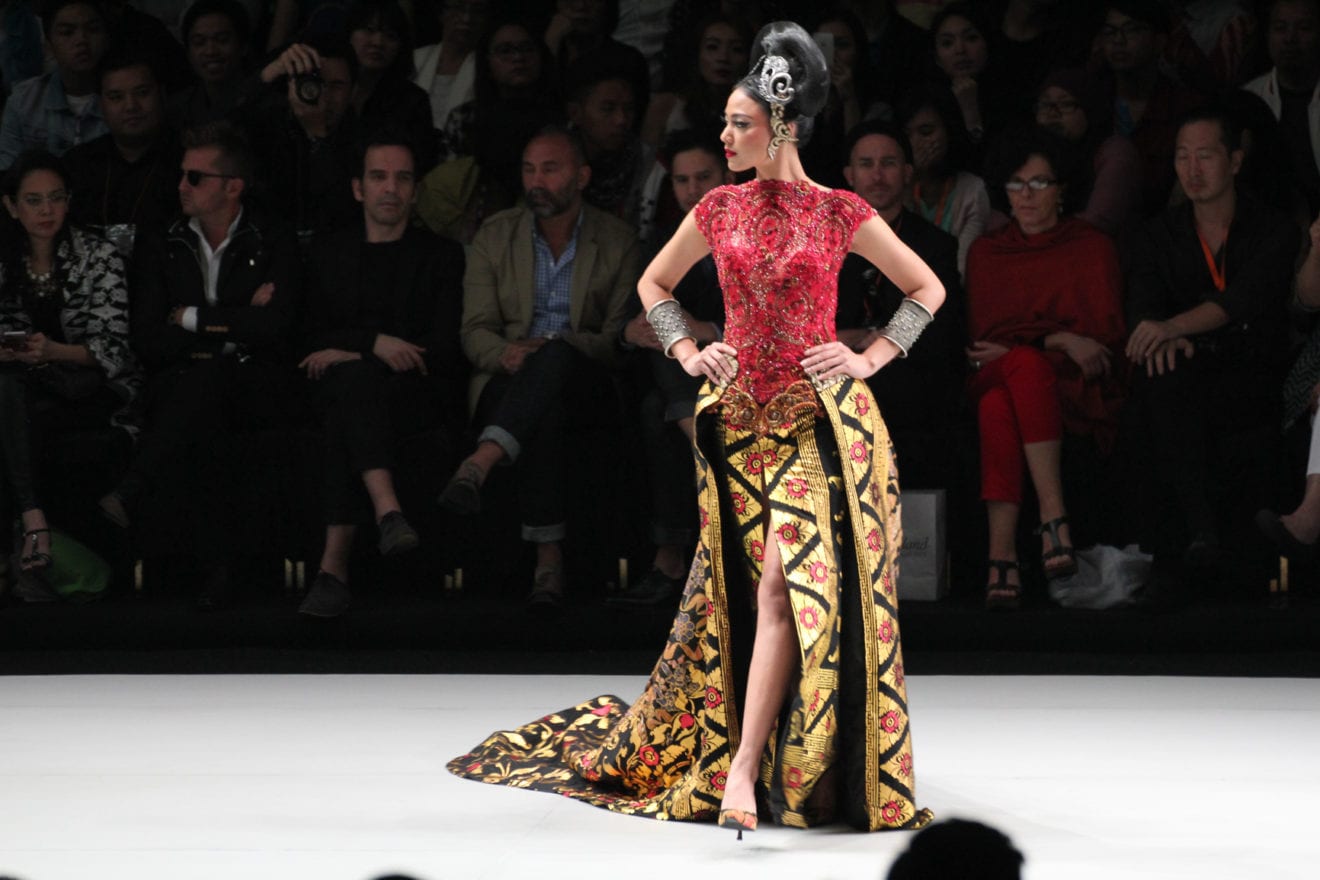
    From left : Obin (JP/Don), Norma Hauri (Courtesy of Jakarta Fashion Week), Major Minor with Eko Nugroho (JP/Don)

    Diaz also voiced the same concern, saying that some designers had shared with him that their designs had been copied by many online fashion sellers.

    “Like it or not, designers have to accept it. But moving forward, they must explore more creative ideas for their new designs while creating powerful campaign strategies to build strong fashion brands,” he said.

    Another highlight of the year came from Muslim fashion, better known nowadays as modest wear.

    Earlier this year international retailers Uniqlo, from Japan, and Sweden’s H&M, launched a campaign to promote modest wear, moves that have been greatly welcomed by Indonesia’s hijab communities.

    Modest wear designer Norma Moi said that 2015 had been a good year for her business and she had recorded a steady increase in demand.

    “My profit increase has been in line with the increase in my resources — around 40 to 50 percent,” Norma said.

    The thriving business of modest wear in Indonesia has prompted the government to aim to make the country the center of Islamic fashion by 2020.

    It is not an ambitious goal, so long as designers continued to innovate.

    “We have to keep innovating and always be creative, making our designs interesting and unique, if we want to be the center of Muslim fashion,” she said.

    But to really realize the plan, the government must also participate by providing designers with proper production supplies, such as materials.

    Norma said many designers, including her, still used imported fabrics due to the quality and availability.

    “There are local textile producers that also make fine fabric, but most of them only want to sell to big retailers that buy in bulk. We don’t have the capacity to make our own fabric yet, so we have no choice but to import,” she said.

    “The producers and the government should understand that there’s also us in this fashion business, not only big retailers.”

    Though modest wear recorded a strong performance this year, other designers saw lower sales from the middle of the year forward.

    Tri said that his business was declining as it entered the second semester, blaming the slowing economy as a key factor.

    Another designer, Sapto Djojokartiko, echoed him, saying that he also saw slower sales in his mid-priced pieces.

    “I’m not sure about the cause, but I have prepared some strategies to improve the whole business next year,” he said.

    As 2015 moved toward the end, Indonesia’s fashion scene was shocked by the resignation of seven senior members of Association of Indonesian Fashion Designers and Entrepreneurs (APPMI), including the chairman who is also the president director of Indonesia Fashion Week (IFW), Ali Charisma, Deden Siswanto and Lenny Agustin.

    Different visions to those of the association is reportedly behind their resignations. As a consequence, those who replace the steering committee of IFW have their work cut out for them to ensure the continuation of IFW early next year.

    “The resignation of APPMI leading members should be a cause for reflection for our fashion scene; what form of fashion association fits the situation today? Or is it still important to have such an association? Regarding whether it will impact our fashion scene or not, we have to wait and see,” Diaz said.

    In 2016, Indonesian fashion products are predicted to remain favorites for fashion enthusiasts who have developed more pride in wearing local designs.

    Indonesian designers will continue to wow the international fashion audience next year as some will participate in prestigious fashion events, such as London and Paris Fashion Weeks.