Tag: weight-loss

  • Weight-Loss Medications Boost Mint and Gum Sales: Hershey Rides the ‘Ozempic Breath’ Wave

    Weight-Loss Medications Boost Mint and Gum Sales: Hershey Rides the ‘Ozempic Breath’ Wave

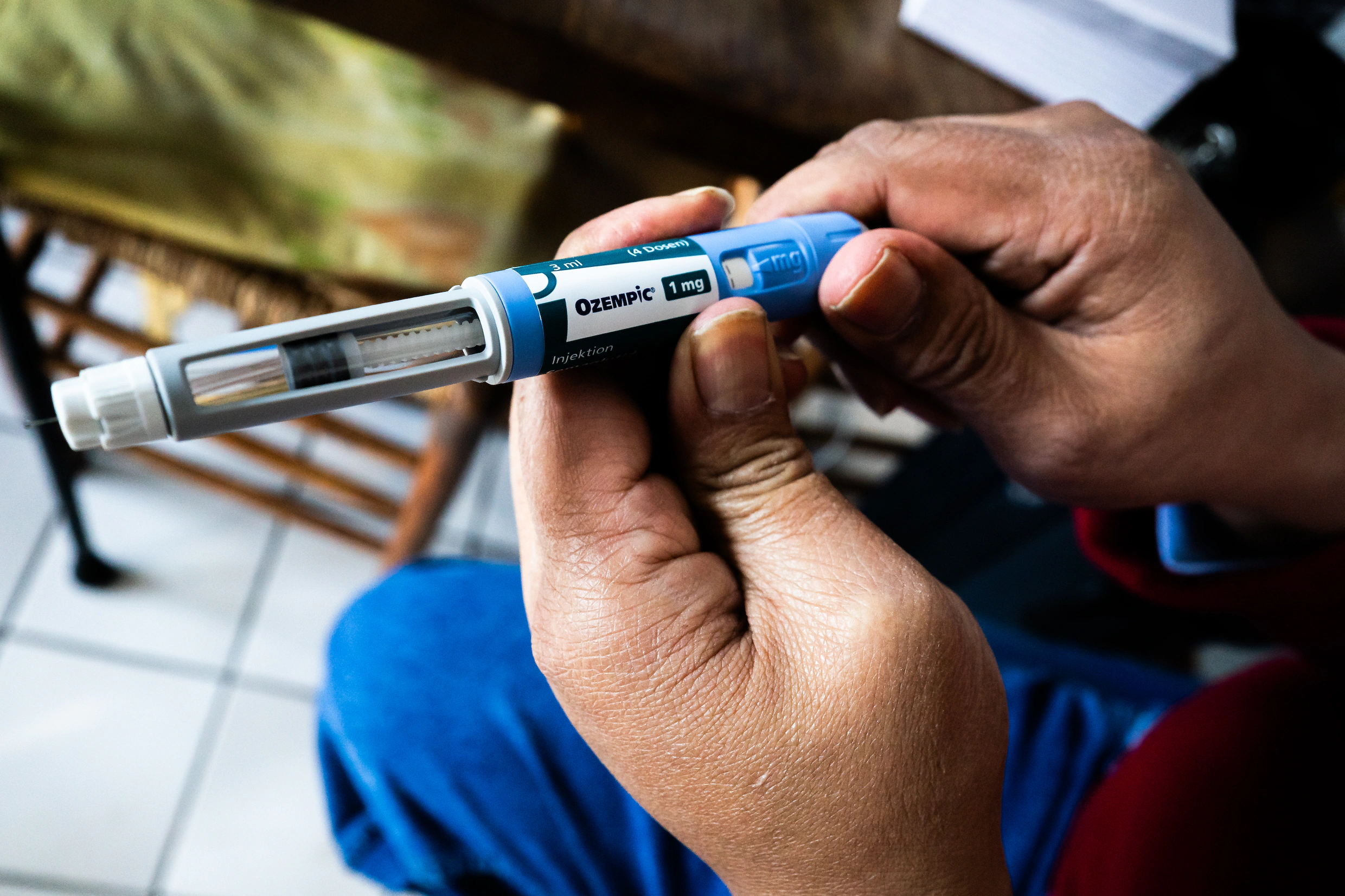
    The Hershey Company recently highlighted a surprising uptick in their sales of mints and gum, which they attribute to the rising prevalence of weight-loss drugs and the consequent shift in consumers’ snacking habits. The company noted that the demand for products that freshen breath has grown in tandem with the trends toward “functional snacking” associated with the consumption of medications like Ozempic and Wegovy.

    Kirk Tanner, Hershey’s CEO, stated, “We’ve noticed a robust demand for gum and mints as they benefit from the tailwinds of functional snacking, influenced by the adoption of GLP-1 medications.” He also pointed out that the retail sales for Ice Breakers, the company’s third-largest confection brand, saw an increase of over 8% during the quarter.

    While the Hershey Company did not directly associate this trend with specific side effects, it is worth noting that some consumers taking GLP-1 medications have reported experiencing halitosis, colloquially referred to as ‘Ozempic breath’. Medical professionals suggest that this could be due to dry mouth resulting from dehydration or changes in saliva production, notwithstanding the fact that it is not officially listed as a side effect.

    This shift in consumption habits has not only impacted the mint and gum market but has also influenced other sections of the snacking industry. For instance, premium chocolate manufacturer Lindt & Sprungli has reported a marked increase in US sales among GLP-1 users. Similarly, Magnum Ice Cream Company has noticed that the trend is bolstering the demand for smaller, higher-quality snacks.

    Peter ter Kulve, the CEO of Magnum Ice Cream Company, said, “As consumers who use GLP-1s are eliminating lower-quality snacking options first, categories such as premium chocolate, premium ice cream, and protein snacks could potentially acquire a larger share of the overall snacking market.”

    Questions & Answers

    **What has been the trend in Hershey’s sales of mints and gum?**
    Hershey’s has observed an unexpected surge in their sales of mints and gum, which they attribute to changing consumption patterns due to the increased use of weight-loss drugs.

    **What are the potential reasons for the ‘bad breath’ experienced by some users of GLP-1 medications?**
    Medical professionals suggest that the bad breath experienced by some users of GLP-1 medications could be due to dry mouth resulting from dehydration or changes in saliva production.

    **How has the shift in snacking habits influenced other sectors of the snacking industry?**
    The shift in consumption patterns is supporting the demand for smaller, higher-quality snacks in other sectors of the industry. Companies like Lindt & Sprungli and Magnum Ice Cream Company have reported increased sales among users of GLP-1 medications.
  • Billionaires’ Battle: India’s Race to Revolutionize Weight-Loss Drugs with Affordable Alternatives

    Billionaires’ Battle: India’s Race to Revolutionize Weight-Loss Drugs with Affordable Alternatives

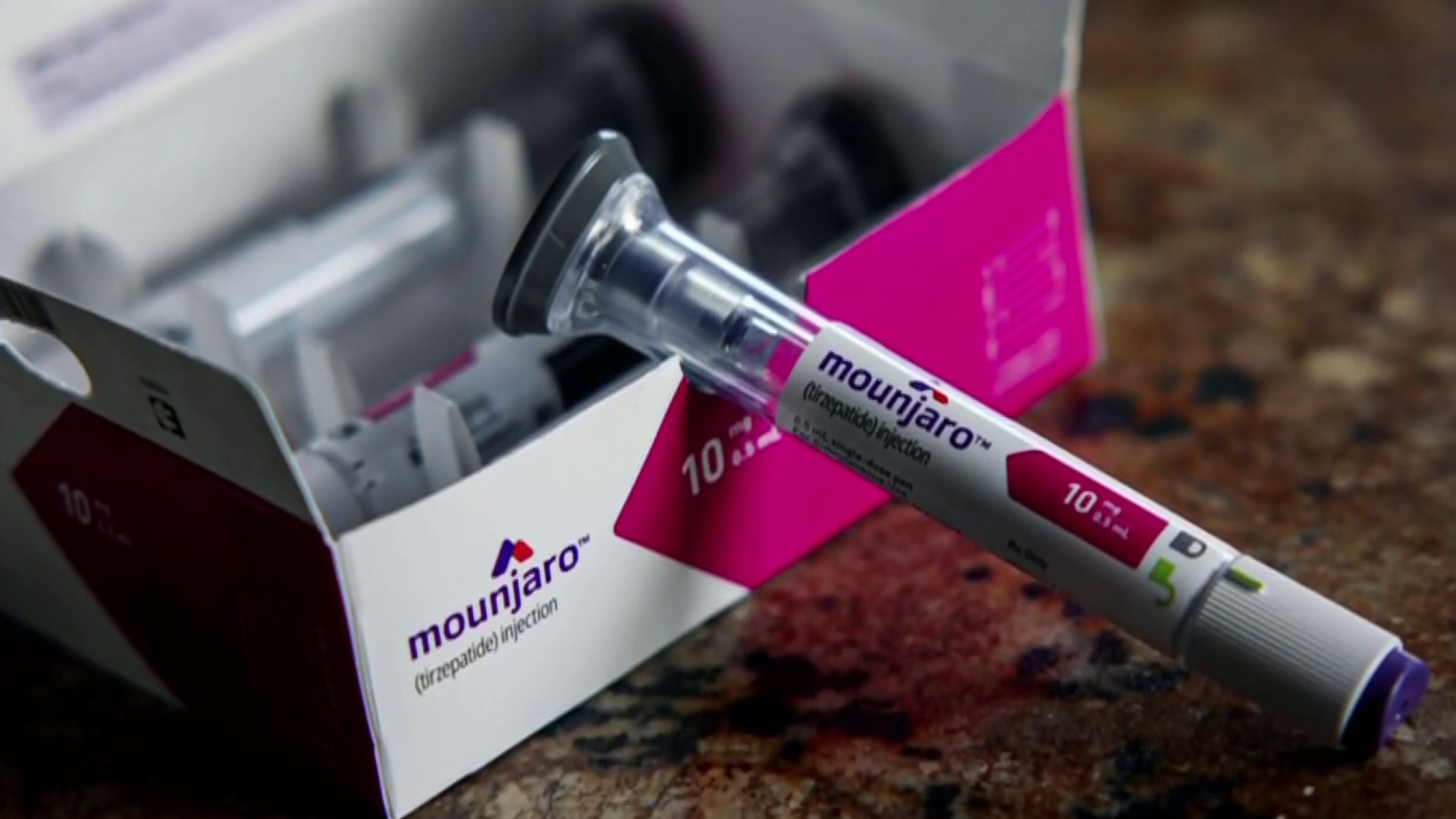
    Indian billionaires are vying to introduce cost-effective medications for diabetes and obesity in response to the escalating demand for reasonably priced alternatives to the well-known weight-loss drug, Ozempic. Sun Pharmaceutical Industries, established by billionaire Dilip Shanghvi, has recently released weight-loss pen injections under the Noveltreat and Sematrinity brands.

    Competitive Pricing

    Priced at approximately INR3,600 (US$38.3) per month for the lowest dose, Noveltreat competes directly with higher-priced options. Sematrinity offers a similarly affordable alternative at INR3,000 monthly, less than half the cost of Ozempic and Wegovy, notable weight-control medications manufactured by the Denmark-based company, Novo Nordisk.

    Kirti Ganorkar, Sun Pharmaceutical’s Managing Director stated, “With the launch of Noveltreat and Sematrinity, we are striving to offer a high-quality, cost-effective therapy to a broader patient demographic in India.”

    Expanding Treatment Options

    Dr. Reddy’s Laboratories, the brainchild of billionaires Satish Reddy and G. V. Prasad, has also launched Obeda, an injectable drug for managing type 2 diabetes, priced at INR4,200 per month. In addition to Obeda, the firm plans to create an integrated care ecosystem including metabolic centres aimed at enhancing diabetes treatment and associated metabolic conditions.

    Erez Israeli, CEO of Dr. Reddy’s, expressed that Obeda reinforces the company’s vision of “ensuring advanced diabetes treatments are not only accessible but affordable.”

    Similarly, Torrent Pharmaceuticals, led by billionaire brothers Sudhir Mehta and Samir Mehta, has introduced both injectable and oral weight-loss drugs under the Sembolic and Semalix brands, priced at INR3,999 per month.

    CEO Amal Kelshikar said, “Our entry into the GLP-1 therapy segment reflects Torrent’s commitment to expanding treatment options available to healthcare professionals managing complex metabolic conditions at affordable prices.”

    The Market Landscape

    A study conducted in 2023 by the Indian Council of Medical Research revealed that over 100 million people in India have diabetes, and the World Health Organization estimates that approximately 8% of the population is obese.

    These companies are part of a larger group of at least eight significant pharmaceutical manufacturers that have introduced semaglutide copies. The market has quickly become competitive, with research firms estimating that up to 40 companies could eventually enter the segment.

    As a result, a price war is predicted, with analysts projecting that intense price competition could reduce the cost of some weight-loss drugs in India by up to 90%. Investment bank Jefferies referred to the development as a “magic pill moment” for India, predicting the market could grow to $1 billion.

    India, often referred to as the “pharmacy of the world,” is now emerging as a crucial low-cost supplier in the global fight against obesity, much like its past role in reducing the cost of HIV treatments and expanding access worldwide.

    Regulatory Oversight

    The increase in new product launches has led to heightened scrutiny from regulatory bodies. Concerns have been raised about the availability of generic versions of weight-loss drugs through various channels, such as retail pharmacies, online platforms, wholesalers, and wellness clinics.

    The Ministry of Health in India has cautioned that these drugs, when used without proper medical supervision, could potentially lead to serious adverse effects and related health risks. The ministry has also imposed restrictions on marketing such drugs, banning indirect promotional activities that could mislead consumers or promote off-label usage.

    There are concerns that patients may view these weight-loss drugs as a “magic pill” solution and may rely on them indefinitely. Mumbai-based diabetologist Rahul Baxi cautioned that these medications are not a substitute for a proper diet or lifestyle change.

    Questions & Answers

    What is the price of the new weight-loss medications?
    Noveltreat is priced at approximately INR3,600 (US$38.3) a month, while Sematrinity costs INR3,000 a month. Obeda, a diabetes medication, is priced at INR4,200 a month.

    Is there a predicted price war in the pharmaceutical industry?
    Yes, analysts project intense price competition could decrease the cost of some weight-loss drugs in India by up to 90%.

    What are the concerns raised by the Ministry of Health in India?
    The Ministry of Health has raised concerns about the availability of generic weight-loss drugs without proper medical supervision, which could potentially lead to serious adverse effects and health risks. It has also expressed worry about potentially misleading or indirect promotional activities for these drugs.

  • Weightwatchers Teams Up With Amazon Pharmacy: A Strategic Move For Medication Delivery Boosting Shares By 9%

    Weightwatchers Teams Up With Amazon Pharmacy: A Strategic Move For Medication Delivery Boosting Shares By 9%

    WeightWatchers announced on Monday its collaboration with Amazon to distribute medications such as injectable GLP-1 obesity treatments to its members. This partnership led to a 9% increase in the telehealth provider’s shares, as investors anticipated financial gains from facilitating prescription fulfillment.

    New Partnership to Boost Medication Delivery

    WeightWatchers clients can now confirm medication availability and arrange more efficient delivery of refrigerated drugs using the Amazon Pharmacy feature on the WeightWatchers website, said COO Jon Volkmann. The company, alternatively known as WW International, emerged from bankruptcy in July with a plan to vie for online weight-loss clients, sans debt. The announcement of the collaboration led to a surge of over 9% in the company shares, reaching $29.39 by the afternoon.

    Focus on Branded Drugs

    While competitors concentrated on compounded replicas of Wegovy from Novo Nordisk and Zepbound from Eli Lilly, WeightWatchers chose to align with branded drugs. They announced a collaboration with Novo to supply Wegovy to cash-paying clients through NovoCare and its partner, CenterWell Pharmacy. The company assured that it would still allow clients to fill prescriptions through other pharmacies.

    Demand for GLP-1 obesity treatments skyrocketed following clinical trials that demonstrated their effectiveness, helping individuals lose around 15% of their body weight by inducing a feeling of fullness. In 2022, the US Food and Drug Administration reported a shortage of these drugs, creating difficulties for rural WeightWatchers customers to access them through physical pharmacies.

    Improving Access in Rural Areas

    Despite an abundance of both drugs, Amazon stated that access remains a challenge in rural regions. “With GLP-1s specifically, there’s been an issue with people hopping from one pharmacy to another, searching for these drugs,” said Tanvi Patel, a VP at Amazon Pharmacy.

    Amazon recently launched kiosks at some of its One Medical clinics, allowing patients to pick up common prescriptions. Although Amazon delivers GLP-1s by mail, drugs requiring cold storage will not be available in the kiosks.

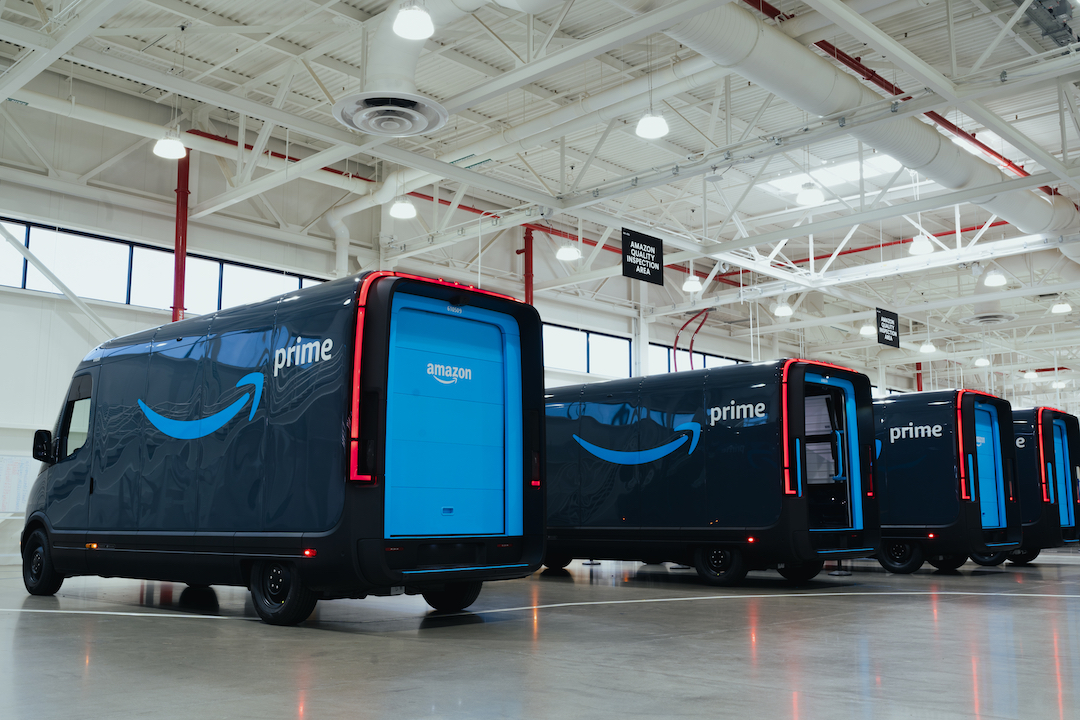
    The e-commerce giant’s commitment to quick delivery, particularly for perishable items, has enabled Amazon to maintain appropriate temperatures for GLP-1 shipments nationwide, Patel added. Amazon has been delivering GLP-1s to patients since 2020. Amazon Prime subscribers can expect to receive their medications within one to two days, while non-Prime members may anticipate an average four-day delivery time, though actual delivery often occurs more quickly.

    In June, Amazon announced plans to extend same-day and next-day delivery to 4000 additional locations by year-end, focusing on small towns and rural areas. The company also intends to invest over US$4 billion to triple its delivery operations by 2026.

    Questions & Answers

    What is the partnership between WeightWatchers and Amazon?
    WeightWatchers has partnered with Amazon to facilitate the delivery of medications, including injectable GLP-1 obesity treatments, to its members via Amazon Pharmacy.

    What impact has the partnership had on WeightWatchers’ shares?
    Following the announcement of the partnership, WeightWatchers saw a 9% increase in its shares, suggesting investor optimism about the financial benefits of the collaboration.

    What measures is Amazon taking to improve medication access in rural areas?
    Amazon has plans to expand same-day and next-day delivery, especially focusing on rural areas. The company has also begun setting up kiosks at some of its One Medical clinics for patients to collect common prescriptions.