Tag: wellness

  • Beautyworld Osaka Welcomes Record 37,561 Trade Visitors

    Beautyworld Osaka Welcomes Record 37,561 Trade Visitors

    Beautyworld Osaka drew a record 37,561 trade visitors over its three-day run from 19-21 October 2026 at INTEX Osaka, representing a 7.3 per cent increase from the previous year. The western Japan beauty event brought together buyers, salon operators and trade professionals evaluating commercial supplier agreements.

    A total of 573 exhibitors from Japan and overseas presented products and services across aesthetic, hair, nail, eyelash, wellness and other beauty-related sectors. International participation accounted for 91 exhibitors representing six countries and regions: China, Hong Kong, Ireland, Korea, Taiwan and Thailand.

    Organiser Messe Frankfurt deployed 12 exhibition zones across the venue floor, introducing a dedicated Sleep + Recovery zone that displayed recovery wear alongside sleep-related goods and services. The Korean Pavilion also returned to the show floor, giving cross-border companies direct access to explore sales channels and prospective Japanese business partners.

    New Retail Zones and Sourcing Floors

    Organisers divided the show floor into 12 dedicated zones, adding a Sleep + Recovery section to target consumer demand for functional sleep aids and recovery apparel. The specialized floor featured wearable recovery products alongside items intended to improve sleep routines for retail shelves.

    Business negotiations took place primarily in the Premier Hall, which housed a Clinic Care zone restricted to medical professionals. Alongside the product booths, the Japan Nailist Association staged the Osaka Nail Forum, drawing salon technicians and store owners sourcing professional inventory.

    Trade education played a central role in driving footfall across the halls. The event ran 31 presentations, technical demonstrations and seminars across seven stages, including dedicated tracks for medical aesthetics, hair and nail care. A series of hands-on workshops in the Premium Seminar program restricted attendee numbers to smaller groups to review practical application techniques.

    Cross-Border Brands Target Japanese Shelves

    The return of the Korean Pavilion gave South Korean beauty manufacturers a concentrated platform to negotiate distribution deals with regional Japanese retail partners. Western Japan remains an essential proving ground for foreign cosmetics labels seeking accounts outside the competitive Greater Tokyo department store and drugstore chains.

    For retail buyers and department store category managers, expanding the show into sleep recovery items reflects a broader shift on pharmacy shelves toward functional wellness. Japanese consumers increasingly treat nighttime recovery as part of daily personal care rather than a medical issue, prompting buyers to secure inventory that pairs topical cosmetics with functional apparel.

    The competition between domestic beauty distributors and incoming regional suppliers now centers on retail shelf allocations for hybrid wellness goods. Retail operators face inventory risk if they commit display space to premium recovery wear before consumer adoption catches up to promotional claims, yet drugstores that ignore sleep merchandise risk ceding foot traffic to specialty lifestyle chains.

    Trade Fair Network Expands

    The Osaka show forms part of a broader commercial network managed by Messe Frankfurt, which operates Beautyworld trade exhibitions across nine cities including Tokyo, Fukuoka, Nagoya, Taipei, Dubai, Riyadh, Tashkent and Grasse. Osaka serves as the company’s anchor commercial gateway for the Kansai regional market.

    The 2026 turnout surpassed the previous year’s gate figures across all three exhibition days, demonstrating steady procurement budgets among salon chains and retail distributors despite broader cost pressures across consumer goods supply chains.

    The next edition of Beautyworld Osaka is scheduled to run from 18 to 20 October 2027, taking over Halls 1, 2, 4, 5, 6A and 6B at INTEX Osaka.

  • Index Living Mall Invests up to 100 Million Baht in Bangkok Sports Complex

    Index Living Mall Invests up to 100 Million Baht in Bangkok Sports Complex

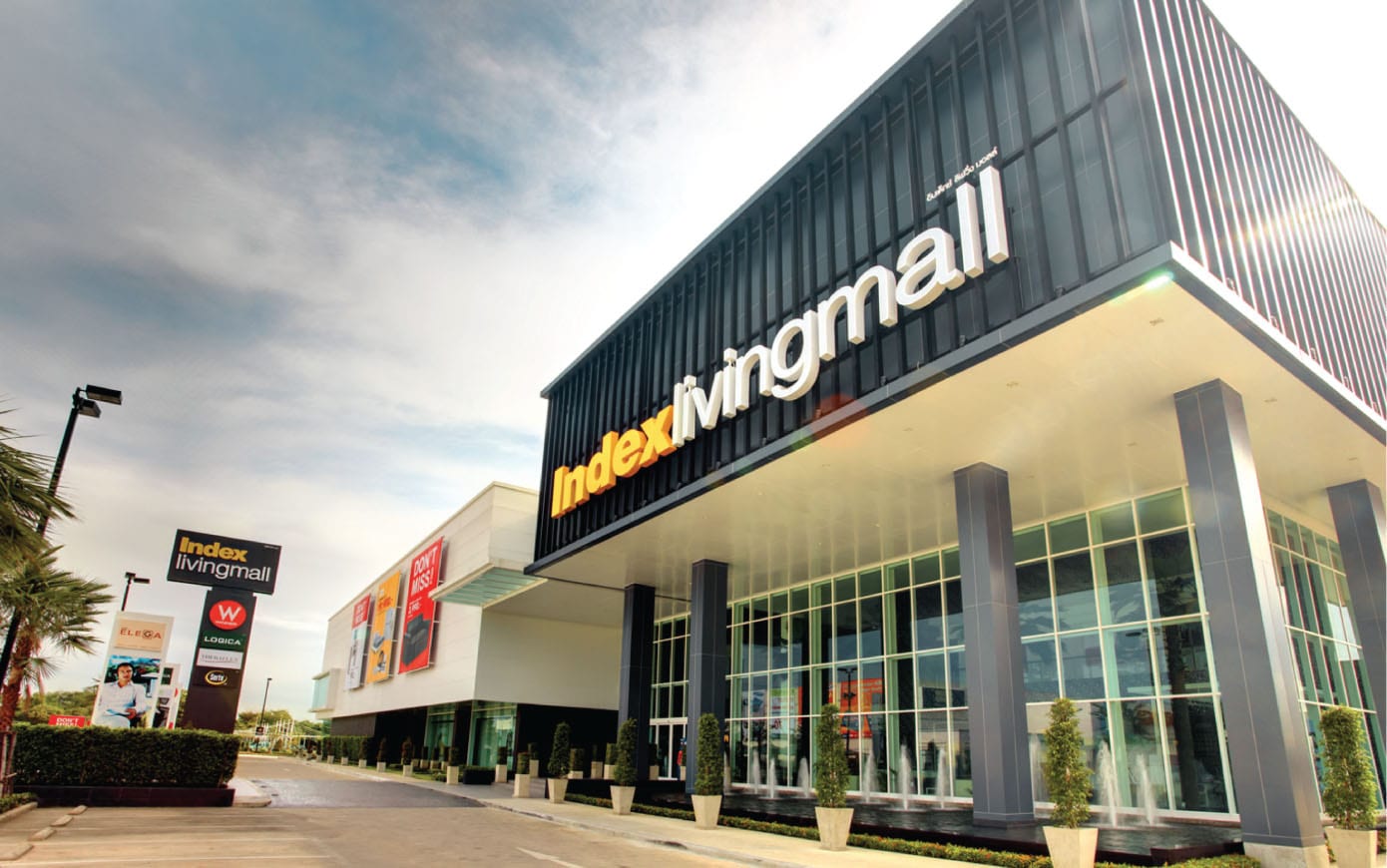
    Index Living Mall Plc (ILM) has invested between 80 million and 100 million baht to launch Talent Sport Academy, an indoor sports complex at The Walk Ratchaphruek in western Bangkok.

    Chief property management officer Ekalak Patamasatayasonthi said the company expects the athletic hub to lift foot traffic at the community mall by 5 to 7 per cent, with consumer spending projected to climb 10 per cent.

    The venue targets annual revenue of 15 million baht directly from the academy, capitalising on rising fitness demand following a year in 2025 when Thailand’s fitness industry revenue topped 12 billion baht.

    Rethinking Community Mall Real Estate

    The Walk Ratchaphruek currently draws about 5,000 visitors a day on weekdays and 8,000 on weekends. The facility features three popular sports — tennis, pickleball and basketball — targeting the “premium mass” segment while also offering customisable training programmes led by professional coaches.

    The location aligns with the Ratchaphruek area’s demographic profile, which comprises high-end families and offers strong growth potential due to robust purchasing power, Mr Ekalak said. The area is also home to international schools, prestigious educational institutions and extensive amenities, with connectivity linking Bangkok to Nonthaburi and Pathum Thani provinces.

    Mr Ekalak said the investment is part of ILM’s growth strategy to develop new revenue streams alongside its core business. The academy will maximise space utilisation and create opportunities to attract new tenants, such as lifestyle brands, apparel retailers, sports equipment stores, and health-focused food and beverage outlets, while broadening the customer base to include sports and wellness enthusiasts.

    The Talent Sport Academy is expected to strengthen the education centre zone, which occupies over 30% of the retail space at The Walk Ratchaphruek, Mr Ekalak said.

    Fitness Sector Momentum

    The academy aligns with the growing wellness trend. The global wellness economy is projected to reach US$7.9 trillion by 2026, with an average annual growth rate of 7.6% over the past three years, according to the Global Wellness Economy Monitor by the Global Wellness Institute.

    Thai consumers are mirroring this trend, with more individuals regularly engaging in physical activities and opting for paid fitness services, Mr Ekalak said. According to Kasikorn Research Centre, Thailand’s fitness industry revenue exceeded 12 billion baht in 2025, an 18% increase, with over 80% of the market concentrated in the Bangkok metropolitan area, which has high purchasing power.

    Pipeline Across Suburban Locations

    The company plans to open 1-2 sports complexes annually in “The Walk” or “Little Walk” projects, initially focusing on high-potential locations with consistent foot traffic. Two additional branches are scheduled to open in 2027 at Little Walk Liap Khlong Song and Little Walk Phran Nok.

    The company currently operates three The Walk and seven Little Walk projects in Thailand.

  • Best World CEO Dora Hoan Elected Chair of Global Direct Selling Body

    Best World CEO Dora Hoan Elected Chair of Global Direct Selling Body

    Best World International co-founder Dora Hoan has been elected chair of the World Federation of Direct Selling Associations at the organization’s 18th world congress in Incheon, South Korea.

    Hoan makes history as the first executive from the Asia-Pacific region to head the federation across its 48-year history.

    The appointment, confirmed during the event running from Oct 19 to 21, places the co-chairman and global chief executive of Singapore-headquartered Best World atop the global industry body as direct sellers navigate artificial intelligence and shifting consumer habits.

    Governance and Regulatory Scrutiny

    Direct selling networks face heightened oversight across regional consumer markets, particularly in Asia where regulators scrutinise multi-level distribution structures and product claims. Hoan’s tenure will focus on engagement with state authorities, consumer protection standards, compliance frameworks and the controlled use of digital tools including artificial intelligence.

    Traditional direct sellers must also defend margins against social commerce platforms that replicate distributor networks without the structural overhead. Operators in the segment increasingly confront digital distributors that use algorithmic targeting rather than personal sales relationships to shift personal care stock.

    Distributor Demographics and Digital Shift

    Younger demographics form the backbone of modern Asian direct sales channels. Within the group’s subsidiary Best World Lifestyle, 69 per cent of distributors are women aged 44 and below, a distribution base Hoan identified as critical for female economic participation and flexible work arrangements.

    Maintaining distributor retention while deploying automated selling tools presents the operational friction. Hoan addressed the balance during the Incheon congress, stating that the sector must adopt digital technologies without discarding the personal contact that drives consumer loyalty.

    “We are not in a hurry to become bigger,” she noted. “What matters to us is becoming better.”

    Expansion Across Regional Markets

    Hoan and Doreen Tan founded Best World in 1990 as a regional distributor of personal care, health supplements and skincare items. The enterprise subsequently built cross-border distribution channels that now cover 27 markets.

    The operational priority for the trade federation shifts toward establishing consistent compliance baselines across national associations. Member companies across Southeast Asia and East Asia will monitor how Hoan’s regulatory discussions alter consumer sales standards and local licensing requirements over her term.

  • Jessica Sepel Tracks Decade-Long Shift to Preventative Wellness

    Jessica Sepel Tracks Decade-Long Shift to Preventative Wellness

    Consumer wellness is experiencing a fundamental change as shoppers move away from reactive remedies toward proactive health routines, according to Jessica Sepel in September 2026.

    Over the past decade, consumers have increasingly prioritized daily habits and preventative measures to safeguard their future wellbeing rather than waiting to address emerging health concerns.

    Surging Adoption Meets Low Shelf Satisfaction

    Shoppers are replacing reactive remedies with preventative routines. They are buying supplements, specialized nutrition, and metabolic support earlier in life. Women in transition stages try an average of 3.3 more interventions than women at other life stages, and 2.9 more than male consumers.

    Retail shelves have failed to keep pace. In the consumables category, 90 per cent of surveyed women in menopause have purchased at least one wellness product. Only 35 per cent report that the product met their health requirements. The shortfall stems from generic formulation strategies that ignore sex-differentiated hormonal aging.

    The Healthspan Deficit Driving Basket Size

    Underlying the commercial disconnect is a structural gap between lifespan and healthspan. Women outlive men by roughly five years worldwide. However, they spend 25 per cent more of their lives managing illness or disability.

    This disparity drives steady demand across Asia-Pacific markets, including China, India, and Japan. Retailers stocking unisex longevity lines miss out on high-spending shoppers seeking targeted hormone, sleep, and metabolic formulas. Brands offering verified clinical efficacy can take market share directly from legacy multivitamin labels.

    Category Shifts Across Asian Pharmacies and E-Commerce

    For health retailers and cross-border platforms, preventative longevity signals a structural break from quick-fix symptom treatments. Wellness brands built on broad lifestyle positioning now face buyers demanding targeted clinical data before committing to repeat subscriptions.

    Supply chain priorities are shifting for vitamin and dietary supplement manufacturers. Formulators who relied on standard herbal blends must invest in specialized compounds for hormonal transitions, bone density, and cellular aging to protect distribution in major pharmacy chains.

    Earlier Baseline and Future Commercial Benchmarks

    The product gap follows years of longevity protocols built on male clinical baselines. Research published in December 2024 by JAMA Network Open documented systematic healthspan-lifespan disparities across 183 World Health Organization member states, opening doors for direct-to-consumer disruption.

    Manufacturers and retail category buyers will review updated demographic conversion metrics at the upcoming St. Moritz Longevity Forum proceedings as brands prepare 2027 product pipelines for key Asian and Western consumer markets.

  • True Fitness and True Yoga Abruptly Close All Studios in Singapore

    True Fitness and True Yoga Abruptly Close All Studios in Singapore

    True Fitness and True Yoga abruptly closed all of their studios across Singapore earlier this month, including the flagship 41,000-square-foot TFX club at Millennia Walk. Parent company Kontafarma cited fierce competition from boutique studios, residential condominium gyms, and online workout options for the shutdowns.

    The closures come amid what Singapore Fitness Alliance president Sean Tan calls a golden age of fitness, with Sport SG data showing 76 per cent of residents exercised at least once a week last year, up from 66 per cent in 2019.

    Conventional big-box gyms spanning upwards of 15,000 square feet face steep fixed costs in rent, equipment, and staffing. According to industry experts, mid-market operators are struggling with profitability as consumers migrate to specialized boutique setups or low-cost 24-hour franchises.

    Boutique operators take a different route, running studios between 1,000 and 2,500 square feet for single disciplines like reformer pilates, indoor cycling, or personal training. At the budget end, automated 24-hour chains like Anytime Fitness, Snap Fitness, and 24/7 Fitness lease 4,000 to 6,000 square feet in suburban heartlands. They skip expensive shower blocks and wet areas to protect unit margins.

    The Math Behind Prime Real Estate Leases

    Institutional leasing terms drive most of the pain. Singapore Fitness Alliance data shows industry operating margins historically sit between 15 and 25 percent, with rent absorbing 15 to 20 percent of gross revenue. Recent talks with real estate investment trust landlords tell a different story. Rental demands now eat up 30 to 40 percent of total turnover.

    Commercial REIT managers face pressure to deliver distribution growth each year, driving them to push for tighter base rents and turnover clauses. For independent operators, building out a modern facility requires heavy upfront capital. Commercial strength equipment alone costs between S$15,000 and S$20,000 per machine before shipping, taxes, and installation.

    Monthly overheads add up fast. Running a 4,000-square-foot facility in Singapore’s central business district takes roughly S$40,000 a month across servicing, software, cleaning, and staff wages. Operators carrying fit-out debt from earlier expansions cannot keep up when turnover rents jump at renewal.

    Market Squeeze on the Middle Tier

    Property owners lose reliable anchor tenants when big gyms pull out of upper floors. Those large spaces once drove steady weekday foot traffic. Landlords now must chop multistory tenancies into smaller units, spending extra capital on mechanical and electrical alterations. That shifts leasing risk toward smaller boutique operators on shorter three-year terms.

    Consumers no longer rely on a single club pass. Instead, residents combine free condo gyms and subsidised ActiveSG facilities with boutique class packs, corporate pickleball sessions, and run clubs. Mid-tier operators get squeezed from both sides. Without budget pricing or elite coaching, their retention rates tumble.

    “Demand is not the problem. Being nothing in particular is the problem. Not the cheapest, not the best, so people drift out of the middle.”

    Shifting Footprints and Suburban Relocations

    Rising costs are driving established operators toward suburban transit hubs. Local brand Amore Fitness, which runs women-only gyms and day spas across nine locations, shut branches at Jurong Point and Seletar Mall while securing newer sites at CPF Jurong Building and Punggol Coast Mall. The chain added reformer pilates and recovery areas to keep members from spending elsewhere.

    Specialist studios are betting on high-touch service to fend off price wars. Surge Strength & Results runs three studios focused on one-on-one personal training. The business spent over S$50,000 on coach education last year, prioritising client accountability over basic access. UFIT took a similar tack, adding physiotherapy, podiatry, and sports nutrition alongside group conditioning across its four outlets.

    Upcoming Renewals and Format Adjustments

    Thousands of displaced True Fitness members are now hunting for alternative gyms. That opens a direct customer pipeline for suburban 24-hour franchises and niche studios. Meanwhile, landlords holding empty mega-format spaces are reviewing subdivision plans and reconfigurations ahead of upcoming lease cycles.

    Gyms negotiating 2027 lease extensions will run into stricter landlord terms on fit-out spending and revenue guarantees. Malls now favour high-turnover experiential tenants over traditional, large-format fitness clubs.

  • Salon Lane Opens 675-Square-Metre Melbourne Duplex in Victorian Expansion

    Salon Lane Opens 675-Square-Metre Melbourne Duplex in Victorian Expansion

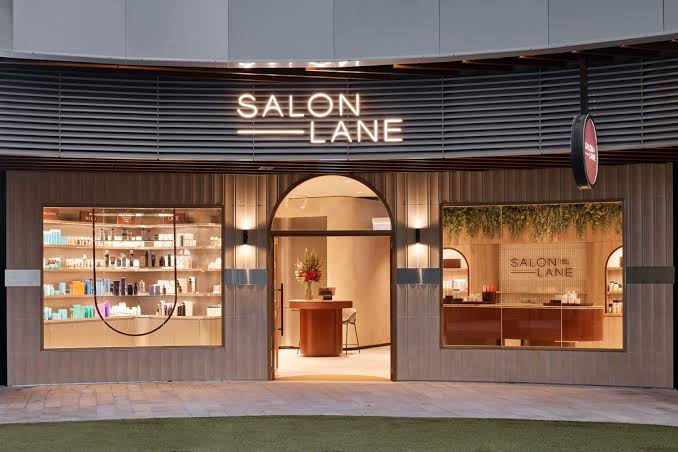
    Salon Lane will open a 675-square-metre duplex at Richmond Square in Melbourne in February. The launch expands the shared salon operator into Victoria.

    Up to 50 independent practitioners will work out of the two-level facility. They cover hair, aesthetics, skin, brows, lashes, wellness and nail care. It is the company’s sixth location nationally.

    Inside the Richmond Square Layout

    The space holds 21 private studios and 14 open workstations alongside specialized service stations. Architecture firm X+O designed the interior layout. The design brings an artistic visual identity tailored to Melbourne’s retail corridor.

    Customer amenities include a dedicated wash lounge, nail and colour stations, a client lounge with a coffee bar, and an on-site retail store. Independent beauty professionals get access to a private member lounge and back-of-house infrastructure. They run autonomous businesses under one roof.

    The Shared Real Estate Model

    Co-working salon hubs alter conventional retail leasing by gathering independent operators into a single anchor tenancy. For commercial landlords, this structure lowers vacancy risk. It replaces individual small-lease negotiations with a single master tenant.

    Commercial pressure falls directly on workstation utilization and tenant retention. Independent practitioners must generate steady foot traffic to cover recurring station costs. At the same time, the operator relies on full occupancy across private suites and open chairs to protect margins.

    Expanding From East Coast Hubs

    Salon Lane built its footprint across five locations in Sydney and Brisbane before committing to Melbourne. This expansion tests whether the shared-space beauty model can duplicate its northern East Coast momentum in a competitive personal care market.

    Doors open at Richmond Square in February for the initial intake of 50 independent operators.

  • At Least 8 Longevity Centres Open in Singapore as Young Consumers Drive Demand

    At Least 8 Longevity Centres Open in Singapore as Young Consumers Drive Demand

    At least eight longevity and recovery wellness centres have opened across Singapore over the past four years. Consumers in their twenties and thirties drive this growth by paying for preventative physical therapies. Facilities offer non-invasive services including infrared saunas, cold plunge tubs, magnesium salt baths and red light therapy.

    Commercial wellness spending is shifting away from traditional gym memberships toward recovery-focused retail spaces. Younger patrons now pay hundreds of dollars out of pocket each month. They are building health regimens decades before retirement.

    Shifting Consumer Demographics at Recovery Spaces

    Primary customer intake at specialized longevity centres no longer consists solely of older demographics or rehabilitating athletes. House Longevity brand manager Lukas Kok noted that most of the centre’s roughly 50 regular clients are in their early thirties. These customers seek non-invasive routines with lower entry costs than medical clinical procedures.

    Younger consumers are establishing steady spending patterns. Garrison Lim, a 24-year-old occupational therapy assistant, spent approximately S$400 since June on bi-weekly sessions covering saunas, cold plunges, magnesium baths and red light exposure. Young professionals and content creators treat these visits as routine personal maintenance, not occasional spa indulgences.

    Commercial Real Estate and Clinic Formats

    Clinic fit-outs demand specialized commercial plumbing, high-power electrical setups for saunas, and dedicated drainage for cold plunges. Operators are taking up retail and shophouse space across Singapore. They are building communal recovery hubs funded by membership tiers or single-session bookings.

    Recovery spaces compete directly with boutique fitness studios and premium day spas for discretionary wellness budgets. Operators position their services as functional health investments rather than cosmetic pampering. They focus on cellular recovery, inflammation reduction and joint preservation.

    Social Visibility and Consumer Psychology

    Social platforms play a direct role in customer acquisition for these clinics. Chen Lou, an associate professor studying consumer psychology at Nanyang Technological University, observed that younger cohorts encounter longevity concepts primarily online. In these feeds, recovery practices double as lifestyle markers.

    “These treatments are quite experiential so they can become not only a wellness activity, but also part of someone’s lifestyle and social identity that is shareable on social media,” Lou said. Visual spaces allow operators to lean on organic user posts rather than traditional outbound advertising.

    Market Outlook for preventative Health Retail

    Client education and treatment efficacy present ongoing operational challenges. Operators must balance customer throughput with strict safety protocols. Cold-water immersion and intense heat therapies can pose cardiovascular risks to unconditioned clients.

    Recurring subscription costs will test consumer retention across the sector in coming quarters. Landlords and operators are watching whether independent recovery studios consolidate into regional retail chains across Southeast Asian cities.

  • Natura Bissé Targets 102 Million Euros in Hotel Revenue by 2030

    Natura Bissé Targets 102 Million Euros in Hotel Revenue by 2030

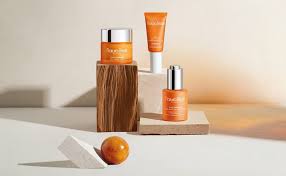
    Natura Bissé plans to double revenue from its hotel and spa division to €102 million by 2030. The growth strategy relies on expanded commercial supply deals with international luxury operators.

    That target represents a sharp increase from the €47 million generated across the channel in 2025. The Spanish skincare brand confirmed the projection in Barcelona alongside the renewal of its sponsorship as official spa partner of The World’s 50 Best Hotels.

    Expanding Across Asian Luxury Portfolios

    Current partnerships put the brand in more than 400 properties across nearly 60 countries. Operating partners include Mandarin Oriental, Rosewood, The Ritz-Carlton, Four Seasons, Waldorf Astoria, St. Regis and Grand Hyatt. These accounts give the label direct distribution across premier gateway properties in Tokyo, Hong Kong, Singapore and Bangkok.

    Hoteliers and spa directors across Asia-Pacific now treat branded wellness as a primary revenue driver rather than a secondary amenity. Integrating high-ticket spa treatments with room amenities drives recurring retail conversion when guests buy full-sized formulations after treatment sessions.

    Amenity Supply and Treatment Networks

    Distribution runs through three channels: professional back-bar products for spa therapists, retail counters inside resort wellness centers, and in-room amenities developed with guest-amenity specialist La Bottega. Portions of the amenity proceeds support the Ricardo Fisas Natura Bissé Foundation.

    Rivalry for luxury hotel space across Asia remains fierce. European heritage brands face persistent competition from regional clean-beauty startups and Japanese clinical labels. Master vendor agreements with Asian-headquartered operators like Mandarin Oriental and Rosewood lock in volume. That wholesale stability shields European brands from cyclical swings on department store beauty floors.

    Sponsorship Terms and Commercial Rollout

    Natura Bissé renewed its exclusive category position with The World’s 50 Best Hotels for a second consecutive year. The company will use the 2026 gathering in Paris to show new treatment protocols to hotel executives.

    “Today, hospitality is one of the driving forces behind the new definition of luxury, where wellness has evolved from an added amenity into an essential part of the guest experience,” said Verónica Fisas, chief executive of Natura Bissé.

    Heading into the final quarter of 2026, the five-time World’s Best Spa Brand winner relies on operator deployment schedules to hit its interim 2028 milestone toward the €102 million target.

  • Birkenstock Opens First Indonesian Concept Store in Bali with 180-Sqm Community Hub

    Birkenstock Opens First Indonesian Concept Store in Bali with 180-Sqm Community Hub

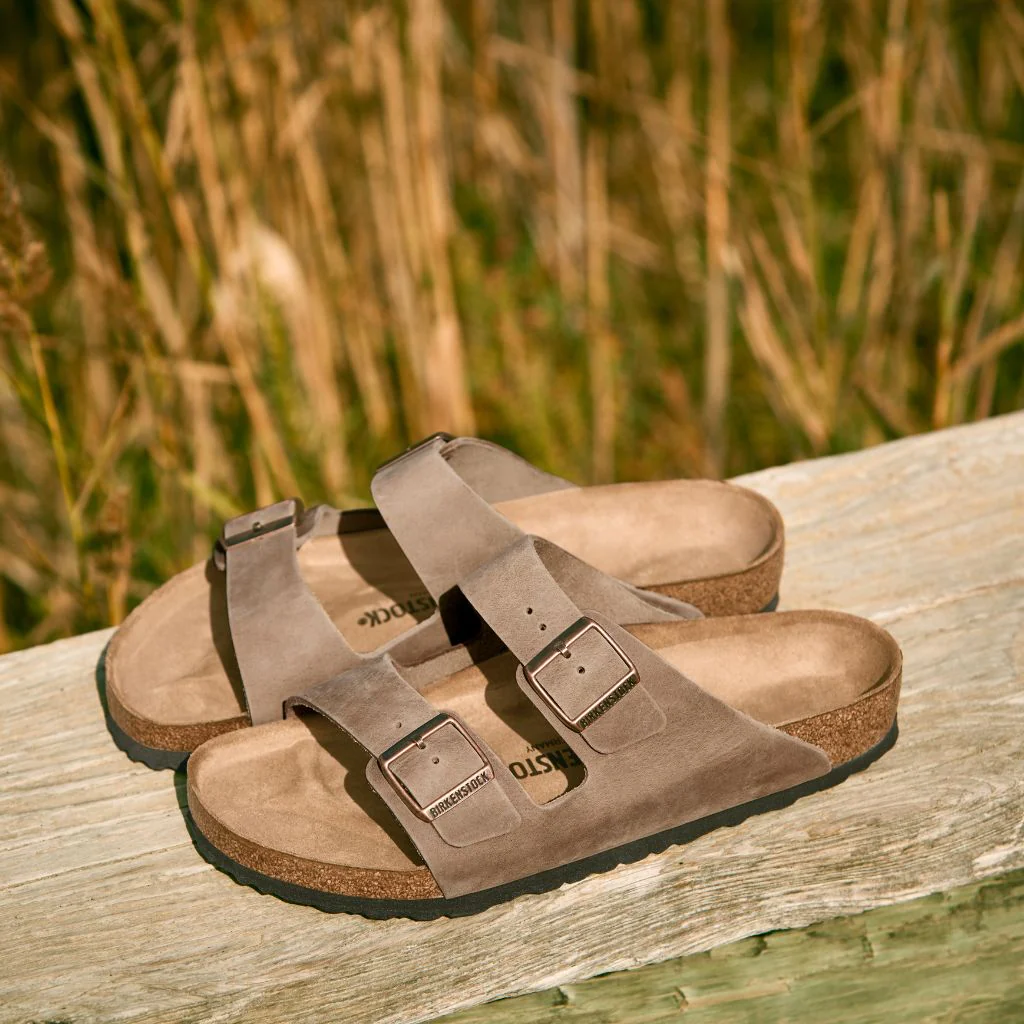
    Birkenstock opened its first standalone concept store in Indonesia on September 10, adding a two-storey, 180-square-metre community space in Ubud, Bali.

    The location takes the German footwear brand into direct retail in Southeast Asia’s largest consumer market after years of selling exclusively through local department stores.

    Balinese Architecture and Premium Footwear

    Architect Yoka Sara designed the Ubud property around traditional Balinese residential layouts, using the concept of ‘Umah’, the local word for home. Sara placed the store entrance around a kitchen layout, reflecting the traditional first room entered in a Balinese house.

    Retail space on the upper floor carries Birkenstock’s higher-margin 1774 line alongside an exhibition detailing shoe assembly methods and raw materials. Adjoining the sales floor, the two-level community hub hosts sound healing sessions, yoga classes, and craft workshops run by local practitioners.

    We want to strengthen our presence in strategic markets while staying true to what defines us; creating experiences that are relevant to the places and communities we become part of.

    Direct Retail Over Wholesale Shelves

    Choosing Ubud over Jakarta shifts Birkenstock’s commercial entry point away from high-traffic Indonesian shopping malls. Bali gives the footwear maker direct access to international tourist footfall and resident expatriates who already know the brand, keeping customer acquisition costs lower than a ground-up push in the capital.

    The format also protects pricing power. Selling premium lines like the 1774 collection inside department stores limits brand control and exposes inventory to concession discounting, whereas a dedicated venue allows Birkenstock to sell full-price stock alongside experiential programming.

    Regional Expansion Track

    Direct store rollouts across Asia-Pacific have accelerated following Birkenstock’s flagship opening in Tokyo’s Shibuya district in July 2026. The shift reflects a wider push across the region to convert third-party wholesale accounts into owned mono-brand flagships in primary resort and metropolitan locations.

    Store traffic metrics from Ubud will determine whether Birkenstock expands the standalone concept into Jakarta and Surabaya mall developments later in the financial year.

  • Spate and Vogue Business Track Top 5 Beauty and Wellness Trends

    Spate and Vogue Business Track Top 5 Beauty and Wellness Trends

    The Vogue Business Beauty Tracker, produced in collaboration with Spate, tracks the top 5 brands, trends, and ingredients driving significant year-on-year growth.

    Haircare search data from August 2025 to July 2026 highlighted growing interest in active follicle health solutions, including redensyl, peptide serums, and rice water hairspray.

    Clinical scalpcare leads hair category

    Brand interest centered on science-backed and premium solutions, with Labo-H trending for Korean scalpcare and hair loss prevention, alongside Bare Anatomy, UltraSwim, Iso Beauty, and Bvlgari Beauty.

    Swimming-specific cleansers from UltraSwim and salon-grade styling tools from Iso Beauty recorded steady increases, alongside luxury hybrid cleansers from Bvlgari Beauty. On TikTok, content centered on practical styling and protection gathered engagement, with hashtags for fast curly hair routines and freshwater mineral protection drawing steady viewership.

    Bodycare shifts to clinical active ingredients

    In body treatments, consumer preference moved toward exfoliating and brightening actives typically used in facial skincare during the July 2025 to June 2026 period. Alpha hydroxy acid body lotions, kojic acid formulations and hand exfoliators logged steady volume gains, alongside muscle recovery products such as epsom salt lotions.

    Brand interest concentrated on sensitive skin and barrier support lines. Australian brand QV Skincare recorded rising interest for barrier-repair lotions, while Curology drew search gains for dermatologist-led body acne treatments. Naked Bee expanded visibility for honey and oatmeal formulas, while Luna Daily captured queries for microbiome-balanced intimate care products.

    Functional delivery formats reshape wellness

    Wellness searches reflected demand for targeted, screen-free and non-pill formats over the 12 months to June 2026. Wearable dopamine patches for focus, acupressure wristbands for motion sickness, and screenless fitness trackers outpaced standard health devices in monthly search acceleration. Liquid zinc and male fertility nutritional supplements recorded higher query volumes across preventive health channels.

    Specialist wellness labels captured the shift toward single-benefit nutrition. Artemis Tea gained traction for organic herbal infusions, Nancy’s Probiotic logged search growth for cultured nutrition, and Sparkle Wellness grew search share through collagen powders targeting skin and joint vitality.

    For retailers across the Asia-Pacific region, the data confirms that personal care margins are shifting away from generic beauty counters toward specialized, clinical formulations. Department stores and health-and-beauty chains that allocate shelf space to dermatological actives and targeted scalp solutions will capture higher spend per basket than those relying on standard mass-market shampoos and washes.

    The risk sits with legacy beauty manufacturers that depend on generalized marketing claims without published active percentages. Consumers now search directly for specific compounds such as redensyl and kojic acid, leaving little room for unformulated private-label products to compete on price alone.

    This search acceleration builds on a two-year migration toward functional personal care across Asian metropolitan hubs, where scalp clinics and derma-skincare lines have steadily replaced multi-step cosmetic routines. Retail buyers in Seoul, Singapore and Mumbai spent late 2025 rebalancing shelf inventory toward pharmacy-adjacent brands.

    Merchandisers now look to fourth-quarter procurement orders to see whether high search volumes for topical actives translate into sustained reorder rates across regional drugstores through the first half of 2027.

  • DSG Consumer Partners Buys Singapore Wellness Brand Bback

    DSG Consumer Partners Buys Singapore Wellness Brand Bback

    DSG Consumer Partners has acquired Singapore recovery and wellness brand bback from Evo Commerce, taking control of a business distributed across more than 400 retail outlets.

    The venture capital firm completed the buyout alongside Saket Gore, the former Asia Pacific chief executive of Himalaya Wellness, who steps in as bback’s chief executive.

    Retail footprint and executive shift

    Bback started as an alcohol recovery brand before adding hydration and liver wellness formulations to its catalogue. In Singapore, the brand sells through pharmacy chains Guardian and Watsons as well as online platforms. The companies did not disclose financial terms of the transaction.

    Under the new ownership structure, bback plans to broaden its product line beyond hangover remedies into a wider range of daily recovery and functional health items. Singapore will remain the brand’s primary market in the near term.

    Consolidation in regional consumer health

    Consumer health and functional wellness labels in Southeast Asia face increasing pressure to move beyond direct-to-consumer online sales into established pharmacy chains and convenience store networks. Scaling those physical footprints requires professional operating leadership and deeper supply chain funding.

    The immediate milestone to watch is bback’s rollout of its expanded wellness formulations across its existing 400 retail points of sale in Singapore under Gore’s management.

  • Blackmores Targets 18.6% Growth in Thailand with Fizzy Granule Launch

    Blackmores Targets 18.6% Growth in Thailand with Fizzy Granule Launch

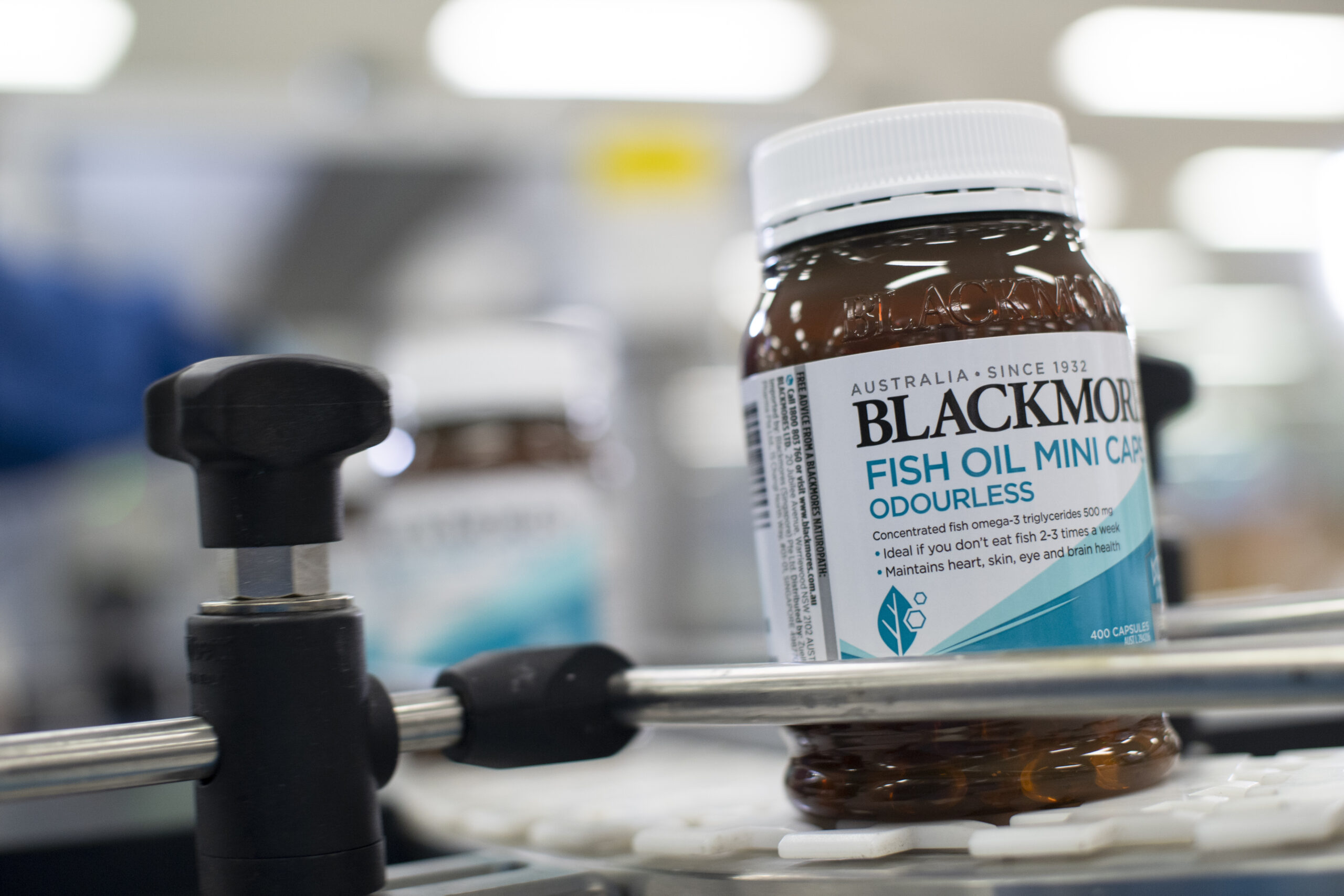
    Blackmores launched its first fizzy granule vitamins in Thailand as the Australian health brand targets 18.6 per cent revenue growth in the country for 2026.

    The target builds on a 16.8 per cent year-on-year sales increase recorded during the first half of the year.

    Three functional formulations

    Branded as Blackmores Fizzers, the line packages vitamins in single-serve sachets designed to be dissolved in cold water, melted directly on the tongue, or chewed. The format abandons traditional tablet designs to appeal to Gen Z and millennial consumers looking for portable options.

    The range includes three formulations aimed at specific health routines. Immu Plus combines vitamin D3, vitamin C, zinc, and L-leucine in an orange flavour for daily immune support. Nicotinamide Plus uses a mixed berry flavour containing nicotinamide, zinc, vitamin C, and L-leucine for skin health. Performance Plus carries a strawberry and apple flavour formulated with 225 milligrams of magnesium and L-leucine to aid muscle recovery.

    Influencer marketing and category competition

    Priti Halai, country manager of Blackmores Thailand, said the rollout reflects a shift toward product formats that match changing consumer habits in an increasingly crowded supplements market.

    Competition is fierce, and brands must deliver value that resonates with real consumer needs.

    Marketing for the launch will rely primarily on influencer partnerships across digital platforms to build awareness among younger demographics. The shift toward confectionery-style and water-soluble vitamin formats across Southeast Asian retail reflects how legacy supplement makers are defending shelf space against direct-to-consumer wellness brands.

    Retail performance in the final quarter will show whether the sachet line generates enough traction to hit the company’s full-year 18.6 per cent expansion target.

  • Lululemon Launches Wellbeing Garden Activation in Shanghai

    Lululemon Launches Wellbeing Garden Activation in Shanghai

    Lululemon launched its Wellbeing Garden activation in Shanghai on October 10, bringing its global Wellbeing for All campaign to mainland consumers. The project anchors community gatherings around physical movement and mental wellness across the city.

    The Canadian athletic apparel maker designed the installation to merge mindfulness exercises with product shows. Shoppers and fitness participants can access instructor-led sessions, interactive wellness spaces, and product trials on site.

    Community Building in China

    Experiential retail remains central to how international sports brands build customer loyalty in Tier 1 Chinese cities. Rather than relying solely on conventional store formats, sportswear labels deploy outdoor pop-ups, run clubs, and yoga sessions to keep foot traffic connected to physical stores.

    Lululemon has built its mainland presence around store ambassadors and free community workouts. The Shanghai garden activation extends that playbook by creating a dedicated destination outside standard shopping mall footprints.

    Competition in Premium Activewear

    Mainland China continues to attract intense competition among premium athletic and outdoor brands. Global names face rising domestic sportswear labels that are expanding their own lifestyle and technical apparel ranges.

    The Shanghai activation runs as retail operators across China watch fourth-quarter foot traffic patterns and community participation figures closely.

  • Revolutionizing Employee Health: LivWell Broadens Wellness Ecosystem in Vietnam with Innovative InsurTech Solutions

    Revolutionizing Employee Health: LivWell Broadens Wellness Ecosystem in Vietnam with Innovative InsurTech Solutions

    LivWell, a leading Singapore-based InsurTech firm, has announced plans to broaden its OneHealth employee benefits scheme in Vietnam. The expansion includes the development of specialized insurance solutions, focused on various health conditions.

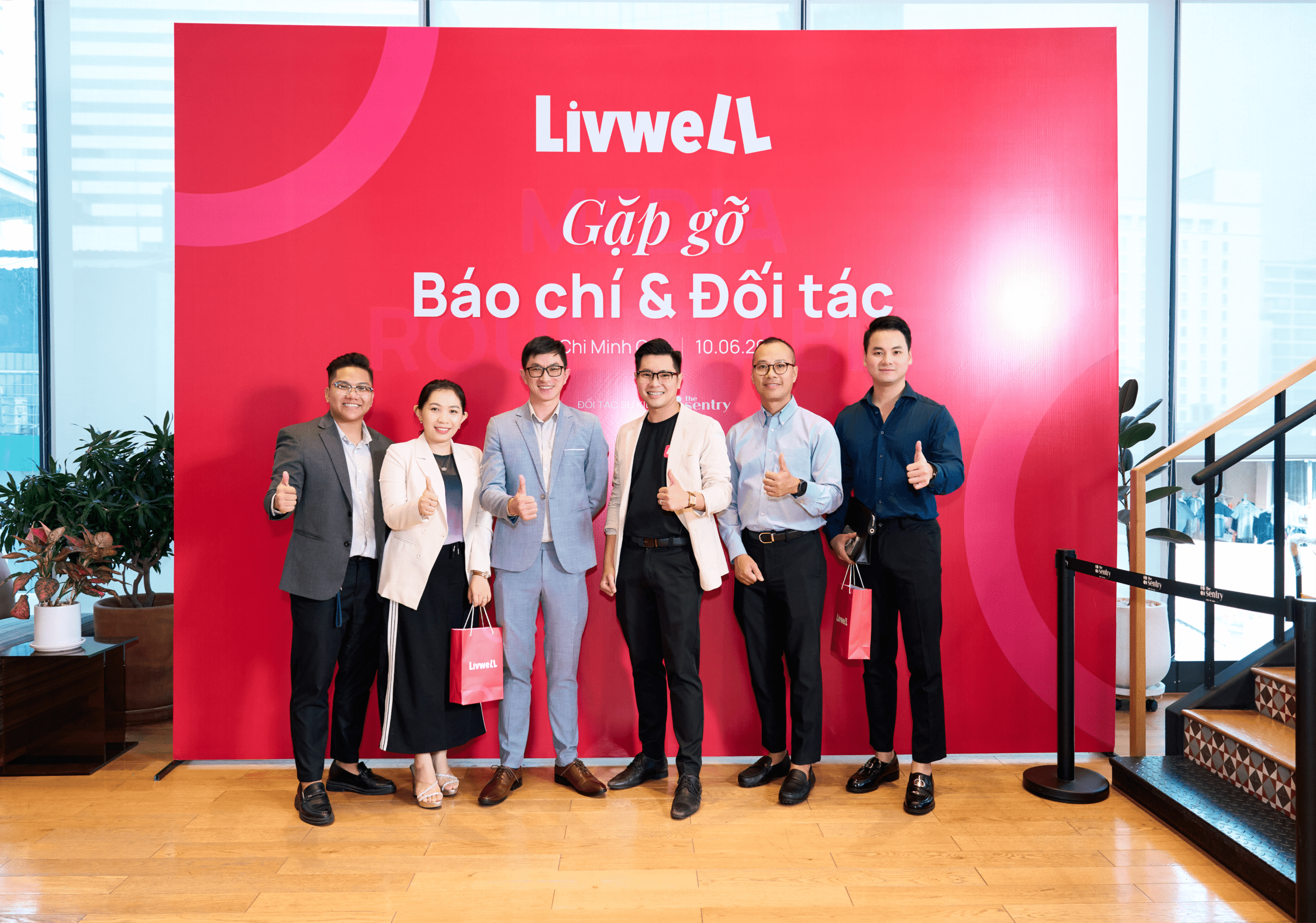
    The company’s decision to expand its services and offerings was announced during a strategic conference held in Ho Chi Minh City, where LivWell also revealed new partnership agreements with InSmart and DiaB.

    Revolutionising Health and Wellness Benefits

    LivWell aims to transform OneHealth from a traditional employee benefits solution, primarily focused on medical expense reimbursement, into a comprehensive healthcare platform. This integrated platform is aimed at consolidating preventive care, financial protection and long-term health support.

    This all-inclusive platform combines numerous elements of health, including insurance, healthcare services, wellness incentive programs, and health monitoring tools, all within a single application.

    For employers, OneHealth delivers a unified view of workforce health and benefits utilization, aiding benefits management. Meanwhile, employees can use the LivWell app to monitor their health indicators while availing themselves of health screenings, workplace wellness activities, and healthcare services.

    Emphasizing the need for proactive health management, Nikhil Verma, Co-Founder and Group CEO of LivWell, said, “We aim to help organizations cultivate healthier workplaces where health is proactively managed and every employee gets the necessary support throughout their wellness journey.”

    Enhancing Workplace Productivity and Reducing Out-of-Pocket Expenses

    LivWell cited studies to illustrate that a staggering 70% of adults believe wellness programs boost workplace productivity. However, Vietnamese households continue to pay nearly 39.5-40% of healthcare expenses out of pocket, despite having public and private health coverage. This figure starkly contrasts with the World Health Organization’s recommended out-of-pocket expenses in the range of 15-20%.

    LivWell’s partnerships with InSmart and DiaB aim to address these issues. The collaboration allows users to submit insurance claims and monitor benefits through the LivWell app, in addition to providing remote consultations, personalized nutrition guidance, and chronic disease management services.

    Additionally, LivWell announced plans to create insurance products specifically for individuals with certain health conditions, starting with cancer. Noting the financial burden of cancer treatment, the company mentioned that patients often pay up to 70% of the treatment cost by themselves.

    Balakrishnan Ambat, Co-Founder and CEO of LivWell Vietnam, reiterated the company’s commitment to not only providing for treatment costs but also encouraging healthier lifestyles to prevent illness.

    LivWell’s expanded ecosystem and future condition-focused insurance products intend to contribute to the evolution of employee health benefits in Vietnam, by aiding businesses in investing in workforce wellbeing and expanding access to healthcare services throughout different life stages.

    Since 2020, LivWell has served over 320,000 users and supported more than 450 businesses, including small and medium-sized enterprises, with employee benefits and wellness programs.

    Questions & Answers

    What is LivWell’s OneHealth?
    OneHealth is an employee benefits solution by LivWell. The company plans to transform it into a comprehensive healthcare platform integrating preventive care, financial protection, and long-term health support.

    What are some of the features of the OneHealth platform?
    OneHealth combines health insurance, healthcare services, wellness incentive programs, and health monitoring tools within a single application. It provides employees with health screenings, workplace wellness activities, and healthcare services.

    What is the aim of LivWell’s partnerships with InSmart and DiaB?
    The collaborations with InSmart and DiaB will allow users to submit insurance claims and monitor benefits through the LivWell app. They will also provide remote consultations, personalized nutrition guidance, and chronic disease management services.

  • Funday and Barbie Unveil ‘Berry Kisses’ Gummies: Experience Fun and Wellness in a Bite!

    Funday and Barbie Unveil ‘Berry Kisses’ Gummies: Experience Fun and Wellness in a Bite!

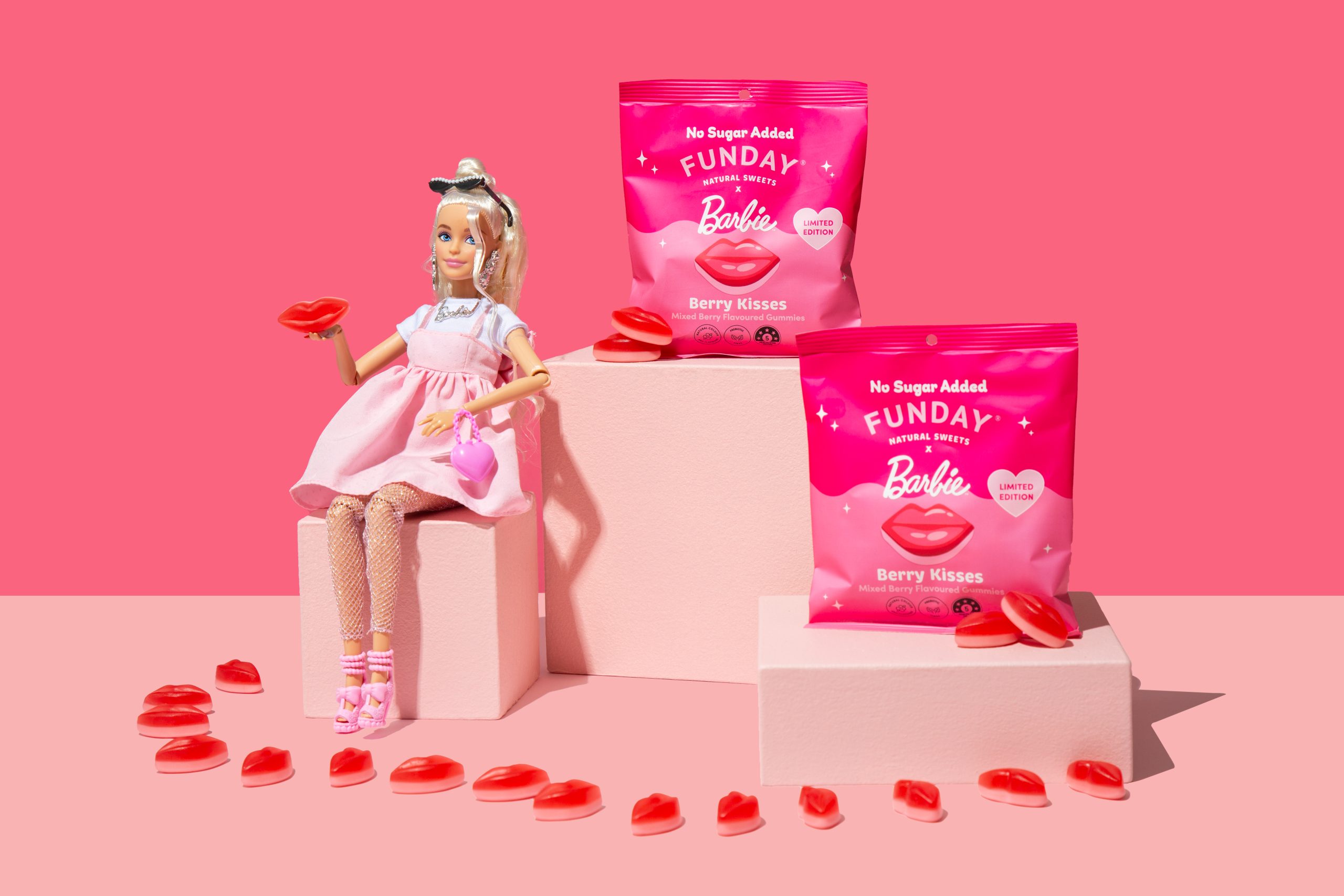
    Funday, a popular confectionery company, has joined forces with Mattel’s iconic doll brand, Barbie, to introduce a new product titled ‘Berry Kisses’. These gummies are infused with a mixed berry flavour, inspired by Barbie’s bright and playful theme.

    Details about the Collaboration

    The highly anticipated gummies are characteristically shaped like kisses and boast a natural pink hue from red radish extract. The product has been formulated with prebiotic fibre and other gluten-free ingredients, ensuring that it does not contain any added sugar. This combination of elements makes ‘Berry Kisses’ a healthy and delicious snack option.

    Founder of Funday, Daniel Kitay, expressed his excitement about this unique collaboration. He commended the partnership for its joyous, bold, and playful nature that allows Funday to explore Barbie’s vibrant world. Yet, he pointed out that the collaboration aligns with Funday’s core values.

    Availability and Pricing

    This new product will be sold in 50g bags with a recommended retail price (RRP) starting from $4.50. The ‘Berry Kisses’ gummies will initially be available online and at Chemist Warehouse from March. Subsequently, they will be rolled out to Woolworths, Ritchies, and independent grocers nationwide in April.

    Last month, Funday expanded its product portfolio by venturing into the chocolate category, further demonstrating its commitment to providing diverse and creative confectionery options.

    Questions & Answers

    What are the main features of the ‘Berry Kisses’ gummies?
    The gummies are shaped like kisses, with a natural pink colour derived from red radish. They are formulated with prebiotic fibre, gluten-free ingredients, and contain no added sugar.

    When and where will the ‘Berry Kisses’ gummies be available?
    They will first be available online and at Chemist Warehouse from March. Starting April, they will be rolled out to Woolworths, Ritchies, and independent grocers nationwide.

    What new category did Funday venture into recently?
    Funday recently launched products in the chocolate category.