Retailers are locking down direct access to automated shopping systems, leaving consumer goods manufacturers scrambling to keep their products visible as buyers hand search queries over to algorithms. Checkout platforms control the transaction pipe, and that proximity gives them the power to dictate terms.
An evaluation of 106 consumer companies published in October 2026 shows all six digital retail platforms evaluated maintain an explicit agentic commerce strategy, with five operating live tools. By contrast, only two out of 53 consumer products manufacturers run an active offering.
The divide reflects who owns customer interactions at the point of purchase. Retailers are deploying their own virtual assistants and linking inventories directly into third-party artificial intelligence engines to protect baskets. Consumer product makers remain largely relegated to optimizing product descriptions so language models recommend their items.
Early Revenue Shows High Basket Sizes
Conversion metrics explain the speed of retail investment. AI-referred shoppers to retail portals convert 42 percent better than conventional inbound channels, reversing the prior year when such traffic converted 38 percent worse. In the United States, 40 percent of shoppers report using automated systems to buy goods online, with 85 percent rating the automated journey higher than standard site search.
Top-tier operators report material revenue gains from proprietary tools. Amazon attributes roughly $12 billion in incremental annualized sales to its Alexa for Shopping platform, formerly known as Rufus. Walmart recorded a 35 percent rise in average order value among customers using its Sparky assistant.
Supermarket and specialty store operators are taking defensive positions against third-party aggregators. Eleven of 16 surveyed domestic and specialty retailers hold an explicit automated commerce strategy, with eight running live customer-facing systems. Walmart cited agentic platforms as an operational risk in its corporate filings, while Kroger warned investors that external platforms risk disintermediating direct shopper relationships.
Asian Travel Retailers Test Automated Assistants
Travel retail represents the slowest segment in the benchmark. Only two of 11 operators maintain an active roadmap, and none outline specific AI commercial goals in investor reporting.
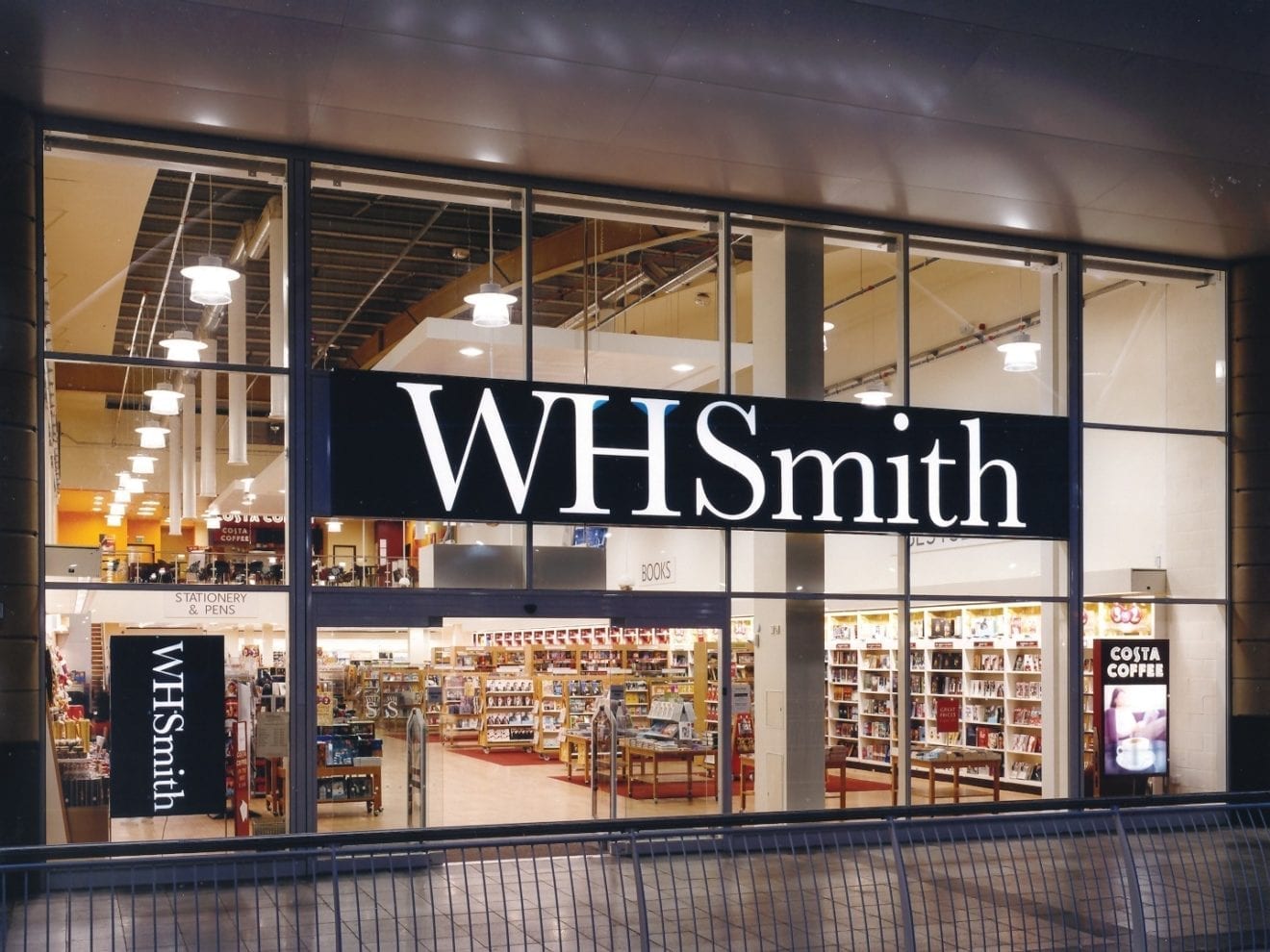
Pockets of regional testing show how duty-free operators intend to bridge the gap. In South Korea, Lotte Duty Free introduced a ChatGPT shopping service in July 2026 to guide travelers through duty-free assortments. In Australia, WH Smith deployed a pilot in-store AI assistant at Melbourne Airport to answer traveler product queries at the shelf edge.
For Asian department stores and cross-border airport operators, third-party agents threaten high-margin concession models. If transit passengers rely on personal AI agents to compare tax-free allowances and local downtown prices, airport concessionaires lose pricing use. Terminal retail landlords face weaker tenant turnover if automated comparison engines steer passengers toward duty-paid domestic orders before they board.
Manufacturers Pay to Win Model Recommendations
Consumer goods makers operate below the checkout interface. Only 20 of 53 manufacturers evaluated possess an AI commerce strategy, focusing primarily on search visibility rather than direct checkout mechanics.
Basic content restructuring produces immediate results. Confectionery maker Mondelēz increased citation rates for its Oreo brand from 10 percent to roughly 70 percent in cookie-related AI queries by formatting public product descriptions into machine-readable data. Beauty conglomerate L’Oréal paired visibility optimization across its catalog with proprietary conversational interfaces, introducing its Beauty Genius advisor alongside a checkout path and virtual try-on system linked with ChatGPT.
Visibility optimization is shifting into a paid auction channel. OpenAI generated an estimated $1 billion annual revenue run rate within 200 days of launching sponsored placements in ChatGPT. Purchasing intent within the chat platform rose from 13.9 percent to 19.2 percent over 12 months, representing 28 billion shopping-focused conversations annually.
Auditing Enterprise Catalogs for Bot Traffic
The rush toward bot-ready inventory follows a year of mixed commercial pilots. Early conversational commerce interfaces suffered from product hallucinations, out-of-stock suggestions, and high bounce rates before direct platform catalog integrations took hold.
Retail networks and packaged goods groups are reallocating promotional funds away from traditional retail media networks and keyword search auctions toward large language model placement. Brands that establish structured product data feeds retain control over their pack sizes and ingredient claims, while slow manufacturers risk total exclusion from automated basket-building workflows.
The operational battleground now shifts to API access agreements. Store operators must negotiate whether external agents like ChatGPT or Google Gemini are permitted to scan internal inventories without paying data licensing fees. The next round of retailer quarterly earnings will clarify which platforms block automated screen scrapers and which operators sell privileged inventory feeds directly to tech intermediaries.