
Tag: when

  • Elon Musk’s X Tests New Strategy To Enhance User Engagement And Personalize Content

    Elon Musk’s X Tests New Strategy To Enhance User Engagement And Personalize Content

    The issue of social media links driving users away from the platform has been a longstanding challenge. A new solution is being tested by Elon Musk’s X. The aim is to retain users on the app even as they navigate away to external links.

    Enhancing User Engagement on X

    Users of X on iOS may soon observe a change when they tap on links within the app. Rather than entirely exiting the current post, the link will launch without obscuring the original post and its interactive features such as like, reply and repost buttons.

    Nikita Bier, the Head of Product, described the change as a strategy to maintain user engagement. Currently, full-screen opening of links often results in users not returning to the original post to engage, a practice that negatively impacts engagement metrics.

    With this alteration, rather than the webpage taking over the entire screen, the initial post will minimize to the bottom of the screen, allowing users to continue to interact with it. This minor modification aligns with Musk’s broader objective for X – to develop an “everything app” where users can read, shop, converse and browse without ever needing to exit the app.

    Improving Performance of Linked Posts

    Traditionally, posts containing links have shown lower performance compared to regular ones on X and beyond. The newly proposed design is aimed at rectifying this by retaining users within the app rather than redirecting them to a browser tab. Consequently, this will aid the algorithm in better understanding the user’s content preferences.

    Recently, Elon Musk disclosed plans to enhance X’s recommendation system. The company plans to eliminate traditional engagement indicators like likes and replies from the algorithm within the next four to six weeks. Instead, Grok, X’s built-in AI, will analyze more than 100 million posts and videos daily to predict user preferences. The exact workings of Grok’s predictive capabilities remain to be seen.

    AI-Dominated Content Curation

    The concept of AI taking full control of what content appears on X’s platform isn’t new, but it is becoming increasingly concrete. Grok will have the capability to read and watch every piece of content on the platform, enabling it to suggest posts that it believes would be of interest to users, regardless of the account’s popularity.

    However, such extensive AI control comes with its own set of risks. While it could potentially make X more streamlined and personalized, concerns about bias and control remain, particularly given Grok’s imperfect track record with content decisions.

    Questions & Answers

    What is the primary goal of the changes being made to X?
    The main goal is to enhance user engagement by keeping users within the app even as they access external links.

    How does X plan to improve the performance of posts with links?
    X is planning to allow users to access linked content while still being able to interact with the original post, thereby keeping users within the app.

    What role will AI play in X’s new content curation strategy?
    Grok, X’s built-in AI, will analyze over 100 million posts and videos daily to predict users’ preferences, playing a key role in deciding what content is shown to users.
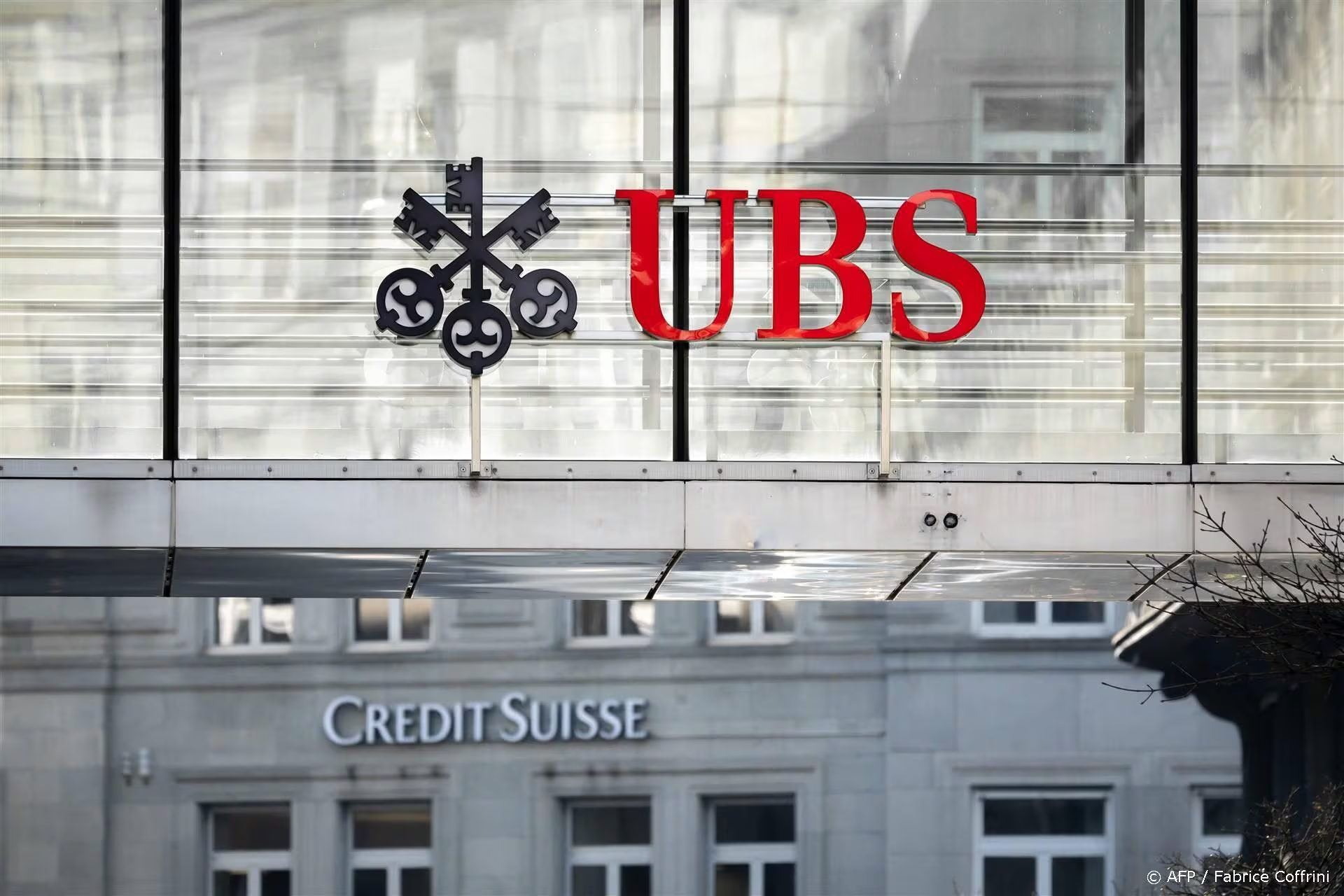
  • First Brands’ Bankruptcy Exposes $500 Million UBS Exposure: Unsecured Creditors Unearthed Amid Complex Financing Structure

    First Brands’ Bankruptcy Exposes $500 Million UBS Exposure: Unsecured Creditors Unearthed Amid Complex Financing Structure

    On September 29, 2025, First Brands Group, a formerly profitable manufacturer and distributor of automotive aftermarket parts, filed for Chapter 11 protection in the U.S. Bankruptcy Court for the Southern District of Texas. The company reported over $10 billion in liabilities against an annual revenue of approximately $3.5 billion.

    A Shift in Financial Structure

    First Brands Group, once a standard parts supplier, progressively developed into a complex system of layered financing and circular cash flows. This intricate evolution involved multiple originators factoring receivables, inventory collateral purportedly mixed or pledged to several lenders, and substantial payables securitized off the balance sheet. As liquidity evaporated, the company’s creditors grappled with identifying legitimate collateral.

    UBS Hedge Fund Solutions and UBS O’Connor Funds

    In the midst of this financial turmoil, the UBS Hedge Fund Solutions platform and UBS O’Connor funds surfaced as First Brands’ most substantial unsecured financial creditors. The two entities held a total of $349.8 million in supply-chain-finance claims and additional secured exposures, pushing the total beyond $500 million. No other major bank was identified in the list of unsecured creditors. However, indirect involvement through the financing of working-capital originators or conduits might still transpire as the bankruptcy proceedings continue.

    Potential Misunderstood Risks

    UBS’s involvement in the case was unexpected, casting an unfavorable spotlight on the small player in U.S. corporate finance. Even though the immediate impact on shareholders seems minimal, the situation recalls earlier controversies. UBS could once again face accusations of endorsing products with poorly understood risks and unreliable marketing strategies.

    In 2023, UBS Asset Management marketed a strategy to professional investors promising double-digit returns, using a presentation titled “UBS Working Capital Finance Strategy.” The presentation featured a North American auto-parts manufacturer with a 35 percent EBITDA margin and over $2.8 billion in revenue. The company was described as participating in an uncommitted supply-chain-finance program that started in August 2019, with a 17 percent fixed yield, a 60-day tenor, and a B2/B corporate rating.

    Alarming Economic Implications

    The economic implications of such a strategy were alarming. No financially stable industrial company would willingly surrender 17 percent of its margin merely to lessen supplier payments for two months. In the case of First Brands, their aggressive, debt-fueled acquisition strategy left the balance sheet perpetually low on cash. For credit investors, this pricing should have been viewed as a red flag rather than a lucrative opportunity, highlighting the dangers of adverse selection.

    Questions & Answers

    Q: What led to First Brands Group’s financial instability?
    A: An aggressive, debt-fueled acquisition strategy left First Brands’ balance sheet perpetually short of cash, leading to its financial instability.

    Q: Who were First Brands’ largest unsecured financial creditors?
    A: UBS Hedge Fund Solutions platform and UBS O’Connor funds emerged as First Brands’ largest unsecured financial creditors.

    Q: What could be the potential repercussions for UBS?
    A: UBS could face accusations of endorsing products with poorly understood risks and unreliable marketing strategies, similar to past controversies.