Retail News CRM

Tag: Wholesale

  • Li & Fung Strikes Gold: Secures Wholesale Distribution Rights for C&C California

    Li & Fung Strikes Gold: Secures Wholesale Distribution Rights for C&C California

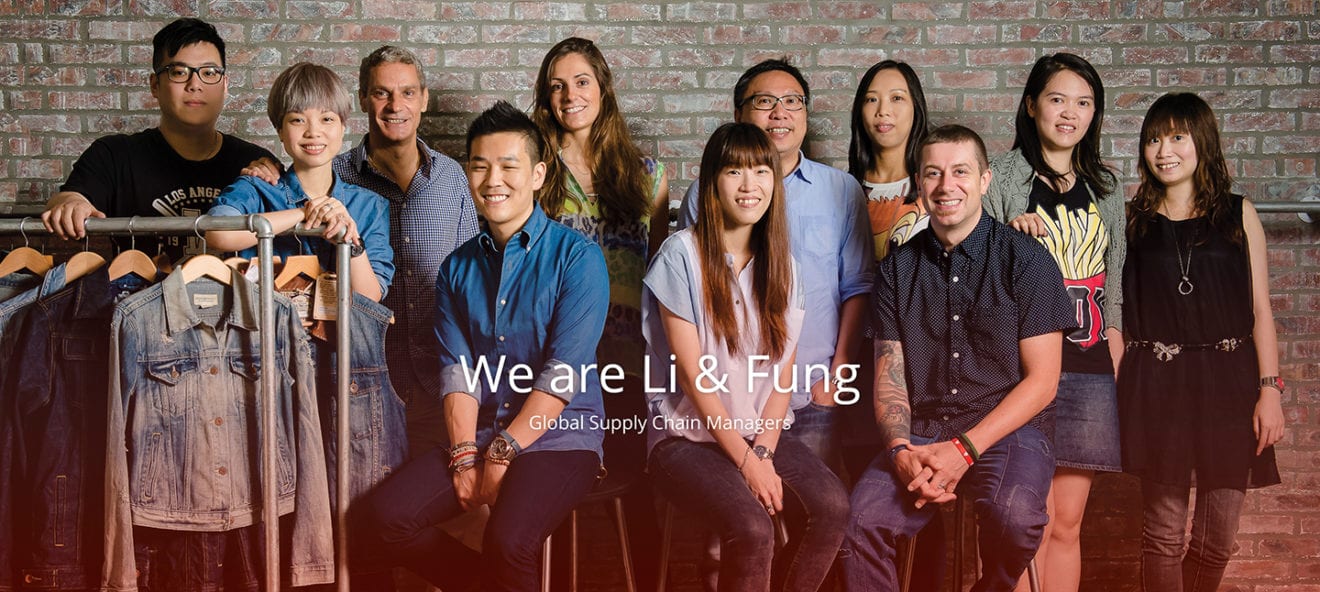
    Hong Kong’s premier supply chain manager, Li & Fung, has recently entered into a licensing contract with C&C California. This agreement grants Li & Fung exclusive rights to wholesale distribution across all retail platforms, including full-price, off-price, and club retailers.

    C&C California and its Specialties

    C&C California operates as a part of the larger Established Lifestyle group. The company particularly excels in the design and development of women’s swimwear, sleepwear, and outerwear.

    The newly inked contract will allow Li & Fung to manage and guide the expansion of C&C’s new product ranges and their subsequent distribution process.

    Expansion of Products Range

    In the swimwear segment, the expanded product line will include separate pieces, one-piece swimsuits, and beachwear. Their sleepwear category is also set to grow, with the introduction of separate pieces, coordinated sets, and robes.

    The outerwear products will encompass a range of seasonal styles, varying from light windbreakers to heavier garments like puffers and parkas.

    Brand Expansion and Identity

    Mel Limoncelli, Senior Vice President and head of licensed brands at Li & Fung, stated that this partnership will allow the brand to venture into new product categories while preserving its core identity.

    In his words, “The category expansions remain true to a brand heritage rooted in 70s West Coast culture. Moreover, they continue to embrace the endless summer ideal through comfort, ease of wear, and easy-care fabrics.”

    Questions & Answers

    What is the nature of the agreement between Li & Fung and C&C California?
    The agreement is a licensing contract that provides Li & Fung with the rights to manage the wholesale distribution of C&C California products across all retail platforms.

    How does this agreement benefit C&C California?
    This agreement allows C&C California to expand their product ranges under the expert management of Li & Fung. This expansion includes new lines in swimwear, sleepwear, and outerwear categories.

    What does the expansion mean for the brand’s identity?
    Despite diversifying into new product categories, the brand intends to stay true to its roots, which are embedded in the 70s West Coast culture. The expansion aims to resonate with the idea of an endless summer through comfortable, easy-to-wear, and low-maintenance fabrics.
  • Indonesia’s Telkom Initiates Phased Transfer Of Fiber Assets To Boost Digital Transformation

    Indonesia’s Telkom Initiates Phased Transfer Of Fiber Assets To Boost Digital Transformation

    Indonesia’s Telkom has confirmed that it will undertake a phased transfer of its fiber assets. The transaction, viewed as a significant and affiliated party transaction under Indonesian regulations, is expected to have a minimal impact on Telkom’s financial condition, the company announced.

    Phased Transfer of Assets

    The asset transfer process will take place incrementally. The initial phase is expected to handle more than half of the fiber assets. Telkom’s disclosure to the Indonesia Stock Exchange (IDX) outlined that this move qualifies as a material and affiliated party transaction as per the country’s Financial Services Authority (OJK) regulations.

    Restructuring and Approval

    The restructuring process will include backbone fiber, aggregation access, and infrastructure assets. Before the deal can be finalized, it requires approval from shareholders and regulators. The completion of the deal is anticipated to take place between the end of 2025 and the beginning of 2026.

    Benefits and Aims

    Telkom has stated that the partial spin-off has several aims. These include refining operational focus, attracting new investment, quickening network expansion, and unlocking new revenue streams. The new setup will enable TIF to specialize in fiber deployment and maintenance. This specialization will simplify the process for infrastructure funds and strategic partners to assess and invest in the business.

    By forming a dedicated entity, Telkom plans to streamline network upgrades and manage its growing fiber footprint more efficiently. This move will also empower the company to monetize its wholesale leasing and dark-fiber products more assertively.

    Future Plans and Commitment

    As part of its future plans, Telkom is committed to addressing the escalating demand for rapid connectivity across Indonesian households, startups, and enterprises. The company aims to position itself at the forefront of the nation’s digital transformation as the digital economy continues to grow.

    Ketut Budi Utama, President Director of PT Telkom Infrastruktur Indonesia, indicated that the split would provide TIF with the momentum to operate more efficiently and maintain network infrastructure more effectively.

    Questions & Answers

    What is the expected impact of this transaction on Telkom’s financial condition?
    The transaction is expected to have a minimal effect on Telkom’s financial condition.

    What are some of the aims of the partial spin-off?
    Telkom aims to refine operational focus, attract new investment, accelerate network expansion, and unlock new revenue streams through the partial spin-off.

    What is Telkom’s commitment amid the growing digital economy in Indonesia?
    Telkom is committed to supporting the escalating demand for high-speed connectivity across households, startups, and enterprises in Indonesia. The company aims to place itself at the forefront of the nation’s digital transformation.

  • DBS Stalwart Joins OCBC to Head Wholesale Banking

    DBS Stalwart Joins OCBC to Head Wholesale Banking

    A DBS veteran will take on a new key position at OCBC, which is part of the bank’s plans to grow and expand across its key markets.

    OCBC has appointed Tan Teck Long as group head of wholesale banking, according to a filing with Singapore Exchange (SGX) on Wednesday.

    Tan joins from DBS Bank, where he has been group chief risk officer since 2018. His previous roles at the bank, which he joined in 2003, include group head of corporate investment banking, China head of institutional banking group based in Shanghai and group head of real estate, building and construction industry.

    In his new role, Tan will have global responsibilities for global corporate banking, global commercial banking, global transaction banking, emerging business, global financial institutions, group investment banking and mezzanine capital unit, the announcement said.

  • Li & Fung Announces 2018 Annual Results

    Li & Fung Announces 2018 Annual Results

    Li & Fung Limited, the world’s leading supply chain solutions partner for brands and retailers, today announced its annual results for the year ended 31 December 2018.

    For the year under review, the Company was affected by the rapidly changing retail landscape, with record store closures and customer bankruptcies. Owing to the Company’s investments in a speed-enabled supply chain, its customers have been able to reduce their inventory levels, although this produced short-term negative impacts on the Company’s turnover. The ongoing US-China trade war had a minimal impact on Li & Fung’s business due to the company’s diversified sourcing network outside of China.

    On a like-for-like basis and excluding the impact of the strategic divestment of the three Product Verticals in April 2018, which triggered a one-off disposal loss of US$114 million, core operating profit (“COP”) of Continuing Operations decreased by 20% to US$285 million. This was largely due to decreases in turnover and total margin in the Supply Chain Solutions business, as well as continued investment in digitalization in line with the Company’s long-term strategic plan. Turnover decreased by 6.2% to US$12.7 billion, mainly due to customers’ ongoing destocking, customer turnover and bankruptcies. Total margin percentage improved by 0.4% to 10.6%, primarily a result of the increased contribution from the higher-margin Logistics business. Adjusted Profit Attributable to Shareholders decreased 15.9% to US$117 million, excluding gain on remeasurement of contingent consideration payable. Profit attributable to shareholders for Continuing Operations decreased by 26.2% to US$126 million. The Board of Directors has proposed a final dividend of 4 HK cents (2017: 2 HK cents). This brings the full-year total dividend to 7 HK cents per share.

    Spencer Fung, Group CEO of Li & Fung, said: “2018 was a demanding year and we’ve made a fundamental reorganization of our business in line with our Three-Year Plan to build the Supply Chain of the Future. We initiated a structural change with a new management team to focus on our core customers and operational excellence. This includes a new Group President, a new Chief Operating Officer and an entirely new Chief Digital Officer position. We have the right strategy, and now the right structure and people in place. With all three elements in place we have built the right foundation for the future. I am confident that we are on the right track.

    Mr Fung continued, “Group President, Joseph Phi, has a strong track record having organically grown LF Logistics over the past decade. In his new role, Joseph will focus on account management and business development. As a team, we are focused on driving greater productivity in our global production platform by truly leveraging the scale of Li & Fung for our customers, capitalizing on our clear leadership in 3D design, and accelerating the build-out of our end-to-end digital platform. These initiatives are already helping to strengthen relationships with core customers and to convert new customers.”

    The Logistics business continued to grow organically with double-digit increases. With strong demand for in-country logistics services, turnover and COP increased 10.2% and 14.6% to US$1.13 billion and US$86 million respectively. The growth of the Logistics business continued to be driven by strong growth momentum in China; e-logistics growth; accelerating growth in ASEAN across all services; and rapid expansion in the newer geographies of Japan, Korea and India. To further accelerate the pace of its growth, preparation is underway for the potential spin off and separate listing of LF Logistics to take place in 2019 depending on market conditions and other factors.

    In addition, 2018 was a turnaround year for the Onshore Wholesale business in the Americas, Europe and Asia with its turnover increasing by 7.4% to US$1.7 billion with recovery at major US customers and growth in the Asia onshore wholesale business. Furthermore, operating costs as a percentage of turnover improved by 80 basis points.

    Joseph Phi, Group President of Li & Fung, said: “The strong organic growth of LF Logistics is due to active engagement with our people and close collaboration with our customers. At Li & Fung, we are well positioned to integrate logistics with our traditional sourcing and supply chain solutions offering. This provides a faster and more digital supply chain, enabling us to cultivate closer and longer-lasting customer partnerships. We are pursuing market share gain and pipeline conversion as the twin drivers for our growth.”

    Group Chairman, William Fung added, “With ongoing trade uncertainties, we continue to help existing and new customers optimize their production across over 50 countries of export. This provides the best defense against fluctuations in trade policy and mitigates any negative impact from tariff increases. I am confident that our new leadership team and organizational structure will help us drive productivity, strengthen customer relationships and, in turn, grow market share.

  • Metro China For Sale

    Metro China For Sale

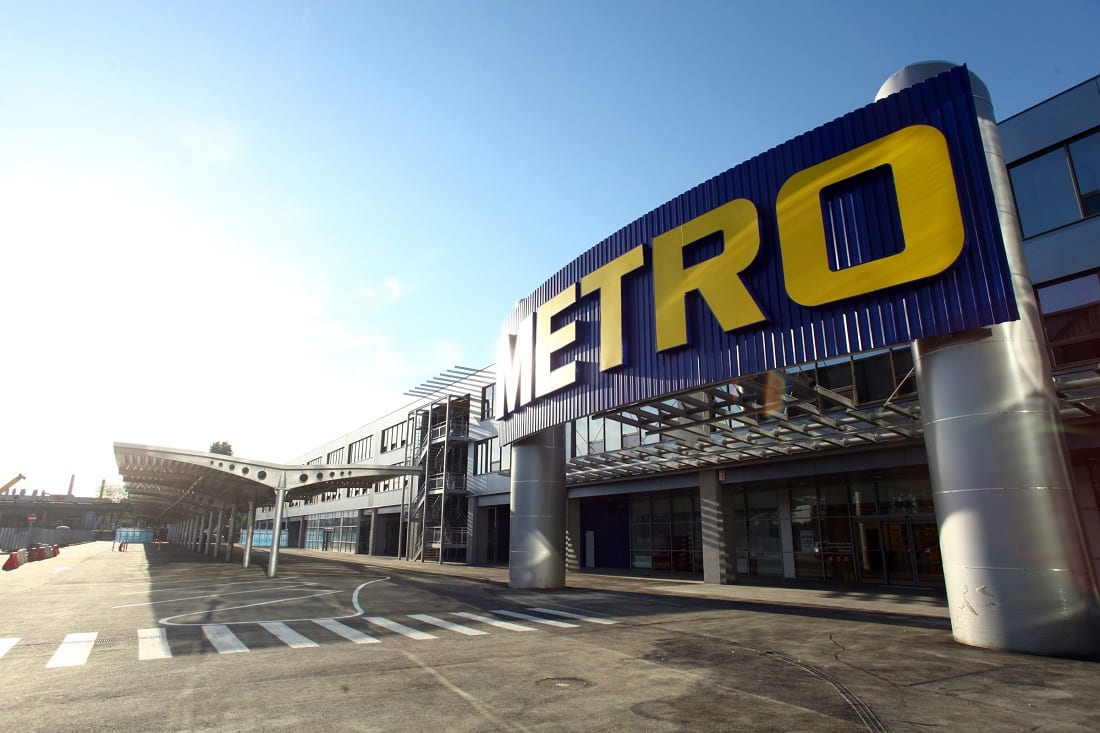
    German wholesaler Metro has called for bids for its China operations.

    The firm was reported last September to be considering exiting its Metro China retail business as part of a plan to focus on wholesaling activities worldwide. The sale is partially in response to the emerging strength of e-commerce in China.

    According to industry insiders, Metro is seeking a deal in a deal that would value the business from US$1.5–2 billion, covering 95 stores in the territory as well as real estate assets in several major cities. Some observers have estimated the Metro China business to be worth up to $3 billion.

    Several local retail chains and private equity firms are expected to be among potential bidders, although none of the named firms responded to requests for comment for a report. E-commerce giant Alibaba has previously held talks with Metro over a possible stakeholding in the business and tencent has been linked to a bid.

    First-round bids should emerge next month.

    In related news, the firm announced the opening of a new warehouse in Yangon last week, aiming to serve local professional customers in the fast-growing hospitality and tourism sectors in the region. Metro Myanmar will not run wholesale stores but provide a virtual shopping experience for customers through its e-commerce and delivery systems.

  • Nike shapes announces a new era for retail

    Nike shapes announces a new era for retail

    Recently, Nike chief executive Mark Parker fired a reverberating shot across the bow of the entire retail industry.

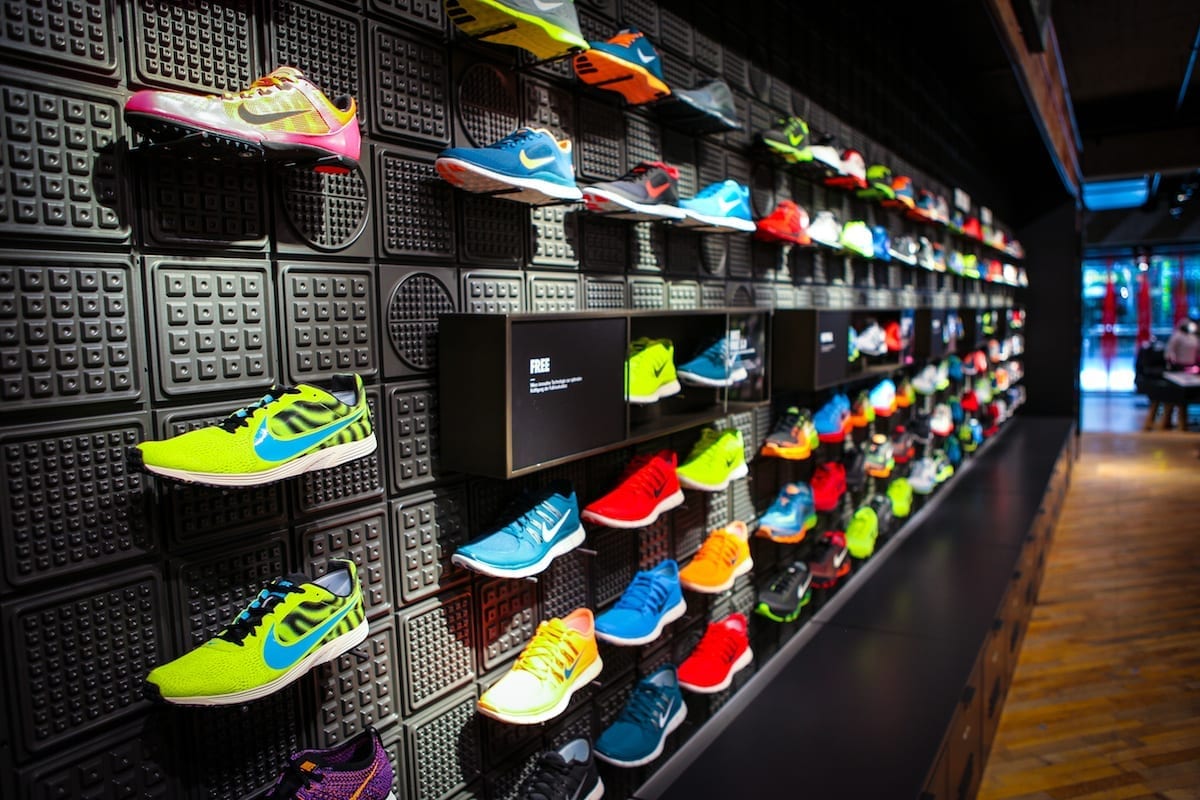
    He announced that out of Nike’s global universe of more than 30,000 retail partners the brand would, going forward, focus its time, attention and capital on forty — FORTY — retailers that Nike calls “strategic wholesale partners.” Partners, he explained, which are willing and able to build out unique and dedicated Nike spaces within their store environments.

    With this one brief announcement, Parker had not only given tens of thousands of merchants around the world a Tony Soprano-style kiss on the cheek, but he  also made the same sweaty-palmed decision that thousands of other brand CEOs secretly wrestle with on a daily basis: whether to abandon the intoxicating volume of the mass market in a sober effort to save their brands from almost certain ruin.

    The power-merchants that made these brands household names were now the very things rendering them commoditized hostages in a high-speed chase to the bottom.

    Once the salvation of many a fledgling brand, mass merchants have increasingly become like kryptonite. In a world constantly seeking what’s next, new or special, mass retail has become toxic in its overexposure. For consumers, to whom shopping experiences matter as much, or more, than products, mass merchants are bringing nothing to the table.

    Nike is merely one in a growing list of labels rethinking their distribution strategies. Earlier this year Coach announced it would leave the floors of over 250 department stores. Michael Kors also made a similar decision. And high-end outerwear brand Canada Goose, a brand that has traditionally been sold through wholesalers, now has a long-term goal of generating at least half its profits from its direct-to-consumer business. One by one, brands are fleeing the mass market and their absence will weigh heavily on all mass merchants.

    However, more important in Nike’s announcement was the bold declaration that only one tenth of one percent of their retailer network — those retailers who could deliver on the brand promise and experience — were even worthy of the brand’s time and attention. The remainder of Nike’s resources, according to Parker, would be dedicated to growing the brand’s direct-to-consumer business through its owned stores and websites, which currently represent about 30 percent of Nike’s total sales.

    This is by no means a minor shift. In fact, what it portends is a complete reformation of the retail market and a breakdown of the wholesale-retail model for revenue.

    Where today the retail market is largely divided by luxury, mid-tier, and discount, the coming decade will see the market more clearly bifurcate into two distinct retail approaches.

    The first will encompass an ever-swelling number of vertically-integrated brands that focus on serving individual consumers at scale and in a manner that best befits the brand. The second will be a new class of “experiential merchants” that use their physical stores and online assets to perfect the consumer experience across a category or categories of products.

    They will define the ideal experiential journey, employing expert “product ambassadors” and technology to deliver customer experiences that are truly unique, remarkable and memorable. So memorable that they leave a lasting, positive experiential imprint on the shopper’s psyche.

    Nike’s announcement was not merely communicating a new brand strategy but more clearly than ever before, foreshadowing an entirely new and revolutionary era of retail.

  • CITS forecasts Thai wholesale and retail markets to grow by one percent

    CITS forecasts Thai wholesale and retail markets to grow by one percent

    The Center for International Trade Studies (CITS) has predicted that the wholesale and retail markets in Indonesia and the Philippines will score the highest growths among the ASEAN countries in 2020.

    Indonesia and Vietnam will have higher growth rates than all other countries due to a relatively large number of foreign investments and an increased income per head, the center forecast.

    Meanwhile, Thailand’s wholesale and retail markets are expected to grow by just one percent this year and 10 percent in the next five years, according to CITS. However, that will largely depend on the people’s incomes and domestic consumption. Thailand’s modern-day trading is expected to grow while traditional retail trading will be gradually closed down like in other countries.