Retail News CRM

Tag: wildlife

  • Alibaba Cloud to Work with Kenyan Ministry to Protect Wildlife

    Alibaba Cloud to Work with Kenyan Ministry to Protect Wildlife

    Alibaba Cloud, the cloud-computing arm of Alibaba Group, and the Ministry of Tourism and Wildlife of the Republic of Kenya today agreed to explore a strategic collaboration to deploy Alibaba Cloud’s technology to support the Kenya Wildlife Protection Project. The first project under the collaboration in discussion will take place at a designated area inside the Tsavo East and West National Parks, one of Kenya’s oldest and largest protected area with over 13,500 square kilometres.

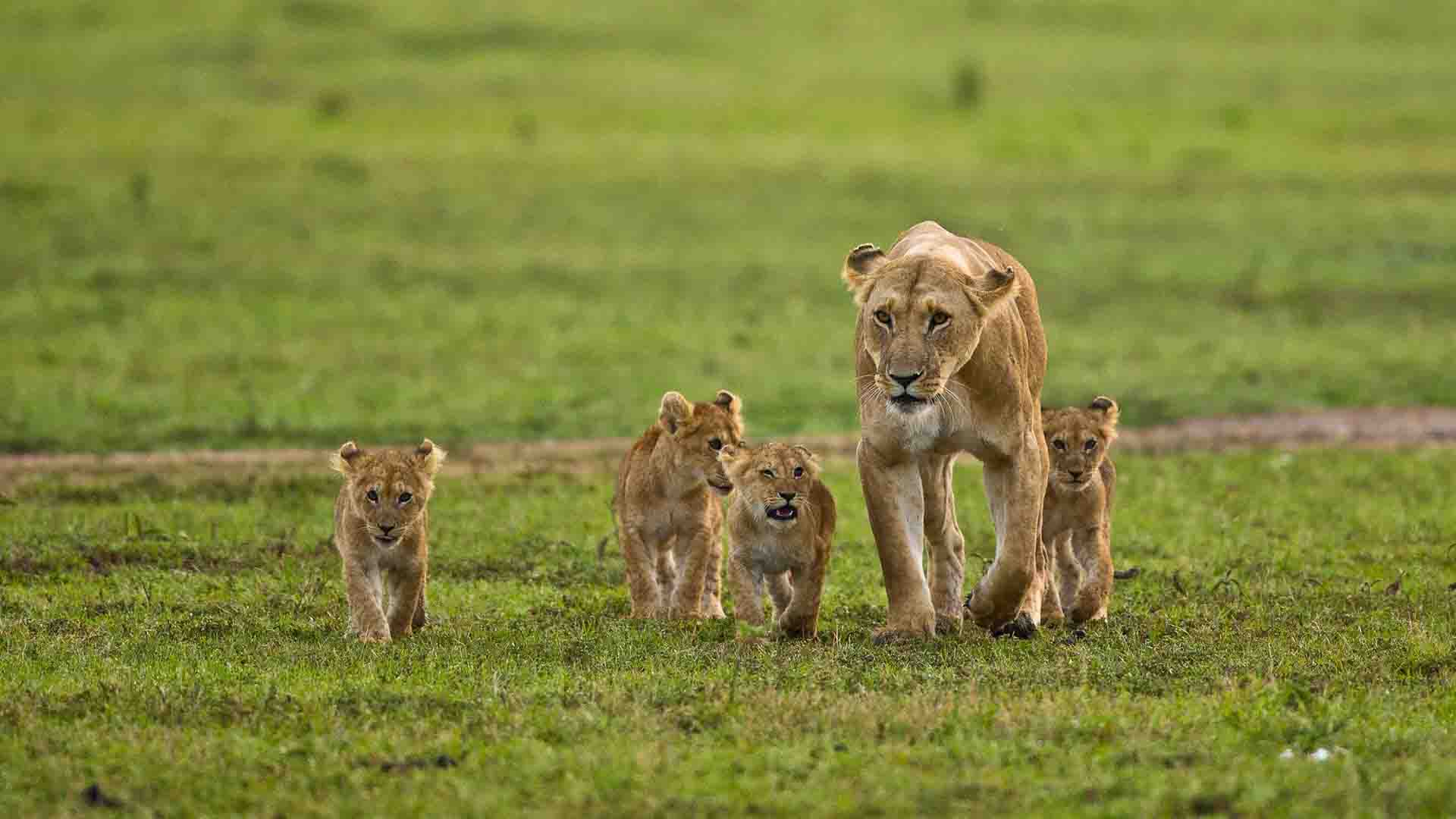
    Leveraging Alibaba Cloud’s powerful computing, artificial intelligence (AI) and Internet of Things (IoT) capabilities; the project will work to protect the park’s endangered elephants, rhinoceroses and lions. “It is our great honour to support the Kenyan government and make a contribution to the country’s wildlife conservation efforts. The collaboration underscores the positive impact that technology, including cloud computing, AI and IoT, can have on the planet and on wildlife protection.” said Simon Hu, Senior Vice President of Alibaba Group and President of Alibaba Cloud. “We look forward to joining our global partners and stakeholders in improving the protection of Kenya’s wildlife and vital ecosystems through technology innovation.” “Wildlife is the main attraction to tourists visiting Kenya. Among the key species attractions are the elephant, rhino, giraffe, and buffalo among others.

    Currently, Kenya has a population of about 35,000 elephants, and about 42% of this population (12,843) elephants occur in the Tsavo ecosystem. In addition, the ecosystem also provide critical habitat for rhinos, giraffe and lions among other species. It is therefore important for the Government of Kenya to use technology to protect wildlife and their habitats in the Tsavo ecosystem”.

    As a country, we are indeed happy to embrace such technology from Alibaba Group to enhance our wildlife security and protection, said Dr. Margaret Mwakima, Principal Secretary from the Kenya’s Ministry of Tourism and Wildlife. Both parties will explore using a wide range of features connected to Alibaba Cloud’s IoT platform for the project. Animal tracking sensors, infra-red trap cameras, smart weather stations, ranger devices and wide-area drones are among the technologies that will be considered to be installed to collect real-time data of the movements and general health of the animals.

    The platform would then analyse the data and predict their behaviour and travel routes, alerting the command center about potential risks or dangers, such as illegal poaching and human-animal conflicts. This could help direct the deployment of ground teams to act more quickly and better manage the park. In addition, both parties will explore ways to combine the local operator’s GSM telecommunications network with government-licensed satellites to build the infrastructure, which could make data transmission more intelligent and less costly, achieving near real-time updates. Advanced hardware would be used as well, such as light-weight solar-powered trackers that are easier for the animals to wear.

    The project in Tsavo is only the first step in exploring the partnership between Alibaba Cloud and the Kenyan Government. The parties have agreed to explore the potential to expand the protection project to more parks across Kenya, and, ultimately, build a nationwide, digital ecological protection platform. Both parties will also explore cooperation in staff training and the development of educational-tourism opportunities in Kenya. This latest initiative follows the visit of Jack Ma to Africa earlier in 2018, as well as the company’s support of a fund to support entrepreneurs in the region.

  • Animal cafe trend a concern for wildlife experts in Cambodia

    Animal cafe trend a concern for wildlife experts in Cambodia

    As the trend to keep and display exotic animals in cafes in the Cambodian capital grows in popularity, wildlife experts have warned that the animal trade is largely unregulated and could be putting creatures at risk.

    Reptile Cafe, one of the city’s recent openings, is located on a quiet corner of Street 448 in Phnom Penh. Inside, a few cages filled with iguanas are displayed at the front door. On the left is a cage for a large red parrot, while further in, several other glass enclosures are filled with orange corn snakes, geckos and spiders.

    They are unlikely and unconventional coffee mates, but all of them have been brought into the country to spark the curiosity of customers, according to owner Chea Raty, 32.

    “Seeing the growing market for coffee shops, I had an idea and wanted to open a small cafe and show off the species that I love,” he said. He now has more than ten different species on show, which guests can freely interact with. And he plans to introduce more.

    “As some customers sip their coffee, they’ll see that others dare to hold these animals. And they too would want to try and touch them.”

    None of these animals, however, has proper documentation. Instead, they were registered as pets by the Ministry of Agriculture, Forestry and Fisheries.

    Similar to Raty, Nay Sokhondara, 25, said he started his Zoo Cafe four months ago after seeing the potential of combining coffee and animals.

    The species he keeps in his busy establishment include marmosets, guinea pigs, a chinchilla and a raccoon.

    “Many young people don’t know these animals, so I want to introduce them,” he said.

    Most of them were bought from a farm in Thailand, and some he brought back from Vietnam. He has no formal documents to bring them across the border and admitted to taking a risk in doing so.

    “I have some people there. I know them, so I can trust them. Then sometimes, I paid them also,” Sokhondara said. “I need to spend one day to transfer my pets individually.”

    None of the species, he added, is endangered and he too has registered them as house pets with a five-year licence. His next plan: To source a small kangaroo from Thailand and create a breeding farm.

    Sarah Brook, a technical adviser to Wildlife Conservation Society (WCS), said the trend of exhibiting wild animals is a worrying one.

    “Wild animals do not make good pets, so it not good to encourage this practice,” she said.

    “Even when bred in captivity they need a lot of care, a good diet and an environment similar to their natural habitat, and free of disturbance and stress.

    “I don’t think a cafe in Phnom Penh can provide that.”

    She added that Cambodia needs to take stronger legal action and implement better enforcement to prevent the illegal wildlife trade from thriving.

    “It is a very big problem in this region, for pets, meat, medicines and other products,” she said.

    However, Keo Omaliss, Director of Forestry Administration, played down the concerns and said these types of cases were inconsequential.

    “For Cambodia, I think there is not much cross-border illegal trade of wildlife. It is so little,” he said.

    He said there was no problem with the animals being registered inside Cambodia and put on display in captivity as long as they were not on the endangered species list, and that the purpose was to educate the general public.

    “Whether this activity affects the number of wild animals in the natural forest or not, this is something important we need to focus on. But if their activities are just to make people love animals, it’s a good thing,” he said.

    However, Nick Marx, Wildlife Alliance’s director of wildlife rescue and care, said these animals should be sent back to their natural habitats.

    “Keeping wild animals in small cages is unkind,” said Marx.

    “This kind of practice serves no benefit for conservation. It is clearly for entertainment to attract customers.”

    While Wildlife Alliance is working to combat the illegal trade of Cambodian wildlife within the country, he believed that these particular species were not indigenous to Cambodia and therefore not within his organisation’s jurisdiction to act and confiscate them.

    “It should be the job of the Cambodian government to make sure all these animals are kept properly and all these shop are acting legally.”

  • DHL eCommerce in Thailand Boosts Efforts to Fight against Illegal Wildlife Trade

    DHL eCommerce in Thailand Boosts Efforts to Fight against Illegal Wildlife Trade

    In order to help combat the shipping and transport of illegal wildlife products, TRAFFIC, through the the USAID-funded Wildlife Trafficking Response, Assessment and Priority Setting (Wildlife TRAPS) Project, delivered a capacity building workshop in Bangkok yesterday for staff at DHL eCommerce in Thailand to learn how they can play a key role in helping prevent the trafficking of wildlife.

    The workshop covered the local and global implications of wildlife trafficking crimes, the role of the CITES convention in regulating the international wildlife trade, common wildlife trafficking trade routes, the modes and methods used by wildlife traffickers for shipping illegal products, and risks to the transport and logistics sector. During the workshop, participants discussed potential vulnerable points along their supply chains in Thailand and ways to strengthen their company’s operations, staff and customers’ awareness, and reporting mechanisms for wildlife trafficking.

    “Today’s workshop raised awareness of how wildlife is threatened around the world, gave us a clear understanding of the potential impacts from wildlife trafficking to our core business, and helped us understand what actions could be taken to strengthen our operations against the wildlife trafficking,” said Mr Wittaya Khoryiamklang, DHL Transport Manager.

    “Leadership from companies like DHL plays a very important role in tackling wildlife trafficking. Only through long term and positive collaborations between the private sector, government, and NGOs we can achieve tangible impacts to stop wildlife crime.” Said Mr Somkiat Soontornpitakkool, Director of the CITES management authority of Thailand, who attended the workshop.

    Following the workshop, staff were awarded certificates of participation along with informational resources for further learning. In the coming months, TRAFFIC will continue to provide technical guidance to DHL in Thailand to support the implementation of  those action points identified during the event.

    “Wildlife trafficking is a transportation-intensive activity and workshops like this can catalyze positive action on the ground to help companies to stay free from unwittingly transporting illegal wildlife products. The Deutsche Post DHL Group is already a signatory of the United for Wildlife Transport Taskforce Buckingham Palace Declaration, so today’s event could be seen as a practical step in helping to implement those high level commitments” said TRAFFIC’s Monica Zavagli, Wildlife TRAPS Senior Project Officer.

    Thailand ranks second in wildlife trafficking instances through the air transport sector globally[1], and in recent years has been on the front lines of many large-scale illegal wildlife seizures, intercepting shipments of rhino horn, ivory, rosewood, and pangolin scales, among other commonly traded wildlife products.

    Many in the transportation sector are recognising the need to take action against wildlife trafficking. Recently, Etihad developed a new 20-minute online module designed to inform its employees of the business risks associated with the illegal wildlife trade and ways to prevent them. In addition, the USAID Reducing Opportunities for Unlawful Transport of Endangered Species (ROUTES) Partnership has conducted trainings across Africa, the Middle East, and Asia to train airport and airline employees in key wildlife trafficking hubs.

  • China ivory ban a big win for elephants , if done properly

    China ivory ban a big win for elephants , if done properly

    At the end of 2016, elephants made headlines around the world as China finally announced a timeframe for closing its domestic ivory market – long affirmed by many conservationists to be the single biggest step that could be taken to end the slaughter of elephants.

    The news represents a major win for elephant conservation and the Chinese government deserves commendation. However, close examination of the recent announcement gives some potential causes for concern – it is now imperative that the ban be strongly publicised and enforced, and that any potential loopholes be closed.

    Carved-ivory-legally-on-sale-in-China_2017_01_06.jpg
    Carved ivory legally on sale in China.

    China is by far the world’s biggest contemporary market for elephant ivory and the final destination for the majority of ivory from poached elephants. The continued existence of a legal ivory trade in China has been a major hindrance in combatting this illegal trade.

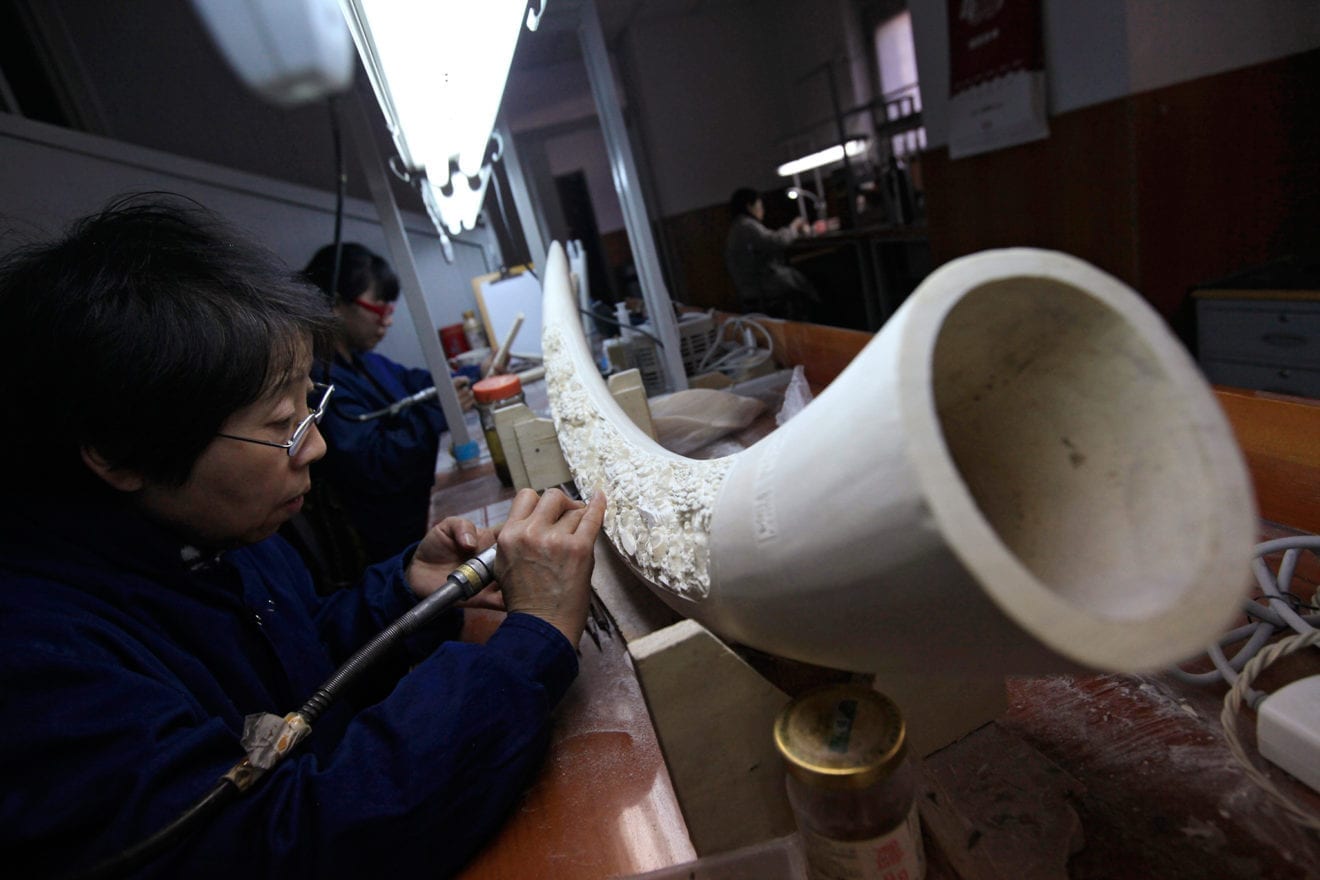
    As of the end 2016, there were 34 licensed ivory carving facilities and 130 licensed retail outlets in China permitted to process and trade in “legal” ivory derived from either old (pre-CITES) stock or a CITES-sanctioned one-off sale in 2008.

    However, EIA investigations and research by other groups documented widespread abuse of this poorly regulated system, which enabled the laundering of illegally sourced ivory. Closing this loophole could massively simplify enforcement operations – with no legal market to launder ivory, any processing or sale is illegal and can be immediately dealt with as such.

    China’s intention to close its domestic market was first announced in May 2015 and was restated by President Xi Jinping the following September. On December 28, 2016 a notification of plans to close the domestic market in its entirety by the end of 2017 was finally published.

    Looking into the detail of the document, there is potential for both celebration and concern.

    First, the positives. The notification sets out an impressively ambitious timescale for stopping all ivory carving and retail activities in previously licensed facilities by the end of 2017. Unlike the upcoming ban in Hong Kong, traders have not been given an unnecessary five-year grace period to dispose of stock – stock which should have been exhausted long ago and the imminent illegality of which was well known.

    Ivory-on-sale-in-China_2017_01_06.jpg
    Ivory on sale in China.

    Secondly, a compromise appears to have been reached to maintain the cultural heritage of ivory carving – the main argument from opponents of an ivory ban in China. The notification commits to “proactively guiding the transition of ivory carving techniques”, including providing guidance in using alternative materials and encouraging master carvers to move into museum restoration.

    However, the notification contains a worrying potential loophole which requires urgent clarification. It states that “cultural relics made of ivory that are of legal origin and have been verified by a specialist appraisal body may … be auctioned under strict supervision, to demonstrate their cultural value.” The term translated here as “cultural relic” usually refers to antiques, but not explicitly so. This indicates that limited sales of ivory antiques – and, possibly, even any item judged to have artistic merit created or sold under the previous licensing system and regardless of age – may be allowed to continue. Indeed, the potential loophole has already been interpreted as such by the antiques industry. The current language sends an ambiguous message to markets and risks undermining the effectiveness of the ban and demand-reduction campaigns.

    Also, the Chinese government and the international community must ensure that the ivory market does not simply shift to other areas with weak enforcement or lax legislation, especially in countries bordering China. The open sale of huge amounts of nominally illegal wildlife products – including ivory and tiger products – has been documented in border regions of Vietnam, Laos and Myanmar. In many of these markets, Chinese citizens represent the vast majority of buyers and trade is conducted in Chinese, often with Chinese currency. Targeted collaborative enforcement efforts are urgently required to close these markets and ensure illegal ivory cannot leak across the border into China.

    Overall, the Chinese domestic ivory ban is a major cause for celebration and optimism as we begin 2017. Although the potential loopholes need clarifying and closing, this notification sends a strong and timely signal that the global ivory market is progressively shutting up shop.