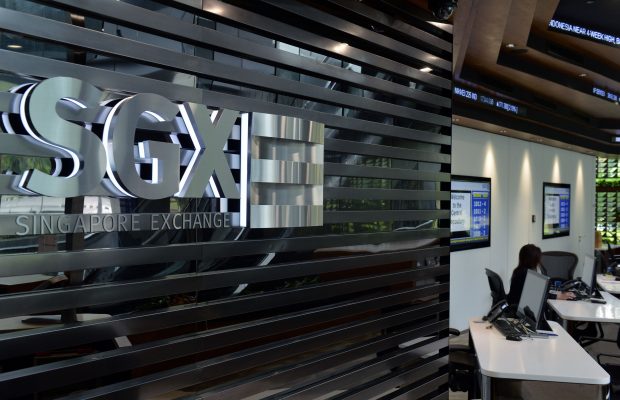
Singapore Exchange Regulation issued a fresh round of queries on Oct 28 to listed companies with agricultural operations and plantations in Indonesia, seeking clarity on links to 10 Indonesian companies issued legal notices under Singapore’s haze law.
SGX RegCo instructed boards to disclose policies and measures implemented to monitor, prevent, and respond to the fires, along with their assessments of whether the fires have a material impact on their businesses.
The move follows earlier queries sent to eight listed groups, including Wilmar International, Golden Agri-Resources, First Resources, Bumitama Agri, Indofood Agri Resources, Kencana Agri, TSH Resources, and Olam Group, all of which maintained they did not use fire to clear land.
Tracing Concession Links Across Sumatra and Kalimantan
The regulatory review targets connections to ten entities singled out by Singapore’s National Environment Agency under the Transboundary Haze Pollution Act 2014. The statutory agency issued preventive measure notices to seven Sumatran forestry operations on Oct 16, followed by three Kalimantan concessionaires on Oct 19.
Named recipients include pulpwood and palm operators Bumi Andalas Permai, Bumi Mekar Hijau, Paramitra Mulia Langgeng, Sumatera Alam Anugerah, Sebangun Bumi Andalas Wood Industries, Hutan Lestari Raya, Bangakanesia, Buana Megatama Jaya, Mananjung Hayak, and Baratama Putra Perkasa.
Listed commodity groups must state plainly whether they hold direct equity, joint ventures, or procurement arrangements with any of the sanctioned entities. The directive forces listed boards to look past direct concession boundaries into external supply networks.
Board Scrutiny Hits Food Commodity Heavyweights
The regulatory step follows initial inquiries sent on Oct 16 to primary producers and agricultural processors including Wilmar International, Golden Agri-Resources, First Resources, Bumitama Agri, Indofood Agri Resources, Kencana Agri, TSH Resources, and Olam Group.
Every respondent in that group denied using fire for land clearance, pointing to formal zero-burn standards, internal firefighting crews, and satellite monitoring networks. The market regulator now requires listed boards to document whether those preventative protocols function adequately in practice.
Corporate boards must also provide formal confirmation on whether foreign or local agencies in Indonesia, Singapore, or elsewhere have launched investigations into their concession sites.
Supply Chain Risks for Consumer Brands and Processors
For consumer goods manufacturers and edible oil buyers across Southeast Asia, the regulatory pressure pushes plantation oversight into direct legal exposure. Palm oil and timber products entering consumer supply chains face scrutiny under cross-border clean air statutes that carry civil and criminal liabilities in Singapore courts.
Institutional investors in regional agribusinesses now face elevated compliance liabilities if listed suppliers purchase raw materials from concession holders named in transboundary enforcement notices. Operational risk shifts from reputational sustainability commitments to formal regulatory non-compliance on the Singapore exchange floor.
Enforcement Escalates Beyond Voluntary Pledges
The regulatory exchange notices coincide with parallel enforcement steps by Singapore’s environmental authorities against domestic holding firms. The National Environment Agency served notices on Oct 23 to ten Singapore-registered companies, demanding full concession maps and fire prevention records for Indonesian operations.
Those separate actions target corporate structures registered in Singapore that retain operational control over Indonesian land parcels. The simultaneous moves by the market regulator and environmental agencies eliminate standard corporate firewalls between offshore holding units and operational plantation sites.
Agribusiness boards face a tight window to lodge formal written disclosures on the exchange detailing active investigations, concession relationships, and verified impact statements on current crop cycles.