
Tag: wind power

  • Wind power developers race to complete projects for incentive price

    Wind power developers race to complete projects for incentive price

    Investors in wind power projects are racing to complete construction this month to enjoy an incentive feed-in tariff, but face procedural hurdles and those caused by Covid-19.

    This month the developer of a plant in Quang Tri Province is rushing to complete construction and begin test runs, but is being slowed down by the various administrative procedures they have to go through.

    The chairman of the investing company, who asked not be identified, said the plant needs to operate at least 70 percent of capacity, which means when the wind is weak this cannot be done.

    “We made much effort but the test depends on the weather.”

    To encourage renewable energy, Vietnam will give wind power projects that begin operation before Nov. 1 a feed-in tariff of 9.8 U.S. cents per kilowatt-hour to offshore projects and 8.5 U.S. cents for onshore ones. The tariff lasts 20 years.

    But of the 106 wind power farms that have registered to provide 5,655.5 megawatts of power, there were only six that have received an operational permit by the end of last month.

    Developers complain about the large number of permits they need to acquire to start the project, for example, the fire safety permit, and there are many unexpected challenges that lie ahead in getting these permits.

    “We won’t be relaxed until the final permit is given, as from now until it is difficult to anticipate what will come up,” the chairman in Quang Tri said.

    He proposed that the Department of Planning and Investment in the province increase the work hours of its employees, even at night, to support developers in acquiring permits. Several challenges contributed to a construction delay.

    Some developers said that the fourth Covid-19 wave slowed their projects by two months, as experts were unable to enter the country, while the transportation of equipment faced blockages as authorities tightened social distancing.

    Hoang Ngoc Quy, CEO of a developer HBRE, has been letting workers take three shifts to work 24 hours a day in the last three days.

    He proposed that the government provides incentive policies, especially in loans, to support wind power farms.

    The best support to extend the deadline until December next year for onshore projects and December 2025 for offshore projects.

    Vu Chi Mai, head of component for renewable energy and energy efficiency at the German Agency for International Cooperation (GIZ), said that Covid-19 caused unexpected impacts on the projects, and therefore the deadline should be pushed back three to six months.

    Ha Dang Son, deputy director of the Vietnam Low Emission Energy Program, said that the extended deadline should be given to certain projects depending how severe the Covid-19 impact was, not to all projects, as some have not even started.
  • Wind power developers in central province rush construction to get incentive tariff

    Wind power developers in central province rush construction to get incentive tariff

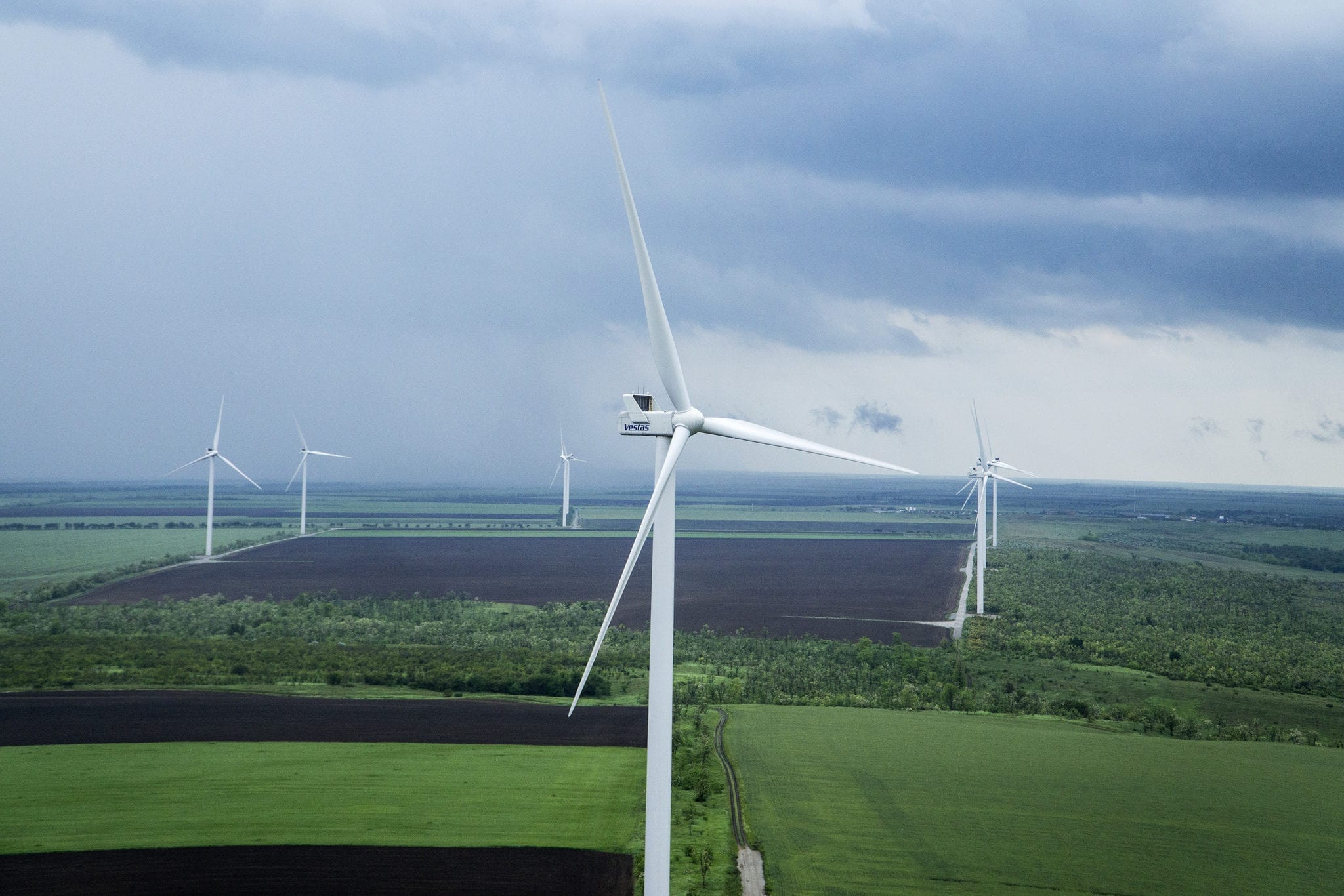
    Wind power farms in the central province of Quang Tri are scrambling to complete construction to benefit from the 20-year incentive feed-in tariff available until October 31.

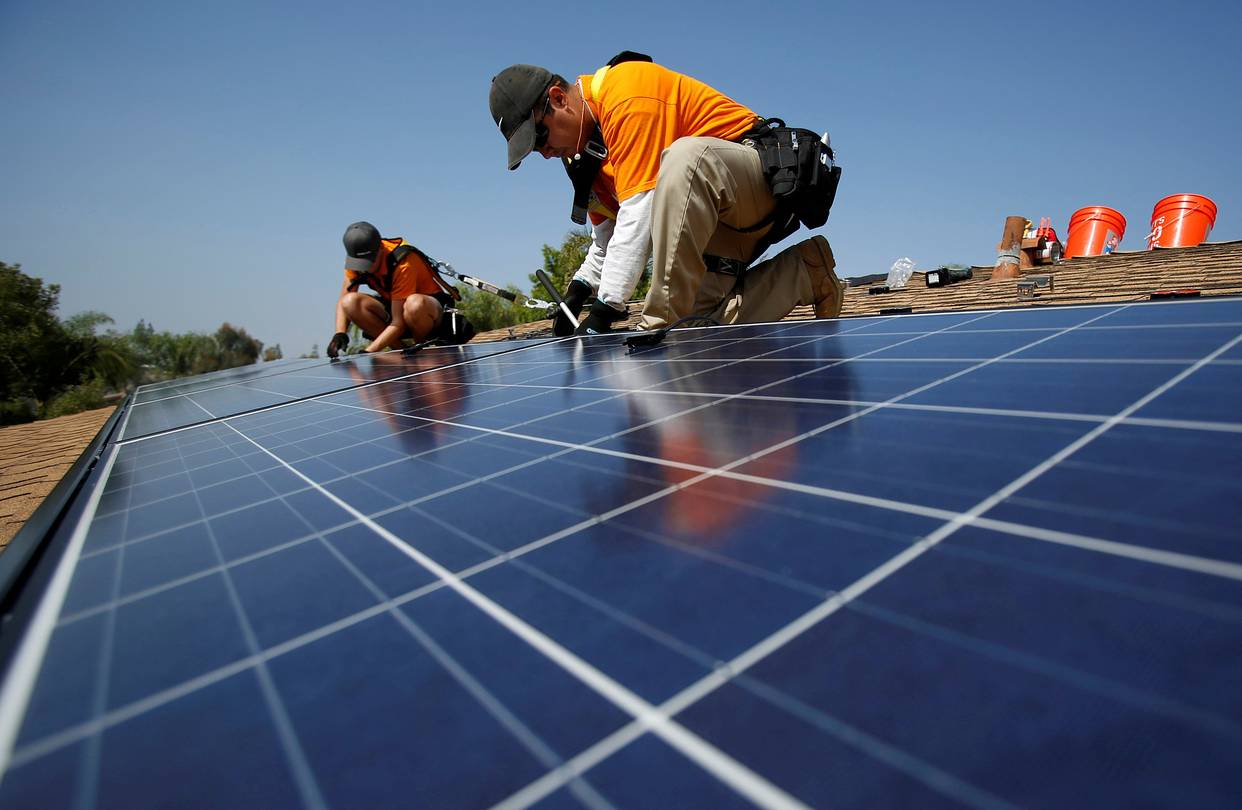
    Under the scorching sun 800 workers are quickly building a solar plant in Huong Hoa District, hoping to finish the work before the rains begin next month.

    Tai Tam – Hoang Hai will have 31 turbines, and the foundations have been completed for more than 20 of them. Five turbines are being installed, and the investors hope the farm will become operational by the end of October.

    Then it will be eligible for the incentive feed-in tariff of 9.8 U.S. cents per kilowatt-hour for offshore projects and 8.5 cents for onshore.

    Nguyen Van Nghi, deputy director of the project, said some households have built tall structures nearby hoping to get compensation to make way for the giant turbines.

    “We need to speed up transportation to complete the project by the end of October, but if we do not pay high compensation local residents refuse to let us transport the equipment through their land.

    So far around VND200 billion has been paid as compensation. The company is seeking help from authorities to get locals to remove their structures.

    At two other wind power plants nearby, Phong Huy and Phong Nguyen, the foundations are complete but only four out of 24 towers have been built.

    Nguyen Ngoc Tien, CEO of the projects, said he has increased the number of workers and even transports materials at night to finish the projects before the deadline.

    It would take five to six weeks to finish, he added.

    After that foreign experts will make any adjustments necessary before the plants can begin operations.

    But with travel restrictions causing delays, wind power plant developers want Quang Tri authorities to allow experts to quarantine on-site upon arrival and start working immediately.

    Quang Tri has 29 wind farms under construction with a total capacity of 1,117 megawatts and costing over VND30 trillion.

    It is estimated that 16 of them will become operational before October 3.

  • Vietnam plans more solar, wind power cuts

    Vietnam plans more solar, wind power cuts

    Vietnam is set to cut up to 1.74 billion kilowatt-hours of renewable energy in the second half this year to deal with national grid overload.

    A plan proposed by the National Load Dispatch Center (NLDC), under the national utility Vietnam Electricity (EVN) intends to cut 180 million kilowatt-hours per month in the third quarter and 350-400 million kilowatt-hours per month in the last quarter.

    This time frame corresponds with the expected third and further quarter annual flooding in the northern, and central-southern regions, respectively, when hydropower power supply would increase.

    The proposed amount of 1.74 billion kilowatt-hours is 34 percent higher than EVN’s previous plan to cut 1.3 billion kilowatt-hours of renewable energy this year.Cutting solar and wind power has been the go-to solution for EVN since last year, after a surge in the number of such plants strained the national grid.

    As solar power plants depend on the number of sunshine hours during the day, authorities still have to rely on traditional sources such as coal, gas and hydropower to ensure grid stability.

    This is why solar power, whose output could fluctuate by up to thousands of megawatts in seconds depending on the intensity of sunlight, is the first to be cut when there is an overload.

    Another reason for the output cut is slower growth in consumption. Last year, due to Covid-19 impacts, demand grew by less than 2.5 percent compared to 10 percent in previous years.

    The cuts have hurt renewable energy developers. A leader of a solar power company in the central province of Ninh Thuan, who asked not be identified, said his plant has seen output cut since the end of last year.

    The company has to bear losses of hundreds of million Vietnamese dong (VND100 million = $4,300) each month, not to mention suffer interest payment to banks, he added.

    The Phu Lac Wind Power Plant in the central province of Binh Thuan is also suffering output cuts.

    The plant’s CEO, Bui Van Thinh, said both developers and EVN were victims in this situation as the number of new plants exceed the government’s original plan, while there is a lack of synchronization in source and transmission investment.

    The transmission line has reached its max capacity as dozens of plants come online, he said, adding: “Our revenues have plunged and the situation is tense.”

    Although energy authorities had earlier warned of power shortages this year, the boom in renewable power development has in reality created an oversupply, creating problems for EVN.

    Solar capacity surged to 19,400 megawatts-peak at the end of last year, accounting for 25 percent of total power capacity. This capacity came from over 100 farms and 101,000 rooftop constructions.

    Last year, authorities cut solar power by a total of 365 million kilowatt-hours after the Ninh Thuan and Binh Thuan grids were overloaded.