Tag: winmart

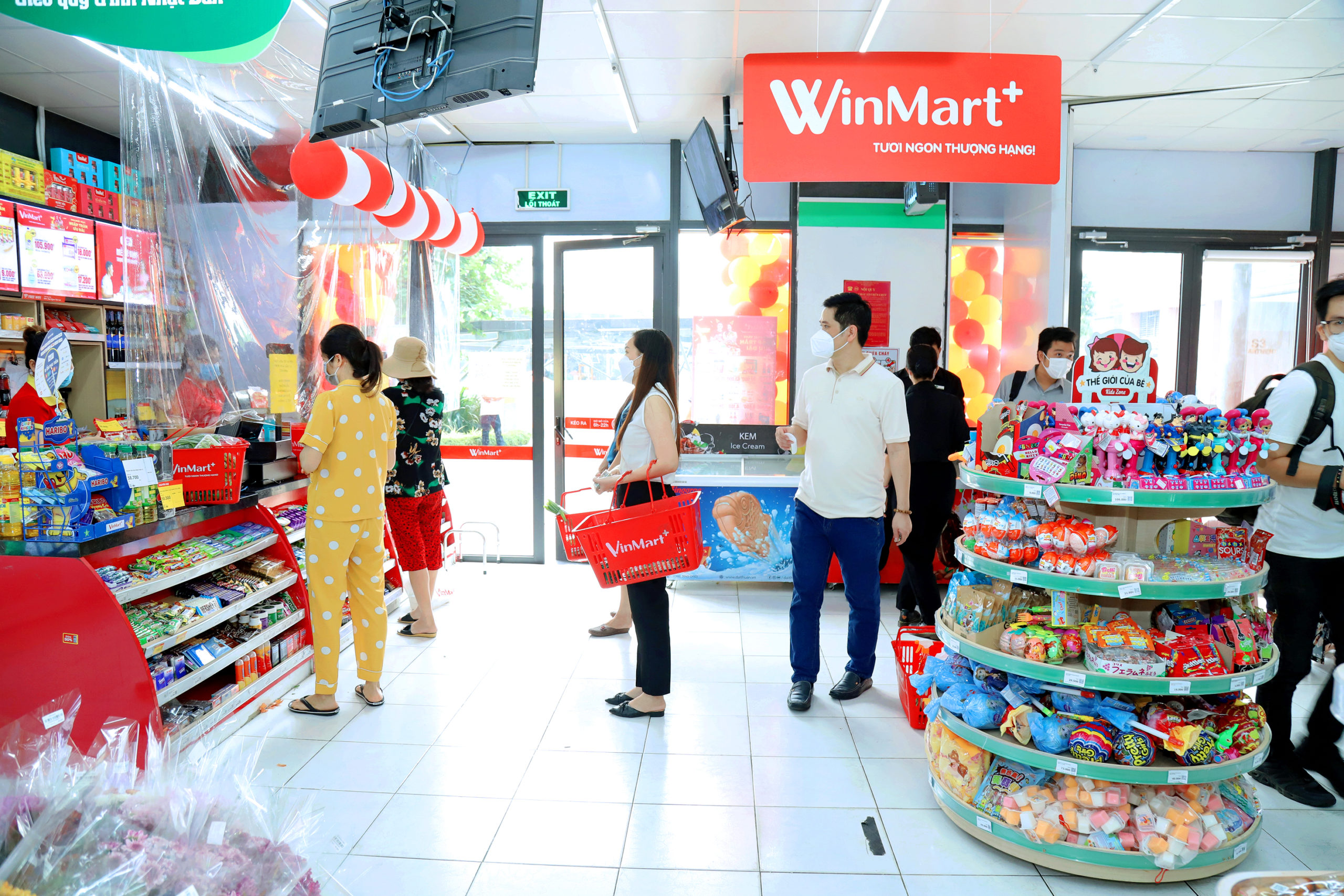
  • Vietnam Convenience Store Network to Triple to 30,000 Outlets by 2030

    Vietnam Convenience Store Network to Triple to 30,000 Outlets by 2030

    Vietnam will expand its convenience store network to roughly 30,000 locations by 2030, tripling its current footprint. Consumer buying habits are shifting toward neighborhood shopping and packaged fresh food.

    Between 10,000 and 11,000 mini-supermarkets operate across the country today. The opening pace doubled this year from five new locations daily to 10 per day.

    Urban routines drive this shift. Shoppers who once visited wet markets in the morning now buy dinner ingredients at neighborhood convenience outlets after work. Retail tracking surveys in Hanoi and Ho Chi Minh City show 81 percent of shoppers choose convenience formats due to proximity to homes or workplaces. Another 28 percent point to extended operating hours. Households also make smaller, more frequent purchases to reduce food waste. Consequently, refrigerated food inventories in urban homes have dropped by as much as 20 percent.

    Rural Expansion Drives Physical Footprint

    Chain operators are pushing outside tier-one urban centres to find growth and curb occupancy costs. Roughly 70 percent of recently surveyed mini-supermarket openings were in rural communes. Commercial rents there remain lower, and formal retail penetration is minimal.

    Modern trade accounts for 16 percent of retail sales across Vietnam. Projections from the Business Studies and Assistance Center show modern channels will reach a 20 percent share by 2030. Meanwhile, traditional wet markets and unorganised family stalls will retreat from 68 percent to 60 percent of total market value.

    Domestic grocery chains hold the advantage despite overseas entrants such as Chinese convenience brand Ohmee. Local operators WinMart+, Bach Hoa Xanh, Co.op Food, and Satrafoods control the largest store networks and run established regional distribution systems. The expansion creates dependable long-term tenancies for commercial landlords in second-tier provinces. Packaged goods manufacturers, however, face rising shelf fees as corporate retail buying desks replace fragmented wholesale distribution.

    Independent Grocers Counter Modern Chains

    Traditional mom-and-pop grocery stores are adapting rather than ceding neighborhood trade to corporate chains. Independent stores in Vietnam are undergoing a generational handover. Operators in their 30s and 40s are taking over legacy family shops or opening upgraded retail points.

    These younger shopkeepers deploy point-of-sale inventory software, accept digital payments, and take orders through community groups on Zalo and Facebook. Some run regular social commerce livestreams to clear seasonal stock. These efforts transform traditional counter stores into hybrid offline-online businesses.

    Larger family-run stores make up 20 percent to 30 percent of traditional outlets and are projected to capture 20 percent of grocery sales value. Their resilience rests on larger shop floors and localized stock tailored to neighborhood spending power. They also offer home deliveries within walking distance.

    Policy Shifts and Regional Precedents

    Government policy now backs this modernization push. On July 2, 2026, the Ministry of Industry and Trade approved Decision No. 1626/QD-BCT. The decision establishes the implementation plan for the Vietnamese Retail Market Development Strategy to 2030 with a vision toward 2050. Under the framework, direct state backing supports digital transformation and modernized distribution networks across urban and rural zones.

    Foreign retail operators have struggled in Vietnam without substantial fresh food operations. International chains scaled successfully in markets like Thailand and Taiwan on ready-to-eat meals. In Vietnam, consumers demand broad fresh produce selections, favoring localized supply chains like Bach Hoa Xanh and WinMart+.

    Market share now hinges on cold-chain efficiency outside major metropolitan centers. Thousands of village outlets will open along provincial corridors by 2030. Corporate operators must maintain daily fresh deliveries to distant rural communes without eroding profit margins.
  • WinMart Debuts Exciting Russia Corner Shopping Experience in Hanoi

    WinMart Debuts Exciting Russia Corner Shopping Experience in Hanoi

    On June 12, in a vibrant celebration coinciding with Russia Day, WinCommerce unveiled its latest venture—Russia Corner—at the WinMart Royal City in Hanoi. This dynamic space is the brainchild of WinCommerce, the operators behind the WinMart and WinMart+ retail chains, in collaboration with Magnit Group and an array of distributors.

    Discover the Soul of Russia

    Russia Corner introduces an impressive array of over 170 stock-keeping units (SKUs) sourced from more than 30 distinguished Russian manufacturers. Themed “Soul of Russia,” this unique setup invites shoppers to explore an eclectic mix of traditional delicacies, including smoked sausages, black bread, and exquisite Russian chocolates. Each product has been officially imported and meticulously selected, all available at enticing promotional prices.

    A Taste of Russian Culture

    The charm of this corner extends beyond mere shopping; it offers customers an immersive experience into Russian culture, featuring iconic items like blini pancakes, samovar tea, and authentic vodka. This initiative not only fulfills shopping desires but also ignites curiosity about Russian traditions, enabling Vietnamese consumers to experience a slice of Russia right in their city.

    Enhancing the Shopping Experience

    A representative from WinCommerce highlighted that Russia Corner is integral to WinMart’s broader strategy of developing experiential shopping models. Each product is a testament to strong cultural identity, reinforcing WinCommerce’s commitment to creating varied and immersive retail environments for its customers.

    Cultural Engagement and Expansion

    The launch attracted a significant crowd of local shoppers and included notable guests from the Russian Embassy in Vietnam, Russia’s Ministry of Agriculture, the Russian Trade Agency, and key retail partners. WinMart is eyeing further expansion, with plans to enhance cultural activities and interactive experiences related to Russian heritage across major supermarkets nationwide.

    In line with its long-term vision, WinCommerce aims to elevate the shopping experience, nurture emotional connections, and integrate global cultures with Vietnamese consumers. From June 12 to 20, visitors to Russia Corner can indulge in tastings of iconic Russian products, partake in mini-games, and receive delightful themed gifts. Who knew shopping could be such an adventure?

    Questions & Answers

    What products does Russia Corner feature?
    A diverse selection of over 170 SKUs, including smoked sausages, black bread, and Russian chocolates, all showcasing the cultural depth of Russia.

    How long is the promotional event at Russia Corner?
    The festivities run from June 12 to 20, offering visitors a chance to sample products and engage in themed activities.

    What is WinMart’s larger goal with this initiative?
    WinMart aims to enhance the shopping experience by fostering emotional connections and bringing global cultures closer to Vietnamese consumers.

  • WinMart’s loss triples in 2022

    WinMart’s loss triples in 2022

    WinCommerce, the operator of WinMart retail chain, saw its loss tripling from 2021 to VND445 billion ($18.97 million) last year.

    Since being acquired by Masan Group from Vingroup in 2019, WinCommerce has not been able to turn a profit.

    Its revenues declined 5% to VND29.37 trillion last year. Its equity rose marginally to VND3.98 trillion, and debts were at VND14.32 trillion.

    WinCommerce is Vietnam’s biggest retailer in terms of number of outlets. It had 3,268 WinMart+ stores and 130 WinMart supermarkets by the end of December.

  • WinMart Vietnam parent plans 720 new stores by Christmas

    WinMart Vietnam parent plans 720 new stores by Christmas

    Vietnamese supermarket and minimart operator, WinCommerce, says it will boost its WinMart store network by 720 more stores this year.

    The plan includes 700 new WinMart+ stores – a hybrid minimart or convenience store format – and more than 20 WinMart supermarkets and hypermarkets. Deputy GM of operations at WinMart+, Nguyen Van Quy, told local media the company is on track with its expansion plan with more than 300 new stores opened already this year.

    With the retail market now in a post-Covid era, the Masan Group-owned retailer is also shifting its focus on developing a multi-utility business model and franchised stores, which it expects to become a retail trend in the near future.

    The company said it will work closely with local suppliers and producers to create a closed-loop supply chain and provide goods to customers quickly and affordably.

  • Aeon eyes 100 grocery stores in Vietnam

    Aeon eyes 100 grocery stores in Vietnam

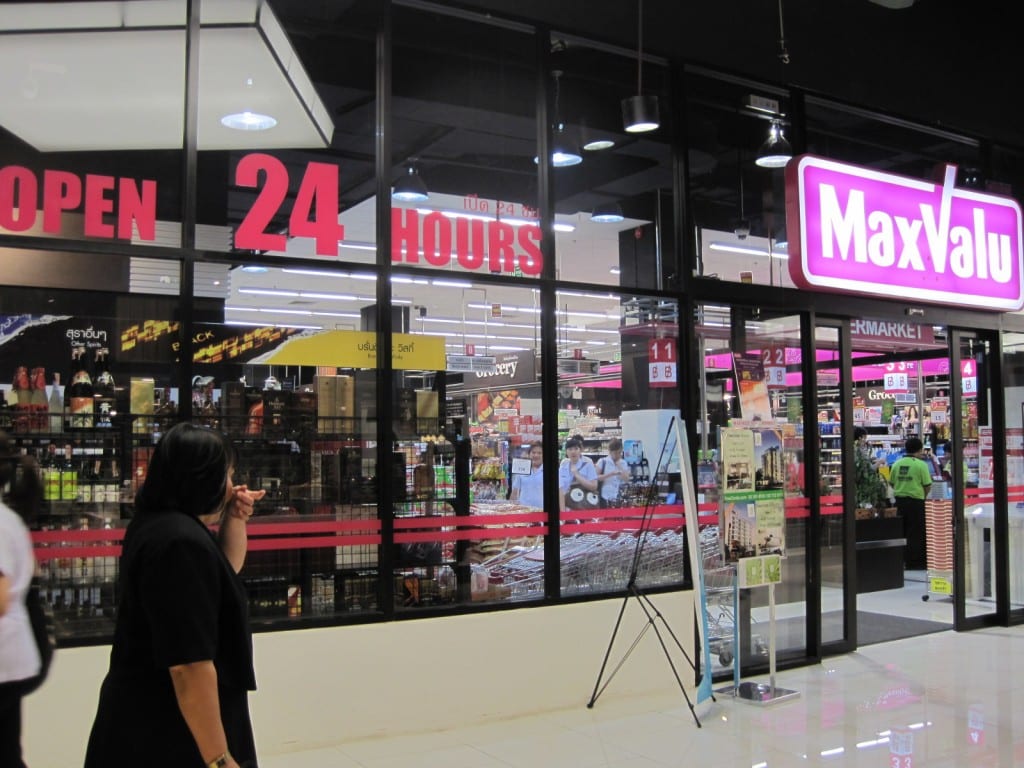
    Aeon has unveiled plans to expand its network of MaxValu compact supermarket stores in Vietnam, eyeing about 100 new locations across the country by 2025.

    According to Nikkei Asia, the expansion will include a larger store format with floor space spanning 500sqm or more. MaxValu currently operates four Vietnam stores, all in Hanoi. In addition, Aeon Group’s subsidiary, Aeon Mall, aims to expand its network of malls in Vietnam from six to 16 by 2025.

    Despite the challenges of the Delta-variant wave hitting the country, the group sees significant opportunity in the Southeast Asian market, where customers are gradually shifting from shopping at local markets to supermarkets due to hygiene concerns.

    “Next year, Aeon Vietnam will focus on opening more business locations with diverse retail models including shopping malls, department stores, supermarkets, convenience stores and specialized stores,” Furusawa Yasuyki, general director of Aeon Vietnam, told local press.

    The expansion plan also helps Aeon further strengthen its position in the market, where retail giants such as locally-owned Masan Group and Thailand’s Central Group are ramping up the competition.

    Last week, Masan Group unveiled an expansion plan for its mini-mall chain WinMart+, which will integrate a to-go cafe and mini bank offices including ATMs and customer-service reps. The group is set to have 20,000 franchised stores together with an addition of 10,000 outlets owned by the group by 2025. WinMart+ is expected to expand the multi-utilities concept in the future.

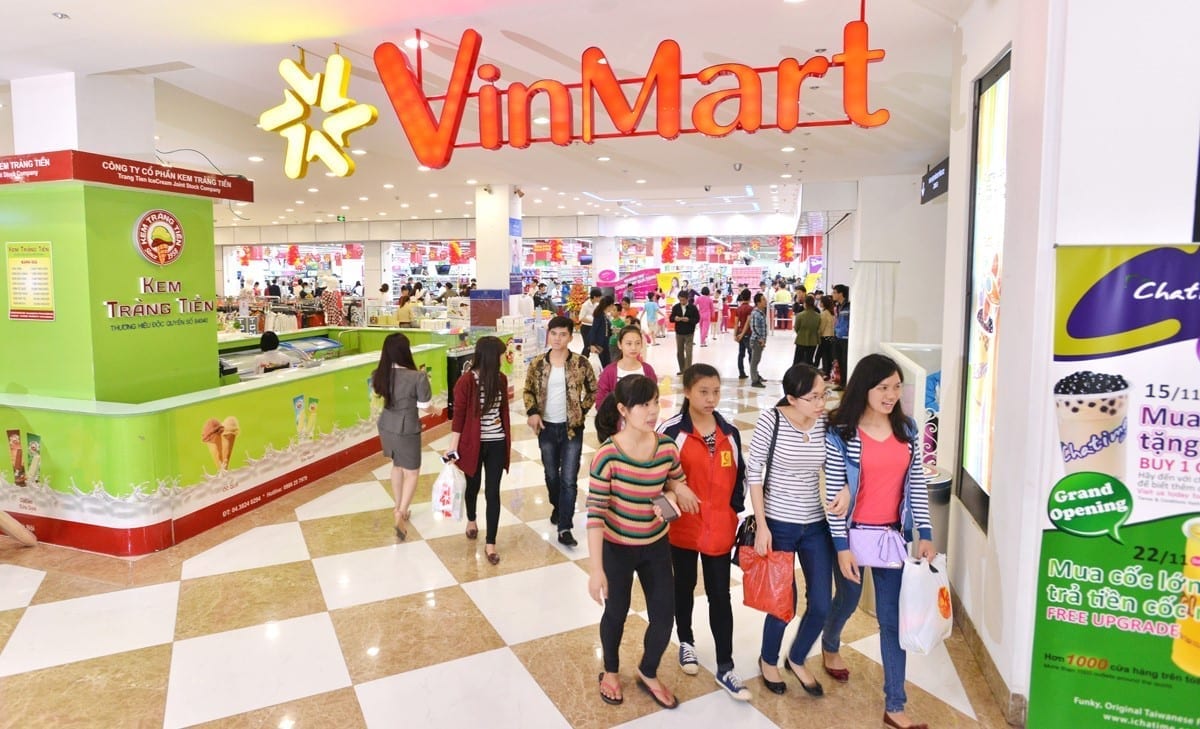
  • VinMart to become WinMart

    VinMart to become WinMart

    A year after conglomerate Masan Group acquired it from Vingroup, the VinMart retail chain is set to become WinMart.

    The rebranding would take place after the restructuring of the retail chain is complete, Truong Cong Thang, CEO of The CrownX, a subsidiary that operates VinMart, said at the Masan annual general meeting Thursday.

    The CrownX reported a 14 percent rise in revenues last year to VND31 trillion ($1.35 billion), with VinMart+ convenience stores achieving revenue growth of 42 percent despite shutting down over 744 underperforming stores.

    Danny Le, CEO of Masan Group, said the company plans to increase the number of VinMart and VinMart+ outlets by 30,000 in the next five years, with 20,000 of them being franchised.

    In December 2019, the company acquired a 83.74 percent stake in VinCommerce, the subsidiary of Vietnam’s biggest private conglomerate, Vingroup, which operated VinMart chain.

    The chain, which reported a $100-million loss in 2019, broke even last year, and Masan now targets annual sales of $7-10 billion and double-digit profit growth by 2025.