Tag: winter

  • Red Bull Spices up Australian Market with Exclusive New Flavours: Lilac and Winter Editions

    Red Bull Spices up Australian Market with Exclusive New Flavours: Lilac and Winter Editions

    Red Bull, the globally recognized energy drink brand, is broadening its Australian beverage range with the introduction of two novel flavors. The new flavours, dubbed Lilac Edition and Winter Edition, are set to hit the market this month.

    The Lilac Edition

    The Lilac Edition is an exclusive offering earmarked for Woolworths stores and will come in a 473ml can size, to be available solely at Ampol outlets. The new variant presents a unique blend of grapefruit and blossom flavors. This flavor profile was initially presented to consumers at the prestigious Australian Open, where it was well received.

    The Winter Edition

    On the other hand, the Winter Edition is a limited-edition product that will be available in two sizes: 250ml and 473ml cans. The exclusive retailer for this novel flavor will be 7-Eleven stores. Red Bull has characterized this product as a passionfruit-flavored concoction, specifically crafted to complement the Australian winter season.

    Each can of both the Lilac and Winter Editions will contain 80mg of caffeine, providing the energy boost that Red Bull is renowned for.

    Questions & Answers

    What new flavours is Red Bull introducing in Australia?
    Red Bull is introducing two new flavours – Lilac Edition and Winter Edition – to its Australian market this month.

    Where can these new flavors be purchased?
    The Lilac Edition will be exclusively available at Woolworths and Ampol outlets, whereas the Winter Edition can be found at 7-Eleven stores.

    What is the main flavor profile of these new products?
    The Lilac Edition features a unique blend of grapefruit and blossom flavors. The Winter Edition, on the other hand, is infused with a passionfruit flavor.

  • Aussie Kaimana Lychees: A Winter Delight in Vietnam at $30 per Kilo

    Aussie Kaimana Lychees: A Winter Delight in Vietnam at $30 per Kilo

    Australian-imported Kaimana lychees are fast becoming a hot commodity in Vietnam, fetching as much as VND800,000 (US$30.35) per kilogram despite a scarcity of local varieties during the off-season.

    High Demand Despite High Prices

    Phuong, a fruit vendor in the Nha Be Commune of Ho Chi Minh City, reveals that she had recently imported 30 boxes of this coveted fruit. Each box, with a total weight of five kilograms, is going for a whopping VND4 million per box.

    Significantly, these prices are 20% lower than the previous year due to an increase in overall supply. However, they remain seven times higher than premium local varieties such as the Luc Ngan lychees from the Bac Giang Province.

    The Allure of Kaimana Lychees

    As Phuong explains, Kaimana lychees hold a premium status in Australia. They are known for their vibrant dark red skin, thick and crisp flesh, petite seeds, and a refreshing, sweet flavor.

    The fruit is harvested with stems intact and air-transported for maximum freshness upon arrival. This method of transportation ensures the fruit remains fresh and crisp upon reaching consumers.

    Selling Like Hotcakes

    Another fruit seller, Lan Anh of Binh Thanh Ward, shares that her store has sold approximately 100 five-kilogram boxes of this fruit since mid-November. She plans to further import before the supply begins to wane in January.

    Despite the high demand for Kaimana lychees, sellers like Lan Anh only import a few dozen boxes at a time due to the fruit’s short shelf life.

    Australian Lychees in Vietnam

    In the Australian market, premium lychee varieties are typically sold in five-kilogram boxes for US$80 each. Among the country’s 40 lychee varieties, Kaimana is the most common one exported to Vietnam.

    The popularity of Australian lychees in Vietnam can be attributed to their arrival a few months after the local supply has been exhausted post the main season which runs from April to July.

    Questions & Answers

    Why are Kaimana lychees from Australia popular in Vietnam?

    These lychees are popular due to their premium status, unique flavor, and their arrival in Vietnam at a time when local lychee supply is low.

    How are Kaimana lychees transported from Australia to Vietnam?

    These lychees are harvested with stems intact and air-freighted to Vietnam to maintain their freshness.

    Why do sellers import only a few dozen boxes of Kaimana lychees at a time?

    Due to the fruit’s short shelf life, sellers import only a limited quantity at a time to avoid wastage.

  • Armani banning angora wool from next winter season

    Armani banning angora wool from next winter season

    The Italian luxury company joins a string of brands banning the extremely soft wool removed from live rabbits, under pressure from animal rights organizations and more environmentally conscious shoppers.

    Last month, People for the Ethical Treatment of Animals (PETA) announced that luxury e-commerce platform Farfetch would stop selling angora wool by April 2022.

    The organization launched a campaign years ago to ban angora wool, which is mainly produced in China, describing the techniques used to strip the fur from rabbits as cruel.

    Armani’s move marks another step towards sustainability after the group banned animal fur in 2016 and signed in 2019 the ‘Fashion Pact’ with other major industry players to address climate change, the company said in a statement.

  • Waze makes it easier to navigate through wintry weather

    Waze makes it easier to navigate through wintry weather

    Waze announced that starting this week, driving through wintry landscapes will be a bit easier thanks to a new feature the developer is adding to its navigational app. The new feature lets Waze users report snow conditions in real-time, as well as view reports of winter weather hazards on the map overview before they decide to take a trip or not.

    Developed in collaboration with the Virginia Department of Transportation, the new snow reporting feature allows Waze users from over 185 countries where the app is accessible to learn about the weather and road conditions during winter weather. The new feature goes beyond just snow reporting, as Wazers will be able to indicate roads that haven’t been plowed and are almost impractical.

    What makes the feature even more useful is that the Virginia Department of Transportation plans to monitor all reports coming from the navigational app during this winter, and decide how they can use the data into their operations for the following winter.

    The new feature can be found in the latest version of Waze under Hazards / Weather / Unplowed Road. With the addition of the new feature, Waze users can now report about five weather conditions such as fog, hail, flood, ice, and snow.

  • Superdry opens Queenstown store with huge range of winter gear

    Superdry opens Queenstown store with huge range of winter gear

    Sports fashion brand Superdry said its newly opened store in Queenstown offers the largest range of snow gear across the Tasman region.

    Superdry’s new 200sqm Aotearoa store, the second in New Zealand, is split in two levels offering men’s and women’s clothing and accessories.

    The Queenstown store also offers a selection of Superdry Snow, which features fashion-forward, technical alternatives to traditional snow gear.

    “Superdry Snow, introduced globally nearly six years ago, has been heralded as the perfect fashionable alternative to the traditionally generic adventure wear and has seen double-digit YOY sales growth globally,” the retailer stated.

    Martin Matthews, CEO of Brand Collective which holds the license for Superdry across Australia and New Zealand, said the adventure spirit that is synonymous with Queenstown and its alignment to their brand is what ultimately brought them to the area.

    “Superdry was the natural next step,” Matthews said.

    He added that while the brand has yet to confirm any additional sites in the country, New Zealand presents a significant opportunity for the brand, and there are broad plans to expand.

    Superdry opened its first store in the country in Auckland’s Queen Street shopping district last April.

    The 193sqm store is split into two levels, with the menswear department on the first level and a glass staircase leading consumers to the womenswear section on the second level. The store also offers the brand’s Superdry Snow collection.

  • Outdoor Retailers Fighting for Market Share

    Outdoor Retailers Fighting for Market Share

    Outdoor retailers Kathmandu and Decathlon are vying for a piece of Australia’s ski and snowboard market this winter.

    Both businesses are launching inaugural snow collections, despite the fact that less than a million Australians regularly or occasionally ski or snowboard, according to 2018 data from Roy Morgan.

    On Thursday, Kathmandu launched its inaugural snow collection called Styper, which includes ski jackets and pants for adults and kids, as well as goggles and snow luggage.

    “Designed to suit beginner and intermediate levels, as well as the more sophisticated skiers, the pieces connect seamlessly together to keep warmth in and snow out, and are made with sustainable, state of the art ngx2 fabric technology that is waterproof, wind-proof and breathable,” the retailer said in a statement.

    The launch comes on the heels of Decathlon’s announcement that it is introducing more than 100 ski and snowboard-specific product lines from its Wed’ze brand available in Australia this year.

    The European discount retailer described its offer as an affordable option for people who want a trusted brand and good advice. The range will include adult ski jackets and pants for under $100, adult ski gloves for less than $40, kids’ ski gloves for less than $20, neck warmers and beanies for $10 and ski and binding packages for under $500.

    The price point is considerably lower than Kathmandu, which starts at $199.98 for kids and $349.98 for adults.

    Kathmandu’s collection is available in-store in Australia and New Zealand, while Decathlon’s collection is available in-store and online in Australia.

    Fashion brand SuperDry has been selling its snow range in Australia and New Zealand for the past three years.

  • Uniqlo Parent Cuts Financial Outlook

    Uniqlo Parent Cuts Financial Outlook

    Uniqlo parent Fast Retailing has cut its annual operating forecast amid heavy discounting to offload winter clothes.

    The apparel company has struggled with a shortage of popular winter items in the past, and overcompensated last winter by ordering too much inventory.

    The unseasonably warm weather hit sales of winter clothes which led to the decline of Fast Retailing’s first quarter profit.

    The company is undergoing the biggest revamp of its logistics and supply chain network to resolve the challenge it faced over winter.

    The Japanese retailer said it now expects an operating profit of  ¥260 billion (A$3.2 billion) for the financial year through August, compared to its previous forecast of  ¥270 billion in January. The revised outlook would still be a record high and represent a 10 per cent year-on-year rise.

    For the quarter ending February, Fast Retailing posted a double-digit increase in sales and profit in China, which has helped the brand turn in a better-than-expected rise in operating profit to ¥68 billion.

    The company reported declines in both revenue and profit in the first half of fiscal 2019, with revenue totaling ¥491.3 billion yen, down 5 per cent from the previous corresponding period, and operating profit totaling ¥67.7 billion yen, down 23.7 per cent from the previous year.

    First-half same-store sales, including online sales, declined 9 per cent.

    Online sales, which now account for 9.9 per cent of Uniqlo sales in Japan and 20 per cent in China, rose 30.3 per cent in the first half.

  • Canada Goose revenues surge more than 50%

    Canada Goose revenues surge more than 50%

    Canada Goose Holdings announced its financial results for the third quarter, highlighting a surge in revenues after new store openings both physical and online. For the quarter ended December 31, 2018, the North American outdoorwear company said total revenues increased by 50.2% to $399.3m from $265.9m, or 49% in constant currencies.

    Direct-to-consumer sales totalled $253.3m from $131.7m last year, driven by the strong online and in-store sales. Canada Goose said it opened five new stores during the quarter and an online store.

    Wholesale revenue increased to $164m from $134.2m, on the back of higher order values from existing partners, coupled with earlier shipment timing relative to last year.

    The Toronto-based company reported net income came in at $103.4m, or $0.93 per diluted share, compared to $63m, or $0.56 per diluted share. The 64% increase was due to higher operating income and a lower effective tax rate, said Canada Goose.

    Adjusted EBITDA was $151.1m, compared to $94.7m.

    “Fiscal 2019 is shaping up to be another year of impressive results. In our peak selling season we continued to deliver when and where it matters most, while also strengthening our foundation for future success on the global stage,” said Dani Reiss, Canada Goose President & CEO.

    “We have successfully entered new markets, introduced new product, and increased capacity to meet growing demand in both channels. We remain deeply confident in the long runway we have ahead.”

    Looking ahead for 2019, annual revenue growth is projected to be in the mid-to-high thirties on a percentage basis, compared to at least 30%.

    Annual growth in adjusted net income per diluted share is now predicted to be in the mid-to-high forties on a percentage basis.

    Founded in 1957, Canada Goose is today one of the world’s leading makers of performance luxury apparel. The Made-In-Canada advocate employs more than 3,400 people worldwide.

    In Asia, the Canadian brand has flagships in Tokyo, Beijing and Hong Kong.

  • Canada Goose opens store in Beijing

    Canada Goose opens store in Beijing

    Winter clothing firm Canada Goose has finally opened its first Mainland Chinese store in Beijing. In a launch rumoured to be delayed due to political tensions between China and Canada – and dismissed by the firm as the result of construction delays – extensive queues saw shoppers waiting for over an hour for the opportunity to purchase the CNY9000 (US$1300) parka jackets.

    The brand has previously enjoyed significant popularity in Hong Kong.

    An email from the firm to news agency Reuters read “We are proud of our newest store in China and look forward to welcoming our fans”.

    Calls to boycott the brand were made on social media following Canada’s arrest of Huawei Technologies’ CFO Meng Wanzhou, a situation that has sparked a 37 per cent drop in the value of Canada Goose shares in Toronto.

  • Vive cake boutique launches hot beverages this winter

    Vive cake boutique launches hot beverages this winter

    Embracing the joyous holiday season, celebrity-loved Vive Cake Boutique launches a selection of luscious winter drinks specially curated by Founder, Ms Vivien Lau, to pair with VIVE’s delectable sweet treats. A selection of premium organic teas sourced from Taiwan are also introduced to add to its repertoire of beverages.

    “The holiday season is one that inspires the sharing of love and joy between family and friends,” says Vivien Lau. “Our new hot drinks are ‘warm, comforting and the perfect thing to cozy up with as the weather gets colder. Pair them with our signature cakes; it is soul-warming.”

    The new non-alcoholic So Grape-ful (HK$68), is a sophisticated yet whimsical libation designed to emulate mulled wine. Made with grape juice, tangy orange and lemon zest, a dash of cinnamon, cloves, and star anise, this warm drink not only brings to mind a winter wonderland classic, but also inspires a sense of playfulness with its presentation in a classic Christmas bauble sitting in a Martini glass.

    Lovers of sweetness and tradition will enjoy the classic S’mores (HK$50) concoction. A classic hot chocolate topped with roasted marshmallows, featuring butter cake crumbs, the smooth and satisfying drink conjures the classic Christmas moment shared by family and friends in front of a fireplace.

    The chilly winter season need not only be a time exclusively for indulgences. VIVE introduces a repertoire of three organic premium teas personally sourced by Vivien Lau from Taiwan, unrivalled for its high quality teas.

    Each of these teas is recommended to be paired with VIVE’s repertoire of signature desserts. The long-lasting, mellow sweetness of the Golden Honey Black Tea (HK$42) which invokes a scent of honey, floral, fruity, and milky aroma is recommended to be paired with Berry Jolly (HK$58), a layered sponge cake with mascarpone mousse and strawberry fillings. The slight astringency of black tea will make that mascarpone mousse really sing.

    The sweet, floral, and honey-fragrant Oriental Beauty Tea (HK$42) with its unique flower and honey aroma is best paired with the Berry Almond Tart (HK$48), made with seasonal fruits set atop an almond cake base and a crisp, sweet tart shell.  The tea is light enough to not overpower the fruits, but flavorful enough to make this simple sweet treat shine.

    Tea lovers who fancy the classic clean and grassy aroma with a tinge of roast, will love the mellow and brisk taste of Alpine Roast Oolong Tea (HK$42), which leaves tea drinkers with a lingering sugar cane sweetness. This tea is best paired with Treasure Hunt (HK$58), a rich caramel glazed cake, layered with dark chocolate sponge, caramel & chocolate mousse, set on a crunchy base.  The fragrant florals of lightly oxidized oolongs will bring out the fruity and earthy flavors of dark chocolate.

    Tea-ophiles may also take these naturally grown, chemical-free teas home with them. Tea connoisseurs may enjoy Golden Honey Black Tea for a natural caffeine boost, Alpine Roast Oolong Tea, and Oriental Beauty Tea at the comforts of their own homes. The packaged tea box with priced HK$218, including 15 individual tea bags (each flavour of 5), is a perfect personal or corporate gift.

    Vive Cake Boutique has proved a roaring success story since being launched with online orders in 2014 by founder and creative director Vivien Lau, who discovered her passion and talent by chance, making her first cake for a friend’s birthday. Her signature ‘handmade with love’ cakes, cupcakes, macarons, cookies, confectioneries and tailor-made cakes for weddings and special occasions, are all made from scratch from finest ingredients sourced from all over the world.

    VIVE’s widespread acclaim includes Time Out’s listing among the “crème de la crème of Hong Kong’s bespoke dessert makers” – with a massive celebrity and socialite following including Aaron Kwok, Charlene Choi, Gillian Chung, Niki Chow, Sharon Chan, Miki Yeung, Ella Koon, Myolie Wu and more.

  • Inditex suffers from late coming winter

    Inditex suffers from late coming winter

    Zara owner Inditex has posted slow like-for-like sales growth due to the unusually warm autumn and adverse currency moves. Inditex, which also owns upmarket label Massimo Dutti and teen label Bershka, posted a 3 per cent rise in like-for-like sales in the six months to the end of November after an “extraordinarily warm September”. Sales bounced back somewhat to 5 per cent in October and November.

    The fashion giant reported an increase in earnings before interest and tax of €3.07 billion from the previous corresponding period.

    In the first nine months of the year, the world’s largest fashion retailer reported a 3 per cent increase in sales to €18.4 billion and a 4 per cent rise in net profits to €2.4 billion.

    According to Inditex, the company didn’t have to cut clothing prices from September like its rivals, which resulted in margin growth of 108 basis points during the third quarter.

    The clothing retailer maintained sales and margin guidance for the rest of the year.

    Pablo Isla, Inditex chair and CEO, said the group’s strong business model, which continues to deliver solid structural growth in all markets, and its constant focus on developing the integrated store and online platform through continued enhancement of technology and systems, have contributed to its performance.

    The company announced last September that all products from all its brands will be made available online by 2020, including in markets where it does not have any stores.

    Isla had said that Inditex wants to make all fashion collections available to all customers wherever they are in the world.

    “Even in those markets which do not currently have our bricks-and-mortar stores,” Isla added.

    Other than Zara, Massimo Dutti and Bershka, Inditex also sells the brands Pull & Bear, Stradivarius, Oysho and Uterque across its network of almost 7500 physical shops. It operates online in 49 markets.

  • Goldwin to open first own-brand store

    Goldwin to open first own-brand store

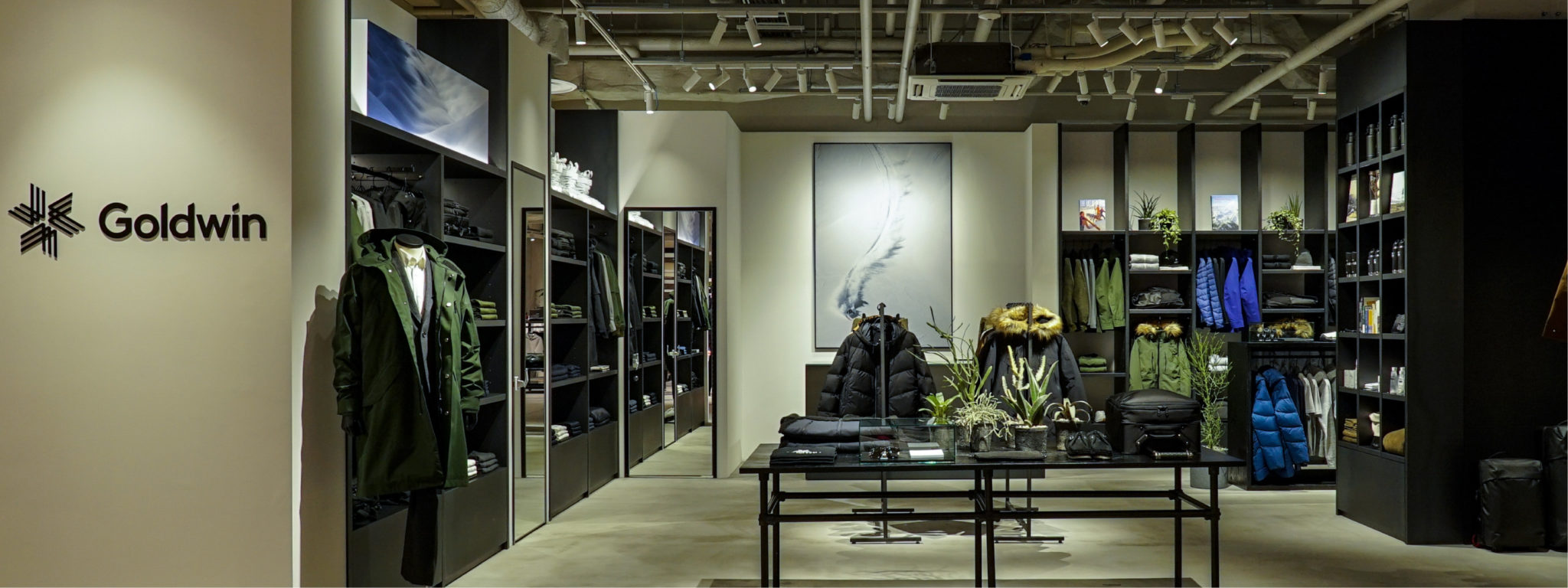
    Japanese outdoor apparel retailer Goldwin is set to open its first independent flagship store in Tokyo. The Marunouchi business district launch, scheduled for November 8, will introduce the brand’s new selection of high-performance sportswear, lifestyle and ski apparel. Highlighted will be two of Goldwin’s best-selling products, the Arris Jacket and the Hooded Spur Gore-Tex Down Coat.

    A Goldwin press release stated that the flagship will allow the firm “to expand its vision and introduce new values, creating a platform where sports and lifestyle merge”.

    Goldwin’s products have previously been made available at The North Face retail stores in Japan and other specialty stores worldwide.

    The company intends to follow this launch with more flagships to open in international locations.

  • UNIQLO x ALEXANDER WANG Collection to be launced on November 9

    UNIQLO x ALEXANDER WANG Collection to be launced on November 9

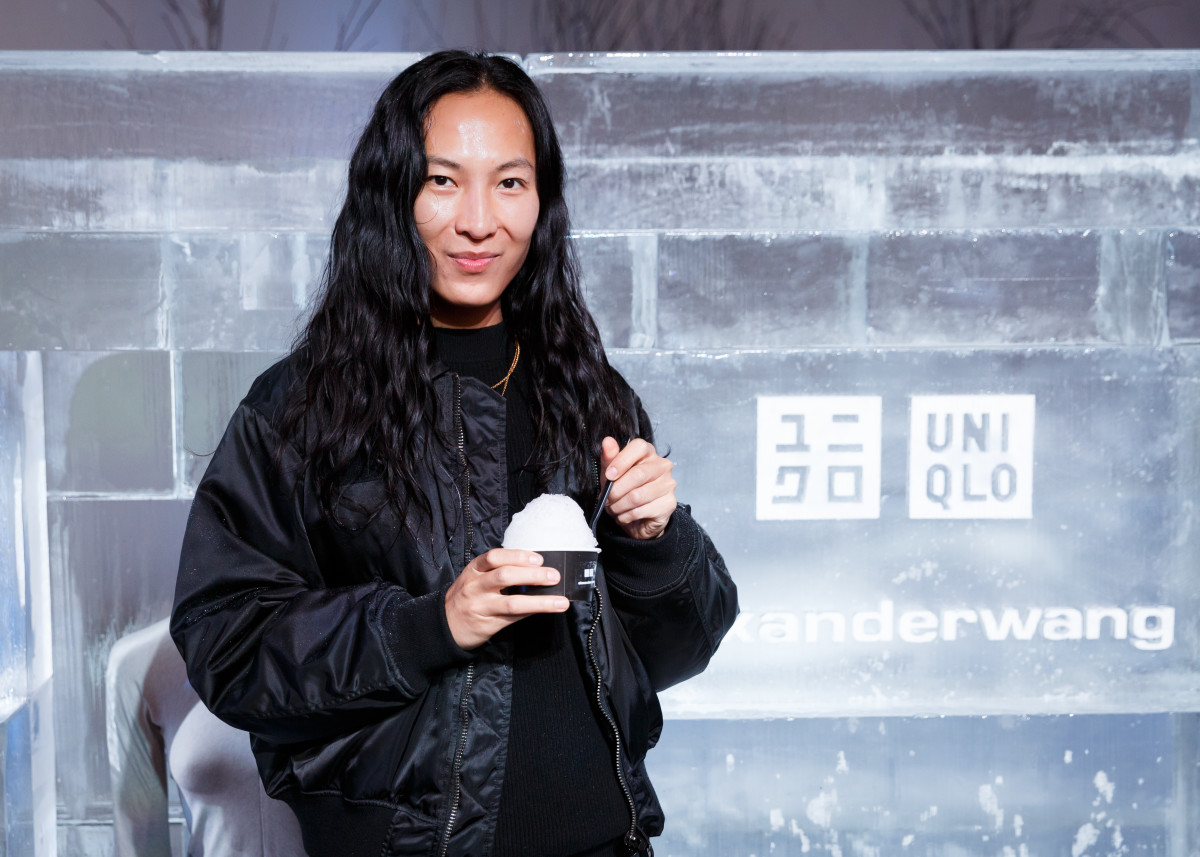
    UNIQLO announced that it will launch the new UNIQLO and ALEXANDER WANG collaboration line in 20 countries and regions around the world on 9 November. In Singapore, the collection will first launch online at UNIQLO.com on 8 November and it will be available in stores from 9 November. The full range will be available at UNIQLO Orchard Central Global Flagship Store and through UNIQLO.com. Selected items will be available at all UNIQLO stores. The range takes the UNIQLO HEATTECH concept of enjoying light and fashionable dressing even in cold seasons and expresses it with new ideas, creating LifeWear that presents HEATTECH as more stylish wear.

    Two images from the launch campaign Warmth Reimagined depict products in an ice block. The metaphorical visual aims to express the thought that HEATTECH transcends the cold and is warm enough to melt away the ice it is encased in. The campaign speaks to the idea that, even though these items are technically ‘innerwear,’ they may be worn as ‘outerwear’ or as visible layers. There is no reason to hide these beautiful, warming garments. Hence Warmth Reimagined.

    The new collection of HEATTECH and HEATTECH Extra Warm items comprises fashionable innerwear with the original functionality of HEATTECH, allowing the wearer to be warm and stylish even in cold seasons. The silhouettes are sharp and slim overall, while the women’s tank top features a unique back design and can be styled with other pieces from the collection. HEATTECH underwear is available in both men’s and women’s lines for the first time. The men’s items include both briefs and boxers, while the women’s range has a bra and shorts. The waist is adorned with a logo, a design element for wearers to casually show.

    The collaboration line includes a range of colours from Alexander Wang’s classic black to neon green. The line also incorporates neo-futuristic elements and sporty styling, such as glossy rib materials reminiscent of 80s fashion. The visual presentation of the comfortable, bias weave fabric is another characteristic of this collection. The fabric itself uniquely changes with body movement, with V-shaped patterns appearing on the surface.

  • Canada Goose debuts in Hong Kong market

    Canada Goose debuts in Hong Kong market

    Canadian clothing manufacturer Canada Goose has opened its first Hong Kong store. Located in the IFC mall, the inaugural greater China store follows a partnership struck in May with Alibaba to launch the brand on the mainland. Canada Goose’s CEO in China Scott Cameron said the brand chose to open in Hong Kong because of its status as China’s fashion capital, as well as its strategic location between the mainland and the rest of the world.

    The brand’s new 2018 fall products are available in store as well as its classic down jacket and “Fusion Fit” collection for Asian wearers.

    The Alibaba partnership was created in part to ensure consumer access to genuine products in a market category frequently assailed by counterfeiting.

  • Winter Olympics: South Korea builds it but will fans come?

    Winter Olympics: South Korea builds it but will fans come?

    Most venues for the 2018 Pyeongchang Games are virtually finished and the organisers are about to launch a domestic and international marketing blitz, touting Korean technology, culture and food as they seek to persuade sports fans from around the world to make the long journey to north-east Asia.

    Lee, though, has his doubts. Dried pollack — dessicated during the biting chill of winter — is a speciality of the area, but he thinks Westerners would find his signature product “a bit hard to eat”.

    He is not planning to increase production for next winter, he told AFP, despite his prime retail location and a chance to attract thousands of potential customers.

    With a year to go, many South Koreans express pride that they are hosting the games, and workers are already installing the upper levels of the Olympic structure opposite Lee’s premises.

    The only sporting facility still awaiting completion is a new ski slope for the downhill events — none of the existing resorts have high enough mountains to provide the vertical drop required according to regulations — but even that is 85 percent finished.

    A roomy show flat in the Olympic village, complete with bedspreads covered in sports symbols, has two sets of double glazing to protect against the cold.

    Looking out from the top of the vertiginous K125 ski jump, tiny staff in dayglo green jackets far below prepare the landing area snow for a test event, the cross-country course runs through wooded hills nearby, and wind farm turbines line the horizon.

    But marketing has so far been conspicuous by its absence. On the road from Seoul, the first mention of the Winter Olympics is a plain white sign on a hillside around 30 kilometres (19 miles) from Pyeongchang.

    It is a notable contrast to the next host China, where multicoloured billboards already line highways more than an hour from the venues, despite the fact that its Games are not until 2022.

    A Gallup Korea survey released Tuesday said nearly half of South Koreans — 49 percent — were not interested in the Winter Olympics, with 19 per cent having “no interest at all”. Only 48 percent were interested.

    The question of promoting the Pyeongchang Olympics — taking place an intercontinental flight away from the traditional markets of North America and Europe — is increasingly important.

    “It’s a fundamental issue,” IOC Olympic Games executive director Christophe Dubi told AFP.

    “We must sell these Games, and the challenge today — and we have spoken openly about this with the Pyeongchang organisers — is to engage this effort both at the Korean level and internationally,” he said.

    Even South Korean media have expressed concerns. In a stinging editorial, the Chosun Ilbo newspaper lamented that there was “no excitement or buzz around the Games that are only about a year away” and warned of the risk of “international embarrassment”.

    – ‘Games for Asians’ –

    The push will begin on Thursday, said Lee Hee-Beom, president and CEO of the Pyeongchang Organising Committee for the Olympic Games (POCOG), when tickets go on sale in South Korea. International availability depends on each country’s national Olympics committee.

    Top category seats for the opening ceremony and men’s ice hockey final cost 1,500,000 Korean won ($1,300) and 900,000 won ($800) respectively, but several disciplines ranging from biathlon to skeleton have tickets as cheap as 20,000 won.

    “From February 9th we will have promotions and we will expedite promotional activities around the nation and all around the world,” Lee told AFP, with advertisements on Seoul buses and international television networks.

    Pyeongchang will be the 23rd Winter Olympics, he pointed out, but the Games have only been held in 12 countries so far, all of them in Europe or North America aside from Japan, which has hosted them twice, at Sapporo in 1972 and Nagano in 1998.

    So far winter sports have been “games for the Europeans, games for the Americans”, he said. But with China to follow South Korea as host country, it meant “winter sports become games for Asians”.

    Beijing has declared its intention to have 300 million winter sports fans by the time it hosts the event.

    But at the Yongpyong resort where the slalom events will be held, tour guide Uno Wang — who has been escorting groups from China for 15 years — warned against relying too much on South Korea’s giant neighbour.

    “We usually introduce the Olympics to the people that we bring here but they don’t show that much interest,” he said. “It’s generally like that in East Asia. China is a country that’s not that into sports, especially winter sports.”

    And Chinese tourism to South Korea is under a cloud, with Beijing infuriated by the country’s planned deployment of a US missile defence system, THAAD, in response to nuclear-armed North Korea’s atomic tests and rocket launches.

    Beijing has imposed measures seen as economic retaliation, and Wang says his visitor numbers have fallen by 30 to 50 percent as a result.

    “If the South Korean government goes ahead with the THAAD deployment maybe the numbers will decrease even more — 70 or 80 percent,” he said. “It’s a very serious problem.”