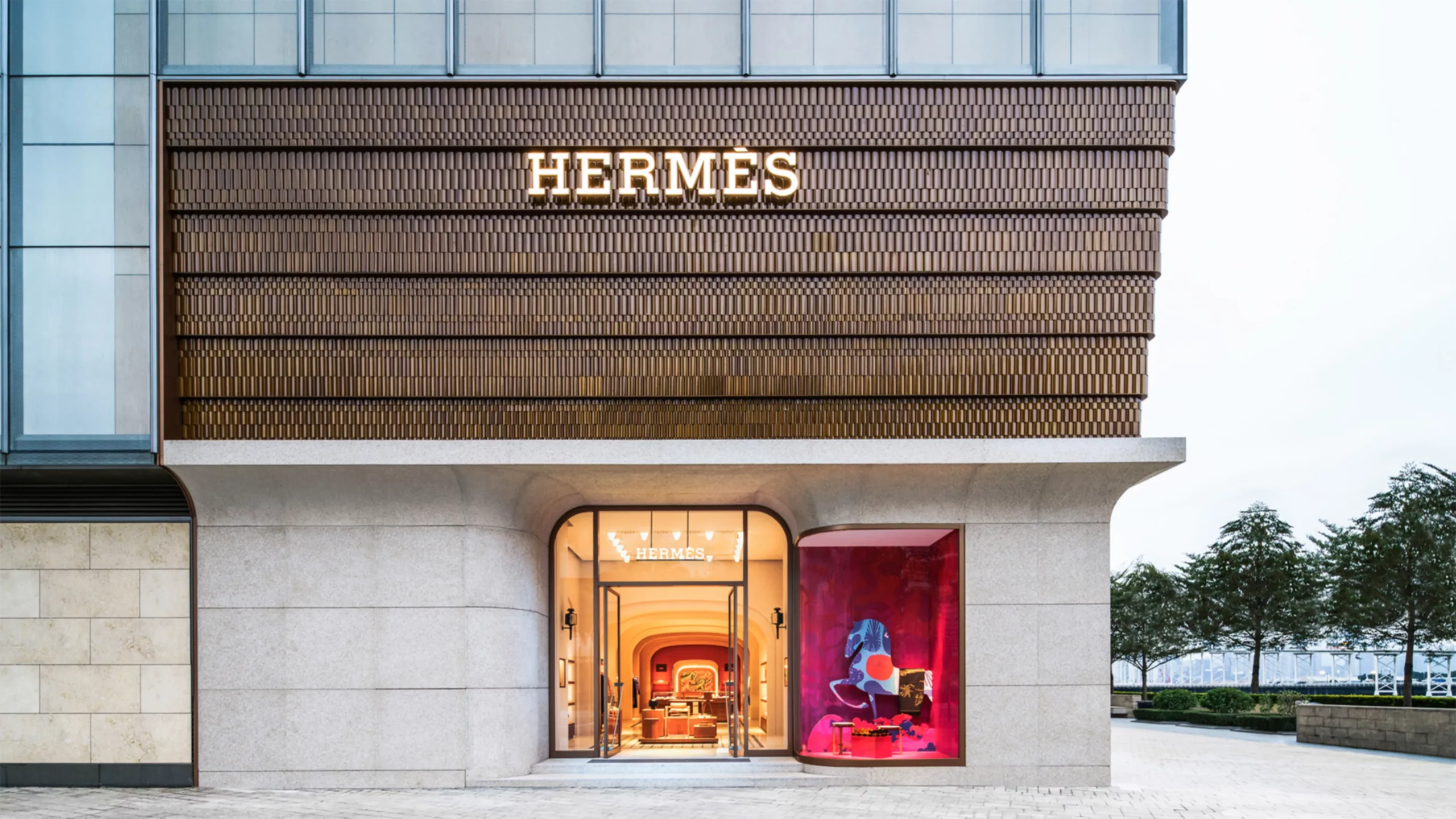
Tag: witnesses

  • Hermès Witnesses Stellar Growth in Asia, Japan Leads Charge with 11% Sales Increase

    Hermès Witnesses Stellar Growth in Asia, Japan Leads Charge with 11% Sales Increase

    Luxury goods retailer Hermès has reported a notable surge in sales for the first half of this fiscal year, with the Asian market, particularly Japan, demonstrating substantial performance.

    During the six-month period ending in June, the company garnered a revenue of €8.2 billion (US$9.39 billion), marking a growth of 6 per cent at constant exchange rates and 2 per cent at current exchange rates. The second quarter of the year witnessed a 7 per cent increase in sales at constant exchange rates, hitting €4.1 billion.

    Geographical Growth

    Although all regions exhibited growth, the Middle East was an exception, suffering the repercussions of ongoing turmoil. In Asia, Japan emerged as the region with the highest growth, witnessing an 11 per cent surge in sales in constant currency. This impressive performance was primarily backed by significant customer inflow and consistent customer loyalty. Following the expansion and renovation of Osaka’s Hilton Plaza East store in May, Hermès introduced its new store in Nagoya in June.

    Other Asian markets, including Greater China and South Korea, experienced a 2 per cent growth. In January, the company opened a store in Hanoi, subsequently launching the new Sanlitun store in Beijing and reopening the Hong Kong Elements and Taipei Sogo Fuxing stores in April.

    Sales in the Americas rose by 15 per cent, France saw a 2 per cent improvement, and Europe excluding France reported a 9 per cent growth. In contrast, the Middle East experienced a 4 per cent decline in sales. Despite the unstable geopolitical climate, Hermès noted that the market demonstrated resilience, with the second quarter showing signs of gradual recovery.

    Sales by Category

    In terms of product categories, both leather goods and textiles segments posted sales growth of 10 per cent. The ready-to-wear and accessories sector observed a modest 2 per cent increase, while perfume and beauty suffered a 4 per cent decline. Watch sales remained steady.

    From a financial perspective, the recurring operating income rose slightly to €3.4 billion, whereas the consolidated net profit remained steady at €2.2 billion.

    Looking ahead, Hermès confirmed its medium-term revenue growth outlook at constant exchange rates, despite the prevalent economic, geopolitical and monetary uncertainties.

    Questions & Answers

    What were Hermès’ first-half fiscal year sales results?
    For the first half of the fiscal year, Hermès reported strong sales growth, particularly in Asian markets, with revenue totalling €8.2 billion (US$9.39 billion).

    How did Hermès perform in different geographical markets?
    The company witnessed growth in all regions except the Middle East. The Americas reported a 15 per cent increase in sales, France a 2 per cent rise, and Europe excluding France a 9 per cent growth. Asian markets, particularly Japan, demonstrated significant performance.

    How did different product categories at Hermès perform?
    Leather goods and textiles witnessed a sales growth of 10 per cent, ready-to-wear and accessories experienced a slight 2 per cent increase, while perfume and beauty saw a 4 per cent decline. Watch sales remained stable.
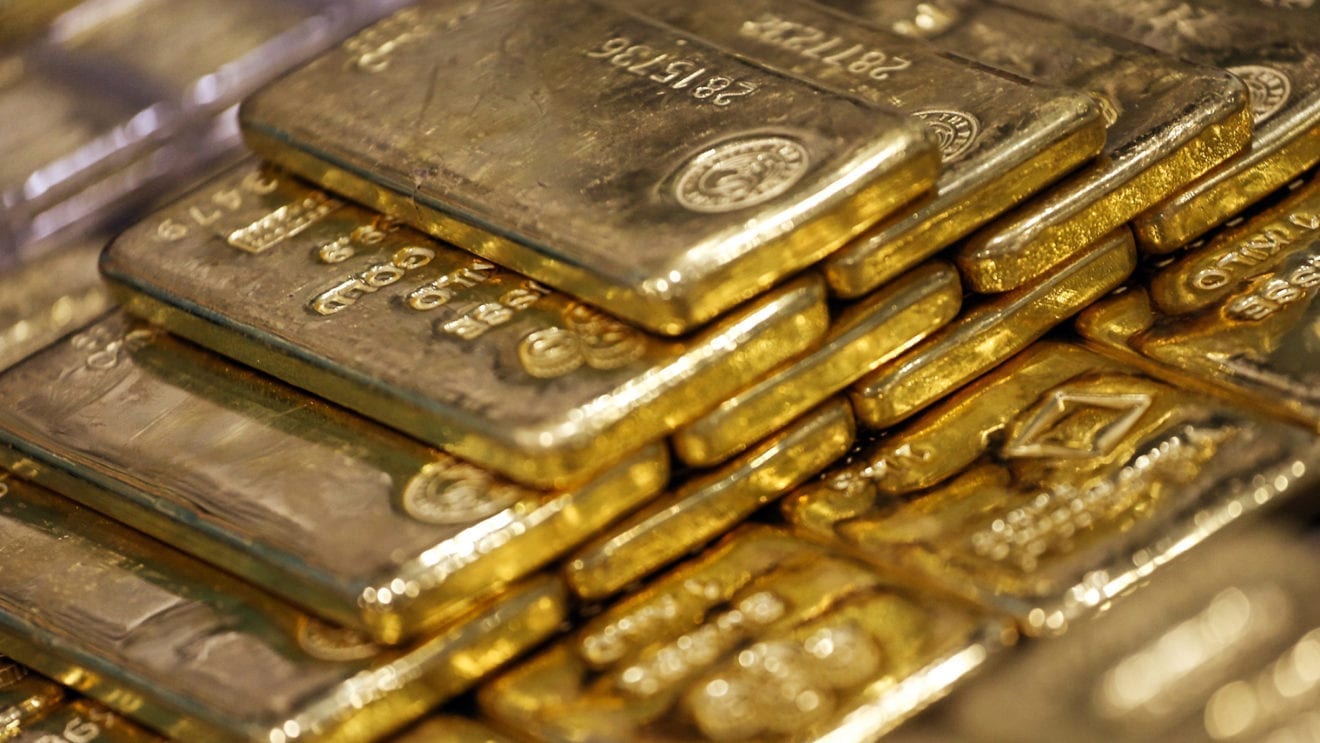
  • Global Gold Rush Stumbles: Vietnam Witnesses Gold Price Drop Amid Rising Crude Oil Rates

    Global Gold Rush Stumbles: Vietnam Witnesses Gold Price Drop Amid Rising Crude Oil Rates

    In Vietnam, the price of gold took a hit on Wednesday morning, coinciding with a global decrease in bullion rates. Saigon Jewelry Company, a prominent gold dealer, experienced a 0.32% drop in the price of their gold bars. This translated to a new rate of VND157 million, equivalent to US$5,960.5 per tael.

    In a parallel development, the cost of gold rings also witnessed a similar decline, ending up at approximately VND156.8 million per tael. It should be noted that one tael is equivalent to 37.5 grams, or 1.2 ounces.

    Global Downturn in Gold Prices

    Internationally, the price of gold experienced a downturn on Wednesday. The renewed tension in the Middle East, which resulted in a surge in crude oil prices, sparked fears of prolonged high-interest rates. This fear was intended to curb inflation.

    Spot gold registered a 0.2% decline to stand at $4,476.50 per ounce. Meanwhile, U.S. gold futures set for August delivery also echoed the downward trend, falling 0.3% to land at $4,504.40.

    The Middle East saw renewed hostilities on Wednesday. The U.S. military reported thwarted or otherwise unsuccessful Iranian missile attacks on Bahrain, Kuwait, and other regional targets. The lack of diplomatic progress between Washington and Tehran seemed to contribute to the situation.

    As a result, oil prices marked an increase of more than 1% in early trading on Wednesday. This development deepened concerns about inflation and potential interest rate hikes, factors that tend to negatively impact non-yielding gold.

    Questions & Answers

    What was the percentage decrease in the price of gold in Vietnam?
    The price of gold in Vietnam fell by 0.32%.

    What were the global factors contributing to the decline in gold prices?
    Several global factors contributed to the decline in gold prices, including renewed tensions in the Middle East, a rise in crude oil prices, and fears of prolonged high interest rates intended to curb inflation.

    How did the situation in the Middle East affect oil prices?
    The renewed hostilities in the Middle East led to an increase in crude oil prices by more than 1% in early trade on Wednesday.

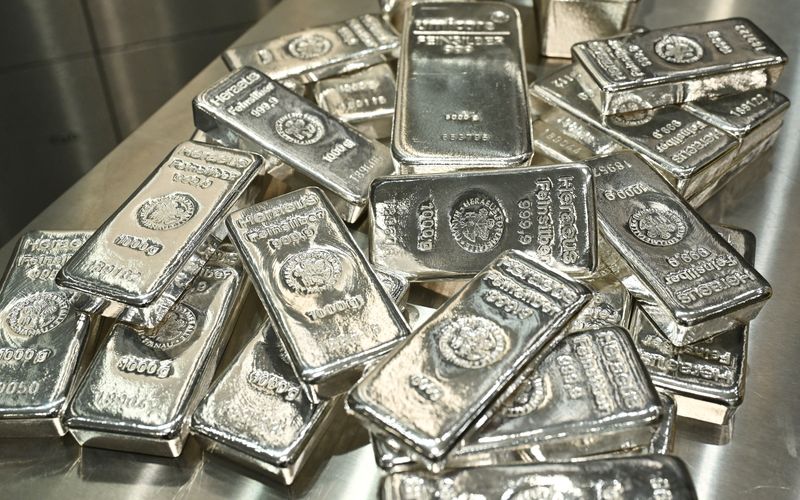
  • Unprecedented Silver Boom: Vietnam Witnesses Record-Breaking High Amid Global Supply Crunch

    Unprecedented Silver Boom: Vietnam Witnesses Record-Breaking High Amid Global Supply Crunch

    Vietnam’s silver prices reached record heights on Monday morning. This surge was triggered by a worldwide increase in the value of the precious metal due to a supply shortage. The selling price at the jewelry chain Phu Quy increased by 6% from Sunday, standing at VND3.07 million (US$117) per tael (37.5 grams). The rate has experienced a substantial increase of 169% within the year.

    Global Silver Prices

    On an international scale, the price of silver soared past the $80-per-ounce mark for the first time. However, it later saw a sharp decrease in a volatile trading environment on Monday.

    Charu Chanana, the Chief Investment Strategist at the investment bank Saxo, said precious metals have experienced a boost this year due to a potent combination of factors. These include rate-cut tailwinds and hedging against geopolitical and fiscal uncertainties. She noted, “Adding supply concerns to the mix has resulted in a parabolic movement. However, the abrupt spike towards the end of the year, particularly in silver prices, also points towards the possibility of greater volatility. In the short-term, the risk is primarily technical and positioning-led.”

    Investments in Silver and Other Alternatives

    Significant debt loads in major economies such as the U.S., France, and Japan, combined with a lack of political determination to address these issues, have encouraged some investors to turn to silver and other alternative assets this year.

    Moreover, the global production of silver from mines has been restricted due to decreasing ore grades and a lack of new project development.

    Questions & Answers

    What has driven the recent surge in silver prices in Vietnam?
    The recent upsurge in Vietnam’s silver prices has been driven by a global increase in the value of the precious metal due to supply shortages.

    What factors have boosted the value of precious metals this year?
    The value of precious metals has surged due to a combination of rate-cut tailwinds and hedging against geopolitical and fiscal uncertainties.

    Why have some investors been accumulating silver and other alternative assets this year?
    Significant debt loads in major economies, coupled with a lack of political will to address these issues, have prompted some investors to accumulate silver and other alternative assets.