Tag: worlds

  • Onitsuka Tiger Unveils Worlds Biggest Flagship Store in Tokyo, Offers Immersive Retail Experience

    Onitsuka Tiger Unveils Worlds Biggest Flagship Store in Tokyo, Offers Immersive Retail Experience

    Onitsuka Tiger, a renowned Japanese fashion label, has inaugurated its most expansive flagship store globally in Tokyo’s Shinjuku district. This notable move precedes the brand’s impending transformation into a distinct, independent subsidiary.

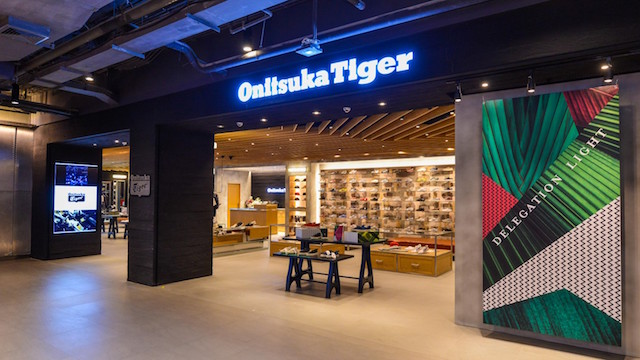
    The flagship outlet, sprawling over 1837 square meters and distributed across four floors, provides a comprehensive display of Onitsuka Tiger’s product collection. This includes their Heritage line, the Contemporary range that spotlights runway collections from the prestigious Milan Fashion Week, and The Onitsuka formal footwear series.

    Unique to this store is the brand’s debut in-store entertainment area, alongside proprietary merchandise and engaging retail experiences. The store’s design, masterminded by the Milan-based Studio Dini Cataldi, incorporates a ‘vertical narrative’ theme. Each floor distinctly showcases a variety of materials, hues, and aesthetics, derived from a fusion of Japanese artistry and Italian design elements. The building’s defining architectural feature is its Tiger Yellow concrete facade.

    Onitsuka Tiger aspires for their outlets to serve as destinations where visitors can delve into the brand’s ethos and history. The new flagship store epitomizes both the brand’s rich legacy and its innovative spirit. Being the largest global flagship store, it amalgamates all product categories under one roof, offering a novel brand experience to visitors worldwide.

    This grand opening is closely followed by the announcement from the parent company, Asics, of its plans to transition the Onitsuka Tiger business into a fully owned subsidiary, the OT Group, effective from January 1 of the coming year. This strategic restructuring aims to provide the fashion label with increased operational autonomy, thereby facilitating quicker decision-making and bolstering its global expansion aspirations.

    Questions & Answers

    What does the new Onitsuka Tiger flagship store in Tokyo’s Shinjuku district offer?

    The massive flagship store showcases the brand’s full range of products, including their Heritage line, the Contemporary collection featuring highlights from Milan Fashion Week, and The Onitsuka formal footwear series. The store also debuts the brand’s in-store entertainment area, exclusive merchandise, and immersive retail experiences.

    What is the concept behind the store’s design?

    Conceptualized by Milan-based Studio Dini Cataldi, the store design incorporates a ‘vertical narrative’ theme, with each floor distinctly showcasing diverse materials, colors, and aesthetics. This is inspired by a blend of Japanese craftsmanship and Italian design, culminating in its signature Tiger Yellow concrete facade.

    What is the purpose of the brand’s restructuring?

    The restructuring, announced by parent company Asics, is set to transform the Onitsuka Tiger business into a wholly-owned subsidiary named OT Group. This strategic move is intended to grant the fashion label greater operational independence, thereby enabling faster decision-making and supporting its global growth ambitions.

  • Alipay Ventures Further into AI Commerce: Introduces Worlds First AI Wallet and Token Pay

    Alipay Ventures Further into AI Commerce: Introduces Worlds First AI Wallet and Token Pay

    Chinese fintech titan, Alipay, is ramping up its endeavors in AI-driven commerce with the introduction of an innovative AI payment infrastructure devised to bolster the burgeoning “agentic economy”.

    As per a press release issued on Monday, Alipay unveiled the world’s inaugural “AI Wallet” along with a novel service dubbed “Token Pay”, both targeted at AI firms and developers. This announcement was made at the Alipay AI Payment Ecosystem Conference held in Hangzhou.

    AI Agents in the Commercial World

    The crux of this initiative is Alipay’s AI payment ecosystem, where users can execute transactions via AI agents using voice commands and automated processes.

    Cyril Han, CEO of Ant Group, said, “Even though the quintessence of commerce remains intact in the AI era, AI agents are revolutionizing every aspect.” Han added that based on 22 years of technological prowess and commercial knowledge, Alipay is creating the next wave of AI payment services to boost the growth of the agentic commerce ecosystem.

    The firm disclosed that its AI-native payment products have already surpassed 100 million users since their February 2026 launch. As per Alipay, the system has processed approximately 300 million transactions so far, making it the first commercially scaled AI-native global payment infrastructure.

    Introduction of the “AI Wallet”

    The AI Wallet, a crucial part of this expansion, has been recently introduced and is now accessible via the Alipay app.

    The product is engineered to provide users more supervision and command over transactions executed by AI agents. This includes the ability to monitor tasks prior to and during payment and to analyze spending behavior after the transaction.

    In an effort to augment trust in autonomous AI transactions, Alipay also launched China’s maiden “Agentic Commerce Trust Protocol”, aimed to establish a standardized framework between AI systems and service platforms.

    Simultaneously, the firm introduced an intelligent security system designed to safeguard AI-driven transactions.

    “Token Pay” Designed for AI Companies

    Along with the AI Wallet, Alipay launched “Token Pay”, which the firm describes as the first integrated payment solution specifically tailored for AI model firms.

    The platform enables AI enterprises to handle subscription payments, token top-ups, and associated transactions on a global scale via a single infrastructure.

    Weiqi Hu, Vice President of MiniMax, said, “Payments are instrumental in facilitating massive growth in the AI sector. Together with Alipay, we aim to strengthen collaboration across multiple domains to accelerate the growth of AI commerce.”

    Payments Integration within AI

    Industry experts anticipate payments to become an inherent feature within AI applications rather than a separate step in digital commerce.

    “AI is redefining every facet of commerce,” said Lin Zhu, General Manager of Alipay’s AI payment business at Ant Group. Zhu added that payments are transitioning from a final step to a capability embedded from the outset. According to Zhu, only with trusted transactions, seamless payments, and secure controls, can agentic commerce genuinely proliferate.

    Extensive Expansion Across Industries

    Alipay’s AI payment infrastructure is already being widely used across a plethora of sectors and devices in China, such as AI-powered services embedded in retail apps including Luckin Coffee, smart glasses by Rokid, Alibaba’s Qwen AI ecosystem, OpenClaw-style AI agents, smart vehicle cockpits, AI development platforms like Coze and Qoder, and “One Person Companies”.

    Alipay announced additional investment in developer support programs, including token incentives and waiving payment-processing fees for individual AI developers.

    Through the latest rollout, Alipay is striving to establish itself not merely as a payment provider, but increasingly as the financial infrastructure supporting the next generation of AI-driven digital commerce.

    Questions & Answers

    What is the AI Wallet introduced by Alipay?
    The AI Wallet is a product designed to give users more control over transactions carried out by AI agents. Users can monitor tasks before and during payment execution and analyze spending behavior afterward.

    What is the purpose of Alipay’s “Token Pay”?
    Token Pay is an integrated payment solution created specifically for AI model companies. It allows AI firms to manage subscription payments, token top-ups, and related transactions globally through a single infrastructure.

    What is Alipay’s strategy with the introduction of the new AI payment infrastructure?
    Alipay’s strategy is to position itself not only as a payment provider, but increasingly as the financial infrastructure underpinning the next generation of AI-driven digital commerce.

  • Singapore and Thailand Rank High on Worlds Happiest Economies Index

    Singapore and Thailand Rank High on Worlds Happiest Economies Index

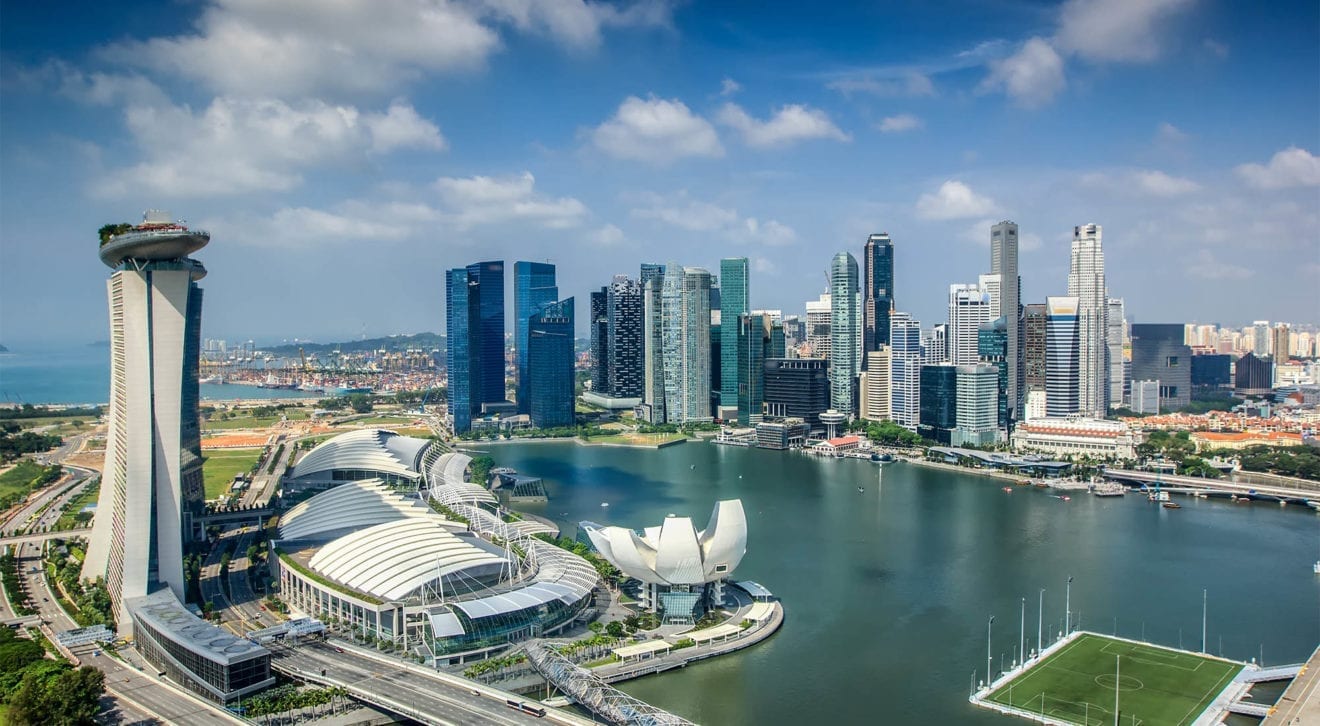
    Singapore and Thailand have been identified as two of the world’s “happiest” economies according to the annual Misery Index by Steve Hanke, a Johns Hopkins University economist. Singapore took the second spot globally, just behind Taiwan, achieving a Misery Index score of 2.6. This index gauges the economic conditions experienced by the average citizen. A lower score suggests stable employment, controlled prices, affordable credit, and rising incomes.

    Singapore’s high ranking is attributed to a robust labor market characterized by a mere 2.0% unemployment rate, a 1.2% inflation rate, and a real GDP per capita growth of 4.3%. Thailand followed closely in third place, with a score of 3.1, buoyed by low inflation and steady employment. Consumer prices dropped by 0.3%, unemployment was at 0.8%, and the real GDP per capita rose by 2.5%.

    Hanke noted that Singapore and Thailand’s stable inflation and reasonably low borrowing costs resulted from prudent management of their money supply. In spite of Thailand’s moderate GDP growth, the falling consumer prices and minimal unemployment imply that the Thai citizens are not experiencing a sluggish economy in their daily lives.

    Southeast Asia’s Economic Health

    Other Southeast Asian economies also surpassed larger competitors, with Malaysia, Cambodia, and Vietnam ranking in the bottom quintile of the index. The Philippines, Laos, and Indonesia also had commendable performances. However, Myanmar, currently experiencing conflict, was the exception, ranking 14th.

    Steve Hanke, who had previously acted as the chief economic advisor to the president of Indonesia, described Southeast Asia as “one of the healthiest economic regions globally.” Nevertheless, he observed that high unemployment and increased bank-lending rates negatively impacted the Philippines’ economic outlook.

    Overall, Hanke attributed the region’s economic resilience to pragmatic central banking, generally open trade regimes, and high savings rates funneled into productive investments. He highlighted the Philippine economy’s rapid growth in recent years, particularly before the pandemic, attributing this to its dynamic monetary policies and financial stability.

    However, he cautioned that disruptive events like the Gulf conflict could lead to inflationary pressures, with countries heavily reliant on energy imports from the Middle East, such as Thailand and the Philippines, being the most vulnerable.

    The Misery Index is calculated using four factors: unemployment, inflation, bank-lending rates (which are added together), and the growth rate of the real gross domestic product (which is subtracted). A total of 178 economies were evaluated, with Venezuela being identified as the most miserable, scoring 556.5 due to the world’s highest inflation rate of 475% and a 35% unemployment rate.

    In contrast, Taiwan emerged as the happiest economy with a score of 2.1 – an achievement driven by a high global demand for semiconductors and artificial intelligence hardware, leading to a 9.2% increase in real GDP growth per capita, while keeping unemployment, inflation, and bank-lending rates low.

    Questions & Answers

    What is the annual Misery Index?
    The annual Misery Index is a measure developed by Steve Hanke, an economist at Johns Hopkins University, to gauge the economic conditions experienced by the average citizen. It factors in elements like stable employment, controlled prices, affordable credit, and rising incomes.

    Which economies ranked as the “happiest” according to the Misery Index?
    Taiwan ranked as the “happiest” economy, followed by Singapore and Thailand in second and third place respectively.

    What factors could potentially impact the economic outlook of Southeast Asian countries?
    Events like the Gulf conflict, which could lead to inflationary pressures, could impact the economic outlook. Countries heavily reliant on energy imports from the Middle East, like Thailand and the Philippines, are considered the most vulnerable.

  • Hanoi-HCMC Soars High: World’s 4th Busiest Flight Route for Second Year Running

    Hanoi-HCMC Soars High: World’s 4th Busiest Flight Route for Second Year Running

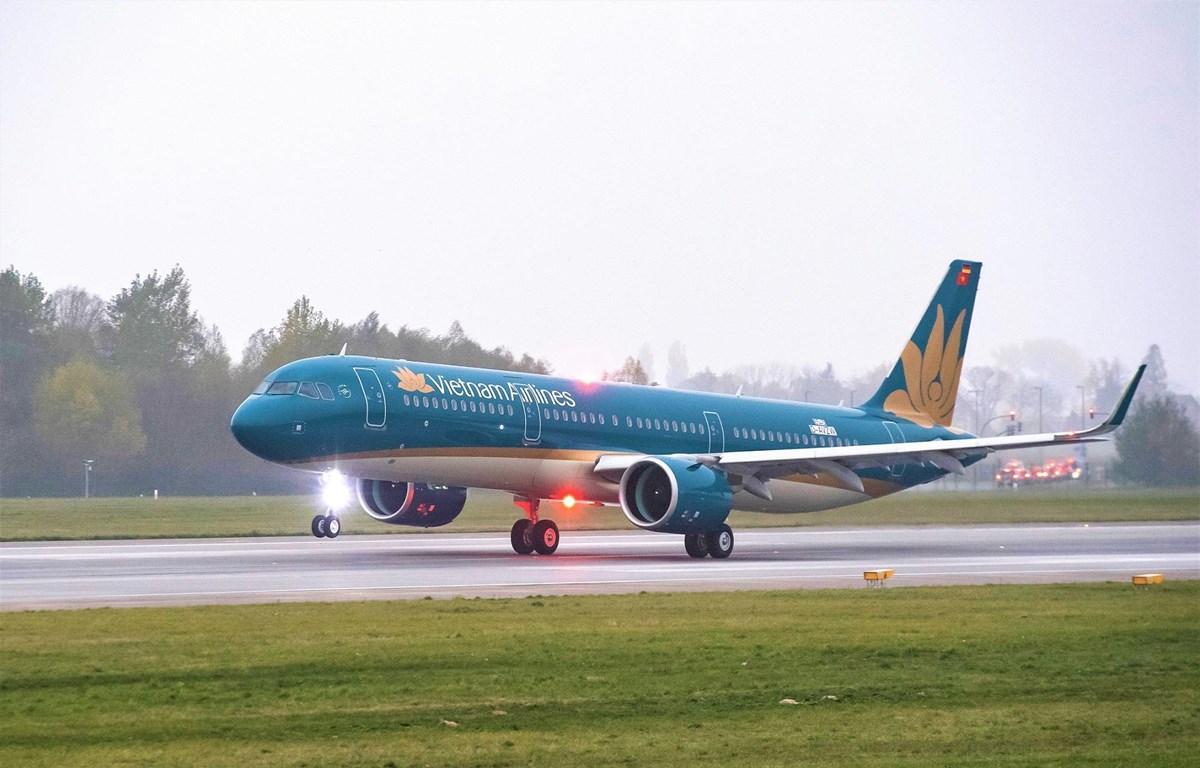
    The flight route between Hanoi and Ho Chi Minh City (HCMC) once again ranked as the fourth busiest worldwide in 2025, boasting a seat capacity of 11.07 million, according to data from an aviation intelligence firm. The route saw a 4% increase in seat numbers from the previous year.

    Consistent Top Contender

    The Hanoi-HCMC route has consistently held a position in the top ten busiest flight routes over the past eight years. Notably, this was its fourth consecutive year in the fourth position.

    The average cost of a one-way flight along this route decreased by 11% in 2025, with the current average ticket price sitting at $67. This is highly competitive due to the presence of six carriers operating the route in 2025.

    Vietnam Airlines and Vietjet are the main operators on this 1,000-km route, providing several daily flights. The recent addition of Sun PhuQuoc Airways in the last quarter has added to the competition on this route. Other service providers on this sector include Bamboo Airways, Pacific Airlines, and Vietravel Airlines.

    Global Ranking: Top Five Busiest Flight Routes in 2025

    When it comes to the world’s busiest flight routes in 2025, the top five remain largely unchanged from the previous year. South Korea’s Jeju International-Seoul Gimpo route takes the lead with 14.38 million seats, followed by Japan’s Sapporo New Chitose-Tokyo Haneda with 12 million seats and Fukuoka-Tokyo Haneda with 11.5 million seats.

    Saudi Arabia’s Jeddah-Riyadh route, with a seat capacity of 9.8 million, has dethroned Australia’s Melbourne-Sydney route (8.9 million seats) to claim the fifth spot. Interestingly, the Jeddah-Riyadh route also reported the fastest growth, with a 13% increase in seat capacity. It is also the only non-Asia-Pacific route in the top ten.

    Questions & Answers

    What was the fourth busiest flight route in 2025?
    The flight route between Hanoi and Ho Chi Minh City ranked as the fourth busiest flight route in 2025.

    Which flight routes were the busiest in 2025?
    The busiest flight routes were South Korea’s Jeju International-Seoul Gimpo, Japan’s Sapporo New Chitose-Tokyo Haneda, Fukuoka-Tokyo Haneda, Vietnam’s Hanoi-HCMC, and Saudi Arabia’s Jeddah-Riyadh.

    Which route showed the fastest growth in 2025?
    Saudi Arabia’s Jeddah-Riyadh route reported the fastest growth, with a 13% increase in seat capacity.

  • Chanel Unveils World’s First Complete ‘Chanel Ecosystem’ in Newly Expanded Shanghai Flagship Store at Plaza 66

    Chanel Unveils World’s First Complete ‘Chanel Ecosystem’ in Newly Expanded Shanghai Flagship Store at Plaza 66

    After an extensive 18-month refurbishment, Chanel has officially unveiled its renovated flagship boutique in Shanghai’s Plaza 66. The three-story space, which is now twice its original size at 2973 square meters, is the first of its kind to encompass the brand’s entire ‘ecosystem.’

    Embracing the World of Chanel

    The newly expanded location presents an array of Chanel’s luxury offerings, ranging from fashion and accessories to watches, fine jewelry, beauty products, and fragrances. It also includes Les Ateliers, the house’s dedicated repair and alteration service, along with the exclusive Les Salons Prive.

    Peter Marino, who has a long-standing collaborative relationship with the brand, was the mastermind behind the boutique’s redesign. The refreshed layout incorporates sophisticated white facades, black-framed vertical panels resembling pleated fabric, and an abundance of natural light pouring in from the mall’s glass ceiling.

    Distinctive Spaces for Distinct Collections

    Chanel’s latest handbags and accessories take center stage on the ground floor. In a separate black-and-gold section, customers can peruse an exquisite selection of watches and fine jewelry, including the Coco Crush and No 5 collections, and J12 and Premiere watches.

    The boutique reserves a VIP room for showcasing three patrimoine high jewelry pieces, set against a backdrop of camellia coromandel screens and Regency-era mirrors. This decor pays homage to Chanel’s historical ties with the cinema industry.

    The second floor introduces visitors to three salons, each distinguished by a unique color theme. The first salon features Chanel’s Cruise 2026 collection, while a more private second salon showcases the house’s signature black-and-white palette. A large fitting room for hosting guests connects to this space. The third salon, which houses an Arnold Armand ‘Mali’ table, leads to an elevator tunnel adorned with gold tweed-like walls.

    Additional Amenities and Services

    On the lower ground floor, customers can find the Shoe Salon, offering a variety of Coco Neige and carryover styles. This area, designed with floor-to-ceiling shelving and plush wool carpets, includes two adjoining rooms.

    The mall’s third floor plays host to the Les Salons Prive, a dedicated area for serving VIP customers. Adjacent to this area are the brand’s beauty and fragrance boutique and Les Ateliers, Chanel’s repair and alteration service.

    In a statement, Bruno Pavlovsky, President of Fashion at Chanel, said, “This new space represents the Chanel universe. We are not merely striving to build the biggest boutique, but to create the optimal environment for the ultimate experience.”

    Questions & Answers

    What does the redesigned Chanel boutique offer?
    The newly expanded boutique features the complete Chanel ‘ecosystem,’ ranging from fashion and accessories to watches, fine jewelry, beauty and fragrances. It also includes Les Ateliers and Les Salons Prive.

    Who designed the renovated Chanel boutique at Plaza 66?
    Peter Marino, a longtime collaborator with Chanel, redesigned the boutique.

    What is Chanel’s objective with the redesigned boutique?
    Chanel is not focused on building the largest boutique, but rather aims to create the perfect environment for an unparalleled customer experience.

  • Diminished Excitement Dampens China’s Singles Day Sales: A Deep Dive into the World’s Largest Shopping Festival

    Diminished Excitement Dampens China’s Singles Day Sales: A Deep Dive into the World’s Largest Shopping Festival

    China’s annual Singles’ Day shopping bonanza is drawing to a close following more than a month of promotional strategies across the nation’s main e-commerce platforms. However, this year’s event failed to generate the same level of consumer enthusiasm as previous editions due to an ongoing property crisis and increasing concerns about income security, resulting in a considerable drop in spending.

    Overcoming the Shopping Slump

    In an attempt to counteract the reduced spending, retailers have resorted to more aggressive discounting strategies throughout the year. Sales events have been extended, with billions of yuan being provided in the form of consumer subsidies and coupons. This year’s Singles’ Day, which occurs on November 11 and is also referred to as “Double 11,” started in early October, making it the longest-running event in its history.

    Josh Gardner, CEO of Kung Fu Data, a firm that handles online stores in China for global fashion and lifestyle brands, commented on the event’s performance. According to him, the results have been mixed, and the term ‘muted’ might best describe the overall public sentiment and sales outcome of this Singles’ Day event.

    Sales Performance: A Mixed Bag

    “Sales performance varied widely among brands. While some brands significantly exceeded their sales expectations, others experienced flat sales or a minor increase or decrease compared to the previous year,” Gardner said. Last year, the event generated a staggering 1.44 trillion yuan (US$202 billion) in sales, marking it as the longest-running event to date.

    In the past, major platforms, including Alibaba and JD, held extravagant celebrations to announce their record-breaking sales. Unfortunately, these companies haven’t disclosed their total Single’s Day sales for the past few years. However, JD announced that its turnover reached a new high this year, with a 40% increase in users placing orders and a nearly 60% surge in the number of orders.

    Attracting High-Spending Consumers

    In a strategic move to attract high-spending consumers, Alibaba pledged to provide 50 billion yuan in subsidies to its 88VIP members, who currently number around 53 million. Alibaba reported a 39% increase in daily active buyers from the previous year during the festival.

    Jacob Cooke, co-founder and CEO of WPIC Marketing + Technologies, mentioned that targeting 88VIP consumers is crucial. He said, “These consumers are high-spend and high-frequency buyers, which helps maintain consumption at the upper-end of the market.”

    Expanding Internationally

    Chinese e-commerce companies have been making significant efforts to expand globally. For instance, Alibaba’s Taobao extended Singles’ Day-related sales to over 20 countries this year. According to a report released in October by Bain, Chinese e-commerce companies should focus on global expansion given the lackluster consumer outlook at home.

    Questions & Answers

    Why has consumer excitement decreased during Singles’ Day?
    A slump in consumer spending has been observed due to an ongoing property crisis and concerns about income security in China.

    What strategies have retailers adopted to counteract the reduced spending?
    Retailers have implemented aggressive discounting strategies throughout the year, extended the duration of sales events, and offered billions in consumer subsidies and coupons.

    What is Alibaba’s strategy to attract high-spending consumers?
    Alibaba has pledged to provide 50 billion yuan in subsidies specifically for its 88VIP members in an effort to attract high-spending consumers.

  • Bangkok Tops List as World’s Most Expensive City for Renters, Reveals DWS Housing Affordability Review 2025

    Bangkok Tops List as World’s Most Expensive City for Renters, Reveals DWS Housing Affordability Review 2025

    Bangkok, Thailand’s capital city, has distinguished itself as the least affordable city in the world for renters, as per the Housing Affordability Review 2025. The report, compiled by Germany’s DWS, indicates that the average middle-class family in Bangkok spends nearly 79% of their disposable income on renting a two-bedroom apartment.

    The Root of High Rental Rates

    The city’s inflated rental prices are primarily due to a scarcity of condominiums. The second quarter saw condo availability drop to a 16-year low, a situation exacerbated by climbing construction costs and high-interest rates.

    Global Ranking of Affordability

    Following Bangkok, Mumbai and Mexico City were ranked second and third as the least affordable cities, with renters spending 66% of their disposable income on rent. Hong Kong came in fourth at just over 60%, and Johannesburg, South Africa, was in fifth place at approximately 58%. These cities are part of a group of 24 global cities with the most challenging rental markets. Other Asian cities on this list include Manila, Beijing, Hanoi, and Singapore.

    The study analyzed the rent to median disposable income ratio in 80 cities. A lower ratio signifies more affordable rent, with the worldwide average ratio standing at 38%.

    Cities with More Affordability

    On the other end of the spectrum, Salt Lake City was deemed the most affordable city, with a ratio of 20%. Leipzig and Austin followed closely, both featuring a ratio of 23%.

    Cities that ranked lower in affordability experienced a more significant decrease in affordability ratios compared to those ranking higher. Additionally, these cities saw their remaining spending power increase at a slower rate compared to cities demonstrating more economic resilience.

    Disposable Income After Rent

    The report also calculated the disposable income households have left after paying their monthly rent. Singapore topped the list globally with approximately $8,000 of leftover income, which is twice the global average. San Francisco followed with $7,650, and Abu Dhabi was third with $7,000.

    According to the report, wealthier cities typically benefit from high-income levels and balanced housing costs, which allows residents to retain robust purchasing power even after paying rent.

    Questions & Answers

    What factors contribute to Bangkok’s high rental rates?
    A lack of available condos, heightened construction costs, and high-interest rates are all factors that contribute to Bangkok’s high rental rates.

    Which city has the most affordable rental market?
    Salt Lake City is considered the most affordable city for renters, with a rent to disposable income ratio of 20%.

    Which cities have the highest disposable income after rent payments?
    Singapore, San Francisco, and Abu Dhabi lead the world in terms of disposable income after rent, with Singapore households having an average of $8,000 left over.

  • Singapore Retains 5th Position In Global City Rankings, Emerges As Top Education And Urban Innovation Hub

    Singapore Retains 5th Position In Global City Rankings, Emerges As Top Education And Urban Innovation Hub

    In the yearly global city rankings, Singapore has managed to hold onto its fifth place, trailing only behind Tokyo in the Asia Pacific region. This city-state has continued to strengthen its status as a top international education center and a leading pioneer in urban innovation, based on findings from the 2025 Global Cities Report by Kearney, a management consulting company.

    Evaluating City Rankings

    The Global Cities Index, a section of the Kearney report, relies on publicly accessible data to evaluate 158 cities across the globe, using 31 different metrics over five areas. These include business activity, human capital, information exchange, cultural experiences, and political engagement.

    Singapore showed minor progress this year in areas of political engagement and human capital, primarily due to enhancements in ease of access. However, these advancements were somewhat negated by a decline in cultural experience and business activity.

    The top ten cities in the report include five from the Asia Pacific region. Japan’s Tokyo leads the pack in fourth place, followed by Singapore, with Beijing, Hong Kong, and Shanghai from China filling the sixth, seventh, and eighth positions respectively.

    Other Southeast Asian cities like Bangkok, Thailand, and Kuala Lumpur, Malaysia, appeared lower on the list, securing the 33rd and 55th places respectively.

    Recognizing Resilience

    According to Shigeru Sekinada, Kearney’s regional chair for Asia Pacific, the report highlights the resilience of well-established Asian hubs amid rising global challenges and technological shifts. He lauded the region’s adeptness in managing evolving global dynamics, due to the expansion of digital infrastructure, prioritizing regulatory innovation, and investing in climate resilience. He also expressed optimism that Asia Pacific cities would not only fuel the region’s economic growth but also serve as essential links in the global economy.

    The report underscored a shift in the way city competitiveness is viewed. In the emerging era of intelligence, the size or historical importance of a city no longer solely determines its competitiveness. Success now increasingly depends on readiness or the ability to incorporate infrastructure, renewable energy, and talent to grasp opportunities presented by artificial intelligence while managing its associated risks.

    Globally, New York City retained its top position, with London and Paris following closely, maintaining their standings from the previous year.

    Future City Projections

    The report also includes a future outlook section, which examines cities’ ability to foster inclusive growth, attract investment, and preserve livability in a progressively competitive global scenario. In this section, Singapore was the only Southeast Asian city to feature in the top 30, vaulting from 20th place in the previous year to 3rd place projected for 2025.

    This significant leap reflects Singapore’s enhanced infrastructure, increasing GDP per capita, and burgeoning foreign investment. It also highlights the city’s active efforts to upgrade its digital infrastructure.

    Questions & Answers

    What key factors contributed to Singapore’s strong showing in the report?
    Singapore’s advancement in political engagement and human capital, as well as its enhanced infrastructure, burgeoning GDP per capita, and growing foreign investment, were key contributors.

    How are city rankings determined in the Global Cities Report?
    City rankings are determined based on 31 metrics across five areas: business activity, human capital, information exchange, cultural experience, and political engagement.

    What shifts have been observed in defining city competitiveness?
    In the emerging era of intelligence, city competitiveness is no longer solely determined by its size or historical significance. It now increasingly depends on readiness, or the ability to integrate infrastructure, renewable energy, and talent to leverage the opportunities presented by artificial intelligence and manage its risks.

  • Bangkok named world’s best city for working remotely

    Bangkok named world’s best city for working remotely

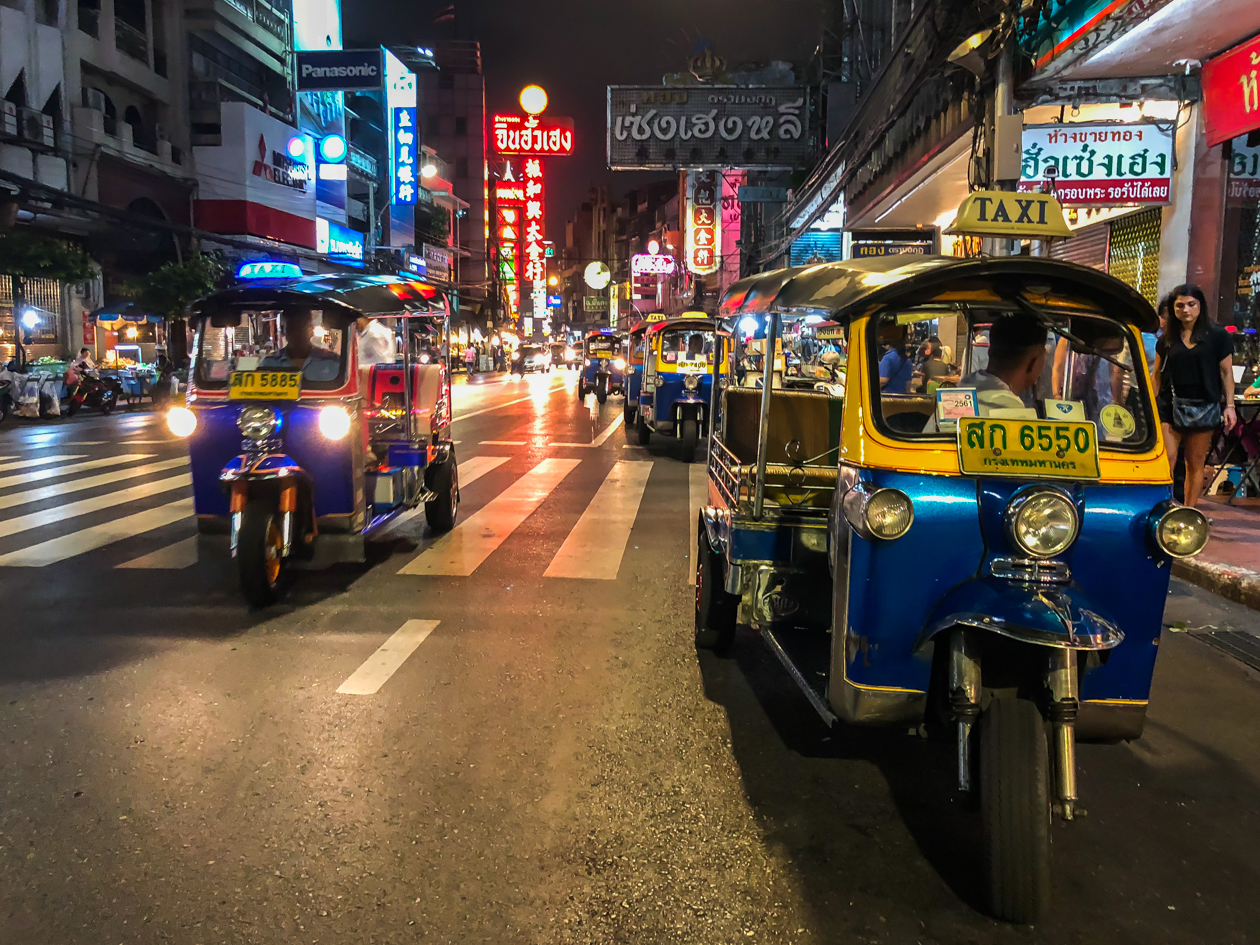
    Bangkok, the capital city of Thailand, has been recognized as the best location globally for remote work. This ranking comes from a recent study conducted by QR Code Generator, an organization specializing in QR technology solutions. The study assessed various cities worldwide using criteria including internet speed, access to remote work visas, and overall cost of living. Each city was rated on a scale of 0 to 100.

    Bangkok led the pack with a score of 69.98. The city was lauded for its high-speed mobile internet, affordable living costs, and rich cultural offerings.

    The city’s unique blend of modern and traditional attractions, coupled with its lively street life, makes it an attractive destination for digital nomads. Not to mention, the city’s delicious food and beautiful temples add to its allure.

    Coming in second place was Bucharest, Romania, with a score of 65.62. Bucharest was praised for its easy access to remote work visas, abundant green spaces perfect for outdoor activities, and a rich arts and architecture scene.

    Rio de Janeiro, Brazil, earned the third spot with a score of 62.35. The city’s strong local purchasing power played a significant role in its high ranking.

    Buenos Aires, Argentina, secured the fourth position, being recognized as one of the most affordable cities globally when it comes to groceries and dining.

    Rounding out the top five was Beijing, China, which was appreciated for its high-speed broadband and mobile networks, ensuring reliable global connectivity for remote workers.

    Reacting to these rankings, a spokesperson from the Thai government, Sasikarn Watthanachan, shared that a new Destination Thailand Visa has been introduced. This visa aims to attract foreign nationals who wish to combine travel with remote work or participate in cultural and medical activities.

    In addition, the spokesperson highlighted that the Thai government is also making efforts to boost tourism by extending its visa-free scheme to 93 countries and territories, allowing stays of up to 60 days.

    Questions & Answers

    What criteria were used to rank the cities in the study?
    The criteria included internet speed, access to remote work visas, and overall cost of living.

    Which city topped the rankings?
    Bangkok, Thailand, topped the rankings.

    What measures is the Thai government taking to attract remote workers?
    The Thai government has introduced a new Destination Thailand Visa to attract foreigners looking to combine travel with remote work. They are also expanding a visa-free scheme to 93 countries and territories, allowing stays of up to 60 days.