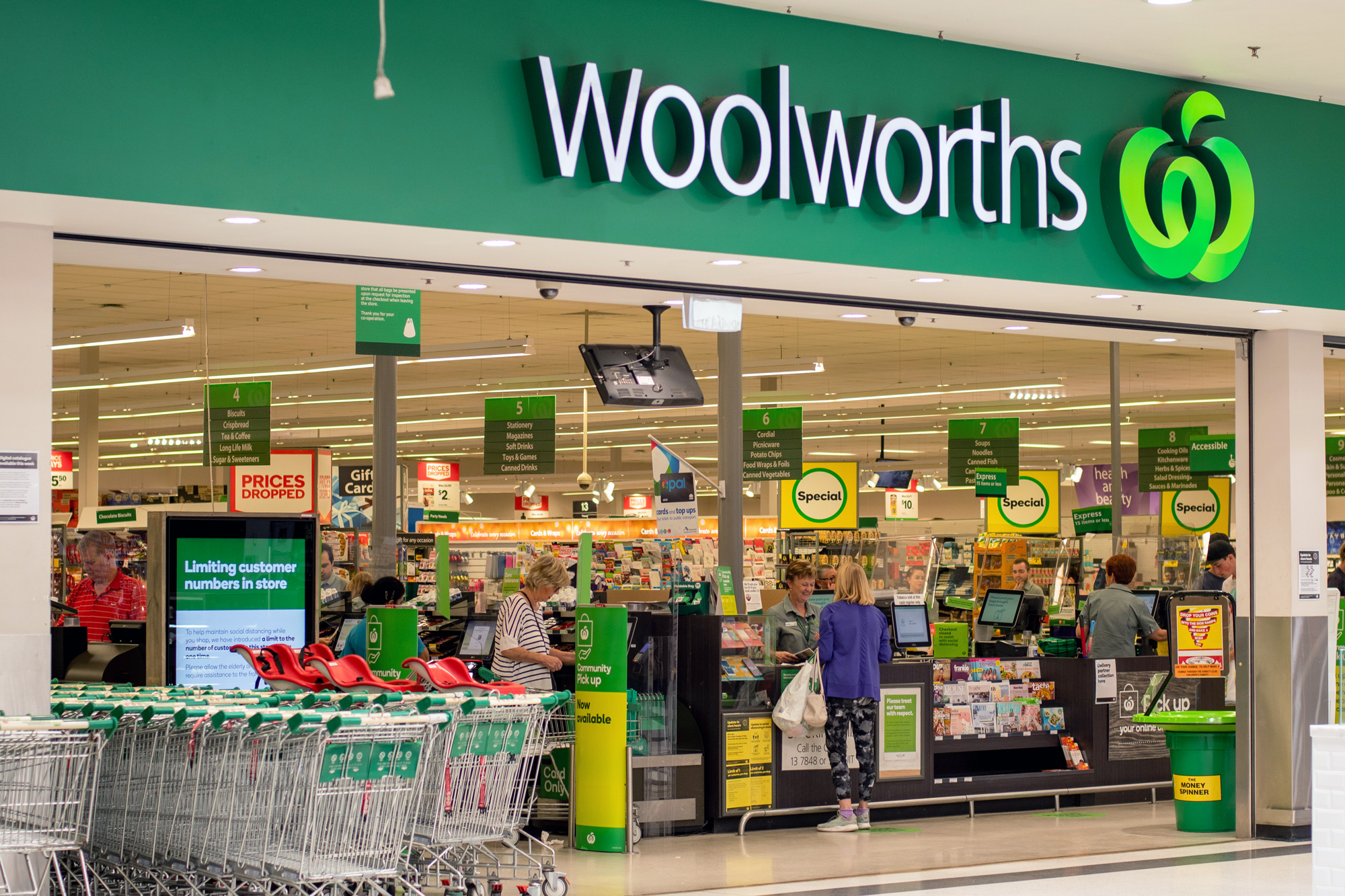
Australian payment provider Wpay processed over 1.55 billion transactions across Australia and New Zealand in October 2026. Merchants are overhauling disconnected point-of-sale and digital payment networks.
Enterprise store operators face heavy pressure to link in-store payment terminals with online checkout engines. Software stacks across Australasian retail chains remain fragmented. This setup causes operational friction. Store staff cannot view cross-channel customer histories or process instant returns.
Rebuilding Cross-Channel Checkout Systems
Payment architectures across the region remain divided between legacy physical registers and digital gateways. When these systems run on separate databases, customer records fracture. Data splits across store registers, mobile apps, and e-commerce websites.
Retailers are fixing this split by adopting universal identifiers, including Payment Account Reference codes and payment tokens. These network identifiers track shoppers across physical card taps and in-app transactions. They protect customer privacy by concealing raw card numbers. Operators also link these tokens directly to loyalty programs and gift card balances. That delivers accurate data on basket size and repeat visits.
This engineering shift changes daily store operations. Integrated systems allow partial and multiple payment captures against a single authorization code. This step prevents payment failures during split shipments and deferred fulfillment orders. Shoppers who buy online can receive immediate terminal refunds in physical stores directly back to their cards. Store staff can also push refunds to original online payment methods.
Integrating AI Agents into Payment Rails
Beyond traditional point-of-sale hardware and mobile applications, Australian retail networks are preparing infrastructure for automated agentic commerce. Autonomous artificial intelligence agents are entering consumer markets. These bots search product catalogues, negotiate pricing, and execute transactions directly on behalf of shoppers.
Non-human buyers demand structural changes to transactional payment architecture. Automated purchasing requires programmable, permissioned authorization protocols and hard spending limits to avoid erroneous transactions. Heavy bot traffic also demands multi-gateway routing engines. Fraud detection must operate at machine speed.
Modern payment platforms treat automated agents as an integrated retail channel. They direct machine sales through the same settlement, inventory, and reporting databases used by physical cash registers. This safeguards supply chains against double-booking stock. It also prevents errors in daily cash reconciliations.
Network Resilience and Offline Store Infrastructure
Store chains in regional Australia and New Zealand face recurring telecommunications disruptions that threaten register uptime. Register downtime leads to lost sales. It also triggers long checkout queues during peak trading periods.
To keep lanes open, retailers are installing payment terminals equipped with local store-and-forward offline processing alongside automated 4G cellular failover connections. When primary fixed-line connections drop, registers continue logging and clearing card taps locally. Normal synchronization resumes once data links restore.
Back-end reporting tools aggregate physical register receipts and digital gateway feeds into one central balance sheet. This direct integration eliminates the need for manual end-of-day register reconciliation across regional store footprints.
What Enterprise Retailers Face Next
The operational divide between single-channel terminals and unified commerce platforms will drive retail technology spending across Australasia through 2027. Retailers that delay system overhauls will struggle to support combined click-and-collect fulfillment, split shipments, and cross-channel loyalty redemption.
Technology directors now face the task of upgrading legacy enterprise systems without disrupting live checkout lanes. Artificial intelligence buying services are entering digital marketplaces. Store operators will need payment gateways capable of authorizing automated machine transactions while maintaining strict fraud thresholds.