Retail News CRM

Tag: Wuhan

  • Apple China opens its Wuhan store, with first Apple Pickup area

    Apple China opens its Wuhan store, with first Apple Pickup area

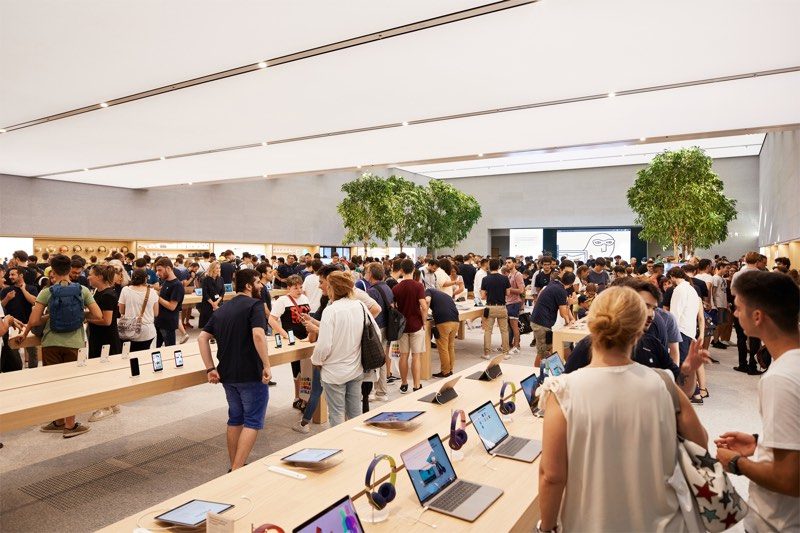
    Apple has launched its flagship in Wuhan, its first retail store in China to feature an Apple Pickup area.  Apple Wuhan is the 54th Apple store in China, as the tech giant continues to expand its footprint in Asia, especially in Mainland China.  The flagship store uses granite floors and wood-trimmed walls to make the store and mall lobby brighter and more transparent. The instore team will help customers with purchasing and personalising their devices, choosing instalment payment plans, using

    The instore team will help customers with purchasing and personalising their devices, choosing instalment payment plans, using eligible devices as trade-ins on new ones, and booking online support.

    According to Apple, its Wuhan staff can speak multiple languages – including sign languages in Chinese and English.

    “Our highly specialised team of experts is looking forward to welcoming customers from this vibrant community starting this Saturday,” said Deirdre O’Brien, Apple senior VP of retail operations and people.

    “This retail store brings new design elements to China for the first time, giving customers more ways to explore ideas, learn more about Apple products, or make it easier to pick up an online order in store.”

  • Huawei to reportedly build its own chipsets in Wuhan starting next year

    Huawei to reportedly build its own chipsets in Wuhan starting next year

    In May 2019, the U.S., claiming security issues, placed Chinese phone manufacturer Huawei on the entity list. As a result, Huawei was no longer able to access the U.S. supply chain that it had spent over $18 billion on during the previous year, and was even banned from using software developed by Google. Exactly one year later, the U.S. Commerce Department made a change in export rules preventing foundries using American technology from shipping cutting-edge chips to Huawei without a license.

    Since the U.S. export rule change prevented Huawei’s contract foundry TSMC from shipping to the Chinese manufacturer the powerful 5nm Kirin chips that Huawei had designed itself, there had been talk about Huawei manufacturing its own chipsets. Like most major consumer electronics firms including Apple, Huawei farms out its chip designs to contract foundries like TSMC and the latter builds the actual chips using its fabs.

    Prior to the U.S. ban on chip deliveries to Huawei, the latter was TSMC’s second-largest customer behind Apple. Since being placed on the entity list, Huawei has learned to make its own software and hardware to replace parts of the supply chain it can no longer obtain such as the Google licensed version of Android (replaced by Huawei’s HarmonyOS, and Huawei Mobile Services).

    Industry sources are calling for Huawei to turn on the “start” button for its own wafer fab in Wuhan. Production is expected to start in phases beginning in 2022. Huawei’s HiSilicon unit certainly has the capability to design high-powered chips like the 5nm Kirin 9000. Wafers, made from silicon, go through several processes before getting sliced up and packaged to become individual chipsets.

  • First 7-11 in Hunan sets massive record

    First 7-11 in Hunan sets massive record

    The first 7-Eleven in Hunan has broken the global opening-day sales record for the convenience-store brand, reporting US$70,310 of turnover.

    According to the Federation of Industry and Commerce of Hunan, the first 7-Eleven store attracted more than 5000 customers on its opening day. The most popular products sold were more than 5000 Japanese wooden sticks, 3000 sushi balls, 1500 desserts and 600 loaves of bread.

    “The introduction of Japanese brands will help upgrade the industry and the overall operation level of convenience stores in Changsha,” said Hu Zijing, president of Friendship&Apollo – owner of the 7-Eleven Hunan franchise.

    Friendship&Apollo acquired the 7-Eleven’s Hunan franchise rights last October. However, due to the Covid-19 pandemic, the opening was twice postponed.

  • Lagardere Travel Retail reopens 88 stores in Wuhan Airport

    Lagardere Travel Retail reopens 88 stores in Wuhan Airport

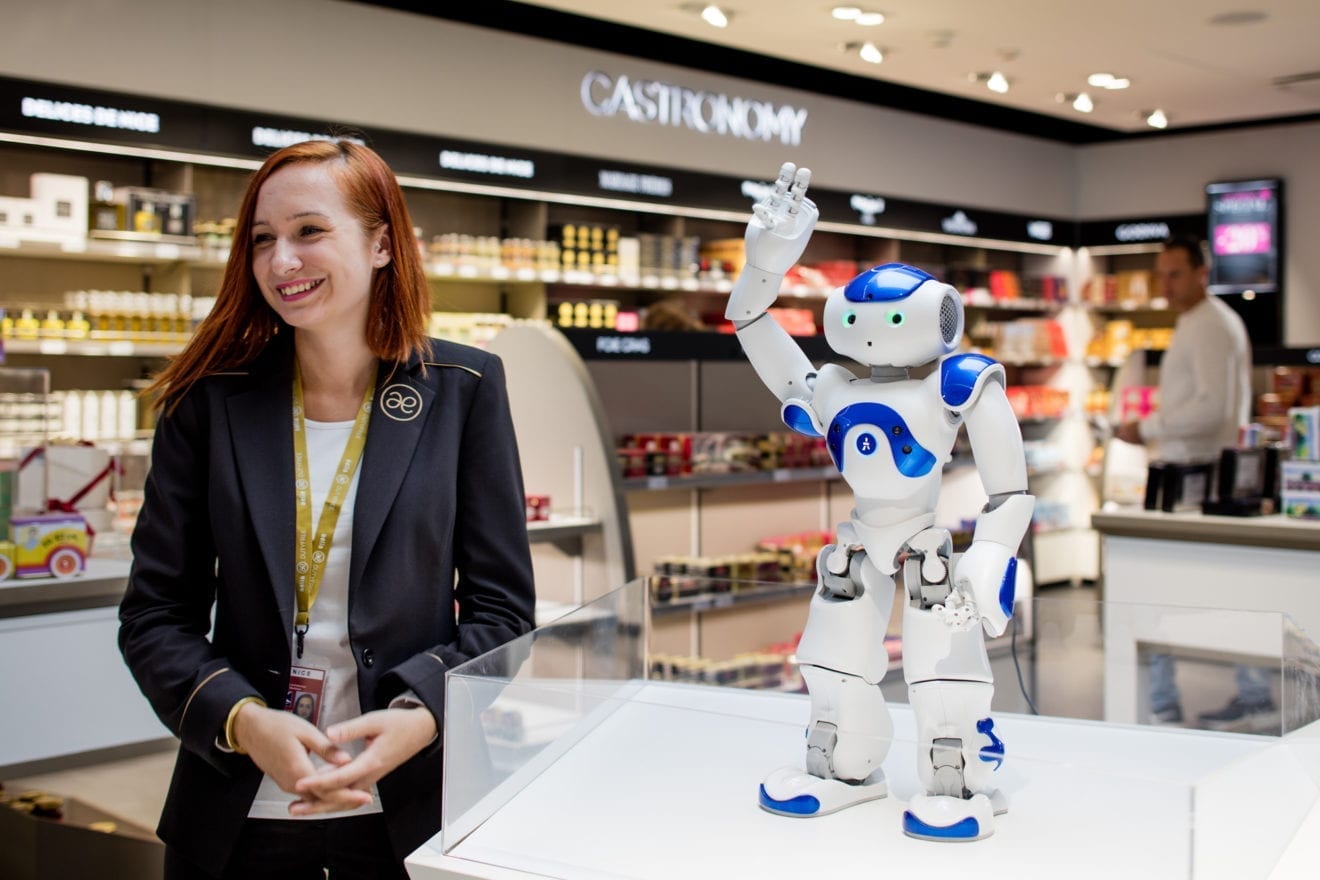
    Lagardere Travel Retail has reopened 88 stores at Wuhan airport after more than two months of lockdown due to the Covid-19 outbreak.

    According to a statement, Lagardere Travel Retail’s sales are expected to resume as the number of passengers passing through Wuhan Airport gradually increases.

    “Our ability to restart operations at Wuhan Airport is testament to the dramatic improvement in the sanitary conditions in Hubei province,” said Eudes Fabre, CEO of Lagardere Travel Retail China. “I wish to thank our staff and business partners for their patience and stoicism throughout this crisis. This reopening sends a strong message of hope and optimism to all in our industry who are affected by the current epidemic.”

    In appreciation of the medical staff’s work in Wuhan, the company is offering free meals at 16 restaurants and cafes together with shopping privileges for all medical workers flying out of the city this month.

    “Traffic volumes are still below what they were pre-crisis, but we’re already seeing an upward trend. After a long lockdown period, people are keen to travel again and there is pent-up consumer demand which will translate into retail sales,” Fabre added.

    All hygiene and security measures, including temperature screening, regular disinfection and social distancing, are still applied at the Wuhan Airport to ensure the safety of staff and passengers.

  • Walmart China to invest US$425 million in Wuhan

    Walmart China to invest US$425 million in Wuhan

    Walmart China is to invest US$425 million over the next five years to expand its presence in Wuhan, the origin of the coronavirus pandemic.

    The US-headquartered retail giant will open at least four Sam’s Club membership stores as well as 15 new malls in the territory within the period. It will also set up additional community stores around the provincial capital, to add to its existing 34 outlets and two distribution centers within Wuhan.

    “The framework marks a new milestone between the two parties and a new beginning for a win-win situation,” said Walmart China CEO Wern-Yuen Tan of the firm’s collaboration with Wuhan’s municipal government.

    Wuhan’s 76-day lockdown period was brought to a close last Wednesday with an official final death toll of around 2500 cases caused by the virus – although international observers have cast doubt on that figure.

    According to data released by the American Chamber of Commerce in China, 40 percent of polled companies planned to maintain current levels of investment in China this year, as opposed to 24 percent who were planning cuts, with the remainder saying it is still too early to judge.

  • AirAsia extends suspension of Wuhan flights to Feb 15

    AirAsia extends suspension of Wuhan flights to Feb 15

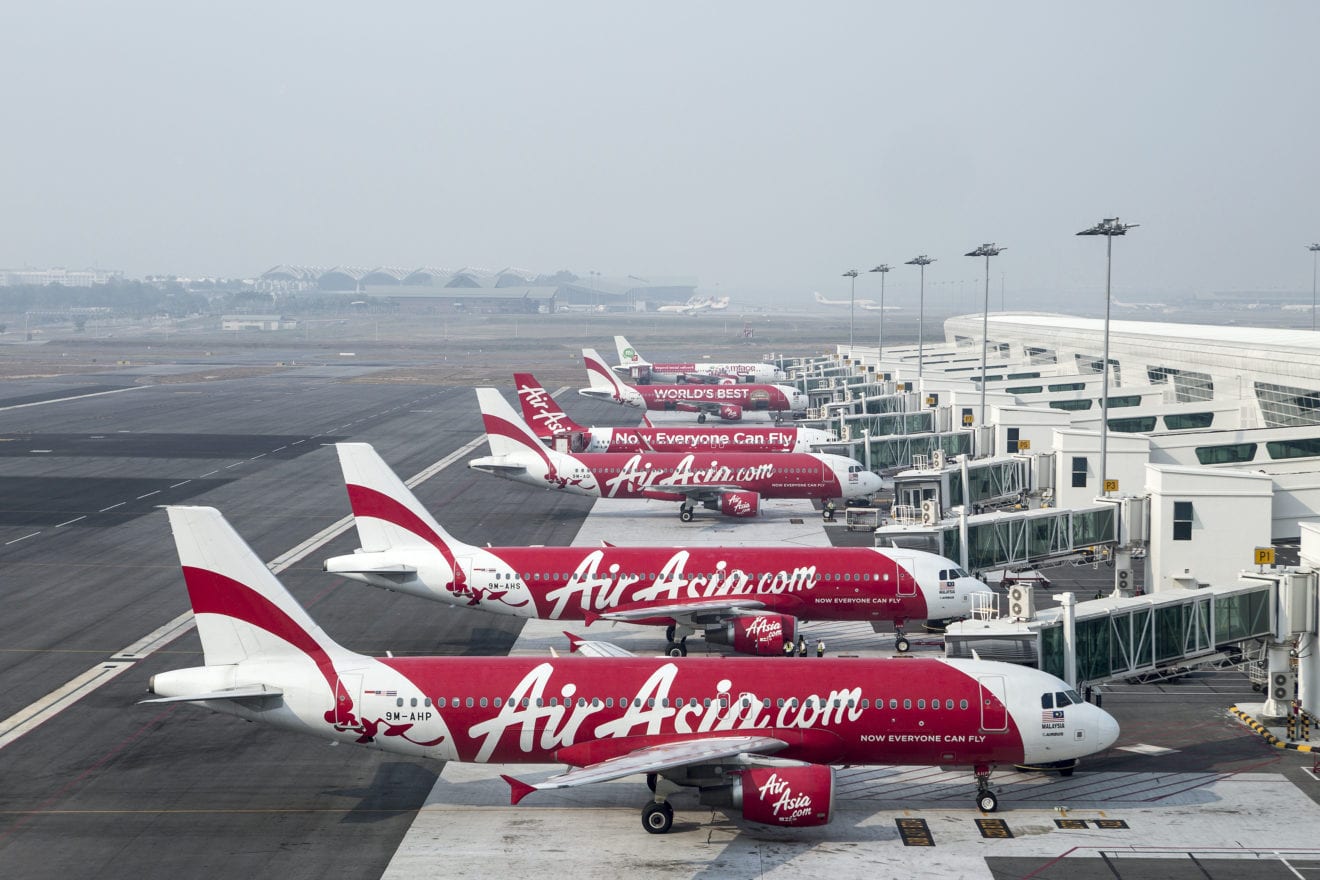
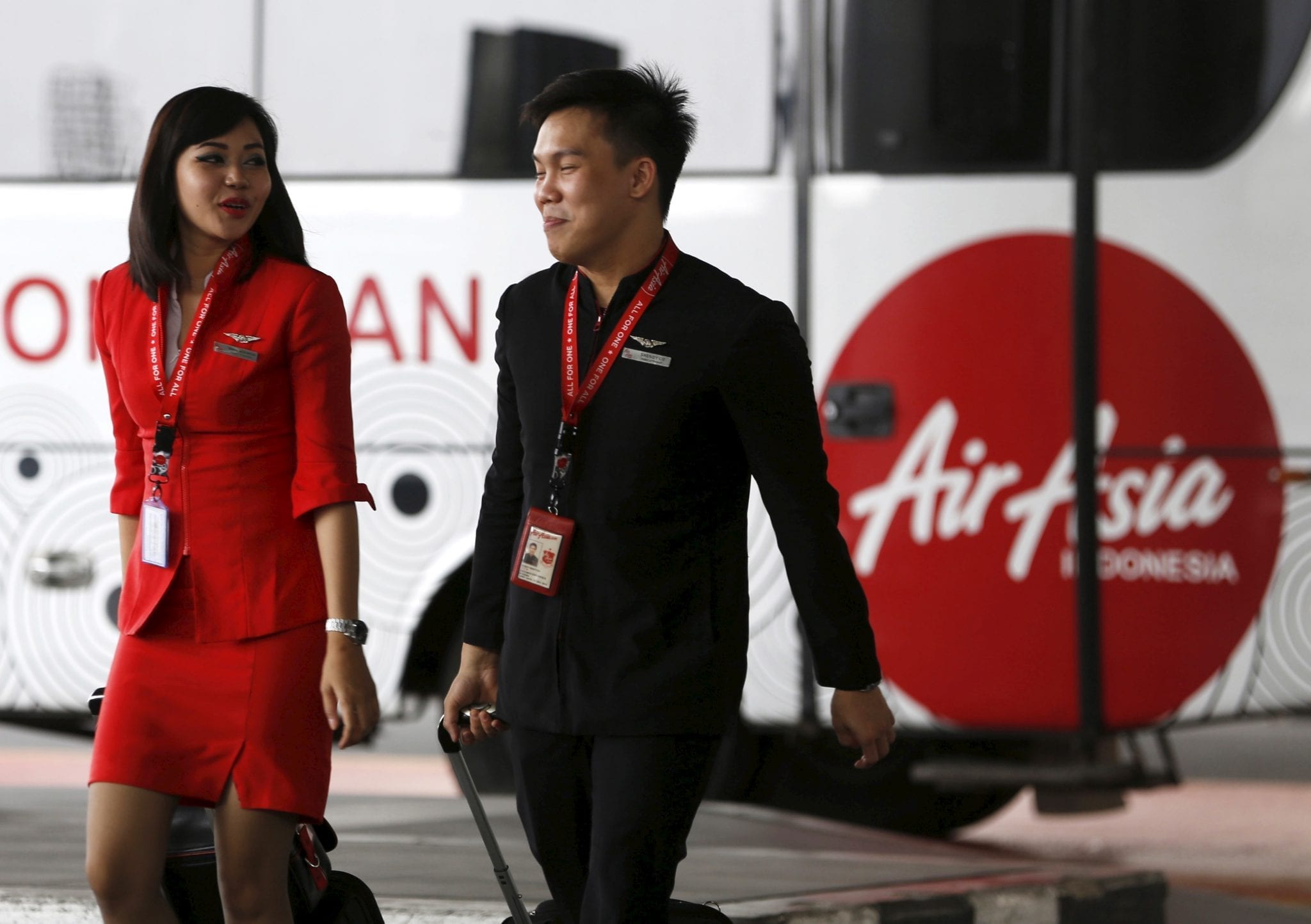
    AirAsia has extended its suspension of all flights to Wuhan, China until Feb 15.

    On Thursday, the low-cost airline announced the suspension of its flights to Wuhan, the epicentre of a new coronavirus outbreak, until Jan 28.

    AirAsia’s flights to Wuhan depart from Kota Kinabalu, Bangkok and Phuket.

    AirAsia Bhd, in a statement today, said passengers affected by the move can obtain either a full refund or a credit account.

    It advised passengers to check with their respective governments or embassy offices prior to their traveling dates.

    “We are making provisions for guests with flight bookings to/from all destinations in mainland China to obtain credit account or full refund. Passengers can only choose one of the two options.

    “The provisions are for passengers who have purchased flight tickets to/from mainland China until Feb 15 and return flights from Feb 16 to 29, that were ticketed prior to Jan 24, 2020,” said the airline.

    Passengers who are affected by this change can obtain online credit to be credited into their AirAsia BIG Loyalty account, which can later be redeemed for ticketing within 90 days.

    The actual travel dates can be after the expiry dates of their cancelled ticket dates, as long as the flight schedule is out.

    The airline is also offering a full refund in the equivalent amount to their bookings as the other option.

    Refund requests can be made with AVA at support.airasia.com, which passengers can find under “AirAsia flights to/ from Wuhan” for flights to/from Wuhan or “China Voluntary Refund” for flights to/ from other mainland China destinations buttons at the website.

    “For bookings made through travel agents including online travel agents, refund requests are to be made via the respective travel agents,” said the airline.

  • Xiaomi opens world’s largest Mi Home store in Wuhan, China

    Xiaomi opens world’s largest Mi Home store in Wuhan, China

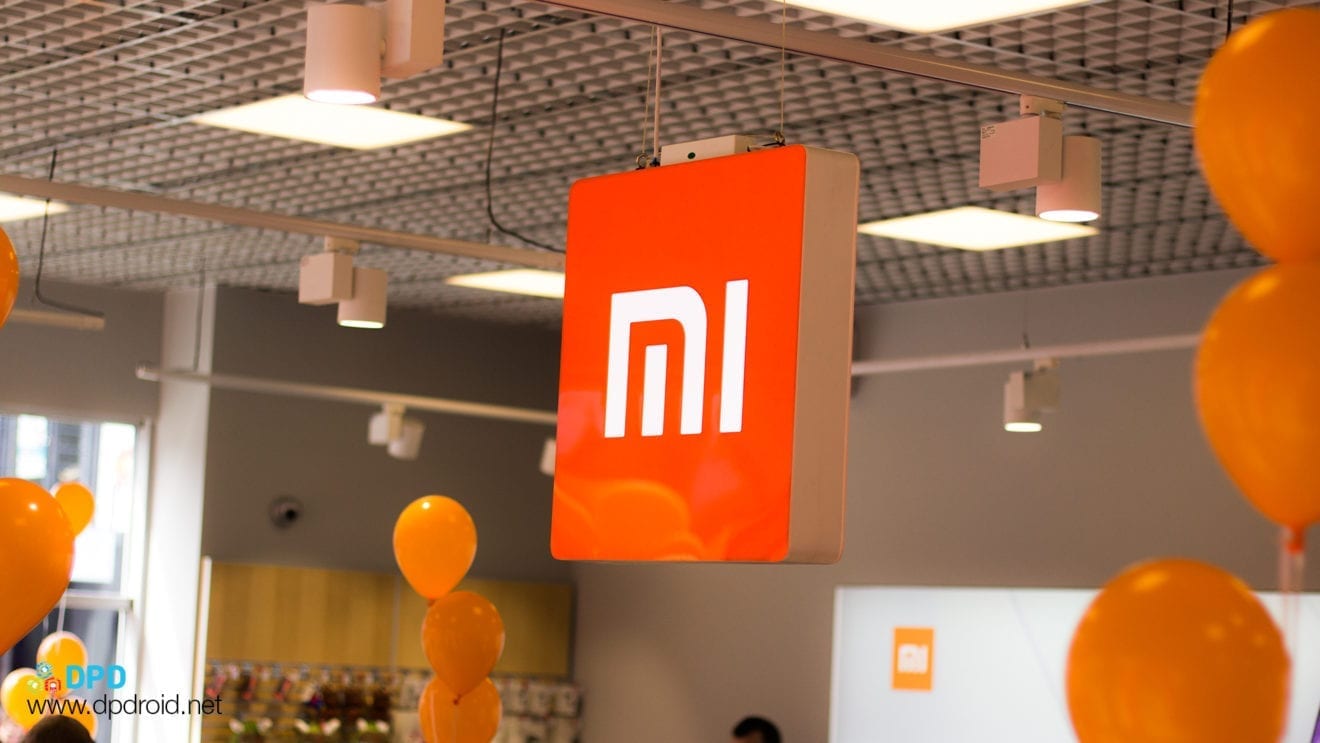
    Chinese electronics brand Xiaomi has opened its largest Mi Home store in Wuhan.

    The new location, launched shortly after the firm reached its target of 100 Mi Home stores in China, features a smart home demo zone that showcases a range of its products in a home-use environment. Sales assistants are on-hand in Xiaomi’s stores to guide customers in the use of the devices on sale and to process payments without waiting in queues.

    Xiaomi now targets expansion to 200 Mi Home locations in China by the end of the year and 1000 by 2020. It will also bring the number of authorised dealers to 2000 over the next three months. Following the opening of the Mi Home store in Wuhan, the company aims to extend its retail network to cover all quality business districts across the country by the end of this year.

    The brand’s physical stores are seen as a move to counter those of competing brands.

    Robust handset sales have recently seen Xiaomi reverse a RMB12 billion (US$1.75 billion) loss during the fourth quarter of its financial year ended June last year to a profit of RMB14.6 billion ($2.1 billion) in the same period this year.

  • CapitaLand signs MoU to explore investing in an integrated development in Wuhan,

    CapitaLand signs MoU to explore investing in an integrated development in Wuhan,

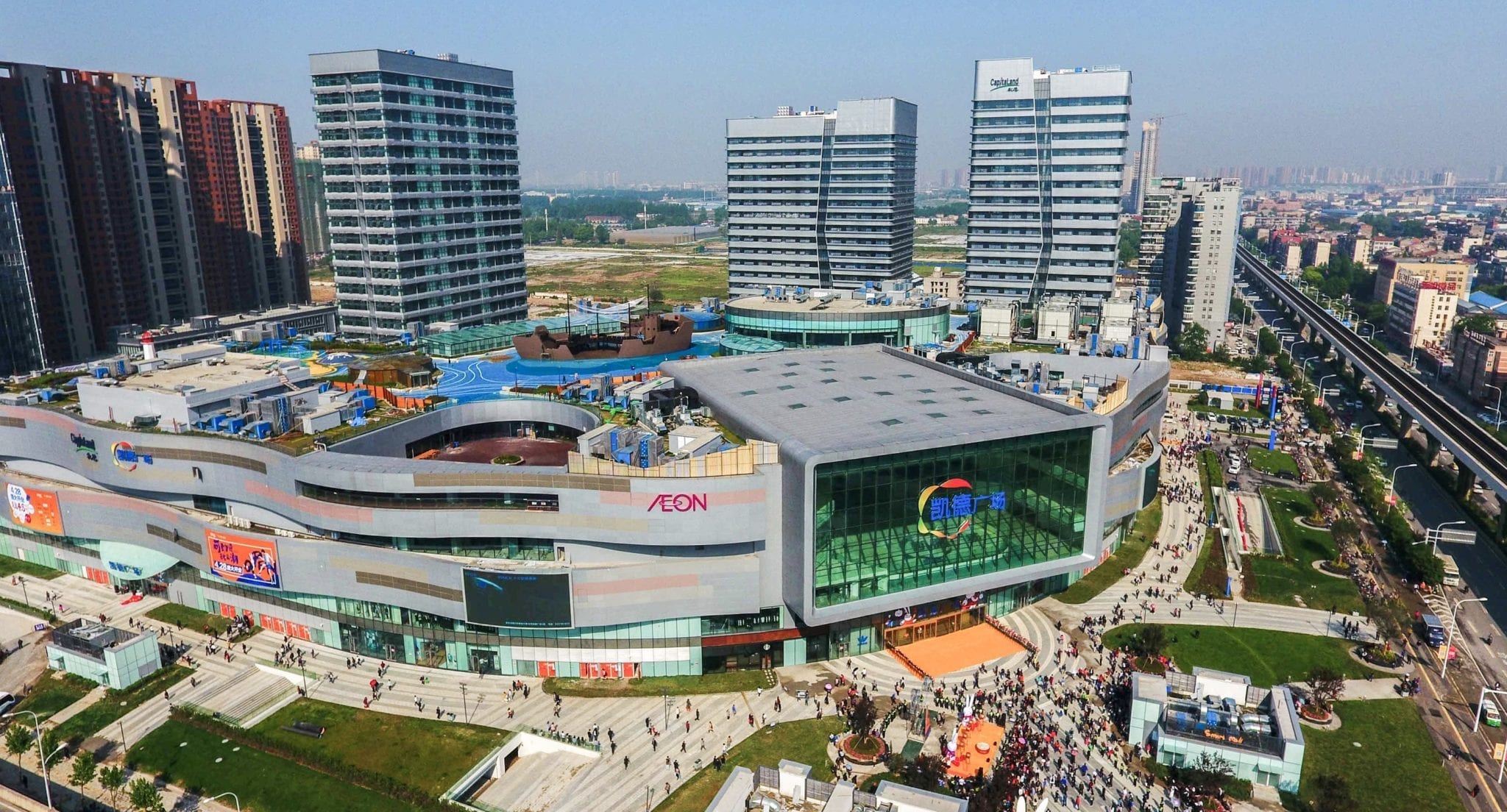
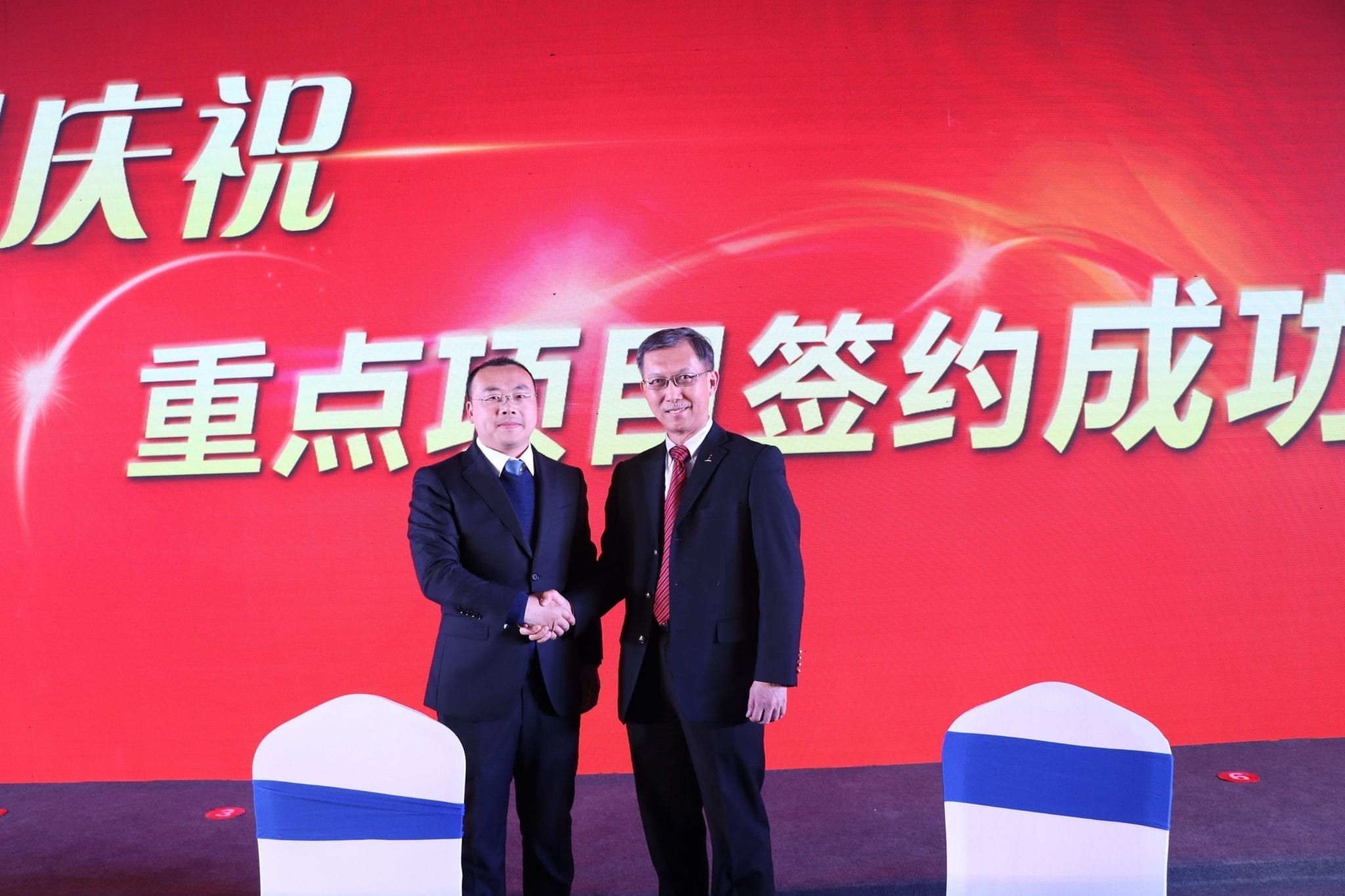
    Following a major reconstitution of its China shopping mall portfolio, CapitaLand is eyeing expansion opportunities under its “core city clusters, dominant assets” strategy. Through its wholly owned subsidiary CapitaLand China, CapitaLand today signed a Strategic Cooperation Memorandum of Understanding (MoU) with the district government of Wuchang – known as the urban core and one of three key areas of Wuhan, the capital of Hubei Province. The MoU sets out the general principles of collaboration between CapitaLand and the district government in developing a prime site in Wuchang. The potential scale of the proposed integrated development on the site is expected to surpass all CapitaLand’s existing properties in central China.

    Mr Lim Ming Yan, President and Group CEO of CapitaLand Limited, said: “Unlocking the value of mature assets for reinvestment into new growth opportunities is a hallmark of CapitaLand’s capital recycling strategy. As part of our proactive capital management, the Group has divested S$2.5 billion worth of assets and deployed some S$5.8 billion toward new properties in 2017. The proposed divestment of 20 non-core retail assets announced in early January, will further enhance our financial flexibility to invest in other compelling opportunities.”

    Mr Lim added: “In China, we are focused on deepening our presence in core city clusters where we can leverage our existing operations to grow faster. As the major transport and commercial hub in central China with strong economic fundamentals, Wuhan is a high-growth city that is set to benefit further from China’s Belt and Road Initiative. The city’s rapid urbanisation has created a high demand for quality real estate products and services, particularly integrated developments that will make efficient use of land to fulfill consumers’ intertwined live, work and play aspirations in one central location. CapitaLand looks forward to making greater contributions to Wuhan’s urban development through quality projects.”

    Mr Lucas Loh, CEO of CapitaLand China, said: “CapitaLand’s leadership in integrated developments is fast gaining market recognition. Serving as an enabler to catalyse an area’s economic growth, our integrated developments are well-sought after by Chinese urban planners around the country. To date, the Group owns and manages 23 integrated developments with over 6.2 million square metres (sq m) of gross floor area (GFA) in China’s first- and second-tier cities, making CapitaLand the foreign developer in China with the largest portfolio of integrated developments. Last year, CapitaLand marked the successful opening of six of these – namely Raffles City Changning in Shanghai, Raffles City Shenzhen, Raffles City Hangzhou, Capital Square in Shanghai, Suzhou Center, and CapitaMall Westgate in Wuhan. We will continue to build on our growing track record to take on more integrated developments in strategic locations that maximise the returns on our investments.”

    The MoU signing followed last April’s opening of CapitaMall Westgate in Wuhan’s Hankou area. Comprising a shopping mall, two office towers and one SOHO block that span about 250,000 sq m in GFA, it is CapitaLand’s fifth largest integrated development in China and its biggest in central China to date. Opened with a high committed occupancy of about 93%, the retail component of CapitaMall Westgate drew more than 435,000 shoppers over its first four days of operations.

    Besides CapitaMall Westgate, CapitaLand owns and manages a second integrated development in Wuhan’s Hankou area, namely CapitaMall Wusheng, which also comprises a serviced residence Somerset Wusheng. CapitaLand’s portfolio in Wuhan also includes two other shopping malls, namely CapitaMall 1818 in Wuchang and CapitaMall Minzhongleyuan in Hankou. In addition, The Lakeside, Wuhan – a 2,246-unit residential project by CapitaLand is currently under development; 1,526 units launched to date have been fully sold. Through its wholly owned serviced residence arm The Ascott Limited, CapitaLand also manages four serviced residences in Wuhan.

    Wuhan is the largest city in central China, with a population of about 12 million people. Based on advance estimates, Wuhan achieved a GDP growth of 8% in 2017 – outpacing the national average. A major transport hub, Wuhan connects the rest of the country via well-established highway and railway networks, and one of the largest inland ports in China. With its central location and fast-growing economy, Wuhan has attracted strong international trade and foreign direct investment. Its key industries are car manufacturing, steel production and optical-electronics, including housing China’s largest production centre for optical-electronic products. Leading multinational corporations such as Citroen, Foxconn, Hewlett-Packard, Honda, Nissan, Philips and Siemens have established operations in Wuhan. In addition, Wuhan is home to several well-known local companies such as Dongfeng Motor, FiberHome Technologies Group and Wuhan Iron and Steel.

    Wuhan is part of the five core city clusters under CapitaLand’s China strategy, which also include Beijing/Tianjin, Shanghai/Hangzhou/Suzhou/Ningbo, Guangzhou/Shenzhen, and Chengdu/Chongqing/Xi’an.

  • AirAsia X to start direct KL-Wuhan flights

    AirAsia X to start direct KL-Wuhan flights

    AirAsia X plans to fly four times weekly direct to Wuhan, China, from Kuala Lumpur, effective March 22, 2017, and is offering one-way promotional fares from RM199.

    Chief executive officer Benyamin Ismail said the company is the largest foreign carrier into China and the destination is set to receive 32 weekly flights from Kuala Lumpur, Kota Kinabalu, Bangkok and Phuket.

    AirAsia currently operates daily flights to Wuhan from Kota Kinabalu.

    “China is a segment that continues to record encouraging progressive performance annually and remains the focus of AirAsia X’s network expansion strategy.

    “Wuhan will soon be a virtual hub for the AirAsia and AirAsia X Groups. We are committed to maintaining growth, while developing innovative products and services,” he said in a statement on Monday.

    The group currently operates 409 weekly flights from various Asean cities across 45 routes to 17 destinations in China.

    As of 2015, AirAsia carried over five million people in and out of China, making it the largest foreign carrier in the country

  • CapitaLand Retail China reports bumper quarter

    CapitaLand Retail China reports bumper quarter

    CapitaLand Retail China Trust has had a bumper quarter to September, its distributable income rising 14.2 per cent year on year.

    CRCT is the only China shopping mall Real Estate Investment Trust (REIT) based in Singapore, with a portfolio of 10 shopping malls located in Mainland China.

    CapitaLand Retail China Trust Management, which manages CRCT, says it achieved a distributable income of S$22.3 million for the period. Distribution per unit (DPU) was 2.64 cents, an increase of 12.3 per cent over a year ago.

    Chairman Victor Liew said China’s economy expanded 6.9 per cent year on year in both the third quarter and the first nine months of 2015, while retail sales in the first nine months of 2015 increased 10.5 per cent to RMB21.6 trillion.

    “With the Chinese government reiterating its commitment to rebalance its economy by driving domestic consumption, CRCT remains upbeat about China’s retail growth prospects.”

    CEO Tony Tan, CEO of CRCTML, said that during the quarter, the trust’s portfolio of malls registered 9.1 per cent growth in net property income as it benefitted from a favourable exchange rate.

    “Rental reversion for the quarter continued to be strong at 10.9 per cent, with the majority of our malls registering double digit growth. Portfolio occupancy as at 30 September 2015 was 94.8 per cent, while tenants’ sales and shopper traffic for the quarter increased 12.7 per cent and 2.4 per cent respectively year-on year.”

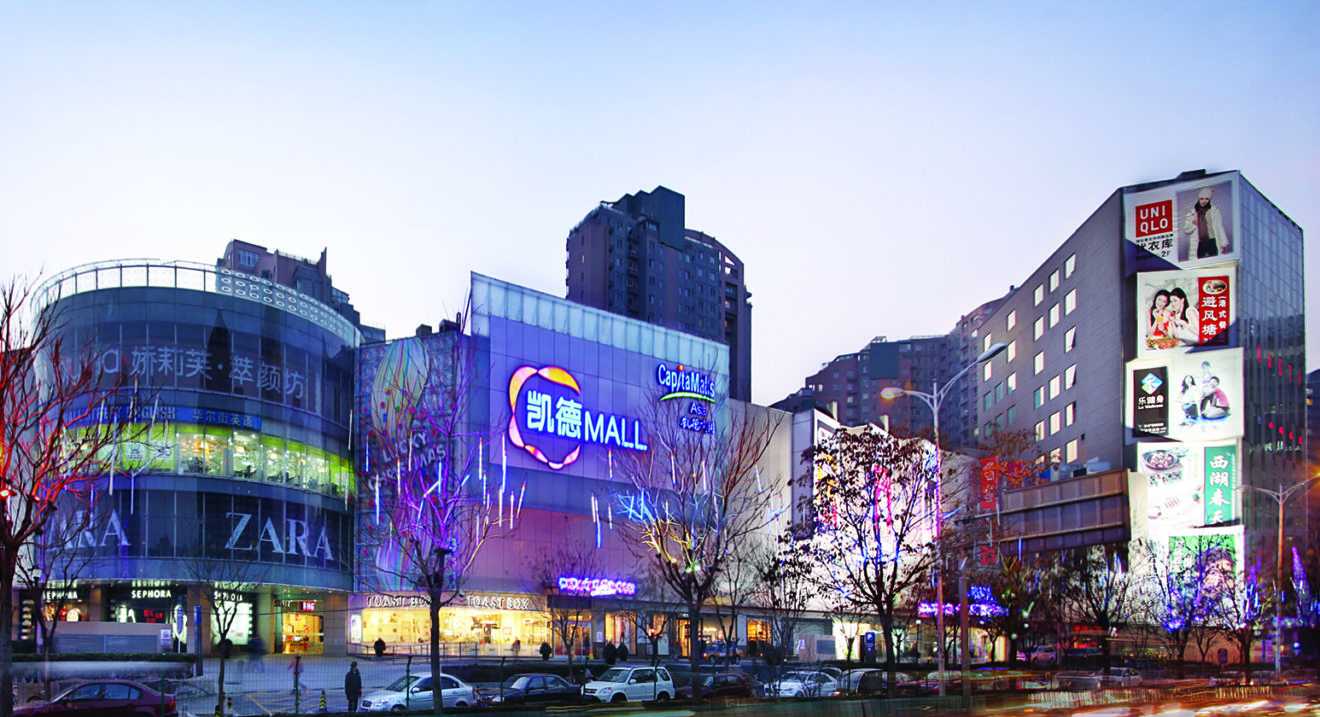
    The trust’s malls are CapitaMall Xizhimen, CapitaMall Wangjing, CapitaMall Grand Canyon, CapitaMall Shuangjing and CapitaMall Anzhen in Beijing; CapitaMall Qibao in Shanghai; CapitaMall Erqi in Zhengzhou, Henan Province; CapitaMall Saihan in Huhhot, Inner Mongolia; CapitaMall Wuhu in Wuhu, Anhui Province; and CapitaMall Minzhongleyuan in Wuhan, Hubei Province.

    “We continue to refresh and improve the trade mix within our multi-tenanted malls,” said Tan.

    “CapitaMall Xizhimen is adding more children-related products and services to cater to growing demand from young families with children. A section of the mall’s Level 3 will be reconfigured into a vibrant kids’ zone and new tenants catering to the varied needs of children, such as apparel stores and enrichment schools, will be added.

    “On the asset enhancement front, CapitaMall Wangjing will be commencing upgrading works to its façade in the coming months, and CapitaMall Grand Canyon is currently undertaking renovation works to improve its common amenities. All these initiatives will further enhance the overall appeal and shopping experience at our malls.”

  • King Baby Studio Announces Five New Stores in China

    King Baby Studio Announces Five New Stores in China

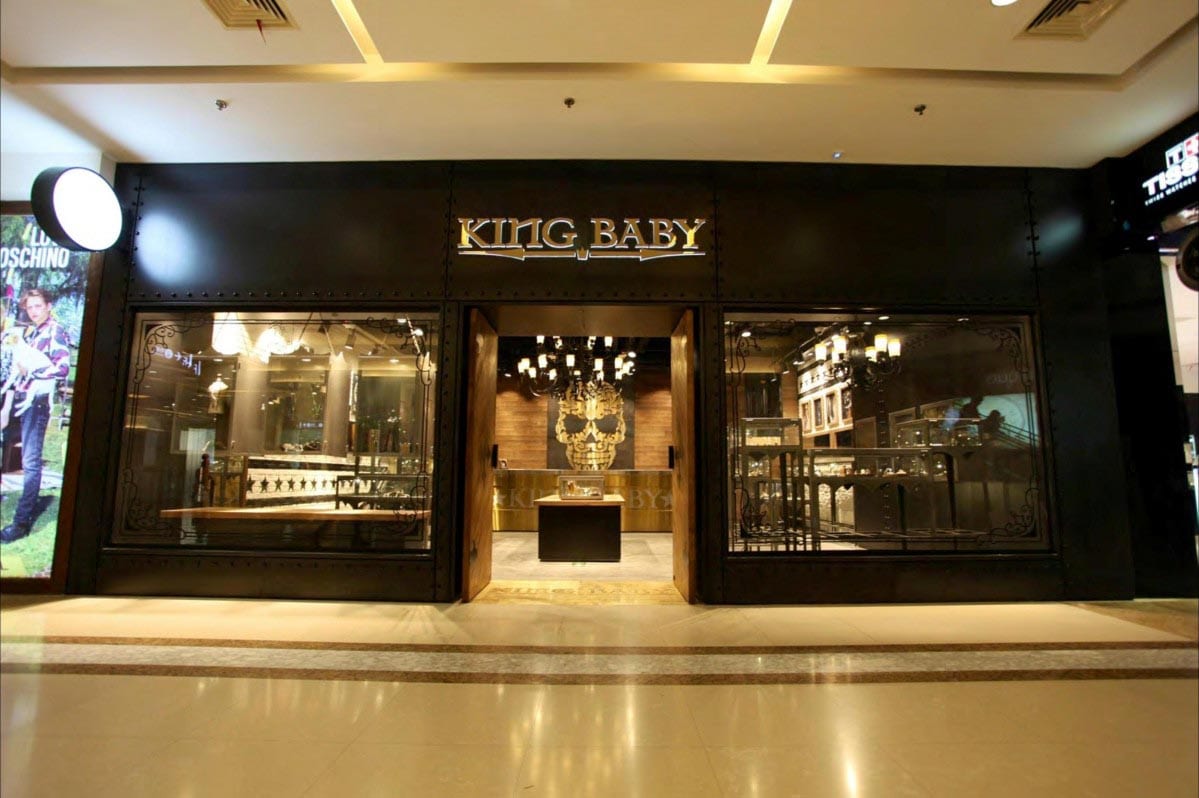
    King Baby strengthens its presence in China by opening five brand new stores – for a total of seven – in China. King Baby is one of a handful of brands exporting “hand-made in the USA” products to China.

    About the new King Baby Locations:

    The Grand Gateway 66 (Shanghai) is in the heart of the Shanghai Xujiahui business and shopping district and contains 1.1 million square feet of retail and entertainment space. The mall adds a Western-style experience to the dynamic Xujiahui commercial district and is located above the subway making it a convenient location for customer traffic.

    The Wanda Plaza (Wuhan) is one of the most unique landmarks in the region, the Han street Wanda Plaza is located in the central part of Wuhan’s central culture area, known as the “Pearl of the crown”. Han Street houses shopping malls, restaurants, and cultural and recreational sites. Hanjie Wanda Square is a luxury-shopping plaza which houses international brand stores, world-class boutiques, catering outlets and cinemas. The shopping mall belongs to Wanda Group, which is the biggest shopping mall group in China.

    The Mixc (Hangzhou) is a luxury mall which has been built in a new Hangzhou Central Business District area along the Qianjiang river, which is surrounded by high-end apartment building, office building, service apartment and Hyatt Regency hotel.

    Joy City (Tianjin) opened for business in 2011. Measuring 530,000 m2, this Joy City in Tianjin is located at the convergence of three traditional commercial circles in Tianjin and is a one-stop urban shopping complex covering experiential shopping malls, international A-1 office buildings, hotel-style service apartments and high-grade residences. You can experience high-end services provided by the super five-star IMAX cinema, the all-star theatre skating rink, the role playing center for children (Babyboss) or the exquisite supermarket Ole.

    Hisense Plaza (Changsha) is the joint project of Hisense Plaza and China’s most well-known property developer Huayuan Property. It’s the podium building of “Huayuan-Hua center”’s city complex The project locates in central Changsha and occupies one-kilometer core river view. Hisense Plaza is devoted to becoming the top shopping center in Central China — the total planned area is over 130,000 square meters (the whole building is nearly 200,000 square meters).

    “King Baby is thrilled and excited to have the opportunity to share American handmade jewelry and accessories along with our passion and lifestyle to China. We believe that quality, tradition, and ‘Made in the U.S.A.,’ are worth their weight in gold,” says founder Mitchell Binder.

    King Baby’s collections capture the spirit of Americana with rock n’ roll sex appeal and includes sterling silver pendants, beaded bracelets, earrings, and accessories detailed with fossilized mammoth ivory, locally mined jet and turquoise.

    “Management is confident with the development of King Baby business in China and very happy to see the progress on this market. More stores will open in a near future,” says Mr. Ching, The Retail Group LTD.

    Los Angeles-based King Baby designs, markets and sells premium artisan jewelry. The collection consists of men’s and women’s sterling silver and gold pendants, bracelets, earrings, and accessories. The company has retail stores in Santa Monica, CA, Los Angeles, CA, Nashville, TN, and Las Vegas, NV. In the United States, the company also distributes merchandise to better department stores and boutiques, including, Saks Fifth Avenue, Harvey Nichols, and Kitson. The brand also sells directly and through distributors to better department stores and boutiques worldwide.
  • Inside Wuhan 1818 mall

    Inside Wuhan 1818 mall

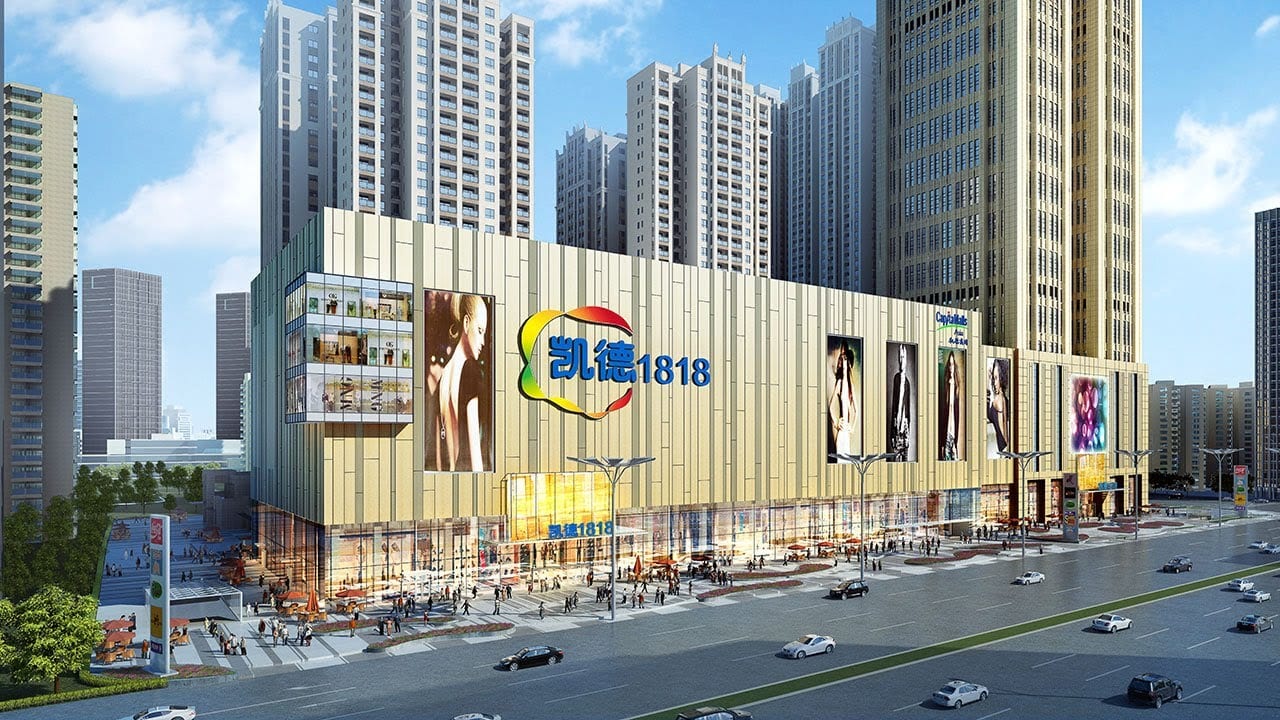
    Wuhan 1818 mall has recently opened in China, delivering a new generation retail and lifestyle centre set to energise the precinct’s urban core.

    The 70,000 sqm, seven storey mall was developed by CapitaMalls Asia  and caters to the needs of the 2.4 million people living and working in the district. It provides a diverse range of quality lifestyle, food and entertainment tenancies, anchored by rooftop cinemas and a basement supermarket and car parking.

    Capitalmall-1818-Wuhan-China1

    “The project opens at a dynamic point in space and time for Wuhan, coinciding with a period of unprecedented change,” said Buchan Group principal, David Macleod.

    “Our design for the centre fits well with the contemporary facelift of the district as Wuhan rapidly evolves into a Future City.”

    The design for the development was inspired by the unique cultural catchment and captures the essence of its past, whilst responding to evolving retail trends of the future.

    “We felt both a responsibility to be respectful of Wuhan’s history and culture in our design, but to look to its future,” said Macleod.  “We felt a need to embrace the needs and aspirations of the new modern urban community.”

    Capitalmall-1818-Wuhan-China

    The interior design concept for the mall expresses aspects of this dynamic through restrained organic patterns crowned by splashes of vibrant colour and dappled light effects.  The prominent podium facade creates an impressive street-edge to the integrated office and residential mixed use precinct, and adds an impressive addition to the quality development portfolio of The Buchan Group and CapitaMalls Asia.

    The centre’s planning was engineered to ensure the mall performs a civic function as an urban meeting place for the local community, encouraging social connections and redefining the art of placemaking in the district. This informed the predominance of formal and informal food and entertainment spaces in the planning and tenancy mix.

    The Buchan Group provided integrated design and delivery services for this ambitious project, including facade and interior architecture, interior design and graphic and wayfinding design services from concept design through to construction site services.

  • Carrefour’s Six China Distribution Centers To Be Opened Within Two Years

    Carrefour’s Six China Distribution Centers To Be Opened Within Two Years

    The world’s leading supermarket retailer Carrefour announced that the company will enhance investments in logistics distribution centers in mainland China over the next two years.

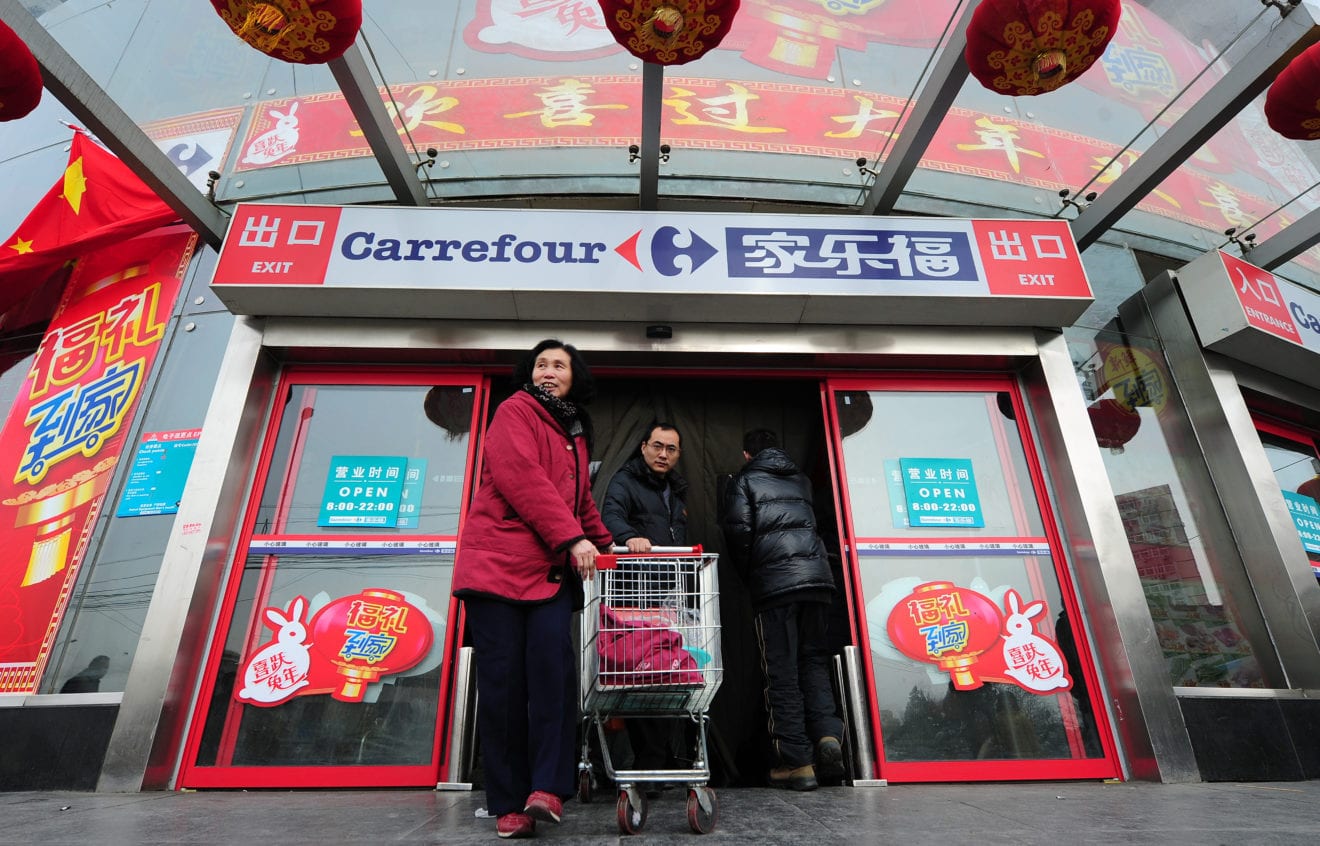
    Carrefour’s new distribution center in Kunshan was completed in June 2014, serving the East China region; and its distribution center in Chengdu was completed in April 2015, serving the West China region. In 2015, the company plans to build two more distribution centers: one in Wuhan, Hubei province, and the other is responsible for the Beijing and Tianjin region. In 2016, Carrefour expects to have two more logistics distribution centers for Northeast region and South China region, respectively.

    By the end of 2016, Carrefour will have six modern distribution centers in the Chinese mainland which will lead the Chinese retail industry sector by construction scale and speed-to-market.

    Carrefour’s Kunshan logistics distribution center, which has already been completed, covers 60 hypermarkets in Jiangsu, Zhejiang, and Shanghai. It adopts the world’s most advanced voice picking system, which boasts a voice picking accuracy of 99.97%.

  • Prada China opens Wuhan retailer

    Prada China opens Wuhan retailer

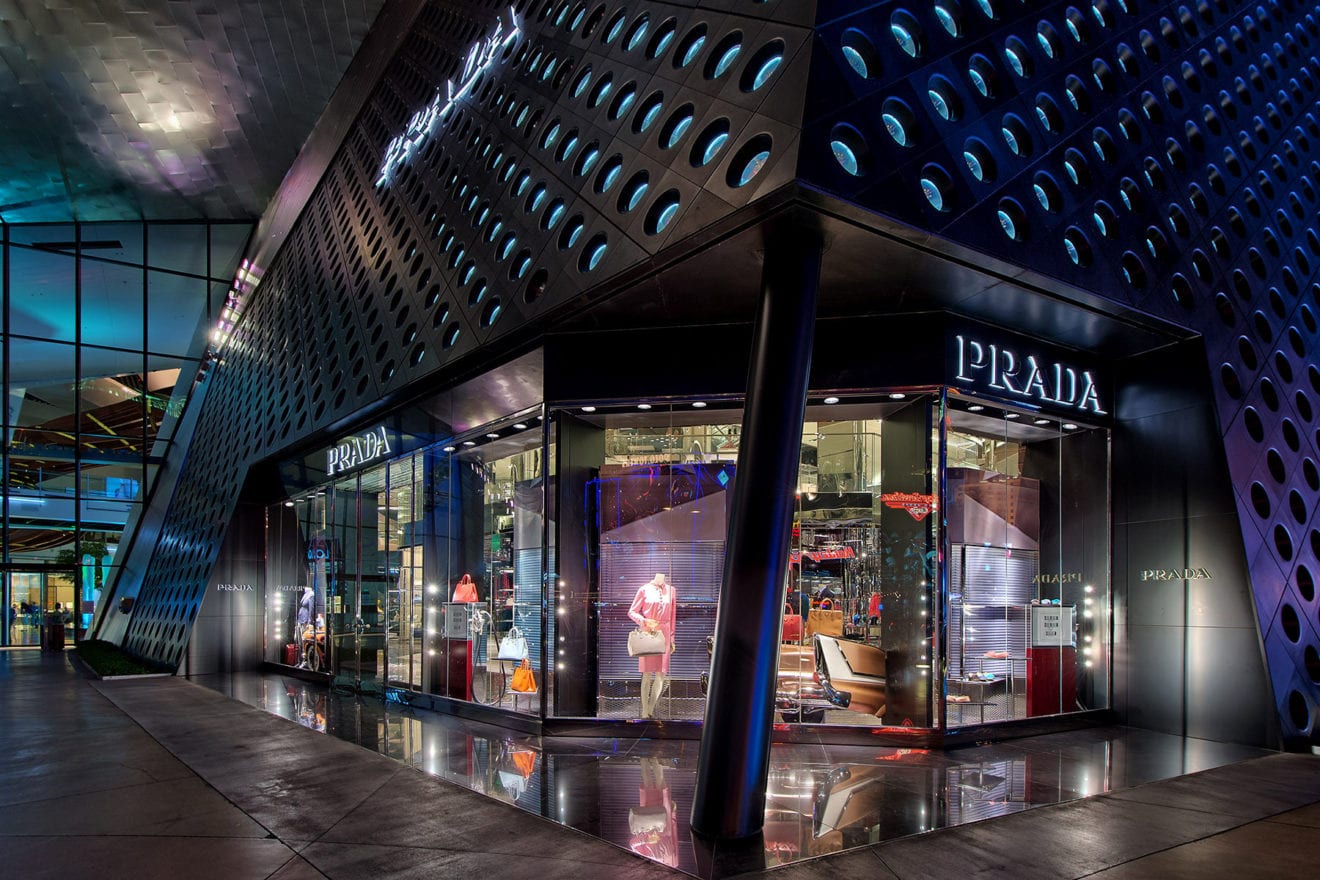
    Prada China has opened a brand new retailer in Wuhan, inside the distinguished Worldwide Plaza purchasing centre.

    The 2-level, 950 sqm retailer area, designed by architect Roberto Baciocchi, homes the ladies’s and males’s ready-to-wear, leather-based items, equipment and footwear collections.

    The exterior facade pays tribute to artist Carlo Cruz-Diez.

    The massive entrance, mild bins and home windows are inserted into the decrease a part of the facade, which is clad in black granite and topped by an imposing gold and steel-coloured aluminium construction backlit to create a singular kinetic impact each day and night time.

    General, the facade stands 10 metres tall and stretches roughly 50 metres in size. The interior facade, the place the second entrance to the shop is situated, can also be clad in black granite.

    The inside is designed as a succession of areas, every that includes a unique environment.

    The doorway contained in the mall, outlined by the signature black-and-white marble chequered flooring, opens on an space housing the ladies’s leather-based items and equipment collections. Inexperienced fabric-clad partitions with Prada’s iconic cut-in niches with polished metal profiles outline the area.

    Inexperienced velvet sofas characterise the world devoted to ladies’s footwear.

    The ladies’s ready-to-wear assortment is showcased in an area outlined by inexperienced fabric-clad partitions and clear perspex show models.

    The lads’s leather-based items and equipment collections are set in polished metal show instances inserted into alcoves wrapped in black marble with inexperienced fabric-clad backdrops.

    The area devoted to the lads’s ready-to-wear and footwear collections is characterised by ebony floorboards and partitions, chocolate brown carpeting and cotto-coloured leather-based sofas. Polished metal show instances and counters with drawers coated in colored saffiano leather-based full the furnishing.

    Prada says it admires French-Venezuelan artist Carlos Cruz-Diez, whose paintings served as a place to begin for the design of the facade.

    The Prada boutique is situated in Wuhan Worldwide Plaza, 690 Jiefang Ave, Jianghan, Wuhan, Hubei.

  • Walmart China plans major expansion

    Walmart China plans major expansion

    The world’s biggest retailer Wal-Mart Stores believes the best way to achieve profitability in China is to open more stores and lure more customers.

    Walmart China will expand its store network by almost a third between now and 2017 according to CEO Doug McMillon.

    “Our aim is to become an integral part of China’s economy. China is a top priority,” McMillon told a press conference in Beijing.

    Faced with slowing growth in its mature home market, Walmart sees a massive opportunity in China’s rising middle class and booming tier 2 and 3 cities as a means to restoring growth and boosting profits. Cities like Shenzhen and Wuhan.

    But its experiences in China to date have been mixed. Sales declined 0.7 per cent in the quarter to January 31 and same store sales fell 2.3 per cent.

    At the end of January, Walmart had 411 stores in China – and after some underperforming stores are closed should end 2017 with a network exceeding 500.

    The company is also increasing its investment in its online business Yihaodian.com. Launched in 2011 with 18,000 SKUs the online store now boasts more than 8 million products. With more and more Chinese buying online – on both computers and mobile devices – the potential seems unlimited.

    Walmart’s Asian chief, Scott Price, said while the company had seen a softening in sales, it was not all bad news.

    “We’ve gained share in the hypermarket channel.”