Tag: Wuhu

  • Chery Explores Canada Factory Plans Ahead of 2027 Retail Debut

    Chery Explores Canada Factory Plans Ahead of 2027 Retail Debut

    Chery is evaluating options to manufacture vehicles in Canada ahead of a planned retail sales rollout in 2027.

    Executive vice president Zhang Guibing confirmed the automaker is examining idle manufacturing capacity at existing Canadian automotive assembly plants while speaking with local investment partners.

    The plan involves either acquiring spare production lines or constructing assembly operations alongside regional backers. Canada holds viable commercial demand on its own merits without needing vehicle access across the United States border, Zhang said during briefings at the company headquarters in Wuhu, Anhui province.

    Tariffs and Bilateral Import Quotas

    Ottawa updated its trade rules for Chinese-built electric models following an agreement struck in January. That pact established an entry quota allowing 49,000 imported Chinese electric vehicles per year at a most-favoured-nation tariff rate of 6.1 per cent, with volume thresholds scheduled to climb annually.

    Washington maintains high tariff barriers alongside technological bans that effectively shut Chinese brands out of the American domestic network. United States officials have stated that Chinese-badged passenger cars assembled or routed via Canadian hubs will face border blockades. Establishing Canadian assembly grounds gives Chery a domestic base insulated from third-party cross-border restrictions.

    Canadian Industry Minister Melanie Joly travelled to China in June for talks with Chery, Geely and BYD regarding local joint ventures. Charlie Zhang, vice president at Chery, conducts direct discussions with Joly regarding factory structures.

    Offshore Factory Expansion Across Key Continents

    Domestic automotive price wars inside mainland China have forced original equipment manufacturers to secure higher margin vehicle volume outside Asia. Assembling cars inside host territories shields carmakers from emergency tariffs while cutting maritime logistics costs.

    Chery already operates a joint venture manufacturing facility in Spain. The group acquired Nissan’s former production plant in South Africa to anchor distribution across the continent, while assessing manufacturing slots inside Nissan’s Sunderland facility in the United Kingdom.

    Rival brands from China are following identical tracks into the Canadian car market. Geely confirmed plans on October 9 to deliver its opening vehicle range to Canadian showrooms in 2027, while BYD has reviewed site locations to establish domestic vehicle production.

    Timeline for Production and Sales Milestones

    The outreach to North America follows an active model offensive across international auto markets, including the display of Chery’s Jetour G700 sports utility vehicle at the Beijing Auto Show in April 2026.

    Operating within Canada enables Chinese carmakers to test local consumer acceptance, dealer network recruitment and service logistics before taking on broader Western vehicle markets. The main commercial risk sits with supply chain integration, as component suppliers must establish local links to keep production lines viable.

    Canadian government ministries are reviewing partner submissions as Chery vets prospective factory facilities before its planned retail vehicle launch in 2027.
  • Chery Delivan Targets 100 UK Dealerships for Electric Van Expansion

    Chery Delivan Targets 100 UK Dealerships for Electric Van Expansion

    Chery Commercial Vehicle brand Delivan plans to establish more than 100 UK dealership sites over the next five years to sell electric delivery vans.

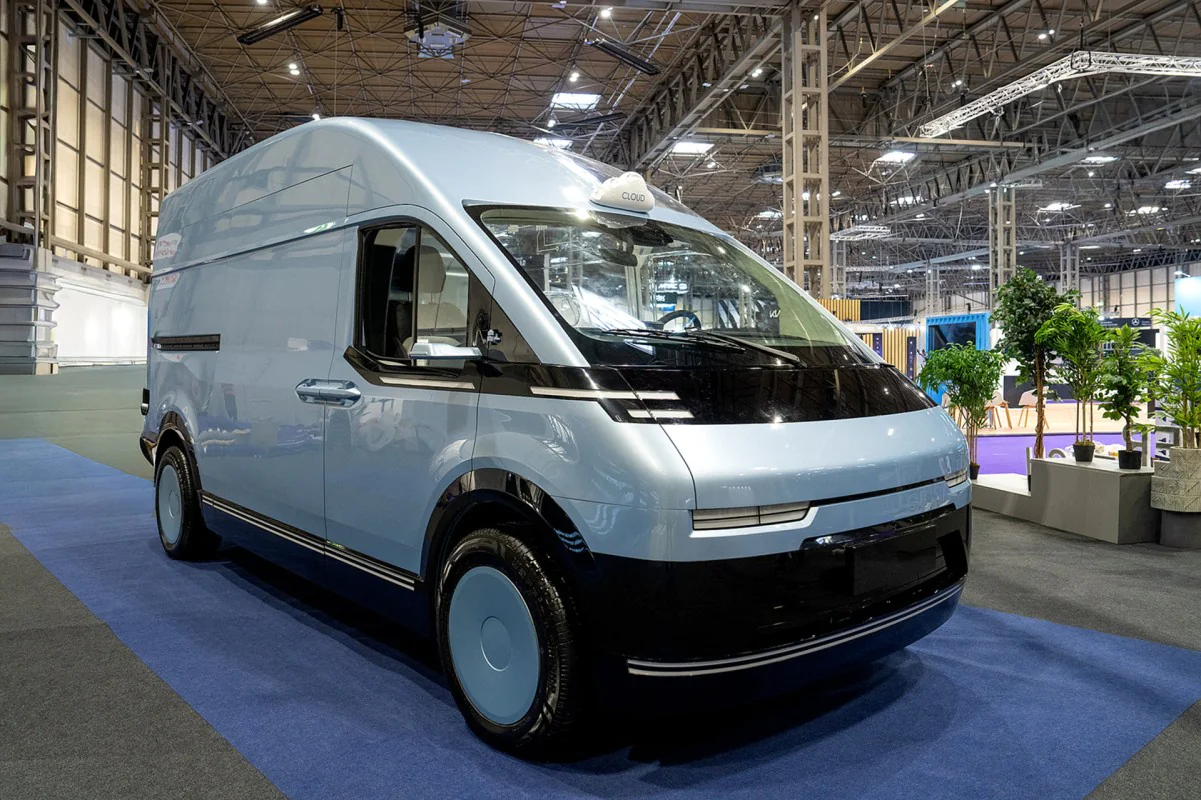
    The Chinese automotive group unveiled its production van range at the IAA Transportation show in Hanover, preparing for commercial deliveries in 2027 across Britain, Germany, France, Spain, Italy and the Nordic region.

    Hardware specifications and conversions

    Delivan built its launch lineup on a single electric architecture, offering battery capacities between 50.4 kilowatt-hours and 97.4 kilowatt-hours. The vehicles deliver up to 426 kilometres of WLTP combined range with speed capped at 100 kilometres per hour, while direct-current fast charging takes the battery from 15 percent to 80 percent in roughly 22 minutes.

    The range includes the L1H1 panel van with a 1,400-kilogram payload, the larger L2H3 panel van offering 11.6 cubic metres of cargo capacity, and the L3 chassis cab supporting payloads up to 2,120 kilograms. Both panel vans carry a 2,500-kilogram towing rating. Delivan also displayed four specialist conversion bodies developed with European bodybuilders: a crew van, a refrigerated box, an integrated tool storage layout and a three-way tipper.

    Fleet software and uptime service

    Commercial operations will run on a package the company calls its 1+3 proposition, combining vehicle hardware with three digital support layers. Delivan I handles telematics, route efficiency and real-time energy usage tracking, while Delivan PRO links operators to an uptime centre for predictive maintenance and remote diagnostics. Delivan X oversees third-party vehicle conversions and bodybuilder certifications.

    Software integration has become a primary sales mechanism for Chinese commercial vehicle exporters targeting overseas corporate buyers. Fleets evaluate total cost of ownership through vehicle availability and software integration rather than purchase price alone. Delivan is attempting to bypass typical import friction by embedding diagnostics and bodybuilding approvals directly into European fleet workflows.

    Dealership network strategy

    Distribution in Britain will combine franchised car retailers with dedicated commercial vehicle centres. Chery plans to convert selected existing passenger-car showrooms to carry Delivan while appointing independent commercial vehicle specialists to cover high-density logistics corridors.

    Establishing physical workshops and rapid parts supply presents the main execution hurdle for new commercial vehicle brands in Europe. Delivery companies cannot absorb prolonged vehicle downtime. While Chinese electric passenger cars rely heavily on direct retail or light dealer agreements, light commercial vehicles require round-the-clock maintenance agreements and guaranteed replacement turnarounds to win institutional fleet tenders.

    European expansion timeline

    Delivan initiated its Western European rollout in April at the Commercial Vehicle Show in Birmingham, where Chery first introduced the commercial sub-brand. The company subsequently established regional operating headquarters and technical teams in the UK and Germany to adjust suspension, cargo packaging and cab ergonomics for local delivery routes.

    “Using real-time connected-vehicle data, our in-house smart system applies AI to connect the entire operational chain, from individual vehicles to fleet management,” said Yueqiong Gong, vice president of Chery Holding Group and general manager of Chery Commercial Vehicle.

    Chery will finalize its initial UK dealer appointments over the coming months before opening order books ahead of customer deliveries in 2027.

  • CapitaLand sells stake in CapitaMall Wuhu

    CapitaLand sells stake in CapitaMall Wuhu

    CapitaLand Retail China Trust (CRCT) and CapitaLand will divest their combined 100 per cent interests in CapitaMall Wuhu to an unrelated third party.

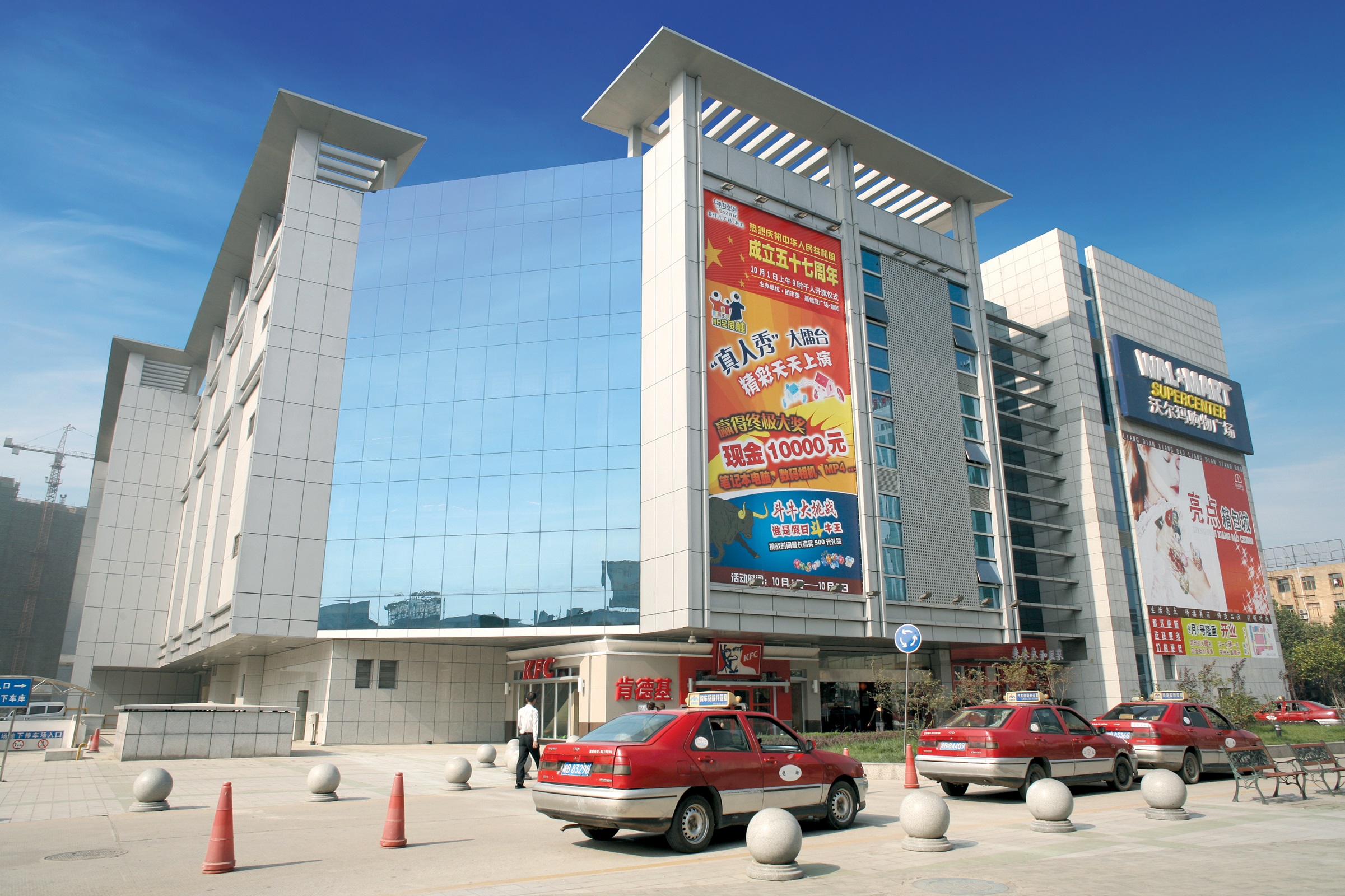
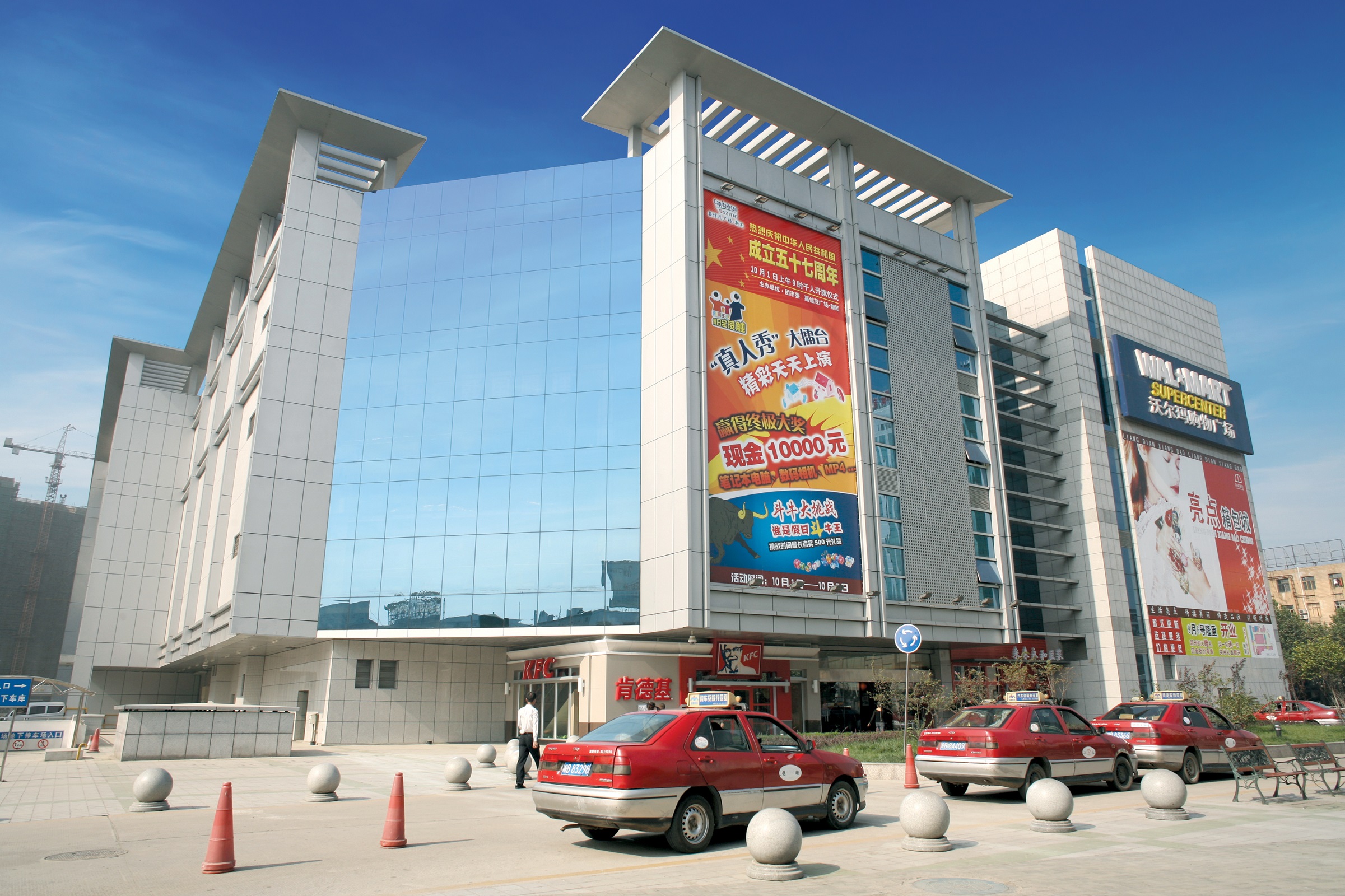
    Located in Wuhu city in China’s Anhui Province, CapitaMall Wuhu is a five-storey shopping mall of around 45,000sqm that has been closed since the third quarter of last year, following the exit of its anchor tenant.

    “The divestment of CapitaMall Wuhu is in line with our proactive asset-management strategy to optimise CRCT’s portfolio and enhance returns,” said CRCT Management Ltd CEO Tan Tze Wooi.

    “As our 51-per-cent stake in CapitaMall Wuhu accounts for less than 1 per cent of CRCT’s asset size, its sale is expected to have minimal impact on CRCT’s core business. The sale proceeds will provide CRCT with greater financial flexibility to take advantage of market opportunities. We remain on the lookout for strategic opportunities to reconstitute and strengthen our portfolio.”

    The transaction between the firms’ respective subsidiary and associate is based on the company’s adjusted net asset value – including (but not limited to) its interest in CapitaMall Wuhu of RMB210 million (US$31.25 million).

    After taking into account the estimated fees, taxes and other related expenses, it is estimated that the net proceeds from the divestment would be RMB90.6 million ($13.48 million). The net divestment proceeds may be used for reducing existing debt and/or financing general corporate or working capital requirements.

    CapitaLand Group’s president Lucas Loh commented: “The sale of CapitaMall Wuhu will unlock capital that can be redeployed to core assets in cities where CapitaLand enjoys scale and competitive advantage. We will stay disciplined in our capital-recycling efforts and continually review opportunities to optimise CapitaLand’s portfolio, which includes divestment of assets that are non-core or have limited growth.”

    The divestment of CapitaMall Wuhu is expected to be completed in the second half of this year.

    Following the divestment, CRCT’s portfolio will have 10 malls in seven Chinese cities, while CapitaLand’s retail network in China will comprise 51 malls in 21 cities.

  • CRCT and CapitaLand to divest their interests in CapitaMall Wuhu

    CRCT and CapitaLand to divest their interests in CapitaMall Wuhu

    CapitaLand Retail China Trust (CRCT) and CapitaLand today announced that their respective subsidiary and associate have entered into an agreement to divest their combined 100% interests in a company, which owns CapitaMall Wuhu, to an unrelated third party.  The transaction is based on the company’s adjusted net asset value, including but not limited to its interest in CapitaMall Wuhu of RMB210 million (about S$41.5 million).

    Mr Tan Tze Wooi, CEO of CapitaLand Retail China Trust Management Limited, said: “The divestment of CapitaMall Wuhu is in line with our proactive asset management strategy to optimise CRCT’s portfolio and enhance returns.  As our 51% stake in CapitaMall Wuhu accounts for less than 1% of CRCT’s asset size, its sale is expected to have minimal impact on CRCT’s core business.  The sale proceeds will provide CRCT with greater financial flexibility to take advantage of market opportunities.  We remain on the lookout for strategic opportunities to reconstitute and strengthen our portfolio.”

    Mr Lucas Loh, President (China & Investment Management), CapitaLand Group, said: “The sale of CapitaMall Wuhu will unlock capital that can be redeployed to core assets in cities where CapitaLand enjoys scale and competitive advantage.  We will stay disciplined in our capital recycling efforts and continually review opportunities to optimise CapitaLand’s portfolio, which include divestment of assets that are non-core or have limited growth.”

  • CapitaLand Retail China reports bumper quarter

    CapitaLand Retail China reports bumper quarter

    CapitaLand Retail China Trust has had a bumper quarter to September, its distributable income rising 14.2 per cent year on year.

    CRCT is the only China shopping mall Real Estate Investment Trust (REIT) based in Singapore, with a portfolio of 10 shopping malls located in Mainland China.

    CapitaLand Retail China Trust Management, which manages CRCT, says it achieved a distributable income of S$22.3 million for the period. Distribution per unit (DPU) was 2.64 cents, an increase of 12.3 per cent over a year ago.

    Chairman Victor Liew said China’s economy expanded 6.9 per cent year on year in both the third quarter and the first nine months of 2015, while retail sales in the first nine months of 2015 increased 10.5 per cent to RMB21.6 trillion.

    “With the Chinese government reiterating its commitment to rebalance its economy by driving domestic consumption, CRCT remains upbeat about China’s retail growth prospects.”

    CEO Tony Tan, CEO of CRCTML, said that during the quarter, the trust’s portfolio of malls registered 9.1 per cent growth in net property income as it benefitted from a favourable exchange rate.

    “Rental reversion for the quarter continued to be strong at 10.9 per cent, with the majority of our malls registering double digit growth. Portfolio occupancy as at 30 September 2015 was 94.8 per cent, while tenants’ sales and shopper traffic for the quarter increased 12.7 per cent and 2.4 per cent respectively year-on year.”

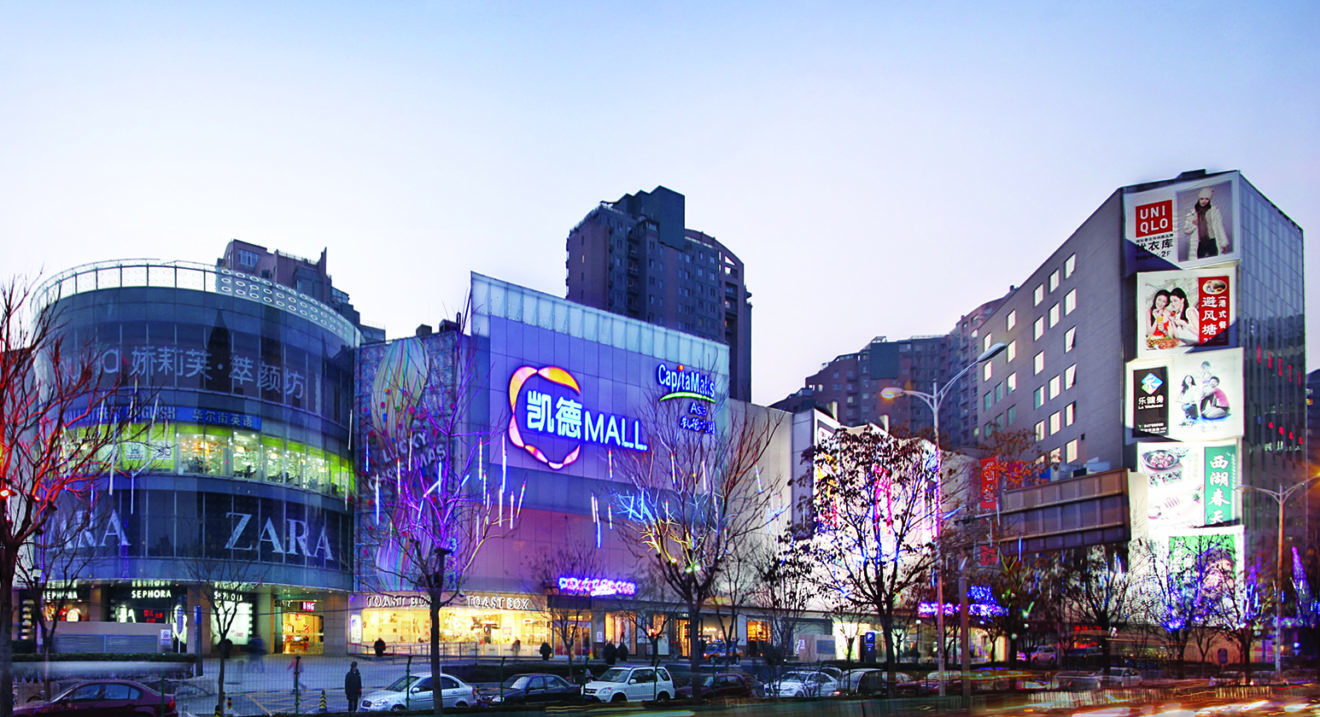
    The trust’s malls are CapitaMall Xizhimen, CapitaMall Wangjing, CapitaMall Grand Canyon, CapitaMall Shuangjing and CapitaMall Anzhen in Beijing; CapitaMall Qibao in Shanghai; CapitaMall Erqi in Zhengzhou, Henan Province; CapitaMall Saihan in Huhhot, Inner Mongolia; CapitaMall Wuhu in Wuhu, Anhui Province; and CapitaMall Minzhongleyuan in Wuhan, Hubei Province.

    “We continue to refresh and improve the trade mix within our multi-tenanted malls,” said Tan.

    “CapitaMall Xizhimen is adding more children-related products and services to cater to growing demand from young families with children. A section of the mall’s Level 3 will be reconfigured into a vibrant kids’ zone and new tenants catering to the varied needs of children, such as apparel stores and enrichment schools, will be added.

    “On the asset enhancement front, CapitaMall Wangjing will be commencing upgrading works to its façade in the coming months, and CapitaMall Grand Canyon is currently undertaking renovation works to improve its common amenities. All these initiatives will further enhance the overall appeal and shopping experience at our malls.”