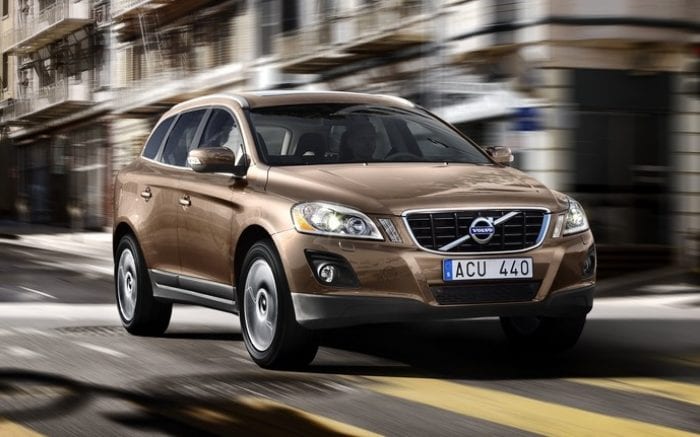
Tag: XC60

  • Volvo Unveils XC60 Plug-In Hybrid with 200 Km Electric Range

    Volvo Unveils XC60 Plug-In Hybrid with 200 Km Electric Range

    Volvo Cars, a subsidiary of China’s Geely Group, has unveiled its model year 2027 XC60 and XC90 plug-in hybrids offering an electric range of up to 200 km.

    The updated Volvo XC60 Plug-in Hybrid starts at €69,990 and delivers more than two and a half times the electric range of its predecessor. It features a 41.2 kWh battery floor pack, an increase from the previous 18.8 kWh capacity.

    Volvo combined the larger battery with a 130 kW electric motor alongside a petrol combustion engine. Under the same setup, the larger XC90 Plug-in Hybrid achieves up to 163 km of purely electric range per charge.

    Hardware Parity With Pure Electric City Cars

    That 41.2 kWh capacity exceeds the battery size in several dedicated electric city cars entering production. Volkswagen equipped the entry-level ID. Polo with a 37 kWh pack, while Renault fitted the Twingo Electric with 27.5 kWh. Volvo uses full-sized electric car energy reserves solely to cover daily commuting without burning petrol.

    Drivers get pure electric power for city trips alongside combustion backup for highway travel. The Swedish brand already sells all-electric models including the EX30, EX40, and EX90. Customer demand for flexible powertrains prompted this hybrid refresh.

    Now, as long-range plug-in hybrids, they build on those legacies and, together with the all-electric EX60, give us our strongest-ever electrified offering in the mid-size SUV segment.

    Platform Sharing Across the Geely Portfolio

    Under the skin, the configuration mirrors powertrains across parent company Zhejiang Geely Holding Group. Geely’s Lynk & Co brand launched the 08 crossover with a 39.6 kWh battery pack. That model logged 176 kilometres of real-world electric range in testing by German motoring club ADAC. Group-level component sharing lowers cell procurement costs and accelerates engineering for European and Asian assembly lines.

    German rivals trail the benchmark. Volkswagen Group offers up to 143 kilometres of electric range in the VW Golf eHybrid and Audi A3 Sportback TFSI e. Mercedes-Benz and BMW have kept plug-in hybrid battery sizes closer to 20 to 25 kWh in comparable luxury segments.

    Regulatory Pressure on Real-World Emissions

    European regulators are tightening emissions calculations for plug-in hybrids. European Union field data from 320,000 vehicles showed real-world carbon dioxide output was 3.5 times higher than lab approval figures because owners failed to charge regularly. Regulators adjusted the official utility factor downward in 2025 to reflect actual charging habits.

    Another regulatory tightening in 2027 will increase fleet emissions penalties unless hybrid models cover higher electric mileage. Installing larger batteries insulates automakers from sudden compliance penalties as policy shifts across export destinations.

    Production Timeline and Model Rollout

    These long-range powertrains serve as an interim bridge while Volvo prepares its purpose-built EX60 electric architecture. The XC60 remains Volvo’s best-selling model globally. Steady hybrid sales protect cash flow during capital-intensive EV plant conversions.

    Order books opened in Europe for the 2027 model-year XC60 and XC90. Core export markets will receive customer deliveries first, followed by a rollout to American dealerships.
  • Volvo XC60 And V60 Polestar Unveiled

    Volvo XC60 And V60 Polestar Unveiled

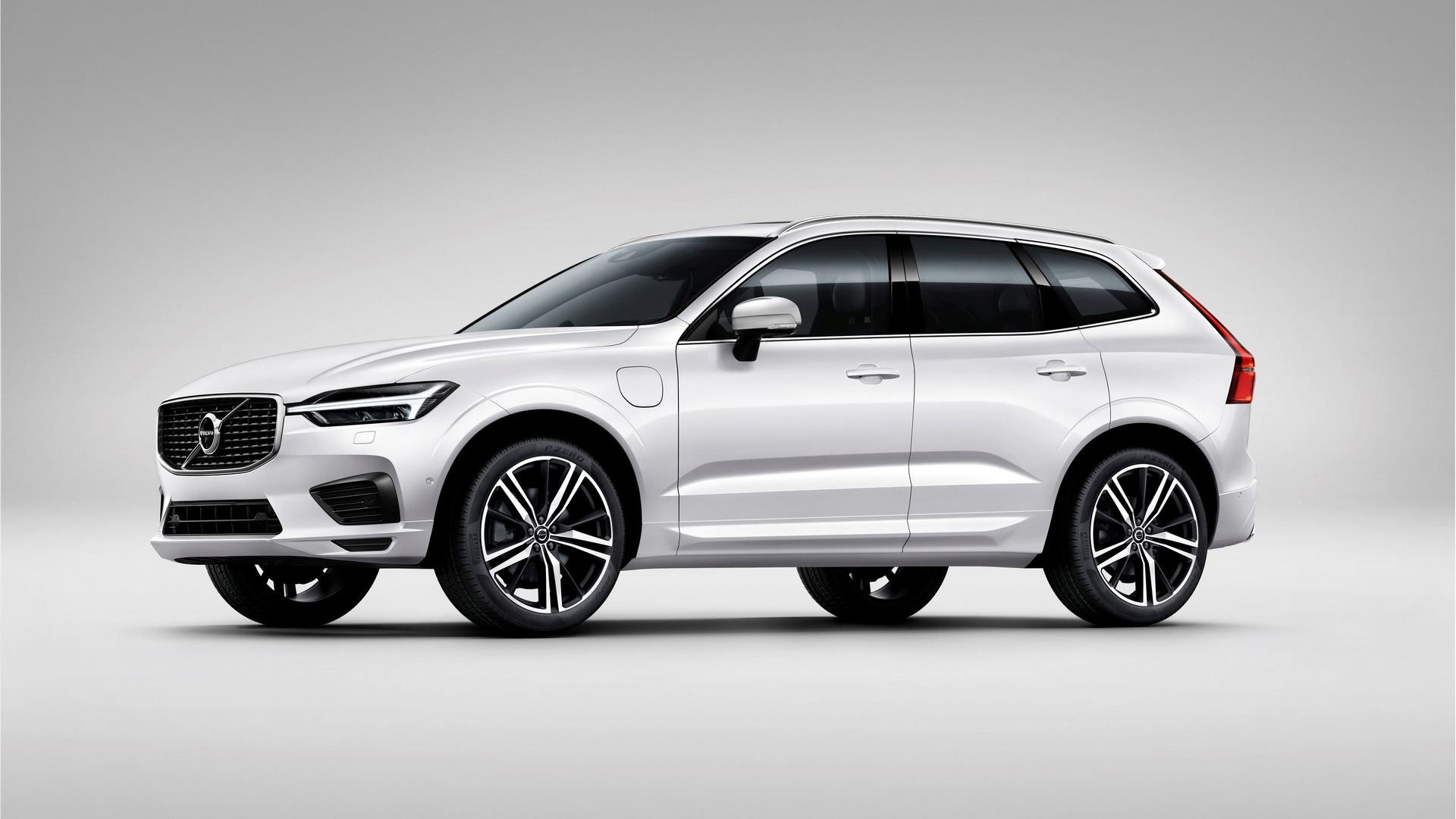
    Volvo has unveiled the performance-oriented Polestar version of the XC60 and V60. Both the cars are plug-in hybrid models and are based on the standard T8 variants, however, will be faster. They are powered by the same 2.0-litre, four-cylinder petrol motor which is tuned to churn out 415 bhp (15 bhp more) and 669 Nm of peak torque (33 Nm more) and the engine is coupled with an electric motor. The Polestar powered XC60 and V60 are quicker to triple-digit speeds and can clock 100 kmph in less than 5 seconds.

    On the outside, there isn’t much to distinguish the Polestar XC60 and V60 from their standard models. The major changes include new 10-spoke alloy wheels, gloss black grille, exaggerated wheel arches and of course, the Polestar moniker. The cabin of the new Polestar models is finished in Charcoal shade. The front seats have got enhanced bolstering for better support and seatbelts get the typical Polestar Gold finish.

    The Volvo XC60 is already on sale in India but we don’t have any final word about the V60. Also, Volvo has not revealed any details about the launch of the Polestar models yet.

  • Volvo Cars’ New XC60 SUV Will Automatically Steer You Out Of Trouble

    Volvo Cars’ New XC60 SUV Will Automatically Steer You Out Of Trouble

    Volvo Cars, the premium car maker, has announced that the new XC60 SUV – which will be revealed at the Geneva Motor Show – will feature three new advanced driver assistance features aimed at keeping the driver out of trouble.

    The new safety features are designed to provide the driver with automatic steering assistance or support – when required – to help avoid potential collisions. Volvo believes that these new features will make the new XC60 one of the safest cars on the road.

    “We have been working with collision avoidance systems for many years and we can see how effective they are. In Sweden alone we have seen a decline of around 45 per cent* in rear-end frontal crashes thanks to our collision warning with autobrake system. With the XC60 we are determined to take the next step in reducing avoidable collisions with the addition of steering support and assistance systems,” said Malin Ekholm, Senior Director, Volvo Cars’ Safety Centre.

    City Safety has been updated in the XC60 to include steering support, which engages when automatic braking alone would not help avoid a potential collision. In such circumstances, the car will provide steering assistance to avoid the obstacle ahead. City Safety helps to avoid collisions with vehicles, pedestrians and large animals. Steering support is active between 50-100 km/h.

    Volvo Cars has also added a system called Oncoming Lane Mitigation, which helps drivers to avoid collisions with vehicles in an oncoming lane.

    The system works by alerting a driver who has unwittingly wandered out of a driving lane by providing automatic steering assistance, guiding them back into their own lane and out of the path of any oncoming vehicle. This system is active between 60-140 km/h.

    “All three of these new features represent clear steps in our work towards fully autonomous cars,” added Malin Ekholm.

    Volvo Cars’ optional Blind Spot Information System, which alerts drivers to the presence of vehicles in their blind spot, has also received an update to include steer assist functionality that helps to avoid potential collisions with vehicles in a blind spot by steering the car back into its own lane and away from danger.

    “We have all of the benefits of the safety technology we introduced in our larger 90 Series cars in the new XC60. This is fully in-line with our strategic approach to develop automotive safety systems based on real-life, real-road safety. Our vision is that no one will be killed or seriously injured in a new Volvo car by the year 2020,” added Malin Ekholm.

    The XC60 will deliver a host of high-end safety systems, just like its larger 90 Series siblings, including Large Animal Detection, Run-off Road Mitigation and the semi-autonomous driver support and convenience system Pilot Assist as an option.

  • Volvo recalls vehicles in US, Canada for seat belt problem

    Volvo recalls vehicles in US, Canada for seat belt problem

    Volvo is recalling about 79,000 cars and SUVs in the US and Canada because the front passenger seat belt may not hold people in a crash.

    The recall covers certain S60, S90, V60, XC60 and XC90 vehicles from the 2016 and 2017 model years.

    Volvo says in government documents that a buckle stud can come loose, allowing the buckle to separate from a bracket. If that happens, the belt may not hold the front passenger in a crash. The company said Wednesday it has no reports of injuries. It does not expect to find any loose studs but says it’s recalling the vehicles as a precaution.

    Dealers will replace the buckle if needed at no cost to owners starting December 12.

    Volvo began investigating the problem after getting reports of buckle failures starting in August. It traced the trouble to cars made from February 16, 2015, to August 22, 2016