Tag: xi jinping

  • Trump and Xi Summit in Washington Yields Limited Progress on Tariffs

    Trump and Xi Summit in Washington Yields Limited Progress on Tariffs

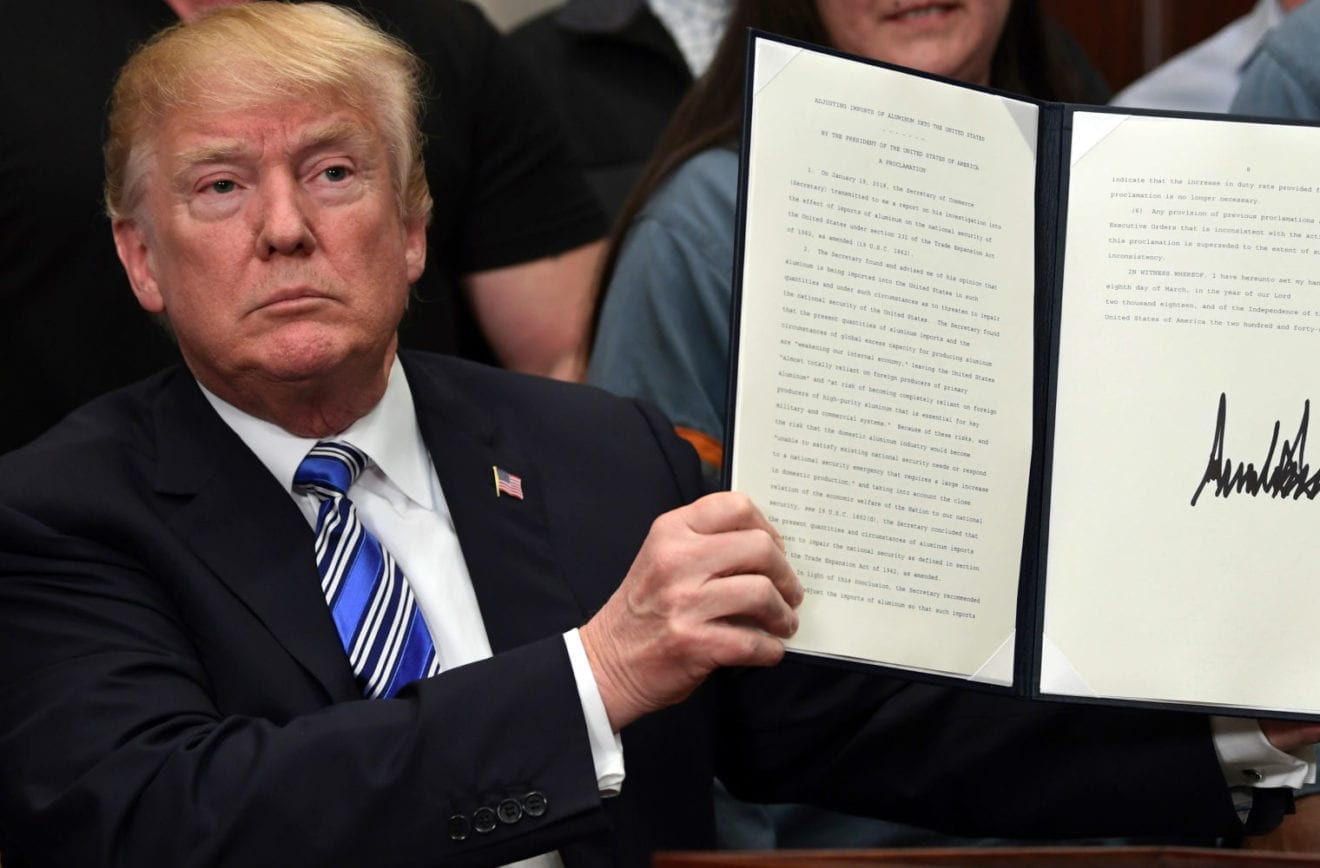
    President Donald Trump and Chinese leader Xi Jinping met in Washington last week for a summit that yielded limited progress on tariffs, leaving bilateral relations in what analysts describe as a managed stalemate.

    The limited outcomes showed how far apart Washington and Beijing remain on core economic issues, reinforcing analyst views that China sees little incentive to grant major political concessions ahead of November’s midterm elections.

    Limited Progress on Technology and Supply Chains

    Asia-Pacific supply chains face operations without clear visibility into 2027. Negotiators deferred binding settlements on critical trade disputes. These include China’s export limits on rare earth materials and US trade restrictions on advanced semiconductor shipments.

    Xi arrived in Washington seeking trade predictability as domestic retail spending softens in mainland China. Chinese factory exports have reached record levels globally. Still, falling residential property prices and persistent youth unemployment continue to depress household demand across tier-one and tier-two cities, where homeownership stands near 80 percent.

    Stalemate Over Tech Controls and Taiwan

    Artificial intelligence discussions ended without operational safeguards or a formal bilateral pact. Xi argued during the meetings that advanced computing systems must stay under direct human control. Meanwhile, the White House maintained its broader export controls on cutting-edge processors.

    Geopolitical friction also limited commercial progress. Xi reiterated that American arms sales to Taiwan cross a fundamental red line for Beijing, following a May warning that mishandling the territory could spark direct conflict. The US administration continues to hold a pending 14 billion dollar arms package for the island, using it during negotiations.

    What Operators and Exporters Face Next

    For consumer electronics makers, apparel brands and contract manufacturers across East Asia, the outcome changes little on the ground. Companies that accelerated factory shifts into Southeast Asia to dodge unilateral duties must continue carrying dual-supply chain overhead.

    Retailers sourcing consumer goods through southern Chinese hubs face an immediate cost risk early next year. The three-month extension merely pushes tariff uncertainty past the November US midterm elections without removing the threat of sudden duty hikes.

    January brings the next formal test for cross-border logistics and bilateral commerce, when the current tariff pause expires and working groups resume formal negotiations over market access and tech controls.
  • Trump Signals US Dollar Bans on Chinese Banks over Iran Trade

    Trump Signals US Dollar Bans on Chinese Banks over Iran Trade

    US President Donald Trump signaled plans to bar Chinese banks from the US dollar system over their commercial transactions with Iran. The warning follows the blacklisting of 60 international entities, including firms in mainland China and Hong Kong, under an enforcement push labeled Economic D-Day.

    Treasury Secretary Scott Bessent announced the initial sanctions package earlier in the week, demanding an immediate halt to commercial dealings with Tehran. The measures aim to intensify economic pressure after six months of regional conflict and disruptions in the Strait of Hormuz failed to resolve through military action or negotiations.

    Dollar clearing and secondary sanctions

    Bessent stated that any institution facilitating transactions on behalf of Iranian entities faces removal from the US dollar network. The mechanism targets secondary intermediaries, putting Chinese state-owned and commercial lenders at direct risk of losing correspondent banking access in New York.

    For corporate treasuries and supply chain operators across Asia, exclusion from greenback settlement creates immediate operational friction. Trade finance across the region relies heavily on dollar-denominated letters of credit, even when settlement involves third-party energy and commodity flows originating in the Middle East.

    Pre-summit pressure on Beijing

    Commercial lenders in Beijing and Hong Kong have maintained trade settlement channels with trading partners across the Gulf. Cutting those conduits would force corporate clients to route settlement through alternative clearing channels or drop counterparties entirely to protect broader international banking books.

    The next test arrives with the scheduled bilateral summit between Trump and Chinese President Xi Jinping in Washington, where trade enforcement and financial sector access sit at the center of negotiations.

  • Ecuadorian President Seeks Trade and Investment in China, Singapore, and Vietnam

    Ecuadorian President Seeks Trade and Investment in China, Singapore, and Vietnam

    Ecuadorian President Daniel Noboa arrived in Beijing on Sunday for his first state visit to China, aiming to resolve suspensions on 14 Ecuadorian shrimp processors and secure fresh investment in energy and mining. This trip marks a significant economic outreach to Asia for the South American nation.

    President Noboa is scheduled to hold talks with President Xi Jinping, Premier Li Qiang, and China’s top legislator Zhao Leji. His visit to China concludes on August 23, after which his Asian tour will continue to Singapore and Vietnam until August 28.

    This is Noboa’s second visit to China since June last year, when he and President Xi signed a cooperation plan under the Belt and Road Initiative, which Ecuador joined in 2018. This state visit carries full ceremonial protocol and signifies an expectation for concrete outcomes. Beijing frames the visit around the decade-long comprehensive strategic partnership between China and Ecuador, hoping to strengthen political trust and advance their existing relationship.

    Economic Diplomacy Across Asia

    The president’s itinerary underscores a broader strategy to diversify and strengthen economic ties with key Asian economies. For China, securing access to Ecuadorian exports like shrimp and potentially copper, along with investment opportunities, aligns with its economic objectives in Latin America. The Belt and Road Initiative plays a central role in facilitating these partnerships, extending China’s influence and trade networks globally.

    Similarly, Noboa’s subsequent stops in Singapore and Vietnam signal an interest in expanding Ecuador’s trade and investment footprint beyond China. Singapore, a major financial and logistics hub in Southeast Asia, could serve as a gateway for Ecuadorian products into the wider ASEAN market. Vietnam, a growing economy with increasing consumer demand, also presents potential opportunities for bilateral trade and agricultural exports.

    Implications for Asian Markets and Supply Chains

    For retailers and businesses in Asia, Noboa’s visit could lead to more stable and diversified supply chains for goods like shrimp, a popular seafood product across the region. Increased Chinese investment in Ecuadorian mining and energy sectors could also impact global commodity markets, indirectly affecting Asian industrial output and pricing.

    The emphasis on securing foreign investment for energy and mining suggests a push for infrastructure development and resource extraction in Ecuador, which often involves the procurement of machinery, technology, and services from Asian suppliers. This strategic engagement by a Latin American leader with major Asian economies reflects a growing trend among nations worldwide to court investment and trade opportunities in the dynamic Asia-Pacific region. Businesses should watch for any new trade agreements or investment pledges that emerge from these discussions, as they could open new import/export channels and create fresh market dynamics.