Tag: xi’an

  • ChaHalo to Open Columbus Store in December Following Cleveland Launch

    ChaHalo to Open Columbus Store in December Following Cleveland Launch

    Chinese tea brand ChaHalo will open a storefront in Columbus in mid-December this year, marking its latest expansion into Central Ohio. Founded in Xi’an in 2016, the chain currently runs more than 1,000 stores in China alongside overseas outposts in the United Kingdom, Australia, and North America.

    The Columbus location follows an earlier retail announcement for a storefront in Cleveland. The company confirmed the expansion on Instagram, stating: “Hey Columbus! Something exciting is brewing! ChaHalo is coming to town, and we can’t wait to meet you.”

    ChaHalo disclosed via its Columbus storefront account that the new shop will be situated “near the Ohio State University,” though a specific street address was not provided. Known for pairing traditional Chinese teas and brewing methods with contemporary flavors, the group is now preparing the site for shoppers ahead of the holiday season.

    Midwestern college town strategy

    Entering Columbus exposes ChaHalo directly to a dense student demographic with high beverage consumption rates and an existing familiarity with Asian drink concepts. University corridors in the United States offer compact trade areas where young consumers generate steady weekday footfall, lowering the customer acquisition spend typical of suburban strip mall entries. The brand relies on strong visual merchandising and familiar tea pairings to draw domestic students while retaining overseas Chinese consumers who already know the chain.

    For independent beverage operators in Ohio, the arrival introduces competition backed by a massive domestic supply chain. Operators with hundreds of locations in China negotiate raw tea, dairy, and packaging contracts at volumes single-unit American businesses cannot match. The core risk for the brand sits in localized operating expenses, where US labor rates and real estate fit-out costs run substantially higher than in secondary Chinese cities.

    The march across Western markets

    Chinese tea chains have steadily accelerated outward expansion over recent years as home metropolitan markets hit saturation. ChaHalo started in Xi’an in 2016, building scale across regional domestic hubs before looking beyond mainland borders. Its cross-border expansion has pushed units into the United Kingdom and Australia, testing operating formulas against strict local health codes and fragmented supplier networks.

    The Columbus location follows an earlier retail commitment in northern Ohio, where the company announced plans for a Cleveland storefront. ChaHalo enters a competitive US drinks market where Asian beverage chains increasingly treat tertiary cities as viable expansion territory rather than relying solely on coastal hubs like New York or Los Angeles.

    Opening timeline and rollout

    The business expects to finish fitting out the Columbus space ahead of its planned launch in mid-December this year. Store staffing and local ingredient sourcing will determine opening speeds across both planned Ohio sites as ChaHalo tests Midwestern consumer retention.
  • BYD Seeks over 8,000 Workers at Xi’an Base as Production Ramps up

    BYD Seeks over 8,000 Workers at Xi’an Base as Production Ramps up

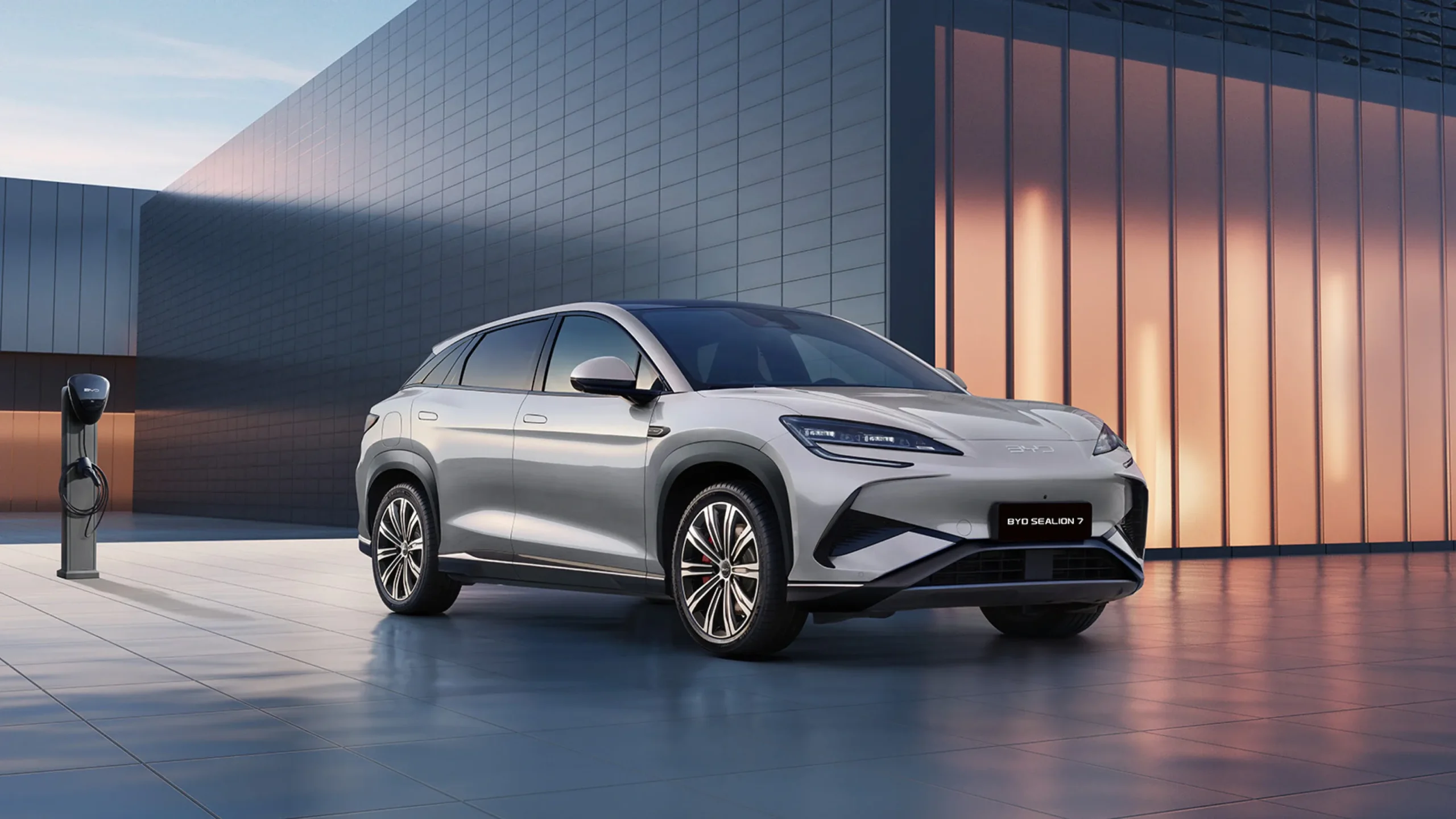
    BYD is hiring more than 8,000 workers across its Xi’an manufacturing complex in September 2026 after finishing assembly line overhauls at the site.

    The northwestern hub is the automaker’s largest production base. It spans four development phases with an annual capacity of 1.5 million vehicles.

    Recruitment notices from local human resource agencies and municipal bureaus show the push covers several divisions. Signing bonuses reach up to 6,000 yuan ($889), paired with monthly wages up to 10,000 yuan for technical staff. Roles in welding, painting and vehicle assembly make up most of the open positions.

    Incentives and Skilled Labor Demand

    Hiring ends temporary operating limits at the plant. Output slowed during the first half of the year as BYD reconfigured machinery for its second-generation Blade Battery and retooled chassis lines. During that tooling phase, the company transferred workers to facilities in Zhengzhou, Hefei and the Shenzhen-Shanwei cooperation zone.

    All four factory sites in Xi’an have returned to standard shifts. Filling technical roles quickly will prevent bottlenecks on final assembly lines. Those lines supply both finished cars and knocked-down kits to international transport corridors.

    The Line Rebuild and Factory Rebound

    Provincial industrial data reflects the factory overhaul. Vehicle output across Shaanxi province fell nearly 50 per cent year on year through the first seven months of 2026 during the plant retooling.

    Production rebounded once the lines reopened. Shaanxi auto output climbed to 138,900 units in August, up 55.4 per cent from July. That was 17.9 per cent higher than August last year, according to China’s National Bureau of Statistics.

    For regional suppliers, the Xi’an ramp-up secures component volumes for the core Dynasty and Ocean series. Component makers that lowered deliveries during spring retooling now face tighter lead times. Automakers competing with BYD across Southeast Asia and Latin America will face fresh pressure as export shipments normalize.

    Domestic Headwinds versus Export Surge

    Plant operations restart against a split in BYD’s customer base. Deliveries hit 440,293 new energy vehicles in August. That was a 17.8 per cent gain year on year and its best monthly volume of 2026.

    Export shipments drove the total. Overseas sales jumped 134.5 per cent year on year to 189,466 units in August, setting a monthly export record. Domestic retail deliveries fell 14.3 per cent over the period as showroom price wars deepened in China.

    That split puts utilization risks on domestic lines. Export variants run on full schedules. Lines built for the home market must defend share against aggressive local discounts.

    Global Assembly Footprint

    Xi’an reached peak output in 2024 when volume topped 1 million vehicles. Matching that mark depends on how fast overseas markets absorb inventory before foreign assembly hubs open.

    BYD continues to tweak its global manufacturing footprint. European advisers say the automaker will eventually need three vehicle assembly plants and one battery hub in Europe to meet quotas and handle tariffs.

    Factory managers in Xi’an are now pushing to clear order backlogs before fourth-quarter shipping deadlines arrive.

  • Hermes sales growth boosted by Asia

    Hermes sales growth boosted by Asia

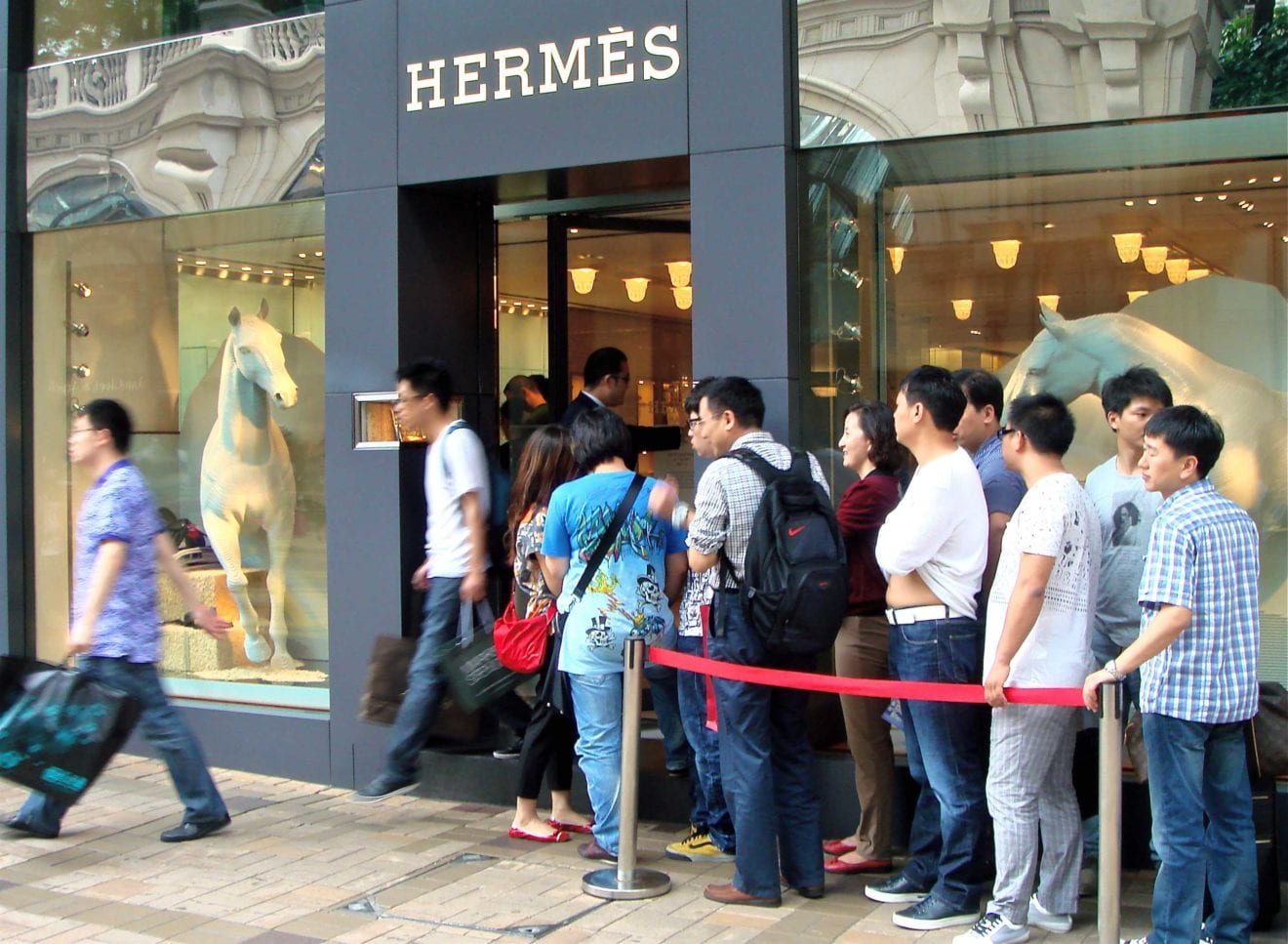
    Hermes sales surged 11 per cent in the quarter to September, with all geographical regions performing well. Asia – excluding Japan – led the way, with sales up 14 per cent. The company reported a “significant increase” in Mainland China with new stores in Xi’an (which opened in September) and Changsha (in May) along with the Landmark Prince’s store in Hong Kong in January helping underpin growth.

    A new commercial website hermes.cn, launched on October 17 and a massive duplex flagship opens tomorrow at Bangkok’s new IconSiam development. In Japan, sales rose 7 per cent.

    Group-wide revenue reached  €4.316 billion at the end of September, with sales through company-owned stores up 11 per cent as well, confirming the trend evident during the first half of the year.

    “Hermes realised a very strong growth over the first nine months of the year, in all regions,” said executive chairman Axel Dumas. “We keep our optimism for the future, but we are also thankful for the past.”

    By product category, Hermes’ ready-to-wear division achieved growth of 15 per cent, aided by the successful launch of the women’s Spring-Summer 2019 collection, presented at the Hippodrome Paris Longchamp. Demand was also high for fashion accessories and shoes.

    Growth in leather goods and saddlery reached 9 per cent, while the silk and textiles business grew by 4 per cent. Perfume sales rose by 9 per cent, watches by 8 per cent and other business lines, encompassing jewellery, Art of Living and Hermes Table Arts, by 23 per cent.

  • China’s Mosaic Xi’an mall opened door

    China’s Mosaic Xi’an mall opened door

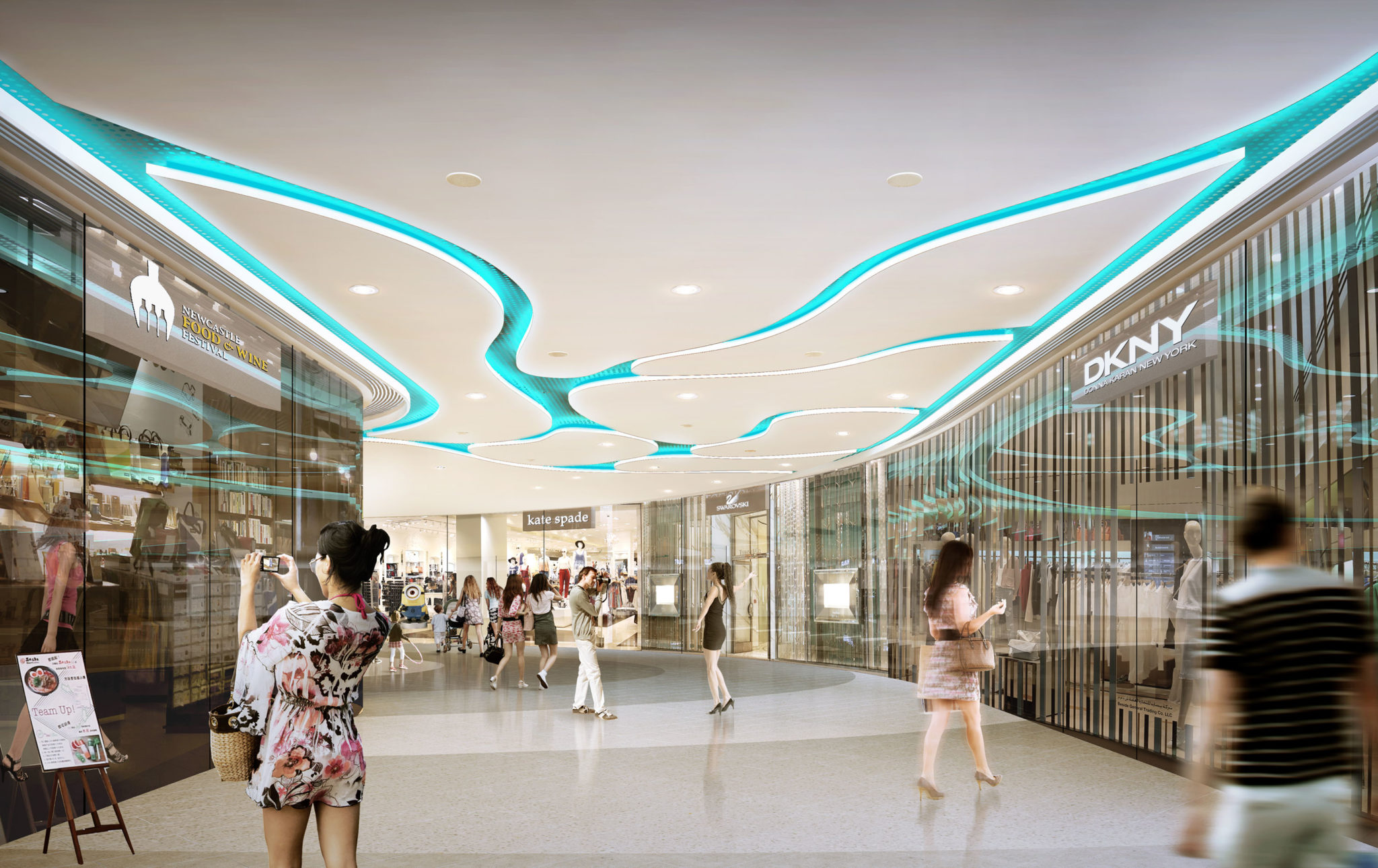
    Pradera Retail Asia has opened Mosaic Xi’an mall in China’s Xi’an city.

    The new 120,000sqm mall is Pradera’s fourth retail asset in China and targets the 20-45 age group with international fashion tenants and entertainment/F&B providers. Already 80 per cent leased, it will hold a one-year promotional program to establish the location in the local market.

    “Mosaic Xi’an creates an innovative shopping experience, so as to satisfy consumers’ booming demand for situating more creative means of entertainment in malls,” said Pradera’s CEO Alison Rehill-Erguven.

    The accents on entertainment are designed to draw customers from the surrounding region who may otherwise shop online.

    “Experiential business is critical for the overall industry,” said Rehill-Erguven. “When more and more shopping centers are transforming into ‘one-stop’ shopping experience centres, we go further to provide the latest advancements in entertainment, F&B and fashion, as well as events, customer service and technology, leading young customer groups on an unforgettable, entertaining journey.

    “Technology has inevitably changed the retail industry; consumers still want to shop in the stores to feel and touch the products … We must not underestimate the power of human interaction and the need for it.”

    Renowned as China’s ancient capital, Xi’an is located in the central Chinese province of Shaanxi. It is surrounded by 14th century city walls, an architectural feature that has been reflected in the design of the new mall.

    Pradera already operates three Mosaic retail properties in Shanghai, Qingdao and Chongqing respectively.