Tag: yen

  • Japanese Retailers Lock in FX Contracts as Weak Yen Hits Profits

    Japanese Retailers Lock in FX Contracts as Weak Yen Hits Profits

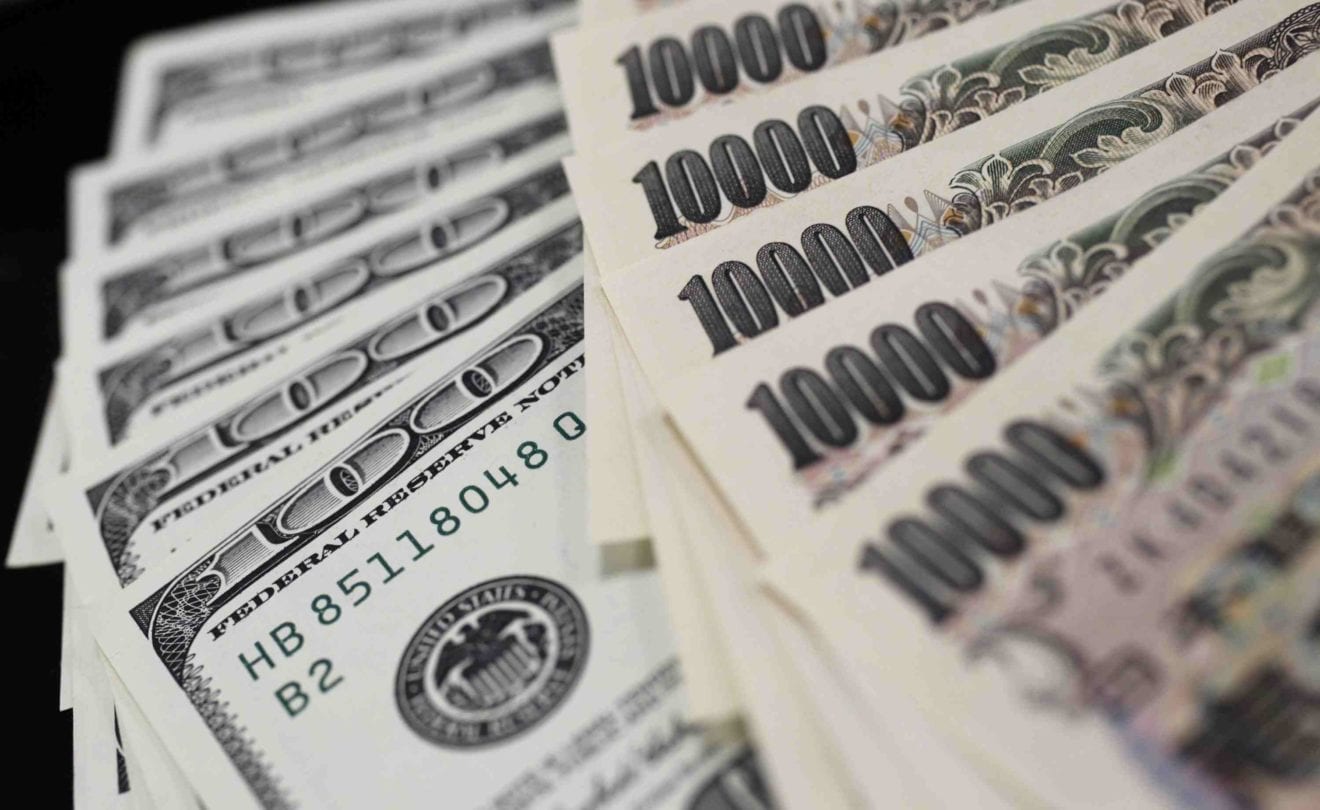
    Japanese retailers are overhauling supply contracts and turning to financial derivatives as the yen hovers near 159 per dollar, driving up import costs across food and consumer goods.

    The currency has shed more than 30 per cent against the greenback over the past five years, eroding buying power for domestic store operators that rely heavily on overseas agricultural products, raw materials and finished goods.

    Supermarkets Shift Supply Terms

    Takara MC, which runs 43 supermarkets south of Tokyo, has abandoned monthly price negotiations with overseas suppliers in favour of quarterly and annual agreements. Chief executive Taku Ueno said securing terms for up to a year on imports such as US beef, Spanish olive oil and Italian tomatoes allows the chain to shield shoppers from immediate price increases on store shelves.

    Securing supply deals has grown harder as rival buyers from China and Thailand consistently outbid Japanese grocers for commodity shipments.

    Bankers report that small and mid-sized store operators, which previously absorbed modest currency swings, are now turning to futures, forwards and options contracts to limit their balance sheet exposure.

    Corporate Hedging Stretches Further

    Nitori Holdings, the country’s largest furniture retail chain, estimates that every 1 yen drop against the US dollar reduces its operating profit by roughly 2 billion yen ($12.5 million). While the company has avoided direct hedges to date, it is reviewing forward contracts if currency weakness continues.

    Brokers in Tokyo say hedging volume is expanding well beyond traditional tenors. Daiwa Securities noted that client requests to lock in exchange rates have stretched from the usual few months out to as long as five to 10 years, while Bank of America expanded its Tokyo foreign exchange sales team over the past two years to handle the surge in corporate demand.

    For retailers across East Asia, Japan’s currency predicament shows how sustained foreign exchange weakness can upend long-standing retail pricing models. Competitors elsewhere in the region, operating with firmer currencies, continue to snap up global agricultural allocations that once went routinely to Tokyo buyers.

    Market participants at JP Morgan project the dollar-yen rate will persist in the 155 to 165 corridor, keeping the pressure firmly on Japan’s store operators as contract renewals approach in the coming quarter.

  • Yen Weakness Persists Despite Intervention, Raising Concerns for Asia-Pacific Businesses

    Yen Weakness Persists Despite Intervention, Raising Concerns for Asia-Pacific Businesses

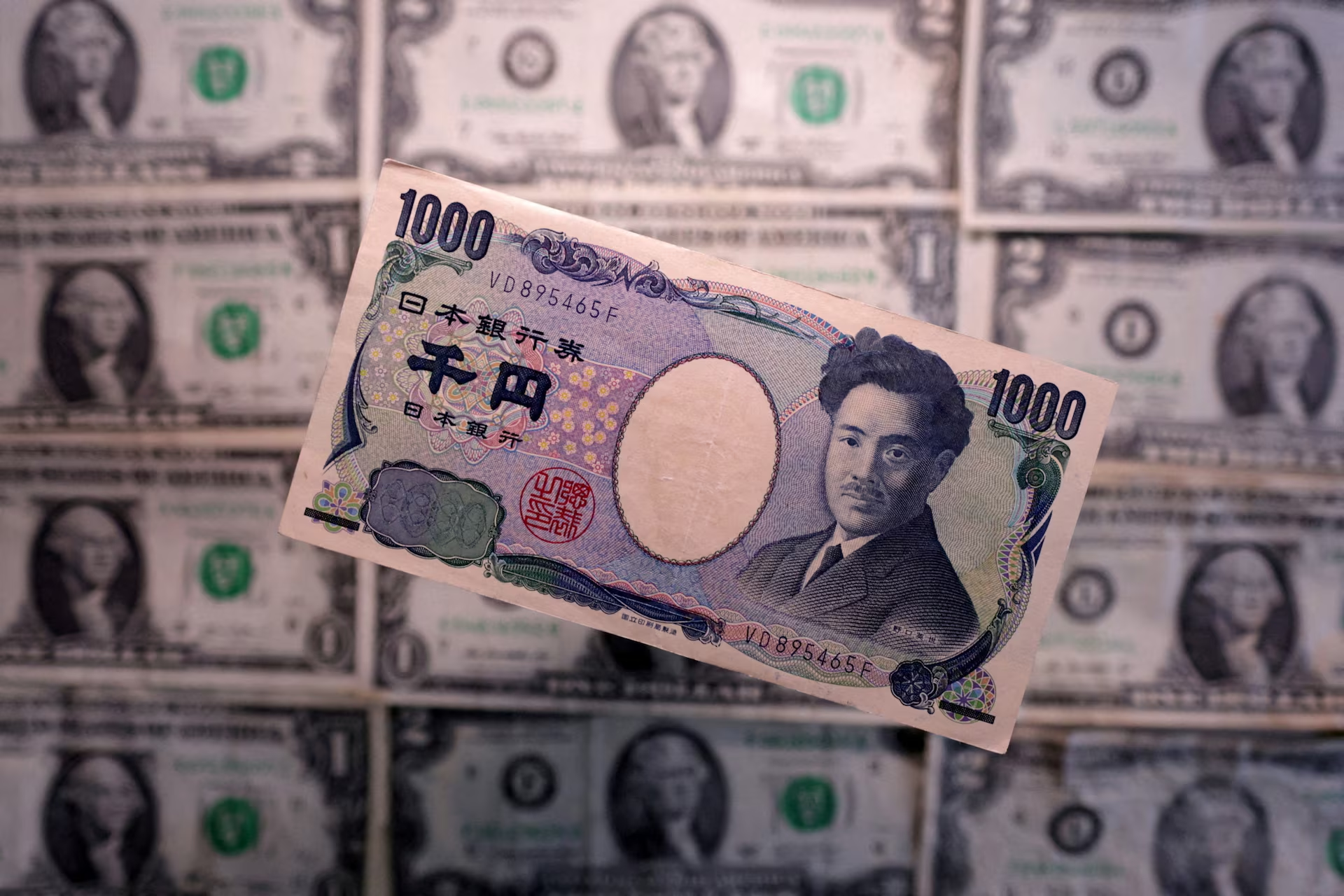
    The Japanese yen continues to face significant downward pressure, with a historic joint intervention by the United States and Japan failing to provide lasting relief. Weeks after the coordinated effort, the currency has reversed half its brief gains and is approaching the 160 yen per US dollar mark, having previously hit a 40-year low above 163 yen in late July.

    This persistent weakness is largely attributed to the widening interest rate differential between the US and Japan. US Treasury yields have reached multi-year highs, making dollar-denominated assets more attractive and fueling the yen carry trade. Despite a more hawkish stance from the Bank of Japan, investors continue to prioritize higher US yields, according to market observers.

    Intervention’s Limited Impact

    Market analysts suggest that while currency interventions can temporarily shift market positioning and disrupt momentum, they do not address underlying fundamental drivers such as interest rate differentials. Gary Dugan, CEO of The Global CIO Office, noted that the yen’s continued decline despite direct intervention indicates that US yields remain the primary factor influencing its value.

    The 30-year US Treasury yield recently reached 5.285 percent, while the rate for 30-year Japanese government bonds closed at 4.141 percent. This substantial gap incentivizes investors to borrow in yen at lower rates and invest in higher-yielding US assets, contributing to the yen’s depreciation.

    Implications for Asia-Pacific Retail

    The continued weakness of the yen has direct consequences for businesses operating across the Asia-Pacific region. Japanese companies, from luxury brands to electronics manufacturers, face higher import costs for raw materials and components, potentially impacting their pricing strategies and profitability. Conversely, the weaker yen can make Japanese exports more competitive, which could boost sales for some retailers and manufacturers focusing on international markets.

    For global retailers with a presence in Japan, purchasing power for Japanese consumers may diminish, affecting sales of imported goods. This situation mirrors challenges seen in other Asian markets where local currency depreciation against the dollar has driven up operational costs and consumer prices, requiring careful strategic adjustments from brands and retailers across the region.

  • Japan’s First Stablecoin: What It Means for Government Bond Demand and the Future of Finance

    Japan’s First Stablecoin: What It Means for Government Bond Demand and the Future of Finance

    Japan is gearing up for a significant financial innovation with plans to introduce its first stablecoin by late 2025. This move, while groundbreaking, is not predicted to shake up the dynamics of Japanese government bonds significantly. According to Bank of America (BofA) Global Research, the Financial Services Agency (FSA) is preparing to greenlight this JPY-denominated stablecoin in the autumn, which will be pegged to the country’s legal tender.

    JPYC’s Financial Strategy

    The fintech company expected to spearhead this initiative, JPYC, aims to maintain the stability of the new digital currency at JPY1 by holding a mix of highly liquid assets, including deposits and government bonds. While the launch is certainly a pivotal moment for Japan’s financial landscape, BofA’s analysis suggests that the immediate effect on the supply and demand for Japanese government bonds will be minimal.

    Stablecoins and Japanese Government Bonds

    BofA Global Research notes that the upcoming stablecoin launch is projected to result in a modest increase in annual issuances of Japanese government bonds — estimated at around $1.88 billion (JPY 277.7 billion). This forecast is based on JPYC’s ambitious target of issuing JPY1 trillion in stablecoins over the next three years, with approximately 20% of this amount reportedly backed by cash and deposits, and a substantial 80% by JGBs. However, this increase pales in comparison to the monthly JGB issuance from the Ministry of Finance, which ranges between JPY11 trillion and JPY12 trillion.

    Outlook for Japanese Stablecoins

    Despite several other Japanese companies reportedly eyeing the stablecoin market, the current sentiment remains cautiously optimistic. BofA Global Research emphasizes that, at least for now, the emergence of stablecoins in Japan is not forecasted to spur any significant demand for JGBs. As the financial sector watches closely, the stablecoin landscape could open new avenues for digital finance in Japan — a realm where innovation often dances cheek to cheek with tradition.

    Questions & Answers

    What is the expected launch date for Japan’s first stablecoin?
    Japan’s first stablecoin is set to launch in late 2025, pending authorization from the Financial Services Agency.

    How does JPYC plan to ensure the stability of its stablecoin?
    JPYC intends to maintain the stablecoin’s value at JPY1 by backing it with a mix of liquid assets, including cash, deposits, and government bonds.

    Will the introduction of stablecoins significantly impact Japanese government bond demand?
    According to Bank of America, while the launch may slightly increase annual JGB issuances, it is not expected to significantly affect supply and demand dynamics for Japanese government bonds.

  • Japan Consortium Plots Digital Yen

    Japan Consortium Plots Digital Yen

    Participants include MUFG Bank, Sumitomo Mitsui Banking, Mizuho Bank, Japan Post Bank, Nippon Telegraph & Telephone Corp., East Japan Railway, and Mitsubishi, as well as local governments. The Bank of Japan, Financial Services Agency of Japan, and three ministries are observing its activities.

    Digital Currency Forum – a consortium of 74 Japanese firms – is planning to issue a digital yen that will work similarly to bank deposits by the end of 2022, according to a white paper published on Wednesday.

    Tentatively called DCJPY, the digital yen will be issued by banks as their liability, and the consortium will also be releasing a beta version of the digital currency marketplace for non-fungible tokens (NFTs) by 2022, DeCurret, the consortium’s secretariat, said.

    Members of the consortium will participate in experiments to gauge such a currency’s use in industries ranging from energy to retail, from as early as January, according to the progress report. The consortium’s subcommittee on Settlement in Industrial Distribution, led by Mitsubishi, will be testing the automatic execution of contracts using digital currency in the settlement of maritime transportation for transactions.

  • Chinese shoppers deterred by rising Japanese yen

    Chinese shoppers deterred by rising Japanese yen

    Japan is starting to lose its edge as a shopping holiday destination for Mainland Chinese.

    Mainland Chinese shoppers are likely to become increasingly discouraged by the rising value of the Japanese yen against the yuan, according to analysis by Nikkei and Nomura International.

    While the Chinese accounted for just 1 per cent of Japan’s total retail spending in 2015, the share was rising and the total Japanese retail market is huge, given the wealth of its population. By comparison, Mainland Chinese account for close to 50 per cent of retail sales in Hong Kong and 30 per cent in Macau, according to Nomura. (Those figures exclude categories like cars and fuel).

    Hong Kong luxury retail sales are down by as much as 25 per cent due to the absence of wealthy mainlanders who have chosen to visit Japan, Korea, Europe and even the US thanks to more favourable exchange rates last year. Last year 4.99 million mainlanders visited Japan, attracted by the value of the yen and relaxing of visa restrictions. The average spend per visitor rose 20 per cent.

    However the advantage Japan held is slipping as the yuan weakens against the yen. In January, 1 yuan bought 18 yen, at its peak last May it bought 20. Today it buys just 16.

    Chinese tourist spending in Japan fell 10 per cent in the first quarter, accounting now for just 0.8 per cent of the total market, according to data from Japan’s Ministry of Economy, Trade and Industry. Their spend has fallen two months in a row.

  • Dollar drops against yen as risk-off mood persists

    Dollar drops against yen as risk-off mood persists

    The dollar weakened against its main rivals Wednesday after a spate of weak economic data and the Federal Reserve’s Beige Book painted a troubling picture of the U.S. economy.

    The ICE U.S. Dollar Index DXY, +0.12% a measure of the dollar’s strength against a basket of six rival currencies, was down 0.5% to 94.2800.

    U.S. producer prices fell 0.5% in September, outpacing an expected decline of 0.2% from a survey of economists conducted by MarketWatch, while retail-sales increased by just 0.1% in September. A measure of retail sales in August was revised lower to show no change.

    The Fed’s Beige Book, a collection of anecdotes from business leaders in each of the Fed’s 12 regions, indicated some slowing in the economy.

    Emerging-markets currencies also put in a strong performance Wednesday, with several — including the Brazilian real USDBRL, -0.0525% South African rand USDZAR, -0.2130%  and the Turkish lira USDTRY, -0.0686% — rising nearly 2% against the dollar.

    “The combination of [the retail sales and PPI] and the pretty awful data we’ve seen thus far in September is pushing back when the Fed will hike, lowering the odds of December and raising the odds of 2016,” said Mark McCormick, a global FX strategist based in New York.

    The U.S. currency was slightly weaker against the euro EURUSD, -0.0349% which rose to $1.1473, up 0.8% from $1.1378 late Tuesday in New York — its highest level since Sept. 18, according to FactSet data.

    The greenback USDJPY, +0.25%  was at ¥118.75, down 0.8% from ¥119.74 Tuesday, its weakest level since Oct. 2.

    Concerns about stubbornly low inflation and deteriorating jobs growth caused two voting members of the Fed’s rate-setting committee — Fed Governors Lael Brainard and Daniel Tarullo — to warn against a premature rate increase during speeches earlier this week. While Brainard refused to speculate about timing, Tarullo said outright that he doesn’t expect the Fed to hike in 2015.