Retail News CRM

Tag: yves saint laurent

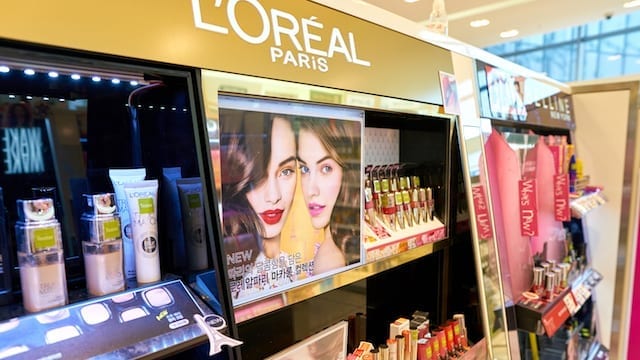
  • L’Oreal Groupe launches 19 new boutiques in Haikou Duty Free

    L’Oreal Groupe launches 19 new boutiques in Haikou Duty Free

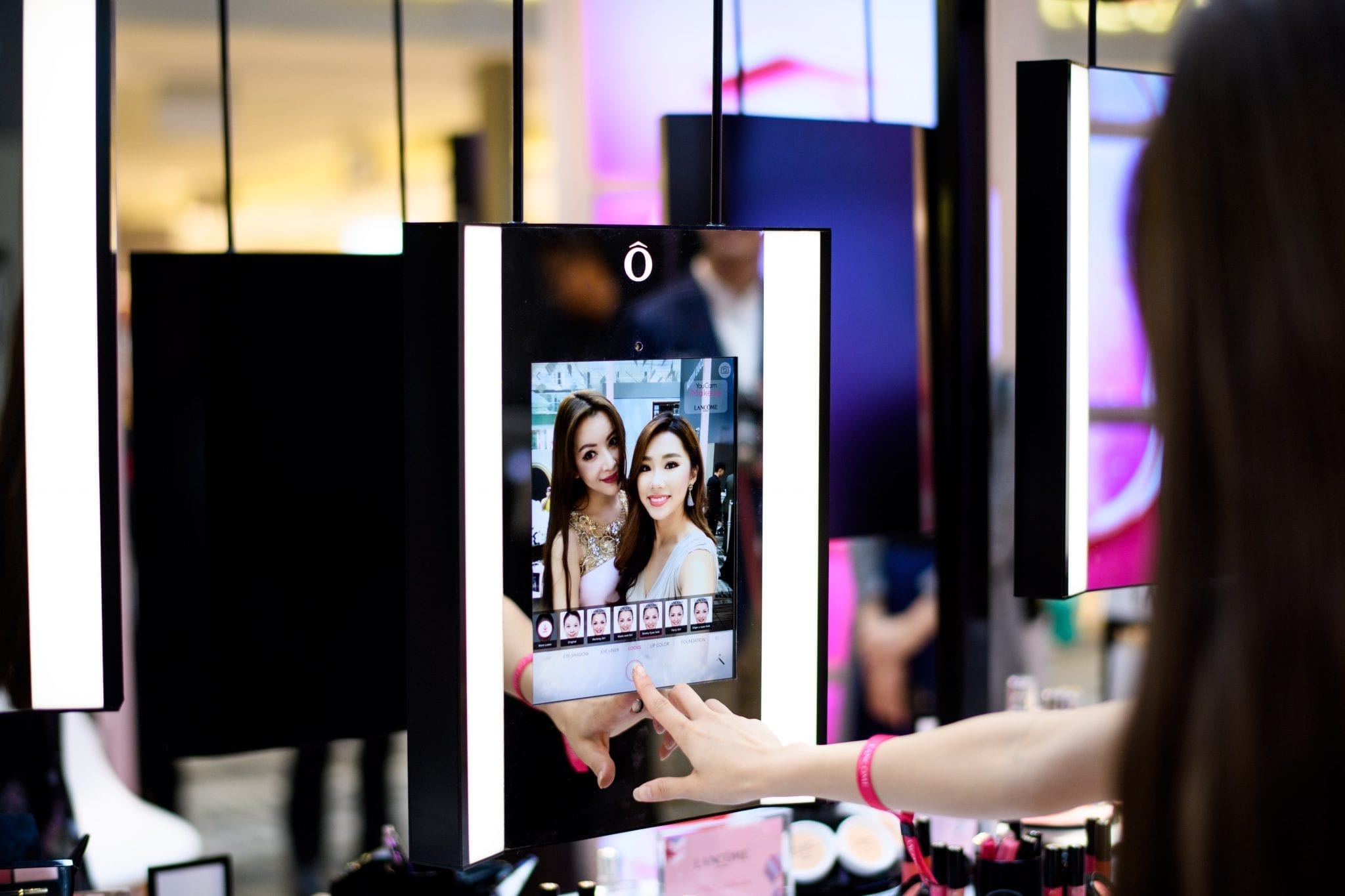
    Travellers can experience professional consultation services for skincare, make-up, and haircare, along with personalised treatments at professional skincare cabins by Lancôme, Helena Rubinstein, SkinCeuticals and Armani Beauty. An array of tech-enabled beauty services will also be available, including Lancôme Skin Screen, SkinCeuticals SkinScope, L’Oréal Paris Science Table, Yves Saint Laurent (YSL) Neuro Fragrance Consultation, Kérastase’s Kérascan for scalp and hair, and a blow dry service pop-up.

    With CDFG’s “Scan and Purchase” initiative, customers can make purchases with reduced queuing and waiting time.

    All store counters were constructed using eco-certified and recyclable materials and pop-ups and future retail animations will be built on L’Oréal’s Eco-Design Golden Rules, where certified recycled FSC, PESC, and mono materials are optimally-weighed, made redressable, separable for disassembly, and old fixtures from previous animations to be reused.

    L’Oréal Travel Retail President Vincent Boinay said: “As L’Oréal Travel Retail and China Duty Free Group, we share the same passion to provide beauty for all travellers. Haikou International Duty Free Shopping Complex is a symbol of our 20 years of great collaboration. We are proud to showcase the best of beauty with our 19 brand flagship boutiques welcoming Chinese travellers to live the exclusive L’Oréal experience – best in retail expression, best in beauty tech innovation, best in services, best in engagement and best in sustainability.”

    China Duty Free Group President Charles Chen said: “With CDF Haikou International Duty Free shopping complex, CDFG’s vision is to build a shopping destination that will set a new benchmark for travel retail. We are delighted with the 19 outstanding and amazing beauty boutiques, services and experiences that L’Oréal has designed for our complex. These boutiques will certainly give our travelers many reasons to visit and repeat.”
  • Strongest L’Oreal sales growth in 10 years led by APAC

    Strongest L’Oreal sales growth in 10 years led by APAC

    L’Oreal sales in Asia Pacific soared 25.8 per cent on a like-for-like basis in the latest quarter – making it the French-headquartered company’s strongest international market. Sales in the region hit €1.794 billion in the quarter and €5.342 billion year to date, an increase of 23.3 per cent.

    “This acceleration in growth is boosted by strong demand from Chinese consumers, and the dynamic sales of the Lancome, Kiehl’s, Giorgio Armani, Yves Saint Laurent and L’Oreal Paris brands,” the company said in a statement.

    “In Northern Asia, the key factor remains the strong growth in China and Hong Kong, and in travel retail. In Southern Asia, sustained growth is continuing, particularly in India and Malaysia.”

    L’Oreal chairman and CEO Jean-Paul Agon said the company achieved its highest quarterly growth rate for 10 years in the three months to September 30. Worldwide sales reached €6.473 billion, up 7.5 per cent.

    “In a beauty market that continues to accelerate, driven by robust growth in skincare, the group maintains its strong momentum, with contrasted performances between the divisions. L’Oreal Luxe is showing dynamic growth, underpinned in particular by its four biggest brands, Lancome, Yves Saint Laurent, Giorgio Armani and Kiehl’s. The active cosmetics division, which continues to post double-digit growth, is being driven worldwide by consumer aspirations for dermocosmetics and the quality of its brand portfolio,” he said.

    While the consumer products division is being held back by persistent difficulties in some countries, the L’Oreal Paris and Maybelline New York brands are maintaining strong momentum.

    Travel retail globally was a standout for the group, posting growth of 29.9 per cent for the quarter and online sales grew by 38.3 per cent to now account for 9.7 per cent of L’Oreal’s turnover.

  • Gucci powers Kering third quarter sales

    Gucci powers Kering third quarter sales

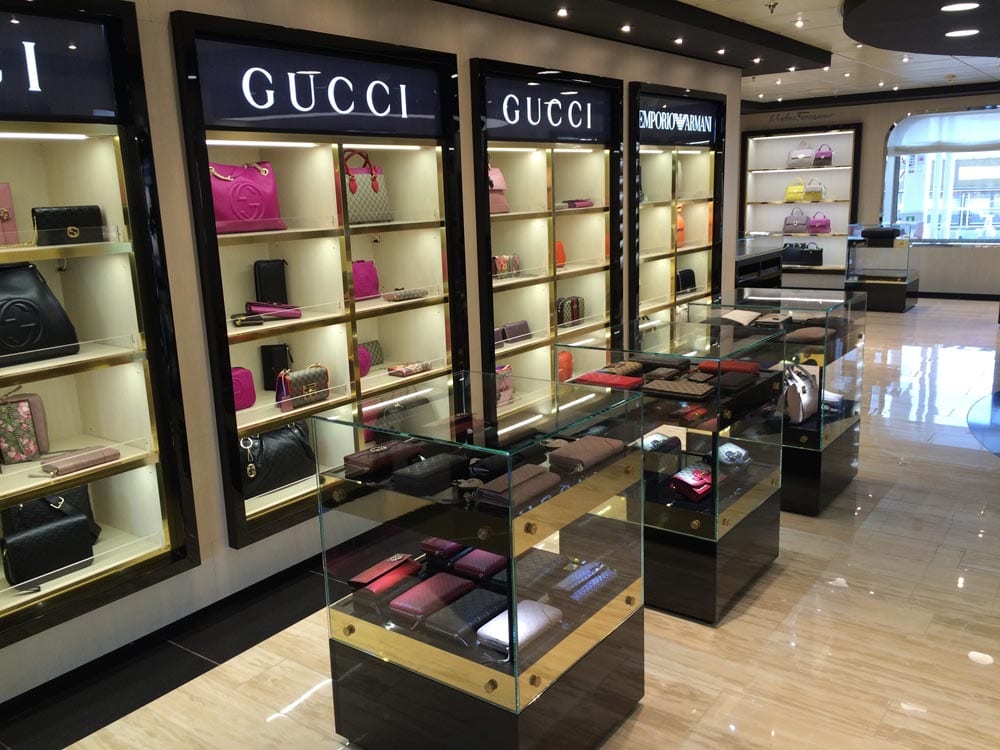
    Kering sales growth significantly outpaced its rivals during the third quarter, up 27.6 per cent as reported and 27.5 per cent on a comparable basis, to €3.402 billion. In Kering-operated stores, Asia Pacific sales rose 33.3 per cent on a comparable basis, bettered only by North America’s 36.1 per cent increase. Growth in online sales exceeded 80 per cent and wholesale sales rose 27 per cent.

    “We are extraordinarily proud of the remarkable performances Kering delivers quarter after quarter,” said chairman and CEO Francois-Henri Pinault. “Our growth, whose pace is unprecedented in the luxury sector, is sound, well balanced and sustained across all regions and distribution channels.”

    Pinault said the company’s enduring success comes down to the talent of each of its brands in “creating strong emotional ties with its customers, conceiving a bold, generous creative universe, and reinventing its codes”.

    “Beyond short-term developments, we know that the secular growth of the luxury market, but particularly our solid fundamentals and the discipline with which we implement our strategy, will continue to support our operating and financial outperformance.”

    Gucci led Kering sales growth during the quarter, with sales up 35.1 percent and strong performance across all distribution channels, regions and product categories. Gucci Asia-Pacific sales soared 41.9 per cent.

    Yves Saint Laurent sales rose 16.1 per cent, driven by the strong performance of iconic lines and the success of new collections.

    While Bottega Veneta sales were down 8.4 per cent on a comparable basis, the label is in a transitional phase led by recently appointed creative director Daniel Lee (ex Celine). His first full collection will go on sale early next year.

    Kering’s other houses (labels) achieved a 32.3 per cent increase in sales, driven by  “exceptional momentum” at Balenciaga and ongoing growth at Alexander McQueen. New collections and extended iconic lines from Boucheron, Pomellato and Qeelin were “very well received”.

    The watches and jewellery categories delivered what the company described as “solid performances”.

  • Luxury group Kering reports positive numbers

    Luxury group Kering reports positive numbers

    Fashion giant Kering’s decision to focus the business on luxury appears to be paying off.

    In what chairman and CEO Francois-Henri Pinault termed “dazzling top-line and earnings performances” during the first half year, total revenue rose 33.9 per cent on a comparable basis and operating margin rose above 30 per cent for the first time in the company’s history.

    Kering sales in Asia rose by 37.6 per cent, excluding Japan, where sales rose by 30.7 per cent. That growth rate lagged the US, (up 45.4 per cent) but was well ahead of Kering’s home European market’s 25.1 per cent. Online sales more than doubled.

    While the growth occurred across most of the company’s brand portfolio, Gucci clearly led the way with sales up 44.1 per cent on a comp basis and margin from recurring operations reaching 38.2 per cent. Yves Saint Laurent sales rose 19.7 per cent.

    Revenue from Bottega Veneta was stagnant, up just 0.9 per cent, but all the other houses collectively rose by 36.5 per cent, led by Balenciaga and Alexander McQueen.

    First-half year consolidated revenue was €6.432 billion, up by 26.8 per cent before taking into account exchange rate influences and changes to the group structure. A year earlier, Kering’s portfolio included sportswear label Puma, a majority stake of which has since been spun off.

    Net income rose 185.7 per cent to €2.36 billion, although just over half of that was a capital gain resulting from the sell-down of Kering’s Puma stake.

    Pinault said Kering’s growth was “grounded in the exclusivity and desirability of our brands”.

    “The development model we implement across our houses paves the way for increased value creation as well as profitable, sustained and consistent organic growth. While facing increasingly demanding comps and an uncertain global environment, we will once again substantially enhance our financial and operating performances in 2018.”

  • Ecommerce sales record for Yves Saint Laurent

    Ecommerce sales record for Yves Saint Laurent

    Yves Saint Laurent Beaute has set a record for the most sales by a beauty brand in its first day on Tmall, reports the Chinese B2C shopping platform.

    In just 14 hours, the L’Oreal-owned brand generated more than RMB30 million (US$4.77 million) in sales when it opened its Tmall flagship store. Ten hours later, sales had reached RMB38 million, with the store’s followers totalling 1.2 million.

    French fashion brand Givenchy set the previoussingle-day sales record of RMB29 million when it made its Tmall debut last month.

    L’Oreal says the appetite for high-end make-up has accelerated this year, largely driven by Chinese consumers. Its luxury labels also include Giorgio Armani Beauty, Kiehl’s and Lancome.

    “The luxury market is really flying right now,” says L’Oreal Group chairman/CEO Jean-Paul Agon. “In geographic terms, the highlight of the first quarter is the return to strong growth in the new markets, especially in Asia Pacific.”

    Interactive offering

    YSL Beaute has also joined Tmall’s Luxury Pavilion, making it one of the first brands to launch on the site’s dedicated section for premium brands. Tmall and YSL Beaute have developed interactive features that can display make-up shades in various ways. For example, when Tmall app users tilt their smartphones they can see images of models with and without lipstick applied.

    “Our product pages should be the coolest on Tmall to date,” says YSL Beaute China brand director Sebastian Xing.

    Tmall is more than a sales channel, he says. It is able to tell brand stories and heighten engagement with consumers.

    YSL Beaute is already tapping into the platform’s consumer analytics to inform product research and development, and will design marketing campaigns catering to Tmall user preferences, says Xing.

    Tmall’s latest figures show that more than half of YSL Beaute customers on the platform fall within the 18-25 age group, while consumers’ 26 to 30 years old make up 22.4 per cent – a far younger turnout compared to YSL Beaute offline counters, where the average customer age is about 27.

  • Kering sales soar – even in China

    Kering sales soar – even in China

    Luxury goods and apparel giant Kering has reported a 10.5 per cent global rise in revenues in the latest quarter, with luxury sales up 11.3 per cent and sports and lifestyle brands up 9.3 per cent.

    Most significantly, at a time its peers are battling falling sales in Hong Kong, Macau and some brands even in Mainland China, Kering seems to have experienced respectable results in those core markets.

    Paris-based Kering’s brands range from luxury labels Gucci, Bottega Veneta and Yves Saint Laurent through to lifestyle brand Puma. The company says sales in directly operated luxury stores enjoyed double-digit growth across all geographic regions excluding Japan, with strong growth of 24 per cent in Asia-Pacific, a very steady 17 per cent increase in North America and an “extremely good performance” in Western Europe, which expanded by 12 per cent.

    “In a complex environment, we stepped up the pace of revenue growth and continued to gain market share,” said Francois-Henri Pinault, chairman and CEO. “Thanks to the creativity of our brands and the outstanding customer experience they offer, we achieved double-digit increases across all geographic regions excluding Japan.

    “We have laid the foundations for steady, sustainable growth, and are highly confident about the full year.”

    Kering’s headline brand Gucci achieved a sales increase of 17 per cent, while Yves Saint Laurent sales soared 33.9 per cent, both gaining market share from rivals. Sales were up sharply across all product categories and regions, excluding Japan, where market conditions were lacklustre for the sector as a whole. Gucci sales in directly operated stores rose by 19 per cent. Sales from Gucci’s e-commerce website increased by more than 50 per cent during the quarter.

    Overall, Kering’s luxury activities generated €2.115 billion in revenue during the period, the 11.3 per cent same-store growth its fastest quarterly figure in three years.

    But at Bottega Veneta, third-quarter sales were again impacted by slower tourism, particularly in the mature markets of Western Europe and Japan. Revenue was down 10.9 per cent on a comparable basis.

    Here, Hong Kong’s luxury retail decline impacted on the brand, the company said, without divulging figures: “While sales in directly operated stores were lower in the quarter, they delivered a slight improvement compared to the second-quarter trend thanks to resilient sales to local customers in Europe and growth across all main markets in Asia Pacific, with the exception of Hong Kong.”

    Puma’s leap

    Puma’s 10.8 per cent same-store sales leap was the result of the brand building on innovative products and renewed appeal, Kering said. Shoes performed particularly well, posting 17 per cent growth, fuelled by the success of new models such as Ignite, Fierce and Fenty. Revenue from apparel was up a solid 10 per cent.

    “With the exception of Japan, Puma achieved double-digit growth across all geographic regions, enjoying strong performances in Europe and the Americas, and sustained expansion in Mainland China.”

    Kering has an ensemble of luxury fashion, leather goods, jewellery and watch brands: Gucci, Bottega Veneta, Saint Laurent, Alexander McQueen, Balenciaga, Brioni, Christopher Kane, McQ, Stella McCartney, Tomas Maier, Boucheron, Dodo, Girard-Perregaux, Pomellato, Qeelin and Ulysse Nardin.

    Kering also has the sports & lifestyle brands Puma, Volcom and Cobra. The group generated revenues of more than €11.5 billion in 2015 and had more than 38,000 employees at year end.

  • Asia driving L’Oreal growth despite market turbulence

    Asia driving L’Oreal growth despite market turbulence

    Asia is driving huge growth for cosmetics giant L’Oreal, despite a slowdown in Hong Kong.

    At the end of September, L’Oréal posted growth of 4.4 per cent on a like-for-like basis – and 21.9 per cent based on reported figures as the company expands its retail network and wholesale operations in the region.

    Kiehl’s, Yves Saint Laurent and Giorgio Armani contributed to dynamic growth of the L’Oreal Luxe division, despite the context of slower third-quarter growth in Hong Kong and Travel Retail Asia.

    The Consumer Products Division is performing well in India, Australia and Thailand. In China, growth at L’Oreal Paris is accelerating, while Magic is undergoing a transitional period. The Active Cosmetics Division is growing strongly, thanks to the success of La Roche-Posay, L’Oreal reported in its quarterly filing.

    Jean-Paul Agon, chairman and CEO, said at the end of September, the group’s reported growth is strong, at 13.2 per cent, still supported by a positive currency effect.

    “Despite a global context that is still volatile, we are confident for the year end. The beauty market remains dynamic. In each Division, our brands are pushing forward with successes such as Maybelline and NYX in the Consumer Products Division, Yves Saint Laurent, Kiehl’s and Urban Decay at L’Oréal Luxe, Redken in the Professional Products Division and La Roche-Posay at Active Cosmetics,” he said.

    “Finally, the acceleration of our digital transformation is making us stronger, in particular with the rapid increase (40 per cent) of our eCommerce sales which should significantly exceed 1 billion euros this year.

    “We are confirming our ambition to outperform once again the beauty market in 2015 and to achieve significant growth in both sales and profits.”

  • Kering ratchets up legal fight with Alibaba

    French-headquartered luxury brand owner Kering has unsuccessfully sought to fast track its legal suit against Alibaba after what it considered “greatly troubling” comments by Jack Ma.

    Kering, which owns Gucci and Yves Saint Laurent among others, filed suit against the Chinese eCommerce giant in May after it considered more passive efforts to get Alibaba to stop selling counterfeit versions of its goods on its websites were not bearing fruit.

    Last week Kering has asked a US judge to waive the mandatory obligation of mediation between the two parties, citing a quote by Ma in a magazine article.

    Kering’s lawyers say the company was “greatly troubled” by Ma being quoted in Forbes saying there was no chance of settling.

    “I would [rather] lose the case, lose the money… But we would gain our dignity and respect,” Ma was quoted saying.

    Kering’s lawyers argued if this is indeed Ma’s position, mediation would be futile.

    But Judge Kevin Castel disagreed, on Monday urging the parties to continue with mediation.

    “Needless public comments can undermine talks. Yet public positions and positions in confidential talks have been known to vary… The Court strongly recommends that the parties proceed to mediation,” he wrote in an order.

    Kering maintains Alibaba is a giant conduit for counterfeiters and alleges the company has knowingly made it possible for traders to sell fake good on its sites.

    According to a letter to the judge, seen by Reuters, Kering’s counsel said of the interview: “It leaves the impression… that Alibaba‘s request for mediation was not made in good faith, but rather as a tactic to delay this case and to force Plaintiffs to expend resources spinning their wheels in an expensive and time-consuming mediation.”

    An Alibaba spokesman Bob Christie said Ma had made the comments prior to Kering agreeing to Alibaba‘s proposal to mediate.

    “If they want to return to the path of litigation, instead of mediation, we will vigorously defend our legal rights and reputation,” he said in an email to Reuters.

  • Kering expects Hong Kong rent relief

    Kering expects Hong Kong rent relief

    Luxury international retail group Kering says it expects to be paying less rent in Hong Kong by the end of the year.

    Kering is the owner of a raft of luxury fashion brands, including Yves Saint Laurent, Bottega Veneta and Gucci, the latter of which comprises a third of its turnover.

    Kering says its global sales rose 22 per cent in the second quarter of this year, aided by a weakened euro and growing numbers of Asian shoppers in Europe. Sales reached €2.86 billion (US$3.18 billion). Excluding the impact of exchange rates, real organic growth was 7.7 per cent.

    CFO Jean-Marc Duplaix said a significant fall in sales in Hong Kong has given the company leverage in renegotiating rental terms with its landlords in the territory.

    He told an analysts’ call to discuss second half year sales that he “expects to pay less rent” by the end of the year.

    Duplaix described the retail climate in Mainland China and Hong Kong as “difficult” but said despite weakened sales it has no plans to close any of its 70 company owned stores there.

    The reality for Kering is that Chinese are still buying its luxury goods – they’re just shopping elsewhere instead of making short retail therapy sojourns to Hong Kong. The number of Chinese visitors to European stores rose nearly 30 per cent year on year and by a similar ratio in Japan.

    “All luxury brands, including Gucci, have benefited from the shift of Chinese tourists to Japan and Europe,” said Duplaix in the conference call.

    For the first six months of the current financial year, Kering’s profit fell 13 per cent to €489 million.