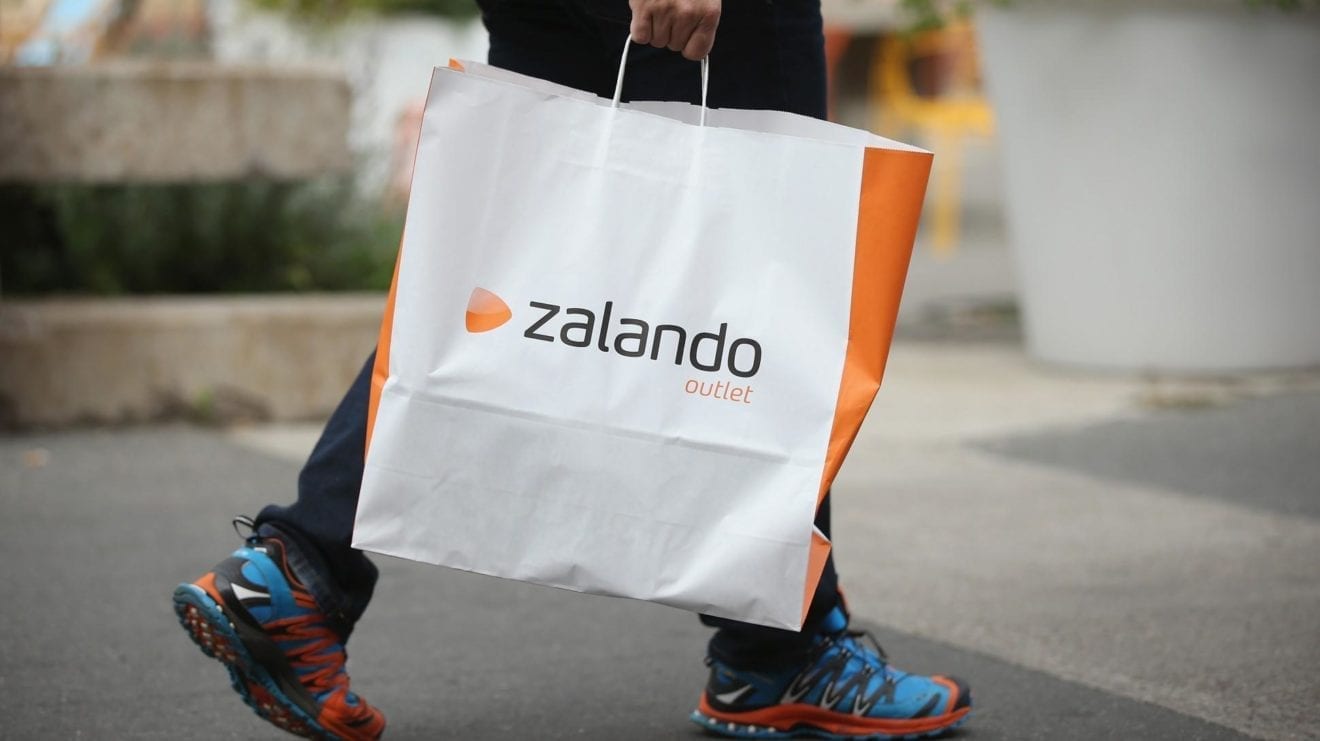
Tag: zalando

  • Unlocking Sustainable Growth in Southeast Asia: The Power of Multi-Channel Logistics for Brands

    Unlocking Sustainable Growth in Southeast Asia: The Power of Multi-Channel Logistics for Brands

    The e-commerce sector in Southeast Asia is witnessing significant growth, with its Gross Merchandise Value (GMV) projected to reach around US$350 billion by 2030 and escalate to US$630 billion by 2035.

    For businesses aiming to tap into this growth, achieving success is no longer merely about attracting customers. It is equally critical to ensure a consistent customer experience, regardless of where the consumers decide to make their purchases. This applies to all sales channels, whether consumers purchase through online marketplaces, direct-to-consumer websites, social commerce platforms, or physical stores. They anticipate a seamless shopping experience, speedy and dependable delivery. This demonstrates that logistics isn’t just a back-end operation anymore; instead, it significantly influences the customer’s buying experience and impacts their perception and interaction with a brand, both online and offline.

    To cater to these expectations, logistics providers are rethinking the traditional fulfillment styles centered around specific platforms. They are investing in more comprehensive solutions that can meet customers’ expectations on a larger scale.

    Challenges in Managing Multi-Channel Operations in a Diverse Region

    In Southeast Asia, brands are broadening their omnichannel presence. The region’s diverse market landscape poses unique operational challenges. Brands need to handle different consumer expectations, various levels of infrastructure maturity, unique regulatory environments, and diverse operational requirements across multiple markets.

    Brands also must manage inventory across various sales channels and logistics providers. Separate warehousing arrangements, fragmented stock pools, and disconnected fulfillment systems can directly impact the customer experience, leading to delayed deliveries, inaccurate stock information, and inconsistent service across channels. These gaps can lead to increased costs, reduced stock visibility, and complicate demand planning.

    A Streamlined Approach to Scaling through a Unified Fulfillment Infrastructure

    Lazada Logistics acknowledged the growing need for more integrated fulfillment solutions and introduced its Multi-Channel Logistics (MCL) offering. The MCL enables brands to streamline fulfillment operations across channels through a single logistics network.

    The MCL is available across several countries in Southeast Asia, including Singapore, Thailand, Vietnam, Indonesia, the Philippines, and Malaysia. It combines Lazada Logistics’ proprietary regional infrastructure with an extensive third-party logistics network to provide comprehensive inventory management, warehousing, and fulfillment services on a larger scale. This allows brands to rapidly respond to fluctuating consumer demand while maintaining consistent service standards across the region.

    Thanks to MCL, brands can optimize logistics costs without compromising service quality, allowing them to concentrate resources on customer acquisition, product development, and market expansion. With a simplified fulfillment structure and more efficient inventory utilization, businesses can strike a balance between cost management and customer experience objectives.

    Questions & Answers

    How is the e-commerce market in Southeast Asia growing?
    The e-commerce sector in Southeast Asia is expanding significantly, with its Gross Merchandise Value (GMV) projected to hit around US$350 billion by 2030 and increase to US$630 billion by 2035.

    What challenges do brands face in managing multi-channel operations?
    Brands must deal with various consumer expectations, different levels of infrastructure maturity, unique regulatory environments, and diverse operational requirements across multiple markets. Additionally, they need to handle inventory across various sales channels and logistics providers.

    How does Lazada Logistics’ Multi-Channel Logistics (MCL) help brands?
    The MCL offering by Lazada Logistics enables brands to consolidate fulfillment operations across channels through a single logistics network. It helps brands optimize logistics costs without compromising service quality, allowing them to concentrate resources on customer acquisition, product development, and market expansion.
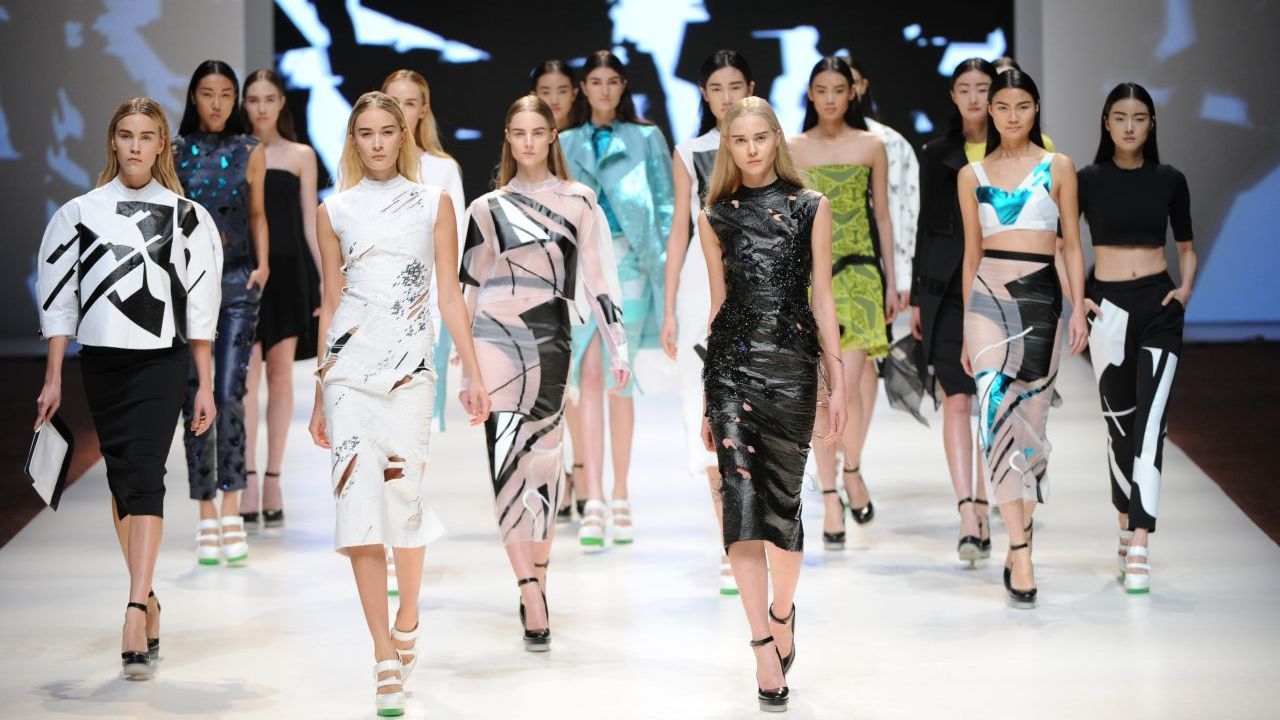
  • Zalando takes control of Highsnobiety

    Zalando takes control of Highsnobiety

    Zalando says the two companies will join forces to lead the way in engaging and inspiring customers, leveraging each other’s complementary strengths by bringing together Highsnobiety’s cultural relevance and insight, fashion authority and storytelling expertise with Zalando’s fashion network, e-commerce know-how and operational capabilities.

    While continuing independent operations, Highsnobiety will act as a strategic and creative consultant helping Zalando develop new inspiration-focused spaces and formats on its platform. In turn, joining the Zalando Group allows Highsnobiety to leverage Zalando’s expertise and resources to fuel its own e-commerce capabilities.

    Highsnobiety was founded in Berlin in 2005 by David Fischer as a blog that heralded the convergence of streetwear and high-end luxury fashion. Today, Highsnobiety comprises a publishing arm, creative consultancy, and a curated commerce platform. Teaming up with Highsnobiety will accelerate Zalando’s ambition to be a top destination for streetwear, new luxury, and fashion inspiration, especially for the younger, fashion-forward consumers.

    “Both of our companies share a passion for building strong brand partnerships and enabling brands to inspire audiences with their products and stories. Partnering with Highsnobiety will allow us to execute much faster on our ambition to offer the most relevant and engaging – as well as convenient – shopping experience to our customers,” says David Schneider, Zalando’s founder and co-CEO.

    As part of the deal, Highsnobiety will retain its editorial and curational autonomy, with the publishing and agency work remaining fully independent. Highsnobiety will continue to be led by its two managing directors, Fischer and Jürgen Hopfgartner, and Fischer will retain a minority stake in the business.

    Last month, co-CEO of Zalando Robert Gentz said the company remains confident it will achieve its ambition to reach more than EUR30bn (US$31.8bn) Gross Merchandise Volume (GMV) by 2025, despite the impact of macroeconomic factors in the first quarter.

  • Online fashion retailers Starting to Limit Free Deliveries

    Online fashion retailers Starting to Limit Free Deliveries

    Zalando, Europe’s largest online-only fashion retailer, has said it will begin to charge delivery for smaller orders across more markets in response to shrinking order size.

    The e-commerce business initially enjoyed rapid growth due to its free delivery and returns, but the rise of mobile commerce has changed customer behaviour, with the size of orders getting smaller, driving up logistics costs.

    Zalando has already introduced a minimum order value to qualify for free delivery in Italy, Spain, Britain and Ireland, which has had no effect on customer satisfaction, according to the company’s finance chief David Schroeder.

    The initiative now will be extended to Denmark, Sweden, Finland and Norway at the end of May.

    The move echoes H&M’s announcement last month that it would reintroduce delivery fees for its loyalty club members to cut down on similar logistics costs and restore profitability.

    “We have a lot of logistics around the customers that shop online,” H&M head of customer loyalty Samuel Holst told.

    “For the plus level, deliveries will remain free for all purchases, but for the base level there will be a cap. You will need to shop for a certain amount to get free delivery.”

    While many retailers have invested significant sums in designing their websites and ad campaigns for mobile, these changes suggest that more work is needed to adapt retail businesses to the smartphone era.

  • Zalando seeks more brand partnerships to compete with Amazon

    Zalando seeks more brand partnerships to compete with Amazon

    The German company’s share price has come under pressure as Amazon’s big push into fashion has prompted Zalando to increase investment in logistics and technology to keep pace, forcing it to trim profit forecasts.
    But Zalando sees its new business line giving it an edge over its U.S. rival.

    Launched in Berlin in 2008, Zalando has grown fast to sell almost 2,000 brands in 15 countries via a classical e-commerce model, buying in stock to be sold online and shipped from its vast warehouses.

    It started complementing that with a partner programme two years ago to increase choice, charging fashion labels a commission for selling additional stock through the Zalando website and shipping the goods direct to customers. The brands, meanwhile, can keep control of pricing and presentation.

    After a pilot with Adidas, Zalando has signed up 700 brands and the programme now accounts for nearly 10 percent of the total value of goods sold on its site, with a long-term target of 20-30 percent.

    Carsten Keller, Zalando’s managing director of partner solutions, expects the scheme to support profitability and cement relationships with brands, some of which remain wary of listing on Amazon, where third-party sellers compete on price.

    “The brands are put in the driving seat. They keep control over the assortment, prices and brand representation. It is a very different environment to other market places like eBay or Amazon,” Keller told Reuters.

    PROFITABILITY

    German shoe brand Birkenstock is withdrawing from Amazon because of concerns over counterfeit products, while luxury brands last week won the right in Europe to stop retailers selling their products on online platforms.
    Zalando says the partner scheme’s expected profitability should help the company to reach a long-term target for an operating margin of 10 percent. But analysts have their doubts, on average forecasting 5.9 percent by 2020, up only slightly from the close to 5 percent Zalando expects in 2017.

    British rival ASOS, by comparison, forecasts a stable operating margin of 4 percent but is growing sales faster than Zalando and is seen as better insulated from Amazon’s advance thanks to a focus on fashion-mad youngsters.

    “We think expectations look demanding, as does the company’s longer-term margin guidance, given Zalando’s desire to push for market share, more intense online competition and expansion into lower-margin regions,” said RBC analyst Richard Chamberlain.

    Keller, a former McKinsey consultant who joined Zalando last year, says the partner programme was born because Zalando realised it was losing millions of potential sales when it ran out of stock on top-selling items.
    “It is growing with very high momentum. We doubled it over the past 12 months,” Keller said. “It adds substantial value and has a positive effect on the bottom line.”

    Nike is particularly pleased with the arrangement — so much so that its executives mentioned it three times on a recent analyst call.

    “Our partnership with Zalando is creating growth and shaping the digital marketplace in and beyond Europe,” said Elliot Hill, who runs Nike’s wholesale and direct-to-consumer businesses.

    Zalando is attracting brands that do not normally sell wholesale, such as Inditex’s Oysho, while also persuading others to offer exclusive ranges. Nike, for instance, released new colours of its classic Air Force 1 shoe for the German site.

    ‘VIRTUOUS CYCLE’

    “Amazon is a strong competitor, but is more transactional, offering more basic and discounted fashion. Zalando gets edgier stuff,” said Macquarie analyst Andreas Inderst, who has an “outperform” rating on Zalando.

    “It is a virtuous cycle because the more consumers come to the home page, the more Zalando can leverage consumer insights through data analytics, the more brands are attracted.”

    Zalando is offering its partners data about who is buying what and where, as well as helping brands with their marketing strategies, online content, logistics and inventory management, buying two software firms that help brands with digital inventory management.

    “In an Amazon or eBay environment, brands lose contact with their consumers because they do not get their hands on consumer data,” Keller said.

    Some analysts remain sceptical that Zalando will be able to fend off Amazon for long. Amazon more than doubled its share of the western European market for online fashion in five years to 6.5 percent in 2016, just behind Zalando on 7.4 percent, Euromonitor data shows.

    Amazon has signed up more than 350 brands in Europe in the past year and is running a pilot with Nike in the United States in return for more control over its goods on the site.

    “At the moment, Zalando has better brands and Amazon does not have as broad a range of current-season products,” said Berenberg analyst Michelle Wilson, who rates Zalando a “sell”.

    “But it is only a matter of time until Amazon can convince brands they won’t destroy their brand equity.”