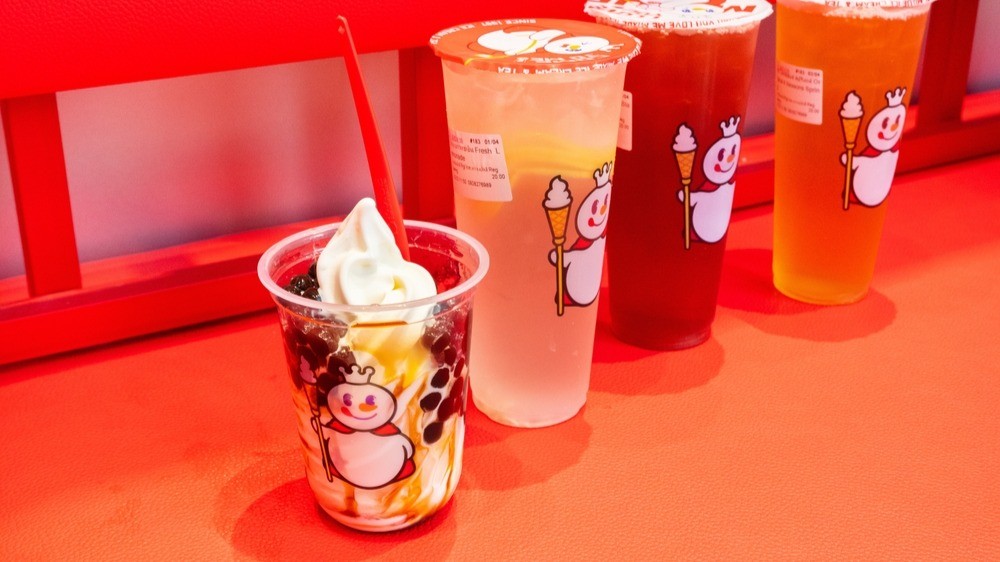
Mixue Group is expanding its footprint in the United States. The company now runs six stores in New York City after overtaking McDonald’s as the world’s largest restaurant network by store count.
The Zhengzhou-based beverage chain operates roughly 60,000 outlets worldwide. McDonald’s runs 46,000 locations, Starbucks has 38,000 and Subway counts 37,000.
Value pricing and high-volume rollout
Mixue entered the American market in December with a store on Hollywood Boulevard in Los Angeles. Its Manhattan footprint includes sites in Chinatown and near Times Square. There, signature vanilla soft-serve cones sell for $1.19 alongside bubble tea, jasmine milk tea and lemonade.
Low prices anchor the strategy against entrenched fast-food rivals. In Manhattan, Mixue sells its 117-gram soft-serve cone for roughly 1.0 cent per gram. A standard 185-gram McDonald’s cone costs $3.89, or 2.1 cents per gram. Mixue protects franchisee margins by manufacturing its own tea powders, syrups and core ingredients.
The read-across for Asian F&B exporters
This Western expansion changes how Asian consumer brands enter foreign markets. Instead of pitching premium specialties to diaspora communities, the company sells low-cost, high-volume products in prime retail corridors. It sits directly beside legacy Western operators.
Rival fast-food operators and commercial landlords face immediate pressure. Franchisees in high-rent urban corridors face tighter margins when lower-ticket beverage concepts siphon off younger foot traffic during peak afternoon hours. Asian suppliers gain a steady export channel for agricultural inputs, packaging and automated beverage dispensary equipment.
Foundation and public listing timeline
Chairman Zhang Hongchao founded the business in 1997 as a university student. He opened the first branded store two years later. Zhang and his brother retain an equity stake of nearly 82 per cent in the company.
Global store totals surpassed McDonald’s in March last year. That same month, the company completed an initial public offering on the Hong Kong stock exchange. Its market capitalisation reached $20 billion by year-end, alongside the launch of a London subsidiary to manage European operations.
The pipeline in Western markets
Expansion teams are now screening additional franchise locations across major US metropolitan markets. The company is evaluating commercial leases in Southern California and the East Coast to build regional supply hubs before broadening its footprint across North America and Europe.