Tag: zones

  • Revitalized Toys R Us Hong Kong Celebrates 40 Years with Fresh Experiential Zones and Exclusive Brands

    Revitalized Toys R Us Hong Kong Celebrates 40 Years with Fresh Experiential Zones and Exclusive Brands

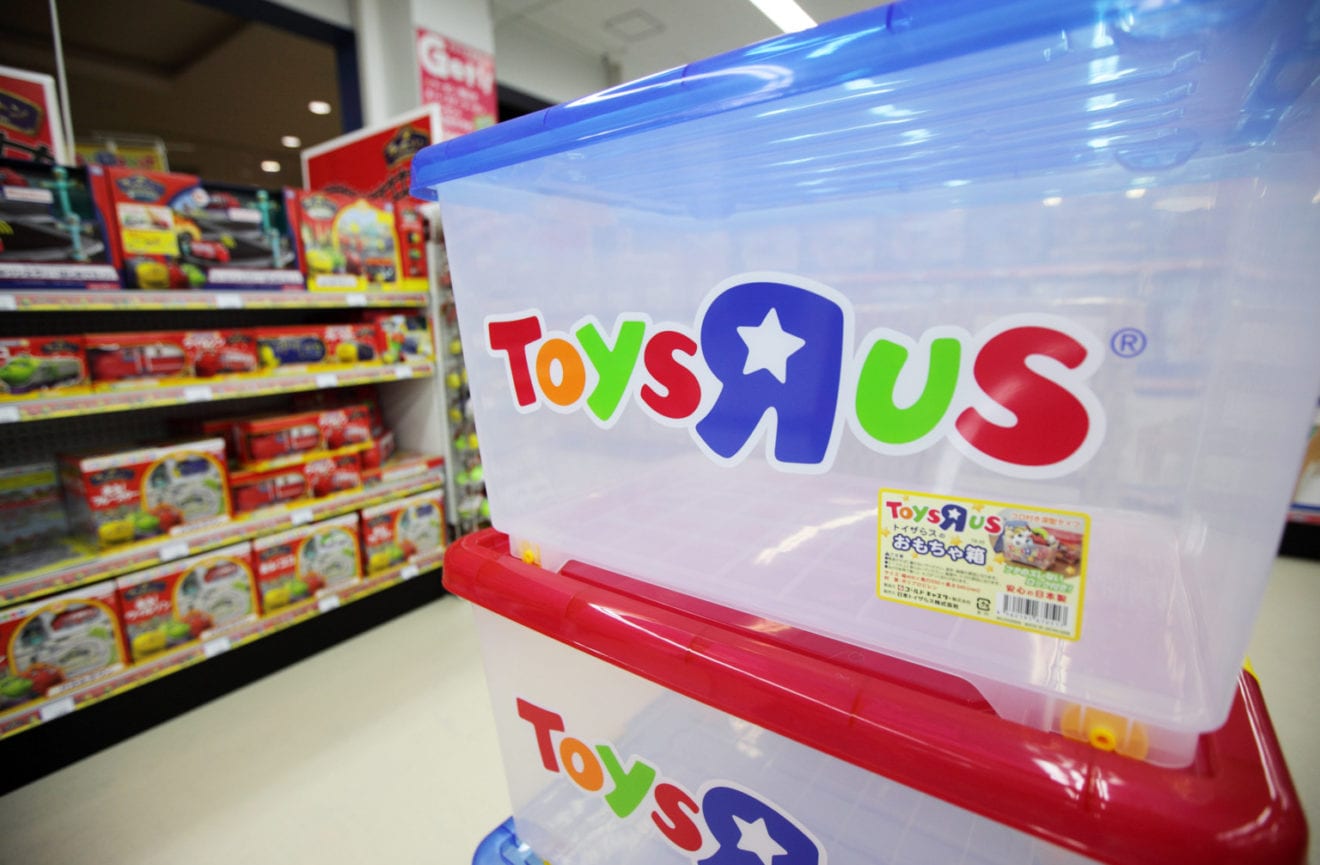
    To commemorate its 40th anniversary in Hong Kong, Toys R Us Asia has unveiled a transformed version of its flagship store in the Ocean Terminal, Tsim Sha Tsui. The store originally opened in 1986 and has been revamped to feature nine new in-store themed concepts and interactive zones.

    Store-in-Store Concepts and Themed Zones

    The remodelled flagship store now showcases dedicated branded areas for popular franchises such as Pokémon, Tomica, Bandai, Lego, Nintendo, Sanrio, Sylvanian Families, Transformers, and VTech. This development includes the introduction of several concepts to the Hong Kong market for the first time. These new features include an integrated Pokémon Play Lab and a Tomica Brand Store, which boasts a collection of over 2,000 die-cast models.

    The CEO of Toys R Us Asia, Leo Tsoi, shared his insights on the upgrade. He said, “Toys R Us is in tune with the increased demand for pop culture and emotionally resonant items from children, Gen Z, and ‘Kidults’. We are committed to introducing animation IPs, collaborative merchandise, and proprietary products. Our aim is to craft more meaningful play and collectible experiences tailored for consumers in Hong Kong and across Asia.”

    Additional Features

    As well as the branded areas, the flagship store also features a Nintendo gaming trial zone, a Sanrio-themed retail space, and a play area for VTech and LeapFrog designed for parent-child interaction. The store creatively incorporates themed zones that reflect local culture and current trends.

    With more than 450 stores across 10 markets, Toys R Us Asia’s focus is on integrating retail with interactive and experiential elements. The revamped Hong Kong flagship store exemplifies this approach. It also exemplifies Toys R Us Asia’s strategic move to expand its appeal beyond children, reaching out to adult collectors and a broader segment of consumers.

    Questions & Answers

    What significant changes have been made to the flagship Toys R Us store in Hong Kong?
    The store has been upgraded to include nine new in-store themed concepts and interactive zones. It also features an integrated Pokémon Play Lab and a Tomica Brand Store, which are first-time additions to the Hong Kong market.

    What is the strategic focus of Toys R Us Asia?
    Toys R Us Asia is focused on integrating retail with interactive and experiential elements. They also aim to broaden their appeal beyond children to include adult collectors and a wider consumer market.

    Who are the target consumers for the revamped Toys R Us store?
    The revamped store targets not only children but also Gen Z and ‘Kidults’ – adults who have an affinity for items traditionally aimed at children. The store also seeks to provide experiences tailored to the specific needs of consumers in Hong Kong and across Asia.
  • Samsung targets Millennials with Galaxy S8-enabled experience zones

    Samsung targets Millennials with Galaxy S8-enabled experience zones

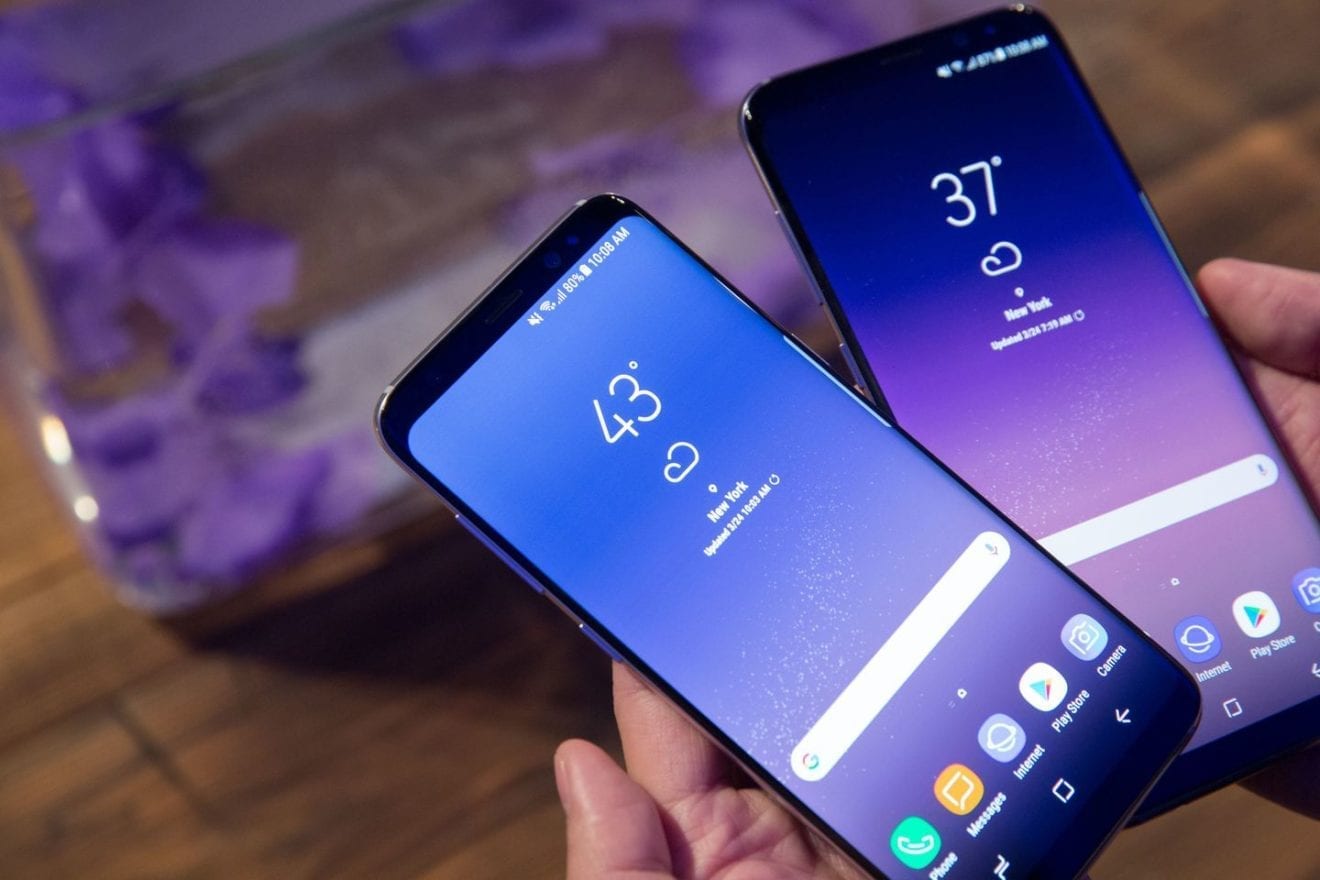
    Samsung has created four unique experience zones across 11 partner retail locations in Singapore as part of its Galaxy S8 nationwide launch. Titled “Galaxy Plus”, the campaign was conceptualised and produced by Cheil Worldwide, and will run for three months until the end of August.

    In a statement, Samsung’s spokesperson said the company will primarily be using print, out-of-home and social channels to promote the Galaxy S8, in addition to “Galaxy Plus”. The campaign’s objective is to show how the Galaxy S8 and its ecosystem allows Millennials to explore experiences that was previously not possible.

    Each “Galaxy Plus” zone is specially designed and created to showcase the characteristics and benefits of a particular Galaxy S8 feature or companion product.

    1. #throwback360 – The nation’s first 360° photo booth, designed to recreate nostalgic memories of growing up in Singapore with the Gear 360 (2017) camera.

    2. VRcade – A VR gaming area featuring the new Gear VR with Controller, where shoppers immerse themselves in Singapore’s first nationwide VR game tournament.

    3. DeXspace – A multi-media zone that brings to life the DeX Station: a dock that allows the Galaxy S8 to connect to a bigger screen so it can be used just like a desktop.

    4. Samsung Pay – A zone that is a cross between a Lego play area and an old-school game arcade. It lets shoppers experience the secure way to pay with Samsung Pay, and earn virtual tokens for a chance to win their very own Lego figurine from a classic claw machine.

    The four zones also feature prominent social media influencers – Andrea Chong (#throwback360), Jessica Tham (DeXspace) and Eden Ang (VRcade) – who will host monthly activities for families with prizes to be won.

    “‘Galaxy Plus’ was borne out of a desire to let millennials experience the Galaxy S8 product ecosystem for themselves in the most relevant ways,” said Eugene Goh, VP, Mobile & IT,Samsung Singapore. “So they see firsthand just how the S8 truly unboxes the passions they care about, in an in-store idea that goes far beyond traditional advertising.”

  • Vietnam plans to open ‘outstanding’ special economic zones

    Vietnam plans to open ‘outstanding’ special economic zones

    The country is becoming more selective in the kind of investment it seeks, giving greater priority to high-tech and green sectors. Vietnam plans to open three special economic zones that offer investors greater incentives and fewer restrictions than available to date in the country, the investment minister said.

    Foreign direct investment, largely in manufacturing, has been key to Vietnam’s growth. It hit a record of $15.8 billion last year and has risen 6 percent in the first five months of 2017 from a year earlier.

    The new economic zones will be in the north, center and south of the 1,650-km (1,000 mile) long country, Planning and Investment Minister Nguyen Chi Dung told in an interview on Tuesday.

    The ministry is drafting a law for the zones in northern Quang Ninh province, central Khanh Hoa province and southern Phu Quoc province. Approval from lawmakers is expected by the end of 2017.

    Dung said the zones would be free from local regulations to make them competitive internationally.

    “It will be a massive attraction to investment and investment will boom next year,” Dung said. “It will be outstanding in everything: free and favourable in every aspect.”

    Vietnam currently has 18 economic zones, offering incentives for investors from free tariffs in selected items to lower personal income tax or reduced rent and fees. There are another 325 state-supported industrial parks, which have fewer incentives.

    Broadly positive investors

    A survey by ANZ Research last year said investors were broadly positive about the industrial parks because of tax incentives and the ease of customs clearance. Occupancy in operating industrial parks is more than 70 percent.

    Vietnam’s government this week reiterated its annual economic growth target at 6.7 percent, despite a drop to a three-year low of 5.1 percent in the first quarter. The government blamed the low rate on drought, salination issues and a temporary drop in production for Samsung Electronics due to its Note 7 battery woes.

    Dung said the government was confident of meeting its 2017 growth target given factors including improved weather, solid loan growth, a rise in tourism and rising numbers of new businesses.

    He expected Vietnam to continue drawing at least $10 billion a year in foreign direct investment for each of the next five years, while adding it was becoming more selective in the kind of investment sought. High tech and clean sectors are now a greater priority than low-cost industries, he said.

    “It’s no longer about quantity but more about quality,” Dung said.

  • Vietnam trials hi-tech agriculture production zones

    Vietnam trials hi-tech agriculture production zones

    Vietnam plans to have at least 10 hi-tech agriculture production zones comprising 200 enterprises by 2020. To date, it has attracted 20 enterprises.

    1. Vietnam-Australia JSC, a foreign invested enterprise with a branch in Bac Lieu province, has pioneered shrimp super-intensive farming in greenhouses. The company has spent VND180 billion to farm shrimp on an area of 50 hectares, which brings a yield of 40-80 tons per hectare each crop, or 300 tons per hectare per annum, 10-15 times higher than traditional farming methods.

    In Vietnam, there are many different shrimp farming models. Under the extensive farming model, there are 3-6 shrimp per square meter. Meanwhile, under the super-intensive model, there are 300-500 shrimp per square meter. High technologies must be applied for super-intensive farming, including Israeli membrane technology, US and German periodic water filtration technology and biotechnology.

    With the investment rate of VND7 billion per hectare, it is 10 times more costly to follow the super-intensive farming model than the traditional model. However, the new model is believed to help Vietnam strengthen competitiveness to overcome technical and trade barriers set up by import markets.

    2. Japan, Dubai, South Korea and the Middle East are markets where FOHLA banana is favored. This banana is being grown by Huy Long An Company on an improved land area on which plants could not grow 20 years ago.According to Vo Quan Huy, director of Huy Long An, the investment rate is up to millions of dollars. There are about 2,500 banana trees on every hectare of land which give 20-30 tons of finished products. With the selling price of VND8,000-10,000 per kilo, the expected profit rate is 25-30 percent in good management conditions.

    With high quality, good taste and more competitive price than Filipino bananas, FOHLA bananas have hit the shelves at Japanese supermarkets

    3. A Vietnamese group of scientists headed by Prof Nguyen Quang Thach has successfully created a high-quality potato variety in aeroponic environment.

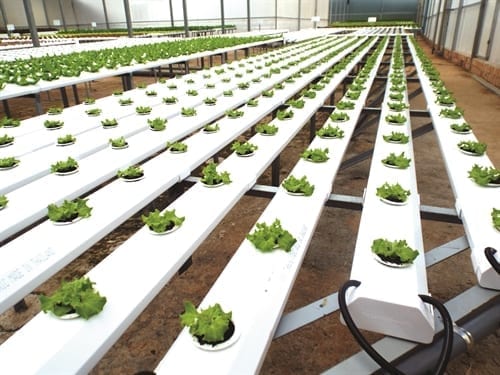
    Meanwhile, aeroponics farmed vegetables are now used by many Vietnamese.

    “With farming area of 200 square meters, I can provide 100 kilos of vegetables to the market everyday,” said Duong Minh Trung, director of Rau Sach Ngon.

    Trung said the farming model saves more water than other models, because water is sprayed on vegetables and collected back in water tanks for re-use. Regarding fertilizer, Trung buys waste meat and bone products from fish plants and processes it into fertilizer.

    4. The Dancing Lady Orchid garden of Pham Thi Nhung covers an area of 3 hectares in Lam Dong province. This is a greenhouse equipped with spraying irrigation system and high-capacity fans. The flowers bring nearly VND10 billion a month to Nhung’s family.