Tag: zoom

  • Page Zoom is a new accessibility feature in Chrome for Android

    Page Zoom is a new accessibility feature in Chrome for Android

    Google is working on a new Page Zoom accessibility feature for its Chrome browser on mobile devices.

    It appears that the reasoning behind this new feature is that text scaling on mobile devices produces variable results and often causes bugs. There’s a long thread on Chrome support forums concerning the issue, and it seems that Google developers have listened to the users and implemented the new Page Zoom feature.

    Page Zoom works much like the zoom feature in the desktop version of Chrome. Once you choose a zoom level for a certain page it will be stored in the browser and next time you open the same page Chrome will automatically adjust the zoom level for you.

    The feature is already available in Chrome Canary, and will probably roll out to Chrome for Android with the next stable release.

  • Zoom lied about using end-to-end encryption and is lightly spanked by the FTC

    Zoom lied about using end-to-end encryption and is lightly spanked by the FTC

    Announced on Monday, a settlement between video conferencing app Zoom and the FTC revealed that since 2016, Zoom had been lying about providing ‘end-to-end, 256-bit encryption’ to protect the security of users’ communication. The truth was that Zoom was actually giving users a lower level of security. As the FTC said on Monday, “Zoom maintained the cryptographic keys that could allow Zoom to access the content of its customers’ meetings, and secured its Zoom Meetings, in part, with a lower level of encryption than promised.”

    The FTC complaint chronicles the rapid growth of the company. In July 2019 it had 600,000 paid subscribers and 88% of its paid subscribers were small businesses with 10 or fewer employees. By December of 2019, 10 million people around the world were participating in a Zoom chat daily. And by the time COVID-19 hit the U.S. big time in April 2020, the number of people around the globe participating on a Zoom chat everyday had skyrocketed to a whopping 300 million.

    During this amazing period of growth, Zoom made various representations about the strength of its security measures. On its websites and in its security guides Zoom said that it takes “security seriously,” that it “places privacy and security as the highest priority.” Zoom also made it known that “it is committed to protecting your privacy.” Since 2016 Zoom has been making claims that its chats offer end-to-end encryption. One way that it did this was by placing an icon of a green padlock in the top left corner of a Zoom Meeting. When a user hovered near the icon, he or she would see a popup that read “Zoom is using an end-to-end encrypted connection.”

    But as the FTC notes, “Zoom did not provide end-to-end encryption for any Zoom Meeting that was conducted outside of Zoom’s Connector product. On a blog post written by Zoom’s Chief Product Officer, the company finally admitted that “while we never intended to deceive any of our customers, we recognize that there is a discrepancy between the commonly accepted definition of end-to-end encryption and how we were using it.” The FTC also noted that the claim made last year by Zoom that its recorded meetings were stored encrypted as soon as the Meeting was over simply was not true. As it turns out, recorded Meetings were kept in Zoom’s own server unencrypted for up to 60 days before they were transferred to Zoom’s secure cloud storage where they were stored encrypted.

    The Democrats on the FTC panel are not happy about the settlement since they feel that it does not punish Zoom enough for its lies. Democratic Commissioner Rebecca Kelly Slaughter said, “Zoom is not required to offer redress, refunds, or even notice to its customers that material claims regarding the security of its services were false. This failure of the proposed settlement does a disservice to Zoom’s customers, and substantially limits the deterrence value of the case.” However, Zoom does face lawsuits from customers and investors and these could result in the company being ordered to make financial restitution to those who were hurt by the firm’s dishonesty.

    The proposed settlement that Zoom has agreed to includes beefing up its security including the use of multi-factor authentication as a way to prevent unauthorized access to the Zoom network. The settlement is open for the public to comment on it for 30 days; once that time is up, the Commission gets to vote on making it final. The 30 days begins once the settlement is published in the Federal Register. Zoom will have to notify the FTC if there are any data breaches. All software updates will need to be examined by Zoom for any security flaws. And a third-party will need to sign-off on Zoom’s security program once the settlement is finalized and for every two years after that for a total of 20 years.

  • Netflix and Zoom support coming to Facebook Portal

    Netflix and Zoom support coming to Facebook Portal

    The Portal products are getting another update that’s actually useful to those who own one of Facebook’s devices. The most important change is the addition to Zoom support. Although late to the party, Facebook’s Portal smart display joins that plethora of similar devices that offer Zoom support.

    Those who own a Portal Mini, Portal, or Portal+ in any of the countries where Portal is sold, will now be able to host video calls with up to 25 people on screen. On top of that, Facebook announced that it’s expanding the Story Time library with a new collection of stories.

    In addition, AR support is now available for four Dr. Seuss classics: Hop on Pop, Mr. Brown Can Moo! Can You?, The Foot Book, and There’s a Wocket in my Pocket! Keep in mind that these stories are not yet available, but they will be released on Portal sometime this fall.

    The ability to control AR Effects in Photo Booth with your voice via the “Hey Portal” command has been added too. You’ll also be able to take photos and videos with AR effects to share with friends and family via Messenger.

    For those who own a Portal TV, Facebook has finally added Netflix support, although you’ll still need a streaming subscription to watch the shows. Netflix joins other video streaming services already available on Portal TV, including Amazon Prime Video, SHOWTIME, and SLING TV.

    Finally, Facebook revealed that a new remote is now available for Portal TV owners, which features touch buttons for Prime Video, Facebook Watch, and Netflix. The new remote is shipping with Portal TV starting today and will arrive in brick and mortar stores in the coming weeks.

  • Zoom sets a new App Store record during the second quarter

    Zoom sets a new App Store record during the second quarter

    If there ever was an app tailor-made for the coronavirus it is Zoom. The video conferencing app can host video chats consisting of up to 100 participants. During the three months from April through June, when COVID-19 was keeping most Americans inside, Zoom generated a new App Store record 94 million installs on iOS. During the first quarter, just before the pandemic became a major issue in the states, short-form video app TikTok had the previous record with 67 million App Store installations.

    How amazing are those achievements made by Zoom and TikTok? Before this year, no non-game iOS app ever had more than 50 million downloads in a single quarter. And when you throw in the number of downloads sourced from the Google Play Store during the second quarter, Zoom was installed over 300 million times during the three months from April through June. Also topping 300 million installs during the quarter was TikTok; the latter was downloaded 71 million times from the Apple App Store during Q2; that is a 154% gain year-over-year.

    During the second quarter, total downloads in the U.S. App Store (2.2 billion) beat out downloads in the Chinese App Store (2.1 billion) for the first time in years. On an annual basis, the number of iOS app downloads in the U.S. was up 27% compared to Q2 compared to just 2% in China. Globally, App Store downloads rose by 22.6% in the second quarter to 9.1 billion. Second-quarter downloads in the Google Play Store worldwide hit 38.7 billion, up 34.9%.

    With many Americans communicating through Zoom as the pandemic continues to wreak havoc in the states, the app should continue to show strong growth during the current quarter. TikTok also should continue to show growth in the U.S. as Americans create TikTok videos to distract themselves from all of the stress caused by COVID-19.

  • Zoom changes its mind giving a big win to its non-paying subscribers

    Zoom changes its mind giving a big win to its non-paying subscribers

    Last month, video-conferencing app Zoom announced that its acquisition of Keybase would allow it to offer end-to-end encryption. That means that those on the sending and receiving end of a Zoom video session would be able to escape scrutiny by law enforcement and hackers. But at the time, Zoom said that only those paying $14.99 a month for its premium tier of service would be in line for what is called E2EE (end-to-end encryption).

    Zoom said that it was unable to offer E2EE to its free users in case the app was used to help run an illegal business and the FBI or other law enforcement needed to cut into a Zoom conference to gather information. At the time a company spokesman said, “Zoom does not proactively monitor meeting content, and we do not share information with law enforcement except in circumstances like child sex abuse. We plan to provide end-to-end encryption to users for whom we can verify identity, thereby limiting harm to these vulnerable groups. Free users sign up with an email address, which does not provide enough information to verify identity.”

    But a blog post today revealed a change in Zoom’s thinking. The company wrote that “Today, Zoom released an updated E2EE design on GitHub. We are also pleased to share that we have identified a path forward that balances the legitimate right of all users to privacy and the safety of users on our platform. This will enable us to offer E2EE as an advanced add-on feature for all of our users around the globe – free and paid – while maintaining the ability to prevent and fight abuse on our platform.”

    To make this work, free/basic Zoom users will have to follow a one-time process that includes verification of a phone number via a text. Zoom said, “Many leading companies perform similar steps on account creation to reduce the mass creation of abusive accounts. We are confident that by implementing risk-based authentication, in combination with our current mix of tools — including our Report a User function — we can continue to prevent and fight abuse.”

    Zoom says that an early beta of the end-to-end encryption feature will start next month. The app is available from the Apple App Store and the Google Play Store.

  • Zoom explains why it won’t enable this major feature for free users

    Zoom explains why it won’t enable this major feature for free users

    Following Zoom’s unprecedented rise in our current at-home climate, a number of issues surrounding security and privacy have been raised against the cloud meeting service. As reported by Bloomberg, Zoom’s CEO explained some of the reasoning behind certain security decisions for the company’s free service tier.

    The video conferencing service came under fire some months ago for making misleading claims about the level of encryption available for its meetings. Though Zoom advertised ‘end-to-end encryption’ (or E2EE), the company was revealed to be using its own unique definition of the term—meetings are encrypted between Zoom’s servers, not individual clients, meaning that the company could theoretically access any meeting it chooses.

    Though Zoom has stated that such monitoring won’t ever happen, it’s also reportedly working on increased security and planning to bring E2EE to all paying customers in the near future. Yes, that excludes all free customers, and the company has explained that this is in order to cooperate more easily with law enforcement and authorities.

    “Free users for sure we don’t want to give that because we also want to work together with FBI, with local law enforcement in case some people use Zoom for a bad purpose,” CEO Eric Yuan is quoted as saying. In the past, Zoom has been exploited in a wide range of ways, from harmless-but-disruptive ‘Zoombombing’ to truly nefarious purposes like hate speech, child abuse, and other illegal activities.

    Right now, Zoom’s employees can enter meetings as a failsafe backdoor to crack down on abuse of its platform, but this would be impossible with an E2E encrypted connection. That’s why the company is limiting the availability of the enhanced security standard in an effort to prevent misuse.

    Zoom’s security consultant Alex Stamos also tweeted about the situation, explaining that the implementation of E2EE requires a “difficult balancing act”. Keeping E2EE demarcated to paid users more likely to actually require it will inevitably help, but Zoom has also stated its commitment to providing more comprehensive solutions in the future.

    Evidently, the widespread need for a video conferencing solution and the multifaceted complexity of securing internet connections both complicate the process of working towards a more convenient, safe, and secure cloud. But hopefully, Zoom’s latest efforts will be able to keep up with the needs of its ever-growing user base.

  • 500,000 Zoom logins are being sold on the dark web

    500,000 Zoom logins are being sold on the dark web

    According to its listings in the App Store and the Google Play Store, the Zoom Cloud Meeting app delivers the best iPhone, iPad, and Android video meeting quality and screen sharing quality. Those using the iOS app on the iPhone 8, iPad 5, iPad Pro, and all later models can add a virtual background to their video teleconference. This is an amazing time for Zoom as the pandemic is forcing wedding receptions to be held on the platform. Zoom was even used to help direct the cast of the “Parks and Recreation” reunion that NBC broadcast last week.

    Zoom has been the subject of several complaints. Founder and CEO Eric Yuan explained some security problems that Zoom had by stating that the platform was designed for large firms that have an IT department. This past March, the Zoom iOS app was caught sending user information to Facebook without the user knowing. Zoom responded by saying that Facebook’s SDK was collecting data related to the make and model of the device and the operating system being used to login to the app. An update removed the SDK. A lawsuit was filed that same month accusing Zoom of passing user information to third parties including Facebook.

    Last month, a data-mining feature on Zoom, using a tool designed to match Zoom users’ names and email addresses with their LinkedIn user profiles, was discovered by the New York Times. Other people in the same video meeting using LinkedIn Sales Navigator were able to see other participants’ LinkedIn profiles without permission by tapping on an icon next to their names. Both Zoom and LinkedIn ended this feature.

    In an attempt to earn back user trust, CEO Yuan recently announced a 90-day security plan. One of the new initiatives allows users to decide which regions their data will be run through. Previously, all data was run through China which made ears perk up in Washington D.C. among the anti-Huawei crowd.

    Could things get worse for Zoom users? More than 500,000 Zoom logins have been offered for sale on the dark web. The price for each login is a penny (1.25 U.S. cents) or $6,250 USD for the entire list. Cybersecurity intelligence company Cyble purchased the logins from a Russian-sounding person over the Telegraph app. A Zoom spokesman said, “We continue to investigate, are locking accounts we have found to be compromised, asking users to change their passwords to something more secure, and are looking at implementing additional technology solutions to bolster our efforts.” The company has also hired intelligence firms to find who is responsible for selling the passwords and the tools used to collect them. It is also investigating an unnamed company that has tricked people into downloading malware and revealing their login information on certain sites.

    The company recently had to walk back a claim that it had 300 million daily users and said that it actually has “300 million daily meeting participants.” These are two different metrics because a person can take part in more than one meeting in a day. Zoom has yet to release the number of active daily users, although to be fair this is a number that is constantly changing because of the pandemic. Zoom’s growth during the COVID-19 outbreak can easily be seen in the jump from 10 million daily participants in December to 300 million last month.

    Yuan recently said that the company is working hard to prevent Zoombombing. The latter takes place whenever an uninvited person crashes a Zoom video conference without an invitation and has become a major annoyance for users of the Zoom platform. Zoom investors also have been cashing in. The company’s stock (ZM-Nasdaq) has more than doubled since the end of last year closing Friday at $138.56.

  • Zoom for iOS stops sharing information with Facebook after a new update

    Zoom for iOS stops sharing information with Facebook after a new update

    Last week, we reported that the popular video-conferencing app Zoom had a concerning privacy issue, when Vice’s Motherboard informed us that the app was sharing data with Facebook, even for people who didn’t have a Facebook account.

    Now, Motherboard brings to our attention that Zoom has removed the code from its iOS app that was sending data to Facebook and is now offering the new version of the code with an update. The app used Facebook’s software development kits (SDKs) on its backend and therefore it sent analytics data, mainly related to targeted ads, to Facebook, without notifying the app’s users in its privacy policy.

    However, Zoom’s CEO, Eric S. Yuan, apologized in a blog post about the concern raised by the situation. He stated that Zoom users’ privacy is extremely important to the company and that they have decided to remove Facebook’s SDK from the iOS app. Additionally, he said that the information, sent to Facebook, did not include names, notes, attendees or any meeting-related information, but data about devices’ OS and some technical specifications.

    He also provided the following list of example information that the SDK was sending to Facebook:

    • Application Bundle Identifier
    • Application Instance ID
    • Application Version
    • Device Carrier
    • iOS Advertiser ID
    • iOS Device CPU Cores
    • iOS Device Disk Space Available
    • iOS Device Disk Space Remaining
    • iOS Device Display Dimensions
    • iOS Device Model
    • iOS Language
    • iOS Timezone
    • iOS Version
    • IP Address

    The update is now available for download for Zoom for iOS from Apple’s App Store. With the new version, users will be able to log in using their Facebook account only through a browser, and not directly from the app. Previously, the in-app Facebook login was associated with the now removed Facebook SDKs.

  • Telephoto zoom cameras are Fantastic

    Telephoto zoom cameras are Fantastic

    But here’s the thing: all of these additional cameras are not necessarily better cameras. A monochrome secondary camera is more sensitive to light, but it shoots in black and white only. A wide-angle second cam has a wider field of view, but noticeably distorts images. And those tiny cameras for collecting depth information, well, we’re not even sure if they do anything.

    Telephoto lens cameras – the kind that Apple popularized with the iPhone 7 Plus – can be useful in many cases, but they aren’t perfect either. Here’s why.

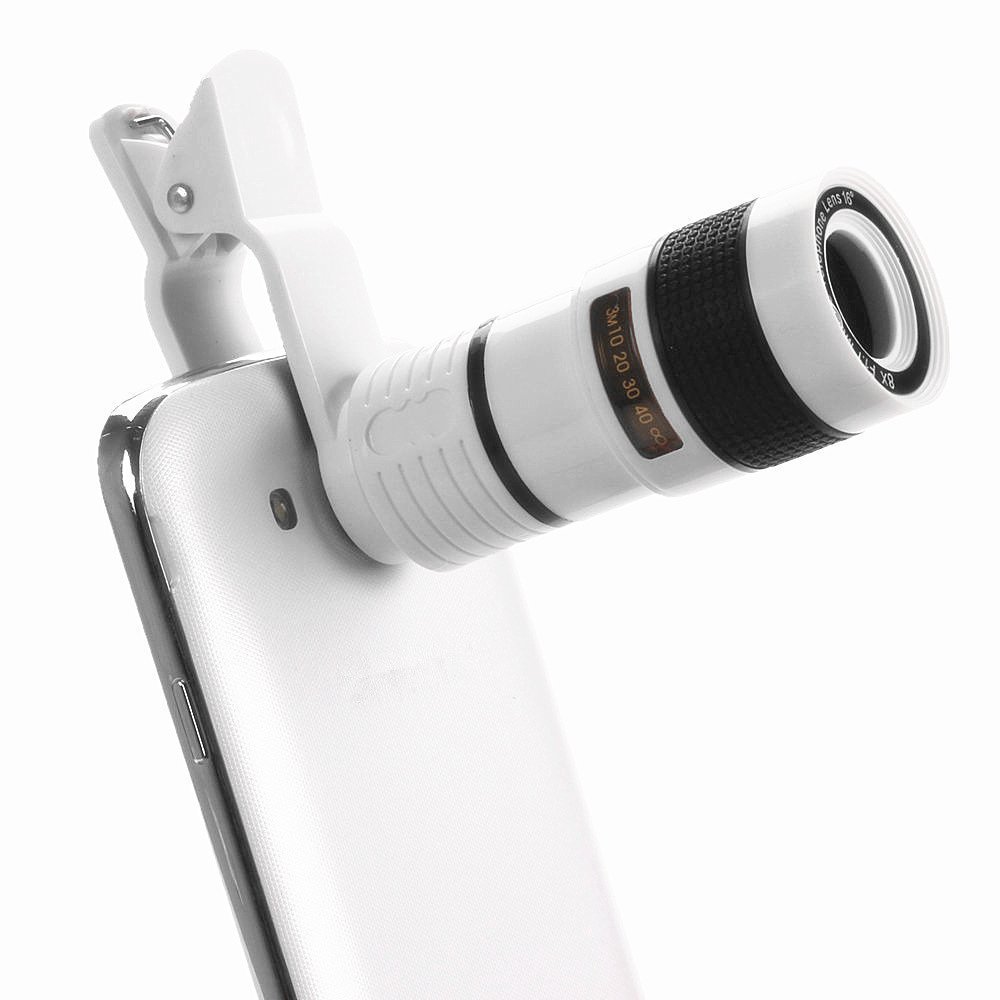
    Telephoto cameras on smartphones are great at two things. One is that they let you zoom in on your subject without as much degradation in quality as digital zoom would otherwise introduce. We’ve seen phones with 2x zoom, 3x zoom, and even 5x telephoto zoom in the recently announced Huawei P30 Pro. Secondly, telephoto cameras have a narrower field of view, which makes them ideal for portraits – their optical properties introduce less lens distortion and allow for a narrower, thus less distracting background.

    In photography, lenses tend to fall under two general categories: zoom lenses and prime lenses. Zoom lenses have an actual lens element that physically moves to magnify your subject. This is called optical zoom. In contrast, prime lenses are fixed and can’t zoom optically. Practically all cameras in modern smartphones, including telephoto ones, use prime lenses since they’re smaller and easier to make. Yes, you do get actual zoom with your phone’s telephoto camera relatively to its main one, but only at a fixed point.

    What this means is that if your phone has a 2x zoom telephoto cam, photos shot at anything between 1x and 1.9x will be zoomed digitally, as if your phone didn’t have a telephoto camera at all. Only photos at 2x and beyond will take advantage of the phone’s telephoto lens. That’s better than nothing, of course, but it’s easy for an inexperienced user to wrongly assume that their phone’s telephoto hardware is of benefit every single time they zoom in. That’s not the case, sadly.

    In most cases, a bigger camera sensor is a better camera sensor. Its greater surface area lets it absorb more light, and having more light translates into better photos with more detail and less noise. But telephoto cameras on phones tend to use smaller image sensors – ones that pick up less light and are more susceptible to digital noise. They have to in order to achieve the level of magnification their telephoto lens is designed for without the camera module sticking out too much.

    Because of this, telephoto cameras rarely work in low-light situations. When the phone’s camera software detects that the light in the frame is insufficient, it will not use its telephoto cam for zooming. Instead, it will only do digital zoom with its main camera, and you might not even notice until you later take a closer look at your suspiciously fuzzy-looking photos.

    I remember how when I got to test the iPhone 7 Plus for the first time, I tried taking some artsy photos of rain droplets on a flower’s petals. I did 2x zoom, assuming that the telephoto lens would let me get a much more detailed shot. I was wrong.

    While a typical smartphone camera can focus on an object as close as 3 inches away from it, the telephoto cameras on all phones I’ve tested through the years have needed to be at least 1-2 feet away from anything to focus on it. If you’re too close and zoom in, your phone will simply do digital zoom with its main camera instead of using its telephoto lens. Again, your phone will give you no indication that you’re not zooming with the telephoto lens for the shot.

    The purpose of this brief article is to expose the fundamental flaws in phones’ telephoto cameras (and there’s more of them) – as I’m sure that knowing what they can and can’t do will make you a better photographer. Convincing anyone that there’s no point in having a telephoto lens was never my intention. On the contrary, I’m strongly in favor of phones having additional cameras – telephoto, wide-angle, whatever – as it’s one of the few realistic ways of improving a phone’s photographic potential without ruining its design and appearance.

    Still, I wish that the limitations of these lenses were made clearer to the user – in both the flashy ads we’re bombarded by and in the camera apps of our phones. But perhaps that could be just me. Anyway, let me know in the comments below if you learned something new.