Author: Mei Ling Tan

  • Singapore Eateries Appeal for Increased Subsidies and Rent Control Amid Skyrocketing Business Closures

    Singapore Eateries Appeal for Increased Subsidies and Rent Control Amid Skyrocketing Business Closures

    Amid numerous business closures, the restaurant industry in Singapore is urging the government for additional labor cost subsidies and measures to control excessive rental hikes for the food and beverage sector. This appeal was recently put forward by The Restaurant Association of Singapore, which suggested an increase in subsidies under the Progressive Wage Credit Scheme to 75% for 2026 to 2028, a notable rise from the current 50%.

    The Impact on Singapore’s Food Scene

    As patrons review menus outside a local restaurant in a Singaporean shopping center, the underlying struggles of the industry are far from view. The association has proposed numerous changes, including the elimination of foreign worker levies, reducing the wait time for Progressive Wage Credit Scheme payouts, and allocating additional funding to support employees’ parental leave.

    The restaurant industry in Singapore is weathering what the association refers to as a “perfect storm” of escalating costs, labor shortages, and evolving consumer habits. The situation has led the association to seek government intervention to enhance cost predictability and stimulate domestic demand in the food and beverage sector.

    According to government data, the food scene in Singapore suffered 2,431 closures within the first ten months of the previous year, with 63% of these businesses failing to make it past the five-year mark. With the sector’s contraction in 2024 and record-breaking business closures, the association warns of potential threats to the long-term sustainability of food and beverage businesses, especially small and medium-sized enterprises (SMEs).

    Addressing High Rental Costs

    Another key focus of the association’s proposal is rental stabilization. Maintaining a consistent rental cost is a significant issue for the industry, as it represents a major fixed expense for businesses. The association asserts that providing “essential cost predictability” would equip businesses with the necessary information to make informed, long-term financial decisions.

    The association has suggested policy interventions to address exorbitant rental renewal increases. These include introducing caps on increases or linking them to macroeconomic indicators such as gross domestic product growth.

    In an effort to further support local businesses, the association is advocating for stronger measures, including raising foreign worker quotas and simplifying licensing fees.

    Benjamin Boh, President of the association, stated, “A vibrant and thriving food and beverage industry is crucial to making Singapore an attractive place to live and visit for both residents and tourists.” He emphasized that the proposed measures would offer business owners and operators a much-needed “breathing room” to fortify their business structures while managing external market pressures.

    Since its establishment in 1980, the Restaurant Association of Singapore has represented over 500 members and roughly 800 brands, covering more than 5,000 outlets.

    Questions & Answers

    What is the Progressive Wage Credit Scheme?
    This is a government initiative in Singapore designed to subsidize labor costs in various sectors, including food and beverage.

    What policy interventions has the Restaurant Association of Singapore proposed to address high rental costs?
    The association has suggested measures such as introducing caps on rental increases or linking them to macroeconomic indicators like gross domestic product growth.

    What was the impact of business closures on Singapore’s food scene last year?
    The food scene in Singapore witnessed 2,431 closures within the first ten months of the previous year, with 63% of these businesses failing to survive beyond five years.
  • DoorDash Expands Aldi Partnership: Liquor Delivery to NSW and Victoria, Special Buys Nationwide!

    DoorDash Expands Aldi Partnership: Liquor Delivery to NSW and Victoria, Special Buys Nationwide!

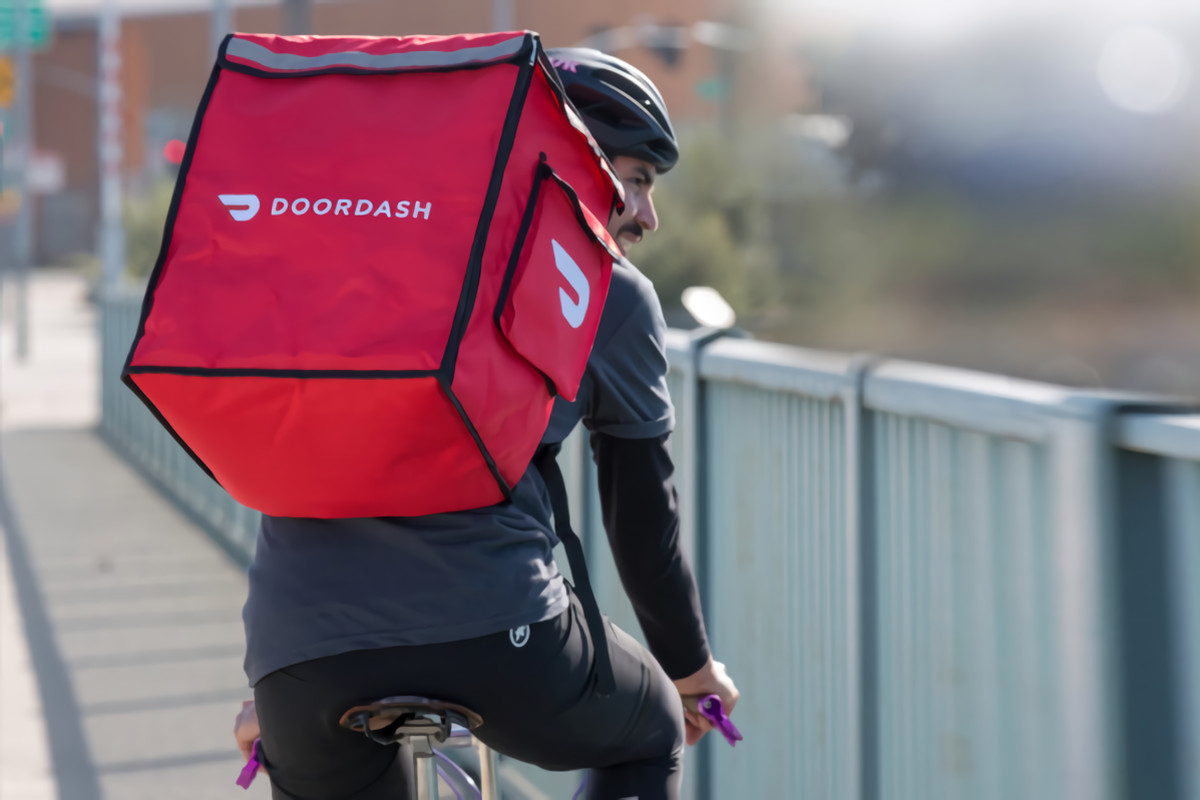
    Starting January 21, Aldi customers in New South Wales and Victoria will have the option to purchase the retailer’s exclusive range of alcoholic beverages via DoorDash. This new service is a part of the ongoing partnership between Aldi and DoorDash, which was established a year ago.

    Expanding Delivery Options

    In addition to alcoholic beverages, Aldi’s popular Special Buys will also be available for nationwide delivery from most store locations through DoorDash. This move is in line with the company’s efforts to make more of its products conveniently accessible to customers.

    Simon Padovani-Ginies, Group Director at Aldi Australia, has emphasized the company’s commitment to making as much of Aldi’s offerings as possible available for delivery. The inclusion of their exclusive liquor range for shoppers in New South Wales and Victoria, as well as the nationwide availability of Special Buys, means that more customers will be able to access Aldi’s high-quality, low-cost products from the convenience of their homes.

    Improving Customer Experience

    This move is not just about expanding product availability – it’s also about elevating the customer experience. With the current pandemic, online shopping has become the norm and businesses that offer home delivery services are increasing in popularity. By offering delivery of their exclusive liquor products and Special Buys, Aldi is catering to the evolving needs of its customers, making shopping more convenient and stress-free.

    Questions & Answers

    When will Aldi customers in New South Wales and Victoria be able to purchase liquor products via DoorDash?
    Starting January 21, Aldi will offer delivery of its exclusive liquor products to customers in New South Wales and Victoria through the DoorDash service.

    What other products will Aldi make available for delivery via DoorDash?
    In addition to its exclusive range of alcoholic beverages, Aldi will also make its popular Special Buys available for nationwide delivery from most store locations.

    What is the aim of this new service?
    The new service aims to make shopping more convenient for Aldi customers. It is also a part of the company’s efforts to cater to the evolving needs of consumers in the current pandemic climate, where online shopping and home delivery services have become increasingly relevant and popular.

  • Woolworths Faces Potential New Zealand Regulatory Breach Amid Alleged Grocery Industry Competition Act Violations

    Woolworths Faces Potential New Zealand Regulatory Breach Amid Alleged Grocery Industry Competition Act Violations

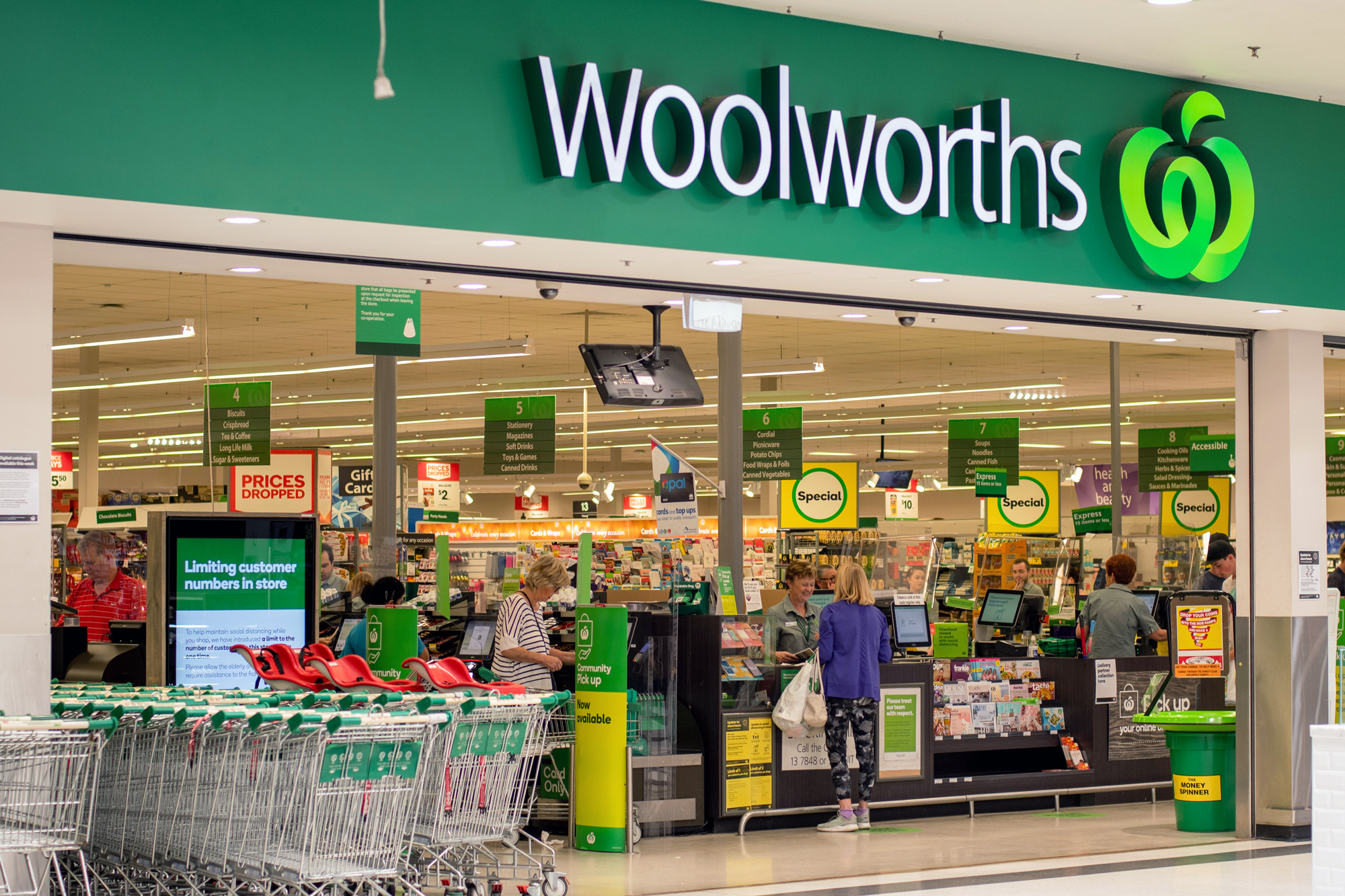
    Woolworths, a prominent supermarket chain, has recently been cautioned about potentially violating the Grocery Industry Competition Act. This situation arose due to the delisting of certain products in its New Zealand branches.

    Grocery Industry Competition Act: Purpose and Management

    The Grocery Industry Competition Act is governed by the New Zealand Commerce Commission (NZCC). Its primary objective is to regulate the relationship between suppliers and supermarkets. By demanding greater transparency when products are delisted from store shelves, it seeks to protect the interests of smaller suppliers.

    The act, which was established in 2023, is expected to incorporate the Grocery Supply Code in May. Non-compliance with the code could lead to penalties, as per the statement from the commission.

    Investigation into Non-Compliance

    The NZCC has been scrutinizing the product-range review methods of leading supermarkets to ensure they are complying with the code.

    A spokesperson commented on the situation, saying, “Through this process, we identified and investigated situations where it appeared that Woolworths New Zealand might not be fulfilling its responsibilities.” Post investigation, Woolworths New Zealand was issued a warning for a probable breach of the Grocery Industry Competition Act. However, the spokesperson noted that only a court can establish whether an actual breach has occurred. Since the warning, Woolworths has amended its procedures to comply with the regulations.

    Impact on Groceries and Suppliers

    Alice Hume, the head of groceries at NZCC, stated that this action was taken in response to suppliers’ concerns. She highlighted the pressure on suppliers with the possibility of their products being delisted. This situation could further exacerbate the imbalance of power between major supermarkets and smaller suppliers.

    “The fear of losing market access can pressure suppliers into accepting unfavorable conditions and foster distrust towards supermarkets’ decision-making processes,” Hume explained. “The code is instrumental in equalizing the power dynamics between large supermarkets and smaller suppliers, so we treat compliance with the utmost seriousness.”

    Hume also mentioned that the NZCC continues to assess the product ranges available at supermarkets, inviting any worried suppliers to reach out to the commission.

    Questions & Answers

    What is the purpose of the Grocery Industry Competition Act?
    The Grocery Industry Competition Act is designed to govern the relationship between supermarkets and suppliers, with a demand for more transparency during product delisting to protect smaller suppliers.

    What are the consequences of breaching the Grocery Supply Code?
    Non-compliance with the Grocery Supply Code, which is part of the Grocery Industry Competition Act, can result in penalties.

    What are the concerns of the smaller suppliers?
    Smaller suppliers are concerned about potential product delisting, which could reinforce power imbalances with major supermarkets, pressurize them into accepting unfavorable conditions, and induce a lack of trust in supermarkets’ decision-making processes.

  • Jollibee Group’s Remarkable Global Surge: Coffee Leads the Way and Chinese Cuisine Gains Momentum

    Jollibee Group’s Remarkable Global Surge: Coffee Leads the Way and Chinese Cuisine Gains Momentum

    The Jollibee Group has recorded impressive progress in its coffee, tea, and Chinese cuisine sectors, bolstered by an aggressive international expansion strategy, enhanced store operations, and unwavering commitment to the performance of its flagship brands.

    The Boom in Coffee and Tea

    The group’s coffee and tea division is at the forefront of this growth trajectory, with Compose Coffee and Highlands Coffee stepping up their store establishment rates and solidifying their market dominance.

    Compose Coffee, in South Korea, has grown beyond the 3000-store mark, setting up an additional 1000 outlets in less than a year and a half. The platform’s mobile application has garnered a cumulative user base of nearly 18 million, following a widely successful celebrity-led promotional campaign.

    Richard CW Shin, CEO of Jollibee Group International and Global Chief Financial and Risk Officer of Jollibee Group, lauded Compose Coffee’s exponential growth. He affirmed the brand’s ability to scale while retaining quality, value, and consumer affinity.

    Shin shared the group’s intent to extend the brand’s momentum to other global markets. He expressed optimism in Compose Coffee’s potential to generate long-term shareholder value, emphasizing the brand’s strategic role in driving Jollibee Group’s international growth.

    Highlands Coffee, based in Vietnam, has secured its position as the nation’s leading coffee brand by market share. With a burgeoning network of nearly 1000 outlets, Highlands Coffee serves in excess of 100 million customers each year.

    Chinese Cuisine on the Rise

    The group’s Chinese cuisine department also noted significant strides. Yonghe King, in particular, augmented its presence in China with the introduction of 35 new franchised stores recently. This move is part of a more efficient operational blueprint that supports the group’s drive for stable and sustainable market operations.

    Tim Ho Wan, post its acquisition, has shown promising indicators, with all its stores in Hong Kong reportedly regaining profitability within six months. The brand’s early performance in the US is also promising. The inauguration of Tim Ho Wan Irvine marked the brand’s debut as a company-operated store in the US under the Jollibee Group, with plans to reach 20 locations across North America by 2028.

    Questions & Answers

    What is behind the success of Compose Coffee in South Korea?
    Compose Coffee has successfully established over 3000 stores in South Korea, with an additional 1000 outlets set up in under 18 months. This growth is attributed to a strategic expansion plan and a celebrity-led promotional campaign that increased the user base of its app.

    How is Highlands Coffee performing in Vietnam?
    Highlands Coffee retains the top spot in Vietnam’s coffee market by share, with a network of nearly 1000 outlets and over 100 million customers served annually.

    What is the performance of the Chinese cuisine segment of the Jollibee Group?
    Significant progress has been recorded in the Chinese cuisine segment, with Yonghe King expanding its footprint in China through the addition of 35 new franchised stores. Tim Ho Wan has also seen positive traction post-acquisition, with all Hong Kong stores returning to profitability within six months.

  • End of an Era: Lotteria Transforms into Zetteria, Marking a New Chapter in Japan’s Fast-Food Industry

    End of an Era: Lotteria Transforms into Zetteria, Marking a New Chapter in Japan’s Fast-Food Industry

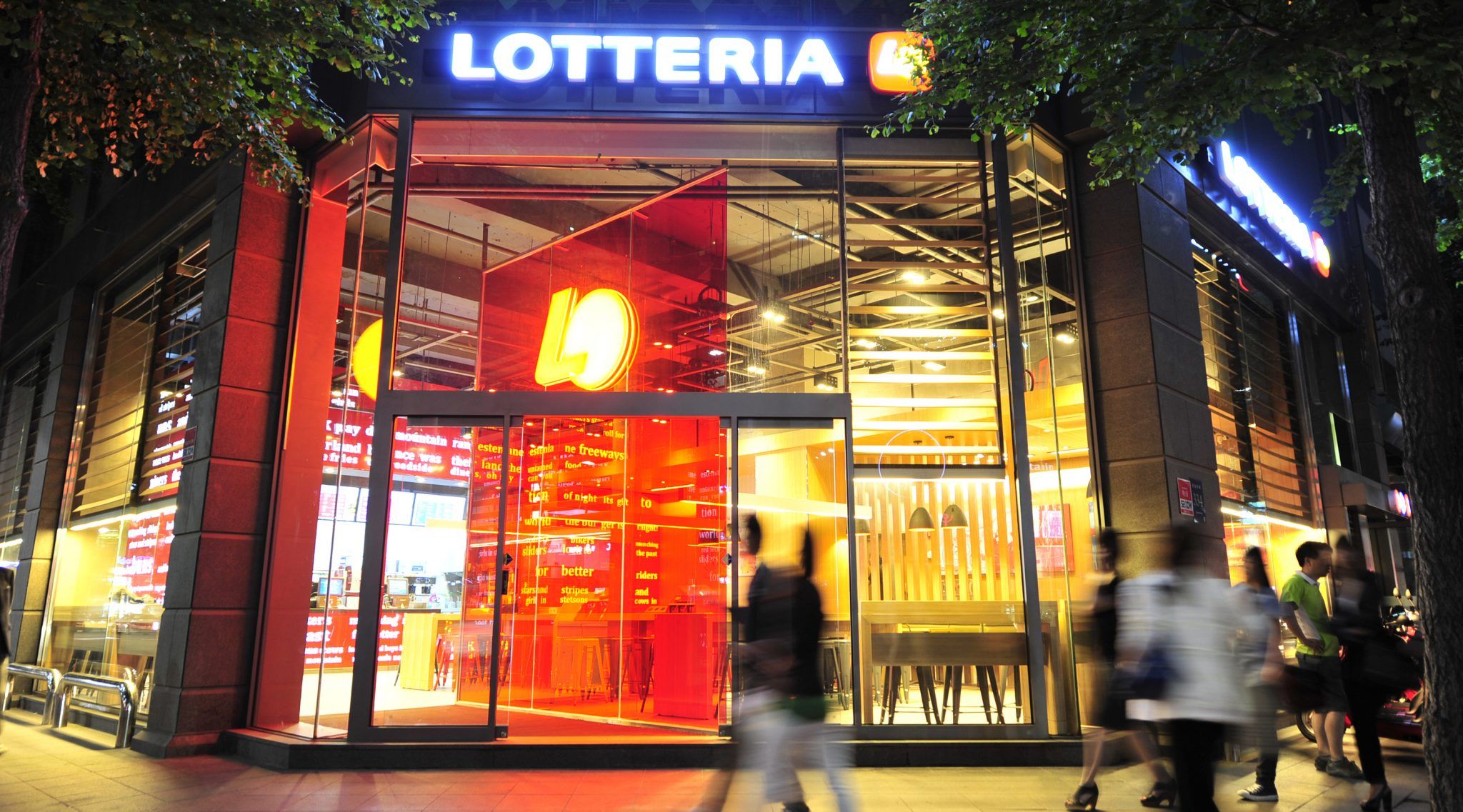
    After 54 years in operation, the popular Japanese burger chain Lotteria is set to be rebranded as Zetteria, beginning in March. The Lotteria brand first entered the market in 1972, establishing its inaugural outlet in Tokyo. The decision to retire the brand was recently taken by its operating company, Zensho Holdings.

    Zensho Holdings, a leading food service operator in Japan, took ownership of Lotteria Japan in 2023. The first Zetteria branch opened its doors in Tokyo in September of the same year. Since then, Zensho Holdings has been systematically converting Lotteria stores into Zetteria outlets. By December 2025, Japan had 106 Lotteria outlets and 172 Zetteria stores, totaling 278 locations. This places Zensho Holdings as the fourth-largest burger chain operator in the country, following McDonald’s (3,025 outlets), Mos Burger (1,309), and Burger King (337).

    The number of Lotteria outlets has seen a significant decrease in recent years, plummeting from 358 in January 2023 to 222 by June 2025, a near 40% drop in just over two years. This drop reflects not only store closures, but also Zensho Holdings’ strategic approach to transform existing outlets and alter business models.

    The Zetteria brand aims to bridge the gap between fast food and cafe dining. Expansion has been expedited by repurposing existing Lotteria locations and modifying store signage and concepts. Through the integration of the two brands, Zensho Holdings hopes to reduce costs by refining raw material procurement and logistics, while also improving operational efficiency.

    Despite the shared naming of menu items like the Zeppin Cheeseburger between Lotteria and Zetteria, the two brands previously operated separate procurement, production, and distribution systems, leading to differences in buns, patties, and sauces.

    Zetteria locations have been described as spaces that offer a dining experience beyond the typical fast food ambiance. The outlets feature spacious layouts, ample seating, understated lighting, and interiors that are reminiscent of cafes. Certain locations provide charging points for laptops and many have transitioned to table tablet ordering instead of traditional counter service.

    The menu has also seen adjustments. While basic burgers start at JPY250 (US$1.58), the signature Zeppin Beef Burger is priced at JPY540, making it more expensive than the previous offerings of Lotteria. The brand has also introduced premium, limited-time items such as roast beef burgers.

    Industry experts view the rise of Zetteria as indicative of broader changes within Japan’s fast food sector, as more operators seek to offer more than just quick, inexpensive meals. Zetteria is seen as an experimental brand aiming to occupy a new position as both a fast food restaurant and a cafe.

    Questions & Answers

    What is the reason for Lotteria’s rebranding as Zetteria?
    The change was part of Zensho Holdings’ strategy to transform existing outlets, improve operational efficiency, and cut costs by streamlining raw material procurement and logistics.

    What makes Zetteria different from Lotteria?
    Zetteria aims to bridge the gap between fast food and cafe dining. Outlets offer spacious layouts, ample seating, understated lighting, and interiors that are reminiscent of cafes. The menu also includes premium items, with the signature Zeppin Beef Burger priced higher than Lotteria’s previous offerings.

    How has the fast food sector in Japan been evolving?
    The rise of brands like Zetteria represents a shift in Japan’s fast food sector, with more operators seeking to offer experiences beyond just quick, inexpensive meals. Zetteria is seen as an experimental brand aiming to occupy a new position as both a fast food restaurant and a cafe.

  • SoftBank Innovates AI Infrastructure with Launch of Infrinia Cloud OS: A Game-Changer for GPU Cloud Services

    SoftBank Innovates AI Infrastructure with Launch of Infrinia Cloud OS: A Game-Changer for GPU Cloud Services

    SoftBank Corp., under the leadership of President and CEO Junichi Miyakawa, has unveiled a significant development from its Infrinia Team. This team, specializing in the creation of next-generation AI infrastructure architectures and systems, has designed the Infrinia AI Cloud OS. This is a robust software stack custom-built for AI data centers.

    Capabilities and Advantages of Infrinia AI Cloud OS

    The rollout of Infrinia AI Cloud OS provides AI data center operators with the ability to present kubernetes-as-a-service (KaaS) in multi-tenant environments. It also facilitates inference-as-a-service (Inf-aaS), which offers large language model inference via APIs. These features can be incorporated into operators’ individual GPU cloud services. Compared to custom-made or internally developed options, the software stack is anticipated to decrease total cost of ownership (TCO) and simplify operational intricacies. This facilitates a quicker deployment of GPU cloud services by providers while supporting the entire AI lifecycle, ranging from model training to inference, both flexibly and efficiently.

    SoftBank’s initial strategy is to incorporate Infrinia AI Cloud OS into its own GPU cloud offerings. In the future, the Infrinia Team plans to extend the deployment to overseas data centers and cloud platforms with the aim of achieving global acceptance.

    Meeting the Growing Demand

    The request for GPU-accelerated AI computing is escalating swiftly across various sectors including generative AI, autonomous robotics, simulation, drug discovery, and materials science. As a result, user prerequisites for AI computing have become diverse and complex. These encompass access to fully managed infrastructure with abstracted GPU bare-metal servers, cost-effective inference services which eradicate the need for direct GPU management, and sophisticated operational models where AI training is centralized and inference is deployed at the edge.

    Addressing these diverse needs places significant demands on GPU cloud service providers. Building and operating such environments call for in-depth technical know-how and involve complicated operational procedures. To surmount these hurdles, the Infrinia Team invented Infrinia AI Cloud OS. This solution maximizes GPU performance while easing the deployment and management of advanced GPU cloud services.

    Technical Aspects of the Software Stack

    The software stack’s KaaS capabilities automate the entire infrastructure stratum—from BIOS and RAID configurations to operating systems, GPU drivers, networking, Kubernetes controllers, and storage—on advanced GPU platforms such as NVIDIA GB200 NVL72. Additionally, it supports software-defined, on-demand reconfiguration of physical connectivity and memory, which allows clusters to be created, modified, or removed based on specific AI workload requirements. Automatic node allocation based on GPU proximity and NVIDIA NVLink domains further diminishes latency and enhances GPU-to-GPU bandwidth for large-scale, distributed workloads.

    The Inf-aaS component is crafted to empower users to deploy inference workloads with ease, providing scalable and efficient access to AI model inference via managed services.

    CEO Junichi Miyakawa emphasized SoftBank’s commitment to pioneering the AI era. The company aims to provide essential capabilities required for the large-scale deployment of AI in society through a new GPU cloud service and software business. The Infrinia AI Cloud OS software forms the core of this initiative, designed to seamlessly connect AI data centers, enterprises, service providers, and developers.

    Questions & Answers

    What is Infrinia AI Cloud OS?
    Infrinia AI Cloud OS is a robust software stack custom-built for AI data centers developed by SoftBank’s Infrinia Team.

    What features does Infrinia AI Cloud OS offer?
    It provides kubernetes-as-a-service (KaaS) and inference-as-a-service (Inf-aaS) capabilities. It can also be integrated into operators’ individual GPU cloud services.

    What are the benefits of Infrinia AI Cloud OS?
    Infrinia AI Cloud OS decreases total cost of ownership (TCO) and simplifies operational complexities. This facilitates quicker deployment of GPU cloud services by providers while supporting the entire AI lifecycle flexibly and efficiently.

  • Fuel Price Revolution: Vietnam Gasoline Plummets Amid Global Market Fluctuations

    Fuel Price Revolution: Vietnam Gasoline Plummets Amid Global Market Fluctuations

    In Vietnam, gasoline prices experienced a reduction on Thursday afternoon, echoing the recent drop in global rates. The widely used fuel, RON95, underwent a decrease of 0.43%, bringing its cost down to VND18,630 (US$0.71) per liter.

    In a similar trend, the biofuel E5 RON92 also saw a price reduction, decreasing by 0.49% to a new price of VND18,280 per liter. Diesel, on the other hand, experienced a price hike with an increase of 2.43% which resulted in a new price of VND17,700 per liter.

    The change in fuel prices is reflective of the recent fluctuations in the global oil market. This volatility has been brought on by several different factors. These include the possibility of disruptions to oil supplies from Iran and ongoing tensions between the United States and Europe over issues pertaining to Greenland as reported by Vietnam’s Ministry of Industry and Trade.

    In terms of specific fuel types, RON95 saw a decrease of 0.6% to a new price of $72.4 per barrel globally, while the cost of diesel increased by 2.9% taking it to a price of $83.4 per barrel.

    Questions & Answers

    What was the new price of the RON95 fuel in Vietnam?
    The new price of RON95 fuel in Vietnam was VND18,630 per liter, which translates to US$0.71 per liter.

    How did the price of diesel change?
    The price of diesel experienced a hike of 2.43%, which resulted in a new price of VND17,700 per liter.

    What factors have been affecting the global oil market recently?
    The global oil market has been affected by various factors including possible disruptions to oil supplies from Iran and ongoing tensions between the United States and Europe over Greenland-related issues.

  • Hapas Eyes $15M Boost to Amplify Omnichannel Presence and Southeast Asia Expansion

    Hapas Eyes $15M Boost to Amplify Omnichannel Presence and Southeast Asia Expansion

    Hapas, a fashion accessories retailer based in Vietnam, is reportedly setting its sights on raising a minimum of $15 million in a forthcoming funding round. The objective of this fundraising effort is to bolster its omnichannel footprint and facilitate expansion across the Southeast Asia region.

    The Role of Index Partners

    Reports suggest that Index Partners is taking on the role of sell-side advisor for the transaction. This role typically involves providing guidance on the selling strategy, facilitating negotiations, and working to ensure a favorable outcome for Hapas.

    An Impact-Linked Investment

    In 2022, Hapas received an impact-linked investment from Beacon Fund, which is the SME lending branch of Patamar Capital. This investment was reportedly influenced by the fact that 80% of Hapas’ management personnel are women entrepreneurs. Beacon Fund, however, has since withdrawn its investment.

    Specialization and Expansion Strategy

    Hapas was originally established as a provider of affordable luxury products, specializing in bags and accessories. Presently, Hapas manages 16 brick-and-mortar stores in Vietnam, and places emphasis on e-commerce platforms such as the TikTok Shop and Shopee.

    Furthermore, the company is making conscious efforts to fortify its direct-to-consumer channels to help diminish its dependence on third-party marketplaces. As part of this initiative, Hapas has commenced online sales in Thailand and is formulating plans to extend its physical retail presence to other regional markets. These include Thailand and Indonesia, and the expansion is slated to occur within the next few years.

    Questions & Answers

    What is Hapas planning to do with the new funding?
    Hapas aims to use the funds raised to enhance its omnichannel presence and to facilitate its expansion across the Southeast Asian region.

    Who is acting as a sell-side advisor for the transaction?
    Index Partners is reported to be serving as the sell-side advisor for this transaction.

    What is Hapas’ expansion strategy?
    Hapas has recently begun selling online in Thailand and aims to expand its physical retail presence to regional markets like Thailand and Indonesia in the next few years.

  • L’Oréal Pledges $383M for Indian Beauty Tech Hub: A Leap into AI-Driven Innovation and Job Creation

    L’Oréal Pledges $383M for Indian Beauty Tech Hub: A Leap into AI-Driven Innovation and Job Creation

    L’Oréal, the French cosmetics powerhouse, announced on Wednesday plans to establish a beauty technology hub in Hyderabad, a major city in southern India, supported by an initial investment surpassing 35 billion rupees (approximately US$383.4 million).

    The planned tech hub is anticipated to serve as a global hotbed for AI‑driven beauty innovation. L’Oréal aims to generate 2000 tech employment opportunities by 2030 and expedite the deployment of advanced AI beauty solutions, according to a company statement.

    The agreement detailing this new venture was officially established at the World Economic Forum in Davos by Nicolas Hieronimus, L’Oréal’s CEO, and the state government of Telangana.

    Over recent years, Telangana has swiftly risen to prominence as a crucial investment and technological epicenter in southern India.

    Trade relations between India and France have been steadily strengthening, with bilateral trade reaching $15 billion in 2024. This warming relationship is further evidenced by ongoing discussions between Indian Prime Minister Narendra Modi and French President Emmanuel Macron.

    In addition, both nations have been cooperating since 2024 to revamp their tax treaty. The aim is to modernize the agreement by integrating global standards concerning tax transparency.

    Questions & Answers

    What is the purpose of L’Oréal’s planned tech hub in Hyderabad?
    The tech hub is intended to be a global platform for AI-driven beauty innovation. It is also expected to create 2000 tech jobs by 2030 and facilitate the introduction of advanced AI beauty solutions.

    Who formalized the agreement for this new project?
    The agreement was formalized by Nicolas Hieronimus, L’Oréal’s CEO, and the state government of Telangana at the World Economic Forum in Davos.

    What major economic changes are being pursued by India and France?
    India and France have been collaborating since 2024 to update their tax treaty. This revision aims to modernize the contract by incorporating global standards on tax transparency.

  • Burberry Sees Remarkable Christmas Sales Boost, Thanks to Chinese Market Surge

    Burberry Sees Remarkable Christmas Sales Boost, Thanks to Chinese Market Surge

    Burberry, the iconic British luxury brand, surpassed its holiday season sales forecasts, with the most significant surge being noted in its Chinese market.

    4th Quarter Financial Overview

    According to the latest fiscal report of the quarter ending December 27, Burberry witnessed a 3% annual increase in comparable store sales, leading to a revenue of £665 million. Of particular note was the growth in Greater China, which saw a 6% rise in store sales. The Asia Pacific (APAC) region also reported a sales increment of 5%. Unfortunately, no sales growth was observed in Europe and the Middle East during this period.

    Joshua Schulman, the CEO of Burberry, attributed these promising figures to the brand’s successful implementation of their Burberry Forward strategy. He cited an improved sales growth rate and enhanced revenue quality across different retail channels and geographical locations.

    Key to Success

    Burberry’s win in Greater China and APAC was primarily fuelled by a considerable uptick in Gen Z customers, who contributed to double-digit growth.

    Schulman commented on the positive customer response to Burberry’s immersive Timeless British Luxury campaigns and experiences. The brand’s core outerwear category continued to demonstrate resilience, with rising customer interests now also observed in accessories and ready-to-wear collections.

    “As we step into the 170th year of Burberry, these results substantiate the enduring strength of our iconic brand and instill confidence in the journey ahead,” Schulman added.

    Questions & Answers

    What was Burberry’s sales performance during the recent Christmas quarter?
    Burberry experienced a 3% year-on-year increase in comparable store sales during the Christmas quarter, achieving a revenue of £665 million.

    Which markets showed the strongest growth for Burberry?
    Greater China and the Asia Pacific (APAC) region were the strongest growth markets for Burberry, with sales rising by 6% and 5% respectively.

    What factors attributed to Burberry’s strong sales performance?
    The successful implementation of the Burberry Forward strategy, compelling Timeless British Luxury campaigns and experiences, and the consistent popularity of their core outerwear category are some factors that contributed to Burberry’s strong sales performance.

  • Amouage Makes a Fragrant Debut in Seoul with Exotic Pop-Up Store Ahead of Permanent Expansio

    Amouage Makes a Fragrant Debut in Seoul with Exotic Pop-Up Store Ahead of Permanent Expansio

    Amouage, a luxury fragrance house, has made its inaugural entry into the South Korean market with the establishment of its first pop-up boutique in Seoul. This marks a major step in the company’s broader growth strategy across Asia.

    Strategically Located Temporary Boutique

    The temporary boutique is conveniently situated in Apgujeong, in proximity to Dosan Park. This pop-up store is a precursor to a permanent flagship store, which is slated to open in the same location in the near future.

    The primary objective of the pop-up boutique is to build Amouage’s brand recognition and gauge consumer response prior to making a long-term commitment to a retail presence in the region.

    Inspiration and Design

    The design of the boutique draws inspiration from Oman, the birthplace of Amouage. Architectural elements echo the country’s mountainous landscapes and traditional falaj water systems. The interior design incorporates stone textures, geometric details, and a warm colour palette to create a refined, minimalist space with subtle nods to Omani culture.

    Services and Collection

    In addition to its fragrance collection, the boutique provides a variety of personalised services such as engraving and gift wrapping. The store layout promotes exploration and discovery, offering a shopping experience that deviates from the traditional, high-density retail format.

    Amouage initially made its presence felt in South Korea through a personalised space at Hyundai Duty Free. The recent launch in Seoul is in line with the brand’s ongoing expansion efforts in the Asia-Pacific region. In 2024, Amouage collaborated with Luxasia to penetrate markets in Australia, India, Indonesia, New Zealand, and the Philippines.

    Questions & Answers

    What is the main purpose of Amouage’s pop-up boutique in Seoul?
    The main purpose of the pop-up boutique is to build Amouage’s brand recognition and gauge consumer response in South Korea prior to making a long-term commitment to a retail presence in the region.

    What unique characteristics define the design of the boutique?
    The boutique’s design draws inspiration from Oman, the birthplace of Amouage, with architectural elements reflecting the country’s mountain landscapes and traditional falaj water systems. The interior design integrates stone textures, geometric details and a warm colour palette to create a refined, minimalist space with subtle references to Omani culture.

    What services are offered by the boutique apart from its fragrance collection?
    In addition to its fragrance collection, the boutique provides personalised services such as engraving and gift wrapping. The layout of the store encourages exploration and discovery, deviating from the traditional high-density retail experience.

  • Cathy Sparks Ascends to Nike’s VP and GM Role in Greater China: A New Era of Athletic Partnerships

    Cathy Sparks Ascends to Nike’s VP and GM Role in Greater China: A New Era of Athletic Partnerships

    Nike has recently made several key changes to its top-tier executives across various geographical territories. Cathy Spark has been promoted to the position of Vice President (VP) and General Manager (GM) of Greater China.

    Replacing Angela Dong, a seasoned Nike executive since 2005 who served in a variety of senior-level positions throughout the region, Spark plans to solidify collaborations and reaffirm Nike’s long-standing dominance in the Chinese market.

    Spark’s journey with Nike spans a quarter-century, initially starting as a store athlete at Niketown in Portland. Over the years, she assumed leadership roles across all geographical areas. Prior to her current position, she served as VP and GM of APLA, where she spearheaded the company’s strategy for marketplace transformation and consumer growth.

    Elliot Hill, Nike’s President and CEO, praised Spark for her ability to connect athletics, consumers, and Nike’s role at the crossroads between sports and culture. He highlighted her ability to build high-performing teams, act decisively, and effectively harness the unique appeal of the Nike brand.

    Cristin “Crissy” Campbell, a Nike employee with 15 years of experience, is slated to fill Spark’s former position as VP and GM of APLA.

    In the EMEA region, Carl Grebert will relinquish his duties as VP and GM. César Garcia will take over the role, with his tenure starting on February 2nd.

    Questions & Answers

    Who is the new VP and GM of Greater China for Nike?
    Cathy Spark has been appointed as the new Vice President and General Manager of Greater China for Nike.

    What role did Cathy Spark previously hold at Nike?
    Before her promotion, Cathy Spark was the Vice President and General Manager of APLA, leading the company’s strategy in marketplace transformation and consumer growth.

    Who will succeed Cathy Spark as VP and GM of APLA?
    Cristin “Crissy” Campbell, a 15-year veteran at Nike, will take over as the Vice President and General Manager of APLA.

  • India Ascends to Second Spot Globally with Over 400 Million 5G Users: A Story of Rapid Digital Transformation

    India Ascends to Second Spot Globally with Over 400 Million 5G Users: A Story of Rapid Digital Transformation

    India has solidified its position as the world’s second-largest 5G subscriber market, just after China. This achievement highlights the nation’s speedy embrace of next-generation connectivity and one of the fastest global network rollouts, as stated by the Union Minister of Communications, Jyotiraditya M. Scindia.

    Impressive Numbers in 5G Adoption

    Currently, India boasts of more than 400 million 5G users, making it home to the world’s second-largest 5G subscriber population. Data presented by the Ministry of Communications indicates that telecom service providers have installed approximately 4.69 lakh 5G base transceiver stations nationwide as of March 2025. This reflects the swift pace of 5G deployment in India, which started in October 2022 and is among the fastest rollouts globally.

    Today, 5G services encompass over 99% of India’s districts, with an estimated population coverage of around 85%. Since the initial launch, 25 crore users have migrated to 5G services, and the total subscriber base has surged past 400 million as network accessibility and device adoption have grown.

    Notable Strides in Rural Connectivity

    The Ministry also pointed out significant improvements in rural connectivity. There has been a 42.9% increase in rural telephone connections, almost twice the rate of urban growth. The number of connections has risen from 377.78 million in March 2014 to 539.83 million by September 2025.

    Digital Expansion and Internet Usage

    The digital expansion in India is further mirrored in internet usage. Total internet connections have crossed the one billion mark, reaching 1.0029 billion, compared to 251.5 million in March 2014. This represents a growth of nearly 299%.

    Progress in Telecom Self-Reliance

    In line with the Atmanirbhar Bharat vision, India has made substantial progress in telecom self-reliance. It has joined the select group of nations that have developed an end-to-end 4G stack which is upgradable to 5G. While it took other countries decades to mature similar technologies, India achieved this milestone in just two years. Additionally, there is growing momentum in indigenous 6G research and development under the ambitious Bharat 6G Mission.

    Collectively, these developments firmly establish India as a primary global player in 5G adoption and digital infrastructure. This has implications for enterprise connectivity, innovation, and long-term economic growth across the region.

    Questions & Answers

    What is India’s current rank in the global 5G subscriber market?
    India has emerged as the second-largest 5G subscriber market in the world.

    How many 5G users does India currently have?
    India currently has over 400 million 5G users.

    What has been the growth in rural telephone connections in India?
    Rural telephone connections in India have grown by 42.9%, nearly double the urban growth rate.

  • E-commerce Boom in Australia Fuels Demand for Compliant Warehouse Racking Systems: Vinatech Rises to the Challenge

    E-commerce Boom in Australia Fuels Demand for Compliant Warehouse Racking Systems: Vinatech Rises to the Challenge

    Australia’s logistics and warehousing sector is experiencing robust growth, increasing the demand for storage systems that adhere to rigorous technical and safety standards. This has led suppliers to modify their products to align with the country’s stringent regulatory requirements.

    Booming Australian Warehousing Market

    The warehousing and logistics market in Australia is a foundational aspect of the national supply chain, currently estimated to be worth around AUD15 billion (US$10.1 billion). The rapid proliferation of e-commerce has been fueling this sector, with predictions suggesting a compound annual growth rate (CAGR) of approximately 6-7% over the next five to ten years.

    Entry of Vinatech Australia into the Market

    In response to this burgeoning market, Vinatech Australia has entered the scene not simply as a traditional supplier, but as a strategic partner providing comprehensive warehouse racking solutions. The company specializes in supplying industrial warehouse racking and storage solutions fine-tuned for the Australian market, aiming to provide top-quality warehousing systems that align with international standards while catering to the unique operational needs of each client.

    Vinatech Australia is supported by the Vinatech Group, a prominent Vietnamese manufacturer of industrial warehouse racking systems. Benefiting from extensive industry experience and state-of-the-art production infrastructure, the Vinatech Group has provided warehouse and storage solutions to numerous national and international clients, spanning logistics warehouses, manufacturing facilities, and large-scale distribution centers.

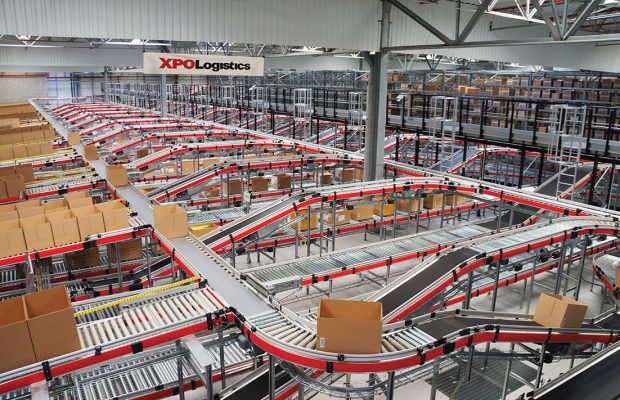
    The operational model of the company allows customers to maximize project budgets without sacrificing product quality, ensuring alignment with AS4084 standards and compliance with relevant Australian rules. Vinatech also offers full certification and technical documentation upon request, facilitated by engineering teams knowledgeable in both Vietnamese manufacturing standards and Australian compliance requirements. This capability underpins the company’s prevailing message: “Made in Vietnam – Used in Australia.”

    Comprehensive Industrial Solutions

    Vinatech Australia also provides a comprehensive range of industrial solutions, including consultancy and warehouse system design from the initial site survey stage, customized industrial warehouse and pallet racking solutions to meet specific operational needs, full project management from conception to operational deployment, and the capacity to deliver large volumes with consistent and reliable timelines.

    The company affirms its commitment to quality assurance and standards compliance as a vital element of its operations, addressing concerns regarding whether products sourced from Asia can meet the demanding standards of developed markets.

    All Vinatech products are designed and manufactured in compliance with international technical and safety standards. This ensures every industrial warehouse and pallet racking system fulfills strict criteria on load capacity, structural stability, workplace safety, and Australian fire protection regulations.

    Full Support from Planning to Operation

    Vinatech Australia positions itself not just as a product supplier but as a comprehensive solutions partner, aiding customers from the early planning stages through to real-world operation. This includes advising clients on long-term development strategies and integrating their warehouse racking systems seamlessly with advanced automation technologies.

    This strategy facilitates a phased approach to warehouse automation, allowing customers to commence with a fundamental solution such as pallet racking and progressively upgrade without the need to replace their entire warehouse racking infrastructure.

    Vinatech’s goal is not to become the largest supplier, but to be the most trusted provider of industrial warehouse racking solutions in Australia. They aspire to be the first name businesses consider when planning or upgrading their warehouse operations, not just due to competitive pricing but also their professionalism, reliability, and commitment to long-term partnerships.

    Questions & Answers

    What is Vinatech Australia’s specialization?
    Vinatech Australia specializes in providing industrial warehouse racking and storage solutions tailored for the Australian market.

    How does Vinatech assure adherence to technical and safety standards?
    Vinatech designs and manufactures all products in accordance with international technical and safety standards. They also provide complete certification and technical documentation upon request.

    What differentiates Vinatech Australia’s approach to customer support?
    Vinatech Australia positions itself not only as a product supplier but as a comprehensive solutions partner, supporting customers from early planning through to real-world operation.

  • Maybank Unveils Ambitious ‘ROAR30’ Five-Year Strategy, Aims for 14% ROE

    Maybank Unveils Ambitious ‘ROAR30’ Five-Year Strategy, Aims for 14% ROE

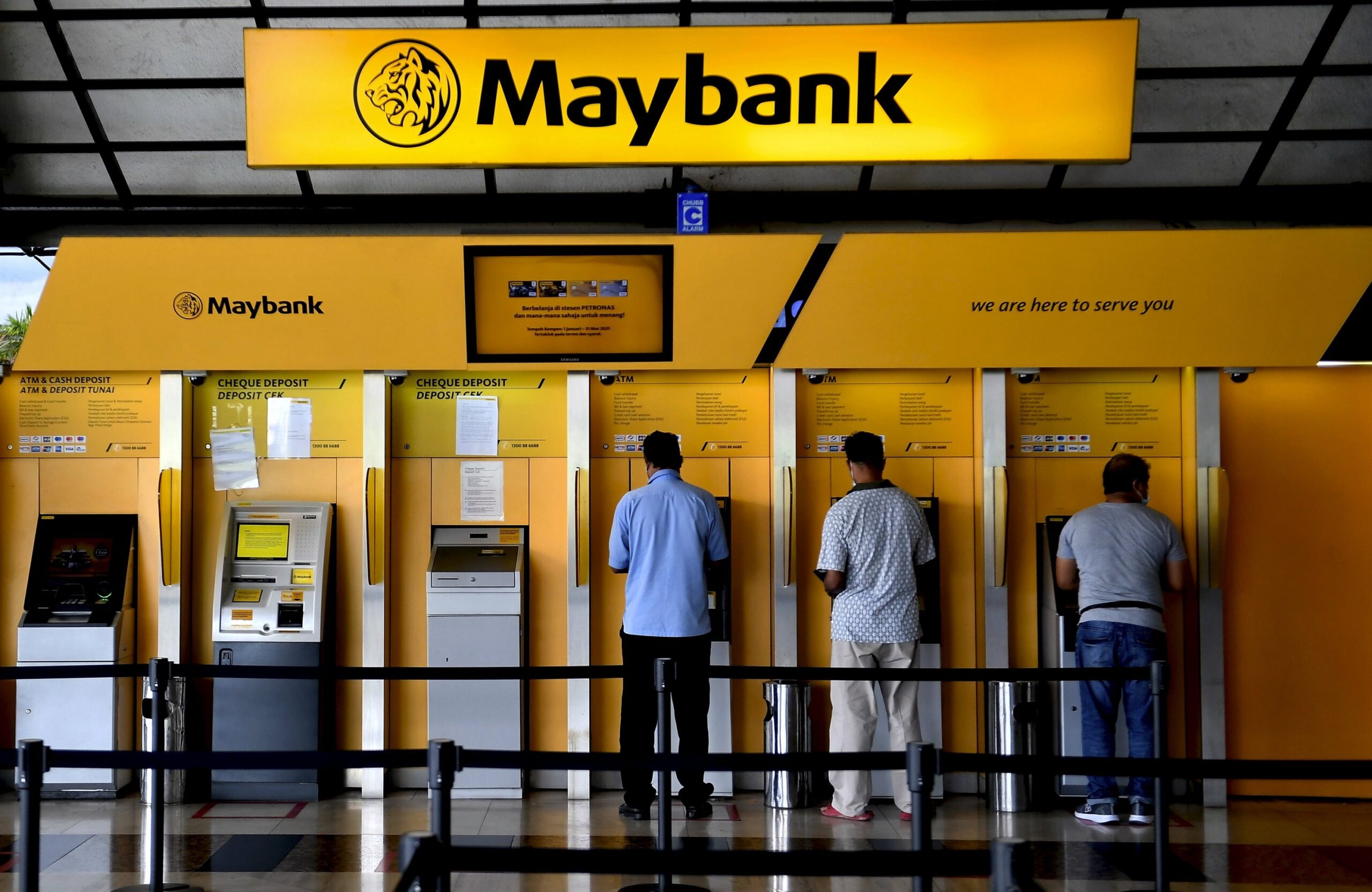
    Maybank, a Malaysian-based banking corporation, has recently unveiled its ambitious five-year strategy plan, dubbed “ROAR30”. The roadmap, which extends until 2030, outlines significant financial targets, including a return on equity (ROE) aim of 13-14 percent, a net interest margin that exceeds 2.05 percent, a cost-to-income ratio of 47 percent or lower, and a CASA (current account and savings account) ratio above 41 percent.

    Dato’ Sri Khairussaleh Ramli, Maybank’s President and Group CEO, emphasized the importance of the bank’s core markets – Malaysia, Indonesia, and Singapore – as primary growth and profitability contributors. He commented, “Our regional network strategy will enable us to support our clients across various markets. We are committed to shaping a mobile workforce, fostering a transformative mindset and culture, encouraging continuous learning, implementing technology modernisation and optimising productivity and financial performance.”

    Three Strategic Pillars

    Maybank’s newly announced strategy rests on three strategic pillars.

    The first pillar involves redefining its services to provide exceptional customer experiences, positively impact society, and stimulate the real economy.

    The second pillar focuses on the expansion of four key business areas: global Islamic finance, regional wealth management, regional transactions and payments banking, and regional corporate and investment banking.

    The third and final pillar is the creation of a sustainable bank via three core strategies: nurturing an enviable workforce and organisational culture, harnessing the power of technology and artificial intelligence, and optimizing productivity and capital allocation to enhance performance.

    Khairussaleh concluded, “Through ROAR30, Maybank aims to generate meaningful impact and ensure sustainable value creation for all stakeholders, spanning our customers, communities, and the economies we serve.”

    Questions & Answers

    What is Maybank’s new strategic plan named?
    The new strategic plan is named “ROAR30”.

    What are the three strategic pillars outlined in the “ROAR30” plan?
    The three pillars are redefining services to provide exceptional customer experiences, expanding four key business areas, and creating a sustainable bank through staff development, technology use, and productivity optimization.

    What are some of the financial goals set by Maybank in the “ROAR30” plan?
    Some of the key financial targets include a return on equity aim of 13-14 percent, a net interest margin that exceeds 2.05 percent, a cost-to-income ratio of 47 percent or lower, and a CASA (current account and savings account) ratio above 41 percent.