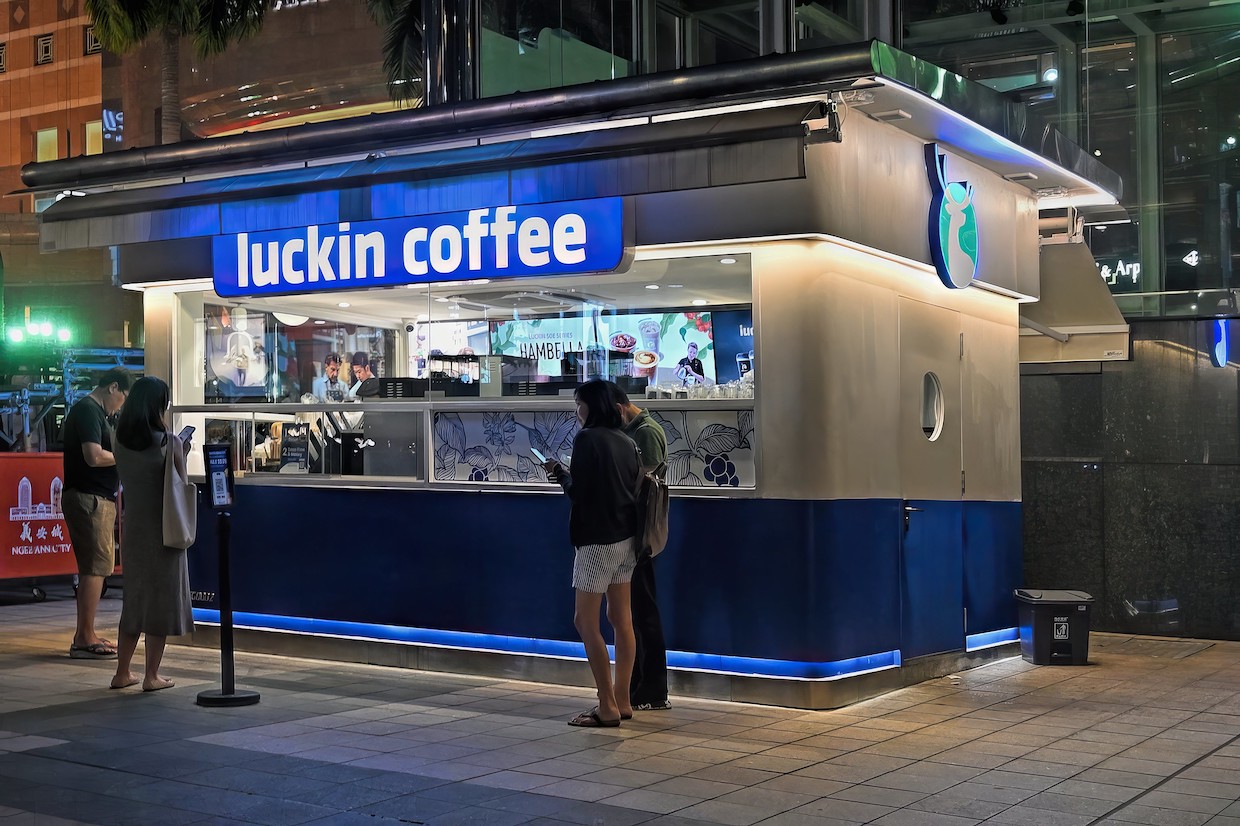
Abu Dhabi sovereign wealth fund Mubadala Investment Company agreed to invest about US$1 billion for a minority stake in Luckin Coffee. The Chinese chain operated more than 36,000 stores globally by June 30, with customer rolls reaching nearly 500 million transacting buyers.
Mubadala is injecting the capital alongside Centurium Capital, the private equity firm that holds controlling shareholder control over the retail group. Fresh funding will finance store buildouts across mainland China while bankrolling new retail sites in overseas target markets.
Gulf Capital Backs China Network
The transaction directs Gulf sovereign money into high-frequency Chinese retail at a time when global private equity deployment in the country has cooled. Mubadala head of Asia private equity Mohamed Albadr pointed to data integration across product cycles and unit operations as the driver for the commitment.
“Luckin Coffee has built a differentiated, technology-enabled business with data embedded across customer engagement, product development and store operations,” Albadr said.
Securing US$1 billion gives the chain a balance sheet buffer that rivals cannot easily match in current fundraising conditions. The cash injection strengthens Luckin against low-price challengers like Cotti Coffee while intensifying lease competition for small-format commercial spaces across regional retail corridors.
Scale Shifts Pressure to Rivals
For multinational operators including Starbucks, the capital infusion signals that price competition and unit expansion in secondary Chinese cities will not slow down. Landlords in transport hubs, office basements, and shopping malls gain an aggressive, well-funded tenant capable of taking small footprints on short turnaround schedules.
Risk now centers on unit-level profitability outside top-tier shopping zones as store density increases in mature urban markets. Expanding into international markets will also test whether the chain’s app-driven, low-labor operating model transfers effectively into markets with higher real estate and staffing overhead.
International Footprint Next in Line
The deal follows a rapid store buildup through the first half of 2026, when Luckin crossed the 35,000-location threshold before adding another 1,000 stores by the end of the second quarter. Centurium had previously taken operational control to restructure the company and reorient unit economics around small-format pickup counters and digital orders.
RetailNews Asia will track the pace of the group’s overseas site selection and store openings over the coming quarter as capital deployment begins.