Retail News CRM

Author: Mei Ling Tan

  • Chinese Hotpot Giant, Banu, Ignites Global Expansion with First Hong Kong Outlet

    Chinese Hotpot Giant, Banu, Ignites Global Expansion with First Hong Kong Outlet

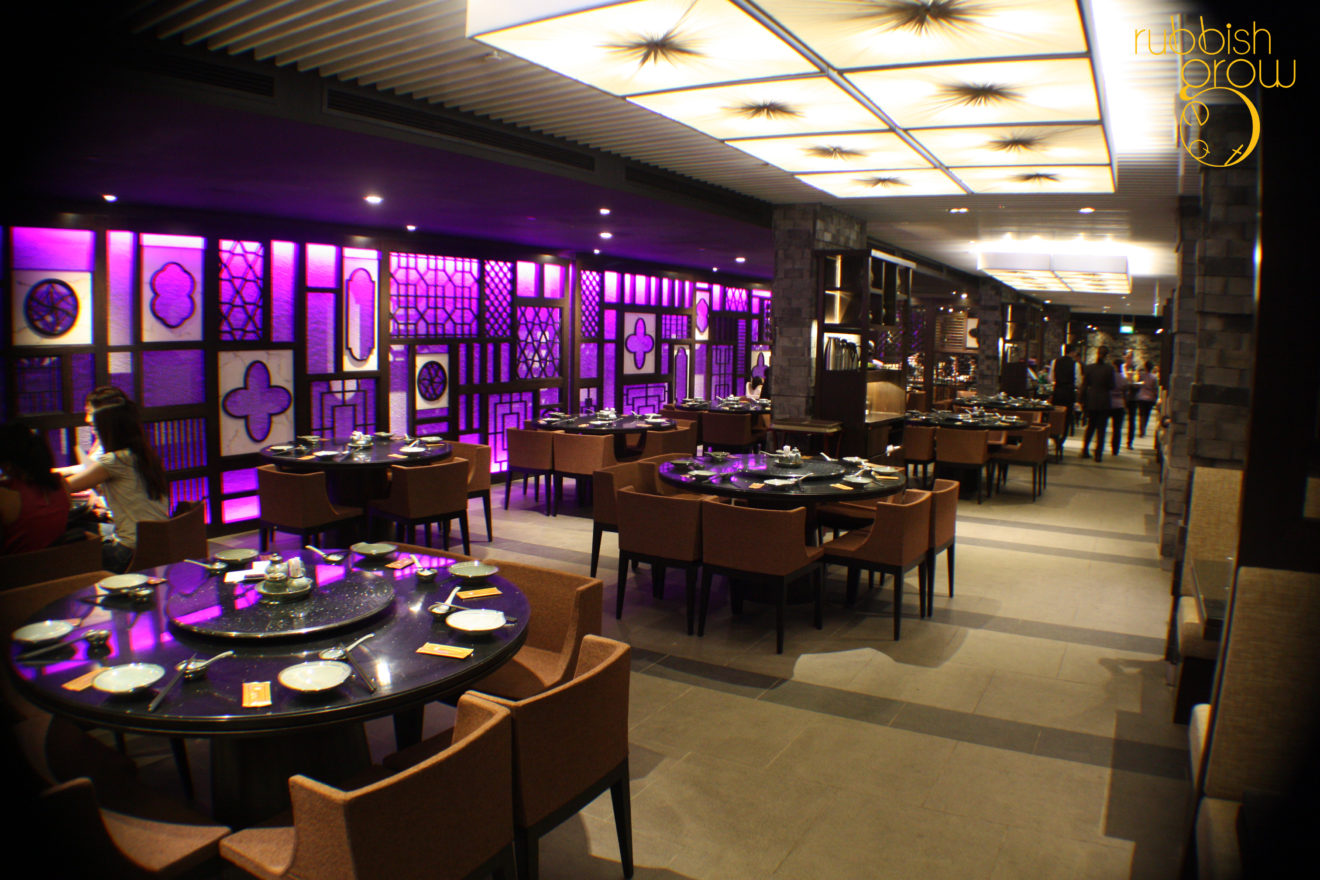
    Banu, a premier hotpot brand originating from Mainland China, has broadened its horizons by launching its very first establishment in Hong Kong.

    Established in 2001, Banu has seen rapid expansion, operating over 200 outlets across Mainland China. The brand’s debut in Hong Kong, with its maiden store located in Hysan Place, Causeway Bay, signifies the commencement of its ambitious global expansion plan.

    A Market Leader

    Banu is recognized as the largest revenue-generating brand in China’s premium hotpot market, recently ascending to occupy the second spot in the country’s overall hotpot market standings. The previous year witnessed an impressive 88.7% year-on-year surge in profits, alongside the opening of 44 new locations.

    In anticipation of its Hong Kong debut, Banu acknowledged the region’s reputation as a global culinary hub, boasting a mature catering industry with stringent standards for ingredient quality and culinary processes. They noted that Hong Kong’s hotpot market is distinctly divided: budget brands compete for footfall with their value-for-money offerings, while high-end establishments focus on deluxe seafood offerings. However, they believe there is a yet unexplored niche for boutique hotpot that harmoniously blends authentic Sichuan flavors with meticulous ingredient selection, all packaged within a sophisticated premium dining experience.

    Future Plans

    Towards aiding its global expansion, Banu is considering an initial public offering (IPO) in Hong Kong. Current market data indicates that themed restaurants, such as Banu, account for one-third of Hong Kong’s hotpot market.

    The brand’s unique positioning, centered around their signature beef tripe, is anticipated to unlock new growth opportunities in the market.

    Questions & Answers

    What is Banu’s market position in China’s hotpot market?
    Banu is recognized as the largest revenue-generating brand in China’s premium hotpot market and holds the second position in the country’s overall hotpot market standings.

    What is Banu’s expansion strategy?
    Banu is considering an initial public offering (IPO) in Hong Kong to aid its global expansion. It aims to explore the untapped niche for boutique hotpot that blends authentic Sichuan flavors with meticulous ingredient selection in a premium dining experience.

    What is Banu’s unique selling proposition?
    Banu’s unique selling proposition is its signature beef tripe, which it hopes will unlock new growth opportunities in the market.

  • Macau Welcomes First Miniso Land Store: A New Era for Premium, IP-Driven Retail in Asia

    Macau Welcomes First Miniso Land Store: A New Era for Premium, IP-Driven Retail in Asia

    Miniso, a leading retail brand, has launched its first ‘Miniso Land’ outlet in Macau, marking a significant milestone in its Asia-wide expansion strategy. This new premium retail store is part of Miniso’s broader efforts to strengthen its network of intellectual property (IP)-oriented stores across the region.

    Centrally located in The Shoppes at Venetian, this 400 square meter shop stands as Miniso’s largest outlet in Macau. Offering an extensive range of over 1200 stock keeping units (SKUs), the store boasts a vast selection of products across various categories, ranging from collectibles, blind boxes, plush toys, and stationery to lifestyle items.

    Innovative Conceptualization

    Miniso Land showcases the brand’s unique fusion of an expanded product assortment with themed merchandising and interactive displays. This signature premium concept store features more than 30 licensed and proprietary IP collections. Distinguished sections are dedicated to globally recognized brands, such as Disney, Harry Potter, Pokémon, One Piece, Crayon Shinchan, Sanrio, and Chiikawa. Additionally, the store highlights Miniso’s original character, YoYo, through special displays.

    This innovative retail strategy has been instrumental in driving the brand’s growth. By fostering licensed IP collaborations and creating destination retail experiences, Miniso aims to enhance customer engagement and boost sales.

    Expansion Across Borders

    Earlier this year, Miniso also unveiled its first Miniso Land store in Malaysia, located at Sunway Pyramid, which spans across a sprawling 1700 square meters. This outlet introduced a larger-format concept focused on IP collaborations and immersive retail design.

    The brand’s move to establish its premium store concept in Macau reaffirms its commitment to bolstering its global network of immersive IP-driven retail outlets.

    Questions & Answers

    What is the unique offering of the new Miniso Land store in Macau?
    The new Miniso Land store features a broad selection of more than 1200 SKUs across various categories and over 30 licensed and proprietary IP collections, providing a unique, immersive retail experience for customers.

    What is the strategic significance of the new store in Macao for Miniso?
    The opening of the new store in Macau is a crucial step in Miniso’s plan to expand its globally immersive IP-driven retail concept, strengthening its presence in the Asian market.

    What was Miniso’s previous significant expansion move?
    Earlier this year, Miniso opened a large-format Miniso Land store at Sunway Pyramid in Malaysia, marking a significant step in expanding its IP collaborations and immersive retail design concept.

  • Moncler Soars High: Luxury Retailer Rides the Wave of Asia Market Expansion With Robust Sales Growth

    Moncler Soars High: Luxury Retailer Rides the Wave of Asia Market Expansion With Robust Sales Growth

    Luxury fashion retailer Moncler has reported a strong momentum in sales growth, driven predominantly by its expanding presence in Asia.

    Strong Performance Across Moncler and Stone Island Brands

    The first half of their financial year saw a significant rise in revenues across its Moncler and Stone Island brands, with increases of 9% and 11% respectively. This strong performance for both brands contributed to a combined first-half group revenue of $1.47 billion and earnings before interest of $280 million.

    Remo Ruffini, Moncler’s Executive Chairman, is of the view that the group’s resilience stems not solely from its ability to swiftly adjust to changes, but also from staying true to its identity and maintaining close ties with the communities they serve. “In the first half of the year we delivered solid growth and profitability across both our brands, staying focused on our products, the creativity that characterizes our brands and the collective energy we share with our audiences,” he said.

    Moncler’s Rapid Growth in Asia

    Asia has proven to be the fastest-growing market for Moncler Group, now representing 54.4% of total sales. In comparison, the share of sales in Europe, the Middle East, Africa, and the Americas has seen a decline.

    Ruffini added that the group is continuously seeking innovative ways to remain relevant throughout the year, beyond the core season. Despite the complex and unpredictable operating environment, he believes these challenging times test their ability to be sharper, bolder, while maintaining discipline and staying grounded. “We approach the second half of the year and the opportunities ahead with this same spirit, and with a clear sense of direction,” he concluded.

    Questions & Answers

    What has driven Moncler’s recent sales growth?
    Moncler’s sales growth was primarily driven by its expansion in Asia, contributing to 54.4% of total sales.

    How did Moncler and Stone Island brands perform in the first half of the year?
    Both brands showed significant growth with their revenues increasing by 9% and 11% respectively, leading to a combined first-half group revenue of $1.47 billion.

    What strategy does Moncler implement to stay competitive in the market?
    Moncler strives to remain relevant throughout the year by continuously seeking innovative ways to engage audiences, focusing on their products and the creativity that characterizes their brands while staying true to their identity and maintaining close ties with the communities they serve.

  • China’s Coffee Giant Luckin Coffee Brews Rapid Expansion in Malaysias Johor Bahru with Trio of New Outlets

    China’s Coffee Giant Luckin Coffee Brews Rapid Expansion in Malaysias Johor Bahru with Trio of New Outlets

    Luckin Coffee, the largest cafe chain in China, has bolstered its presence in Malaysia by establishing three new outlets in the city of Johor Bahru last July. The first two branches were launched at Sutera Mall and Austin Heights early in the month, followed by a grand opening at the Sutera Mall location. A third branch was then opened in Taman Ungku Tun Aminah.

    Targeting Growth in Johor

    Dr. Jeff Lim, the CEO of Luckin Coffee Malaysia, has highlighted the strategic importance of Johor, Malaysia’s southernmost state, to the company’s expansion plans. He mentioned the potential of a more localized supply chain, job opportunities, and wider access to their digital-first coffee retail experience as key elements supporting the company’s growth in the region.

    Luckin Coffee was established in 2017 by a former tech executive and soon became a notable competitor to Starbucks in China due to its unique, app-driven cafes. Despite a setback in 2019 when the company was delisted due to an accounting scandal and subsequently filed for bankruptcy in 2021, it has made a robust recovery.

    Global Expansion and Achievements

    Luckin Coffee’s expansion efforts have seen it spread to over 300 cities in China, with most of its outlets located there. The company has also made inroads into international markets, such as Singapore, Malaysia, and the U.S. In February, just over eight years after its inception, Luckin Coffee opened its 30,000th store worldwide, an accomplishment achieved six times faster than Starbucks.

    As of the first quarter of 2026, the company has seen further growth with a total of 33,596 stores globally after adding more than 2,500 outlets during the quarter. Luckin Coffee made its debut in Malaysia last year and has since been growing rapidly. With the addition of the new outlets in Johor, the total number of stores across the country has now exceeded 120.

    Questions & Answers

    What is the significance of the Johor market for Luckin Coffee?
    Johor, being the southernmost state of Malaysia, is seen as a key market that can support Luckin Coffee’s growth through a more localized supply chain, job creation, and wider access to its digital-first coffee retail experience.

    How many outlets does Luckin Coffee have globally?
    As of the first quarter of 2026, Luckin Coffee has 33,596 stores across the globe.

    When did Luckin Coffee enter the Malaysian market and how many outlets does it have in the country?
    Luckin Coffee entered the Malaysian market last year and with the addition of new stores in Johor, it now operates more than 120 outlets in the country.

  • Hong Kong Sees Record $2.2B Surge in Bulk Property Investments Amid Rising Rental Demand

    Hong Kong Sees Record $2.2B Surge in Bulk Property Investments Amid Rising Rental Demand

    In the wake of a record-breaking first half of the year, bulk homebuyers are anticipated to continue to be a significant influence in Hong Kong’s primary residential market throughout the second half of the year. The strong rental demand, particularly from mainland Chinese students and migrant workers, is bolstering this trend.

    Record Figures Demonstrate Investor Confidence

    From the beginning of the year to June, 654 buyers purchased two or more residences in the primary market. They bought a total of 1,794 flats with an estimated value of approximately HKD17.4 billion (US$2.2 billion). These numbers represent a significant increase from the previous year, effectively doubling and setting new records for buyer amounts, units sold, and the overall transaction value.

    Bulk buyers were responsible for about 14% of all primary home sales during this period. This means that approximately one in seven new flats was bought by purchasers acquiring a minimum of two units.

    A surge in purchases indicates a growing investor interest in rental properties. Hong Kong’s rental index reached a new high in June, making smaller apartments near educational institutions and transport hubs an attractive choice for investors.

    Increasing Appeal of Specific Developments

    The majority of bulk purchases were made in developments that were particularly well-suited to the rental market. Sun Hung Kai Properties’ Lime Spark in Tsuen Wan, which is a favored rental district with excellent transport links, had the most bulk transactions in June, with 29 deals covering 95 flats worth HKD669 million.

    Furthermore, Henderson Land Development’s Highwood in To Kwa Wan and One Victoria Cove in Hung Hom, both of which are near university campuses, recorded 16 and 13 bulk transactions, respectively. Together, these three developments accounted for approximately three-quarters of June’s bulk transactions.

    While most investors bought two units, 65 buyers purchased at least five homes and seven procured 10 or more. The most substantial single transaction in the first half of the year comprised an investor acquiring 16 flats in Highwood for over HKD111 million.

    In June, bulk-buying activity decreased as fewer projects were launched by developers. Nevertheless, bulk purchases are expected to pick up again in the third quarter as new projects are introduced and investor attention refocuses on the property market following global events such as the World Cup.

    Questions & Answers

    Why was there a surge in bulk home purchases in the first half of the year?
    The spike in purchases is primarily due to increased investor interest in rental properties, driven by robust demand from mainland Chinese students and migrant workers.

    What factors make certain properties more attractive to bulk buyers?
    Properties that are attractive to bulk buyers are typically smaller apartments near universities and transport hubs. Developments in popular rental districts with strong transport connections are especially appealing.

    What are the predictions for the third quarter of the year?
    Bulk purchases are expected to rise again in the third quarter as developers introduce new projects and investor attention shifts back to the property market. A boost in the stock market is also expected to support buying sentiment.

  • End of an Era: Beloved Singapore Korean Eatery Bigmama Bids Farewell After 16 Flavorful Years

    End of an Era: Beloved Singapore Korean Eatery Bigmama Bids Farewell After 16 Flavorful Years

    Bigmama, a beloved Korean eatery in Singapore, has officially closed its doors after a successful run of more than a decade. The owner made the sad announcement in a series of heartfelt social media posts and comments on Monday, revealing that the restaurant had served its final meal the previous day.

    End of an Era

    The proprietor of the popular restaurant, situated on Kim Tian Road, wrote, “After 16 glorious years, it’s time to conclude the beautiful journey of Bigmama.” She also mentioned that she was preparing for her return to South Korea.

    The restaurant was initiated in January 2012 by a former caretaker and tutor who had spent numerous years whipping up meals for her Korean students who were studying in Singapore. Bigmama quickly garnered a reputation for its delicious and authentic Korean dishes, with patrons particularly praising its suyuk (steamed pork belly) and dakgalbi (pan-fried chicken).

    A Heartfelt Farewell

    The posts expressed heartfelt gratitude towards the customers who had supported Bigmama throughout its journey. “Words cannot depict how grateful I am for your consistent love and the cherished memories we’ve created,” the post read. “Thank you for filling a significant chapter of my life with your warm smiles.”

    Questions & Answers

    How long had Bigmama been in business?

    Bigmama had been in business for over a decade, specifically 16 years.

    Who was the founder of Bigmama?

    Bigmama was started by a former caretaker and tutor who used to cook for her Korean students studying in Singapore.

    What were the signature dishes of Bigmama?

    Bigmama was particularly known for its suyuk (steamed pork belly) and dakgalbi (pan-fried chicken).

  • Singapore Exchange Broadens Horizons with SpaceX and Grab Depository Receipts Launch

    Singapore Exchange Broadens Horizons with SpaceX and Grab Depository Receipts Launch

    Singapore Exchange (SGX), the country’s stock exchange, has announced that it will introduce depository receipts for three major tech companies: SpaceX, Grab, and Sea. This announcement was made on Tuesday, with the trading of the depository receipts set to commence the following day. The addition of these companies allows investors to trade in Singapore Dollars during local trading hours.

    The introduction of these three businesses expands the SGX’s offering to a total of 38 depository receipts, adding to those already available from companies across Thailand, Indonesia, Hong Kong, and the United States. This expansion serves to further diversify and enhance the offerings available to investors in the local market.

    The Impact on Retail Investors

    The SGX highlights that the inclusion of these companies, especially the launch of SpaceX’s depository receipts following its historic IPO last month, provides retail investors with unprecedented access to these equities. The depository receipts offer a simplified and convenient method for investors to gain exposure to these equities, using local currency.

    Grab and Sea, while both listed in the U.S., are headquartered in Singapore, further solidifying the SGX’s position as a global hub for investment. Bernice Tan, a representative from the Securities Market & Depository with SGX, expressed that the new addition mitigates traditional challenges such as foreign exchange friction and the complexities of overseas markets. She added that this allows investors to build a globally diversified portfolio in the Singapore Dollar, within a familiar trading environment.

    Questions & Answers

    What is the significance of introducing depository receipts for SpaceX, Grab, and Sea to the Singapore Exchange?
    Introducing depository receipts for these companies provides investors with more diversification options. It allows them to invest in these companies using local currency and during local trading hours.

    How does the introduction of these companies impact the SGX’s portfolio?
    The addition of SpaceX, Grab, and Sea expands the SGX’s portfolio to a total of 38 depository receipts, alongside those from Thailand, Indonesia, Hong Kong, and the U.S., enhancing its offerings.

    What advantages do these new additions offer to retail investors?
    The new additions provide a simplified and convenient way for retail investors to gain exposure to these equities, mitigating challenges such as foreign exchange friction and overseas market complexities.

  • HCMC’s Overseas Remittances Drop 23% Amid Global Economic Challenges in H1 of 2026

    HCMC’s Overseas Remittances Drop 23% Amid Global Economic Challenges in H1 of 2026

    In the first half of 2026, Ho Chi Minh City (HCMC) received over $4 billion in remittances, marking a considerable decrease of almost 23% compared to the same period in the previous year. Factors contributing to this downward trend include a sluggish global economy, more restrictive immigration policies, and shifts in capital flows, all of which negatively affected overseas Vietnamese transfers.

    During the second quarter, remittances that were transferred via credit institutions and economic organizations amounted to $2.03 billion. Although this reflects a slight increase of 1.4% from the first quarter, it is a significant decrease of 27.9% compared to the same quarter last year, as reported by the State Bank of Vietnam (SBV)’s Region 2 Branch.

    Geographical Distribution of Remittances

    Tran Thi Ngoc Lien, the Deputy Director of the SBV’s Region 2 Branch, disclosed that Asia continued to be the most significant source of remittances, contributing over $1 billion, representing 49.3% of total inflows. This figure is up by 9.8% from the previous quarter. The Americas came in second, contributing $672.6 million, making up over 33% of the total.

    In the first quarter, remittances from Asia increased by 9.8%, becoming the primary force of recovery. However, inflows from Europe, the Americas, and Oceania decreased.

    For the first six months, Asia and the Americas remained the leading sources, accounting for over 81% of total remittances. Asia led the way with $1.92 billion, accounting for 47.5% of the total. The Americas followed with $1.38 billion, or 34.1%, and Oceania contributed $418.3 million or 10.4% of the total.

    Contributing Factors and Future Projections

    According to Lien, the decline in remittances is attributed to a mix of international and domestic factors. Slow global economic growth, the strong U.S. dollar, and stricter immigration policies in several countries have all affected employment and income, impeding the ability of overseas Vietnamese to send money home.

    Inflationary pressures, increased living costs, labor market changes, and tax policy adjustments related to certain money transfer transactions have also impacted the Americas, particularly the U.S. – a significant remittance market for HCMC.

    Domestically, the SBV’s Region 2 Branch pointed out that some investment channels have not been attractive enough to absorb remittance capital. Moreover, the interest rates for foreign currency deposits have remained at 0%, leading some overseas Vietnamese to keep their funds abroad or shift them to other investment assets.

    Nevertheless, the SBV’s Region 2 Branch predicts a potential recovery, provided the global economy avoids major disruptions, and the current recovery trend persists in the second half of the year. The projections suggest that HCMC’s total remittance inflows in 2026 could reach between $8.6 and $8.9 billion.

    Despite being below levels recorded in previous years, remittances are expected to recover more noticeably on a quarterly basis, bolstered by the easing of international interest rate conditions, exchange rate stability, and the continued effectiveness of banks’ remittance promotion programs.

    Questions & Answers

    Why have remittances to HCMC reduced significantly in the first half of 2026?
    The decline can be attributed to global economic challenges, tighter immigration policies, and shifts in capital flows that have affected overseas Vietnamese transfers.

    Which regions are the main contributors to remittances to HCMC?
    Asia and the Americas are the two principal sources of remittances to HCMC, collectively accounting for over 81% of total remittances.

    What are the expectations for HCMC’s remittances in the second half of 2026?
    If the global economy remains stable and the current recovery trend continues, HCMC’s total remittance inflows are projected to reach between $8.6 and $8.9 billion in 2026.

  • Cathay Pacific Airways Sees Skyrocketing Profits on the Horizon Amidst Rising Global Demand

    Cathay Pacific Airways Sees Skyrocketing Profits on the Horizon Amidst Rising Global Demand

    Cathay Pacific Airways, the third most highly ranked airline globally last year, has announced its potential to realize a profit surge of up to 76% for the first half of this year. This surge, driven by robust passenger and cargo demand, is in comparison with the corresponding period last year.

    Financial Forecasts and Market Performance

    On Wednesday, the airline group projected a profit ranging from HKD6 billion to HKD6.5 billion ($765.39 million to $829.12 million) for the six months concluding on June 30. This projection marks a significant jump from HKD3.7 billion recorded during the same period last year. These estimations integrate a one-off gain of around HKD1.4 billion, attributable to the airline’s partial dilution of its stake in Air China.

    Without this one-off item, the sound underlying performance is reliant on robust demand within both passenger and cargo operations. This prediction shows resilience, as the wider aviation industry contends with a drastic surge in fuel costs. The International Air Transport Association (IATA) had projected that airlines’ fuel expenditures would skyrocket to $350 billion this year from $252 billion in 2025, driven by average jet fuel prices of $152 per barrel—nearly 70% higher than 2025 levels. Despite this, Cathay has acknowledged this hurdle whilst also reporting stronger earnings.

    Shares of Cathay, listed in Hong Kong, climbed more than 3% in the afternoon session after experiencing a slight dip in the morning. This rise was attributed to the optimistic profit prediction, which outperformed some analysts’ forecasts.

    Operational Performance

    The cargo division of Cathay, in June, transported 9% more cargo than the previous year, resulting in a 9% increase in total tonnage for the first half of the year. Lavinia Lau, Chief Customer and Commercial Officer, attributed this growth to semiconductor and pharmaceutical shipments which fuelled their specialist product lines, Cathay Expert and Cathay Pharma.

    On the passenger front, Cathay Pacific recorded a 12% increase in passenger numbers in June year-on-year, coupled with a 6% rise in available seat kilometers. For the first half of the year, passenger numbers swelled by 17%.

    Despite June traditionally being a more relaxed month, load factors remained stable, partially boosted by rerouted traffic via Hong Kong amidst the ongoing Middle East conflict. Demand in premium cabins also sustained strong corporate and premium leisure travel. “The outlook for the summer peak remains encouraging, particularly across our long-haul network,” Lau stated.

    HK Express, the group’s budget unit, experienced a slight dip with passenger numbers falling by 4% in June after the carrier reduced capacity to counterbalance higher fuel costs. However, Lau stated that bookings for July were trending ahead of the previous year.

    The group’s complete interim results are anticipated to be released in August. Cathay Pacific Airways clinched the third spot in 2025’s Skytrax’s ranking of the world’s best airlines, only surpassed by Qatar Airways and Singapore Airlines.

    Questions & Answers

    What is Cathay Pacific’s projected profit for the first half of this year?
    Cathay Pacific predicts a profit ranging from HKD6 billion to HKD6.5 billion ($765.39 million to $829.12 million) for the first half of this year.

    What contributed to Cathay Pacific’s robust performance?
    The airline attributed its sound performance to strong demand across both its passenger and cargo operations, along with a one-time gain from partially diluting its stake in Air China.

    Despite a dip in June, how is HK Express, Cathay Pacific’s budget unit, performing in July?
    July bookings for HK Express are currently outpacing those from last year, despite a 4% drop in passenger numbers in June.

  • Global Tensions Fuel Surge in Vietnam’s Gasoline Prices

    Global Tensions Fuel Surge in Vietnam’s Gasoline Prices

    On Thursday, petrol prices in Vietnam saw a significant hike due to a surge in global fuel prices. The country’s most widely consumed fuel, E10 RON95, experienced a 4.28% price rise, bringing its cost to VND21,430 (US$0.81) per litre.

    There were similar increases across other types of fuel. Biofuel E5 RON92 saw a 5.35% increase, raising its price to VND20,880. Diesel prices saw the most substantial jump, with a 10.5% increase taking the cost to VND25,760 per litre.

    Global Market Trends

    These price hikes have been attributed to the shifting conditions of global fuel markets, which have been trending higher in recent times. The surge in global fuel prices has been exacerbated due to escalating political tensions and conflicts, including those between the U.S. and Iran. In addition, the maritime blockade declared by the Houthi movement in the Red Sea has also contributed to the upward price trends.

    The rise in international fuel prices has had a global impact. For instance, RON95 gasoline prices rose by 11.4% to $115.5 per barrel, while diesel saw a 10.8% increase, taking its price to $150.9 per barrel. Fuel oil, also known as mazut, also experienced a significant increase, climbing by 12.3% to a staggering $546.3 per ton.

    Questions & Answers

    What led to the increase in Vietnam’s fuel prices?
    The increase in fuel prices in Vietnam was a direct result of the surge in global fuel prices, which has been driven by escalating political tensions and conflicts.

    How much did the price of the most popular fuel in Vietnam increase?
    The price of E10 RON95, the most popular fuel in Vietnam, increased by 4.28% to VND21,430 (US$0.81) per litre.

    What are the current global market trends for fuel prices?
    Fuel prices are currently trending higher globally, mainly due to escalating political tensions and conflicts, including the U.S. and Iran conflict, and the maritime blockade declared by the Houthi movement in the Red Sea.

  • US Dollar Climbs Against Vietnamese Dong in Black Market Amid Global Uncertainties

    US Dollar Climbs Against Vietnamese Dong in Black Market Amid Global Uncertainties

    The U.S. dollar saw an incremental increase against the Vietnamese dong in the unofficial market on Thursday morning. Independent exchange centers traded the U.S. dollar 0.19% higher, at VND26,380, while Vietcombank maintained its rate at VND26,500.

    Global Currency Trends

    Globally, the U.S. dollar stabilized largely on Thursday. The escalating U.S.-Iran tensions fostered a sense of uncertainty among investors, bolstering the demand for the U.S. dollar, a widely recognized safe-haven currency. Concurrently, the Japanese yen hovered around a 40-year low, with no imminent signs of recovery.

    The dollar index, a metric that juxtaposes the U.S. dollar against a selection of currencies including the yen and the euro, slightly declined by 0.06%, settling at 101.05. The increasing geopolitical tensions between Washington and Tehran have triggered a rise in oil prices, intensifying inflation fears. This in turn has facilitated an appreciable gain for the greenback.

    Meanwhile, the euro experienced a minor increase of 0.07%, closing at $1.1418. The European Central Bank (ECB) is scheduled for a meeting later on Thursday. It is expected that the ECB will maintain its interest rates, but will leave room for a potential rate hike in September. This anticipated move is in response to the recent surge in energy prices, which threatens to exert additional inflationary pressure.

    Questions & Answers

    What impact did the U.S.-Iran tensions have on the U.S. dollar?
    The escalating tensions between the U.S. and Iran fostered investor uncertainty. This led to increased demand for the U.S. dollar, a well-known safe-haven currency.

    What changes were observed in the euro and the Japanese yen?
    The euro saw a slight increase of 0.07%, while the Japanese yen remained around a 40-year low with no clear signs of improvement.

    What is the expected move of the European Central Bank in response to the recent surge in energy prices?
    The European Central Bank is anticipated to maintain its current interest rates but may consider a rate hike in September to counter the potential inflationary pressure stemming from the recent surge in energy prices.

  • Gold Prices Plunge to 6-Week Low Amid Rising Oil Prices and Anticipated Federal Rate Hikes

    Gold Prices Plunge to 6-Week Low Amid Rising Oil Prices and Anticipated Federal Rate Hikes

    Gold prices in Vietnam experienced a notable decline on Thursday, marking their lowest level since the 11th of June. The downturn continued from the morning into the afternoon session, reflecting a trending decrease in gold prices throughout the year.

    Trends in Gold Prices

    The Saigon Jewelry Company reported a drop of 1.41% in the price of their gold bars, bringing the price to VND140 million, or US$5,321.37, per tael. This decrease marks a total decline of 4.11% since Wednesday’s close. Additionally, the cost of a gold ring plummeted by 1.85%, settling at VND143.3 million per tael. Overall, gold prices in Vietnam have fallen by 8.4% this year.

    Internationally, the value of gold also fell on Thursday, drifting down from a two-week peak reached earlier. This worldwide decrease was caused by various factors, including a growing conflict in the Middle East, which has led to a surge in oil prices. Traders are also awaiting the outcomes of the Federal Reserve policy meeting next week for indications regarding the possible timing of interest rate hikes.

    Spot gold fell by 0.6%, bringing the price to $4,103.39 per ounce. This shift comes after spot gold reached its highest value since July 7th at $4,165.87 on Wednesday. Concurrently, August delivery for U.S. gold futures dropped by 1.1% to $4,106.40.

    Market Influences and Future Predictions

    These changes in the gold market can be attributed to various causes, as explained by Jigar Trivedi, a senior research analyst at IndusInd Securities. According to him, “Rising oil prices have contributed to escalating inflation and the anticipation of Fed rate hikes. Consequently, these factors have limited the positive momentum in the gold market as the dollar weakens.”

    Questions & Answers

    What factors are causing the drop in gold prices?
    A combination of escalating inflation, expected Fed rate hikes, and a weakening dollar have influenced the gold market negatively, resulting in a price drop.

    What is the current trend in Vietnam’s gold market?
    The gold market in Vietnam has been experiencing a downward trend, with an 8.4% decrease in prices so far this year.

    How has the conflict in the Middle East affected global gold prices?
    The escalating conflict in the Middle East has driven up oil prices. As a result, inflation has increased and gold prices have fallen globally.

  • Surge in Durian Imports: Chinas Growing Craving Boosts Trade for Thailand and Malaysia

    Surge in Durian Imports: Chinas Growing Craving Boosts Trade for Thailand and Malaysia

    In the first half of 2026, China’s durian imports saw a significant increase of 47% compared to the previous year. This was largely due to surplus stock from Southeast Asian exporters, such as Thailand and Malaysia, following a decrease in durian prices. According to Chinese customs data, Thailand exported roughly US$3.79 billion worth of durians to China within this period, dominating 81% of the market share.

    The Durian Market

    Vietnam came in second in the durian export market throughout the first half of 2026, with exports reaching an estimated value of $846 million. This makes up 18% of the total durian imports into China. Despite this, Thailand’s durians remain a favorite among Chinese consumers, thanks to a robust logistics and quality-control system that effectively enhances the fruit’s reputation.

    Vietnam has also increased its durian exports to China since it received the green light to export fresh durians in 2022. However, some challenges were faced concerning quality control. Malaysia, a newcomer to China’s fresh durian market, exported roughly $30.26 million worth of the fruit within the first half of 2026, marking a whopping 342% increase compared to the same period the previous year.

    The Changing Durian Landscape

    In total, the volume of durian imports from all countries reached 1.07 million tonnes in the first half of 2026, increasing from 708,000 tonnes in the same period a year earlier. Factors such as improved services on the China-Laos Railway and the growth of Chinese e-commerce platforms have significantly boosted Southeast Asian durian exports to China, which is the world’s largest market and accounts for 90% of global durian consumption.

    Currently, durian producers like Malaysia, Thailand, and Vietnam are experiencing an oversupply due to the peak durian harvest season. This is a result of orchards reaching full production capacity and an output growth that surpasses demand.

    Despite the strong long-term demand from China, an imbalance has been noted where production has not expanded at the same pace as demand. This has resulted in a fall in durian prices during peak season. Officials in Malaysia are seeking permission from China’s General Administration of Customs to open a land-based shipping route in response to the oversupply.

    There has been a notable drop in durian prices in China, between 14% and 20%, due to factors such as increased supply from different origins, high inventories, and cautious consumer spending.

    Questions & Answers

    What caused the significant increase in China’s durian imports?
    There was a surplus of durians from Southeast Asian exporters due to a decrease in prices, leading to an increased supply to China.

    Which country is the largest exporter of durians to China?
    Thailand is the leading exporter, supplying approximately 81% of China’s durian imports in the first half of 2026.

    Why are durian prices falling in China?
    The decrease in durian prices in China can be attributed to increased supply from different countries, high inventories, and more conservative consumer spending.

  • China’s New Renaissance: How AI and Digital Economy Could Transform Global Investments

    China’s New Renaissance: How AI and Digital Economy Could Transform Global Investments

    After enduring years of economic adjustments and investor uncertainty, China is on the cusp of entering a fresh chapter. This revival is anticipated to be powered by advancements in manufacturing, artificial intelligence (AI), and the digital economy, potentially presenting vast implications for global investors, according to the Bank of Singapore.

    Reassessing China’s Economic Prospects

    The Bank of Singapore suggests a reevaluation of China’s economic potential. In its report titled “2026 Supertrends: Cycles, Halos and Moonshots,” the private bank identifies China’s renaissance as one of five key trends expected to shape investment markets by 2030. The other trends include geopolitical chokepoints, a refreshed approach to portfolio development, the expansive influence of artificial intelligence, and the rapidly growing longevity economy. However, the resurgence of China’s economy is deemed particularly significant for Asian investors.

    The bank asserts that China is transitioning from an era of economic recalibration to a new phase of renaissance. The economic opportunities are projected to stem from high-value products and services as China intensifies the development of its digital economy. The bank also forecasts that the emerging strength in advanced manufacturing in North Asia, especially industries contributing to AI development, will be a crucial source of investment returns. A robust Chinese renminbi is also expected to be a favorable contributing factor.

    This hypothesis signals a significant shift in outlook, following several challenging years for Chinese assets characterized by a prolonged property downturn, dwindling domestic demand, and geopolitical tensions.

    The Transformative Role of AI in Investments

    The potential resurgence of China is closely linked to another significant investment theme identified by the Bank of Singapore: artificial intelligence. The bank anticipates that the investment sectors benefiting from AI expansion will extend far beyond a select group of technology stocks. Possibilities are expected to arise across asset classes, including equities and fixed income as well as public and private markets.

    This could be advantageous for North Asia, where advanced manufacturing, semiconductors, and the broader technology supply chain are gaining increasing importance in the global AI ecosystem.

    Geopolitics, however, remains a significant risk, expected to shape investment strategies in a world increasingly influenced by strategic chokepoints. Control over resources and infrastructure could be wielded for strategic or economic leverage, as exemplified by China’s position in rare earths and other critical materials. This could result in a more volatile global climate, contributing to higher inflation, elevated government deficits, and fluctuating long-term bond yields.

    The evolving global landscape could also significantly impact currencies. The Bank of Singapore predicts modest short-term strengthening for the US dollar but a more bearish outlook in the long term. Large fiscal and current account deficits, coupled with potential political pressure on the Federal Reserve, could trigger a multi-year downtrend for the greenback.

    Consequently, safe-haven assets such as gold, the Swiss franc, and the Singapore dollar may gain prominence as investors seek alternatives to traditional government bonds for portfolio hedges.

    For investors, the inference is clear: the forthcoming phase of Asian growth is expected to be drastically different from the past, characterized by less dependence on traditional globalization and more emphasis on technology, strategic supply chains, and the competition for critical resources.

    Questions & Answers

    What is the anticipated economic shift in China?
    The Bank of Singapore suggests that China is transitioning from a period of economic recalibration to a new phase of renaissance, powered by advancements in manufacturing, AI, and the digital economy.

    What role does artificial intelligence (AI) play in this shift?
    AI is considered a major catalyst for the expected economic resurgence in China, with opportunities expected across asset classes. It is also perceived as instrumental in advancing North Asia’s manufacturing and technology sectors.

    What implications could the changing global landscape have on currencies?
    The Bank of Singapore anticipates modest short-term strengthening for the US dollar but a bearish outlook in the long term, which could result in a multi-year downtrend for the greenback due to large fiscal and current account deficits, and potential political pressure on the Federal Reserve.

  • CIMB Expands Wealth Services into Singapore and Thailand, Targeting Southeast Asias Rising Affluent Class

    CIMB Expands Wealth Services into Singapore and Thailand, Targeting Southeast Asias Rising Affluent Class

    CIMB Group, Malaysia’s second-largest bank in terms of assets, has announced its intention to expand its private wealth business to Singapore and Thailand by the end of the year. This move is part of a larger plan to double the bank’s wealth assets under management by 2030.

    Targeting Southeast Asia’s Growing Affluent Segment

    Haniz Nazlan, the CEO of group consumer banking at CIMB, revealed on Monday that this expansion activity is targeting the rapidly increasing affluent segment in Southeast Asia. This strategic move follows the successful launch of the bank’s private wealth business in Indonesia earlier in the year and in Malaysia on the same day.

    According to Nazlan, the ASEAN economy, worth US$4 trillion, has been experiencing robust annual economic growth rates of approximately 4%, which is significantly higher than many developed markets. This economic dynamism is expected to stimulate a 5% to 6% annual increase in the region’s affluent population. Furthermore, the middle class is projected to comprise between 65% and 70% of the ASEAN population by 2030.

    Factors such as growing incomes, escalating cross-border investments, and a notable surge in intergenerational wealth transfers are propelling the market.

    A New Service for High Net-Worth Clients

    Daniel Cheong, CIMB’s head of consumer banking for Malaysia, revealed that the new private wealth service is tailored to clients who have at least RM1 million ($244,612) in assets under management. This offering is positioned above CIMB Preferred, the bank’s mass-affluent priority banking segment, which requires a minimum of RM250,000 in assets.

    CIMB’s Private Wealth service offers clients dedicated relationship managers, treasury solutions, investment advisors, customized investment products, succession planning, and digital wealth capabilities.

    Nazlan noted that affluent clients are progressively seeking advice that goes beyond mere investment product selection. He explained that they want guidance on wealth protection, preparation of their children’s futures, access to global opportunities, and making informed decisions in an unpredictable world.

    Nazlan disclosed that CIMB’s wealth assets under management (AUM) were approximately RM250 billion in the preceding year. However, he refrained from providing interim growth targets or customer acquisition figures, stating that it is still the early stages of the Private Wealth proposition’s rollout.

    Questions & Answers

    What is CIMB Group’s plan for its private wealth business?
    CIMB Group plans to expand its private wealth business to Singapore and Thailand by year-end, aiming to double its wealth assets under management by 2030.

    Who are the target clients of the new CIMB private wealth service?
    CIMB’s private wealth service targets high net-worth clients who have at least RM1 million ($244,612) in assets under management.

    What are the key services offered by CIMB’s Private Wealth service?
    CIMB’s Private Wealth service offers dedicated relationship managers, investment advisors, treasury solutions, succession planning, customizable investment products, and digital wealth capabilities.