Retail News CRM

Author: Mei Ling Tan

  • Uniqlo Plans Major Expansion in India: 100 New Stores by 2031

    Uniqlo Plans Major Expansion in India: 100 New Stores by 2031

    Uniqlo, a renowned clothing brand, is set to significantly extend its footprint in India. The company’s ambitious expansion plan aims to increase its store network in the country by five times, amounting to over 100 stores within the next five years.

    Expansion Strategy and Local Production

    Uniqlo’s primary expansion target will be New Delhi and other major Indian cities. The company has a comprehensive strategy in place, which includes importing apparel from its Asian factories. However, in accordance with local regulations, Uniqlo will also initiate production within India.

    Uniqlo, a subsidiary of Japanese retail mogul Fast Retailing, boasts a presence in over 25 global markets and a network of more than 2,500 stores worldwide. The brand made its entry into India in 2019, and as of June this year, it had 20 stores operating across the nation, notably in major cities like New Delhi, Mumbai, and Bengaluru.

    This expansion forms a part of Uniqlo’s business strategy to reinforce its presence in the Global South, encompassing South Asia and Southeast Asia.

    Focus on Southeast Asia

    Uniqlo’s operational presence in Southeast Asia is already substantial when compared to its Indian market. The brand has 81 stores in the Philippines, 78 in Indonesia, 73 in Thailand, 60 in Malaysia, and approximately 30 each in Singapore and Vietnam.

    The combined sales of Uniqlo in South Korea, Southeast Asia, India, and Australia have witnessed a robust increase of 32% for the first nine months ending in May. The growth in sales in India and Southeast Asia alone has continued to exhibit a sustained double-digit increase.

    Takeshi Okazaki, CFO of Fast Retailing, stated that the company views Asia as the next major global growth center for the long term. He added that, similar to successful strategies implemented in the US and Europe, Fast Retailing aims to enhance its brand power in Asia by improving its product lineup and store operations.

    Questions & Answers

    What is Uniqlo’s expansion plan in India?
    Uniqlo aims to expand its store network in India fivefold, reaching over 100 stores within the next five years.

    Where will the expansion primarily focus?
    The primary focus of the expansion will be in New Delhi and other major cities in India.

    What is the company’s strategy for product sourcing in India?
    Uniqlo plans to import clothes from its factories in Asia and also initiate production within India, in accordance with local regulations.

  • Australia’s Growing Craving for Authentic Italian Fare: A Boon for Local Importers

    Australia’s Growing Craving for Authentic Italian Fare: A Boon for Local Importers

    Italian food has consistently been a staple for Australian consumers, wholesalers, and retailers. However, the reasons for this popularity are shifting. While items like pasta, olive oil, and cheese continue to be popular, consumers are more interested in the origins, production methods, and authenticity of these products.

    This shift in consumer behavior is opening new avenues for businesses that can provide authentic ‘Made in Italy’ products. Simona Bernardini, Trade Commissioner and Director of the Italian Trade Agency (ITA) in Sydney, has noted these developments.

    Recent statistics indicate a growing demand for these products. Accounting data shows that Australia’s imports of Italian food and beverage products amounted to $1.47 billion in 2025, making up 5.5% of total imports in the category. This makes Italy Australia’s fourth-largest supplier of these goods.

    Bernardini mentioned that Italian products, including processed tomatoes, pasta, cheese, olive oil, sauces, wine, and premium bakery products, continue to perform well. This reflects a growing appreciation for authentic, high-quality food that is strongly connected to its origin.

    The recently concluded Australia-European Union Free Trade Agreement is expected to further bolster this bilateral trade by reducing barriers for exporters and creating more opportunities for Australian buyers.

    A Strategic Export Market and Premium Credentials

    Australia is not just a destination for Italian food exports, but also a gateway market for broader growth across the Asia-Pacific region. The country offers a stable economic environment, a sophisticated retail sector, and consumers with a growing appreciation for authentic, high-quality imported food products.

    As consumers pay greater attention to the origin and production methods of their food, premium, sustainable, and traceable food is in high demand. European quality schemes like Protected Designation of Origin (PDO) and Protected Geographical Indication (PGI) provide strong guarantees of authenticity, traceability, and production standards. These certifications are becoming increasingly valuable to Australian consumers looking for genuine and premium food experiences.

    Building Resilient Supply Chains and Supporting Long-term Partnerships

    Despite the growing demand, global supply chains are under pressure due to geopolitical uncertainty and increased freight costs. Italian exporters have responded by becoming more agile and collaborative, diversifying transportation routes, and investing in efficient supply chain management practices.

    For Italian businesses looking to enter the Australian market, understanding Australia’s regulatory environment and building local partnerships is crucial. Bernardini advises that companies must consider biosecurity requirements, labeling regulations, logistics costs, pricing strategies, and finding the right importer or distributor.

    The Italian Trade Agency’s Sydney office plays a vital role in this, providing market information, sector insights, guidance on local requirements, identification of potential business partners, and promotional opportunities.

    Trade exhibitions, such as Fine Food Australia, are effective ways for Italian producers to connect with Australian retailers, importers, distributors, and foodservice operators. The Italian National Pavilion, organized by the Italian Trade Agency’s Sydney office, promotes the diversity and innovation of the Italian food and beverage sector, further strengthening commercial and institutional relationships between Italy and Australia.

    The Pavilion, which will host 23 Italian companies, will give Australian buyers access to internationally recognised brands and smaller regional producers. Bernardini emphasizes that the Pavilion is not just a showcase of Italian products but also representative of the robust partnership between Italy and Australia in the food and beverage sector.

    Questions & Answers

    What has led to the change in Australian consumers’ preference for Italian products?
    Consumers are now more interested in the story behind the products – their origins, production methods, and authenticity.

    What role does the Italian Trade Agency’s Sydney office play for Italian businesses entering Australia?
    The agency provides market information, sector insights, guidance on local requirements, identification of potential business partners, and promotional opportunities.

    How do Italian producers connect with Australian buyers and retailers?
    Trade exhibitions, such as Fine Food Australia, are an effective platform for Italian producers to directly present their products to Australian buyers, distributors, retailers, and food service operators.

  • J&J’s Talc-Cancer Lawsuits: 69,000 Cases at Risk of Dismissal as Judge Demands Stronger Evidence

    J&J’s Talc-Cancer Lawsuits: 69,000 Cases at Risk of Dismissal as Judge Demands Stronger Evidence

    A U.S. federal judge on Wednesday expressed skepticism regarding the accusations of roughly 69,000 individuals who assert that Johnson & Johnson’s baby powder and other talc-related products led to ovarian cancer. The judge stated that the plaintiffs must offer more definitive evidence or face the possibility of their lawsuits being dismissed.

    Doubts Over Evidence

    US Magistrate Judge Rukhsanah Singh, based in Trenton, New Jersey, noted that recent testimonies from two expert witnesses representing the plaintiffs raised questions about the validity of their claims. The experts had testified that talcum powder usage specifically caused the plaintiffs’ ovarian cancer. These expert testimonies were part of a preparation for a set of six pivotal, or ‘bellwether’, trials aimed at assessing the potential worth of the remaining claims and guiding settlement discussions.

    The experts in question, Judith Wolf and Daniel Clarke-Pearson, delivered their testimonies in May. Despite their involvement, they were unable to conclusively rule out other potential causes for the plaintiffs’ ovarian cancer, leading to further doubts about the lawsuits.

    Johnson & Johnson’s Stance

    Johnson & Johnson has consistently refuted the allegations that its talc products cause cancer. The company maintains its stand that talc is safe and asbestos-free. Erik Haas, Johnson & Johnson’s VP of litigation, stated that the recent decision edges these cases closer to a fair and suitable outcome – the complete dismissal of the talc lawsuits. At the time of writing, both a spokesperson for Johnson & Johnson and a lead attorney for the plaintiffs had not responded to requests for comments.

    Despite the concerns raised, Judge Singh stated that the ongoing debate over causation would not lead to an immediate dismissal of the consolidated federal lawsuits. Instead, the plaintiffs have been given until November 19 to provide a response and a reason why their case should not be dismissed due to the failure to provide an admissible expert opinion that Johnson & Johnson’s talc caused their specific cancer.

    In addition to these federal cases, Johnson & Johnson also faces lawsuits in state courts across the US. The company has seen victories in some recent trials, but large verdicts have also been awarded to plaintiffs in other cases. The litigation process resumed in March 2025 after being paused for over three years due to unsuccessful attempts by Johnson & Johnson to resolve the lawsuits through a shell company’s bankruptcy.

    As a response to the ongoing controversy, Johnson & Johnson ceased sales of talc-based baby powder in the US in 2020, opting instead for a cornstarch product.

    Questions & Answers

    What was the recent decision made by the US Magistrate Judge Rukhsanah Singh about?
    The decision expressed skepticism about the accusations made by individuals who assert that Johnson & Johnson’s talc products caused their ovarian cancer. The judge noted that the plaintiffs must provide more definitive evidence or risk their lawsuits being dismissed.

    What impact did the expert testimonies have on the case?
    The expert witnesses, Judith Wolf and Daniel Clarke-Pearson, were unable to rule out other potential causes for the plaintiffs’ ovarian cancer. This uncertainty has raised further questions about the validity of the lawsuits against Johnson & Johnson.

    What is Johnson & Johnson’s stance on the allegations about their talc products?
    Johnson & Johnson has consistently refuted the allegations, maintaining that their talc products are safe and asbestos-free. The company believes that a fair and suitable outcome would be the complete dismissal of the talc lawsuits.

  • Nestlé Partners with Platinum Equity: Spins off Premium Water Business into Multibillion-Dollar Joint Venture

    Nestlé Partners with Platinum Equity: Spins off Premium Water Business into Multibillion-Dollar Joint Venture

    Nestlé has revealed plans for a significant reorganization of its worldwide water division through a new collaborative endeavor with the private equity company, Platinum Equity. This move will see both Nestlé’s water and premium beverage businesses incorporated into a new autonomous company named Peranel. The 50:50 partnership with Platinum Equity will oversee this process.

    Peranel is set to manage an assortment of high-end brands, including Perrier, S Pellegrino, Acqua Panna, Maison Perrier, Buxton, and La Vie, across more than 120 countries globally.

    Financial Aspects and Benefits of the Partnership

    From this arrangement, Nestlé is projected to receive around €3 billion (US$3.4 billion) in cash while still holding a 50% stake in the newly formed business. Nestlé has communicated that this partnership will offer increased strategic focus and operational flexibility for the water division, allowing the company to redirect its attention towards its primary growth categories.

    Emphasizing the benefits of this partnership, Nestlé’s CEO, Philipp Navratil, stated that, “By partnering with Platinum Equity, Peranel will be better positioned to execute its strategy with enhanced agility. With added focus, it will be better equipped to drive its long-term growth ambitions by bolstering this unique portfolio of international and local brands, through continued investment in innovation, premiumization, operational excellence, and sustainability.”

    The new company, Peranel, will be under the leadership of the current CEO of Nestlé’s waters and premium beverages, Muriel Lienau, along with a team of seasoned management personnel. The transaction, which assigns an enterprise value of $5.6 billion to Peranel, is anticipated to be finalized in the first half of the ensuing year.

    Steady Growth and Future Outlook

    Nestlé’s announcement of this restructuring aligns with the multinational FMCG company’s release of its first-half results. The company reported sales of CHF43.1 billion (approximately US$ 52.76 billion) for the six months ending June 30, with an organic growth of 3.7%. This growth was supported by 1.8% real internal growth and 1.9% pricing. The coffee and confectionery sectors continued to perform exceptionally well, while pet care sustained its positive momentum.

    Nestlé’s CEO, Philipp Navratil, commented on the company’s performance stating, “Emerging markets growth accelerated, and we delivered solid performance in developed markets. We are increasing and prioritizing our investment behind our leading brands and growth platforms, sharpening our portfolio focus and driving further efficiencies to reinvest. While the external environment remains uncertain, we are taking actions to accelerate consistent growth.”

    Navratil also confirmed the company’s full-year guidance, with an expectation of achieving organic sales growth of between 3 and 4 percent.

    Questions & Answers

    What is the purpose of creating the new company, Peranel?
    The formation of Peranel will allow Nestlé’s waters and premium beverages business to execute its strategy with greater agility and focus.

    Who will be leading the new company, Peranel?
    Peranel will be led by Muriel Lienau, the current CEO of Nestlé’s waters and premium beverages, and a team of seasoned management personnel.

    What are Nestlé’s growth expectations for the year?
    Nestlé expects organic sales growth of between 3 and 4 percent for the year.

  • Uniqlo Targets Massive Expansion in India with Over 100 Stores by 2031

    Uniqlo Targets Massive Expansion in India with Over 100 Stores by 2031

    Uniqlo, a highly recognized retail brand, is set to embark on a substantial expansion plan in India. The company’s strategy involves a fivefold increase in its store network, boosting the number from 20 to over 100 within the next five years.

    The company’s expansion will primarily concentrate on New Delhi and other significant urban areas, as per inside sources. Uniqlo, a division of the Japanese retail powerhouse Fast Retailing, has a presence in more than 25 markets and boasts a global network of over 2,500 stores.

    Local Production and Global Expansion

    In line with local regulations, Uniqlo will not only import clothes from Asian factories but will also initiate production within India. This move is consistent with the company’s broader strategy to expand its influence in the Global South, encompassing South Asia and Southeast Asia.

    The retail brand’s presence in Southeast Asia is considerably more extensive than in India. Uniqlo operates 81 stores in the Philippines, 78 in Indonesia, 73 in Thailand, 60 in Malaysia, and approximately 30 in both Singapore and Vietnam.

    Impressive Sales Growth

    Uniqlo’s consolidated sales in South Korea, Southeast Asia, India and Australia experienced a surge of 32 per cent for the initial nine months ending in May. Sales in India and Southeast Asia alone continued to demonstrate double-digit growth. “We see Asia as the next global growth centre in the long term,” stated Takeshi Okazaki, CFO of Fast Retailing. The brand aims to bolster its reputation in Asia, with plans to enhance its product lineup and store operations.

    Questions & Answers

    What is Uniqlo’s expansion plan in India?
    Uniqlo plans to expand its store network in India fivefold, from 20 to over 100 stores within the next five years.

    What strategy will Uniqlo employ to meet local regulations?
    To adhere to local regulations, Uniqlo will not only import clothes from Asian factories but will also begin manufacturing in India.

    How has Uniqlo performed in other Asian markets?
    Uniqlo has seen significant growth in Southeast Asia. The brand operates numerous stores in the Philippines, Indonesia, Thailand, Malaysia, Singapore and Vietnam, and has experienced a 32% increase in sales in South Korea, Southeast Asia, India and Australia.

  • Shein’s Q1 Losses: Tariffs, Slowing Sales, and Their Toll Ahead of Hong Kong IPO

    Shein’s Q1 Losses: Tariffs, Slowing Sales, and Their Toll Ahead of Hong Kong IPO

    Online retailer Shein recently reported a notable quarterly loss of $99 million, as indicated in its pre-IPO financial filings. This downturn comes in the wake of the United States lifting an import duty exemption on small packages along with a significant, one-time accounting charge. These events led to the company’s first quarter of 2026 posting a loss, in contrast to the net income of $395 million that was recorded during the same period in the previous year.

    Challenges and Changes

    Shein, a company that originated in China but is now headquartered in Singapore, is currently faced with an array of challenges. These include a new €3 fee imposed by the European Union on low-value e-commerce imports, a measure designed to address what the EU perceives as unfair competition from China. The company’s financials now reveal the strain these new circumstances are putting on Shein, as it contends with rising costs, slower growth, and heightened regulatory scrutiny from its key markets.

    Shein’s first quarter loss in 2026 was partly influenced by an accounting change that resulted in a $328 million fair-value charge on convertible redeemable preferred shares, which are investor shares that can later convert into ordinary shares. This accounting loss occurred as Shein, a company that sells affordable fashion to approximately 160 countries, experienced a sharp decrease in its valuation, largely resulting from the fading online shopping boom produced by the pandemic and the closure of the ‘de minimis’ duty loophole in the US.

    In the wake of the ‘de minimis’ exemption being removed in May 2025, Shein acknowledged a negative impact on its sales in the US, its largest market. The ‘de minimis’ rule had previously allowed packages valued at under $800 to enter the US without duties. Shein is now grappling with tax rates ranging from 10% to 87.5% on Chinese-origin products sold by the company or through its marketplace and shipped to the US. In an effort to counteract these increased duties and taxes, Shein is considering a range of options, including raising its prices in the US market.

    The company reported a 14.3% drop in US revenue to $2.04 billion in the first quarter, down from $2.38 billion during the same period in the previous year. With Europe accounting for about one-third of Shein’s revenues in 2025, the company has also expressed concerns about the potential impact of the new EU duty.

    Regulatory Concerns and Future Plans

    Regulatory scrutiny and trade tensions between the US and China have put Shein in a challenging position. Criticisms have been raised regarding the retailer’s working conditions in supplier factories, the potentially addictive features of its shopping app, and the environmental impact of air shipping large volumes of goods.

    In response, Shein has reiterated its zero-tolerance policy on labor abuses and has pledged to invest in risk assessments and mitigation frameworks to safeguard its users. Shein also revealed that the majority of products manufactured by its supply chain partners are stored in central warehouses in China before being shipped. Proceeds from its IPO will be used to improve technology, raise brand awareness, expand its global presence, and promote corporate responsibility.

    Questions & Answers

    What factors contributed to Shein’s recent quarterly loss?
    Shein’s loss was influenced by the US lifting an import duty exemption on small packages, the introduction of a fee on low-value e-commerce imports by the EU, and a one-time accounting charge related to a change in the valuation of investor shares.

    How has the removal of the ‘de minimis’ rule affected Shein’s operations?
    The removal of the ‘de minimis’ rule has resulted in a notable decrease in Shein’s sales in the US and an increase in the company’s expenses.

    What measures is Shein considering to counteract these increased costs?
    Shein is currently exploring several options, including the possibility of raising prices in the US market to offset a portion of the increased costs.

  • Crackdown on Underground Hospitality: Thailand Targets Illegal Hotels on Phuket Island

    Crackdown on Underground Hospitality: Thailand Targets Illegal Hotels on Phuket Island

    The Thai government is stepping up its measures against unauthorized accommodations, following the discovery of three illegal hotels on Phuket, the nation’s largest island. During a recent operation, Deputy Interior Minister Polapee Suwunchwee led a task force targeting three hotels consisting of approximately 200, 240, and 45 rooms. The investigation revealed that none of the properties held valid construction permits or operating licenses.

    Two of these establishments had initially received approval as residential buildings or condominiums but had been unlawfully converted into hotels. In addition, officials conducted online booking simulations, which showed that the hotels were mostly selling rooms to European and other international tourists, with very few Thai patrons.

    Illegal Ownership and Consequences

    The investigation further exposed suspected nominee ownership arrangements, involving companies with a shareholding structure that is 49% foreign and 51% Thai. In some instances, the properties were legally owned by Thai citizens but rented out to Chinese investors, who allegedly ran the hotels without the necessary licenses.

    This operation is part of a larger scheme covering over ten locations across Phuket. Local authorities, under the instruction of Phuket Governor Sophon Suwannarat, have been directed to immediately close businesses that fail to provide the necessary documentation.

    Director-General of the Department of Provincial Administration, Narucha Kosasivilize, highlighted the triple-edged harm of illegal lodging operations. They disadvantage legal, tax-paying businesses, pose safety hazards due to non-compliance with government safety standards, and damage Thailand’s reputation, thereby undermining long-term confidence in its tourism industry. Efforts are being made in conjunction with the Royal Thai Police, Ministry of Commerce, Department of Special Investigation, and other agencies to broaden probes into foreign business networks nationwide.

    In a separate development, Deputy Government Spokeswoman Lalida Pervsivatan announced that Thailand will implement a new intelligence-based screening system on August 1 to enhance the detection of nominee businesses. This system will scrutinize company registration records, shareholder structures, and financial statements to pinpoint high-risk firms with Thai shareholders in suspicious circumstances. Lalida emphasized, however, that these measures are not designed to deter rightful foreign investment but to distinguish legal investors from those employing nominee structures to operate illicitly.

    Questions & Answers

    What is the focus of the crackdown in Thailand?
    The Thai government is focusing on the detection and closure of illegal hotels without the necessary operating licenses.

    What consequences do these illegal operations bring?
    Illegal hotels disadvantage legal businesses, pose safety threats due to non-compliance with government safety regulations, and tarnish Thailand’s reputation, undermining confidence in its tourism sector.

    What is the future plan of the Thai government to curb these illegal operations?
    Thailand plans to introduce a new intelligence-based screening system to improve the detection of businesses that are high-risk or suspicious, focusing on those with Thai shareholders.

  • Costco Leverages JD.com for Bold China Expansion, Boosts Online Presence Beyond Warehouses

    Costco Leverages JD.com for Bold China Expansion, Boosts Online Presence Beyond Warehouses

    Costco, the multi-national corporation recognized for its warehouse club model, has embarked on an exciting new venture in China. Costco has launched an online flagship store on JD, one of China’s largest online retailers, thereby marking a significant point in its expansion in the Chinese market. This strategic move aims to augment Costco’s digital presence beyond the parameters of its existing network of physical warehouses.

    A Growing Online Presence

    The collaboration with JD makes it possible for consumers across China to access approximately 700 products. The diverse range of offerings includes grocery items, household essentials, health supplements, beauty products, and Costco’s private-label range, Kirkland Signature. Notably, the online store allows Costco to penetrate cities where it currently does not have a physical presence.

    The launching of the flagship store on JD represents a crucial milestone for Costco in China. It signifies a significant shift in strategy that emphasizes the importance of online retail in the current market scenario. Costco China says, “By leveraging JD’s well-established online platform and extensive logistics network, we are able to overcome regional limitations and extend our reach into broader markets. This allows us to effectively deliver Costco’s signature merchandise and service value to consumers across the country.”

    Impressive Initial Response and Expansion Plans

    The online store first underwent a trial phase in late May. It was met with an overwhelmingly positive response, attracting over 30 million visits and almost 200,000 followers in just the first month. This underscores strong consumer interest and sets the stage for an optimistic official launch.

    Costco’s strategic move is part of its cautious yet continuous expansion in Mainland China. Since the opening of its first warehouse in Shanghai in 2019, Costco has added a few more stores in major cities. However, the emphasis has increasingly been on using digital channels to further expand its market reach.

    Questions & Answers

    What does Costco’s partnership with JD aim to achieve?
    Through the partnership with JD, Costco aims to overcome regional limitations and expand its reach into broader markets in China. It also allows Costco to deliver its signature merchandise and service value to consumers nationwide.

    What range of products will be available in Costco’s online flagship store on JD?
    The online store will offer around 700 products, including grocery items, household essentials, health supplements, beauty products, and Costco’s private-label range, Kirkland Signature.

    How has the initial response been to the trial phase of Costco’s online store on JD?
    The initial response has been overwhelmingly positive, with the store attracting over 30 million visits and nearly 200,000 followers in the first month.

  • HSBC’s $2B Singapore Insurance Unit Sale to Allianz: A Strategic Boost for Both Giants

    HSBC’s $2B Singapore Insurance Unit Sale to Allianz: A Strategic Boost for Both Giants

    HSBC has announced that it will sell its life and health insurance division in Singapore to Germany’s Allianz. The deal, which values the unit at SGD2.7 billion (US$2.09 billion), is expected to produce a pre-tax gain of US$1.8 billion for HSBC and potentially enhance the HSBC Group’s common equity tier 1 ratio by up to 15 basis points.

    Simplifying Operations and Boosting Capital Returns

    This sale signifies another move in HSBC CEO Georges Elhedery’s strategy to streamline operations at Europe’s largest bank and reinvest capital into sectors and markets that promise better yields. Simultaneously, he aims to maintain Singapore’s position as a vital hub for wealth and wholesale banking.

    The deal presents Allianz with a unique chance to expand in Singapore, a wealthy, strictly regulated market where distribution networks and bank-insurance partnerships carry high value. Anusha Thavarajah, Allianz’s Asia Pacific Regional CEO, states that the transaction underscores her company’s confidence in Singapore and recognizes HSBC Life Singapore’s fast-growing business, local expertise, and solid reputation among customers and partners.

    The planned divestment, set to occur in early 2027, will lead HSBC to enter a 15-year bank-insurance distribution agreement with Allianz. This agreement involves selling insurance products in Singapore, supported by an upfront payment of SGD200 million.

    Expanding Insurance Business

    The deal arrives in the wake of HSBC’s broader expansion in the insurance sector. Despite the bank’s ongoing effort to reshape its global footprint and focus on core Asian wealth and corporate banking markets, insurance income has seen a 16% year-on-year rise in the first quarter. This trend has contributed to an 18% boost in quarterly wealth revenue.

    Past investment interests include HSBC Holdings’ acquisition of French insurer Axa’s Singapore assets for US$529 million in 2022. However, the bank is also known for trimming smaller or less scalable retail and insurance operations in parts of Asia, while fiercely vying for affluent clients in the region.

    This sale follows Singapore’s Overseas-Chinese Banking Corp’s announcement in May of its Indonesian unit’s acquisition of certain HSBC wealth and premier banking portfolio assets and liabilities. HSBC is currently also reviewing its retail operations in Turkey, Australia, and Egypt.

    Questions & Answers

    What is the value of the deal between HSBC and Allianz?
    The deal values HSBC’s Singapore life and health insurance unit at SGD2.7 billion (US$2.09 billion).

    What will be HSBC’s strategy after the planned divestment in 2027?
    HSBC plans to enter into a 15-year bancassurance distribution agreement with Allianz to sell insurance products in Singapore.

    What has been the trend in HSBC’s insurance income?
    HSBC’s insurance income has seen a 16% year-on-year rise in the first quarter.

  • Ant International’s Alipay+ Adds New Bank Partners Amid Cross-border Mobile Payment Boom in Asia Pacific

    Ant International’s Alipay+ Adds New Bank Partners Amid Cross-border Mobile Payment Boom in Asia Pacific

    Ant International is making inroads into the traditional banking industry in Asia, with Hang Seng Bank being the first to partner with the payment network in Hong Kong. This collaboration will enable customers to make cross-border QR payments directly from the bank’s mobile app.

    Users of the Hang Seng Mobile App are now able to scan QR codes to facilitate payments in mainland China and overseas. This is made possible through the Alipay+ network, which boasts access to over 100 million merchants across 55 countries and regions. This marks a significant milestone in the integration of traditional banking apps with the fast-growing digital wallet and QR-based payment network ecosystem in Asia.

    Banking Sector Taps Into Expansion of Cross-Border Payments

    Banks are finding that integrating with Alipay+ allows them to enhance their cross-border payment capabilities without the necessity of establishing separate connections with merchants and payment networks in individual markets.

    Alipay+, which serves as Ant International’s unified wallet gateway, is connected to more than 50 digital wallets and financial institutions. It is accepted across more than 220 markets globally and has forged partnerships with over ten national QR payment systems including Malaysia’s DuitNow and Thailand’s PromptPay.

    With the demand for cross-border payments originating from Asia-Pacific predicted to grow faster than the global average, this presents banks with a prime opportunity. The expectation is that outbound consumer-to-consumer and consumer-to-business cross-border payment volumes from the region could hit $3.7 trillion by 2032, almost twice the level recorded in 2024. This trend enables banks to retain customers within their own digital ecosystems, even when they travel or carry out international transactions.

    Alipay+ Builds Banking Network Across Asia

    Hang Seng Bank joins an increasing number of Asian banks that are connecting their mobile banking customers to Alipay+. Existing banking partners include OCBC in Singapore, Public Bank in Malaysia, Bank of the Philippine Islands, Asia United Bank in the Philippines, Kasikorn Bank and Siam Commercial Bank in Thailand, as well as Vietcombank in Vietnam.

    This model enables customers to continue using their familiar banking app while gaining access to a much larger international merchant network. In addition to payments, banks can utilise the Alipay+ Super App Platform to integrate additional services through mini-programs and plug-in solutions, which include travel-related services and other digital features.

    Ant International is not only positioning itself as a payments provider but increasingly as a technology and infrastructure partner to banks. Alongside Alipay+, the company is developing AI-based foreign-exchange technology and blockchain-powered infrastructure for cross-border liquidity management. Ant International already collaborates with global financial institutions such as Citi, Barclays, Standard Chartered and HSBC across various technology initiatives.

    For traditional banks, the rise of networks like Alipay+ signifies a broader strategic shift in Asian payments. Banks are increasingly connecting their own apps to external payment ecosystems rather than competing with digital wallets solely through proprietary solutions. The partnership with Hang Seng brings this model to Hong Kong, one of Asia’s primary banking and cross-border financial hubs.

    Questions & Answers

    What does the partnership between Hang Seng Bank and Ant International entail?
    This partnership allows Hang Seng Bank’s customers to make cross-border QR payments directly through the bank’s mobile app via the Alipay+ network.

    How is Alipay+ influencing the cross-border payment landscape in the Asia-Pacific region?
    Alipay+ is helping banks expand their cross-border payment capabilities without the need for separate connections with merchants and payment networks in individual markets.

    What is the broader strategic shift in Asian payments?
    There is a strategic shift in favor of banks connecting their own apps to external payment ecosystems, rather than competing with digital wallets solely through proprietary solutions.

  • Visa and Lianlian Pioneer AI-Driven B2B Payments in Greater China

    Visa and Lianlian Pioneer AI-Driven B2B Payments in Greater China

    In a pioneering move, Visa and Chinese fintech company, Lianlian, have successfully completed the first-ever business-to-business (B2B) transaction facilitated by artificial intelligence (AI) in Greater China. The transaction, which marks significant progress towards a future where AI agents independently facilitate purchases and make payments, was executed using LoopXPay, an AI agent developed by Lianlian.

    In a single workflow, the agent sourced a product sample from a vendor, identified the purchasing requirement, suggested suitable suppliers, compared options, placed the order, and securely executed the payment. This process was conducted within predefined spending limits and approval ranges allowing control over the transaction to be retained, while much of the procurement process was delegated to the AI. The development exemplifies the potential for AI to progress beyond information gathering and assistance to include commercial decision-making and financial transactions.

    Establishing Trust in AI-Mediated Payments

    The progression also raises a fundamental question for Visa: how can merchants and financial institutions verify if an AI agent initiating a transaction is authentic and authorised to spend? In response to this, Lianlian’s LoopXPay has been registered in Visa’s Agentic Directory, a tool that allows businesses and merchants to recognise validated AI agents.

    The infrastructure aids Visa’s Trusted Agent Protocol, built to offer identity, transparency, and controls for agent-facilitated transactions. “As businesses increasingly look to incorporate intelligence into purchasing and payment experiences, trust will become an essential driver of adoption,” stated Darren Parslow, Global Head of Visa Commercial Solutions.

    The initiative intimates a potential new function for payment networks. As autonomous AI systems become capable of commercial decision-making, payment providers will increasingly need to establish rules governing identity, authorisation, and spending controls for machines acting on behalf of businesses.

    Expanding Applications for AI Agents

    Visa and Lianlian are already exploring additional applications for AI agents beyond the first transaction. These include procurement, digital advertising optimisation, and payments on B2B platforms.

    Lianlian views payments as a crucial element of the emerging infrastructure supporting what it refers to as the “Agent Economy.” “AI is transforming the entire commercial value chain, where a growing number of business activities will be independently carried out by AI agents, with payments serving as the critical infrastructure linking them to global commerce,” explained Zhang Zhengyu, founder, chairman, and CEO of Lianlian DigiTech.

    The collaboration between Visa and Lianlian arrives as payment networks, banks, and fintech companies progressively explore how autonomous AI agents could revolutionise commerce. If adoption accelerates, the competition may extend beyond who processes a payment to who provides the identity, trust, and authorisation infrastructure enabling AI agents to transact initially.

    Questions & Answers

    What was the nature of the transaction conducted by Visa and Lianlian?
    The companies completed a B2B transaction driven by an AI agent. This marked a significant step towards autonomous AI systems facilitating purchases and making payments.

    How do Visa and Lianlian ensure that AI-driven transactions are legitimate?
    LoopXPay, the AI agent used for the transactions, is registered in Visa’s Agentic Directory. This tool allows businesses to verify AI agents, ensuring that they are legitimate and authorized to conduct transactions.

    What is Lianlian’s view of the role of payments in the future of commerce?
    Lianlian sees payments as a vital component of the infrastructure supporting the “Agent Economy.” They believe that AI is transforming the commercial value chain, with payments serving as a critical link connecting autonomous business activities to global commerce.

  • Coles Plans Closure of Crime-Plagued Elizabeth Street Store in Melbourne CBD by 2027

    Coles Plans Closure of Crime-Plagued Elizabeth Street Store in Melbourne CBD by 2027

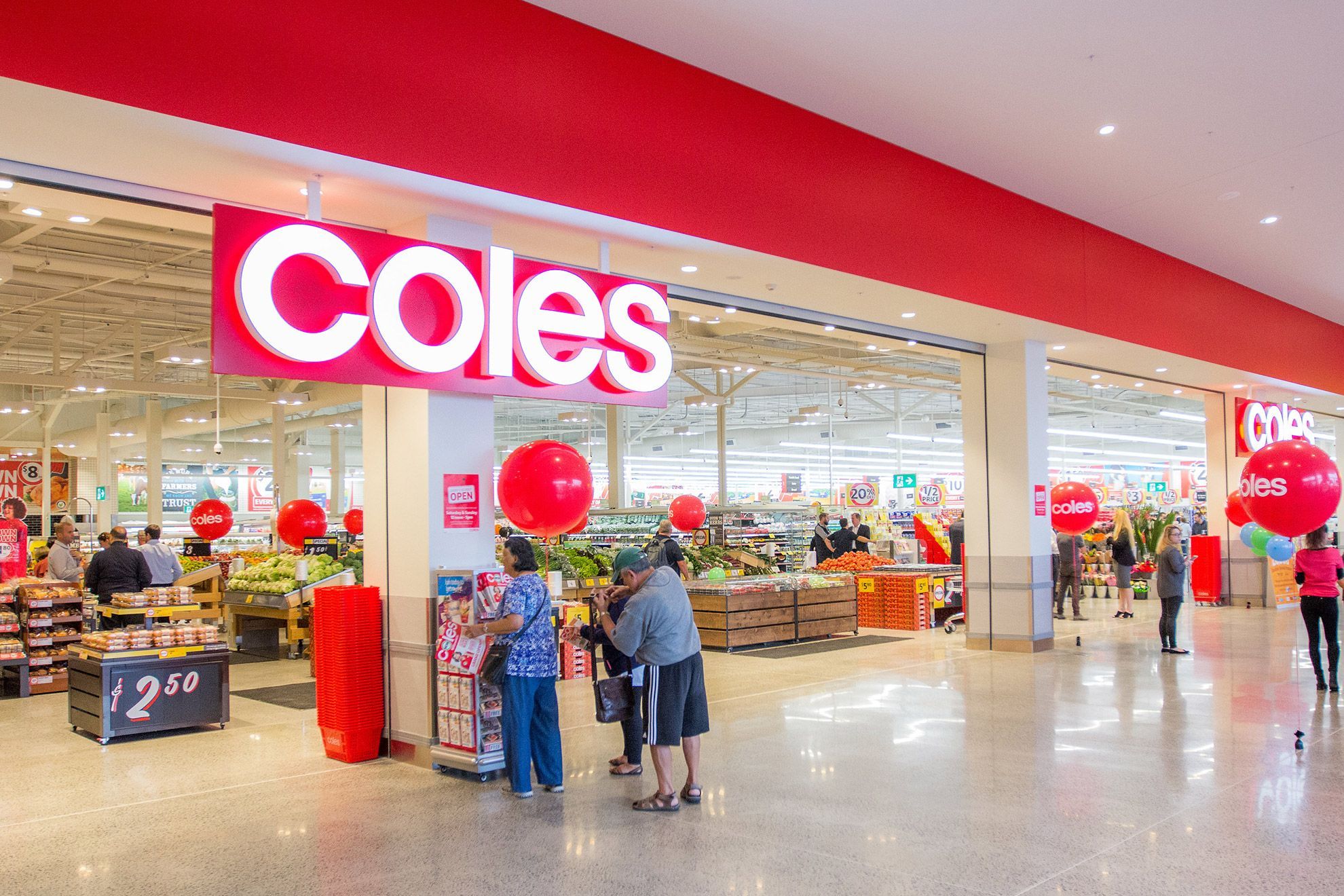
    Coles, a leading supermarket chain in Australia, has disclosed plans to shutter its store on Melbourne’s infamous Elizabeth Street due to the location’s ongoing issues with crime and antisocial behaviour. The location, which has once again come under the spotlight following two separate machete attacks recently, is situated across from Melbourne’s Flinders Street station. The Coles Central store shares its vicinity with Woolworths Metro, located just a few doors down.

    A Strictly Commercial Decision

    Coles has stressed that the decision to vacate the premises at the end of their lease agreement in 2027 is purely a business move. This will result in the supermarket maintaining only one store in Melbourne’s Central Business District (CBD), based in Melbourne Central.

    The supermarket chain has recently made public its extended collaboration with Crime Stoppers Victoria, aiming to address the issue of crime within retail settings. Increasing instances of theft, abuse and hostility towards frontline workers have contributed to a progressively challenging environment within the retail sector, a Coles representative explained.

    Martin Smithson, General Manager of Supermarket Operations at Coles, stated that the rise in retail violence was absolutely unacceptable. He emphasized that the partnership with Crime Stoppers was just one of the steps being taken to tackle it, and called for a collaborative approach involving industry, retailers, government and police.

    Victoria: A Hotspot for Retail Crime

    Victoria, and particularly Melbourne, has been a focal point of Australia’s escalating retail crime issue. In 2025, the state recorded 95,181 criminal incidents at retail locations, marking an increase of 25.7% over the preceding decade.

    According to Chris Rodwell, CEO of the Australian Retail Council, the trend is irrefutable. Retail crime in Victoria continues to surge, posing a persistent, widespread threat to frontline workers and customers.

    Questions & Answers

    What is the reason for Coles’ decision to close its store on Elizabeth Street?
    The decision is strictly commercial, according to a Coles spokesperson.

    How is Coles addressing the issue of retail crime?
    Coles has announced an extension of its partnership with Crime Stoppers Victoria to help tackle retail crime.

    What has been the trend in retail crime in Victoria over the past decade?
    The state has seen a 25.7% increase in criminal incidents in retail locations over the past decade.

  • Nestlé Advocates for Simplified Food Labels in Bid to Demystify Scientific Ingredients

    Nestlé Advocates for Simplified Food Labels in Bid to Demystify Scientific Ingredients

    As consumer awareness increases, more people are inspecting ingredient labels and avoiding products that seem heavily processed. Nestlé, the global food and beverage company responsible for products such as Nescafe coffee and KitKat chocolate, has been advocating for the use of simpler, commonly recognized terms on packaging in the United States.

    This move aims to replace scientific names such as “ascorbic acid” with more familiar terms like “vitamin C” and “beta-carotene” with “vitamin A”. The goal is to prevent consumers from rejecting products with unfamiliar ingredient names, despite these ingredients being naturally derived or deemed safe by regulatory bodies. A former senior executive at Nestlé commented that sometimes the current way of labelling in the US can give off an impression of “Frankenstein food,” despite these being natural ingredients that consumers can recognize.

    Nestlé’s Efforts and Current Labelling Policies

    Nestlé has been in direct talks with Health Secretary Robert F Kennedy Jr’s team, discussing food labelling policies as part of the administration’s “Make America Healthy Again” initiative. The initiative aims to inform and educate the public about healthier food choices.

    Under current U.S. regulations, packaging often uses less familiar technical terms, which can discourage consumers from purchasing products and sometimes even compel companies to modify recipes to exclude certain ingredients. On the other hand, in Europe, the labelling depends on the intended use of an ingredient. For example, an ingredient used as an additive could be labelled as “antioxidant (ascorbic acid)” or simply as “vitamin C”.

    According to a report by Innova Market Insights, around 75% of North American consumers reconsider their purchases based on the ingredients list on packaging. The majority of consumers prefer real ingredients and an ingredient list that is easy to understand.

    Public Health Advocacy and the Food Industry

    While some public health advocates believe that simplified labelling can be misleading and allow large food companies to be vague about their use of additives, food companies are spending billions to remove artificial colors, preservatives, and additives in response to consumer preferences for simpler, more recognizable ingredient lists.

    Stefan Palzer, Nestlé’s technology chief, confirmed the company’s lobbying efforts, noting that it is a difficult task. The company aims to reduce ingredients that aren’t easily understood by consumers, without compromising on product safety, quality, or functionality. Palzer added that consumers globally prefer ingredients that look “familiar” and products with understandable labels.

    Industry groups such as the Americans for Ingredient Transparency coalition and the International Food Additives Council argue that technical ingredient names can unjustly stigmatize products, even when the ingredients themselves are widely accepted and considered safe. These groups include significant food and consumer companies such as Nestlé, Coca-Cola, PepsiCo, and Cargill.

    Questions & Answers

    What is the motivation behind Nestlé’s lobbying for simpler ingredient labels?
    Nestlé aims to replace scientific ingredient names with more commonly recognized terms to prevent consumers from rejecting products with unfamiliar ingredient names, even if these ingredients are natural or deemed safe by regulatory bodies.

    What is the current state of food labelling in the U.S.?
    Current regulations often require the use of less familiar technical terms on packaging, which can discourage consumers from purchasing certain products. This has prompted some companies to change recipes to avoid using these less recognizable ingredients.

    What is the stance of public health advocates on simplified labelling?
    Some public health advocates argue that using simpler labelling can be misleading and might allow large food companies to be non-transparent about the inclusion of additives in their products.

  • Vivienne Westwood Debuts Spectacular Four-Storey Flagship With Fine Dining and Bridal Salon in Beijing

    Vivienne Westwood Debuts Spectacular Four-Storey Flagship With Fine Dining and Bridal Salon in Beijing

    British luxury fashion brand, Vivienne Westwood, recently opened the doors of its first flagship store in mainland China. Located in Beijing’s Huamao district, the multi-story establishment effortlessly combines facets of fashion, hospitality, and dining in one comprehensive setting.

    Design and Offerings

    Situated across four floors, the boutique harmoniously blends raw industrial elements with eco-friendly materials, creating a modern space that embodies the distinctive aesthetic of the renowned fashion house.

    The store features an extensive selection of the brand’s offerings, ranging from womenswear, menswear, and accessories to a diverse array of classic and seasonal jewellery.

    On the third floor, customers can find the Vivienne Westwood Club. This 54-seat restaurant is built around an elegant marble bar featuring a unique gold-veined finish. The setting is further accentuated by dark timber interiors, comfortable banquette seating, and an exclusive chef’s table that can accommodate up to eight guests.

    Patrons of the restaurant can enjoy a diverse menu that blends European-inspired cuisine with Chinese touches. Among the culinary delights on offer are the Grilled Avocado Shrimp Salad and the Burrata ‘Clouds of Summer’. The restaurant also serves an array of cocktails, delectable desserts, and an assortment of bar snacks.

    Moving to the lower ground floor, there is a minimalist bridal salon that displays the exclusive Bridal 2026 collection. This collection includes 14 intricately designed gowns, separates, and accessories, all meticulously handcrafted in England and Italy.

    Additionally, the street-level floor hosts a Vivienne Westwood Cafe that offers a variety of takeaway beverages and light snacks for the convenience of shoppers on-the-go.

    Andreas Kronthaler, the creative director of Vivienne Westwood, expressed his enthusiasm about the new location, stating that Beijing’s rich cultural heritage made it a fitting location for the brand’s first flagship store in mainland China. He described it as a significant moment for the company to have a presence in Beijing and to offer the full spectrum of the Vivienne Westwood world to customers.

    Questions & Answers

    Where is Vivienne Westwood’s first flagship store in mainland China located?
    The store is located in Beijing’s Huamao district.

    What does the new Vivienne Westwood flagship store offer?
    The store offers a wide range of products including womenswear, menswear, accessories, classic and seasonal jewellery, as well as a bridal salon and a 54-seat restaurant.

    What cuisine does the restaurant in Vivienne Westwood’s flagship store serve?
    The restaurant serves European-inspired cuisine with Chinese influences. Key dishes include the Grilled Avocado Shrimp Salad and the Burrata ‘Clouds of Summer’.

  • Vincent Du: Trailblazing Salomon’s Expansion in Greater China as New Senior VP

    Vincent Du: Trailblazing Salomon’s Expansion in Greater China as New Senior VP

    Renowned sports apparel and goods company, Salomon, has announced the appointment of Vincent Du as the new senior Vice President and General Manager for their Greater China division. Du’s appointment is seen as a strategic move, considering his extensive industry experience spanning over two decades.

    Key Industry Experience

    Vincent Du is recognized for his significant contribution to the sporting goods industry. Before joining Salomon, Du served in crucial product development roles with Nike Global. His tenure at the company saw him contributing to the launch of several influential global footwear models, which have made considerable impact in the market.

    Future Endeavors and Focus

    In his new role, Du is expected to supervise various aspects of Salomon’s business operations across the Greater China region. This includes managing the brand, overseeing business operations, and leading the company’s strategic initiatives in the region.

    Salomon’s primary goal is to hasten retail expansion, strengthen its leadership in trail running, and create momentum across all divisions, including Run All Terrain, Apparel, Sportstyle, and Digital. With this in mind, the company aims to become the leading modern mountain sports lifestyle brand in China.

    Questions & Answers

    Who is the newly appointed senior Vice President and General Manager for Salomon in Greater China?
    Vincent Du is the newly appointed senior Vice President and General Manager for Salomon in Greater China.

    What is Vincent Du’s background in the sporting goods industry?
    Before joining Salomon, Vincent Du held key product development roles at Nike Global and contributed to the launch of several global footwear models.

    What are the key areas of focus for Salomon under Vincent Du’s leadership?
    Under Vincent Du’s leadership, Salomon aims to accelerate retail expansion, strengthen its position in trail running, and build momentum across Run All Terrain, Apparel, Sportstyle, and Digital divisions to become the leading modern mountain sports lifestyle brand in China.