Author: Mei Ling Tan

  • Riccardo Tisci makes magic at Burberry

    Riccardo Tisci makes magic at Burberry

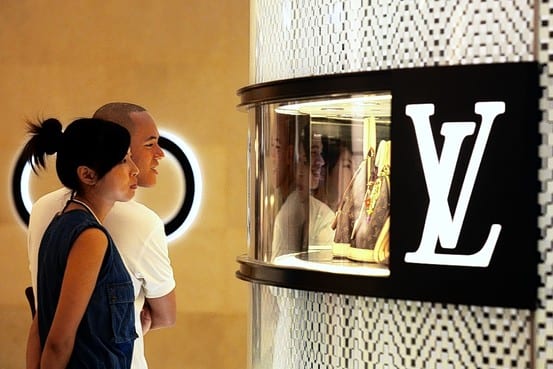
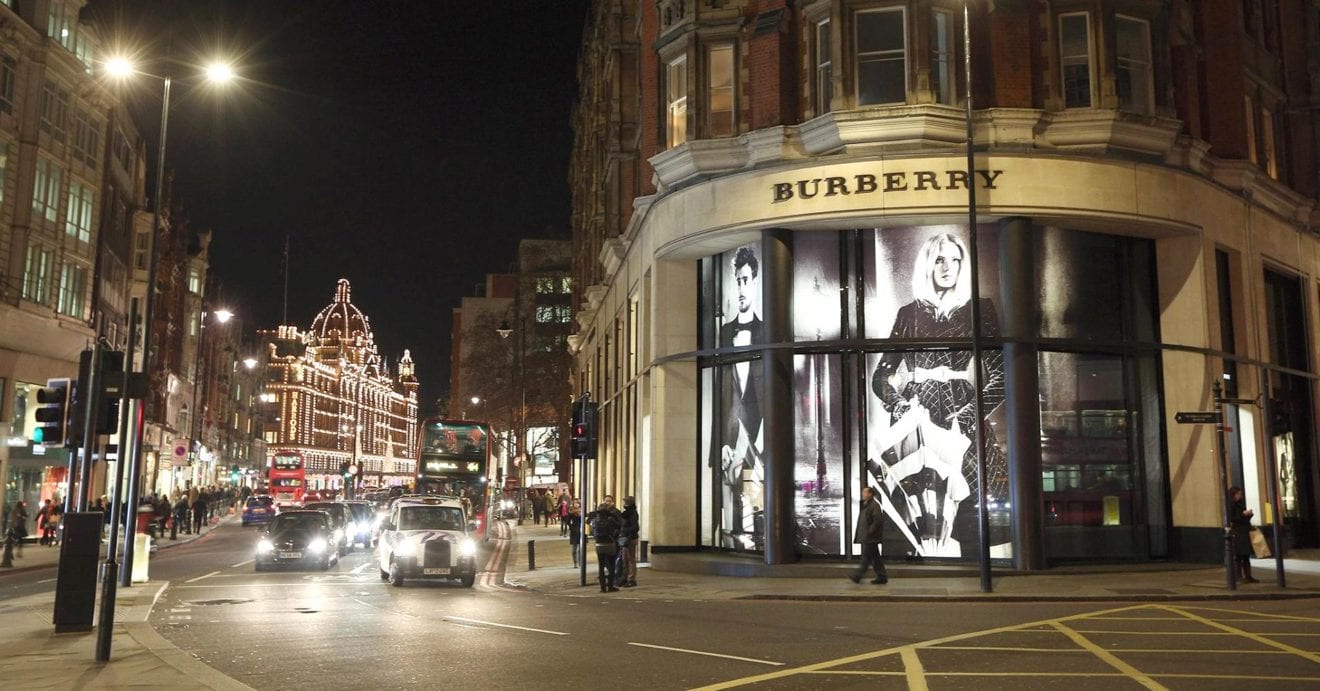
    Burberry is hailing the success of new creative director Riccardo Tisci as its June-quarter same-store sales grew by 4 per cent.

    Sales growth in China was up by the mid-teens, with Asia Pacific overall nudging 10 per cent.

    “This was a good quarter in our multi-year journey to transform Burberry,” said CEO Marco Gobbetti. “We increased the availability of products designed by Riccardo, while continuing to shift consumer perceptions of our brand and align our network to our new creative vision. The consumer response was very promising, delivering strong growth in our new collections.”

    The company described the response to Tisci’s designs as “excellent”, his collections delivering strong double-digit percentage growth compared to prior-year equivalent collections, and in line with Burberry’s expectations.

    The proportion of new product increased to around 50 per cent of the brand’s offer in mainline stores by the end of June.

    ‘‘Burberry’s transformation plan under new CEO Marco Gobbetti is starting to pay off,” observed Chloe Collins, senior retail analyst at GlobalData.

    She said much credit is due to Tisci, whose collections “offer a fresh and edgy revamp of the brand’s classic and neutral designs”.

    Burberry’s adept use of social media was also a factor in the recovery, with celebrity influencers such as Rihanna and Irina Shayk continuing to expand the brand’s reach and drive engagement with consumers.

    “Burberry must continue to invest in its social platforms to fight off other luxury players such as Gucci and Louis Vuitton, which are focusing on the channel to target younger shoppers. Burberry should more heavily promote its Instagram checkout feature to drive sales, as well as increasing brand engagement via marketing events.”

    Meanwhile, Burberry’s review of its retail network has seen 23 stores reconfigured to the new creative vision and led to a 2 per cent reduction in selling space, through the closure of non-strategic sites. Of 38 smaller stores selected for closure, nine have now been shuttered and in the wholesale space, Burberry is continuing to rationalise space in non-luxury US resellers.
  • Everstone to sell Burger King India franchise

    Everstone to sell Burger King India franchise

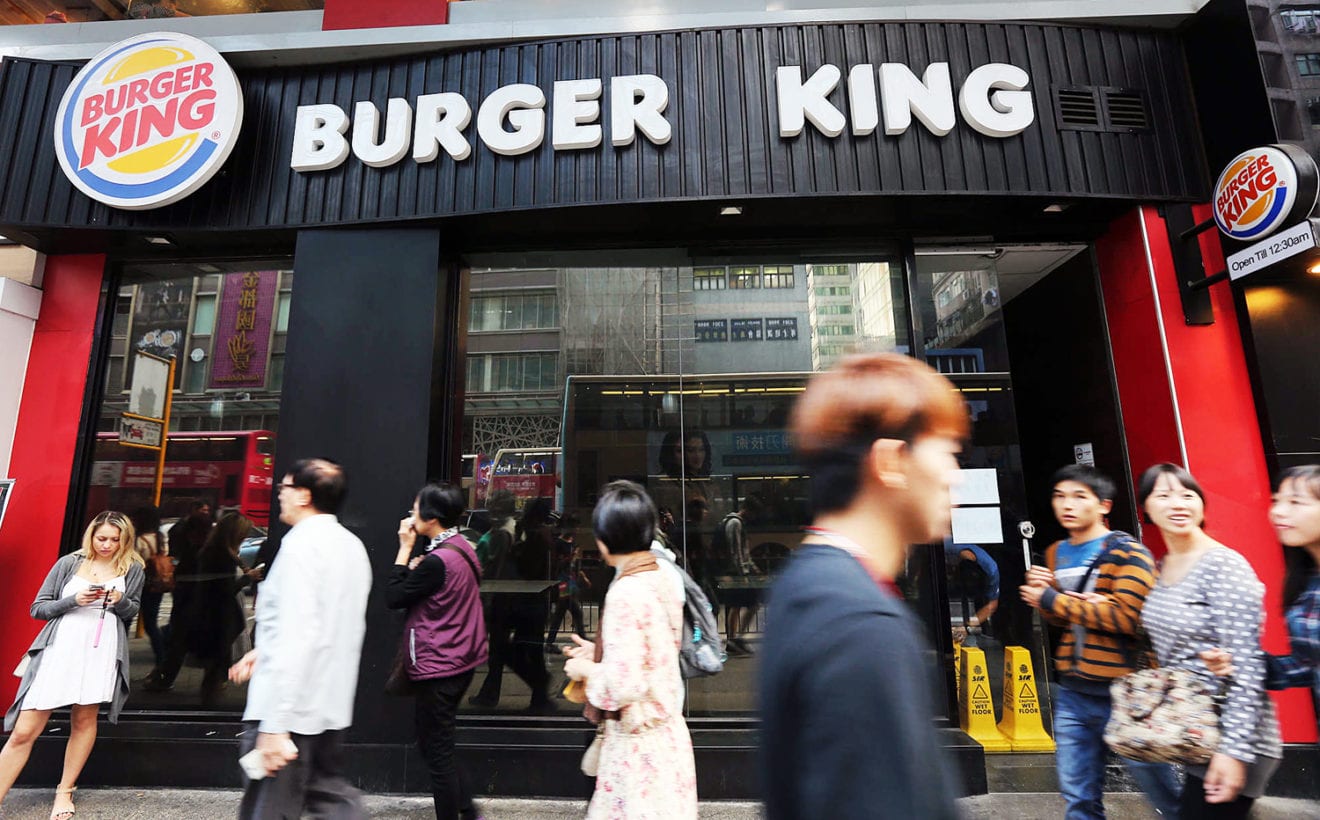
    Singapore-based private equity firm Everstone plans to sell its Burger King India franchise.

    The firm is reportedly in advanced discussions with Rahul Bhatia-controlled InterGlobe group to sell the franchise a deal worth US$204 million.

    The fast-food chain operates 140 outlets, spread across cities in north, west and south India. Last year, its sales reached $54 million.

    Everstone has managed Burger King India since 2013, along with Coffee Bean & Tea Leaf, Copper Chimney, Bombay Blue and Noodle Bar in India.

    The discussions between the two parties come at a time when Bhatia is in dispute with Rakesh Gangwal over their flagship airline IndiGo.

  • Harley-Davidson LiveWire Electric Motorcycle Unveiled

    Harley-Davidson LiveWire Electric Motorcycle Unveiled

    Harley-Davidson has unveiled the production version of its first electric cruiser and it is expected to go on sale in 2020. The Harley-Davidson LiveWire made its debut as a concept at the EICMA 2018 motorcycle show and at the Consumer Electronic Show (CES) 2019, the American motorcycle maker had announced that it will take pre-orders for its first electric model. Harley-Davidson intends to work on a complete range of electric motorcycles and the LiveWire will kick things off for the company in the electric mobility space. The bike maker has also revealed the pricing on the Livewire that costs $30,000 in the US (around ₹ 20.56 lakh).

    The LiveWire is powered by a new electric motor which Harley-Davidson calls the “Revelation” drivetrain. The new drivetrain uses a belt drive to power the motorcycle forward. The electric bike also comes with a number of advanced features like a telematics system called H-D Connect which gives data about the motorcycle’s battery charge and service reminders to the owner via Harley’s connected app. Harley-Davidson aims to make LiveWire the first cellular-connected electric motorcycle.

    The company has already revealed the specifications and details about the performance of the LiveWire and claims that it can clock triple digit speed in just 3.5 seconds along with a top speed of 177 km on a single charge. The manufacturer claims a range of 235 km on a single charge. Ride assist features on the LiveWire include traction control and anti-lock braking system (ABS) which will be assisted by an inertial measurement unit (IMU). Moreover, it also features a signature Harley-Davidson sound as it accelerates.’ Additionally, the LiveWire gets rear-set pegs, Brembo calipers and a steel trellis frame with inverted Showa forks and a monoshock at the rear. It is also packed with equipment like multiple rider modes, Bluetooth connectivity and a full-colour TFT instrument console.

  • Hong Kong protests may drive retail-sales slump

    Hong Kong protests may drive retail-sales slump

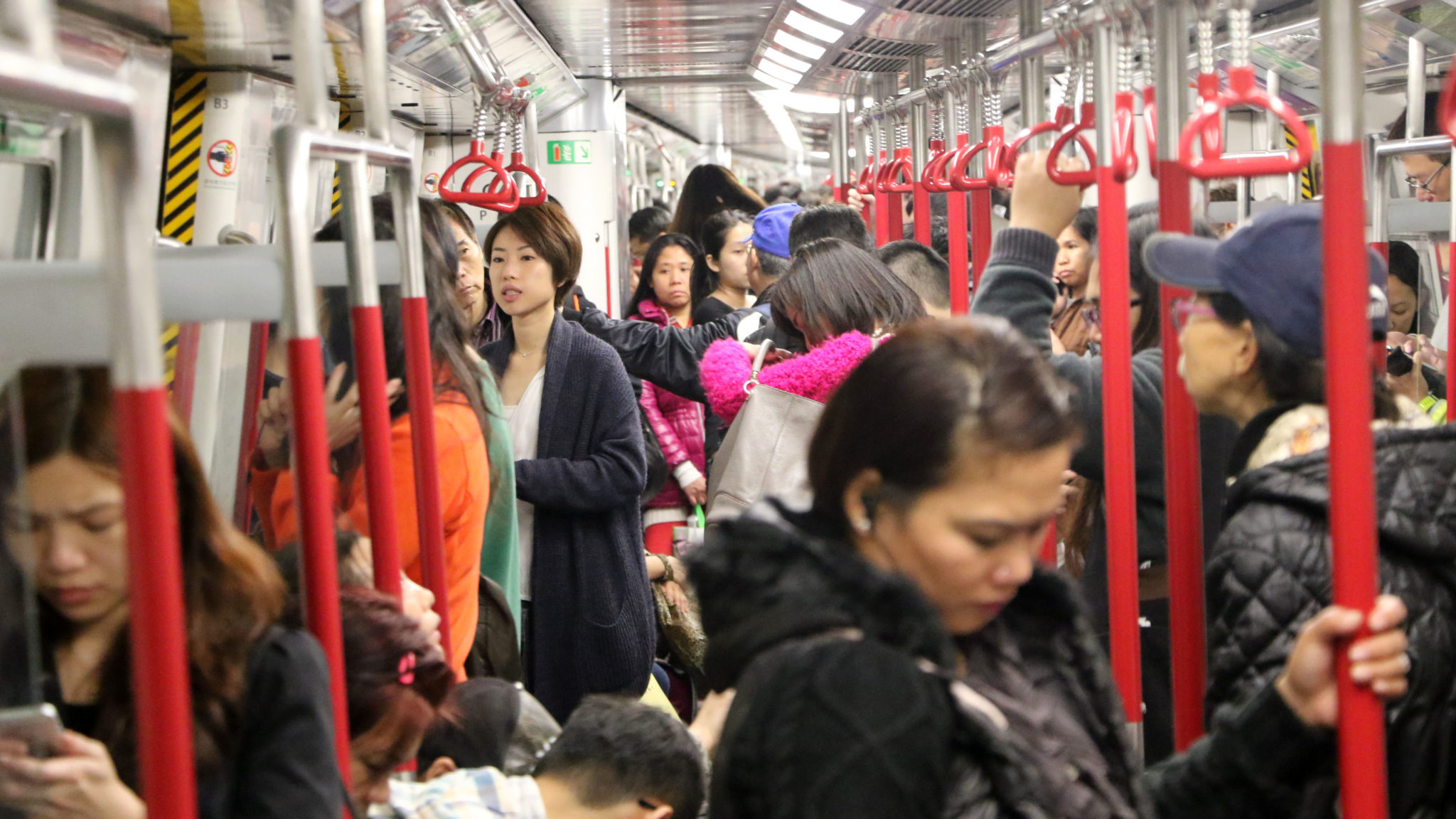
    The ongoing Hong Kong protests are eroding the sales of the territory’s retailers according to the HKRMA.

    “Depending on the performance of different retail categories, most member companies said the turnover in the first week of June recorded an average [decline] of double digits,” said the Hong Kong Retail Management Association in a statement we have translated from Chinese.

    “Activities are spreading across districts, and members expect business to be greatly affected,” said the HKRMA, noting that July and August mark the traditional summer-holiday sales season, but recent large-scale demonstrations, including one in a Sha Tin shopping mall last Sunday, may deter manilanders from visiting the city.

    “Large-scale parade activities have caused individual stores to suspend business. Not only are the retail companies under pressure, so is the income of store employees.”

    The HKRMA said the industry is worried that the ongoing protests will impact on Hong Kong’s reputation as a safe city, a food capital, and a great place to shop.

    “These large-scale parades have an impact on the life of the people and the business environment. If the situation persists, the association anticipates an annual decline of retail sales in the double digits.

    “The association appeals to the government to solve the problem peacefully at an early date and bring social order back on track.”

    The HKRMA called on employers and employees to maintain close communication during Hong Kong protests.

    “In the face of special circumstances, employee safety should be the most important consideration.

  • China·Chengdu Panda Cafe opens in Naples

    China·Chengdu Panda Cafe opens in Naples

    China·Chengdu Panda Cafe, a coffee house featuring panda elements, officially debuted in Naples, Italy last weekend.

    The cafe, presents Chengdu-themed performances to guests, quickly attracted local customers curious to try the brand’s unique “Chengdu Flavour” coffee. It also features a number of interactive events, including panda painting, calligraphy, and Chengdu-themed postcard writing.

    “Baby pandas” in the cafe warmly invite all Italians to “drink coffee today in Naples, and in 2021 drink Panda covered-bowl tea in Chengdu”. The activity serves as an invitation to the 31st Summer Universiade, to be hosted in Chengdu. Naples was the previous host of the sports event.

    To promote the opening, a Panda-themed flash mob performed the “Panda Swing Dance” at many famous scenic spots across Naples.

  • Noisy retailer Bonnie Vegetables fined again for noise violations

    Noisy retailer Bonnie Vegetables fined again for noise violations

    Local retailer Bonnie Vegetables and Fruit has been prosecuted once again for repeated violations of Hong Kong’s Noise Control Ordinance (NCO).

    The firm’s conviction that a booming, irritating promotional soundtrack was its best chance of luring customers to check out its produce has spectacularly backfired over the past year with snowballing fines now in excess of HK$110,000 (US$14,070).

    The business was hit yesterday with an $27,000 ($3450) fine from the Fanling Magistrates’ Courts for profoundly annoying local residents, as well as an additional $12,000 ($1535) fine against the company’s director, who was found criminally liable of contravening the NCO.

    The ruling follows a similar decision two months ago to slap an $8000 ($1025) fine on the firm – and another $5000 ($640) against the director – for exactly the same offense. That decision by the court was notable even then as the second prosecution of the business within a year for its exasperatingly persistent promotional racket.

    A spokesman for the Environmental Protection Department (EPD) said that during the inspections in December last year, the department discovered that three branches of Bonnie Vegetables and Fruit on Kwong Fuk Road and Heung Sze Wui Street in Tai Po, as well as Hop Choi Street in Yuen Long, were proudly broadcasting the promotional recordings through high-volume loudspeakers, causing considerable aggravation amongst nearby residents.

    After the series of law enforcement actions taken by the EPD, the number of noise complaints against the shops in Tai Po and Yuen Long has largely reduced. Considering Bonnie Vegetables and Fruit’s particular confidence in the effectiveness of its strategy despite previous reprimands, however, the chances of further appearances in court for the firm are not insignificant.

    More responsible retailers are reminded that promotional recordings should be contained within their shop area and should not cause a disturbance to people outside – otherwise, it constitutes an offence. Offenders are liable to a maximum fine of $10,000 for each offence. For repeat offenders, the relevant operators will also be criminally liable for the offences once convicted.

  • China Liberates Its Automotive Strategy To Support Hybrid Vehicles Sales

    China Liberates Its Automotive Strategy To Support Hybrid Vehicles Sales

    China is one of the biggest EV markets in the world and many global automakers have developed electric vehicles particularly for the Chinese market. However, some carmakers like Toyota and Honda have also invested heavily in the hybrid technology and have been expecting support from the Chinese Government to promote the sales of hybrid vehicles. Finally, it looks like that the Chinese Government will consider their demand and has started focussing on hybrid vehicles as well in its new strategy for the auto sector.

    Earlier this year, the Chinese government had introduced manufacturing and sales quota to promote new-energy vehicles which include electric cars, hydrogen fuel cell vehicles and plug-in hybrids. According to the quota rule, new-energy vehicle must account for 10 per cent of automakers fleet in 2019. The Ministry of Industry and Information Technology wants to amend the regulations and allow automakers to include more fuel-efficient hybrid vehicles in their line-up. Hybrid vehicles will be still categorised under the fossil fuel powered segment but will be classified as low-fuel consumption vehicles. The new rule is likely to help automakers in China to meet the environmental quota norms along with allowing them to add more hybrid vehicles in their product line-up.

    The current rule requires automakers to manufacture 20,000 high performance EVs for every one million hybrid vehicles. If EVs do not meet the performance standards, then they require to manufacture more than 20,000 units as hybrids are grouped along with petrol and diesel vehicles, under the same category. That said, the new proposed rule will allow automakers to manufacture only 6000 EVs for a million hybrid vehicles, while the number of EVs for one million petrol or diesel vehicles will be increased to 29,000 units. China is also world’s largest car market and hybrid vehicles being more fuel efficient and low on emission will help carmakers to achieve emission targets in such a high-volume market along with improving sales.

  • Tea chain Ten Ren Vietnam to close down

    Tea chain Ten Ren Vietnam to close down

    Ten Ren Vietnam will close all of its 23 stores on August 15, local franchise holder Vietnam Coffee Trading Service has announced.

    The company, whose main business is the fast-growing The Coffee House chain, said the current business model does not conform to the needs of the customer. It will close the chain and plan an “appropriate strategy” for the sector.

    The company wants to focus more on its Coffee House brand.

    All employees and partners of the Ten Ren chain will be offered the chance to transfer to The Coffee House.

    Ten Ren entered Vietnam in November 2017 initially planning 40 stores by the end of last year, but has fallen well short of that target. Its primary lines are milk tea and packaged teas.

    Given the brand is operated under a franchise it is likely the Taiwanese parent will seek a new operator for the market

  • LVMH takes stake in Stella McCartney House

    LVMH takes stake in Stella McCartney House

    LVMH has bought a cornerstone share in Stella McCartney House.

    Full details of the deal will be released in September, however LVMH has confirmed Stella McCartney will continue as creative director and ambassador of her brand, while holding majority ownership.

    LVMH’s archrival house Kering previously held a stake in Stella McCartney House until the celebrity bought it out in March last year. The two new partners said their arrangement will aim to accelerate Stella McCartney House’s worldwide development in terms of business and strategy, yet remain faithful to its commitment to sustainable and ethical luxury fashion.

    Stella McCartney will hold a specific position and role on sustainability within LVMH as special advisor to the chairman and CEO, Bernard Arnault, and the executive committee members.

    “Since the announcement of my decision to take full ownership of the Stella McCartney brand, there have been many approaches from various parties expressing their wish to partner and invest in the Stella McCartney House,” said McCartney.

    “While these approaches were interesting, none could match the conversation I had with Bernard Arnault and his son Antoine. The passion and commitment they expressed towards the Stella McCartney brand alongside their belief in the ambitions and our values as the global leader in sustainable luxury fashion was truly impressive.

    “The chance to realise and accelerate the full potential of the brand alongside Mr Arnault and as part of the LVMH family, while still holding the majority ownership in the business, was an opportunity that hugely excited me,” said McCartney.

    Arnault described the announcement as “the beginning of a beautiful story together”.

    “We are convinced of the great long-term potential of her house. A decisive factor was that she was the first to put sustainability and ethical issues on the front stage, very early on, and [she] built her house around these issues. It emphasises LVMH Groups’ commitment to sustainability.”

    Arnault said LVMH was the first large company in France to create a sustainability department, more than 25 years ago, and “Stella will help us further increase awareness on these important topics”.

    McCartney described partnering with the Arnaults and LVMH as a big step for her, her family, and the Stella McCartney team.

    “The brand has achieved so much since its launch, and this new partnership with LVMH is recognition of that work, but this I feel is just the start, and I look forward to a brilliant future together”.

    The deal announced overnight is subject to normal conditions, including the approval of competition authorities.

  • Google removes seven spying apps from the Google Play Store

    Google removes seven spying apps from the Google Play Store

    Security firm Avast’s mobile threat researchers found seven “stalker” apps from the Google Play Store. The apps were most likely designed by a Russian developer and spied on their targets. All of the apps were subsequently removed by Google, but not before they had been installed a total of 130,000 times in aggregate. Two of the apps, Spy Tracker, and SMS Tracker, were installed over 50,000 times each.

    The apps were made to help users stalk their kids, significant others, employees and others. They tracked the target’s location, collected his/her contacts, SMS and call history. However, for these apps to work, the person doing the stalking had to have access to the target’s phone and install one of the apps on that device. The snoop then used his email address and password to have the same app sent to his own phone. Once placed on the target’s phone, the app showed the spy how to eliminate any sign that it had been installed. No icon appeared to alert the person being stalked that an app had secretly been loaded on his or her phone.

    “These apps are highly unethical and problematic for people’s privacy and shouldn’t be on the Google Play Store. They promote criminal behavior and can be abused by employers, stalkers or abusive partners to spy on their victims. We classify such apps as stalkerware, and using apklab.io we can identify such apps quickly, and collaborate with Google to get them removed.”-Nikolaos Chrysaidos, head of mobile threat intelligence and security, Avast

    The apps that were removed included:

    • Track Employees Check Work Phone Online Spy Free
    • Spy Kids Tracker
    • Phone Cell Tracker
    • Mobile Tracking
    • Spy Tracker
    • SMS Tracker
    • Employee Work Spy
  • Thai bank invests in Go-Jek to take on Grab

    Thai bank invests in Go-Jek to take on Grab

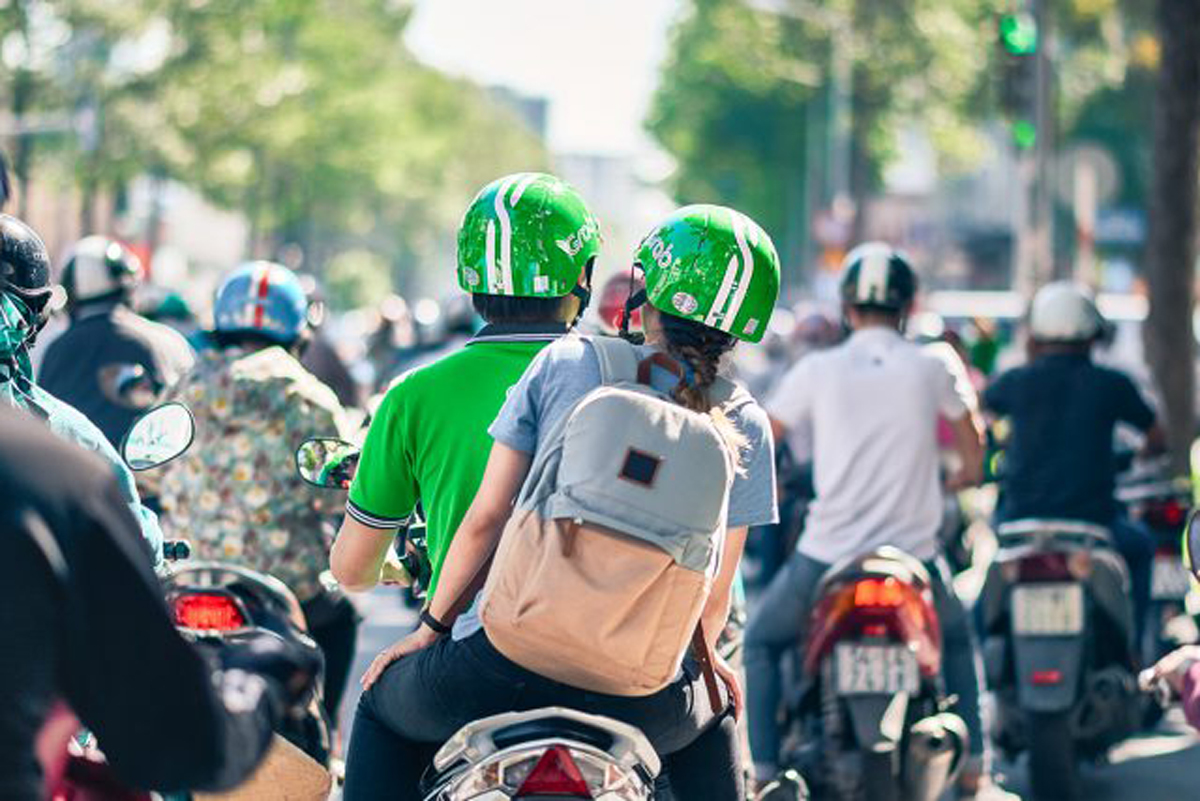
    Siam Commercial Bank has made a “significant investment” in Indonesian ride-hailing app Go-Jek.

    Go-Jek, which has an estimated valuation of around US$10 billion, will be offering financial services in partnership with the bank as well as expand its food delivery services in Thailand following the funding. It is expected to add SCB’s products in payments, digital lending and insurance to the available offerings on its app within the coming months.

    “Our products will be connected, SCB will oversee finance while Go-Jek and Get will look at digital and logistics,” said SCB president Arak Sutivong.

    Go-Jek has operated in Thailand under the brand name Get since earlier this year, where it is in competition with Singaporean ride-hailing app Grab.

    “We have more then 20 services, in Indonesia,” said Go-Jek’s head of international, Andrew Lee. “We will pick and choose the best playbook for Thailand and carefully curate that.”

  • Mercedes-Benz India Records 18.60 Per Cent Sales Decline In H1 2019

    Mercedes-Benz India Records 18.60 Per Cent Sales Decline In H1 2019

    The Indian auto market is under turmoil and luxury carmakers which account just 1 per cent of the market share are the first ones to bear the brunt of macro-economic headwinds. Mercedes-Benz which is the largest-selling luxury car brand in India has witnessed a sales decline of 18.60 per cent in the Indian market in the first half of calendar year 2019. The company has sold 6561 units in the January-June period this year against 8061 units which were sold in the same period a year ago. According to the German carmaker, high interest rates, inflationary hikes, liquidity crunch and rising import costs took a toll on sales. That said, the company still claims leadership position in the Indian market.

    Commenting on sales performance, Martin Schwenk, Managing Director & CEO, Mercedes-Benz India said, “We are glad to maintain the leadership position in the luxury car market by sustaining our sales performance despite facing continuous macro-economic headwinds and a temporary limited availability of volume models. We expect sales to recover gradually from the third quarter, however, conditions would continue to remain challenging. We are excited to retain our customers’ loyalty and sustain the market leadership by continuing our customer centric initiatives. As a fundamentally strong brand, Mercedes-Benz continue to remain bullish on the mid to long term prospect of the dynamic Indian market.”

    The Mercedes-Benz E-Class LWB continues to the bestseller for the company followed by the C-Class and GLC SUV. In the same period, sales of AMG models have gone up by 47 per cent. Ahead of the recent budget session, Mercedes-Benz along with SIAM and several other carmakers had requested the budget committee to reduce the GST rates on cars measuring above four-metres to 18 per cent. Companies were expecting to absorb the price hike with tax reduction which could have helped them to control the prices and in-turn would have improved sales.

  • Nexstgo to open 50 stores in India

    Nexstgo to open 50 stores in India

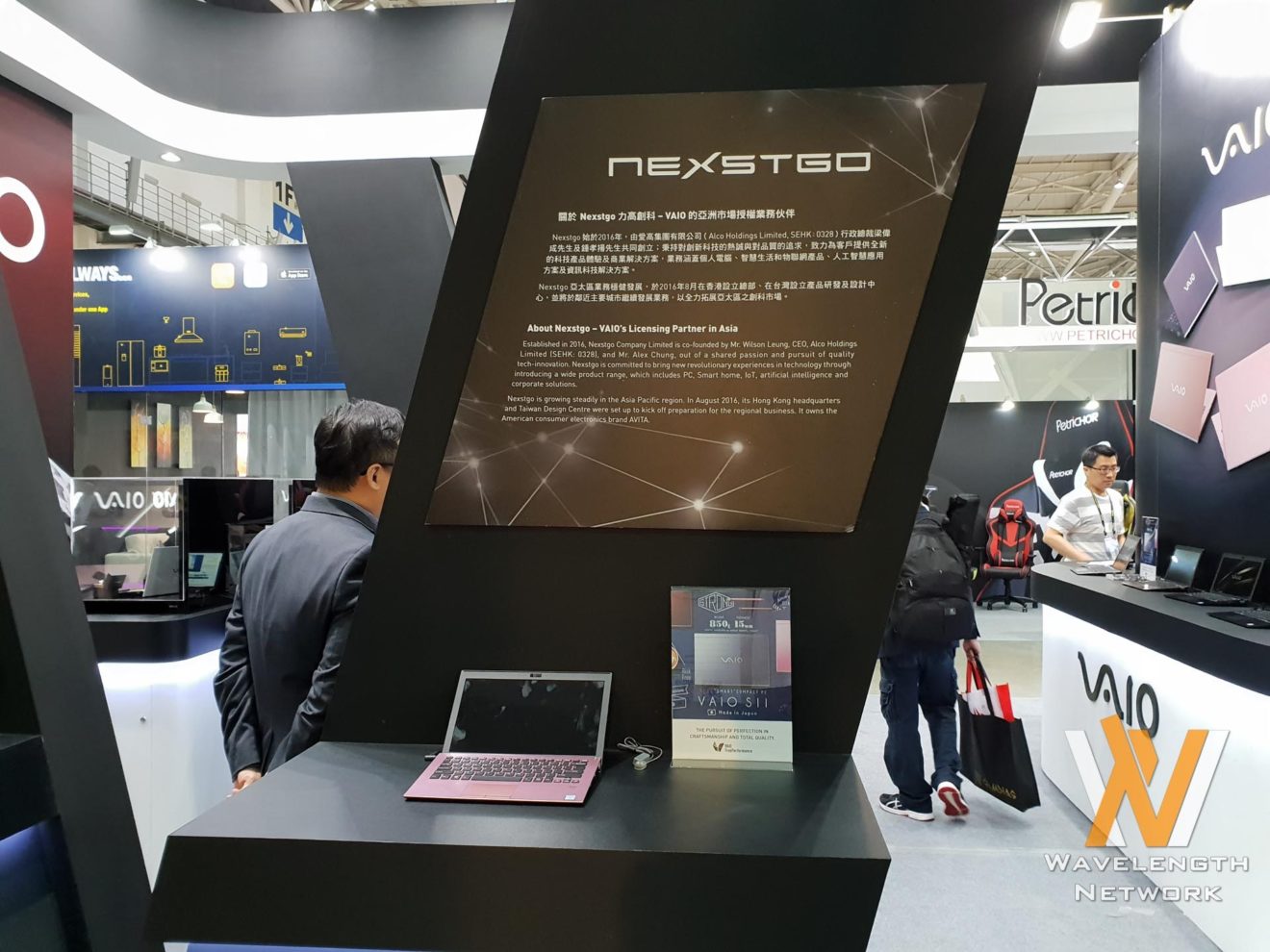
    Hong Kong electronics producer Nexstgo is launching 50 stores in India.

    The brand entered the market last year selling Avita and Nexstgo-branded computers online and through retail stores in Delhi, Ambala, Chennai and Jaipur. It is currently targeting laptop sales at one lakh (US$1450) this year.

    “We have seen a tremendous response so far and by the end of the year, we are confident of crossing the one-lakh device mark,” said Nexstgo Company CEO and co-founder Alex Chung.

    “We are also in the process of expanding our retail presence, we are looking at 50 exclusive brand stores.

    “We are looking at adding two new products to our portfolio by Diwali this year across the country… We aim to have an omni-channel presence to maximise our visibility with an equal focus on offline and online sales,” he added.

    Nexstgo also plans to expand into the Middle East and Europe by the end of this year. It currently operates in nearly a dozen countries around the Asia region.

  • Crimson Cup opens fourth cafe in Dhaka, Bangladesh

    Crimson Cup opens fourth cafe in Dhaka, Bangladesh

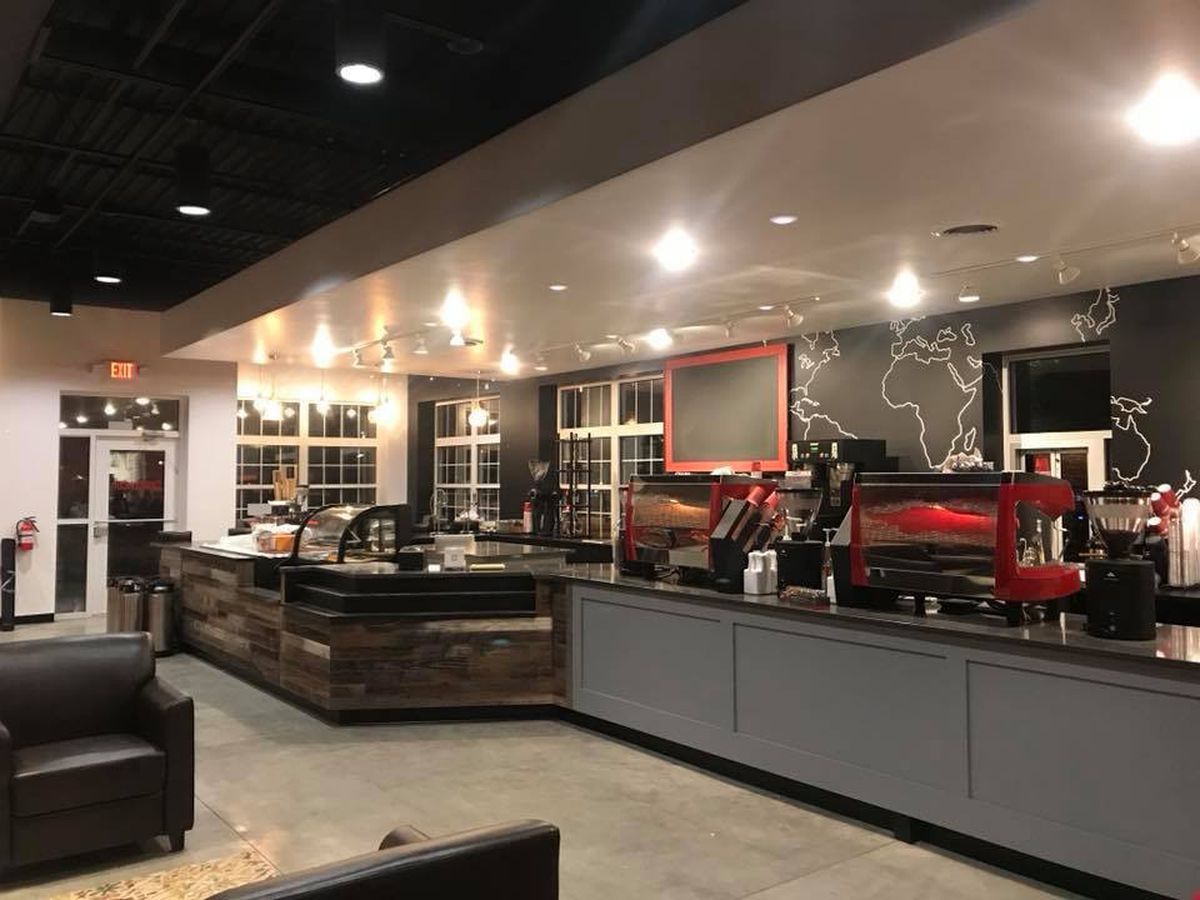
    US coffee roaster Crimson Cup Coffee & Tea has opened its fourth international coffee shop in Dhaka, Bangladesh.

    The new Rangs Fortune Square venue joins Crimson Cup Coffee Houses in the Banani and Dhanmondi neighborhoods.

    “Dhanmondi is a huge residential area with a multicultural population,” said MD Mohaimin Mostafa, “and our existing shop in Dhanmondi 27 was not sufficient to keep up with demand. Our second outlet in Dhanmondi makes it much easier for customers to reach us.”

    The brand features a brew bar where baristas hand-pour craft coffees discovered during Crimson Cup’s sourcing trips all over the world.

    After opening four coffee houses since 2015, the Crimson Cup Bangladesh team is continuing its plans for expansion. Managers are looking for locations in Sylhet and Chittagong as well as the resort city of Cox Bazar. They are also exploring development opportunities in India, Nepal and Thailand.

  • Microsoft London’s flagship store opens

    Microsoft London’s flagship store opens

    The new Microsoft London flagship store has opened, a stone’s throw from archrival Apple’s local store.

    Among those welcoming the public on the 22,000sqft store’s launch day was the US tech company’s UK CEO Cindy Rose, who said the store was a “symbol of Microsoft’s enduring commitment to the UK”, which allows people to “experience the best the company has to offer.”

    “Thank you for helping us make history today,” she announced.

    The spacious three-storey Microsoft London venue features plenty of wood and glass surfaces prominently showcasing a large video wall and the brand’s most advanced devices. It houses a dedicated gaming room and technical support area, as well as a selfie area and a design lab where visitors can create their own personalised covers for Surface devices.

    The store’s second floor enterprise area is a place to support, train and grow businesses using the Microsoft 365 software suite as well as to assist in solving business challenges such as AI, data security, collaboration and workplace efficiencies. It also contains an area for hosting events, as well as meeting rooms and a showcase space for demonstrating how customers – including Carlsberg and Toyota – are digitally transforming

    “There are very few locations in the world that feature all the different parts that make up what Microsoft is,” said chief marketing officer Chris Capossela. “The early adoption of technology in the UK has been very impressive. That’s important when the company is thinking about what investments to make and where to make them. This flagship would not be in London if we didn’t have a very strong commercial business in this country. We thought very deeply about this.”

    One customer at the Microsoft London launch, James from Reading, said: “I want to see what they can offer businesses. The outside of the store looks incredible; it’s a masterpiece of architecture.”