Author: Mei Ling Tan

  • Companies, workers struggle as cracks appear in China’s economy

    Companies, workers struggle as cracks appear in China’s economy

    Cracks are opening in China’s mighty economy: investors are backing away from deals, factories are moving abroad and companies are shedding jobs. The world’s second-largest economy is losing steam, hitting its slowest growth in almost three decades last year, and flagging further in recent months. While gross domestic product grew at 6.6% in 2018 – a rate that would be the envy of most nations – China’s efforts to cut its debt mountain have weighed on the economy.

    Private businesses in particular face new hurdles as costs rise and financing becomes harder to come by, while the trade war with the United States has not helped.

    Here is a look at some of the struggles faced by Chinese companies and people:

    Game over for gamers

    Feeding China’s addiction to video games seemed an easy bet for Beijing Yixin Technology, a tech startup behind the mobile game Farm Take Home.

    The game allows players to harvest wheat, raise chickens and plant apple trees – a bucolic refuge from the pressures of urban China.

    But in real life, the tech firm has struggled to find investors.

    “In December our company’s funding ran out, we had an investment lined up, but the money never came through,” said chairman Cui Yi. “This month I arranged another investor, then he backed out too. I think we can’t hold out.”

    His company is not alone.

    Venture capital funding dried up at the end of last year. Total investment in the fourth quarter fell 13% from a year earlier, according to data from Preqin market research.

    Policymakers are partly to blame, pushing a war on debt and financial risk that has cut the funding flowing into investment firms, industry insiders say.

    Another government diktat halted new video game approvals for months – officially due to youth gaming addiction concerns – sending firms like Beijing Yixin into a deep freeze.

    Trade war

    Other companies are facing the fallout from the trade war with the United States.

    More than a handful of exporters have sought to get around US tariffs by building factories outside China, according to a review of public stock filings.

    Others are sending workers home early for Chinese New Year or cutting overtime.

    Last month China’s exports fell.

    “It has hit our profits,” Harry Shih, manager of Runfine Bearings in eastern Zhejiang province, said of the trade war.

    Washington slapped 25% taxes on many types of ball bearings in July. Shih said he had shared the cost increase with his customers, roughly half of whom are from the US.

    “Business is going down for most companies including factories. Like me they have the same problems, profits are going down” as costs rise, said Shih.

    Job crunch

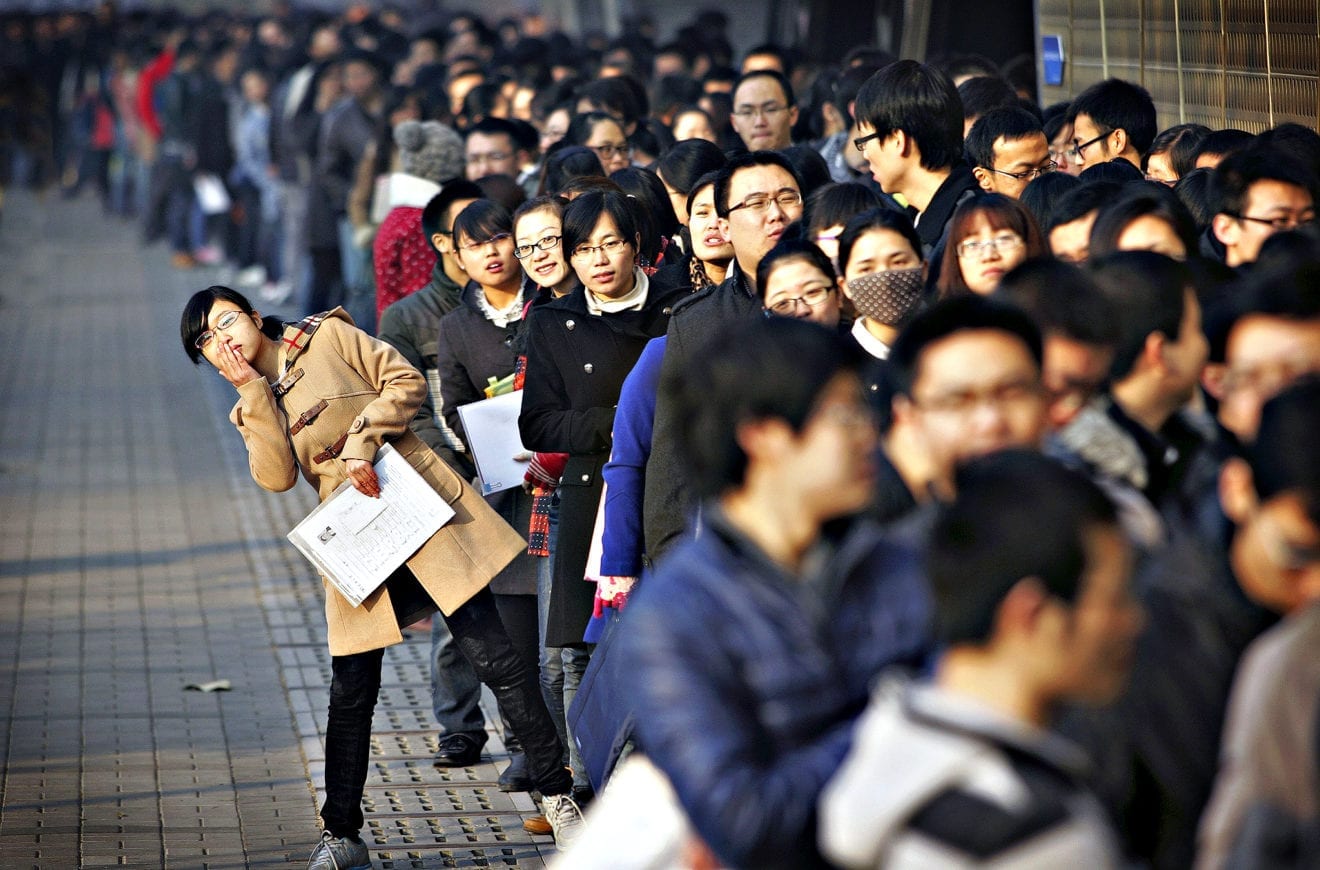
    Official data shows unemployment at a stable rate, rising slightly to 4.9% last month. But independent data paints a different picture.

    In October-December advertised tech positions fell by 20% from a year earlier, after declining 51% in the third quarter, according to data from Zhaopin, China’s largest recruitment website and Renmin University.

    China’s economy “faces downward pressure, and to some extent this pressure will be transmitted to the job market,” said Meng Wei, a spokeswoman for the National Development and Reform Commission, China’s state planner.

    A lawyer who consults on labour disputes, Guo Xuehai of Beijing Zhonghai Law Firm, said, “there are definitely more employees coming for help than before,” but added this was usually the case at this time of the year.

  • SEA e-commerce market to grow at 23 per cent

    SEA e-commerce market to grow at 23 per cent

    Southeast Asia’s online retail market is expected to reach US$53 billion in the next five years, according to a recent analysis by Forrester Consulting. The report anticipated a compound annual growth rate (CAGR) for the industry of 23 per cent over the period, given the momentum of smartphone penetration and fast-growing economies in the region. Currently the area’s largest online retail market is Indonesia – which took 41 per cent of Southeast Asian online sales last year – followed by the Philippines with its strong base of social media users.

    The report identified fashion as the main driver of growth in Southeast Asia’s online retail market, while consumer electronics retains the greatest market share at 24.2 per cent. Fashion and cosmetics brands launched online are likely to be a more regular marketplace feature in the near future.

  • Net-a-Porter launches kidswear with Gucci

    Net-a-Porter launches kidswear with Gucci

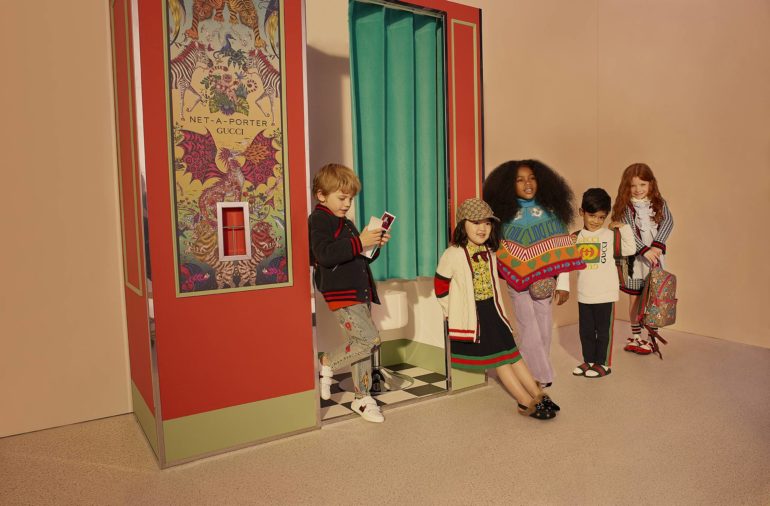
    After its Gucci and Dolce & Gabbana childrenswear pop-up e-shops generated a resounding “more!” from Net-a-porter.com customers, the retailer is launching a multi-brand kidswear collective. By “collective”, Net-a-porter.com means, quite simply, a tight edit of brands which have all created exclusive capsule collections for the website. Yeah Right NYC Kids, Alanui Kids, ATM Kids, Chinti & Parker Kids, Lingua Franca Kids, Golden Goose Deluxe and Veja make up the list of seven labels for girls and boys ages one to 12.

    “The new year felt like the perfect time to launch this collective,” Elizabeth von der Goltz, Net-a-porter.com’s global buying director, tells Mini Vogue. “It’s January – kids are back to school but there’s this idea of cosiness and wanting to feel comfortable.”

    The capsules, accordingly, reflect this: cashmere sweaters, comfy cardigans, track pants and trainers populate the new section. “Whether it’s for ourselves or for our kids, we are always thinking about wellness in January so this this an extension of that – it’s luxe athleisure for kids!”

    If the list of brands feels more offbeat than the global labels Net-a-porter.com first dabbled in the kidswear market with, this was intentional.

    “As an online global retailer known for our distinct fashion point of view, we wanted to take this and bring it to the kidswear market, creating something different from traditional retailers.”

    Von der Glotz is particularly excited about the patterned cardies from Alanui Kids collection and the mini-me versions of Golden Goose and Veja sneakers – two of Net-a-porter.com’s best-selling shoe styles.

    The e-tailer is confident it has quietly developed a recipe for success: “Our customers have been highly engaged with all of our kidswear pop-ups with most styles selling out within just a matter of weeks of launching,” she continues.

    Four out of five of the Gucci products sold were logo T-shirts, and the fifth was the belt bag. “It’s so interesting to see, as the pieces are in such high demand in our adult range too.” Starting them early is certainly paying off for the business.

  • Vietnam makes debut in Bloomberg innovative economy index

    Vietnam makes debut in Bloomberg innovative economy index

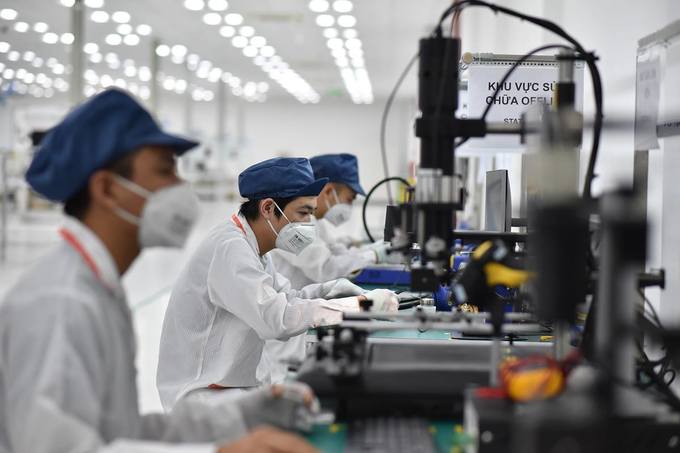
    Vietnam has for the first time entered the Bloomberg Innovation Index of the world’s 60 most innovative economies. It scored 45.92 out of 100 in the 2019 index. Other new entrants include India, Mexico and Saudi Arabia. Bloomberg said: “The index analyzes dozens of criteria using seven metrics, including research and development spending, manufacturing capability and concentration of high-tech public companies.”

    Vietnam’s highest rankings were 34th in high-tech density and 39th in patent activity. It ranked a lowly 59th in productivity.

    Its productivity in 2017 was among the lowest in Asia despite growth, according to the Vietnam Annual Economic Report released by the Vietnam Institute for Economic and Policy last year.

    An average Vietnamese worker made VND60.73 million ($2,600), lower than the rate for Cambodia, Indonesia Malaysia, the Philippines, and Thailand, it said.

    In the Bloomberg index, South Korea retained its top place from last year and was followed by Germany, Finland, Switzerland, and Israel.

    Other Southeast Asian countries were Singapore in sixth place, Malaysia (26th) and Thailand (40th).

  • Hyundai Mobis net swings to positive in Q4

    Hyundai Mobis net swings to positive in Q4

    Hyundai Mobis, Korea’s biggest auto parts maker, said Friday it shifted to net profit in the October-December period due to a low base effect. A net profit of 419.8 billion won ($374.1 million) was achieved for the three months that ended in December, from a net loss of 168.6 billion won a year earlier, the company said in a statement. The result was helped by the high level of corporate taxation reflected in the bottom line for the last quarter of 2017, but there were no such one-off outlays in the final three months of last year, a company spokesman said.

    Operating profit jumped 82 percent to 581.7 billion won in the fourth quarter from 319.4 billion won a year ago.

    Sales rose 9.3 percent to 9.644 trillion won from 8.822 trillion won during the same period.

    In the fourth quarter of 2017, operating profit was hit hard by a diplomatic row between Seoul and Beijing over the deployment of an advanced U.S. missile defense system, called Thaad, in Korea.

    Operating profit in the last quarter of 2018 rebounded following the easing of bilateral tensions.

    Sales climbed on the back of increased exports of high-end auto components and higher parts sales in after-sales markets despite the won’s strength against the dollar and currencies in emerging markets, the statement said.

    For the whole of 2018, net profit rose 21 percent to 1.888 trillion won from 1.558 trillion won a year earlier. Operating profit remained unchanged at 2.025 trillion won compared to a year ago. Sales also changed little to 35.149 trillion won versus 35.145 trillion won, it said.

  • China will flood US with its product

    China will flood US with its product

    Turnover in the Chinese retail industry will eclipse that of the US later this year, according to analyses. “Nothing is going to stop them,” said one commentator as new data emerged showing a fast-narrowing gap between the two markets. The fact China would overtake the US was never in doubt – China’s population of 1.4 billion is vastly more than the US population of 325 million.

    According to data from eMarketer, total Chinese retail sales will grow 7.5 per cent this year to reach US$5.636 trillion. But growth in the US is likely to be significantly slower at just 3.3 per cent, reaching $5.529 trillion.

    Not even the slowdown in China’s economic growth is likely to affect the figures – a rebound may even hasten the milestone.

    GlobalData Retail MD Neil Saunders says a big factor in the speed of China’s retail growth is the way the industry has evolved. In the US, retailers were established well before the advent of the internet meaning adapting to the new online environment has meant managing their brick-and-mortar stores while pursuing growth online.

    But in the US, the market began to mature in an online world, and online spending there will account for more than 30 per cent of total retail sales this year. In the US, online is predicted to account for less than 11 per cent.

    “The US retail environment grew up in a very different era,” says Saunders. “It grew up before the internet. There is a historical difference and an evolutionary difference, which has created this very different backdrop to retail.”

    The rapid rise of the Chinese retail industry has been fuelled by rising incomes across the country, the urbanisation of the population and a burgeoning middle class.

  • Vietnamese banks report plunge in profits

    Vietnamese banks report plunge in profits

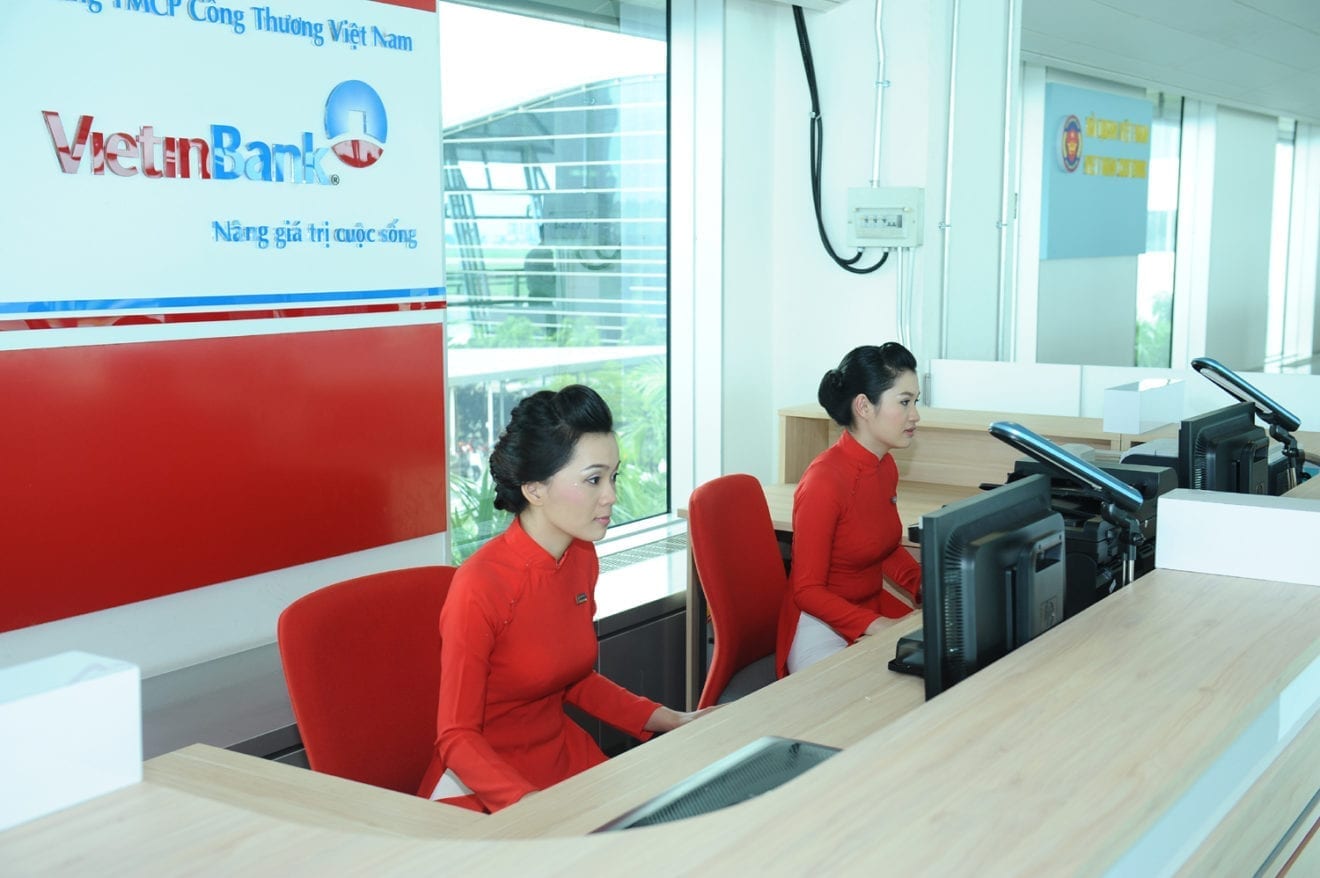
    While profit across the banking sector grew by an estimated 40 percent last year, VietinBank, LienVietPostBank and SaigonBank have reported steep declines. The biggest surprise came from state-owned VietinBank, the country’s second biggest lender by assets, which reported a 25 percent fall in profits before tax to go out of the group of five most profitable banks in the country.

    Le Duc Tho, its chairman, said this was a result of having to restrict operations last quarter to begin restructuring.

    Asset growth, credit growth and capital mobilization grew by 6-10 percent, lower than targeted.

    LienVietPostBank reported a 30 percent decline in profit before tax as a result of losses related to securities investments and low marginal interest rates.

    It achieved losses of nearly VND5 billion ($215,140) from securities investments whereas in 2017 it had made a profit of VND380 billion ($16.35 million).

    SaigonBank’s profit before tax fell by more than 26 percent due to provisioning for bad debts. The bank had to increase provision for bad debts by 22 percent to an amount equivalent to 87 percent of its profit from business operations.

    Its bad debts doubled in the first half of 2018 to nearly VND900 billion ($38.72 million), but by the end of the year it brought the rate down from 6.48 percent during mid-year to 2.2 percent. It involved provisioning of VND287 billion ($12.35 million).

    HSBC Vietnam CEO Pham Hong Hai said from 2019 bad debts could reemerge as a problem for banks after the recent lending spurt and the instability of the global financial markets.

    As a result, banks’ profits would most likely see a downward trend this year, he warned.

    The State Bank of Vietnam targets credit growth of 14 percent this year, the same as last year, and keeping non-performing loans to below 2 percent.

  • Dollar eases as focus shifts to Fed meeting

    Dollar eases as focus shifts to Fed meeting

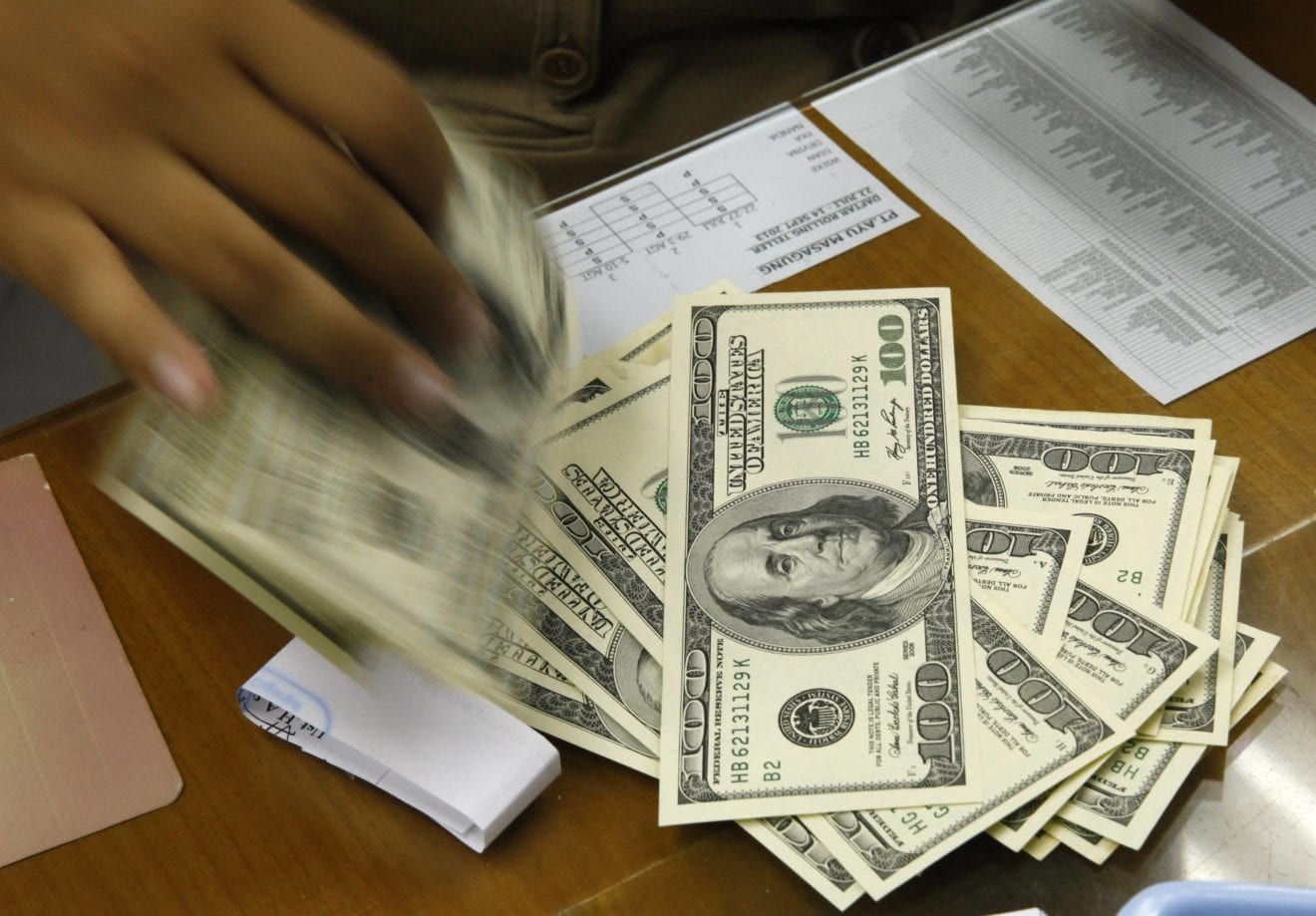
    The dollar eased versus most of its peers on Monday as investors turned their attention to this week’s Federal Reserve policy meeting, with traders wagering policymakers will signal a pause in their tightening cycle. The Federal Open Market Committee meets between Jan 29-30, and Chairman Jerome Powell is widely expected to acknowledge growing risks to the US economy as global momentum weakens.

    The dollar fell 0.2% versus the offshore yuan to 6.7406. The rally in the yuan also fuelled a bounce in the Australian dollar, which gained 0.18% versus the dollar to $0.7195. Kiwi dollar strengthened by 0.3% to $0.6859.

    “The general direction for the dollar is still down and markets will be taking cues from the FOMC this week,” said Sim Moh Siong, currency strategist at Bank of Singapore.

    “The Fed will most likely keep rates steady this year given the state of economic growth outside the US”

    The dollar index, a gauge of its value versus six major peers was marginally lower at 95.74, after falling 0.8% on Friday.

    A deal to reopen the US government for now after a prolonged shutdown also reduced investor demand for the safety of the greenback.

    ‘The re-opening of Federal government after one-month shutdown fuelled ‘risk on’ rally in the US equities and slashed demand for safe-haven currency like USD, leading to sharp decline of the dollar index last Friday,” said Margaret Yang, markets analyst at CMC Markets.

    Over the past two months or so, Powell and several other Fed policymakers have taken a more cautious approach on further monetary tightening, leaving the dollar underpowered after it enjoyed a boost from the Fed’s four rate increases last year.

    Traders are bearish on the dollar for 2019.

    Amid a weakening global economy and US-Sino trade tensions, the US central bank is widely expected to hold rates steady this year to avoid hurting growth at home. Interest rate futures markets are pricing in no rate hikes for 2019.

    Investors are also anxiously waiting news from high-level US-China trade talks on Tuesday and Wednesday to see if the world’s largest economies can reach a compromise that will end their trade war. President Donald Trump has threatened to hike tariffs on Chinese goods if there is no significant progress in the negotiations.

    The yen added 0.2% in early Asian trade at 109.34.

    The dollar has gained around 1.2% on the yen over the last two weeks. Not helping the yen was the Bank of Japan’s downgrade of its inflation forecasts last week when it also maintained its accommodative monetary policy, as widely expected.

    Moreover, Japanese investors have been net buyers of foreign bonds over the last few weeks, stoking demand for dollars. This likely explains why the safe-haven yen has not appreciated during this period even though risks of a global economic slowdown have rattled investor sentiment.

    The euro was marginally higher at $1.1411.

    The single currency managed to cling on to a 0.4 percent gain made last week despite the European Central Bank downgrading its growth forecasts for the near term.

    Growth data out of Europe’s economic powerhouses such as Germany and France has been weaker-than-expected and analysts expect the ECB to remain dovish for an extended period.

    Traders believe Europe’s slowdown and a dovish ECB are priced into the euro, which has traded in a $1.12-$1.16 range over the last three months.

    Sterling was marginally lower, fetching $1.3193.

    Cable gained 2.5% last week after a report in the Sun newspaper that Northern Ireland’s Democratic Unionist Party had privately decided to offer conditional backing for British Prime Minister Theresa May’s Brexit deal this week.

    However, Ireland’s Deputy Prime Minister Simon Coveney said on Sunday the backstop was already a compromise drawn up to meet May’s negotiating red lines, and the EU and Ireland were united in the view it “was not going to change”.

    Analyst expect sterling to remain volatile. Britain is set to leave the European Union on March 29, but the country’s members of parliament remain far from agreeing a divorce deal.

  • Sergio Rossi redefines the power pump

    Sergio Rossi redefines the power pump

    “It is a new definition of the power pump,” is how celebrity stylist Elizabeth Stewart describes styles from her capsule collection with Sergio Rossi. Stewart, who counts Julia Roberts and Viola Davis among her clients, celebrated the launch of the collaboration Thursday in Los Angeles at the Italian luxury brand’s pop-up store at Westfield Century City.

    Pumps and sandals in black, red and light pink are emblazoned with empowering words like “strength,” “hope,” “kindness” and “sharing.” The messages are meant to give women a chance to embrace style, substance and solidarity, with 100 percent of sales supporting Time’s Up, an organization dedicated to women’s safety and equality in the workplace.

    “I wanted the shoes to be a sort of a talisman for the wearer,” Stewart told Footwear News at the event. “First it was ‘strength’ and ‘power’. The idea being you can go on a job interview and you put them on and it gives you strength, but also I don’t want to forget things that women want to be, like kind and sharing. It’s a reminder and source of strength.”

    Sergio Rossi Group CEO Riccardo Sciutto said working with Stewart on the collection was an organic process as she has had a longtime relationship styling her famous clients in the brand’s shoes.

    “When you get trust, the relationship is stronger and it’s easy to do something together all the time,” Sciutto said, adding that it’s the label’s first time supporting a social movement issue.

    Though the words and messages on the shoes were easy to conceive, rendering them on the shoes proved to be a challenge. Initially, Serigo Rossi designers tried to emboss the verbiage, but the production technique used to pull the leather material made the words unreadable, Sciutto explained. To achieve the desired effect, the designers created a special technique to print the words in a slightly different but matching color on the material.

    Along with Stewart’s capsule, which is sold exclusively at the store through March 6, the space also features 37 different styles from Sergio Rossi’s resort ’19 and spring ’19 collections, as well as a customization bar.

    The temporary digs are a part of Sciutto’s retail expansion strategy in the American market. “Half of the business is in Asia, and the rest is split between Europe and America. America is the opportunity. It’s the smallest market for us,” he added.

  • Burberry sales saved by Mainland China

    Burberry sales saved by Mainland China

    A mid-single-digit rise in Burberry sales in Mainland China in the third quarter helped produce a solid result for the luxury fashion retailer. The strong China performance helped mitigate reduced footfall in the Americas and a subdued European market where tourist spending showed only a small improvement. Global same-store sales rose just 1 per cent.

    However, CEO Marco Gobbetti said the company was buoyed by improvements and ongoing customer excitement ahead of new product delivery – the launch of new creative director Tisci Riccardo’s first runway collection which will hit stores next month.

    “I am pleased with our progress in the quarter as we continued to build brand heat around our new creative vision and shift consumer perception of Burberry. Excitement is growing ahead of next month’s launch of Riccardo’s debut collection,” said Gobbetti.

    “We will continue to manage the business dynamically as we reposition the brand. We confirm our outlook for the full year.”

    He said the company was seeing a continued shift in consumer perceptions of the brand, driving increases in digital engagement and drawing endorsements from key influencers. Increased Burberry sales can only follow.

  • Vietnam’s largest brewery, foreign-owned, refuses to humor taxman

    Vietnam’s largest brewery, foreign-owned, refuses to humor taxman

    While Sabeco is still at loggerheads with the taxman over alleged back taxes of $135.73 million, it has not provisioned for it. Its 2018 accounts make no mention of the amount in dispute though the HCMC Tax Department has claimed it owes that in taxes and fines and even tried to seize the money from the company’s bank account. Vietnam’s largest brewer, Saigon Beer Alcohol Beverage Corporation (Sabeco), claims it has accurately declared and paid taxes based on guidance from the Ministry of Finance and tax authorities.

    A month ago the department said it would seize VND3.1 trillion ($135.73 million) from the brewery’s bank account for overdue special consumption tax payable between 2007 and 2015 and penalties for administrative violations. But there was reportedly no money in the account.

    Le Duy Minh, deputy head of the tax department, said the account has been temporarily blocked.

    “We have asked Sabeco to provide details of other bank accounts, but it has not fulfilled that request.”

    Sabeco general director Neo Gim Siong Bennett said in a statement on December 30 that Sabeco had not violated any tax regulations.

    Thus, the enforcement action by the tax department was a violation of Vietnamese laws since it was taken “without a valid administrative decision” and “contradicts the written guidance issued by the finance ministry, General Department of Taxation and the city department itself.”

    Speaking about the dispute, Prime Minister Nguyen Xuan Phuc earlier this month asked the tax authorities to desist from action and wait for related ministries and other agencies to come to a decision.

    Mai Tien Dung, Chairman of the Prime Minister’s Office said that government agencies are scrutinizing the case as it involves “foreign elements.”

    Sabeco’s revenues last year rose 5 percent to more than VND36 trillion ($1.56 billion) but higher expenses and falling profits at its joint venture and affiliate companies caused its profit after tax to fall by 11 percent to VND4.4 trillion ($191 million).

    In December 2017 Thai Beverage acquired a 53.59 percent stake in Sabeco from the Ministry of Industry and Trade for $4.84 billion through a local entity, Viet Beverage (VietBev).

    Sabeco now has a 42.8 percent of the beer market, according to the Ho Chi Minh City Securities Corporation. It produced nearly 1.85 billion liters of beer last year.

  • Retail project “Taikoo Li Qiantan” Shanghai opens door

    Retail project “Taikoo Li Qiantan” Shanghai opens door

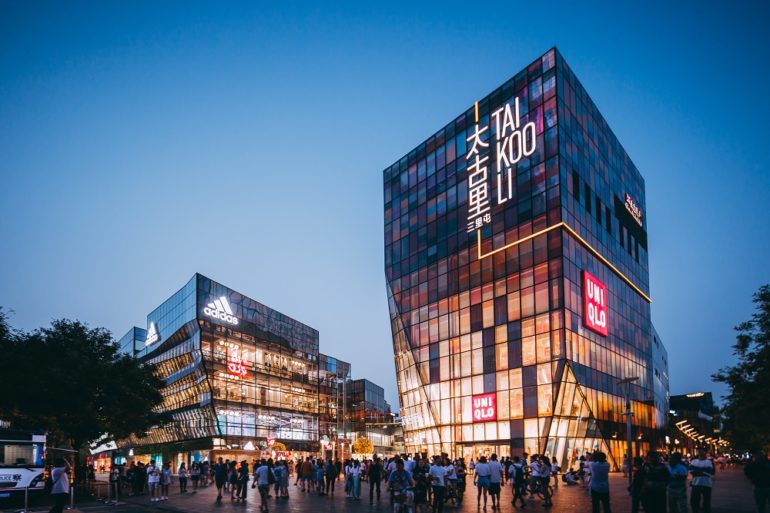
    Swire Properties and Lujiazui Group officially announced the naming of their joint-venture retail project as “Taikoo Li Qiantan”. Located in the heart of the Pudong Qiantan International Business District, this project embodies Swire Properties’ “Taikoo Li” concept, which is well-known for its distinct open-plan, lane-driven architectural design.

    Taikoo Li Qiantan will offer a gross floor area of approximately 1.3 million sq ft (120,000 sqm) and was created in accordance with a ‘naturalism’ design concept; blending elements found in nature with contemporary architecture. The project is a major component of a larger mixed-use development, which will also feature a 56-floor Grade-A office tower – “New Bund Centre” as well as a five-star luxury hotel – “New Bund Shangri-La Hotel”, both invested by Lujiazui Group.

    Qiantan is a new international business district and a rapidly developing hub for art and culture, business, entertainment, residential and world-class sporting facilities. The area is fast-becoming known for its high quality of life and excellent accessibility thanks to the well-developed transportation infrastructure. Qiantan is already home to many multinational corporations and global institutions, including New York University Shanghai and Wellington College International Shanghai. The project will be directly connected to the Oriental Sports Centre metro station which comprises three metro lines – offering direct access to major residential and commercial districts including Lujiazui, Xujiahui, People’s Square and Disneyland.

    Mr Xu Erjin, General Manager of Shanghai Lujiazui Group said, “Following the success of The Bund and Lujiazui, we are confident that the Qiantan International Business District will become yet another remarkable CBD, and our plan is to create a ‘Lujiazui 2.0’, which builds on the successful elements from Lujiazui.

    “Qiantan is quickly becoming a landmark area in Shanghai, and Taikoo Li Qiantan will be a valuable addition to this district, offering unparalleled retail, F&B and leisure experiences to local communities and the greater Shanghai population.”

    Mr Han Zhi, Director-Retail of Swire Properties, said, “Taikoo Li Qiantan marks our third ‘Taikoo Li’ project in Mainland China building on the success of Taikoo Li Sanlitun in Beijing and Sino-Ocean Taikoo Li Chengdu. We are delighted to bring this distinct retail experience to Shanghai. By once again combining local elements with the Taikoo Li concept, we are confident that our second major investment in Shanghai, after the successful launch of HKRI Taikoo Hui in 2017, will become a new retail landmark for residents and visitors.”

    Taikoo Li Qiantan has commenced the leasing process, and is scheduled to open in phases beginning from the end of 2020.

  • At Kia, sales go up, but profit doesn’t follow

    At Kia, sales go up, but profit doesn’t follow

    Kia Motors’ sales expanded last year, but profits faltered. Korea’s second-largest carmaker by sales said Friday it posted 94.3 billion won ($84 million) in net profit for the fourth quarter last year, a 10 percent drop year on year.
    Though the carmaker’s revenue in the fourth quarter increased by 3.6 percent to 13.47 trillion won due to increased sales, the company said the Korean won’s strength against the U.S. dollar dragged down profits.

    A similar trend is evident in the company’s annual earnings report. The company posted 54.17 trillion won in revenue for the whole of last year, a 1.2 percent increase from the previous year. Global sales also increased by 2.4 percent during the year, selling more than 2.8 million units.

    Despite expanded sales, the company’s net profit was limited to 1.16 trillion won, a 19.4 percent jump from 2017, but still below market expectations or the company’s average profit recorded between 2014 and 2016.

    Profit in 2017 fell to below a trillion won due to a one-off cost of around a trillion won that was reflected that year after a local court ordered the company to make an overdue payment to employees.

    The goal this year for Hyundai Motor’s sister company is to ramp up profitability, especially in the U.S. and Chinese markets, with new car launches and stronger SUV lineups. The automaker also plans to tackle emerging markets like Russia and India with localized models.

    Kia is betting big on its Telluride SUV to turn its business around in the U.S. market. The largest SUV yet in Kia’s lineup will launch in the United States during the first half of this year.

    “As we launch new cars in the U.S. market including the Telluride SUV and new Soul crossover and diversify our product mix, we expect our profitability to improve,” said Joo Woo-jeong, chief financial officer at Kia, during a conference call with analysts on Friday. “The Telluride SUV was well received at the Detroit Motor Show and its image as an off-roader fits well with demands in the U.S. market.”

    The SUV was recently introduced during the North American International Auto Show in Detroit.

    For China, Joo said Kia will strengthen its local dealer network and better manage car inventories there to improve business. The company is also planning on launching dedicated SUV models for the Chinese market. While Kia sold 370,000 cars in China last year, it hopes to sell 410,000 cars this year based on the new strategies.

    Joo admitted that “China is the most difficult market for Kia” at the moment. Kia plans to sell a total of 2.92 million cars this year, a 3.9 percent increase from last year.

  • How to deal with centennials

    How to deal with centennials

    All eyes are on Southeast Asia as the world’s next consumer powerhouse, with its young population and increasing purchasing power. Almost 280 million centennials – those born since 1995, also known as Generation Z, currently call this region home. While the size of this new generation alone makes them attractive prospects for retailers, their distinct behaviours set them apart as the ones to watch to crack Asia’s hyper-competitive retail landscape during the next few decades.

    Born into the digital age and mobile natives, centennials will soon be one of the world’s most demanding consumer groups with high standards and expectations of the online-shopping experience.

    Here’s what we know about the centennials….

    Webrooming vs showrooming

    Almost all centennials in Southeast Asia use the internet as part of their buying journeys, but their route is much more converged than other generations. Latest research commissioned by Dentsu Aegis Network, Here Comes the Centennial reveals that centennials like to use both online and offline channels – 97 per cent browse for products online before purchasing online (‘webrooming’) and 90 per cent look for products in store before buying online (‘showrooming’). Detailed research is a key part of their buying decisions – whether online or offline – to ensure they get the best price, as well as the best quality by going into stores to experience the product. Some 70 per cent browse online to find the best price, while 67 per cent use the internet for checking out product details and specifications and 65 per cent are checking out reviews.

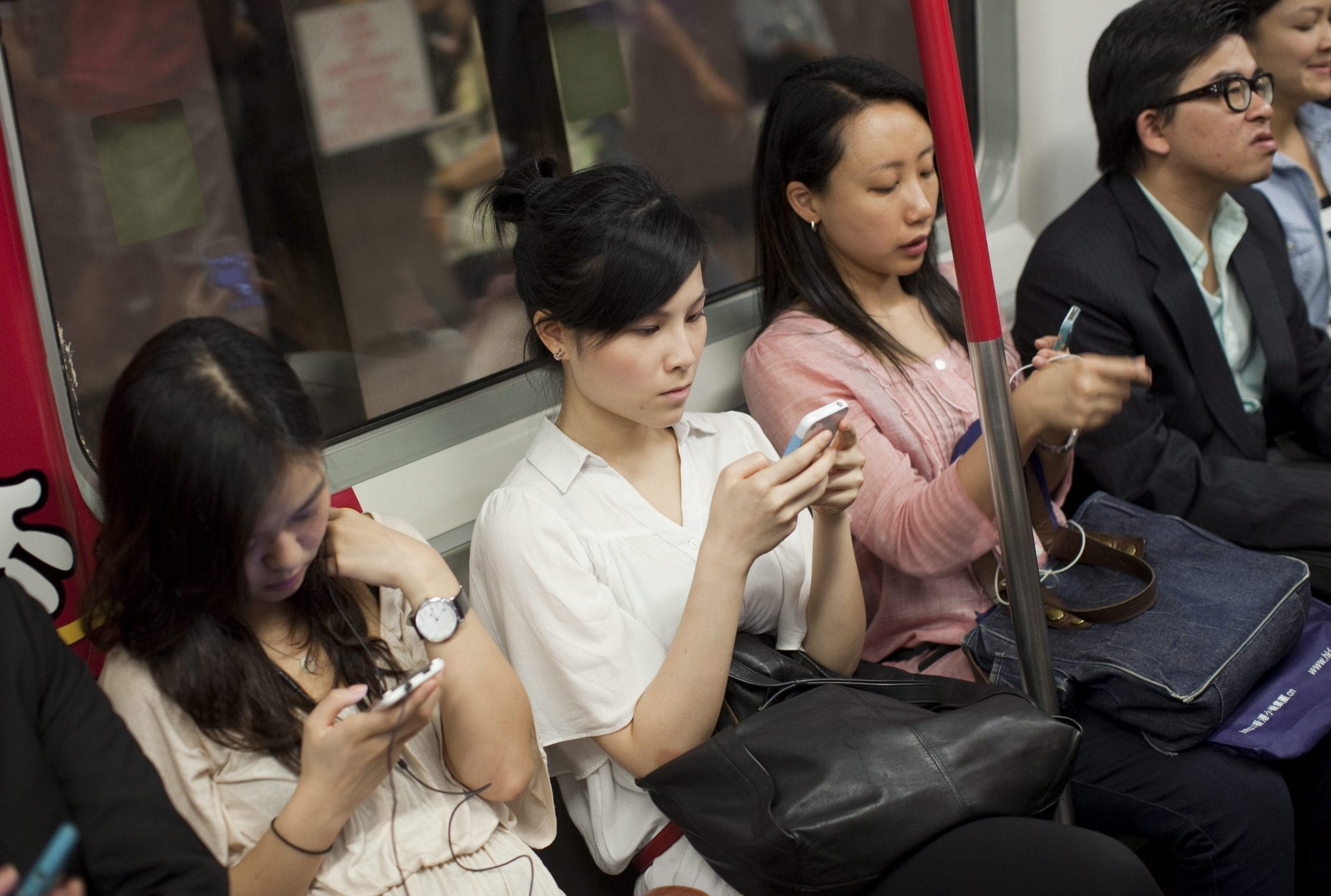
    Smartphones have also created an environment where centennials can browse products wherever they are, whatever they are doing – multi-tasking to the extreme. For example, 52 per cent look at products online while eating, watching TV or hanging out with friends or family, while 38 per cent do so while commuting, and 34 per cent browse products while at school or college.

    Centennials use social-media platforms differently to previous generations, as an important and intimate touchpoint in their purchase and decision-making journey.  Social media applications (47 per cent) such as Facebook and Instagram are the second most popular place for them to shop in, while 49 per cent turn to such platforms for research on their future purchases, rather than asking friends (45 per cent) or family (27 per cent). Even a good reputation with friends and family does not feature highly as a motivator to purchase – just 15 per cent choose this as an option.

    Digital natives

    As digital natives, centennials expect technology to be an integral part of the experience, and are highly optimistic about the use of technology.

    Eighty-two per cent of centennials are excited about futuristic shopping technology such as virtual reality. They demand fast-and-easy experiences that allow them to research and buy products with minimal frustration.

    To this audience, commerce has moved beyond “buying something on a website” to a series of interactions, from enticing them to view a product to providing a personalised purchase experience, to where and when the product should be delivered. In this context, online retailers need to focus on understanding the centennial customer journey, specific to the category being sold. This can be done by incorporating relevant technologies which seamlessly enhance engagement along the path to purchase. For example, the research showed that “Good customer service/reliability” ranks third among qualities of an online store with this audience, with delivering a superior and excellent customer service option using chatbots rather than call centres a more significant differentiator than low prices and free/fast delivery that every other marketplace claims to offer.

    Brand irrelevance

    Brand name and image are no longer a priority of centennials. Only 11 per cent of centennials cite having a prestigious or famous brand as one of their top three attributes when choosing where to shop online. Instead, personalisation and convenience are key, as 76 per cent of respondents are happy to share data with websites, if it makes more relevant recommendations.

    E-commerce payments provide a unique example of this; despite being digital natives, the concept of a cashless society has yet to fully take off for centennials in the six countries surveyed, with 56 per cent of respondents still preferring to pay cash on delivery for their purchases. Whilst preferring digital shopping experiences, the next generation of online shoppers enjoy having a variety of payment methods to choose from, and 43 per cent of centennials will readily abandon their purchases because their preferred payment option is not available.

    This is also accompanied by a shift towards values-based purchasing, with 82 per cent agreeing that they “prefer to buy products from ethical or sustainable brands,” while 70 per cent express a preference for local brands.

    With centennials less responsive to traditional campaign and brand-based purchasing, and increasingly influenced by disparate sources of dynamic information and opinions, retailers can no longer just rely on well-designed stores or brand campaigns to drive sales. Instead, driving a unified brand experience across multiple touchpoints will be key to unlocking the centennial consumer opportunity.

    This year

    So what does this all mean for retail this year and beyond?

    Southeast Asia’s internet economy is expected to exceed US$240 billion by 2025, according to research from Google and Temasek. One in two of centennials surveyed are already spending more than $30 per month online. Nine per cent indicated that they spend more than $100 a month – and as the centennial generation comes of age and joins the workforce, their disposable incomes will increase further.

    This combination of large populations, high connectivity and smartphone penetration rates, and increasing online spending power means the centennial opportunity in Asia is large and growing. We will increasingly see e-commerce technology accelerating this year to help create innovative and memorable brand experiences of the consumer.

    Centennials represent tomorrow’s consumer. They are looking for integrated solutions and a seamless experience that will allow them to purchase anywhere, anytime, and on their own terms. As this new group of consumers become increasingly elusive and multi-channel savvy, retailers need to harness creativity and technology in new ways. Combining new media and technology to deliver innovative and memorable brand experiences is the key to success – and brands are learning quickly in order to tap the huge centennial opportunity here in Asia.

    For example, in Thailand, Cotton USA worked with Vizeum and Isobar to launch the Cotton USA online store through an experiential shopping campaign “Shop the Runway”, partnering e-commerce marketplace 11Street.

    Targeted at the Centennial audience, Shop the Runway was the first real-time online shopping fashion show in Thailand which streamed the live programme on 11Street, while clothes from the catwalk were displayed in real time – within the same page – so viewers could purchase their favourite looks direct from the runway.

    At the heart of the campaign was a unique offline-to-online (O2O) feature within the 11Street mobile application which allowed fashion-show attendees to simultaneously view and shop the runway outfits.

    Shopping coupons were also given to all customers who downloaded and registered their details on the app to further encourage conversions. The campaign drew close to 500,000 campaign visitors, a 13 per cent increase in 11Street app downloads following the campaign, and ultimately boosted Cotton USA sales and brand awareness amongst the target centennial audience.

    Shop the Runway is one example demonstrating how brands can leverage technology and O2O features in innovative ways to reach consumers in today’s competitive e-commerce environment. Combined with a seamless shopping experience, and varied account and purchase options to suit different consumers, moments like these will attract tomorrow’s consumers on their terms, arrest their attention in a hyper-competitive commerce landscape, and allow brands to win in Asia’s digital-led retail landscape.

  • Viettel sole Vietnamese brand in global 500 listing

    Viettel sole Vietnamese brand in global 500 listing

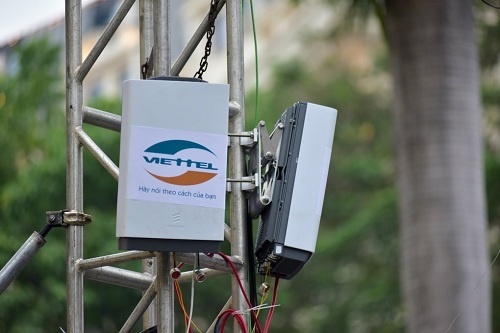
    Military-run telecom giant Viettel is the only Vietnamese firm in the list of 500 most valuable brands in the world. Valued at $4.32 billion, Viettel’s brand was ranked 478th on the list of 500 most valuable brands in the world for 2019, Brand Finance, a leading global brand valuation consultant, announced at the ongoing World Economic Forum in Davos, Switzerland.

    This is the first time a Vietnamese brand has been named in this list.

    Accordingly, Viettel’s brand value in 2019 has increased 35.8 percent year over 2018. The telecom giant’s high brand valuation was largely due to its presence and contribution in 10 foreign markets, suggesting the company was internationally competitive.

    2018 was a successful year for Viettel in  foreign telecommunication sectors, with service revenue growing by 20 percent, mobile subscribers base growing by 70 percent and net cash flow from international operations by $240 million, 3 percent higher compared to 2017.

    Brand Finance’s Global 500 list ranks the most valuable brands in the world covering all business fields including telecommunications, technology, automotive, oil and gas. Some big names in the list include Amazon, Apple, Google, Mercedes-Benz, Shell and Telstra.

    “Every year Brand Finance conducts an assessment of about 5,000 global brands across 40 different areas on various criteria such as revenue, brand strength, and financial health,” said David Haigh, CEO of Brand Finance.

    Out of a total 5,000 global businesses surveyed, there were 500 Southeast Asian businesses, of which only 8 brands made it to the Global 500 list. The listed brands were in three categories: telecommunications, oil and gas, banking.