Author: Mei Ling Tan

  • Asian stocks rise again on US-China trade talks optimism

    Asian stocks rise again on US-China trade talks optimism

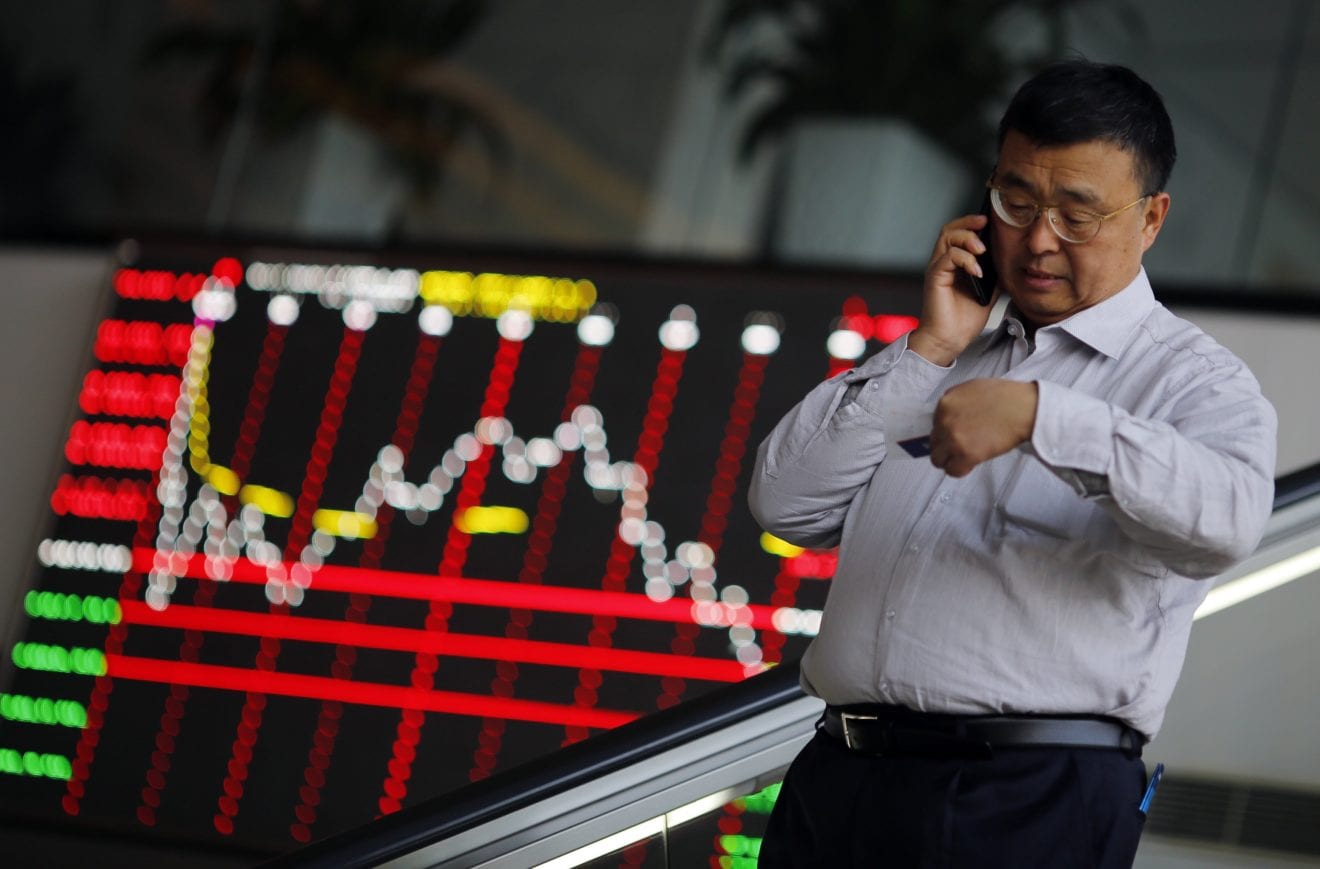
    Increasing optimism that China and the United States will be able to hammer out a deal to help ease their trade war provided the impetus for more gains across Asian markets today. After taking a battering in December and suffering a shaky start to 2019, confidence is slowly returning to equity trading floors, though dealers remain on edge. Federal Reserve boss Jerome Powell provided the platform for a rally last week when he said the central bank had no “preset” plan for lifting interest rates and was “listening” to markets, signalling that the pace of hikes could slow this year.

    Fear of higher borrowing rates was a major cause of last year’s stocks losses.

    The mood among dealers held this week as officials from China and the US hunkered down for trade negotiations in Beijing that have extended into a third day. US President Donald Trump on Tuesday described them as going “very well”.

    Bloomberg also reported White House sources as saying Trump is keen to get a deal done in order to boost stock markets, which he regards as a gauge of his success.

    And The Wall Street Journal said the two were moving in the right direction, with China ready to buy more US goods and services, while further talks at cabinet level were being lined up next week.

    The progress in talks “is fuelling investor optimism suggesting there might be a light at the end of the trade war tumultuous tunnel”, said Stephen Innes, head of Asia-Pacific trade at OANDA.

    Hong Kong rose 2.3% – a fourth straight gain that has seen the index put on around 5% – and Shanghai ended up 0.75%, while Tokyo closed 1.15% higher. Sydney jumped 1% with Singapore, while Taipei and Wellington were each more than 1% higher. Manila surged more than 2% and there were also gains in Mumbai and Jakarta.

    Seoul added 2% as North Korean leader Kim Jong Un visited Beijing with speculation swirling that he will meet Trump for a second summit later this year.

    The gains also come after a strong reading on US jobs creation Friday, which soothed worries that the American economy was slowing down.

    “When the dust settles, if it ever does, the fear of recession will prove to be premature,“ Bob Doll, an analyst at Nuveen Asset Management said.

    “We will have growth, yes, slowed from the 2018 pace and we will have… earnings, yes, slowed from the 2018 pace, but acceptable for investors and that will allow equity markets to move higher.”
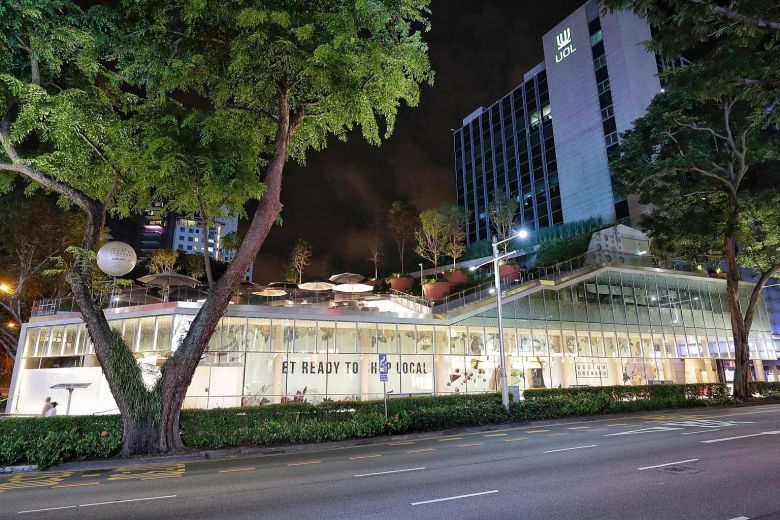
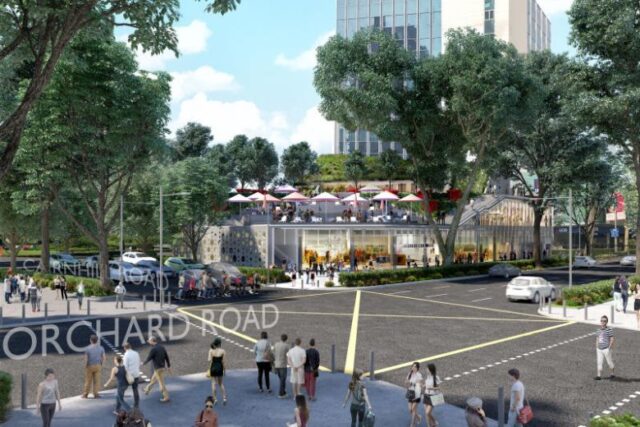
  • Design Orchard mall to open end of the month

    Design Orchard mall to open end of the month

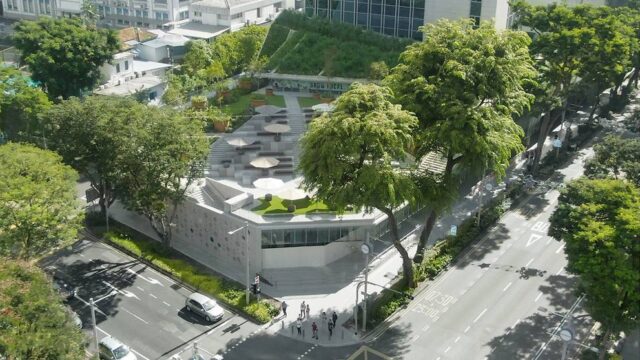
    Design Orchard mall is set to open on January 25 hosting 61 homegrown labels. The new Orchard Road mall, a joint venture between the Singapore Tourism Board (STB), JTC Corporation and Enterprise Singapore, is conceived of as a home and exhibition space for local design work. It features a 9000sqft first-floor retail showcase, second floor incubation spaces, and a rooftop events area. The first level is currently leased to local retailer Naiise.

    Featured supports for local designers include co-working spaces provided by Taff – equipped with professional sewing equipment, a fabric library and collaboration and networking opportunities with industry players – and a mentorship program from Naiise covering marketing and merchandising.

    “Singapore is home to many global brands,” explained STB’s director of retail and dining Ranita Sundra, of the rational behind Design Orchard mall.

    “As these brands become more ubiquitous, we noticed that more people are drawn to local products with a Singapore story. Design Orchard is thus an exciting opportunity for us to profile the best of Singapore talent under one roof.”

    “We hope that it will inspire local talents to join the community, where they can develop and grow their brands with access to mentors, programmes and facilities in a vibrant space along Orchard Road,” added director of products at JTC Wee Pei Yean.

  • Bamboo Airways cleared to take to the skies

    Bamboo Airways cleared to take to the skies

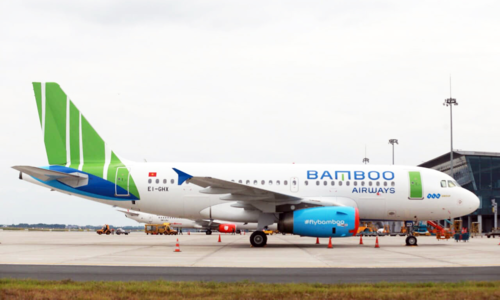
    Vietnam’s newest airline, Bamboo Airways, has received a certificate that allows it to operate aircraft for commercial purposes. The Vietnam Civil Aviation Authority Tuesday granted the Aircraft Operator Certificate (AOC) to Bamboo Airways. The AOC is a certificate approved by a regulatory authority that allows a carrier to operate aircraft for commercial purposes within a specified scope of activities. As such, the FLC Group’s startup airline has completed all necessary regulatory procedures for commencing commercial operations in Vietnam’s aviation market.

    “This AOC certification is a result of 4 years of effort, I believe it is an important first step for Bamboo Airways to serve passengers and devote themselves to the Vietnam aviation industry,” said Dang Tat Thang, CEO Bamboo Airways.

    After many delays, Bamboo Airways expects to start operating domestic flights with Airbus A321 NEO aircraft by mid-January. Bamboo Airways will prepare 20 planes for flight in the first quarter of 2019 and increase their fleet size to 40-50 aircraft by the end of the year.

    Thang said that at the moment, Bamboo Airways has fully prepared their personnel, technical and material assets and affirmed its fitness for operation through many activities including test runs, maintenance, engineering and other commercial transport activities.

    Bamboo Airways will operate 37 routes connecting all major cities and popular tourist destinations in Vietnam, as well as some international routes in 2019.

    The first routes of the country’s fifth carrier would connect Hanoi and HCMC, and from Hanoi and HCMC to central provinces of Quy Nhon and Quang Binh, and northern Quang Ninh Province.

    The new carrier plans start off with 60 domestic flights a day. Later this year, the company also plans to open international flights to Japan, Korea and Singapore.

    Bamboo Airways was founded in mid-2017 with a charter capital of VND700 billion ($30 million), which it increased to VND1.3 trillion ($55.68 million) recently.

    The airline has signed deals to buy 24 Airbus A320neo and 20 Boeing B787-9 Dreamliner aircraft worth a total of about $8.6 billion.

    The other four carriers in Vietnam currently are Vietnam Airlines, Vietjet Air, Jetstar Pacific and VASCO.

  • LG profit plunges, missing forecasts by a mile

    LG profit plunges, missing forecasts by a mile

    LG Electronics’ operating profit fell nearly 80 percent in the fourth-quarter of 2018 year-on-year, according to preliminary figures disclosed in a Financial Supervisory Service regulatory filing Tuesday.  The smartphone and household appliances manufacturer estimated 75.3 billion won ($67.0 million) in operating profit for the final quarter of last year compared to 366.8 billion won in the same quarter in 2017.

    The estimate is far below the 398.1 billion won forecast by analysts surveyed by FnGuide, a data provider. The company anticipated 15.8 trillion won in revenue from October to December last year, a 7-percent decline from the same period a year earlier.

    Analysts pointed to the slowing global smartphone market as a factor weighing on the company.

    “With the smartphone market currently in a slump, [the company] is unable to find an opportunity to recover,” said Kim Ji-san, an analyst at Kiwoom Securities in a report Tuesday that predicted disappointing earnings prior to LG’s announcement. “Demand has slowed as smartphone replacement cycles have become longer in high-value markets such as Korea and the United States,” Kim added.

    Meanwhile, the company estimated annual operating profit for 2018 at 2.7 trillion won, a 9.5 percent rise from the previous year.

  • World Bank sees slower global economic growth of 2.9% this year

    World Bank sees slower global economic growth of 2.9% this year

    The growth of the global economy is expected to slow to 2.9% in 2019 compared with 3% in 2018, the World Bank said on Tuesday, citing elevated trade tensions and international trade moderation. “At the beginning of 2018 the global economy was firing on all cylinders, but it lost speed during the year and the ride could get even bumpier in the year ahead,“ World Bank CEO Kristalina Georgieva said in the semi-annual Global Economic Prospects report.

    The World Bank outlook comes as the United States and China have been engaged in a bitter trade dispute, which has jolted financial markets across the world for months. The two economies have imposed tit-for-tat duties on each other’s goods, although there have been signs of progress.

    Growth in the US is likely to slow to 2.5% this year from 2.9% in 2018, while China is expected to grow at 6.2% in the year compared with 6.5% in 2018, according to the World Bank.

    Emerging market economies are expected to grow at 4.2% this year, with advanced economies expected to grow at 2%, the World Bank said.

  • Balenciaga launches first in-house eyewear line with Dover Street Market

    Balenciaga launches first in-house eyewear line with Dover Street Market

    French luxury house Kering has launched its first in-house Balenciaga eyewear line at British Dover Street Market stores. The new collection is exclusive to the DSM chain in the US, UK, Japan, Singapore and China, as well as the brand’s e-commerce channel. The high-end products are valued between US$290–570, with both sunglasses and prescription frames available.

    The Balenciaga eyewear line represents the first in-house Kering Eyewear product range. Previous Balenciaga collections were produced under Marcolin Eyewear, the creator of shades for numerous luxury labels.

  • Malaysian office space to remain vibrant despite influx of new supply

    Malaysian office space to remain vibrant despite influx of new supply

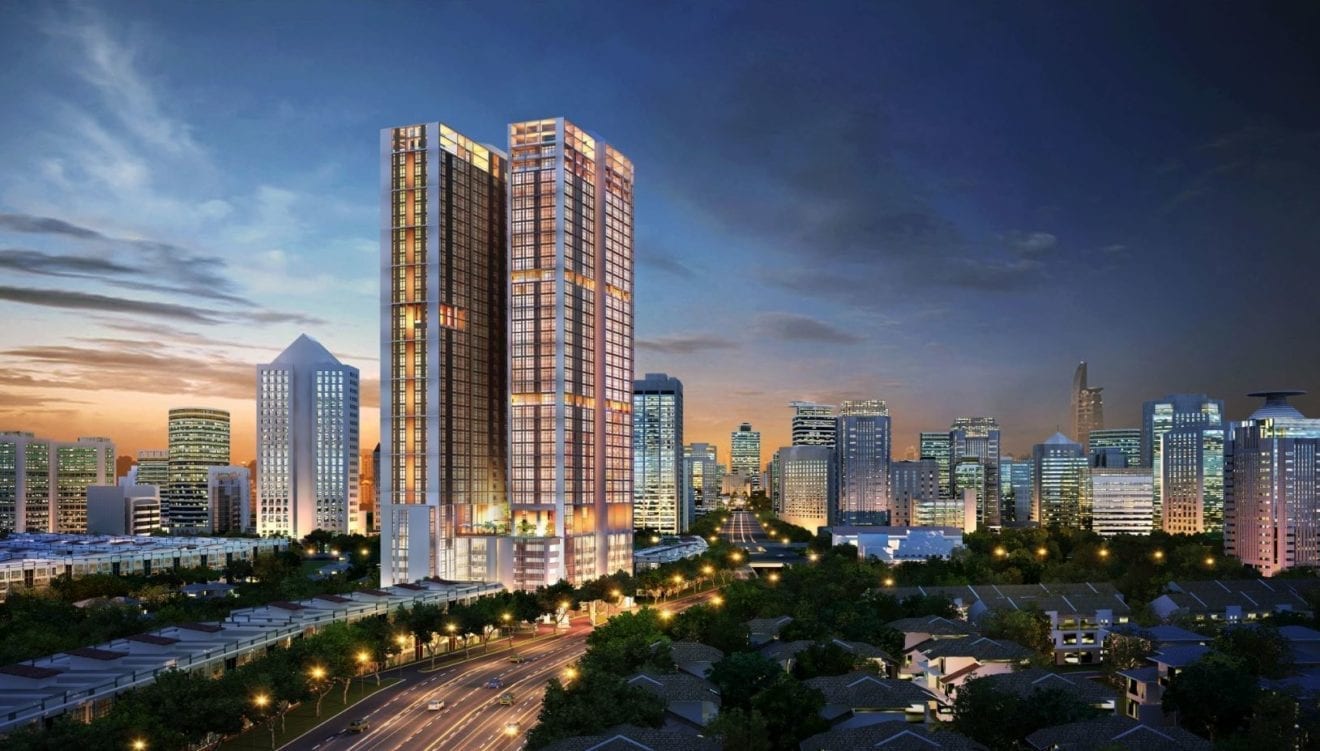
    The Klang Valley office market is expected to remain vibrant this year, despite the influx of new buildings which is expected to affect occupancy rates, said Knight Frank Malaysia. “Due to the influx of new buildings, particularly in TRX, occupancy rate in Kuala Lumpur city is expected to decline marginally. However, rental rates will continue to hold steady as newer buildings tend to command higher rental rates,” it said in its Real Estate Highlights 2nd Half 2018 report.

    The report highlighted the trend of co-working and shared services as a sweet spot in the challenging office market environment.

    Labelled “space as a service”, the rising popularity of this market segment is demand driven by freelancers, start-ups and small and medium sized entrepreneurs. Knight Frank expects to see active take-up by co-working, shared services and IT related industries this year.

    “Moving into 2019, occupancies in selected sub-office office markets are expected to be under pressure due to heightened competition from impending and existing office stock while rentals will continue to hold steady as newer buildings tend to command higher rates.

    “We continue to observe active enquiries and leasing activities in the co-working and IT related segments. Also, an increasing number of older buildings are looking into repositioning and refurbishment to meet current occupier needs,” said Knight Frank Malaysia executive director of corporate services Teh Young Khean.

    Dated but well located office buildings such as Menara Weld, Menara Standard Chartered, Menara Maxis and Menara Milenium will reportedly be undergoing repositioning/upgrading works to improve their market competitiveness in terms of rental and occupancy levels.

    Knight Frank noted that the new government’s concerted efforts to implement numerous regulatory reforms will augur well for the business operating environment and this is expected to be positive for the country’s economic and property market performance over the longer term.

    Looking back at 2H2018, the cumulative supply of purpose-built office space in Kuala Lumpur and Selangor stood at 103.17 million sq ft following the completion of six buildings with a combined space of 1.84 million sq ft.

    In 1H2019, office buildings slated for completion include The Exchange 106, Menara Prudential, Menara Star 2, 1Powerhouse and Symphony Square.

    Overall occupancy rate for Kuala Lumpur city was about 78.7% in 2H2018 compared with 79% in 1H2018. The overall occupancy rate for decentralised office locations in Kuala Lumpur fringe fell to 82.2% from 83.8% during the same period.

    In Selangor, overall occupancy was slightly lower at 78.3% in 2H2018 compared with 79.2% in 1H2018.

    The average rentals in Kuala Lumpur fringe and Selangor rose marginally in 2H2018 to RM5.75 psf and RM4.22 psf respectively compared with RM5.72 psf and RM4.20 psf respectively in 1H2018.

    However, average rental in Kuala Lumpur city remained flat at RM7.15 psf as owners and landlords of newer office buildings offered competitive rental and attractive tenancy terms to improve take-up.

  • Hyundai Korea recalls diesel vehicles for emissions issue

    Hyundai Korea recalls diesel vehicles for emissions issue

    Hyundai Motor will recall about 79,000 diesel-powered vehicles to fix faulty emission-related components, the Environment Ministry said Tuesday.Korea’s biggest carmaker by sales is expected to recall 78,721 vehicles encompassing three different models due to problematic parts that emit excessive nitrogen oxide into the air. The recall will start Wednesday and be carried out for one and a half years, an official at the Ministry of Environment said.

    The three models are the 2.2-liter diesel-powered Grandeur sedan, the Megatruck and the Mighty truck.

    “The ministry recommended Hyundai to recall 30,945 units of the Grandeur diesel sedan due to a faulty emission part,” the official said over the phone.

    “As for the two truck models, however, the carmaker has voluntarily submitted its recall plan to the ministry, with an approval due to be made this week.”

    Hyundai’s recall plan is in line with the government’s push to reduce diesel-powered vehicles on roads and fine dust, which is harmful to your health.

  • KKR invests into lifestyle products

    KKR invests into lifestyle products

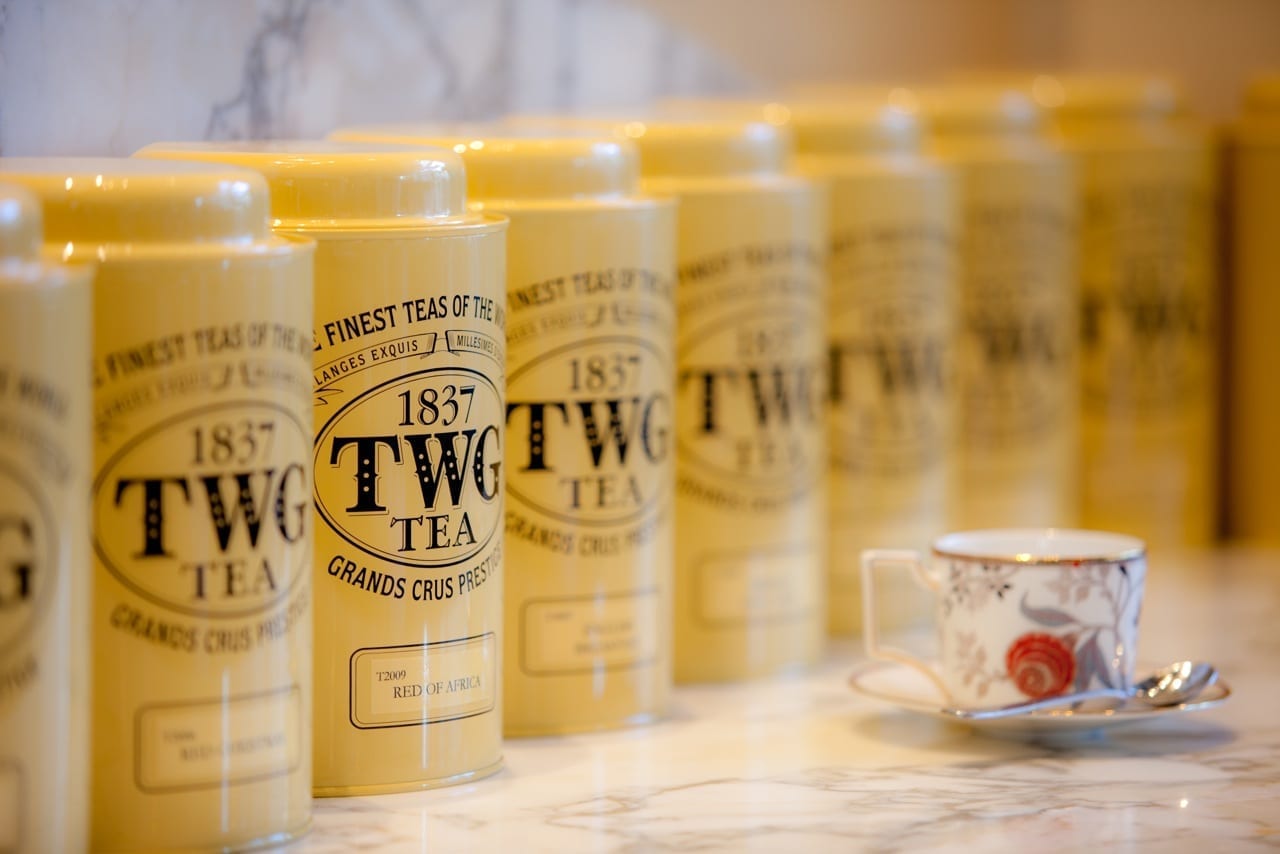
    Private Equity firm KKR has taken up a “significant stake” in massage chair and lifestyle products group V3, the owner of the OSIM and TWG Tea brands. KKR’s investment is up to S$500 million in V3, valuing V3 at an enterprise value of about S$1.7 billion. However,  Both parties declined to comment on the exact mix of equity and debt financing. KKR is making the investment from its Asian Fund III. What we know is that the investment by KKR represents more than 50 percent increase in enterprise value compared to when the group was taken private.

    Ron Sim remains the Chairman, Chief Executive and Controlling Shareholder of V3. He said: “I am extremely pleased to welcome KKR as a significant shareholder in V3. I am confident this investment will position the company for our next phase of growth, starting with the immediate expansion of TWG Tea in Japan and the US and of OSIM in China. We would also be looking into M&A opportunities that are earnings accretive.”

    KKR partner Jaka Prasetya said the investment underscores KKR’s strong belief in the continued growth of the region’s consumer sector: “We aim to provide support and capital to successful home-grown, regional companies like V3 in order to capture opportunities across Asia and beyond.”

    Headquartered in Singapore, V3 has a presence in over 100 cities in 26 countries around the world. The largest chunk of V3’s revenue comes from sales of OSIM massage chairs.

    V3’s annual revenue climbed back above the S$600 million mark last year, reversing the revenue decline owing to store closures in China in prior years. Profit also rose, Mr Sim said.

    The luxury lifestyle and wellness industry continues to be a sector of exciting growth in Asia, proliferated by rapidly rising consumer affluence throughout the region.

  • Bite & Bite with Line Friends cafe opens

    Bite & Bite with Line Friends cafe opens

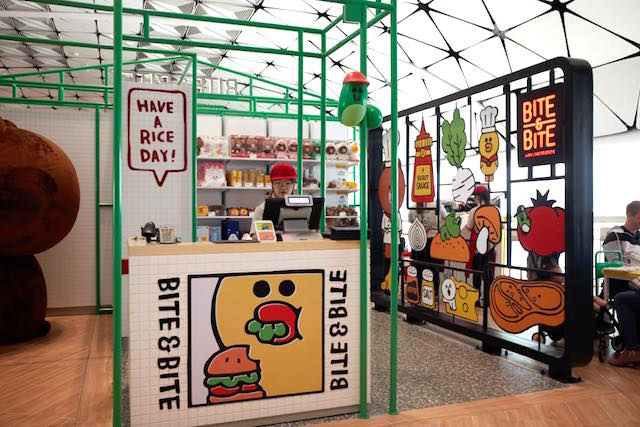
    The world’s first Bite & Bite with Line Friends cafe has opened at Hong Kong International Airport. Operated by food and beverage company SSP Hong Kong, the cafe is located on level 7 near gate 201. The cafe combines original Line Friends characters with a variety of dishes ranging from breakfasts through to snacks and dinner fare in a 60-seat dining area. The menu features both Korean and western food.

    Line, a chat program headquartered in Japan owned by South Korea’s Naver Corporation, has opened Line Friends stores in Bangkok, Hong Kong, Seoul, Shanghai, Tokyo, Taipei, New York and Los Angeles, all selling memorabilia featuring the characters of software.

    The Bite & Bite with Line Friends cafe also sells lifestyle products, souvenirs and travel items, such as neck pillows, luggage tags and travel bags.

    View gallery below for pictures (6 images) :


  • F&B procurement startup lures Japanese investor

    F&B procurement startup lures Japanese investor

    Kamereo, a Vietnamese sourcing platform for restaurants, has raised $500,000 in seed funding from Japan’s Genesia Ventures and Velocity Ventures Vietnam. Japanese Taku Tanaka, founder of Kamereo, said the newly acquired money would be used to upgrade the platform’s service offerings and strengthen the customer care team. “We use technology to solve the buying and sourcing problem, and restaurants can focus on their core business to bring the best culinary experience to customers. In future we will expand our services to other sectors and regions.”

    From his experience, Tanaka, who moved to Vietnam in 2015 as CEO of a pizza chain, found that procurement operations were mainly labor-intensive and inefficient.

    “We believe that technology can solve this problem, providing solutions to reduce the cost of personnel in a transparent and accurate manner,” he said.

    The Ho Chi Minh City-headquartered business-to-business procurement platform, established last June, now has more than 4,000 product categories, 120 partner suppliers and 200 registered restaurants.

    While Kamereo will focus its resources on Vietnam for now, it is planning a series A round of funding involving a few million U.S. dollars in late 2019 or 2020 to expand in Southeast Asia.

    The funding came amid a technology startup boom in Vietnam’s F&B market where delivery platforms such as GoViet and Grab battle for market share down the supply chain.

    A report published last October by Vietnam Research said Vietnamese spend more than a third of their income on food and beverages ahead of education and utilities.

    Global research firm Nielsen also considered F&B one of the most attractive industries, with the potential to become a major player in the Vietnamese economy, citing findings from one of its studies which found food and beverages were two of the 10 most bought products online in 2017.

  • LG unveils TV that rolls up for storage

    LG unveils TV that rolls up for storage

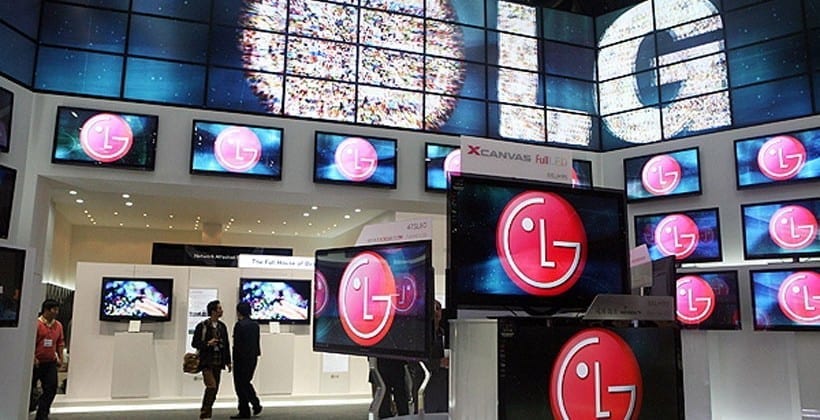
    LG Electronics unveiled the world’s first “rollable” television at the Consumer Electronics Show (CES) 2019 that launched in Las Vegas, United States, on Tuesday. Last year, its affiliate LG Display unveiled a prototype of a 65-inch rollable OLED display panel at the same event. Dubbed the LG Signature OLED TV R9, it uses the same technology, only it comes with an aluminium case at the screen’s bottom that looks like a long tissue box.

    A rolling OLED display was possible because unlike TV panels of the past, OLED screens don’t need backlight to show color, but have molecules that let out light on their own.

    The panel can roll itself up and down from the case so that the television set looks more like a long, rectangular table once the screen is completely inserted. LG boasts that the screen can maintain its color definition even as it rolls itself. R9 won the CES 2019 Innovation Awards in the video display sector.

    LG plans to launch global sales of R9 this year, starting from Korea. Its price was not disclosed, but it will be among LG’s premium television lineups. The advantage of the rollable TV set is that it can be placed in locations like the window side or in the middle of a room. For conventional TV screens, the popular choice was beside or on the walls as they take up space and block the view if installed elsewhere.

    The television set also comes with high-quality speakers and an artificial intelligence software that enhances the set’s performance to adjust definition and sound according to the film or video played. It also recognizes simple vocal commands.

    When the screens are rolled inside the case, R9 can work similarly to an audio set as it can play music via connection to smartphones or other portable devices. It also comes with various modes to use the screen apart from watching movies and TV shows.

    It can function like a huge electronic canvas that shows photos saved in your smartphone. For those who want to create a cozy atmosphere, it has a “Mood” mode that plays a video of a fireplace or displays mood-specific light on the screen.

    LG Display Vice Chairman Han Sang-beom expressed confidence in the panel in front of local reporters on Tuesday at the CES. According to Han, the rollable panel was rolled and unrolled more than 100,000 times during its development process.

    “We’re talking with other clients as well [apart from LG Electronics] for the rollable TV panels,” he said. “My plan is to target the premium market instead of aiming for sales volumes.”

  • Storefront opens in Korea

    Storefront opens in Korea

    Storefront, the world’s largest online marketplace for short-term retail space, has officially launched in Seoul. Retail vacancy rates in Korea are on the rise due to a prolonged recession, and more brands are diverting their interests from traditional retail to offer a quality experience to customers in the form of pop-up stores and short-term leases. Storefront has partnered with the Korean marketing and retail firm Kcent to register qualified spaces, sign up leading and emerging brands and give them tools to successfully market their short-term space. The Storefront site will now offer thousands of spaces across Seoul available for pop-up stores, showrooms, and event spaces.

    Storefront maintains a global presence with thousands of quality retail spaces across the world’s largest cities from Paris to London, New York and Hong Kong. This advantage allows any brand to pop-up in any location, test new markets and even launch simultaneously in more than one location worldwide.

    Retail sales in Korea totaled $343 billion in 2016, and this latest partnership in Seoul signals Storefront’s break into the East Asian market with their brand, technology and insights combined with local talent and market expertise.

    “Korea is APAC’s 3rd largest retail market, and most of it is based in Seoul. Pop-up stores and other forms of short-term rentals are already creating a buzz in the trend-savvy Korean market.

    All we needed was a transparent and efficient marketplace like Storefront to leverage this trend.” said Jin Yong Kim, Kcent’s CTO.

    “Korea has a unique culture and language barrier that make it hard for foreign brands to expand their business here. But if they have the right partner and know how to tell their story to Korean consumers, it can be a matter of a few days before they go viral.” adds Kim.

    “Storefront is redefining how companies can locate and activate temporary retail space with its global marketplace for connecting tenants and property owners in an efficient, flexible and transparent way. We are excited to partner with Kcent to bring our expertise to this fast-growing retail capital and introduce the benefits of pop-up stores to thousands of merchants looking to expand into Korea.” said Benoît Clément-Bollée, General Manager, Storefront Asia .

  • Lotte Duty Free sales hit all-time high of US$6.7 billion in 2018

    Lotte Duty Free sales hit all-time high of US$6.7 billion in 2018

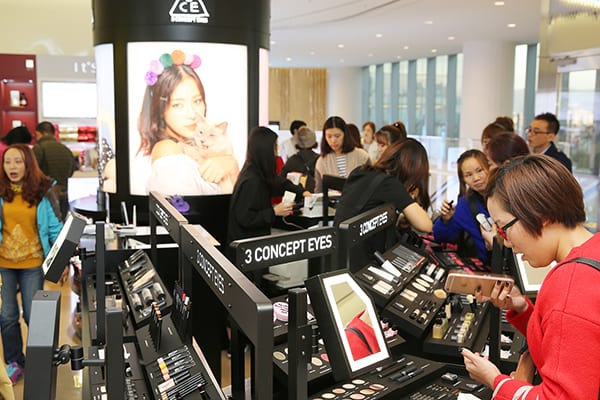
    South Korea’s top travel retailer Lotte Duty Free reported best-ever sales of 7.5 trillion won (US$6.7 billion) last year on a surge in online sales and mass purchases by Chinese merchants seeking trade in shuttling goods to China. Lotte Duty Free said its annual sales last year hit a record high of 7.5 trillion won, up 25 percent from a year-ago period. In particular, sales from the online business soared 50 percent on year to 2 trillion won, contributing 25 percent to its total domestic sales thanks to successful upgrades of its online and mobile platforms and various promotional perks like online-only products and discount options.

    Lotte Duty Free’s main store in the bustling shopping district of Myeongdong in downtown Seoul remained the world’s single-largest revenue earner for three years in a row last year with annual sales up 35 percent at 4 trillion won and daily revenue at about 11 billion won as of Dec. 14.

    The Myeongdong store that opened in 1980 has kept on growth with sales reaching over 1 trillion won in 2011, 2 trillion won in 2015 and 3 trillion won in 2016 on increasing demand from individual merchants from the mainland who buy popular Korean duty-free goods in bulk to profit from reselling them in China.

    Lotte Duty Free has expanded its investment in domestic stores to draw more consumers. Its Myeongdong store was expanded in August 2016, and spent 10 billion won to add the Star Lounge for VIP customers in April 2018. The World-Tower store in the affluent Gangnam area of southern Seoul also posted 1 trillion won in sales last year, becoming the largest earner to reach the threshold in the district.

    Meanwhile, Lotte Duty Free World Tower also posted sales of more than 1 trillion won (US$895.4 million), joining what the retailer dubbed the “One Trillion Club” on 23 December.

    That represents an 80 percent increase year-on-year for the Jamsil, Seoul store, which reopened on 5 January 2017, 193 days after it was forced to close on 26 June 2016 due to the loss of its licence in an open tender.

    “Even in the midst of rapid market changes, Lotte Duty Free has been able to achieve a record-breaking year, reflecting 38 years of operational expertise,” said newly appointed Lotte Duty Free CEO Lee Kap. “As a leader in the industry, we will endeavour constantly to improve our performance.”

    Lotte Duty Free said that the World Tower store’s excellent tourist services and differentiated luxury brand offer had generated “remarkable achievements” in 2018. This was despite the proliferation of new duty free stores in the Gangnam area [notably the new Shinsegae Duty Free store opened on 18 July], the retailer commented.

    Despite industry difficulties posed by the THAAD dispute between South Korea and China, sales of small and medium enterprise SME Korean brands at the World Tower store increased by 300 percent year-on-year. This contributed to a “win-win relationship” with SMEs, Lotte said.

    Increased demand by daigou shoppers “greatly influenced” sales said Lotte. The retailer noted that such travellers had compensated for the “stagnation” of conventional Chinese tourism since the THAAD dispute erupted in March 2017. However, Korean travel retail executives and observers are closely monitoring the impact of China’s new e-commerce law, introduced on 1 January 2019, which is expected to hit the daigou business hard

  • Limited share price upside seen for Malaysian property sector

    Limited share price upside seen for Malaysian property sector

    Rising interest rates, Malaysia’s slowing gross domestic product growth and unfavourable government policies will limit share price upside for Malaysian property development companies, said CGS-CIMB.Although it expects the property companies in its coverage universe to post positive earnings growth this year, CGS-CIMB said share price upside will be limited and the sector is unlikely to re-rate to peak levels last seen in 2014.

    “The property sector has garnered more interest lately due to its attractive valuations, but we believe the sector is cheap for a reason and this could be a false dawn. We believe developers could miss their new property sales targets for 2018, and are likely to set lower new sales targets for 2019. We think it’s a signal that the 2019 property market is likely to see lower new property sales and weaker buying sentiment,” it said in its report.

    According to its analysis, the medium 40% and bottom 40% (B40) households face difficulty in buying properties as the average house price is above both groups’ affordability range and despite government incentives and policies to address this issue, the oversupply in the property market has continued to rise since 2012.

    “Likewise, property stocks have fallen from their peak valuations in 2014, some to the trough levels in 2008, making them attractively priced at the moment, in our opinion,” it added.

    CGS-CIMB does not see much room for housing loan growth given the existing low interest rate environment, limited buyer’s affordability and possible interest rate hike.

    In addition, restrictive government policies are still in place and it does not see any incentive for consumers to purchase property given the weak rental market and subdued property market.

    Given the limited domestic affordability, higher real property gains tax and restrictive policies on foreigners, the property oversupply issue is expected to persist. Note that in 1H2018, properties priced below RM1 million accounted for 93% of total unsold residential property inventory.

    “We expect the housing market to remain challenging in the near term, unless there is a meaningful surge in household income, decline in house prices or more positive measures are introduced,” it said.

    Although lower property prices are possible, developers would be at the losing end if they were to lower prices at the expense of profit margins to spur new property sales demand or remove rebates/freebies to protect margins, which could result in weaker new sales.

    “Even if new house prices are cut by 20%, we think the prices would still be unaffordable for the B40 households. Instead of focusing on increasing affordable housing supply and ownership, we believe a better way to approach the housing glut is to increase Malaysians’ household income in a meaningful way,” it said.

    CGS-CIMB maintained its “neutral” call on the sector with an estimated dividend yield of 3% on average in 2019.

    Sime Darby Property Bhd remains its top pick as the company has shown continuous improvement in its property development division and new property sales since its demerger in November 2017.

    “We believe the group’s healthy balance sheet and massive land bank are advantages in addressing the change in future product demand,” it said.