Author: Mei Ling Tan

  • Asia is leading the global digital retail market

    Asia is leading the global digital retail market

    Retail executives looking to understand the future of retail should take a close look at Asia, where retail is booming as Asia is leading in terms of retail growth. The growth rates are twice the rate of the rest of the world, and e-retail growing at three times the rate.

    Asia is followed by Europe and the US, with China, Korea, and India at the forefront.

    In 2017, China’s online retail penetration was 20 per cent and its CAGR (13-17) was 33 per cent. In comparison, the US achieved an online retail penetration rate of 12 per cent in 2017 and a CAGR (13-17) of only 11 percent. Most dramatic is India, which had a CAGR (13-17) of 53 percent, highlighting the rapid growth seen in the market.

    Market conditions have allowed for swifter digital penetration than any other region worldwide and have led to the creation of ecosystems for retailer and consumer ease, revealed Bain & Company’s latest Asia retail report.

    According to the report, retail ecosystems comprise vast communities of consumers, retailers and partners that are rapidly reshaping the retail landscape. Alibaba and Tencentlead the best-known Asian ecosystems; however this phenomenon is not limited to China.

    Ecosystems deliver a very sticky consumer proposition by combining services like e-commerce, chat, streaming, gaming or payments in a single platform or app, which is becoming almost universally adopted by shoppers, according to the report.

    A large customer base is incredibly attractive to retailers as a channel to a critical mass of customers. But more importantly, the ecosystem also provides retailers with access to hard-to-replicate capabilities, such as last mile fulfillment, data analytics and cloud services, through their platforms. Increasingly, these ecosystems are deploying their capabilities into bricks and mortar retailers as well as online, meaning they can exert significant influence over the retail sector.

    “What we are seeing is the emergence of scale open retail ecosystem platforms across the Asia Pacific region, that offer retailers a compelling alternative to building and scaling their own capabilities,” said report author Melanie Sanders, Bain & Company partner. “The scale of these ecosystems means that we are seeing a battle emerge between ecosystem platforms in key markets, with the potential for a winner-takes-all situation.

    However, the extent and pace of ecosystem development will not be uniform across geographic markets. The report has outlined ten market factors, which has explained why ecosystems have developed so rapidly for some Asian countries, including social factors such as urban density and age structure through to retail market conditions such as the scale/maturity of physical retailers in the country.

    “The emergence of retail ecosystems is raising a new set of choices for retailers about how to participate in this new retail landscape. The emergence of these ecosystems presents huge opportunities for those playing to win in these markets, but at the same time has the potential to completely change the rules of the game and may mean a loss of control,” the report said.

    “Retailers face a confronting set of choices around how to respond the rise of retail ecosystems. At the heart of the decision will be whether the retailer has the capabilities, capital and customer franchise to compete against an ecosystem,” said Jonathan Cheng, report author and principal at Bain & Company.

    As digitisation of the retail sector continues to expand in Asian and global markets, ecosystems will continue to evolve based on the needs of both the consumers and retailers, the report added.

  • Le Eco Auctioning Beijing Mall on Taobao for RMB2.3B

    Le Eco Auctioning Beijing Mall on Taobao for RMB2.3B

    Chinese tech firm LeEco has put a Beijing shopping centre up for auction on Chinese e-commerce platform Taobao. Experiencing financial difficulties, yet determined to uphold its online trading practices, the firm has listed the 50,000sqm Beijing Shimao Gongsan Plaza at a reserve of RMB2.3 billion (US$334 million). The move follows legal action by mortgagor China Citic Bank against LeEco for failing to meet repayment obligations.

    The auction opens on Taobao’s distressed asset channel, which saw an 88 per cent rise in listings in October against the backdrop of China’s enormous bad debt market. Under supervision of the courts, the auction will start on January 7 at 10 am and run for 24 hours.

    The property was expected to sell last year to leading Chinese developer China Vanke, but was not traded due to unmatched expectations in price.

  • Yamaha to invest $150 million in Grab Vietnam

    Yamaha to invest $150 million in Grab Vietnam

    Yamaha Motors has announced a $150 million investment in Grab to collaborate on motorcycle ride-haling. The collaboration will be for Southeast Asia in general and Indonesia in particular. Through this partnership, Yamaha Motors and Grab aim to “develop next-generation mobility services by implementing solutions and innovations,” Grab said in a press release issued Thursday.

    The two companies aim to leverage Yamaha Motor’s technology and knowhow to boost safety as well as make it easier for Grab’s driver partners to buy motorbikes.

    Yamaha Motors also aims to leverage Grab’s customer base in Southeast Asia and knowledge of the motorcycle ride-hailing business for future product development.

    The Southeast Asian ride-hailing firm is teaming up with global investors to expand its reach after forcing Uber out of Southeast Asia earlier this year.

    Toyota Motor Corp. had said in June it was investing $1 billion in Grab, and Hyundai Motor Co. last month agreed to put an additional $250 million into the company as well as sell Grab a fleet of electronic vehicles.

    The focus on Indonesia may mean that Grab is intensifying its push against local ride-hailing platform Go-Jek. Both companies now compete in the Vietnamese market after the Jakarta-based start-up commenced operations in Vietnam under the name Go-Viet some months ago.

    Grab entered Vietnam early in 2014, but is currently under an antitrust investigation after acquiring Uber’s services in March.

  • Deliveroo is opening first restaurant in Hong Kong

    Deliveroo is opening first restaurant in Hong Kong

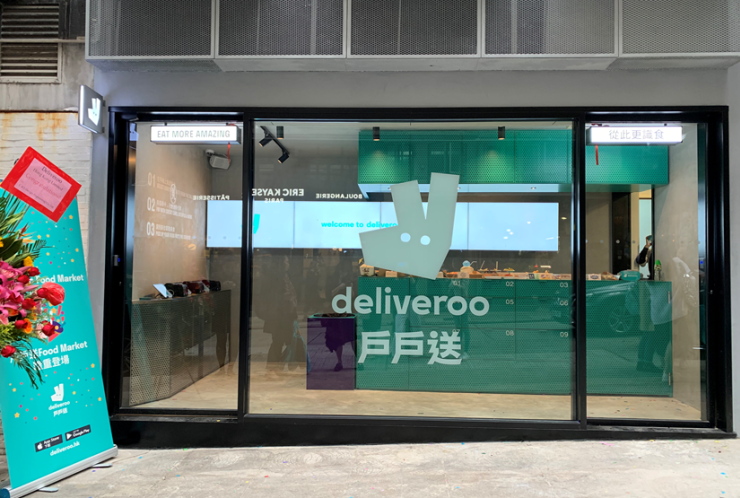
    A Deliveroo restaurant has opened in Hong Kong in a trial which, if successful, could see its own-branded eateries opened globally.

    Called Deliveroo Food Market, the outlet will serve as both a kitchen for delivering online orders, and a customer-facing storefront where diners can choose between 15 dining concepts.

    The 1500sqft kitchen which cost HK$7.5 million (US$960,000) to build, does not have seating for dine-in.

    “We find there is an opportunity to bring our online to offline model to our customers,” Brian Lo, Deliveroo GM said.

    With Hong Kong boasting some of the most expensive rental prices of any major international city, the pressure on restaurant operators to develop concepts which perform is very high.

    “This model works very well for them,” said Lo.

    The debut Deliveroo restaurant will open in Sai Ying Pun as an extension of the brand’s Editions program, where eateries share kitchen space to fulfil Deliveroo delivery orders.

    Five restaurant brands will share the Deliveroo restaurant space in Hong Kong, offering a combined 15 concepts: Chinese chain Crystal Jade, Pizza Express, Pololi Group, Beef & Liberty and Red Sauce Hospitality.

    Singapore-headquartered Crystal Jade is using the kitchen to launch Lao Er and Brother Kwok, two delivery-only virtual brands targeting younger consumers by offering a modern twist on traditional noodle and fried rice dishes.

    “This is a location we can have a closer touch with the residents nearby and understand their dining behaviour,” said Wincy Cheung, Crystal Jade’s assistant marketing & communications director. “It allows us to test our new brands. If we opened a physical store, we’d have to consider a lot of things. This delivery platform allows us to reach more customers at a location that we’re not already in,” she said.

    Another participant in the trial is Pizza Express which plans to test a new concept called The Pasta Project.

    “Deliveroo’s Food Market allows customer-facing trials of new concepts to launch in market much faster, just as we have done with The Pasta Project,” said Pizza Express MD of international, Liam Collette.

    He stressed that restaurants are not going to be eliminated by delivery and the company will continue to expand.

    Pololi Group will offer Shaka with American-style sushi rolls and Killer Golden Bird with fried chicken, while Beef & Liberty is debuting the vegetarian and vegan Leaves & Liberty concept, using Impossible Meat.

    Lo said virtual restaurant brands are already supporting the business of Deliveroo’s partner restaurants. Kai, which serves up customised poke bowls, and Blazed offering Hawaiian BBQ platters are both virtual brands launched by Pololi Limited at the first Deliveroo Editions site, a so-called ‘dark kitchen’ in Wan Chai cooking only for delivery orders, without a customer interface. Both brands have succeeded as a delivery concept, leading to brick-and-mortar stores.

    Sai Ying Pun appeal

    Deliveroo chose Sai Ying Pun as home for its first Food Market due to the neighbourhood’s fast-expanding food, drink and cafe scene, which is attracting local and expat foodies alike. Deliveroo is also working with partner restaurants to create new corporate-specific offerings for the growing number of businesses now moving into SYP and surrounding districts such as Kennedy Town and Sheung Wan.

    “Residential projects, business development and cultural sites are flourishing in the western districts of Hong Kong Island, and yet many popular restaurant brands have little presence in the area,” said Lo.

    “Sai Ying Pun is an exciting location for future growth and we are pleased to offer our partners restaurants more reach into this vibrant district and its surrounding areas. In the coming year, Deliveroo will be looking for more opportunities to expand into Kowloon and the New Territories to bring our Food Market concept to more customers across Hong Kong.”

    The Sai Ying Pun location is expected to employ up to 30 on-site staff in its kitchen and customer spaces.

    View the gallery below (5 images) :

  • KDB to pay GM Korea by the end of the month

    KDB to pay GM Korea by the end of the month

    The state-run Korea Development Bank (KDB) said Thursday it will complete its injection of $750 million into the Korean unit of General Motors later this month, ending a controversy over GM Korea’s plan to spin off its research unit. The KDB and GM signed a deal in May on the rescue package for GM Korea.

    Under the agreement, the KDB pledged to inject $750 million, while GM agreed to provide $3.6 billion in fresh loans to keep GM Korea afloat.

    The condition to the additional investment was that GM would keep its Korean operation open for a minimum of 10 years.

    In June, the KDB injected $375 million into GM Korea, but the bank said the remaining half may not be provided amid concerns that the U.S. carmaker may keep only its research facility in Korea and eventually shut down its manufacturing facilities here.

    KDB Chairman Lee Dong-gull in October told lawmakers that the remaining investment may not be executed, depending on policy decision.

    The KDB’s decision came after GM Korea submitted details of its spin-off plan to the bank, the second-largest shareholder of GM Korea.

    The KDB has a 17-percent stake in GM Korea.

    The KDB said it will buy about 11.9 million preferred shares of GM Korea for 404.5 billion won ($360 million), or 33,932 won per share.

    The transaction will be made on Dec. 26, the KDB said.

    The May agreement prohibits GM from selling any stake in GM Korea over the next five years and limits GM’s right to sell shares or assets in GM Korea for 10 years.

  • What to learn from China’s Singles’ Day?

    What to learn from China’s Singles’ Day?

    Ever since the first Singles’ Day or 11.11 sale began in China in 2009, every year, there would be plenty of commentary explaining the phenomenon to an international audience. This doesn’t appear to be necessary any more.

    In its tenth edition, the event has grown into the world’s largest shopping festival where 180,000 brands participate and consumers take less than two hours to spend a phenomenal 100 billion yuan ($14.5 billion).

    It is an event in its own right. Not an imitation, but something that that consistently pushes the boundaries in terms of content, tie-ins and consumption. In 2012, sales for Singles’ Day first surpassed Cyber Monday and Black Friday in the US.

    And so effectively targeting buying power has been a focus for many international marketers. Given the volume of purchases and the willingness of Chinese consumers to embrace new technologies, it is also a true testing ground for brand owners.

    Three major changes are to take our from this year’s 11.11.

    Mini-programs take centre stage

    For brands and retailers, mini-programs have become a core marketing channel.

    Considering WeChat’s active user traffic of one billion, this comes as no surprise.

    Within WeChat’s ecosystem, mini-programs provide connectivity between social, content and payment. For example, retailers in a shopping mall can distribute free parking vouchers using mini-programs and they will be able to generate information on the arrival time and spending habits, as well as which customers own a car.

    According to official figures from WeChat, as of July 2018, it had over one million mini-programs with users opening them four times per day on average.

    A survey by China’s big data service provider QuestMobile has identified the most important functions of a mini-program: effectively combining online and offline activities; sharing customer information; serving as a standalone e-commerce platform; and the ability to combine the physical aspects of a promotional campaign with social marketing.

    Growth in short videos

    Data reveals companies using short video sharing platforms, such as TikTok and Kuaishou, received the majority of the 11.11 targeted advertising traffic.

    Community is king

    In China there are Social+ platforms that present a lucrative opportunity for both content and word-of-mouth marketing. Xiaohongshu, which is backed by Alibaba, has 150 million users consisting of the social media generation born in the 90s. They use the platform like Facebook and are highly influenced by shopping tips and insight from celebrities.

    A completely different interest group is Babytree, an online parenting platform that uses a similar vertical marketing model and presents another attractive opportunity for advertisers.

    These platforms provide an engaging forum for like-minded people and are realising the tangible benefits of teaming up with major e-commerce operators.

    All the above changes highlight how brands and consumers are moving away from purely a transactional shopping experience. Instead, it’s more collaborative and relationship-based, changing the dynamics of e-commerce. There is ample evidence of this phenomenon developing in other markets.

    Lessons from the East

    At $30.8 billion, the online sales of 11.11 surpassed this year’s figures for Black Friday ($6.22 billion) and Cyber Monday ($7.9 billion) in the US. But both these figures for the US represent a 24% and 20% respective increase on last year.

    While the results illustrate a gap in retail ecosystems between the two largest economies, there is clearly a growing preference by US consumers for digital channels rather than elbowing through crowded stores the day after their Thanksgiving dinner.

    In a poll by Periscope By McKinsey in October 2018, roughly a month before the sales, nearly half of the respondents (48%) said that they plan to shop more online while fewer (28%) said they plan to do so in-store.

    China’s highly sophisticated online shopping behaviour has leapfrogged the development of retail that has been commonplace in most Western countries. In doing so, it now sets the world standard in e-commerce.

    Any marketers who want to successfully compete in this huge and attractive market need to be digital and mobile led in their strategies. But 11.11 does not just represent an opportunity for sales in China. The trends and habits should be understood as they will provide the inspiration for other markets where online spending is also growing.

    Brands that can adapt these successful models may well be able to transfer success.

  • H&M to collaborate with EYTYS to launch a gender neutral collection

    H&M to collaborate with EYTYS to launch a gender neutral collection

    ashion giant H&M has teamed up with Swedish streetwear brand Eytys to launch a gender neutral fashion collection that will go on sale in selected stores worldwide on January 24. The new unisex collection, which is being designed in collaboration with H&M, will feature footwear, apparel and accessories for men, women and kids.

    The footwear collection will include new takes on a number of Eytys’ signature chunky-soled styles and will come in custom-designed boxes decorated by painter Zoe Barcza.

    “With this collaboration, we hope to introduce the H&M customer to our design philosophy of robust and fuss-free design where function triumphs embellishment and style spans genders,” said Max Schiller, creative director at Eytys.

    “The collection is all about proportions – creating a distinct unisex silhouette by playing around with loose silhouettes and chunky architectural footwear. It’s the Eytys idea of a ‘generic’ look, one that is meant to elevate integrity, attitude and confidence.”

    According to H&M, the Eytys design approach and overall ethos are rooted in the digital age, but also in freedom from restraints based on gender or age.

    “Together the brands have extracted the core of Eytys DNA and developed a unisex collection featuring a no- fuss and fashion-forward range of shoes and clothes.”

    Schiller said H&M admired Eytys’ distinct look and initially approached the company with the idea of creating a shoe collection.

    But after initial brainstorming, it was decided to create a full gender neutral fashion collection – shoes, clothes and accessories – and enable customers to experience the whole brand aesthetic and ethos, he said.

  • Grab Vietnam says Uber deal ‘no breach of competition laws’

    Grab Vietnam says Uber deal ‘no breach of competition laws’

    Ride-hailing firm Grab has asserted that it did not breach Vietnam’s competition laws, contesting authorities’ definitions and interpretations. The assertion was a response to the Ministry of Industry and Trade, which said Wednesday that it had evidence that Grab’s acquisition of Uber violated Vietnam’s Competition Law .

    In a statement released Thursday, Jerry Lim, country head of Grab Vietnam, said that the transaction between Grab and Uber earlier this year was conducted “in the good faith belief that there is no breach of competition laws, after diligent consultation with legal counsels.”

    Lim explained that the issue has become contentious because of differences in the authorities’ and Grab’s definitions of relevant market and what constitutes a competitive playing field.

    He said that the entrance of new ride-hailing companies into Vietnam shows that they believe there is a chance to succeed, with some of them claiming high market shares.

    In June, Vietnam’s first ride-hailing services FastGo and Aber were launched. Go-Viet, an affiliate of Indonesia’s Go-Jek, entered Vietnam in August, claiming to take 15 percent of the market share in Ho Chi Minh City within two weeks of launching.

    Vietnam’s top taxi operator Mai Linh and second-ranked Vinasun have also invested in a ride-hailing service to compete with Grab.

    Grab said that a ride-hailing app was just one of many options for customers. It cited a third-party survey, without revealing details, which said more than 59 percent of Vietnamese car ride-hailing users and 62 percent of motorbike ride-hailing users surveyed would switch to a different transport service other than ride-hailing if there was a 10 percent increase in prices.

    Lim also said that Grab was not the only ride-hailing company in the market, as the Vietnamese government has granted ride-hailing pilot licenses to nine other companies, including established taxi companies, to operate services in five cities and provinces.

    Both customers and drivers can respectively decide to switch to other forms of transport and join other companies if prevailing conditions such as pricing and income are not favorable to them.

    “The power of choice remains in the hands of customers,” Lim said.

    He said Grab has fully cooperated with the Vietnamese authorities for the purpose of a fair investigation and recommendation. “We fully understand that all governments seek to protect the best interests of consumers. Grab truly shares the same goals.”

    Lim said he hopes that the final verdict of the Vietnam Competition Committee will take into account the “vibrancy and contestability of the current Vietnamese market landscape and support the competitive business environment brought about by technology application and innovation.”

    Singapore-based Grab acquired Uber in Southeast Asia in return for a 27.5 percent stake in the U.S. company, with Uber CEO Dara Khosrowshahi joining Grab’s board.

    The 2004 Competition Law requires any merger or acquisition that results in a company gaining a 30 percent market share to be reported to competition authorities.

    If a company gains a 50 percent market share from the deal, it can only be implemented with express permission from the authorities.

    Preliminary investigations by Vietnamese authorities have found that Grab’s market share in Vietnam was in excess of 50 percent after Uber quit the market last April.

    But Grab has countered this, saying that since its combined market share with Uber in Vietnam was less than 30 percent, it did not have to “inform the competition authority before proceeding and completing this transaction in the country.”

  • Hyundai sets aside 1.67 trillion won to support its suppliers

    Hyundai sets aside 1.67 trillion won to support its suppliers

    Hyundai Motor Group has introduced a 1.67 trillion won ($1.49 billion) support program for small and midsized auto parts suppliers, the company said Thursday. As auto parts suppliers in Korea tend to be highly dependent on the performance of carmakers, the sluggish performance of Korea’s largest auto group by sales this year has been a major blow to their earnings.

    A report published by the Economic Research Institute run by the Industrial Bank of Korea earlier this year showed that 48 percent of domestic auto parts suppliers supply parts to a single carmaker and their business growth is highly dependent on the growth of that carmaker. Also, while carmakers have extra capital to respond to ups and downs in their earnings, small-sized parts suppliers are more vulnerable to changes in the market.

    Hyundai Motor Group said it will first create a 140 billion won fund for its suppliers and subcontractors. Suppliers will be able to borrow money at low interest rates and use it to stabilize their business or invest in research and development.

    Considering many suppliers lack liquidity due to the massive investment and costs incurred in early stage R&D and parts manufacturing, the group also said it will pay forward some of the cost incurred in those activities. For instance, part of the cost incurred to develop parts used in Hyundai cars will be paid by the carmaker at the beginning of development rather than after the finished product is designed. The auto group estimates its suppliers and subcontractors will receive roughly 1.46 trillion won in investment upfront over the next five years.

    Hyundai Motor, Kia Motors and auto parts affiliate Hyundai Mobis are also creating a 15 billion won fund to provide emergency aid to suppliers.

    There is a special program for suppliers expanding facilities to support the mass production of Nexo, Hyundai’s fuel-cell powered vehicle. The group is planning on injecting up to 44 billion won into suppliers and subcontractors that expand investment into facilities for parts used in the Nexo next year.

  • HMV owes US$600,000 unpaid rental, face legal case

    HMV owes US$600,000 unpaid rental, face legal case

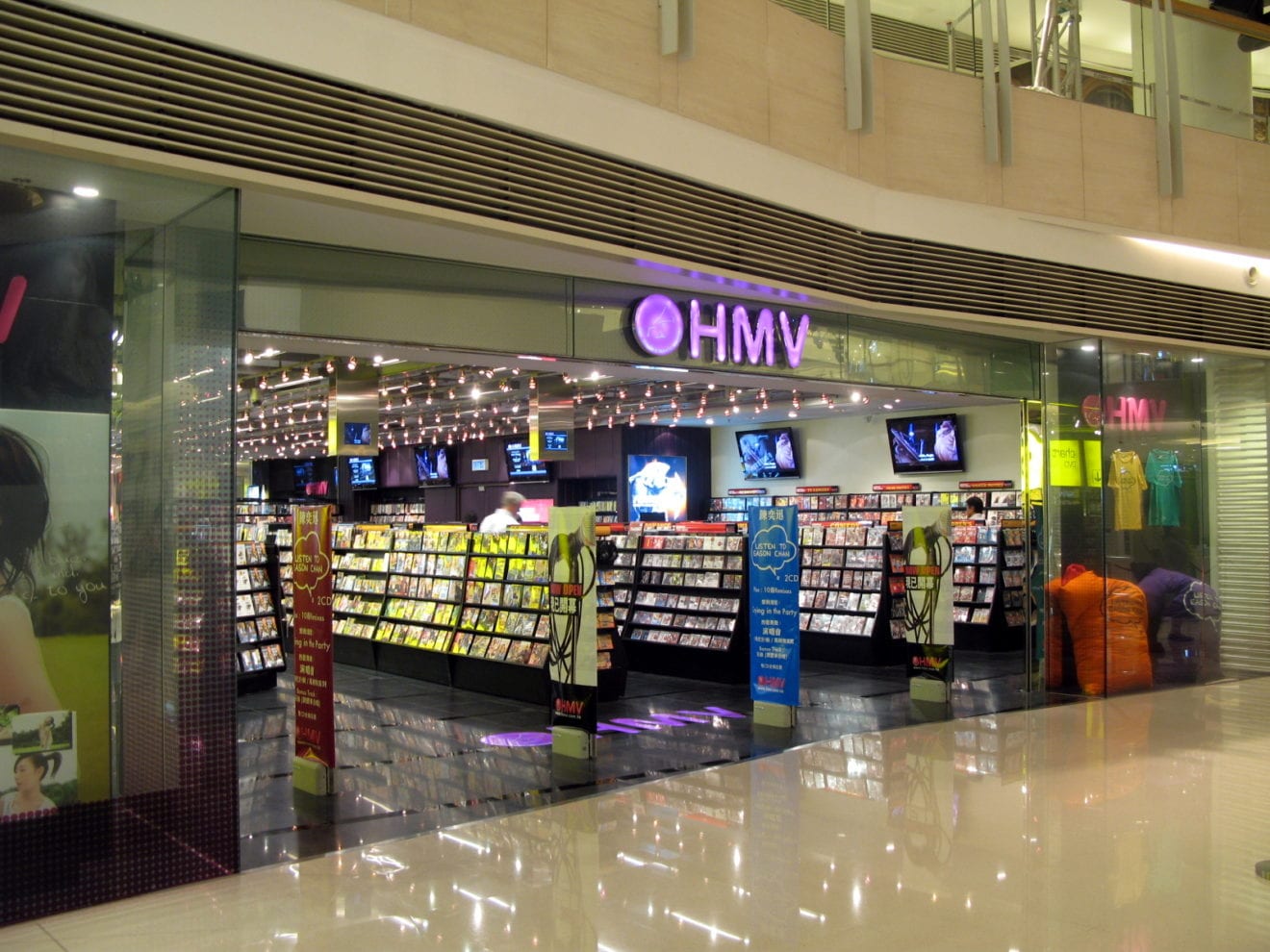
    Gadget, movie and music retailer HMV may face eviction from several of its Hong Kong store locations in coming weeks as landlords seek to recover unpaid rents and charges. Separate lawsuits have been filed relating to HMV stores in Causeway Bay, Central and Kowloon Bay, collectively seeking more than HK$5 million (US$640,000), according to court documents.

    The four-story HMV flagship store on Paterson Street in Causeway Bay was leased from Ever Light in July 2015 for four years at a monthly rent of $1.59 million for the first two years and $1.72 million for the ensuing two.

    Another store on Queen’s Road Central was leased in September 2016 from Pridemax for a term of six years at an initial monthly rent of $1 million.

    Those two landlords lodged legal action in the High Court of Hong Kong seeking payment of overdue amounts and vacation of the premises.

    About three weeks ago, MTR Corporation issued legal proceedings seeking to recover $273,300 in unpaid rent and charges and demanded the store vacate its space in Telford Plaza shopping mall.

    HMV was acquired by China 3D Digital Entertainment in March 2016 for $408 million, with the vendor, private equity company AID Partners retaining an approximate 18 per cent share.

    In 2015 AID received widespread acclaim for the restructure of the Hong Kong operations of what was once an iconic international brand name in music and movie retailing, but which collapsed in other markets with the advent of digital streaming undermining the popularity of DVDs and CDs.

    The Causeway Bay flagship, which incorporates a cafe and live music performance space, began specialising in lifestyle items including headphones, toys and even scooters, along with recognising the returning popularity of vinyl records.

  • Best companies for French citizens to work for in 2019

    Best companies for French citizens to work for in 2019

    In its fourth year of running a top employers list for France, Glassdoor has seen several companies — like Thales and Airbus — make a reappearance over the years. This December however, the company that’s been hailed as the best place to work for 2019 is a newcomer to France’s list: fashion designer Hermes.

    It’s fair to say that France is renowned for its luxury brands, yet Hermes is the only group from this field to make it into this year’s top 10, with Louis Vuitton and L’Oreal coming in at 11 and 16 respectively.

    Instead, a few other industries fill the top 10, including transportation and retail.

    To compile, Glassdoor assessed the input that workers give when offering feedback, in addition to recent ratings, which are on a scale from 1 to 5.

    The top 10 firms found in this Glassdoor list surpassed the average global rating of 3.4; with each group receiving a figure of 4.2 or higher.

    Below are the top 10 firms for this year’s ranking.

    10. Amazon

    Coming in at number 10 is e-commerce titan Amazon.

    With a global workforce of more than half a million, Amazon is renowned for its job creation with the e-commerce group stating that in the past five years, it’s created over 125 jobs every day in the States alone.

    While office perks vary from country to country, some benefits mentioned include access to medical care and career development programs.

    9. Leroy Merlin

    Another retailer that’s winning over workers as well as consumers is French-headquartered Leroy Merlin.

    The DIY group’s operations are featured in about a dozen countries, with 100,000 staff members employed to keep the retailer functioning around the clock.

    Having placed on Glassdoor’s “Best Employers” for France since the survey began in 2016, the retailer attributes one reason why it remains popular among employees, is that it sees people as the “central resource” of the business.

    8. Thales

    Moving up from last year’s no. 24 spot, Thales is all about being a responsible leader in the transport, security and defense spheres.

    While Thales has attributed “acting responsibly” as a crucial quality to its long-term success, it’s not the only qualities it aims to foster.

    Inside the firm, Thales is dedicated to supporting its staff, through promoting diversity, team collaboration and career development — it even has an in-house university to support employees through any part of their profession.

    7. AUTO1 Group

    From its small beginnings in 2012, AUTO1 Group has now become Europe’s leading car trading platform with its operations taking place in over 30 countries.

    Inside the company, more than 3,500 people from over 55 nationalities are employed — which AUTO1 attributes as one of its key strengths when it comes to keeping the company thriving on a financial level.

    6. onepoint

    When hiring, onepoint looks for talent that holds “cutting-edge skills, (a) strong commitment to the Group and an open frame of mind.”

    In return, onepoint dedicates a large amount of time on an employee’s first few weeks with its integration period strategy; which can include introducing them to partners, training and different teams.

    On Glassdoor, reviews indicate that the company offers an innovative atmosphere with a strong, upbeat culture.

    5. Saint-Gobain

    With more than 180,000 people hired worldwide, Saint-Gobain asks its large workforce to abide by five key values during each workday: to be agile, uphold the open and engaging culture, foster strong relationship with clients, constantly innovate and embrace their entrepreneurial abilities.

    In return, staff members have a range of work benefits on offer. In France, this can include personalized training and commercial discounts.

    4. Adrexo

    Making its debut in Glassdoor’s rankings for France, Adrexo is considered a leading private operator of advertising print in the country, having collaborated with the likes of McDonald’s and Haribo.

    Inside the firm, over 20,000 individuals in France have been employed by Adrexo and no matter what level they are at, the company wants to make sure it promotes each person’s leadership and entrepreneurial capabilities.

    3. Ubisoft

    The business that’s seen success from the likes of “Assassin’s Creed” and “Far Cry,” is winning over its employees as well as consumers.

    With more than 14,000 workers running its ship, Ubisoft is keen on hiring individuals who are innovative and ooze creativity.

    While game design is an important role at the videogaming firm, it’s not the only job in town, with Ubisoft offering a whole host of divisions including marketing, programming, finance and quality control.

    2. Criteo

    Last year’s winner Criteo has moved down to second place for 2019, yet the ad firm remains a top favorite — with employees applauding the staff who’ve been employed and the strong overall management seen, Glassdoor reviews reveal.

    From what began as a start-up in the mid-2000s, Criteo has now transformed into a business with dozens of international offices and several “success stories,” such as partnering up and helping the likes of Office Depot, Sephora, and Microsoft.

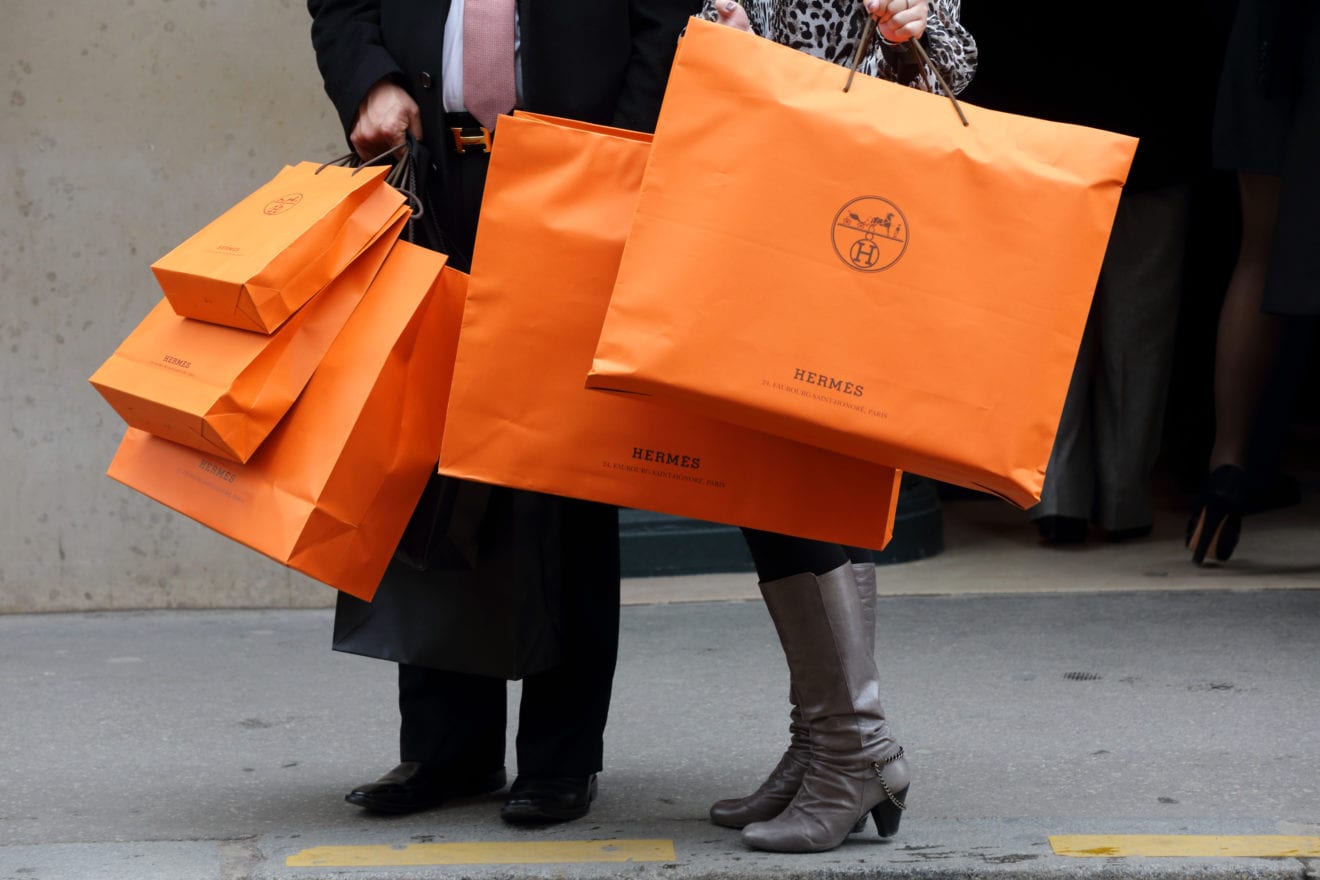
    1. Hermes

    When people think of this high-end luxury brand, the iconic, top-dollar Birkin bag often comes to mind. Yet that’s not the only product on offer at Hermes.

    The luxury group sells jewelry, fragrances, watches, accessories and more to customers across the globe, both in brick-and-mortar stores and online.

    Inside this designer world, over 12,000 people work hard to keep the brand running at full speed and are hired to keep true to its values: high standards and authenticity, imagination and daring, elegance and simplicity.

  • Jysk Thailand to open 30 stores in five years

    Jysk Thailand to open 30 stores in five years

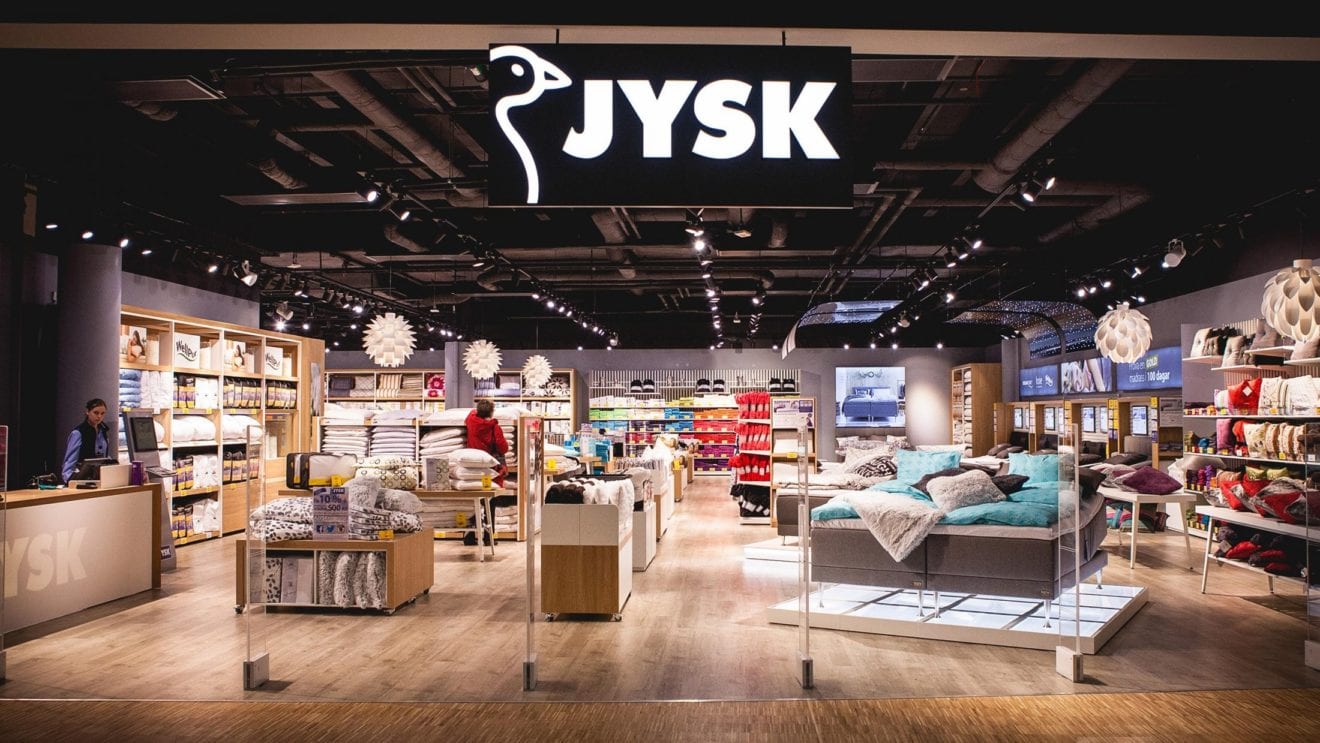
    Scandinavian furniture and homewares brand Jysk has launched its first store in Thailand with local franchise partner Boonthavorn Group. Located in a Ratchapruk shopping centre, the opening is the first of a planned six Jysk Thailand stores, with 30 anticipated to open within five years. A flagship and a small subway station outlet are among the stores scheduled to open shortly.

    Jysk Nordic’s franchise director Frederik Kare Kroun said one of the strengths of Jysk is its ability to be close to its customers by having a widespread network of stores.

    “That requires a good franchise partner, and by partnering up with Boonthavorn Group, I believe that we have an extremely strong foundation for the operation in Thailand.”

    Boonthavorn Group CEO Sitthisak Tayanuwat said: “Boonthavorn, with 40 years of experience with home styling products, will now place Jysk in its 51st country. To achieve this no less than 30 branches are planned to open all over Thailand within the coming five years.”

  • Samsung is No. 1 in world for R&D spending

    Samsung is No. 1 in world for R&D spending

    Samsung Electronics was the No. 1 investor in R&D in the world this year, according a report from the European Commission. The annual R&D Investment Scoreboard report released by the commission analyzes R&D indicators of top companies in the world, based on their most recent accounts and annual reports. The 2018 report studied 2,500 companies worldwide from 46 countries.

    Samsung Electronics invested a total of 13.44 billion euros ($15.2 billion) in R&D this year, an 11.5 percent year-on-year increase compared to last year’s report, when it took third place on the list. This is the first time a Korean company has come in first since the European Commission first published the report in 2004.

    Tailing Samsung in second place was Alphabet, Google’s holding company. It spent a total of 13.39 billion euros. Volkswagen was ranked third at 13.14 billion euros. The list went on to include Microsoft, Huawei, Intel and Apple, all having spent between 9.7 billion and 12.3 billion euros.

    Samsung was the only Korean company within the top 50 R&D spenders worldwide. However, the report showed that, in terms of the ratio of R&D investment to sales – which the report dubbed “R&D intensity” – Samsung fell behind other major companies higher up the list.

    The local company’s R&D intensity was 7.2 percent – lower than second rank Alphabet’s 14.5 percent and Chinese IT company Huawei’s 14.7 percent. It was slightly higher than Apple, however, which had a ratio of 5.1 percent.

    The report also showed that, apart from Samsung, Korea was falling behind in R&D investment compared to neighboring countries Japan and China.

    The 2,500 companies studied for the report had invested a combined 736.4 billion euros, with 14 percent of that total coming from Japan-based companies and 10 percent from China. The top contributors were the United States at 37 percent and the European Union at 27 percent.

    A total of 70 companies from Korea were included in the study. LG Electronics was the only other one mentioned by name, coming in third place in the “Top 3 companies by R&D for the main industries: Other” category after Japan’s Panasonic and Sony.

  • Vietnam’s Vsmart global market

    Vietnam’s Vsmart global market

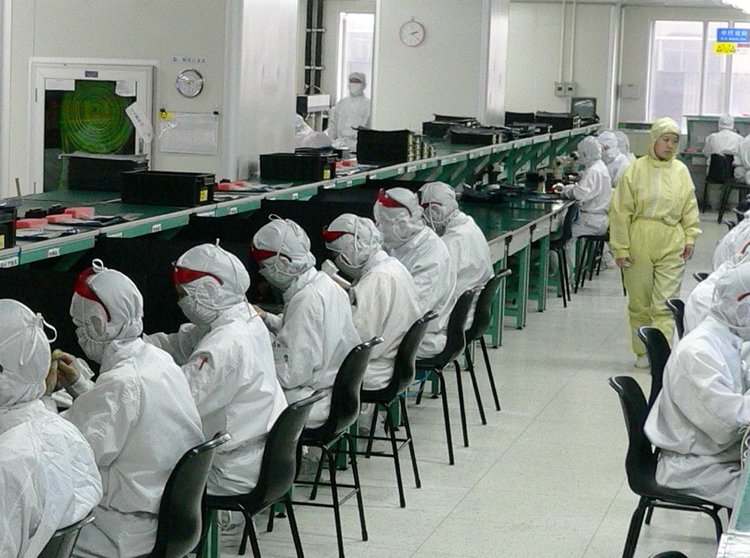
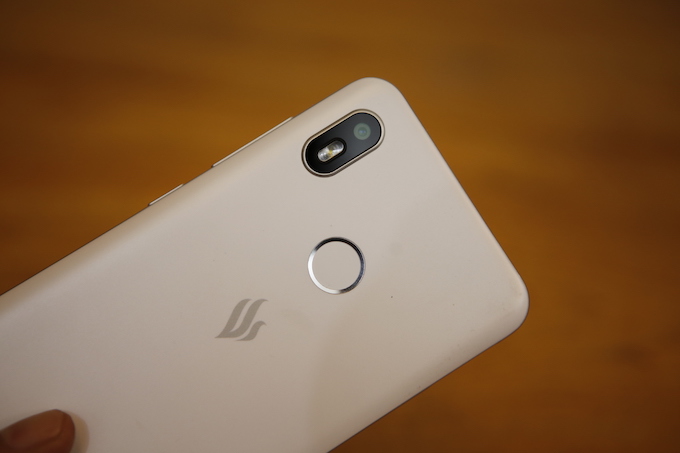
    Vietnam’s largest private firm Vingroup launched four new phone models Friday, saying it aims to sell them internationally. The four new Vsmart phones, manufactured at the group’s VinSmart factory in Vietnam’s northern city of Hai Phong, are priced from 2.49 million ($107.18) to 6.29 million ($270.76) in the introductory phase. The prices will later increase to VND2.59-6.59 million ($111.49-283.67).

    Tran Minh Trung, CEO of VinSmart, said at the launching event that his company wants to branch out to markets outside of Vietnam.

    “We will not stop at the Vietnam market. We will bring out products to the world with five business departments in five continents. A sixth department will be in charge of e-commerce. We are capable of competing and we want to be accepted in both local and international markets,” he said.

    VinSmart is set to be a new competitor in the Vietnam market of 95 million people, currently dominated by Samsung and Apple phones.VinSmart acquired the intellectual property rights for the four phones from Spanish technology firm BQ, in which VinSmart owns a 51 percent stake.

    Vietnam is the largest smartphone production base for Samsung, while key Apple supplier Foxconn is also considering setting up a factory in the country.

    The launching of the phones has happened at rapid speed, just six months after Vingroup established the VinSmart company in June to produce smartphones and other smart electronic devices with a registered capital of VND3 trillion ($131.54 million).

    Vingroup, once a real estate and retail focused conglomerate, also became the country’s first full-fledged domestic car maker in October, introducing three new car models.

    VinSmart factory is capable of making five million phones a year in its first phase of operations, the company has said.

    It has also said that the factory will produce smart TVs and other smart products in the future. VinSmart also signed a multimode global patent license deal on Friday with chip producer Qualcomm.

  • Swee Lee Music Malaysia reopened

    Swee Lee Music Malaysia reopened

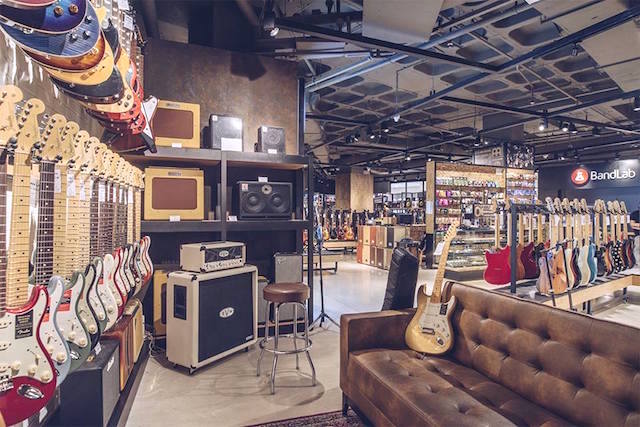
    Southeast Asian musical instruments retailer Swee Lee Music has opened a refurbished flagship in Malaysia. The 4995sqft location in Lot 10 Mall is Swee Lee’s 15th store in the region, and one of three in Malaysia. Beyond its range of instruments, the store sells vinyl records and curated lifestyle products, and has partnered with second-hand guitar retailer Well Played Gear to offer its products in store. High-end consumer audio goods are also available for purchase.

    The store represents the first build of Swee Lee’s retro-futuristic wood/concrete interior design aesthetic in Malaysia. It also reserves space for a cafe and performance events.

    Swee Lee’s MD of music Meng Ru Kuok said: “Since Swee Lee began operating in Malaysia three years ago, we’ve been delighted to support local musicians as they pursue their creative journeys.

    The refurbished KL flagship store is about taking this to the next level. In a dynamic city like Kuala Lumpur, which has a deep passion for music and incredibly talented artists, we want to establish a space where anyone can be inspired to connect and create.”

    View the gallery below (4 images) :