Author: Mei Ling Tan

  • Morrisons seals supply deal with Big C

    Morrisons seals supply deal with Big C

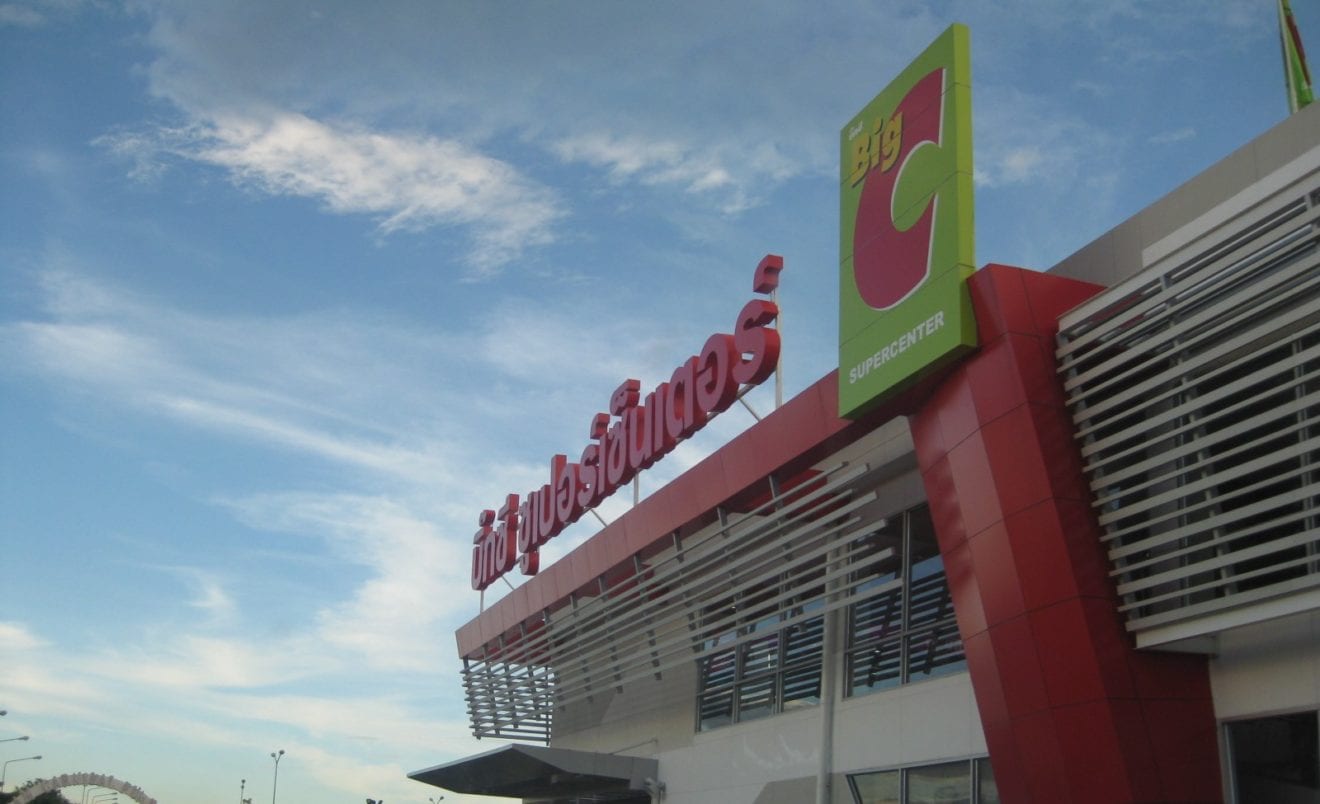
    UK supermarkets group Morrisons has secured a supply partnership with Thai grocery chain Big C.

    The firm will be sending 100 branded products to feature on Big C shelves in what represents a major international partner for Morrison’s, which otherwise has a minor presence in Gibraltar and the Channel Islands. The company also previously supplied its own-label products to a Hong Kong e-commerce platform British Essentials.

    Morrison’s CEO David Potts has stated the company is not currently pursuing an international strategy – the partnership with Big C is the result of unexpectedly fast growth in the company’s wholesale business.

    Morrison’s revenues increased 4.5 per cent over the past half year compared to the same period last year. While same-store retail figures grew 2.1 per cent, its wholesale business grew 2.8 per cent.

  • Vietnamese banks sound alarm over cybercrime

    Vietnamese banks sound alarm over cybercrime

    Many banks in Vietnam have reported about customers losing information about their accounts to criminals through phishing attacks and other methods.

    In a recent statement Techcombank said it had detected many cases of fraud and misappropriation of money by faking Western Union transactions.

    The criminals would send victims fake Techcombank messages claiming they had received money through Western Union, and tell them to go to a fake Techcombank website and log in to confirm the transaction, resulting in their account information being stolen.

    Maritime Bank has issued a statement cautioning customers about frauds in which criminals contact them through phone calls, text messages, social networks, and emails pretending to be the bank’s employees. They then ask the victims to provide their account information in return for money, promotions or prizes.

    Other major banks such as VPBank and Vietcombank have also issued similar statements cautioning customers against revealing their OTP codes to anyone, including the banks themselves, under any circumstances.

    They are also told to closely monitor their accounts to detect any abnormal activity, and report immediately to the bank if they receive suspicious calls or text messages.

    According to global statistics recently released by cybersecurity firm Kaspersky Lab, nearly 36 percent of cyberattacks in the second quarter of 2018 were targeted at financial services, including over 21 percent targeting banks and 8.17 percent targeting online shops.

    Financial experts have warned that Vietnam has become a hotbed of cybercrime, with criminals becoming increasingly sophisticated while banks still using old, insecure technologies and their customers lacking awareness of how or why to protect account information.

    To counter the increase in cybercrime, the government has issued a decree requiring banks to secure their customers’ information and not to provide such information to any third party without written consent from customers.

  • US fashion label Henri Bendel to close after 123 years in business

    US fashion label Henri Bendel to close after 123 years in business

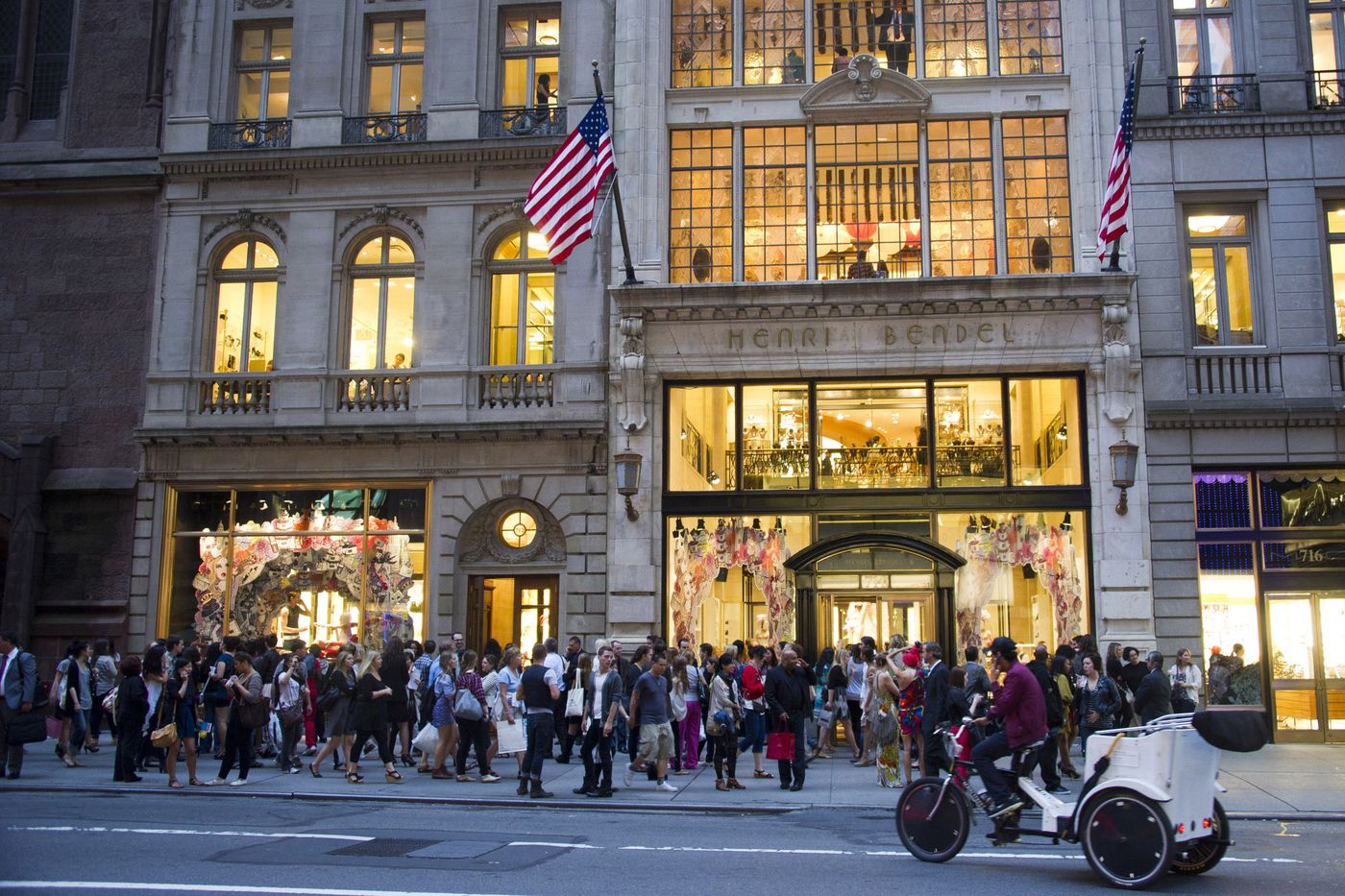
    L Brands is to close down its 123-year-old luxury womens fashion brand Henri Bendel.

    “We are committed to improving performance in the business and increasing shareholder value,” said L Brands CEO and chairman Leslie Wexner. “As part of that effort, we have decided to stop operating Henri Bendel to improve company profitability and focus on our larger brands that have greater growth potential. This decision is right for the future growth of our company, but not easy because of the impact to our L Brands family.”

    Henri Bendel has 23 stores operating in 11 US states, including a flagship on Fifth Avenue. It also has an e-commerce site.

    The company will implement a staged close-down, with new stock shipped for the peak holiday season and stores shuttered in January.

    L Brands predicts Henri Bendel sales to reach US$85 million this year, with an operating loss of $45 million. That figure excludes closedown expenses.

    L Brands is the parent company of Victoria’s Secret, Pink and Bath and Bodyworks.

  • DHL Express Opens $2.98m Distribution Center in East Jakarta

    DHL Express Opens $2.98m Distribution Center in East Jakarta

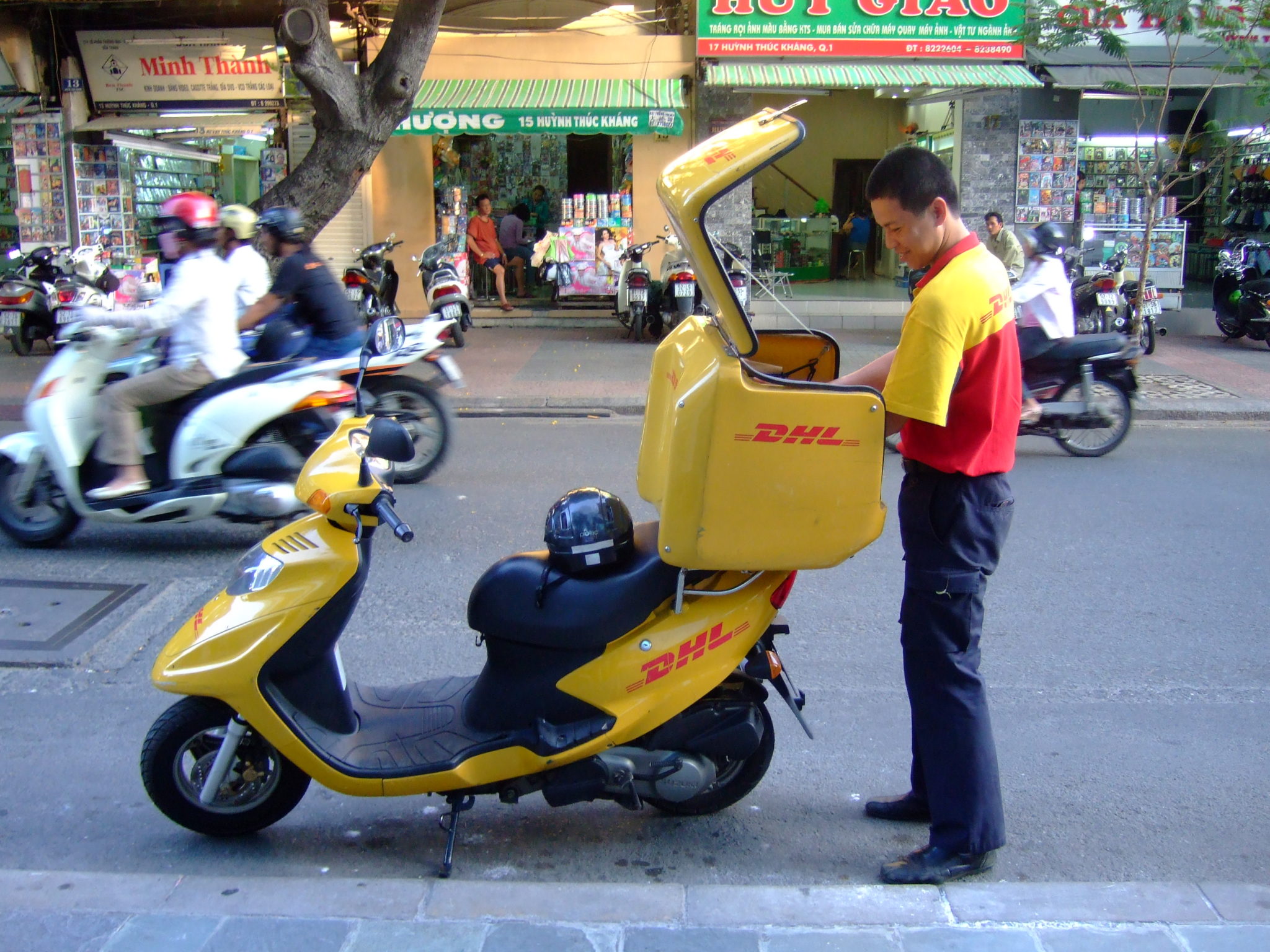
    The local unit of Deutsche Post DHL, the world’s largest logistics company, has opened a $2.98 million facility in Pulogadung, East Jakarta, to accommodate growing demand and expand its presence in the capital.

    The new facility, located in Jakarta Industrial Estate Pulogadung, replaces the old one in Kelapa Gading, North Jakarta, which has exceeded its capacity.

    “The facility is proof of our commitment to meeting customers’ needs and international shipping demand. With this new strategic location, we expect to bring world-class services to our business customers,” Ahmad Mohamad, senior technical advisor at DHL Express Indonesia, said in a statement on Monday (17/09).

    The 1,800 square meter facility, which is equipped with motorized conveyor belts and weighing equipment to improve efficiency and accuracy, has the capacity to process 314,000 parcels annually. It is also equipped with an advanced security system, including 70 closed-circuit television cameras.

    The newly opened Pulogadung facility is one of several investments DHL Express has made in Indonesia.

    The company also has a gateway facility at Soekarno-Hatta International Airport in Tangerang, Banten; new service centers in Batam, Riau Islands; Solo, Central Java; and Makassar, South Sulawesi; and mobile service stations in several areas in Jakarta.

    DHL Express’s 7,000-square-meter distribution center in Cengkareng, Banten, established in November last year, is the company’s largest investment in Indonesia at Rp 60 billion ($4.03 million).

    The company, which operates in Indonesia through Birotika Semesta, reportedly plans to invest $2 million this year to expand its existing distribution centers and establish new service centers in several locations in the archipelago, while also increasing its cargo-carrying capacity.

  • Kit Kat Bar opens in Tokyo, serves new Japanese Umeshu Plum Sake Kit Kats

    Kit Kat Bar opens in Tokyo, serves new Japanese Umeshu Plum Sake Kit Kats

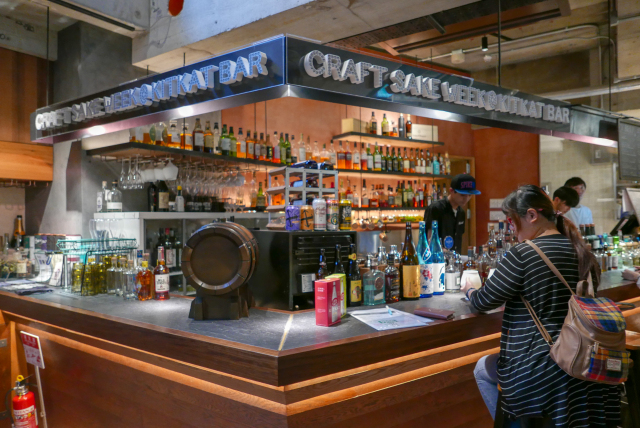
    Nestle has opened a pop-up bar in Tokyo to mark today’s release of its new sake-flavoured Kit Kat bar.

    “Craft Sake Week @Kit Kat Bar” has been offering visitors a preview of the new Umeshu Plum Sake-flavoured chocolate bar paired with cocktails. The space is overseen by former soccer star Hidetoshi Nakata, now known for his work with more than 350 local sake breweries designing products to promote their rice wines both nationally and globally.

    Two Ume Sake Kit Kat and cocktail pairings served in Milano glasses are the highlight of the pop-up. The cocktails, created by noted craft cocktail designers to complement the flavours of the new Kit Kat, are exclusive to the bar.

    The pop-up, which runs to September 24, features other products both collaborated on and curated by Nakata to convey the beauty of traditional Japanese sake crafts, as well as a sake-tasting area.

    Nestle released it first premium sake flavoured Kit Kat last year.

  • InterContinental Danang wins top World Travel Awards

    InterContinental Danang wins top World Travel Awards

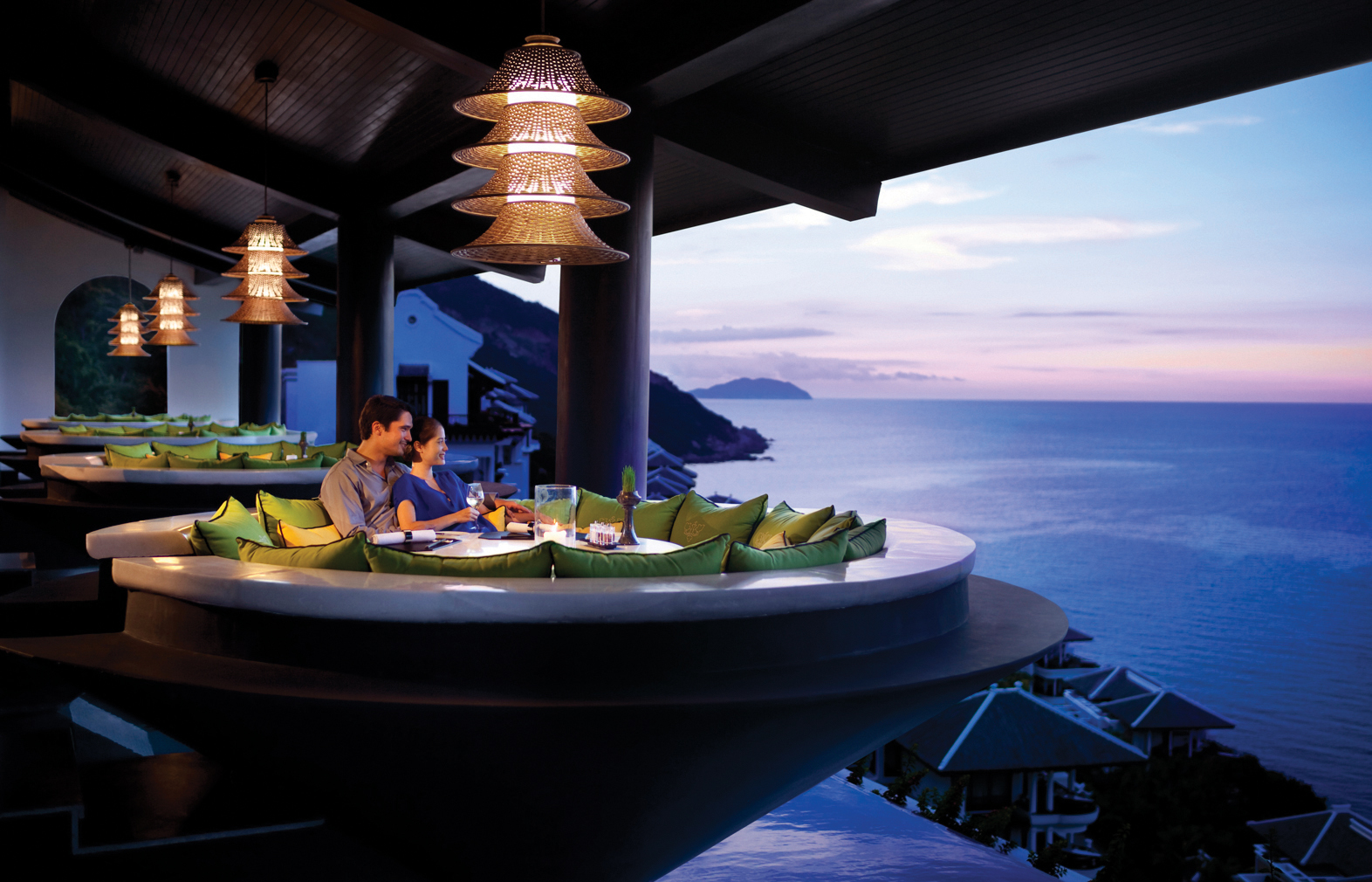
    InterContinental Danang Sun Peninsula Resort has reaped a bumper harvest of prestigious awards at the World Travel Awards 2018.

    The resort, developed by the Sun Group, won Asia’s Leading Green Resort, Asia’s Leading Luxury Hotel Villa, Asia’s Leading Luxury Resort, Asia’s Leading Luxury Wedding Resort and Vietnam’s Leading Luxury Resort awards for this year.

    It also surpassed numerous other heavyweight competitors to retain the Asia’s Leading Luxury Resort title for the fifth consecutive year since 2014.The high-end property beat the winner of the previous four consecutive years, Mission Hills Shenzhen (China) and seven other competitors to become Asia’s Leading Green Resort 2018.

    In the framework of the event, the Bai Bac Bay Villa, the latest addition to the resort’s luxury collection of penthouses and villas designed by famed architect Bill Bensley, received the Asia’s Leading Luxury Hotel Villa Award for the first time.

    Combining the beauty of tropical landscapes, unique architectural space and international-standard service, InterContinental Danang Sun Peninsula Resort has been one of the ideal choices for couples to host breathtakingly luxurious weddings.Speaking at the awards ceremony held in Hong Kong earlier this month, Juan Losada, general manager of the resort, said: “Being named as Asia’s Leading Green Resort 2018 is a recognition of our efforts to maintain the sustainable development of the resort and protect the ecosystem of Son Tra Peninsula. This year’s award is a result of the world-class service and great experiences we deliver to our guests every day,” he said.

    This is a one-of-a-kind resort that redefines luxury by combining Vietnamese aesthetics with international standards. Set on 37 hectares of stepped gardens leading down to a private beach, each of the 200 rooms and villas guarantees a magnificent view of the crystal clear water of the East Sea.

    It has welcomed a veritable host of high-profile guests, including politicians and celebrities throughout the years. In October, 2017, it was selected to host the APEC Economic Leaders’ Week held in Danang.Decorated with wooden furniture and handmade silk and craft art pieces procured from many Vietnamese localities, this luxury resort was designed by star architect Bill Bensley.

    The World Travel Awards was launched in 1993 to acknowledge excellence in the travel and tourism industry and is now in its 24th year. Heralded as the “travel industry’s equivalent to the Oscar’s” by The Wall Street Journal, the awards are handed out based on votes by the public and travel professionals across the globe.

  • India to have first cashier-free store

    India to have first cashier-free store

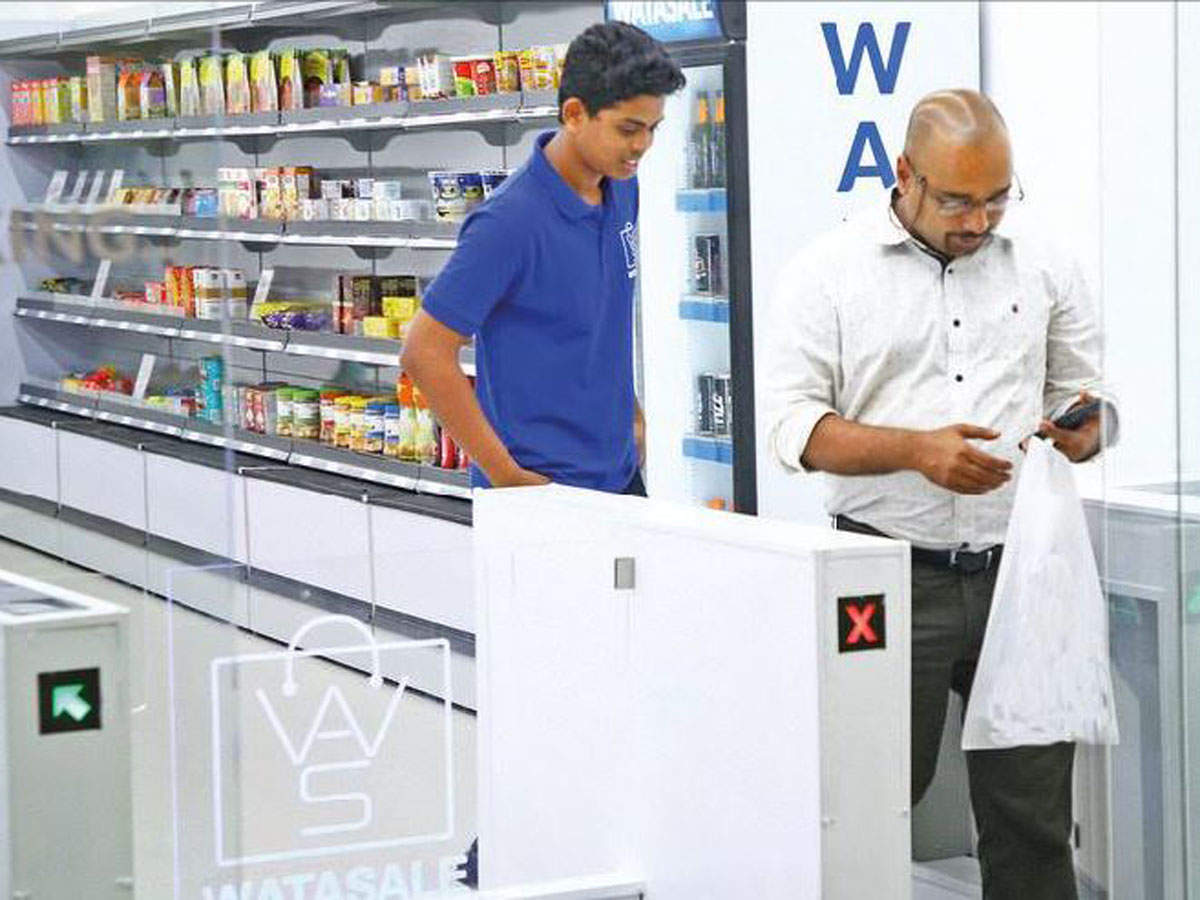
    The first automated, cashier-free store in India has opened its doors.

    Watasale, which has opened in Kerala, has no staff on sales or cashier duty and customers are not expected to scan products or wait in line. Shoppers carrying their smartphones can walk in and out of the store without needing to check out any items for sale. The store’s AI allows customers to purchase from the store by scanning a QR code.

    “Back in 2015, it was a time when machine learning and artificial intelligence was really coming out,” explains the firm’s COO Richu Jose. “We knew any segments can be disrupted using this technology. If you look at the market structure, the retail segment was still following the age-old technologies. We found it as a ripe ground for innovation and disruptive technologies.”

    Chief marketing officer Rajesh Malamal said that the firm believes “our systems are more economical and scalable in comparison to Amazon’s solution”.

  • Asia-Pacific retailers plan overseas expansion

    Asia-Pacific retailers plan overseas expansion

    Asia-Pacific retailers as increasingly embracing overseas expansion, according to new research by commercial real estate company CBRE.

    The report, Rise of Apac Retailers 2018, analysed 600 openings in the region, showing the proportion of Apac retailers (predominantly F&B operators, fashion and beauty brands) had increased from 17 to 30 per cent between 2014 and last year, accounting for almost a third of new regional entrants. The strongest target markets are China, Hong Kong, Taiwan and Singapore, while the expansion itself has been shown to strengthen brands in their home markets.

    Most retailers expanding into Apac territories are from Australia, Japan and Korea.

    The firm’s  head of retail, advisory and transaction services Asia Vivek Kaul said: “Apac retailers are becoming a driving force in the region, spurred on by potential revenue growth and the need for stronger brand awareness. This expansion is not focused on one single market – instead, it reflects the diversity and dynamism within Asia Pacific’s retail sector.”

    Associate director of Asia Pacific research Liz Hung said whether they are establishing flagship stores in gateway cities or testing the waters in emerging markets, Apac brands are “increasingly adopting a savvier approach” to regional expansion.

  • US-China trade war boon for Malaysian exporters

    US-China trade war boon for Malaysian exporters

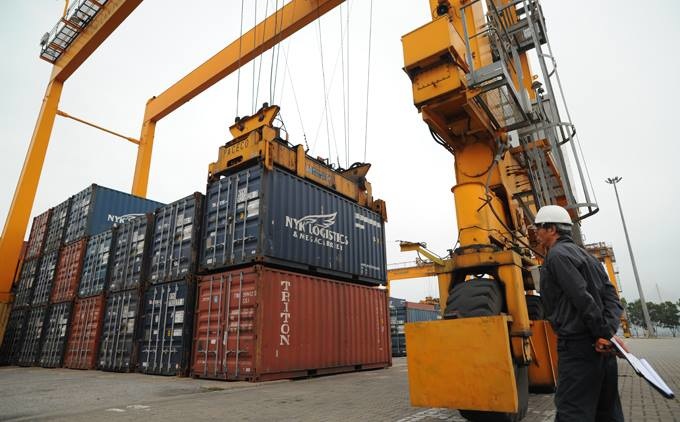
    As US is imposing new tariffs on US$200 billion (RM828 billion) worth of Chinese goods, local exporters are expected to see some increase in orders from the affected players in the two big economies over the next few months.

    It is understood that the US tariffs will take effect on almost 6,000 goods from Sept 24, starting at 10% and increasing to 25% from the start of 2019. Items taxed include everyday items such as suitcases, handbags, toilet paper and wool; and food items from frozen cuts of meat, to almost all types of fish, soybeans, various types of fruit and cereal and rice.

    Sunway Business School Economics Professor Dr Yeah Kim Leng said that he believes the affected firms in both respected countries will be looking at sourcing for other countries and relocate part of their production plants to other countries including Malaysia.

    “Of course they will be exploring and we (Malaysia) already seeing some inquiries. Based on their feedbacks, they are seeking on how they can divert some of their orders to Malaysian companies.

    “Now that the lists of goods are much more wider, they (local firms) are likely to see greater inquiries and look into securing some of the production contracts,” Yeah said, as affected companies are looking to reduce their costs due to the additional tariffs.

    He opined that while the 10% tax is less damaging, the 25% tax will add to the cost pressures for both consumers and businesses in the respective industries.

    Yeah however believes that the slowdown in global growth may deter the affected players from expanding their capacities or relocating their plants to other countries, and instead have them look at existing companies to supply their orders for those affected goods.

    “In the short term, Malaysia may also not be able to capitalise on that given our full capacity constraints.

    “There might be a capacity constraint for Malaysian companies to ramp up production but those with spare capacities will stand to benefit to complete some of the orders,” he added.

    Meanwhile, FXTM global head of currency strategy & market research Jameel Ahmad said that the US’ new tariffs has encouraged further risk aversion across the markets as expected.

    Jameel opined that this move will make investors more sensitive to the ongoing uncertain external environment and expects those currencies belong to markets with weaker external positions to be hit hardest in the aftermath of this decision.

    “The US dollar has once again strengthened on increased trade tensions, while a wide basket of different emerging market currencies is once again on the back foot due to a lack of risk appetite for emerging market assets.This probably means another blow for the likes of the Indian rupee, Indonesian rupiah and South African rand.

    “The outcome is negative for the Chinese yuan, however it has been priced in throughout recent weeks and the reaction in the yuan has not been as negative as would have been first feared. The yuan is down just over 0.10% at time of writing.
    “The ringgit and rupiah are example of two Asian currencies that are trading more negatively than the Yuan, in reaction to this news,” Jameel added.

    The local note was down to 4.146 to the dollar. The FBM KLCI was down about 10 points to 1,792.94 points.

    On another matter, Yeah said the escalating trade war will likely give greater impetus for both China and US to pursue on their respective regional trade agreements and divert them from each other economies.

  • Vietnam sees high-speed train finally coming

    Vietnam sees high-speed train finally coming

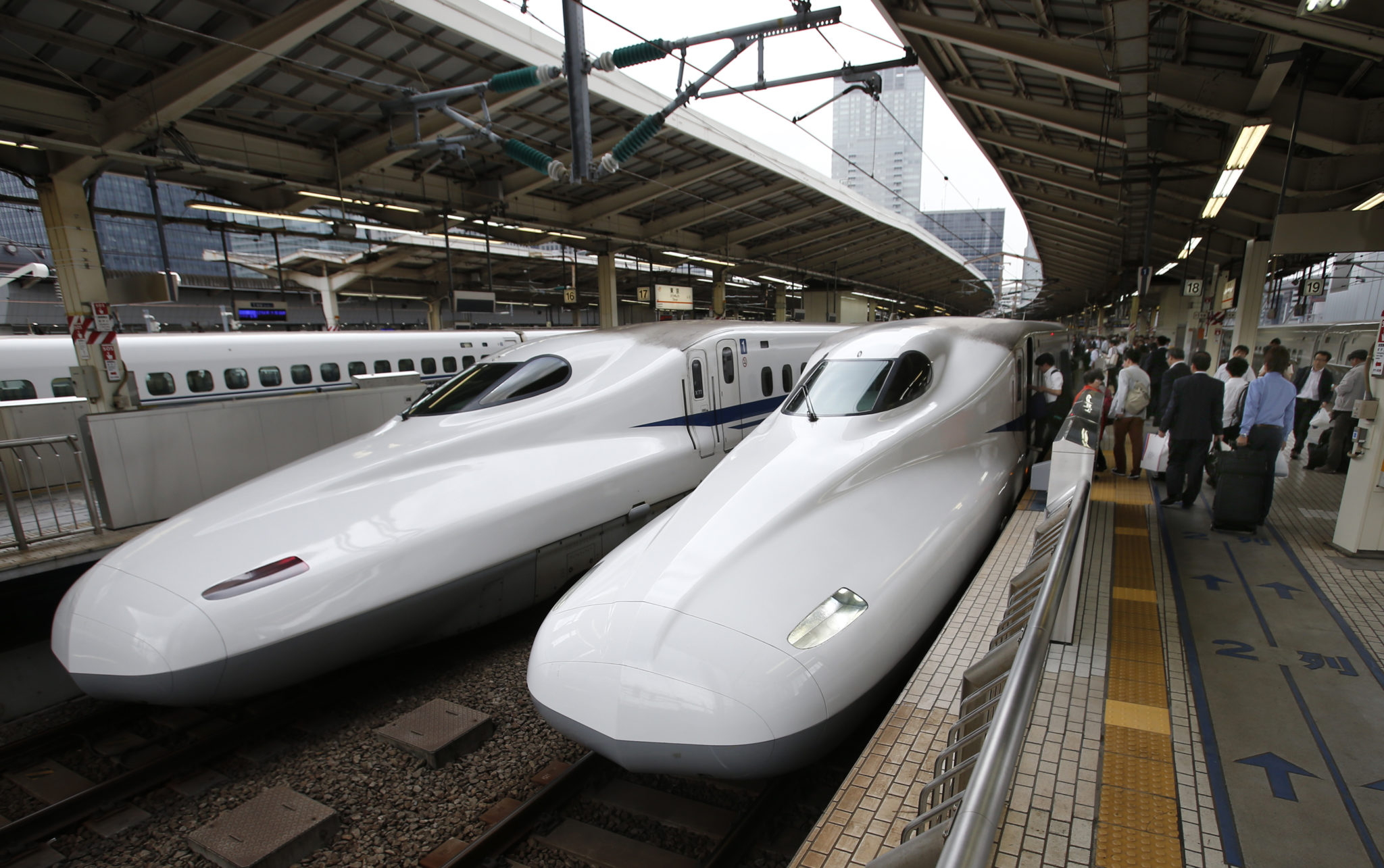
    The trans-Vietnam high-speed rail is back on the agenda, with officials saying it can compete with aeroplanes for business.

    Government officials are also confident that the current pace of economic development will make it practical to source funding for the multi-billion dollar project in phases.

    The Ministry of Transport is working on a feasibility study for the high-speed railway project what would span 1,545 kilometers (960 miles) to connect Hanoi and Ho Chi Minh City.

    The project is estimated to cost more than $58 billion, which was the reason lawmakers had shot it down several years ago, saying the nation could not afford it then.

    It is currently envisaged that two sections of the route – from Hanoi to the north-central city of Vinh and from the south-central city of Nha Trang to HCMC – will be built first in 2020-2030 at a cost of $24 billion, and commercial operations are likely to begin in 2032.

    Questions have been asked about the advisability of pursuing the high-speed rail project in the context of Vietnam still needing a lot of capital for infrastructure projects like expressways, the Long Thanh International Airport, which is set to become the country’s largest, as also expansion of the Tan Son Nhat Airport in HCMC.

    This is countered with the argument that the high-speed railway has great advantages in a country with narrow and long terrain like Vietnam.

    Nguyen Van Thanh, chairman of Vietnam Automobile Transportation Association (VATA), said that in the next 10-15 years when Vietnam’s population rises to more than 100 million, the demand for travel would be huge.

    By then, the country will need more means of transportation, Thanh said, adding that he guessed many people would prefer the rail rather than roads on safety considerations.

    Going further, Thanh compared the high-speed rail with flying.

    “Many will choose the high-speed rail because the time for traveling would be almost the same, but unlike airports that mostly lie in suburban areas, rail stations are in the inner city, which makes it more convenient for passengers. Moreover, the procedures for flying are much more complicated.”

    Transport expert Than Van Thanh had similar thoughts.

    “Railways have been left behind for 70 years in Vietnam and the country has paid a lot of attention to developing roads; but it’s not safe to let bus drivers drive for more than 300 kilometers at a time.

    “Road transport has high logistical costs and frequent accidents. A high-speed rail will ease the overload on the roads and thus reduce traffic accidents and environmental pollution. If we let too many long distance buses operate on the road, like we are doing now, we are going in the opposite direction from the world,” he said.

    Tran Dinh Thien, a member of the Prime Minister’s advisory group, said the National Assembly used to turn down proposals on the high-speed rail because the investment was too high, but with the current speed of economic development, it was possible to raise fund for each phase of the project.

    “The demand for travel between Hanoi and Vinh is high and with a designed traveling time of 1.5 hours, high-speed trains can compete with buses and airlines. It is not right to give priority to any specific sector,” he said.

    According to a consultancy consortium comprising Vietnamese firms Transport Engineering Design Inc (TEDI), Transport Investment and Construction Consultant Joint Stock Company (TRICC) and Transport Engineering Design Incorporation in the South (TEDIS) that is hired by the government to do the feasibility study, the trans-Vietnam high-speed rail would adopt the distributed traction technology used by Japanese high-speed trains.

    Sixty percent of the tracks will be on viaducts, 10 percent underground and 30 percent on the surface, completely protected by fencing and without a single crossing.

    The entire project could be completed and operational by 2040-2045. The train ride from Hanoi to HCMC then would take eight hours, while the current one takes 24 hours.

    Vietnam’s existing 3,000-kilometer railroad network has not received any major investment since it was built 140 years ago, and does not have the capacity for high speeds.

    Investment in the railways currently accounts for just one percent of the transportation sector’s total budget.

  • DHL e-Commerce to launch Cash-on-delivery service

    DHL e-Commerce to launch Cash-on-delivery service

    DHL eCommerce has launched a cross-border cash-on-delivery service for Southeast Asian customers.

    The service will allow sellers in China and Australia to target consumers in Malaysia, Thailand and Vietnam who do not have credit cards or even a bank account – an estimated 73 per cent of the region’s population. It enables cash collection from buyers in these regions upon delivery.

    Collected cash will be remitted to a local bank account at the destination or the billing country based on the local destination currency. Remittance will be made to sellers every fortnight and tracking visibility of the status of COD is available on the DHL portal.

    CEO of DHL eCommerce Charles Brewer said that despite growing credit card adoption in Southeast Asia, the low level of credit card penetration has forced e-commerce retailers to offer alternative modes of payment methods such as cash on delivery, digital payments and in some cases paying in-store.

    “This opens up a huge potential by reaching out to a new group of unbanked consumers and also meeting the needs of consumers who prefer to pay in cash.

    “China and Australia are huge e-commerce export markets and our DHL Parcel International Direct product provides a direct entry into high demand markets with excellent transit times of three-to-five business days with economical shipping prices. With our fully-owned domestic delivery network in Malaysia, Thailand and Vietnam, we are able to deliver on-time with secure features like cash-on-delivery.”

    CEO of DHL eCommerce’s new Vietnamese partner Sendo, Tran Hai Linh, added: “Being a home-grown company allows Sendo to have a deep understanding of the Vietnamese local market and culture. Sendo aims to support over 300,000 individual vendors, micro-entrepreneurs, and small businesses to sell their goods online and deliver them affordably throughout Vietnam. With our collaboration with DHL eCommerce, we will provide not only the sellers but also several million buyers on our platform with an international quality delivery experience in Vietnam.”

    DHL operates more than 300 ServicePoints across Vietnam accessible to Sendo, meaning buyers can choose to have their parcels dropped off at these locations instead of waiting for a pick-up and enjoy discounts of up to 20 per cent.

    DHL eCommerce Vietnam’s MD Thomas Harris said Micro, small, and medium-sized enterprises continue to play a major role in Vietnam, accounting for 98 per cent of all enterprises, 40 per cent of GDP and 50 per cent of employment.

    “However, they face unique challenges such as access to finance and international partners. DHL is passionate about supporting small businesses and we are excited to work with Sendo to support their sellers with an excellent, high quality domestic delivery network.”

  • Half of Vietnamese youths think technology will create more jobs: survey

    Half of Vietnamese youths think technology will create more jobs: survey

    A majority of Vietnamese youths believe that technology will increase the number of jobs in future, a survey by the World Economic Forum has found.

    The “ASEAN Youth and the Future of Work” survey done by the WEF together with internet company Sea recently released said while 51.5 percent said technology would increase the number of jobs, 35.3 percent said it would decrease the number.

    These figures vary significantly in the six countries surveyed, the survey said.

    Vietnamamese youths perception of technology impact on jobsin percentageJobs will increaseJobs will decreaseNo impactWEF (2018)

    Singapore and Thailand are the most pessimistic with 53 percent in the former country and 43.6 percent in the latter saying technology would take away jobs.

    But on average, 52 percent of Southeast Asian youths were optimistic.

    Justin Wood, head of Asia Pacific, and member of the executive committee of the WEF, said: “Globally there is concern that technological change may bring rising inequality and joblessness. But in ASEAN, the sentiment seems to be much more positive.”

    The survey also showed that Vietnamese youths are most confident about the impact of technology on their future income, with 72.8 percent saying technology would increase their income, the highest of the countries surveyed.

    In terms of preference for work, the survey found that 26.5 percent of ASEAN youths are currently working for themselves.

    Most countries surveyed have a rising interest in self-employment. In Vietnam, this figure is currently 19.3 percent, but 24.8 percent want to be self-employed in future.

    Over 10 percent of ASEAN youths work for a multinational company and 17 percent would like to work for one in the future, the survey said.

    Though 16.5 percent work for a small and medium-sized enterprise (SME), only 7.4 percent want to continue their career at these companies.

    “The findings suggest that small and medium-sized enterprises (SMEs) may struggle for talent in future,” Sea Group chief economist Santitarn Sathirathai said, adding it is important to continue to enhance adoption of digital technologies by SMEs to ensure young entrepreneurs have the resources they need to succeed.

    The survey also found that Vietnamese youths spend the least time on the internet — five hours and 10 minutes a day. In Thailand, this figure is more than seven hours.

    The survey polled 64,000 respondents aged 35 or less from Vietnam, Thailand, Malaysia, Indonesia, Singapore, and the Philippines.

  • Sunnies Studios to expand into Vietnam

    Sunnies Studios to expand into Vietnam

    Filipino eyewear brand Sunnies Studios has announced plans to expand into Vietnam.

    The fashionable brand, specialising in affordable frames for women, has enjoyed a successful run in the Philippines with more than 40 branches. The Vietnam store, expected to open before the end of the year, will be its first international outlet.

    Sunnies’ creative director Martine said: “Now that the brand has been really established here, we can finally start looking global because that’s the original vision of Sunnies was always to be a truly global brand for the world – not just for the Philippines, but showing the world what the Philippines can produce also.

    “We’ve always wanted to expand in Asia. And Vietnam is so similar to the Philippines I think the market will be equally receptive to the brand.”

  • GS25 brings facial recognition to new shop

    GS25 brings facial recognition to new shop

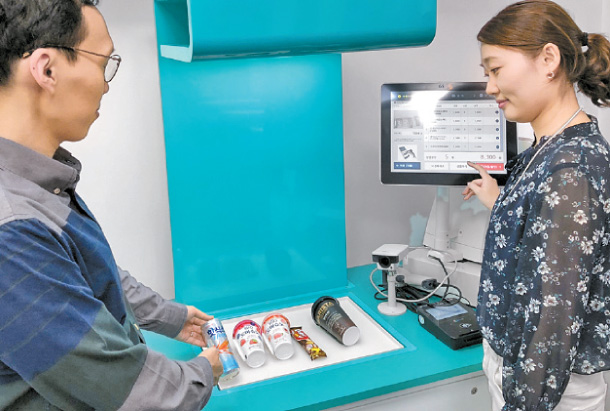
    Convenience store chain GS25 has opened up a cashier-less store in Seoul that uses face-recognizing cameras to handle payments.

    The company’s first Smart GS25 started operation at LG CNS’ headquarters in Gangseo District, western Seoul, on Monday. LG CNS is a long-time provider of electronic systems to GS25 and one of the companies working to add state-of-the-art technology to the convenience store chain.

    The unmanned branch is only accessible to LG CNS staff. The store’s front entrance will allow customers to enter through face recognition after they register with a camera in front of the store. Payments can also be made through the face-scanning technology, and the store automatically charges customer’s bank accounts.

    “We aim to introduce and test 13 new smart solutions by the end of this year at the Smart GS25,” the convenience store said in a statement on Monday. “The [long-term] purpose is to apply them to our branches to reduce our franchisees’ labor costs.”

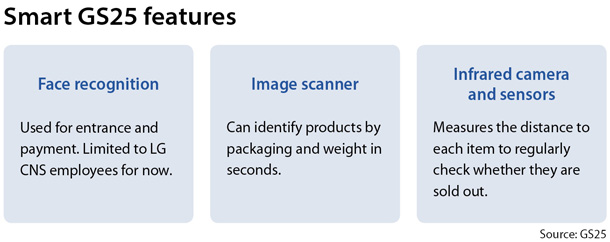
    The experimental GS25 has eight new tech features. Although GS25 is late to the game, as its competitors CU, 7-Eleven and Emart24 have already rolled out their own automated technologies, some of GS25’s features are new to Korean convenience stores.

    One is the aforementioned face recognition technology for entrance and payments. Another is the image scanner at the cash register. Most convenience stores without a human cashier use barcodes to identify the products. GS25’s new system instead identifies an item by its packaging and weight.

    This allows customers to simply place items on the table before paying using facial recognition or a credit card. The company says it takes only about a second for the system to recognize five items at once, whereas with the conventional bar code system it would take 15 seconds to scan them one by one.

    An infrared camera and sensors are also installed at the store to regularly check which items need to be restocked.

    This system measures the distance to products to see whether there are any left on the shelf and automatically reports this information to the store supervisor.

    Other features include a smart CCTV that will track where customers spend the most time. This can help the store owner to decide where to place different items.

    “The Smart GS25 is not just an unmanned convenience store packed with tech gadgets,” said Lee Hyun-gyu, a manager of the new shop. “Its main function is to prove technologies that will enhance the convenience of store operation and relieve franchisees of the burden of labor costs. We expect some of the technologies tested here will be shown at our franchises by next year.”

    A GS25 spokesman added, however, that a Smart GS25 open to the public would probably not be autonomous.

  • Dunhill Ginza flagship store opens in Tokyo

    Dunhill Ginza flagship store opens in Tokyo

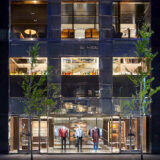
    Men’s clothing designer Dunhill London has opened a new flagship store in Ginza, Tokyo.

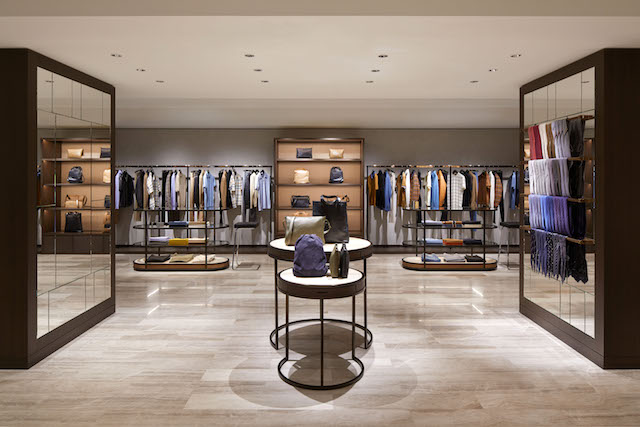
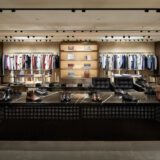
    The Dunhill Ginza store blends bar and barbershop environments to create “a masculine and contemporary space” alongside the latest collections by creative director Mark Weston. It also features a new tailoring room for bespoke and made-to-measure services.

    CEO Andrew Maag said the new Dunhill Ginza store brings a complete elevated brand experience to the brand’s most important market and further cements its position as the leader of British luxury menswea

    A bar on the first and second floors serves Japanese contemporary fusion food with a British twist, while on the first floor the Dunhill barber service offers tailored men’s grooming, shaving and treatments in partnership with The Barba Tokyo.

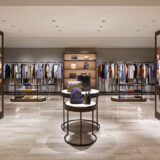
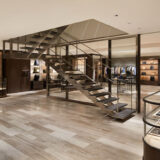
    The store’s design features bronzed brass and wood, together with signature black leather and black metal details, all recognisable codes of the brand’s stores.

    A metal-and-glass facade leads to an open and clean space that showcases apparel in what Dunhill describes as “a subtle and approachable way”.

    A shoe lounge features marble and metal displays, highlighting Dunhill’s newly launched sneakers and handmade English shoes, alongside a tailoring room for Bespoke and Made-to-Measure services.

    View the pictures in the gallery below :