Author: Mei Ling Tan

  • Dairy Farm restructures after recent result

    Dairy Farm restructures after recent result

    “Underperforming” subsidiaries and rising rent and labour costs are disturbing the chairman of Hong Kong-listed multinational retailer Dairy Farm International – but those factors failed to prevent a solid second-half year performance.

    Dairy Farm’s total sales rose 17 per cent to US$12.215 billion in the six months to June 30 and profit attributable to shareholders was $215 million, up 6 per cent. The increased sales came largely from the Yonghui supermarket operation and Maxim’s which owns food retail channels and the Starbucks business in Hong Kong, Singapore, Vietnam and Cambodia.

    Chairman Ben Keswick said the health and beauty business in Hong Kong and Macau drove strong results in North Asia, but the Southeast Asian food businesses continued to face challenges producing a weaker overall performance.

    “While the outlook for the remainder of the year is expected to remain challenging for the Food businesses, particularly in Southeast Asia, the group’s other businesses should continue to make steady progress. Significant management and structural changes have been made to address the issues the group faces in a number of areas, but time will be needed to deliver sustainable improvement.”

    The company has consolidated its trading operations into a more centralised structure with two main trading divisions: North Asia and Southeast Asia, in addition to the standalone business of Home Furnishings (essentially Ikea) and Maxim’s.

    Keswick says five strategic priorities have been identified: building capability, growing presence in Mainland China, protecting the group’s Hong Kong business, revitalising the Southeast Asia operations and driving digital innovation. “A series of programs are underway to support these priorities across all of the group’s businesses,” he said in the earnings statement.

    In North Asia, overall sales within the food businesses were ahead of prior year, but profits declined, mainly due to higher rent and labour costs in Hong Kong. “The health and beauty business in Hong Kong and Macau delivered very strong sales and profit growth, driven by a significant increase in business from higher numbers of mainland Chinese tourists.”

    Southeast Asia challenges

    However, in Southeast Asia, challenging trading conditions continued for Dairy Farm’s food businesses.

    “The group saw lower sales and profits in Singapore, Malaysia and Indonesia, while in the Philippines, sales were higher but profits lower, due to increased operating costs resulting from more store openings. Generally, these businesses have suffered from a lack of investment in infrastructure, range and competitive pricing for some time, while competition in each market has been increasing.

    “Turning these food businesses around and becoming more relevant to the changing demands of customers will take significant effort. Appropriate plans are now being put in place following the strategic review, but will require time to take effect,” said Keswick.

    He said the improving performance of the majority of the group’s health and beauty businesses in Southeast Asia is encouraging, with Malaysia, Indonesia and Vietnam reporting better underlying results.

    Dairy Farm’s convenience store operations (7-Eleven) performed well, with Hong Kong and Macau trading in line with last year.

    “In Singapore, overall convenience store sales were slightly lower than last year due to the termination of a multi-site agreement, but profitability improved following the closure of some underperforming stores. Like-for-like sales increases and store expansion in Mainland China continued to underpin growth in this sector.

    “In Home Furnishings, Ikea performed ahead of last year in Taiwan and Indonesia, with sales and profits growth. Hong Kong reported higher sales, helped by a contribution from the new store which opened in October last year, but associated higher operating costs resulted in reduced reduction in profits. Progress continues to be made on new store development in both Taiwan and Indonesia, with several sites under development. Meanwhile, e-commerce activities are showing increased results in all markets but from a small base.

    Keswick said Maxim’s delivered another good performance and is continuing to expand its presence across Mainland China and Southeast Asia. In Hong Kong, Maxim’s opened its first Shake Shack in May with “encouraging initial results”.

    Supermarket chain Yonghui reported strong sales growth and underlying profits from the core food business remained strong, but total profits were behind prior year due to the investment in new technology formats and the introduction of an employee incentive scheme announced earlier this year.

    Philippines restructure

    Meanwhile, back in March, the group announced it had agreed to partner with Robinsons Retail Holdings Inc. (‘RRHI’), the third largest retailer in the Philippines, to build a leading food retail business in that market. Dairy Farm will combine its Rustan Supercenters operations with RRHI to build on the combined strengths of both businesses, creating a new platform for growth. Following completion of the transaction, Dairy Farm would own 18.25 per cent of RRHI. The transaction, which is subject to certain regulatory approvals, is expected to be completed in the fourth quarter.

    As at June 30, Dairy Farm, including associates and joint ventures, operated more than 7400 outlets across all formats, compared with 7181 at the end of last year.
  • Vietnam’s motorbike market bucks saturation forecasts

    Vietnam’s motorbike market bucks saturation forecasts

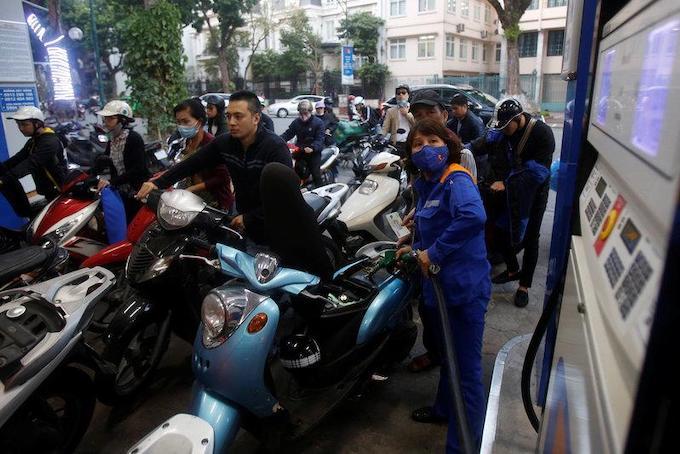
    In the first six months this year, the top five popular brands in the country sold almost 1.6 million motorbikes, the Vietnam Association of Motorcycle Manufacturers (VAMM) reports.

    This is a growth of 4 percent over the same period last year, said VAMM, which represents Honda, Piaggio, Suzuki, SYM and Yamaha in Vietnam.

    Motorbike consumption in the first half this year was 12 times that of cars, which went down two percent year-on-year, it added

    Honda remained the largest player in the motorbike market, accounting for 72.5 percent of 3.28 million motorbikes sold by VAMM members from April last year to March this year, the company informed a conference in May.

    Although semi-automatic motorbikes are still dominant, Vietnamese are showing greater inclination towards scooters. Last year, 48 percent of motorbikes sold in the country were scooters, a three percent increase from 2016, the VAMM report said.

    It said companies have also been producing more sports bikes as they discern greater interest in them from increasing numbers of young Vietnamese men.

    The motorbike market in Vietnam is still growing because people have a demand for this type of transport. High taxes and infrastructure limitations are constraints for cars, VAMM said.

    “Although the market will not see remarkable changes in the future, it will continue to grow steadily with 3-3.5 million motorbikes sold each year,” VAMM said.

    Motorbike market share in Vietnamin percentage; by March 2018HondaOtherHonda

    Last year, a study done by Germany-based Dalia Research found that Vietnam ranked top in the world for having with highest number of people using motorbikes for daily transportation.

    Seventy-nine percent of Vietnamese use motorbikes for commuting, while the number is just 10 percent globally, the study found.

    By the end of 2016, there were 45 million registered motorbikes in Vietnam, a country of over 92 million people, according to the Ministry of Transport.

  • H&M introduces interactive mirrors in US stores

    H&M introduces interactive mirrors in US stores

    Swedish clothing brand H&M has introduced an interactive mirror with speech and face recognition features that kicks into gear automatically as a customer walks up to it. It has been developed by Microsoft.

    The mirror is programmed to take selfies if directed and interact with customers.

    “For starters, you can talk to it and it’ll talk back. Ask it to take a selfie, for example, and it will happily oblige, capturing your graceful pose before immortalising your beauty on the front cover of a virtual fashion magazine,” Microsoft said in a blog post.

    The mirror, designed for H&M’s flagship store at Times Square in New York, can provide fashion advice and allow QR code scanning for discounts, offers, automated shopping lists and newsletter subscription options.

    “With the interactive mirror, we want to showcase new opportunities for voice assistants and inspire how to interact with their customers in a creative, modern and fun way,” said Linda Pimmeshofer, Business Developer at Microsoft.

    The mirror has been created using Cloud computing platform Microsoft Azure.

    “We are delighted with our collaboration with Microsoft, where we learn how fashion and technology create new ways of interacting with customers,” said Daniel Kulle, President, H&M North America.

  • Vingroup to take over Vien Thong A

    Vingroup to take over Vien Thong A

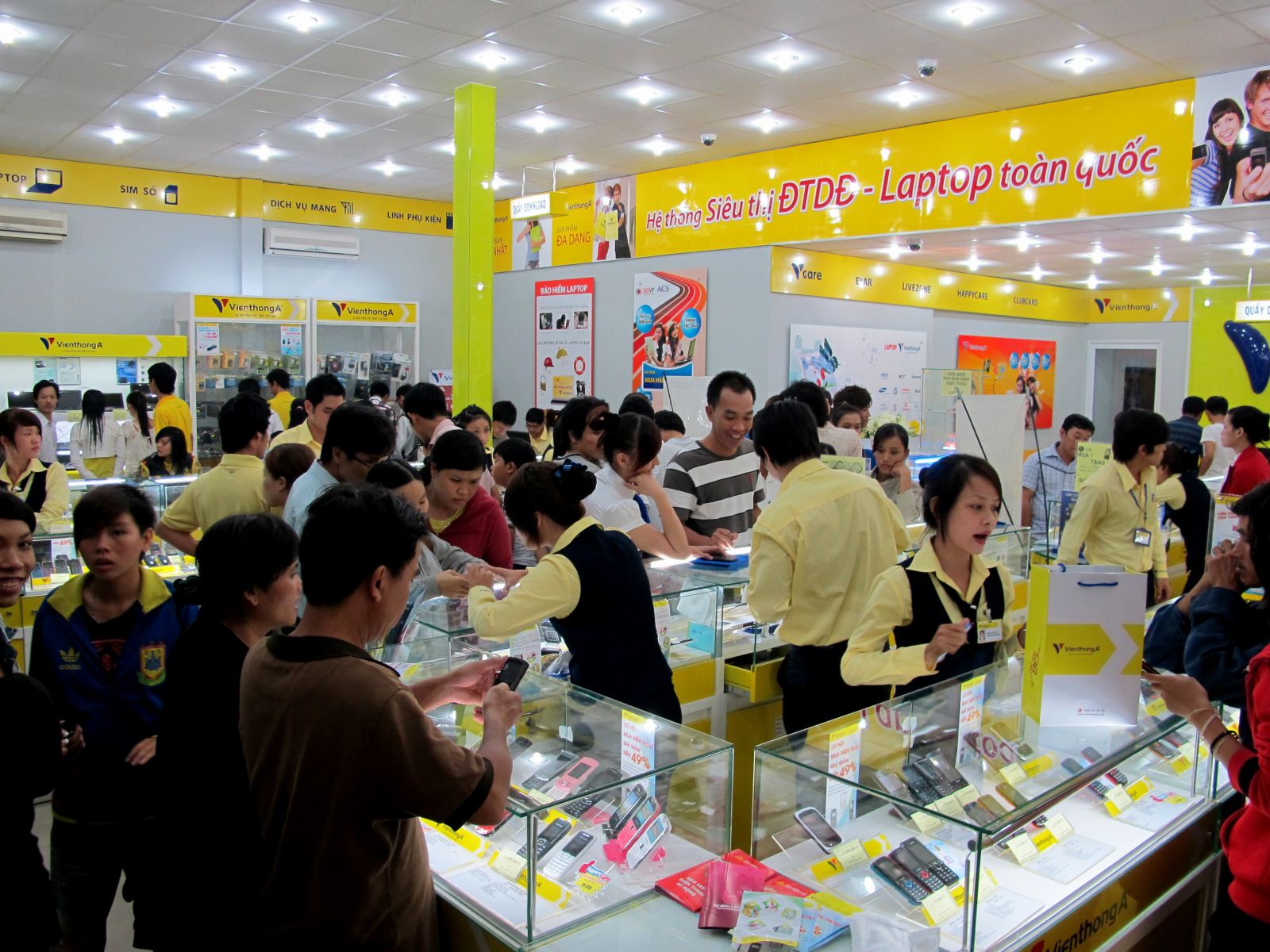
    Vietnamese conglomerate Vingroup’s electronics retailing arm VinPro is set to acquire mobile retail chain Vien Thong A next month.

    A source said that staff have been informed about the deal, and a merger process has commenced.

    However, Vien Thong A’s vice GM Huynh Viet Anh responded to a question about the report’s accuracy: “That can not be disclosed now.”

    Vien Thong A is one of the largest mobile device retailers in Vietnam. Founded in 1997, tit has 200 stores across the country.

    The deal is said to have been on and off since early this year, before being deferred to the second quarter. According to the report, VinPro, which has 35 outlets nationwide, would buy 71 per cent of Vien Thong A, and rebrand its stores to VinPro+.

    VinGroup, meanwhile, recently unveiled its first smartphone, branded the Vsmart.

  • Hyundai Motor union approves pay deal early

    Hyundai Motor union approves pay deal early

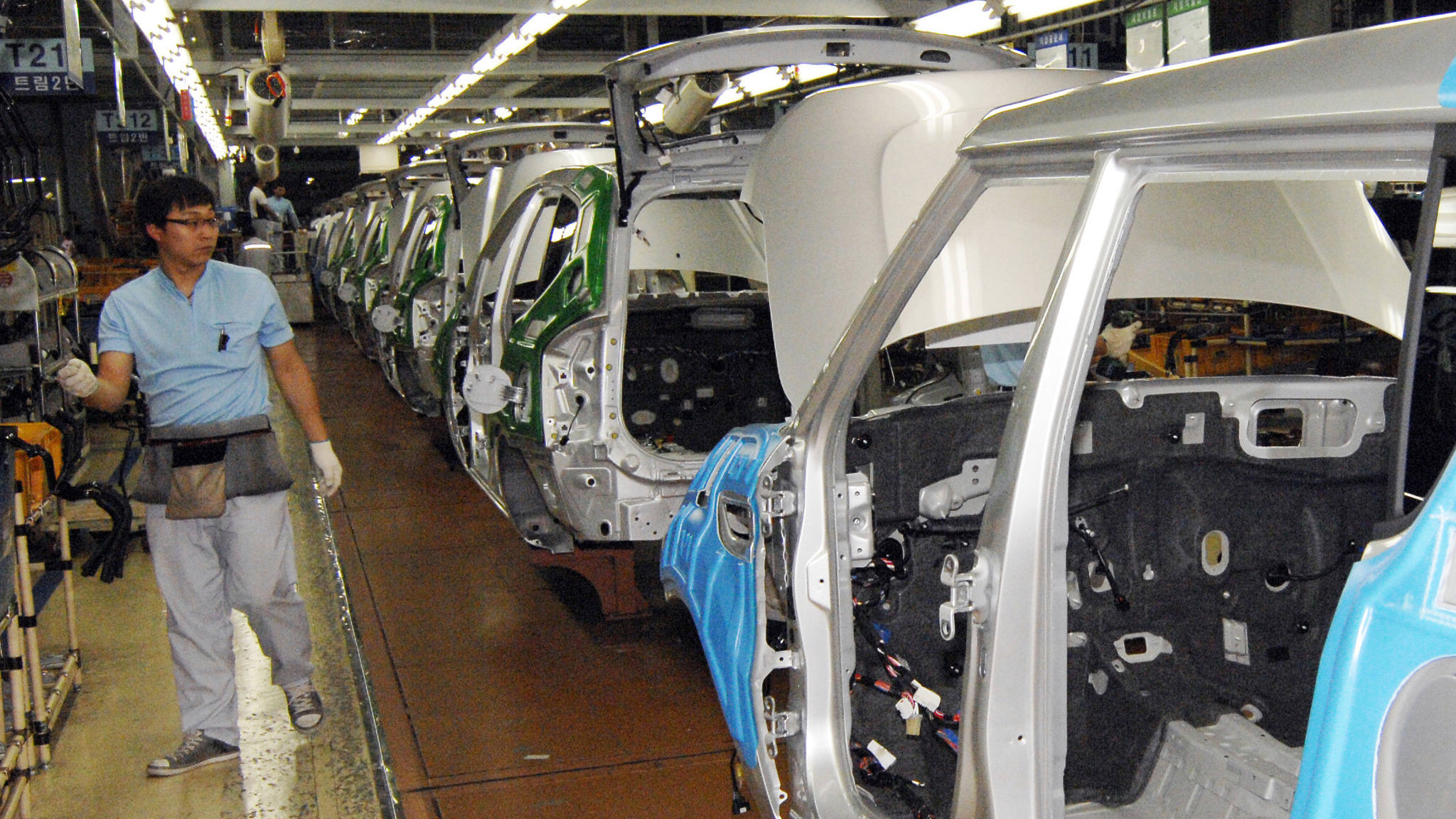
    Hyundai Motor’s labor union voted in favor of a modest wage increase late on Thursday, settling pay negotiations before their summer vacation in August for the first time in eight years.

    The speedy deal stands in stark contrast to last year, when a series of strikes and negotiations dragged on into early 2018.

    The challenging business environment for Hyundai Motor, including threat of auto tariffs from the United States and slow global sales, is expected to have influenced the result.

    Of the 42,046 union members, 63 percent voted in favor of the new wage plan on Thursday. The plan includes a monthly base pay raise of 45,000 won ($40.26), an incentive payment worth 250 percent of their ordinary monthly wage and a bonus of 2.8 million won.

    Last year, the union had asked for 154,000 won more a month in base pay, but workers received a 58,000 won raise. It had asked for a 300 percent incentive rate as well.

    The union on Thursday also approved a renewed two-shift working system, where day and night workers will work exactly eight hours without additional time. Previously, night-shift workers had to work about 20 minutes more than those on the day shift.

    Starting Jan. 7, 2019, each assembly line will be adjusted to produce 0.5 more cars per hour in order to compensate for the reduced working hours.

    Hyundai Motor’s labor union, which is affiliated with the umbrella Korea Metal Workers’ Union, is seen as one of the country’s most hard-line unions. Their fierce conflict with company management has faced criticism for not taking into account Hyundai’s business situations.

    Fellow workers gave the Hyundai union a cold shoulder because of the steep discrepancy in wage rates. Unionized workers at the Hyundai Motor labor union receive an average of 90 million won. Average office workers at small and medium-size companies receive an average of 30 million won per year and conglomerate office workers receive around 60 million won. Last year, the union staged 24 strikes, which disrupted the production of 76,900 cars and caused losses worth 1.62 trillion won to Hyundai Motor. In 2016, their strikes caused the company to lose 3.1 trillion won.

    This year, the union staged only 2 strikes, which disrupted the production of 11,487 cars, causing losses of just 250.2 billion won. These are the smallest losses since 2011, when there were no strikes at all.

    “This will be a stepping stone [for the union] to break through its social isolation and perception that it is the ‘royal union,’” said Ha Bu-young, the leader of Hyundai Motor’s union, in a statement on Thursday.

  • Amazon Q2 profit jumped high

    Amazon Q2 profit jumped high

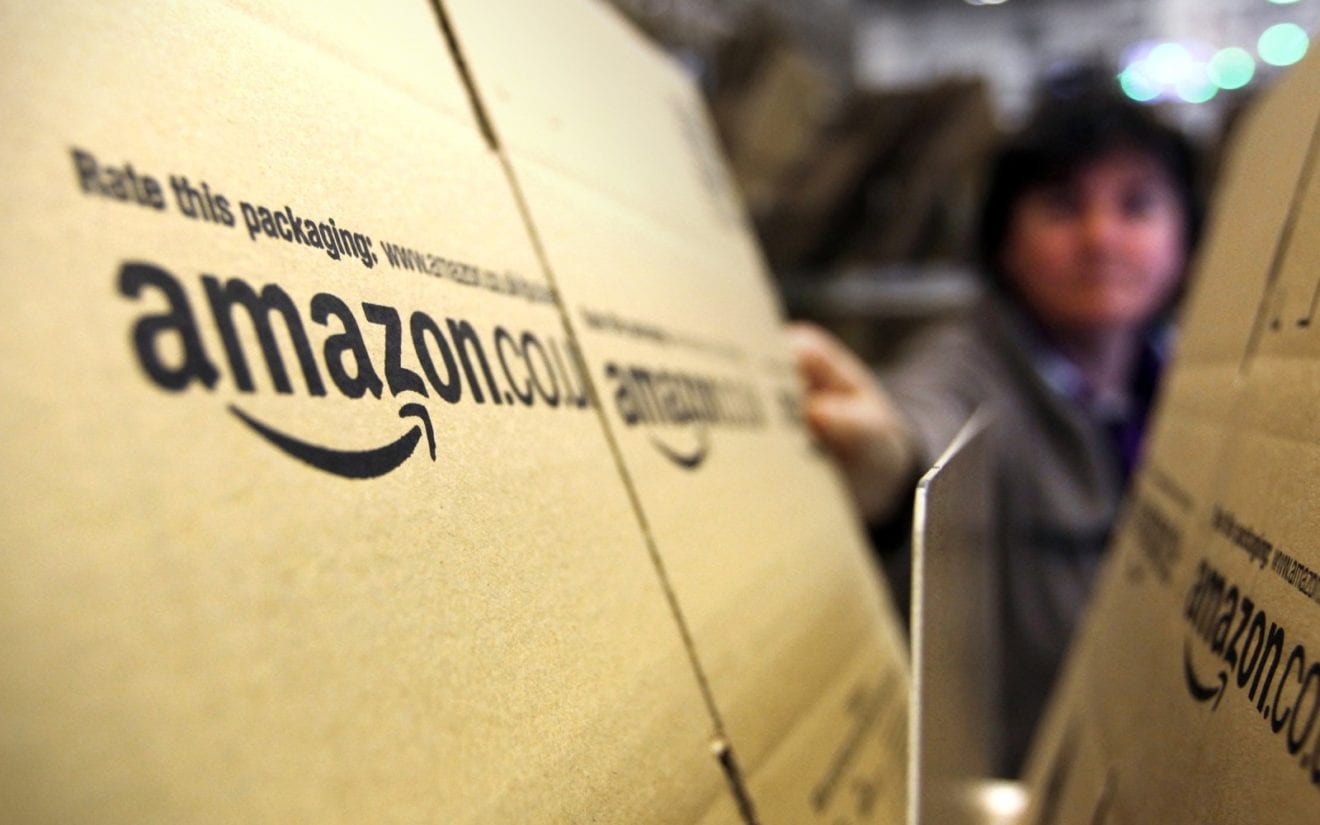
    Online giant Amazon has released its financial results for its second quarter ending June 30, with net income for the quarter increasing from US$197 million to US$2.5 billion; a 1,186 per cent increase.

    Additionally, the company found an operating income increase of 375 per cent, from US$628 million to US$3 billion.

    The company notes quarterly highlights relating to product launches, such as Fire TV Edition smart TVs released in Best Buy, as well as the integration of Alexa into many of its existing products, such as Fire HD 8 and 10 tablets, and external products such as vehicles from BMW, Ford and Toyota.

    “Despite its enormous size and previous run of strong growth, Amazon has had no problem in delivering another good set of numbers,” said Neil Saunders, managing director of GlobalData Retail.

    “It’s strong revenue growth, which saw product sales up by almost 30 per cent over the prior year, underlines its growing grip on the retail market and its ability to persuade an increasing number of customers to buy an increasing array of things from it.”

    Saunders notes that while the company makes growth look easy, the results are indicative of significant efforts on at least three fronts.

    “Firstly, it innovates and tries new things like no other retailer… other retailers would do well to take a leaf out of Amazon’s playbook on this front,” he said.

    “Second, across all of the things it tries and tests, Amazon is extremely customer-centric. It rarely innovates by increments, but instead looks to find problems consumers face and then uses technology in creative ways to help solve them.

    “Third, Amazon has created a compelling ecosystem which permeates many aspects of people’s lives.”

    Looking forward to the third quarter, the company expects net sales to be between US54 – 57.5 billion, a growth of 23 to 31 per cent over last years Q3, while operating income is expected to reach between US$1.4 to $2.4 billion, compared with US$347 million.

    In Australia, the company’s recent Prime Day promotion drove record traffic to its Australian marketplace, leading to the two biggest days of sales since the e-commerce giant launched in Australia.

    “Prime only recently launched in Australia yet we were thrilled to see the number of Australian members visiting amazon.com.au to make the most of the great savings available to them on Prime Day,” said Rocco Braeuniger, Amazon Australia’s country manager.

    Small and medium businesses, which make up the majority of sellers on Amazon’s global marketplaces, had already exceeded more than $1 billion in sales just 10 hours into the sale.

  • Maybank Indonesia posts lower earnings in first half of 2018

    Maybank Indonesia posts lower earnings in first half of 2018

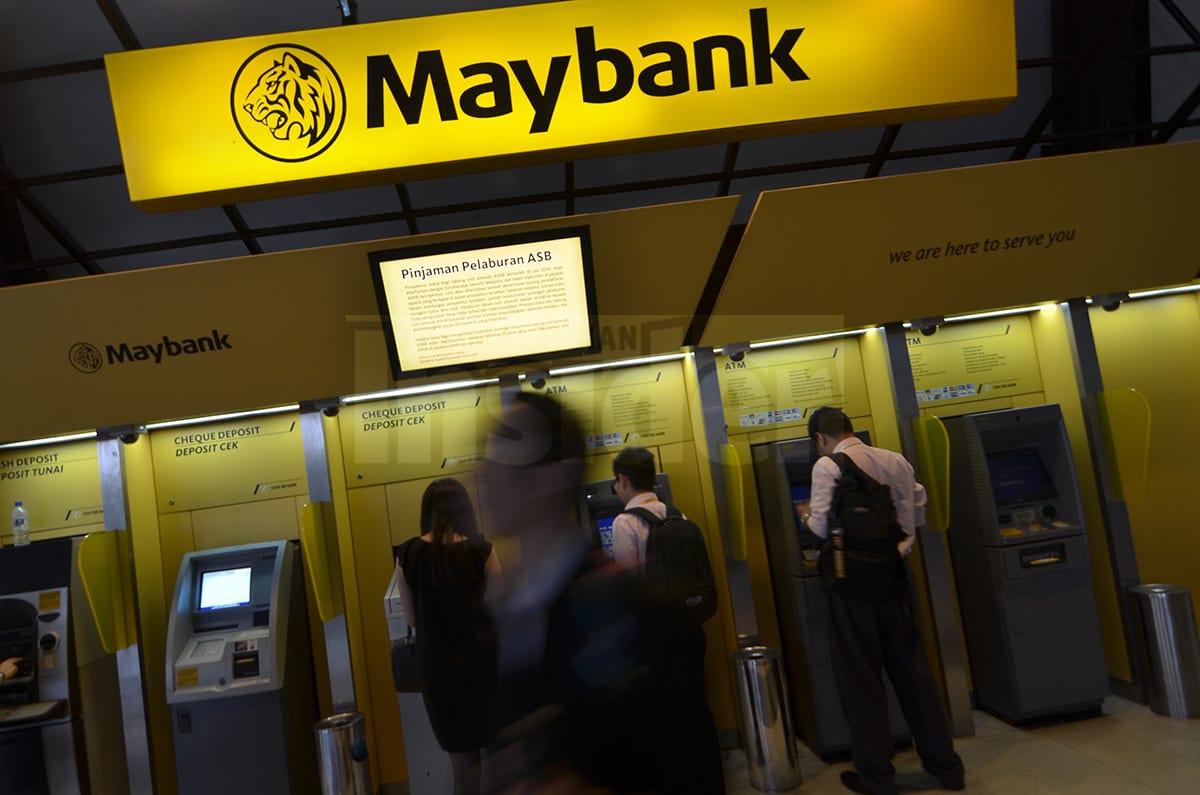
    Malayan Banking Bhd’s (Maybank) Indonesian unit PT Bank Maybank Indonesia Tbk’s net profit fell 6.6% to Rp932.7 billion (RM264 million) for the first six months ended June 30, 2018 compared with Rp998.5 billion in the previous corresponding period, due primarily to lower fee-based income and a slight compression in net interest margin (NIM).

    The bank recorded a loans growth of 6% to Rp127.1 trillion as at June 30, 2018 from Rp119.9 trillion in the previous year. Its sharia business saw solid growth of 42.2% to Rp23 trillion, making up 18.1% of its total loans.

    Asset quality improved significantly as reflected by lower gross and net non-performing loans (NPL) of 2.8% and 1.6%, respectively, as at June 30, 2018, compared with 3.6% and 2.4% in the previous year.

    Net interest income registered a 2.5% growth to Rp3.9 trillion in June 2018 compared with Rp3.8 trillion in the previous corresponding period, but NIM was marginally lower at 5.1% in June 2018 from 5.3% a year ago. On a quarterly basis, NIM improved 28 basis points from 4.8% in the first quarter of 2018.

    The capital adequacy ratio improved to 18.8% as of June 30, 2018 from 16.9% in the previous corresponding period with total capital reaching Rp24.7 trillion.

    Maybank Indonesia president director Taswin Zakaria said the bank continue to focus on growing its assets selectively while maintaining the discipline in loan pricing to ensure sound asset quality going forward.

    “Global banking continues to be the leading contributor to our asset growth; while our community financial services has now resumed an upward growth momentum as the bank sees opportunities in the retail and small medium enterprise segments. We expect to see further growth in this segment as we have recently embarked on our recalibrated retail business model.”

  • Korea SME pessimistic about future of economy

    Korea SME pessimistic about future of economy

    Lee Jung-min, who runs a small business in Seoul, has been trying to figure out how to cope with the rise in labor costs expected for next year.

    “We take home whatever we have left after paying all the expenses,” said the businessman in his 30s. “Every penny counts for people like us and it looks like things will get difficult next year.”

    Lee isn’t the only self-employed person in Korea with serious concerns about making ends meet in the future.

    According to data from the Bank of Korea, the consumer sentiment index in terms of expectations on domestic economic conditions stood at 79 for self-employed people for the month of July, whereas the index for people who earn a regular salary was 91.

    The disparity between the two groups is the worst the central bank has seen since records began in 2008.

    The index shows how positively or negatively people forecast the economic situation in Korea will be in six months time.

    A figure below 100 indicates a pessimistic outlook that the economic situation will deteriorate.

    The index plummeted for both groups – self-employed people from 90 and salaried employees from 100 in June.

    Such figures show that while both self-employed people and wage earners are becoming more pessimistic about the economy, the former feels much less hopeful than the latter.

    One reason why the self-employed have a gloomier outlook about their future is because of the rise in the minimum wage they must pay if they want to hire workers.

    On July 14, the Minimum Wage Commission determined that next year’s base salary will go up by 10.9 percent to 8,350 won ($7.49).

    A recent study by the Korea Federation of SMEs, which represents the country’s self-employed and small business owners, showed that 43 percent of the 300 small business owners surveyed responded that conditions will get very difficult when the minimum wage goes up, while 14 percent said they will be able to handle the hike.

    “53.1 percent of the respondents said they will decrease their hiring,” the federation said in the study.nbb

  • How to maximise instagram as sales channel

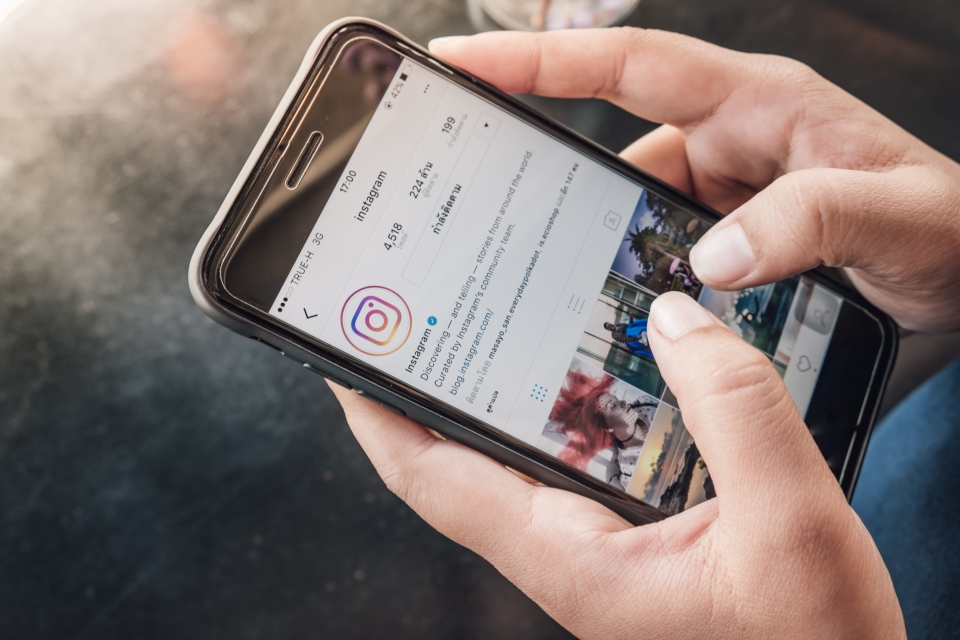
    How to maximise instagram as sales channel

    Retailers who want to sell on Instagram might be surprised how easy and effective it is – for businesses both big and small.

    According to one research study, 75 per cent of Instagram users who follow businesses take some form of action, whether it be visiting a site or making a purchase, after seeing a promotional post.

    Of course, to leverage this platform to its full potential, it helps to keep certain points in mind. Just like when advertising on Facebook, you must follow best practices to successfully sell on Instagram. The following tips will help you maximise your profit when you sell on Instagram, by developing marketing campaigns that work.

    Treat your Instagram page like your website

    The rise of social media platforms has fuelled growth of digital marketplaces, where many customers don’t actually visit a company’s website when they first encounter a brand online. Instead, they view its social media page as a substitute for the site.

    So it makes sense to optimise your Instagram account by including a thorough summary of your business and all it offers. You should also select a profile picture that represents your brand. Furthermore, be sure to post any relevant visual content featuring information that your customers might find out about via your website. This may be something simple like information about an upcoming sale or promotion, but it’s still important to promote via Instagram.

    Create ads

    Instagram, like Facebook, allows users to create business accounts and advertisements.

    Once you sign up, the platform will seamlessly guide you through the process of creating and publishing an ad.

    Luckily, you don’t need to create unique content for your ad if you’ve already shared a post that highlights the same key information. A major bonus of the platform is that Instagram lets users turn regular posts into ads if they choose. Experiment with different types of ads to determine which are most effective for your business.

    You may also want to consider creating an ad using the new Instagram Stories format. This provides a more immersive visual experience, as it takes up a device’s entire screen by playing vertically. Since Instagram users view 60 per cent of stories with the sound on, it also gives you an opportunity to incorporate engaging audio content.

    Let users make purchases via the app

    Instagram posts can be an effective way to direct users to your online store to make a purchase. That said, one valid concern is that users will get distracted before completing the transaction. It would be easier if they could simply purchase an item directly via the app.

    Thanks to features like Shopify’s Shoppable Instagram Galleries, they can. This tool lets you tag items in posts that are for sale, meaning users no longer have to leave the app to make a purchase. Instagram has also begun working on a similar feature for business accounts.

    As always, it’s important to ensure your posts look appealing and accurately represent your products. Fortunately, social media marketing makes A/B testing very easy. As you experiment with different strategies, you’ll learn exactly what works best for your future Instagram campaigns.

  • War in the food delivery market on its way

    War in the food delivery market on its way

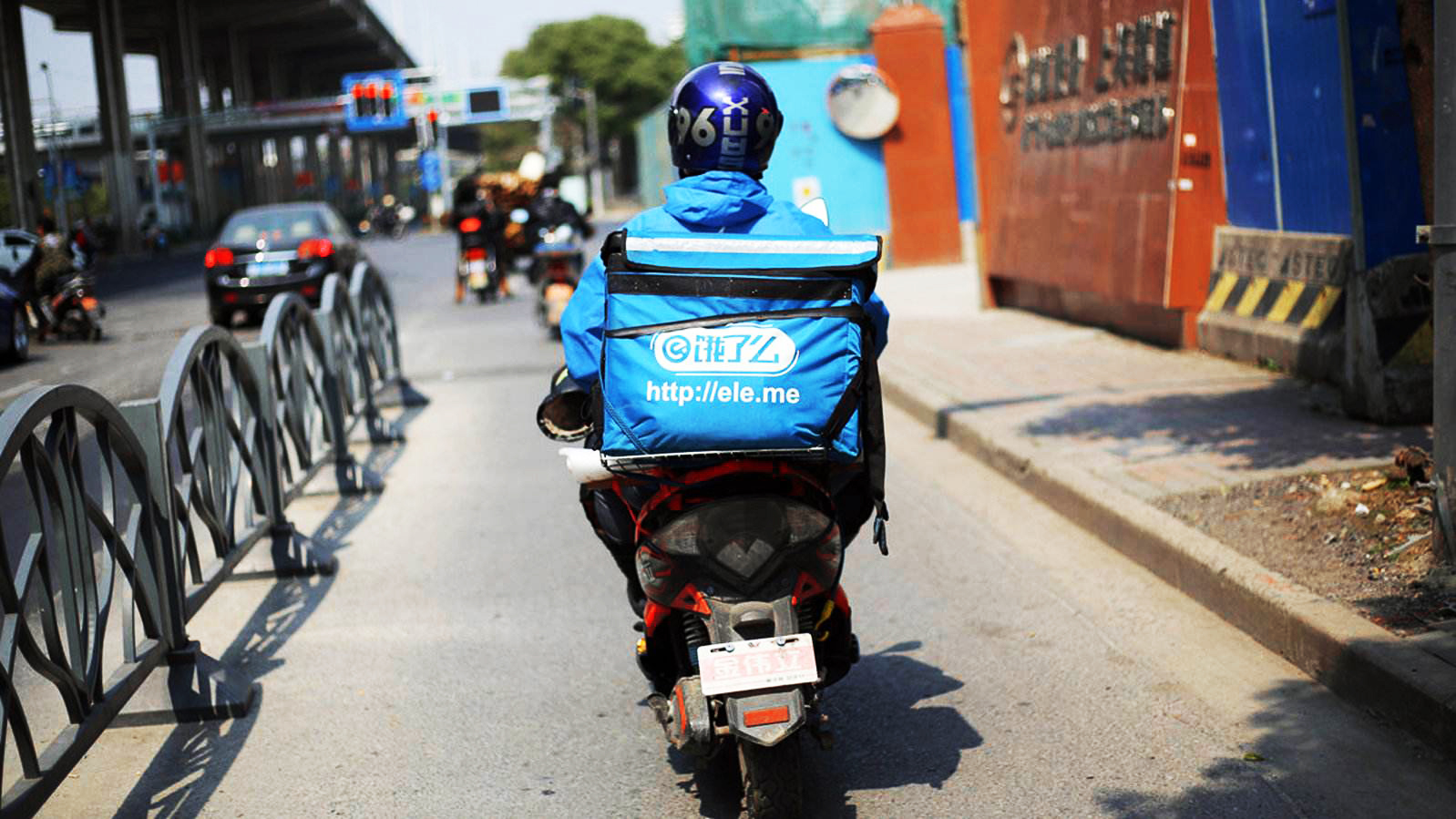
    Chinese e-commerce giant Alibaba is preparing to spend big on the country’s food-delivery market, setting aside hundreds of millions of dollars this summer to regain the lead from Tencent-backed rival Meituan Dianping.

    SEE ALSO : Alibaba Group-owned Ele.me to further expand into the food delivery business

    The Hangzhou-based company will splash a whopping 3 billion yuan ($450 million) in the next three months to help Ele.me, the food-delivery platform it acquired for $9.5 billion in April, capture a greater share of the market from Meituan, Ele.me CEO Wang Lei says in an interview with Forbes. Ele.me, whose name means “Are you hungry?” in Chinese, will hand out more meal subsidies, boost payments to its logistics personnel and expand into more segments like express delivery to become No.1 in China’s 205 billion yuan ($30 billion) online food-delivery market, Wang says.

    “This is a huge market that is only at early stage development,” he says. “We have a really clear strategy, and that is capture a more than 50% market share in the short to medium term.”

    To that end, Wang says Alibaba is launching what he calls a “summer war” on Meituan, which had 46.1% of China’s online food takeout market last year, ahead of Ele.me’s 39.5%, according to consultancy Trustdata. In June, Beijing-based Meituan filed for an initial public offering in Hong Kong, seeking a valuation of $60 billion as part of its plan to raise more capital for further expansion. In an e-mailed statement, a Meituan spokesman said the company “has a track record of competing effectively against its competitors.” The company also said “the competitive landscape of on-demand delivery in China is led by Meituan Dianping, which saw its market share increase from 31.7% in 2015 to 59.1% in the three months ended March 31, 2018.”

    ut analysts say Alibaba’s investment seems likely to be effective—in the near term at least. In this potentially lucrative but hugely competitive market, customer loyalty is hard to come by, with the majority of customers often opting for the platform that offers the cheapest meals. For years, Ele.me and Meituan have doled out discounts to attract users, and the aggressive spending has led to heavy losses on both sides. Now, by offering fresh discounts, Ele.me can win back some short-term market share, says Zhang Yi, head of consultancy iiMedia Research.

    “In China’s food delivery market, as long as you are willing to spend, there will be results,” he says. “Customers will always go to the platform that has the best discounts.”

    Meanwhile, Ele.me is reportedly tapping private investors to raise another $2 billion in its fight against Meituan. Wang won’t comment on the report, but says the company has an open attitude towards outside funding.

    What’s more, to forestall Meituan’s progress, Alibaba also plans to connect users of its shopping sites and entertainment units with Ele.me. That means viewers of its Youku Tudou video platform will be offered Ele.me coupons and Ele.me’s members can access some of Youku’s paid channels for free.

    “Food delivery is a market we must take,” Wang says. “We will keep investing, and there is no limit to our budget.”

    And he considers the rising spending worthwhile. Aside from opportunities in the rapidly expanding food-delivery market, which iiMedia estimates will reach $36 billion by year end, Ele.me can also help to promote Alibaba’s payment services. The delivery platform currently uses Alipay, the e-wallet developed by Alibaba affiliate Ant Financial, as the default payment method. Meituan, by comparison, lists its own e-wallet Meituan Zhifu as the first payment option on its site.

    More importantly, Ele.me will become a cornerstone of Alibaba’s new-retail strategy, Wang says. To find new avenues of growth, the company is seeking to revamp China’s entire retail sector by analyzing customer data more efficiently and integrating online and offline shopping. Founder Jack Ma envisions delivering orders placed in both physical stores and online shops to consumers’ doorsteps within 30 minutes, freeing customers from the need to carry their shopping bags elsewhere. With its three million-strong delivery personnel that are already delivering meal orders within half an hour, Ele.me can support Alibaba’s logistics operation, he says.

    SEE ALSO : Amazon is hungry: food delivery to your door

    “In the future, we will open up Ele.me’s delivery capacity to more merchants on our shopping sites,” Wang says. “When you order something online, it may well be delivered within the same day, or even the same hour.”

  • Jokowi Begs Exporters to Bring Earnings Back Home

    Jokowi Begs Exporters to Bring Earnings Back Home

    President Joko “Jokowi” Widodo has pleaded with exporters to bring home earnings they currently keep offshore to help manage the rupiah from falling further, the country’s finance minister said on Friday (27/07).

    Repatriated earnings could help Southeast Asia’s largest economy refill its declining foreign exchange reserves, which the central bank has been using to keep the rupiah from falling too sharply amid a heavy selloff in emerging market currencies.

    The president on Thursday met with executives from about 40 exporters, including Budi Hartono, the owner of cigarette maker Djarum, chief executive of Indofood Sukses Makmur Anthony Salim and chairman of GarudaFood Group Sudhamek Agung, for two and a half hours to make his case.

    “We hope they keep their export earnings in Indonesia. If they have to use it to buy raw materials and imports, the FX could be used … but we hope the rest can be kept in Indonesia and be converted to rupiah,” Finance Minister Sri Mulyani Indrawati said.

    BI in 2012 ordered exporters to receive their payments through local banks, in the hope that some of the money would stay in the country and be converted into rupiah. However, some still prefer to keep their earnings abroad.

    Indrawati said BI and the government will continue to maintain close communication with the business community, while monitoring whether they need to issue new policies on the matter. She did not elaborate.

    BI governor Perry Warjiyo has repeatedly said he has no plans to implement tougher rules for export earnings.

    Between February to June, forex reserves had declined $12.2 billion or about 9 percent, according to Bank Indonesia (BI) data, yet the rupiah is still down more than 6 percent in 2018. The currency was trading near its weakest level in nearly three years on Friday, at 14,460 a dollar.

    The central bank said that the end-June reserves level of $119.8 billion was equal to 7.2 months of imports, higher than the international adequacy standard of 3 months of imports.

  • Jabong announces the 4th edition of its ‘Big Brand Sale’, targets big growth

    Jabong announces the 4th edition of its ‘Big Brand Sale’, targets big growth

    India’s leading online fashion brand, Jabong, has announced the dates of its much awaited Big Brand Sale (BBS). The 4-day shopping extravaganza will be held between the July 27-30, with discounts ranging from 55-80 percent, across all product categories. The fashion major is offering 4 lakh styles from over 3,000 international and Indian brands at very attractive discounts. Over 1 lakh styles are for the first time on over 50 percent discount, in addition to over 80 percent off on more than 15,000 styles.

    The 4-day fashion festival on Jabong will see never before deals on premium brands like U.S. Polo Assn., Calvin Klein, Next, Adidas, Nike, Guess, Superdry, Mango, Fossil, Dorothy Perkins, Lee Cooper, Vero Moda, Jack& Jones, Puma, Blackberrys, Lakme, Lavie, Sangria and many more.

    Ananth Narayanan, CEO, Myntra-Jabong said, “The Jabong Big Brand Sale is our marquee property that aims at celebrating premium fashion in a unique way. We have witnessed a significant growth in the last 3 editions, and we are expecting 100 percent growth this edition over last year’s Big Brand Sale in July. We are anticipating 25 million sessions across platforms, acquiring 4X new Jabong customers as compared to same edition last year.”

    Speaking about the Big Brand Sale, Gunjan Soni – Head of Jabong, said, “Jabong customers are fashion forward and have a taste for international, premium and exclusive styles. The Big Brand Sale is a unique sale which has a disproportionate focus on global brands and is in line with Jabong’s affluent consumer base. It is a great opportunity for them to acquire their favourite brands at great discounts ranging from 55-80 percent. Over 1 lakh customers will also get exclusive VIP slots to shop before millions of other shoppers, leading to 15X sale during the slot hours vs. a normal day. We are prepared to provide a great shopping experience to over 13 million customers over the 4 days of BBS, leading to 4X traffic during peak hours compared to a normal day. This time we are also offering 100 percent cashback (in Jabong points) to all our customers to make their shopping experience on Jabong much more exciting.”

    Jabong promises an extraordinary fashion experience to its customers and is launching an exclusive on-demand stylist service on Whatsapp for these 4 days. Jabong customers can Whatsapp their wardrobe picture to get curated looks and personalized fashion advice from an in-house fashion expert.

    For each edition of BBS, Jabong encourages its customers to wishlist their favourite products to avoid missing out on buying them at great discounts. Sale prices will be revealed at 7 pm on July 24, and customers can continue to wishlist till 7 pm on July 26. Jabong will start allotting the VIP slots to select consumers who can buy the wishlisted products from 7-11 pm on July 26, before the sale goes live. Shoppers can also earn their slots by wishlisting or playing amazing games on the Jabong app.

    In addition, Jabong is offering 10 perent cashback using HDFC credit and debit card of up to Rs 750 on a minimum spend of Rs 3,000. New customers will get free shipping on their first orders.

    The Jabong Big Brand Sale is India’s biggest fashion bonanza of the biggest brands. Bigger and better than the previous edition, the current edition of BBS will offer an out-of-the-world experience to its customers. Jabong also launched its 360-degree marketing campaign on July 21 to support this property.

  • Panasonic India eyes Rs 12,300 crore revenue in FY2018-19

    Panasonic India eyes Rs 12,300 crore revenue in FY2018-19

    Japanese consumer electronics major Panasonic is aiming for revenues of Rs 12,300 crore in India this fiscal, driven by its refrigerator and TV businesses. Panasonic India reported revenues of about Rs 10,500 crore in the previous financial year.The company also expects its B2B business to contribute almost half of its revenues by FY 2020-21 as it is expanding its presence in the segment. Panasonic also introduced new models of OLED and 4K TVs here to strengthen its presence in the segment.

    “This financial year, we are looking at Rs 12,300 crore revenue overall. Last year we had closed around Rs 10,500 crore,” Panasonic India and South Asia President and CEO, Manish Sharma told news agency PTI.

    This includes Panasonic’s revenue from its step-down firm Anchor Electricals.

    “Our intention is to grow for three years with a CAGR of 20 per cent and this year, we are looking for 30 per cent growth in TV,” he further told PTI.

    “By FY 2020-21, we expect our B2B business to contribute half of our revenue,” Sharma said.

    Panasonic also expects its consumer business to be double in the next three years.

    “Last year, we had Rs 7,800 crore from the consumer business (including Anchor) and we are looking it at Rs 9,100 crore this financial year,” said Sharma who is also Vice President, Appliances Company, Panasonic Corporation.

    “Last year, B2B was Rs 2,300 crore and this year it is expected to be Rs 3,200 crore,” he told PTI.

    In the mobile phone market, where Panasonic is struggling, the company has decided to focus only on the niche segment.“We are looking at Rs 800 crore this year and the strategy in mobile is to focus on niche segment of Rs 9,000 and above,” he told PTI.

    In the TV segment, the company expects its 4K range of televisions to account for around 25 per cent share of sales this fiscal.

    “This year we are looking at 1.2 million units of sales which is 11 to 12 per cent of value share. Market share is currently 9 per cent and next year, we are looking at 11 to 12 per cent,” he he told PTI.

    “From less than one million units last year, we are looking up to 1.5 to 1.6 million unit in next three years” he added.

    The TV market in India is estimated to be around 12.5 million units. It is growing at around 10 per cent every year and is expected to touch 14 million units in 2018.

  • L’Occitane Hong Kong sales rises

    L’Occitane Hong Kong sales rises

    L’Occitane sales rose to HK$2.7 billion (US$344 million) over the last three months.

    The French headquartered, Hong Kong-listed retailer’s as-yet unaudited trading update for the three months ended June 30, shows a rise of 6.2 per cent (reported rates) and 12.3 per cent (constant rates) year-on-year for the three month period.

    The market showing the highest sales growth was the US at 73.7 per cent, attributed to the resurgence of the L’Occitane en Provence brand and LimeLife. Same-store sales grew 0.6 percent year on year.

    Local currency sales in Hong Kong were shown to have risen 25.5 per cent with same-store sales growth as high as 11.1 per cent.

    Detailed financials are expected to appear in the firm’s annual report due at the end of the 2019 financial year.

  • Alibaba invests in digital advertising with recent acquisitions

    Alibaba invests in digital advertising with recent acquisitions

    In a matter of days, Alibaba is investing in two separate China-focused digital advertising firms, as the e-commerce giant continues to increase the span of its company portfolio in 2018.

    Alibaba confirmed that it has agreed to acquire a minority stake in China’s Focus Media Information Technology, effectively tapping into the online marketing sector with the news.

    The transaction will see Alibaba take a 6.63% stake in Focus Media, costing the Chinese firm some 9.63 billion yuan (US$1.4 billion) in the process. In a filing, the Shenzhen-listed firm said the deal would see Alibaba become Focus Media’s strategic investor.

    Founded in 2003, Focus Media operates in China’s interactive digital and advertising landscape.

    In the latest move into digital marketing, media reports were released over the weekend outlining Alibaba’s acquisition of WPP’s Chinese unit.

    Sky News reported on Saturday that Alibaba has partnered with Tencent and China Media Capital Holdings for early-stage talks to buy a minority stake in the advertising giant’s local subsidiary.

    For an estimated 20% minority stake, which is much higher than Alibaba’s share in Focus Media, the deal is said to be worth approximately $2.5 billion.

    Alibaba looks collate its Chinese agency operations into a new holding company and retain majority ownership and control, said Sky News.

    WPP is the world’s leading advertising group. The group has been facing headwinds in recent months, with the news that company founder, Martin Sorrell, has left his post at the helm back in April, on misconduct allegations.

    His replacement is yet to be disclosed.

    Alibaba continues to ramp up its investments in 2018, a continuum from the year prior. The spending comes as Alibaba fights increased competition from Chinese rival JD.com. The latter this year has partnered with social media giant Tencent on offline retail, marketing and payments.

    For the last fiscal fourth quarter, Alibaba said in May that March-quarter revenue grew 61% to 61.9 billion yuan ($9.73 billion) from a year earlier, beating analyst estimates of a 53% increase.