Author: Mei Ling Tan

  • More funding comes for Go-jek Indonesia

    More funding comes for Go-jek Indonesia

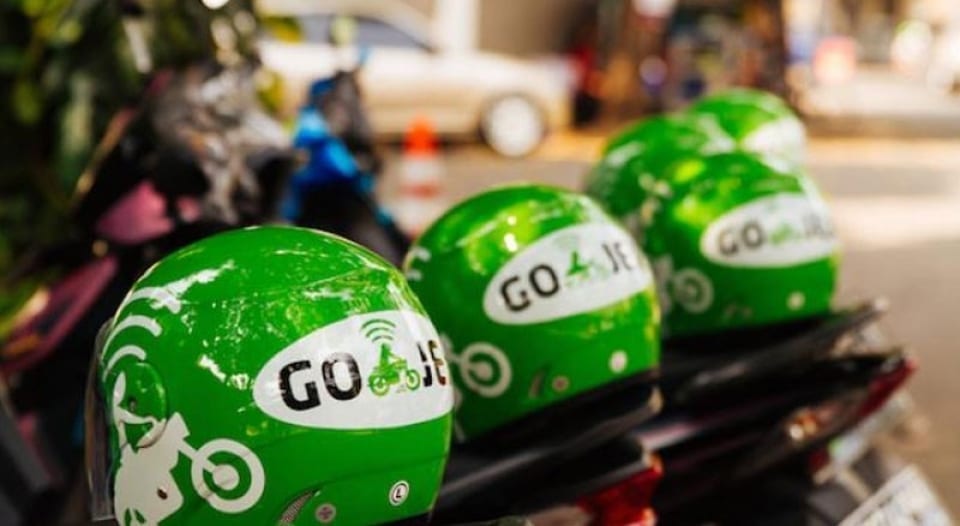
    Go-Jek has raised a higher than targeted $1.5 billion in a fundraising round from a dozen investors, including BlackRock and Google, as the Indonesian ride-hailing firm builds its war chest to fight deep-pocketed rivals.

    Go-Jek had planned last year to raise $1.2 billion, and, with the 25 percent extra funds it has received, it is now valued at about $5 billion.

    Reuters Breakingviews said last month that Go-Jek was valued at roughly $4 billion compared with over $6 billion for Grab, Southeast Asia’s largest ride-hailing firm.

    The additional funds and backing of well-known investors, including Singapore’s Temasek Holdings and Chinese technology giant Tencent Holdings, will help Go-Jek to better compete in Southeast Asia’s cut-throat market where incentives to drivers and passengers are used to build loyalty.

    Singapore-based Grab was expected to have raised $2.5 billion last year and Uber Technologies has pledged to invest aggressively in Southeast Asia – home to 640 million people – even though the US firm expects to lose money in the fast-growing market due to costly battles with rivals.

    Both companies are expanding in Indonesia, Southeast Asia’s most populous country, where Go-Jek, a play on the local word for motorbike taxis, is transforming the local economy, economists say.

    Go-Jek and Grab are also investing heavily in expanding their mobile payments platform.

    “Go-Jek is far beyond a ride-hailing app, it’s a digital platform that dominates consumers’ daily lives, including transportation, food delivery, logistics, and payment, etc.,” said Xiaofeng Wang, senior analyst at consultancy Forrester.

    “That’s also the key value that its key investors like Google and Tencent see. They know well about the power of the digital ecosystem, and Go-Jek has built it in Indonesia, like Google in the US and WeChat in China,” Wang said.

    Go-Jek told Reuters that some investments that came in this year were part of the funding round that kicked off last year but it declined to comment on the amount raised or the names of investors.

    It said the funding was aimed at developing technology for micro, small and medium enterprises in Indonesia.

    Go-Jek delivers everything from meals and groceries to cleaners, masseuses and hairdressers across Indonesia’s capital city Jakarta, all at the touch of a smartphone app – helping it become a crucial workaround in a city with some of the worst traffic in the world.

    Rumours said BlackRock and Temasek are investing about $100 million each in Go-Jek’s latest fundraising.

    BlackRock declined to comment. A Temasek spokesman confirmed participation in the fundraising but declined to say how much it had invested.

    This month, Indonesian conglomerate Astra International said it would invest $150 million in Go-Jek, while  Djarum Group’s Global Digital Niaga is putting in $100 million.

    Go-Jek’s payment system, known as Go-Pay, has emerged as one of the most popular mobile payment platforms in Indonesia. Grab, which bought Indonesian payment service Kudo last year, also sees its future in mobile payments as much as in transport.

    Go-Jek is expanding in other Indonesian cities and has said it plans to start operations in the Philippines this year, followed by other Southeast Asian countries.sou

  • TenRen Hong Kong plans expansion

    TenRen Hong Kong plans expansion

    Hong Kong food company B&S International expects to raise HK$62.8 million (US$8 million) in an IPO from today, the majority of which will be dedicated to retail store network expansion.

    The company plans to open 16 more licensed TenRen Taiwanese tea stores over the next three years and 10 more Jiu Tang Wu restaurants, which serve Japanese ramen-based foods.

    And it will open the first of a planned network of Uncle Tetsu stores, a popular brand of Japanese cheesecake, for which it has recently secured the Hong Kong licence.

    Retail currently accounts for about a quarter of B&S International’s turnover, but it represents the fastest-growing business segment and the company believes it offers the greatest potential for expansion. Between 2012 and 2016, B&S International grew its retail network by 128 per cent. Retail gross profits rose at a cumulative annual growth rate of about 140 per cent during the three years to March 31 last year.

    The balance of the business is packaged food and beverage distribution, with its top-selling brands being UHA and Hsin Tung Yang.

    B&S International currently owns and operates 47 stores across Hong Kong. It says the TenRen chain was the territory’s top-selling tea drinks brand by revenue between November 2016 and October last year, with a market share of 24.3 per cent.

    Besides its existing brands, B&S International is actively seeking additional food retailing concepts to roll out.

    “The group intends to capture the strong growth potentials by expanding the retail network for its existing licensed brands, particularly TenRen, and sourcing and obtaining licenses from other brands to launch new retail chains in Hong Kong,” the company said in its IPO documentation. “The group will remain prudent when expanding its retail business by continuing to adopt the self-operated model.

    “The retail business currently relies on a few brands only, yet its strong performance and growth will allow the group to attract other high quality brands with potential for setting up and operating retail chains in Hong Kong, thereby expanding its retail business.”

    Retail expansion will soak up about 67 per cent of the funds raised from the IPO, with 90 per cent of the shares in placement and only 10 per cent in the public pool, which closes on March 6.

    Another 17 per cent will be spent on leasing and setting up new warehouse facilities and the balance on upgrading its ERP system, recruiting three additional marketing sales personnel for the distribution business and for general working capital.

  • Bali ready to welcome more tourists

    Bali ready to welcome more tourists

    Indonesian private-sector company Bandara Internasional Bali Utara plans to build a new international airport in northern Bali to accommodate growth in foreign tourist arrivals.

    The airport will be built offshore to avoid interference with rice fields, temples and villages.

    Bali receives around 6 million foreign tourists annually, with most visiting the southern part of the island where the only international airport is located.

    Bali Governor I Made Mangku Pastika has met with President Joko “Jokowi” Widodo on several occasions and they have agreed to build a new airport in Bali on a reclaimed island off Buleleng district.

    “One advantage of building an airport offshore is that we do not need to waste time on land acquisition, which is often very expensive,” Freddy Numberi, a former environment minister and now strategic advisor to Bandara Internasional Bali Utara (BIBU), said at a press conference in Jakarta on Thursday (22/02).

    The project is currently awaiting approval by the Ministry of Transportation.

    BIBU is partnering with Airports Kinesis, a Canada-based airport development consulting company, which also helped design Kertajati Airport in West Java.

    “Bali’s northern airport will be funded privately by investors from Canada and the Middle East, involving a total investment of $2 billion,” said Shad Serroune, chief technical officer at Airports Kinesis.

    Beside opening opportunities for overseas investors, BIBU also hopes to attract local investors who may be interested in the project.

    “Basically, we’re open to anyone who wants to inject money into this project, even the regional government,” BIBU operations director Tulus Pranowo said.

    “But at the moment, we’re purely a privately owned company,” he said, confirming that they plan to build the airport without funding from the state budget.

    Responding to a question of when the airport construction project will break ground, Tulus said BIBU was still waiting for the Transportation Ministry to stipulate the exact location before the company will proceed to the next step.

    According to the Transportation Ministry, Bali’s Ngurah Rai International Airport can only accommodate 17 million arrivals per year, while the provincial government hopes to attract 35 million to boost tourism development.

  • Ferrari optimistic about Indonesian sales

    Ferrari optimistic about Indonesian sales

    Citra Langgeng Otomotif, Indonesia’s authorized Ferrari distributor, is optimistic about its sales prospects this year as it continues to strengthen its presence within its specific target market, which has remained relatively immune to the sluggish growth of the the country’s automotive industry.

    The company’s CEO, Arie Christopher, said Ferrari had personally approached its existing and prospective customers to increase the exclusivity of its brand.

    One of the aspects of its exclusivity is maintaining the confidentiality of prices of Ferrari’s vehicles in Indonesia, which are discussed solely between the company and its customers.

    “So far, we are still on track in sales,” he told on Saturday, declining to disclose the sales value recorded in 2017.

    Indonesia’s car sales stood at 1.08 million units in 2017, a mere 1.6 percent growth over the previous year, according to data from the Indonesian Automotive Manufacturers Association (Gaikindo) show.

    On Saturday, Ferrari Indonesia showcased the California T “Superameric,” with livery number 16 and the 488 GTB “Test Driver” with livery number 63 to promote the manufacturer’s global tailor-made customization program.

    The tailor-made program allows customers to customize the interior and exterior appearances of their new Ferraris.

    Arie said the company had delivered 20 tailor-made customized Ferrari cars to Indonesian customers, with six of them agreeing to sign up with the program.

  • Vietnam focuses on divestment in oil and gas sector

    Vietnam focuses on divestment in oil and gas sector

    Vietnam Oil and Gas Group (Petro Vietnam or PVN) plans to reduce its ownership of Petro Vietnam Gas Joint Stock Company (PV Gas) from the current 97 per cent to 65 per cent.

    The divestment, scheduled for 2018-20, follows Government instructions for the company to pare its stakes in three State-owned companies to a minimum of 51 per cent by 2020, the other two being Petro Việt Nam Fertiliser and Chemicals Corporation (DPM) and Petro Vietnam Cà Mau Fertiliser Joint Stock Company (DCM).

    The PV Gas divestment is expected to attract many large investors who would be eager to buy into a company that reportedly contribute 30 per cent of PVN’s profits.

    PetroVietnam, established in 1977, through its various companies including wholly-owned subsidiaries, now covers the entire gamut from oil and gas exploration and production to storage, processing, transportation, distribution, and services.

    At an interaction with the media in late January PV Gas chairman Lê Như Linh said the divestment would be done very carefully to identify appropriate strategic shareholders.

    A detailed plan would be submitted to PVN and then to the Government for approval, he said.

    He expected the stake sale to not only be hugely profitable for the Government but also secure access to advanced technologies and modern management from strategic investors from the west, Japan and South Korea.

    By 2019 PVN will also have to entirely divest its stake in PVI Holdings, Phước An Port Investment and Exploitation Oil and Gas JSC, Green Indochina Development JSC, SSG Real Estate JSC, Petro Vietnam Trade Union Finance JSC, Petro Vietnam Construction joint Stock Corporation, and Petro Vietnam Maintenance and Repair JSC.

    In the first quarter of this year PVN successfully equitised three of its companies, Petrol Vietnam Oil Corporation (PV Oil), Bình Sơn Refining and Petrochemical Co Ltd (BSR) and Petro Vietnam Power Corporation (PV Power), reducing its ownership to below 50 per cent.

    The three companies made successful initial public offerings.

    In fact, the BSR IPO netted the Government 60 per cent more money than it had expected.

    BSR had expected to sell 241.6 million shares, or 7.79 per cent of its chartered capital, to the public at VNĐ14,600 per share ($0.64).

    At this price, BSR would have been valued at almost $2 billion, making it the largest firm ever to hold an IPO.

    A maximum of 49 per cent is expected to be sold to strategic investors three months after the IPO, with PetroVietnam retaining 43 per cent. Some 0.21 per cent of the shares will be offered to the company’s employees.

    But to return to the IPO, the Government earned VNĐ5.5 trillion ($244.5 million) through the sale. The highest bid was VNĐ35,000 per share, the lowest was VNĐ14,600 per share and the average was VNĐ23,043, 56 per cent higher than the reserve price.

    The auction saw 3,964 individuals and 115 organisations register to buy 652 million shares.

    The Government raised VNĐ6.99 trillion ($307.8 million) from selling 468.37 million shares of PV Power, or 20 per cent of its chartered capital through an IPO on January 31.

    The average price was VNĐ14,938, with the highest and lowest successful bids being VNĐ28,000 ($1.23) and VNĐ14,500 ($0.64).

    The company is now valued at $1.48 billion.

    PV Power’s success came as no surprise because it has been reporting profitable operations year after year, and the offer price was thought to be attractive.

    Established in 2007, the company operates one coal-fired thermal power plant, three gas-powered plants and three hydropower plants. Its annual output is more than 4,208 MW, or 10 per cent of the country’s entire capacity.

    Last year it reported net revenues of VNĐ31.5 trillion, an increase of 12 per cent, and post-tax profit of VNĐ1.9 trillion, a 25 per cent increase.

    In PV Oil’s IPO on January 25 all 207 million shares, or 20 per cent of its chartered capital, were snapped up for a total of $190 million. The average successful bid was VNĐ20,196 ($0.89) per share. The lowest was VNĐ19,200, VNĐ5,800 higher than the reserve price.

    Foreign investors only bought 68.47 million shares.

    The Government has instructed PVN to retain its current ownership in some other subsidiaries and associate companies such as Petro Vietnam Technical Services Corporation, the Vietnam Russia Joint Venture Vietsopetro and Petro Vietnam Drilling and Well Services Corporation.

    PVN owns respectively 51.4 per cent, 51 per cent and 50.4 per cent stakes in them.

    But despite all this, analysts said the PVN’s divestment and privatisation remain lower than expected due to several factors.

    For one, its subsidiaries are too large for strategic shareholders.

    For another, foreign investors expect transparent financial reports, which is lacking at many Vietnamese firms including oil companies.

    Thus, for many, valuation is a difficult and slow process.

    Oil companies have difficulty identifying the ideal management model after their IPO.

    Central bank wary of lending to high-risk sectors

    In late January the State Bank of Việt Nam (SBV) instructed banks to limit lending to the real estate, securities and consumer sectors amid reports of alarming credit growth rates.

    It told them to constantly monitor the progress of property projects and their developers’ financial health, and have measures in place to handle any defaults.

    It said the pace of their stock market lending investment should be curtailed to mitigate risk.

    As for consumer credit, banks have been told to evaluate and process loan applications carefully and ensure borrowers refrain from using the loans to invest in property or stocks.

    Market observers said while it is not new for the central bank to instruct lenders to tighten credit for real estate and stocks, this is the first time it has told banks to monitor consumer credit quality.

    Why?

    Though consumer lending yields big profits to banks, the central bank is definitely worried about the high risks it involves.

    According to data from the National Financial Supervision Committee, consumer lending has been expanding rapidly since 2015. Last year growth was a whopping 65 per cent, up from 50.2 per cent in 2016, and these loans accounted for 18 per cent of the total lending for the year.

    Lending for house renovation and repairs accounted for 53.8 per cent of the total consumer credit, loans for buying home appliances for 15.3, and vehicle loans for 8.3 per cent.

    VP Bank reported recently that its 2017 pre-tax profit of VNĐ8.1 trillion included a full 50 per cent from FE Credit, its finance arm.

    The latter’s credit growth was 39 percent.

    VP Bank CEO Nguyễn Đức Vinh said consumer credit would keep expanding in the next 10 years.

    According to Rồng Việt Securities banks had accounted for $23.27 billion, or 87.6 percent, of consumer loans in 2016. Finance companies had provided the rest.

    VDSC analysts, while believing consumer credit would have a positive impact on economic growth, still warn against risks.

    The biggest risk is people borrowing beyond their means. After analysing consumer behaviour trends, VDSC said many consumers had excessive optimism about their future income.

    A deputy director of a bank in Hà Nội, who asked not to be named, agreed with VDSC experts, adding that many borrowers use consumer loans for buying property, which often requires long-term funds.

    Besides, consumer loans often have interest rates that that could be three times the rates on other loans.

    A VP Bank official said the high growth rates in consumer credit are associated with increased risks of default.

    In a report on VP Bank, HSC Securities has forecast that FE Credit has to make 20.82 percent higher provision for risks.

    Nguyễn Quốc Hùng, director of the central bank’s credit department, said lending in 2017 had mainly focused on priority sectors related to production and distribution.

    The central bank sought to closely monitor lending to high-risk sectors like real estate and stocks and consumer credit, and advised banks to focus on genuine consumer lending to ensure effective and sustainable credit growth and support economic development.

     

  • Petronas Gas proposes 19 sen dividend on better Q4 earnings

    Petronas Gas proposes 19 sen dividend on better Q4 earnings

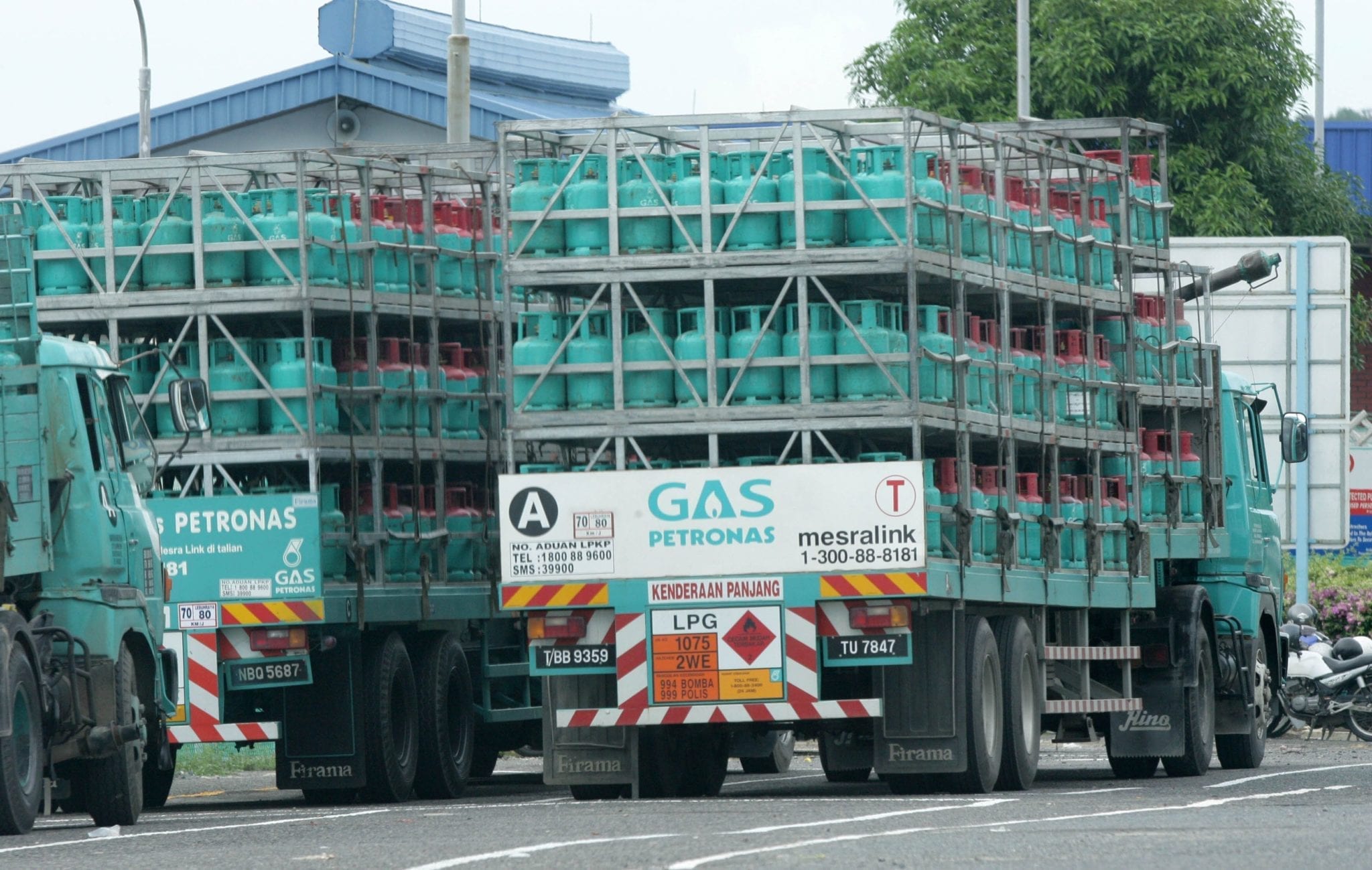
    Petronas Gas Bhd saw its net profit increase 4.7% to RM486.7 million for the fourth quarter ended December 31, 2017 compared with RM465.06 million in the same quarter a year ago, thanks to new contribution from its liquefied natural gas (LNG) regasification terminal in Pengerang, Johor and higher revenue from the gas processing and utilities segments on the back of higher performance-based structure income and favourable selling price.

    Its revenue expanded 13% from RM1.15 billion to RM1.3 billion.

    The group has proposed to declare a dividend of 19 sen per share amounting to RM376 million for the quarter under review.

    Petronas Gas’ full-year net profit rose 3.1% from RM1.74 billion to RM1.79 billion. Revenue came in at RM4.81 billion, 5.4% higher than the RM4.56 billion made a year ago.

    Looking ahead, the group expects its performance to remain robust in 2018, backed by its strong and sustainable revenue streams from existing gas processing agreement and gas transportation agreement signed with Petronas.

    “Furthermore, revenue stream for the regasification segment will grow with the first full year of operations at the group’s new LNG regasification terminal in Pengerang, Johor.”

    On Bursa Malaysia today, Petronas Gas ended down 2 sen or 0.1% at RM17.66, on volume of 827,800 shares.

  • Coty focuses on AI with growth accelerator competition

    Coty focuses on AI with growth accelerator competition

    Coty, the global beauty company, is to begin a new technology start-up programme which will offer $100,000 in cash prizes for the best pitches involving artificial intelligence (AI) solutions.

    The digital accelerator start-up programme will ultimately see eight companies work with Coty’s brand portfolio which includes GHD, Burberry and Covergirl, and will see a focus placed on a number of digital capabilities including AI.

    Dates for submitting AI pitches using one of Coty’s brands will be accepted by 12 March, with a concise description of brand benefit expected, including metrics.

    A follow up presentation for potential winners will take place at Coty’s brand leaders Digital Accelerator Summit in London and New York on 27 and 28 March. Prizes will range from between $10k – $50k with strategic support offered by the digital team at Coty.

    Publicis’ media group, Zenith will be involved in summit, working alongside the company’s inhouse agency, Beamly as the business aims to foster its own ‘act like a start-up’ ethos, with AI one of its key priorities for development, explained Jason Forbes, chief digital and media officer for Coty.

    “At Coty, we’re focused on transforming our digital capabilities across the organization, and the launch of the Digital Accelerator represented another step in this transformation. I’m thrilled to take this initiative a step further by bringing external start-ups into the mix. Coty has a growing expertise in partnerships with a breadth of start-ups to drive growth across our brands,” he commented.

    Fred Gerantabee, Coty’s VP of digital innovation, added: “Partnerships between Coty and emerging companies such as Beamly and Holition, which launched our first an app free Augmented Reality (AR) experience exclusively for Covergirl, is an indication of how we’d like to bring disruptive new approaches to the market in partnership with unique new players in AI, AR, voice and other rapidly growing technologies. We intend to foster these relationships and looks forward to more examples like this coming out of our Digital Accelerator summits.”

    Benoit Cacheux, global digital & innovation Lead at Zenith, said, “We’re really excited to work closely with Coty across this important strategic capability. Zenith and Publicis Media have been able to unlock a suite of great AI start-ups and we look forward to introducing more through this important initiative.”

    This is the second year of the digital accelerator programme which aims to develop the digital capabilities of Coty overall.

  • Tencent and JD.com each take minority stakes in Chinese retail group Better Life

    Tencent Holdings and JD.com are buying minority stakes in Chinese retailer Better Life Commercial Chain Share.

    A Tencent subsidiary is paying RMB886.9 million (US$140 million) for a 6 per cent shareholding, while a JD.com subsidiary is paying RMB739.1 million for a 5 per cent stake, according to a Better Life filing with the Shenzhen stock exchange.

    Also known as Bubugao, Hunan-based Better Life announced a strategic collaboration agreement with Tencent at the beginning of this month, Reuters reports. The three companies and shareholders agreed to the transactions on February 14, according to the filing.

  • Korea’s air passenger traffic hits record 109 million

    Korea’s air passenger traffic hits record 109 million

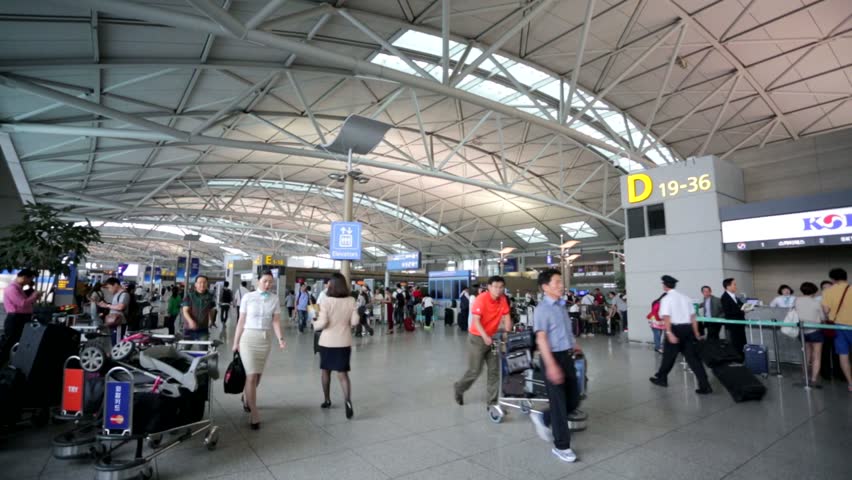
    Korea’s air passenger traffic reached a new record high last year on growing travel demand, while flight delays declined due to improved schedule management, the Transport Ministry said Sunday.

    In 2017, the country’s passenger traffic on domestic and international routes stood at 109.36 million, up 5.2 percent from a year earlier, the Ministry of Land, Infrastructure and Transport said in a statement.

    The rate of overall flight delays fell 3.8 percentage points to 9.5 percent last year compared to the year before. On domestic routes, the rate dropped to 12 percent from 18.6 percent over the same period, while the rate on international routes edged up to 5.9 percent from 5.2 percent, it said.

    Foreign airlines that offer services through Korean airports posted a delay rate of 6.5 percent last year, down from the previous year’s 6.8 percent, the statement said.

    Korea has two full-service airlines – Korean Air and Asiana Airlines. It also has six low-cost carriers, which are Jin Air, Jeju Air, Air Busan, Air Seoul, Eastar Jet and T’way Air.

  • Vietnam auto imports plummet over Government’s Decree 116

    Vietnam auto imports plummet over Government’s Decree 116

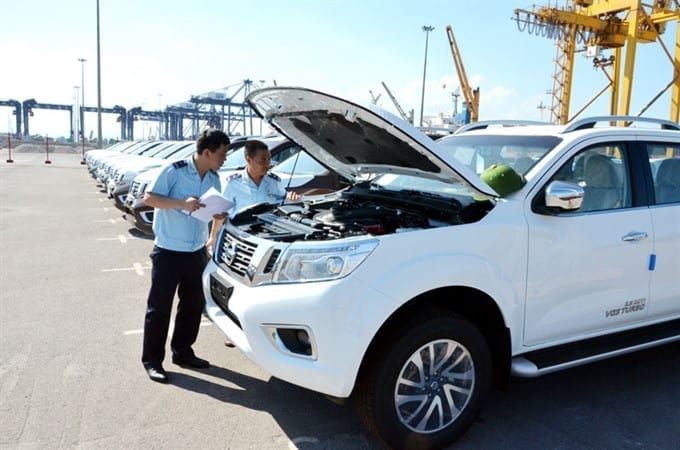
    Automobile imports in Việt Nam plummeted in the first month of 2018, also the time before Tết (Lunar New Year) holiday.

    Only 337 cars of all kinds were shipped to the country, according to data of the General Department of Customs.

    Of the imports, there were only 17 passenger cars with nine seats or less, amounting to US$567,000. Notably, no cars were imported from Indonesia and India.

    In 2017, Indonesia was among the top countries after Thailand with the highest number of exported cars to Việt Nam. India too had a relatively large number of exported vehicles in 2016. However, in January this year, both the countries did not export any car to Việt Nam. Meanwhile, Thailand lost its recognition as the largest import car market in Việt Nam, with only 36 vehicles exported to the country since the beginning of the year.

    Among the automobile export markets to Việt Nam in January 2018, Russia suddenly rose to the top, with 159 vehicles being exported, worth VNĐ274 billion (US$12.03 million), equivalent to VNĐ1.7 billion each. Under a deal on autos signed between Minister of Industry and Trade Trần Tuấn Anh and the Russian Ambassador to Việt Nam Konstantin V.Vnukov in Hà Nội  in December last year, Russia’s joint ventures in Việt Nam are allowed to import duty-free 2,550 complete built-up units and 13,500 sets of automobile parts from 2018 to 2022 as a way of exploring the capacity and tastes of the market.

    China (65 cars) and the United States (42 cars) ranked second and third in exports, respectively.

    According to The Jakarta Post, Indonesia’s four-wheel car manufacturers face a bleak future in exports following a new regulation of Việt Nam, which is poised to build its own automotive industry.

    The Vietnamese Government in November issued Decree No. 116/2017/ND-CP on car manufacturing, assembly, importation and warranty offering, a move that came into effect from January 1, 2018, and tightened car imports. According to Vietnamese Ministry of Industry and Trade (MoIT), Decree 116 is a supportive measure for domestic companies as it sets up a number of technical barriers to limit the import of cars. The decree comes at a time when the import tax of automobiles from within the ASEAN bloc is zero per cent, which also became effective from January 1, 2018.

    Under the decree, car importers in Việt Nam are required to obtain a Vehicle Type Approval (VTA) certification, which details the imported vehicles’ quality, safety and environmental protection. The VTA must be issued by authorities in exporting countries. In addition to this, one sample will be selected from every batch of imported cars for emission, quality and technical safety tests. The inspection will be repeated in the next shipment, even on the same car models.

    “The new rule creates additional costs; a complete inspection may take one to two months, while other cars from the shipment will have to stay at the port and be charged daily for storage,” Kukuh Kumara, Indonesian Automotive Manufacturers Association (Gaikindo) secretary-general said.

    The new rule prompted Gaikindo to send a letter to the MoIT on January 27. The letter claimed that four automakers—Toyota, Suzuki, Daihatsu and Hino—had stopped the planned production of 9,337 vehicles bound for Việt Nam. The units were supposed to be manufactured in the December-March period.

    Kukuh said that Indonesia sent some 30,000 cars to Việt Nam annually, with the four automakers being the biggest exporters.

    According to data of the Central Statistics Agency, Indonesian passenger car exports to Việt Nam from January to November last year was valued at $241.2 million, up significantly from $17.78 million in 2016. Indonesia is also ranked among the top three passenger car exporters to Việt Nam, along with Thailand and China, with a market share of 13.12 per cent.

    Oke Nurwan, international trade director general at Indonesia’s Trade Ministry, said if manufacturers were reluctant to export their cars to Việt Nam, Indonesia could lose some US$85 million between December and March.

    He said the Indonesian government had decided to take a soft approach on the matter by sending on February 26 a delegation to lobby with its Vietnamese counterpart.


  • Perry Ellis inks licensing deal for men’s underwear in south korea

    Perry Ellis inks licensing deal for men’s underwear in south korea

    Perry Ellis International has granted Good People a licence to produce its men’s underwear and loungewear under the Perry Ellis Portfolio trademark in South Korea.

    Founded in 1991, Good People makes and wholesales underwear and loungewear products for men, women and children  in Korea and internationally. Its brands include 1st Olor, Bodyguard, Don & Dons, G-gear, James Dean, SexyCooki and Yescode. The company is also the licensee for Levi’s bodywear in South Korea.

    It is planned Good People will launch the Perry Ellis Portfolio line in autumn this year, says CEO Yoon Woohwan.

    “We see great potential for growth in the South Korean market,” says Perry Ellis International CEO/president Oscar Feldenkreis.

    Perry Ellis International is a US designer, distributor and licensor of men’s and women’s apparel, accessories and fragrances. The company’s collection ranges through dress and casual shirts, golfwear, sweaters, dress pants, casual pants and shorts, jeans, active wear, dresses and men’s and women’s swimwear. Its brands include An Original Penguin by Munsingwear, Axist, Ben Hogan, Cubavera, Farah, Grand Slam, Jantzen, John Henry, Laundry by Shelli Segal, Manhattan and Rafaella.

    It also licenses trademarks from third parties such as Jag and Nike for swimwear, Callaway, Jack Nicklaus and PGA Tour for golf apparel, and Guy Harvey for performance fishing and resort wear.

  • Scania says Korea keeps its trucks on top

    Scania says Korea keeps its trucks on top

    Sweden commercial vehicle manufacturer Scania said Korea will remain strategic to its Asian business, particularly due to the advanced technology and high environmental regulations imposed on cars.

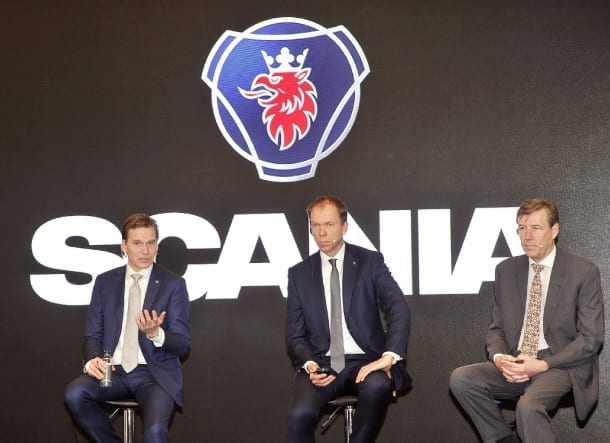
    “There’s a saying that if you can manage Korean standards, you can manage any country standards [in Asia],” said Kaj Farm, the managing director of Scania Korea at a press conference held Thursday in Gangnam, southern Seoul.

    Executive Vice Presidents Mathias Carlbaum, head of commercial operations, and Christian Levin, head of sales and marketing, joined the event to share the company’s future plans. This was the first time top-level executives from headquarters attended a local press event for Scania.

    The company says Korea is an effective gateway for launching new models before they are sent to other Asian countries, as environmental regulations and safety standards are much stricter. Another advantage is that Korea has an information technology infrastructure that allows the company to test high-tech “connectivity” features that help the company collect data on drivers and their trucks on the road.

    The company chose Korea as the first Asian market to sell its newest lineup, the All New Scania series, launched Feb. 10. The series was its biggest R&D project ever, taking 10 years and 2 billion euros to develop.

    In sales, Korea was Scania’s biggest market in Asia before last year, when China overtook it. In Korea, Scania has an 11.5 percent market share in heavy trucks, a jump from 6.6 percent in 2013. The Korean office’s aim is to keep up slow but steady growth by expanding market share 1 percent each year.

    Scania is pushing R&D to prepare for an era of sustainable transportation with increased energy efficiency, alternative fuels, electrification and so-called “smart transport.” It has already had some success in developing engines for alternative fuels.

    One interesting experiment Scania is conducting in Singapore for the “smart” sector is “platooning,” where four trucks, operating between several freight terminals, drive in a convoy and the only manned vehicle is the one at the very front. The others are connected via Wi-Fi and are led by the car in front.

    “Our target [for the Asian market] is a 70 percent increase [in the number of units sold] from 2016 to 2020,” said Carlbaum, Scania’s commercial operations head. “By then, one third of the total volume for the company will come from Asia. And, in the meanwhile, Korea will remain a core part of this growth strategy.”

  • SCIC Vietnam to sell stake in Bình Minh Plastic JSC

    SCIC Vietnam to sell stake in Bình Minh Plastic JSC

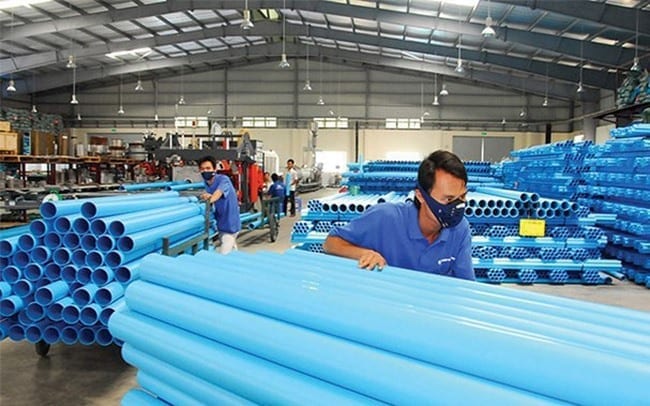
    The State Capital Investment Corporation (SCIC) plans to sell nearly 30 per cent of its stake in Bình Minh Plastic JSC or 24.1 million shares on March 9 on the HCM Stock Exchange.

    The 24.1 million shares will be sold via competitive bidding and each investor must register to buy at least 20,000 shares.

    The starting price will be announced on February 28. The bidding price must be above both the starting level and the daily decreasing band of Bình Minh Plastic Company’s share price on March 9.

    For example, if the shares are sold at the starting price of VNĐ100,000 (US$4.44) per share and the decreasing band of the shares is VNĐ95,000 per share, then the bidding price must be above VNĐ100,000 per share.

    If the decreasing band of the shares is VNĐ105,000 per share, then the bidding price must be above VNĐ105,000 per share.

    If investors forecast the required bidding price as unreasonable compared to their expectations, then they can cancel their bidding by 4pm on March 8.

    Investors must deposit at least 10 per cent of their purchase value based on the starting bidding price.

    Bình Minh Plastic JSC is listed on the HCM Stock Exchange with code BMP. The company shares jumped 4.6 per cent on Friday to VNĐ93,400.


  • Intersport opens door in the Philippines

    Intersport opens door in the Philippines

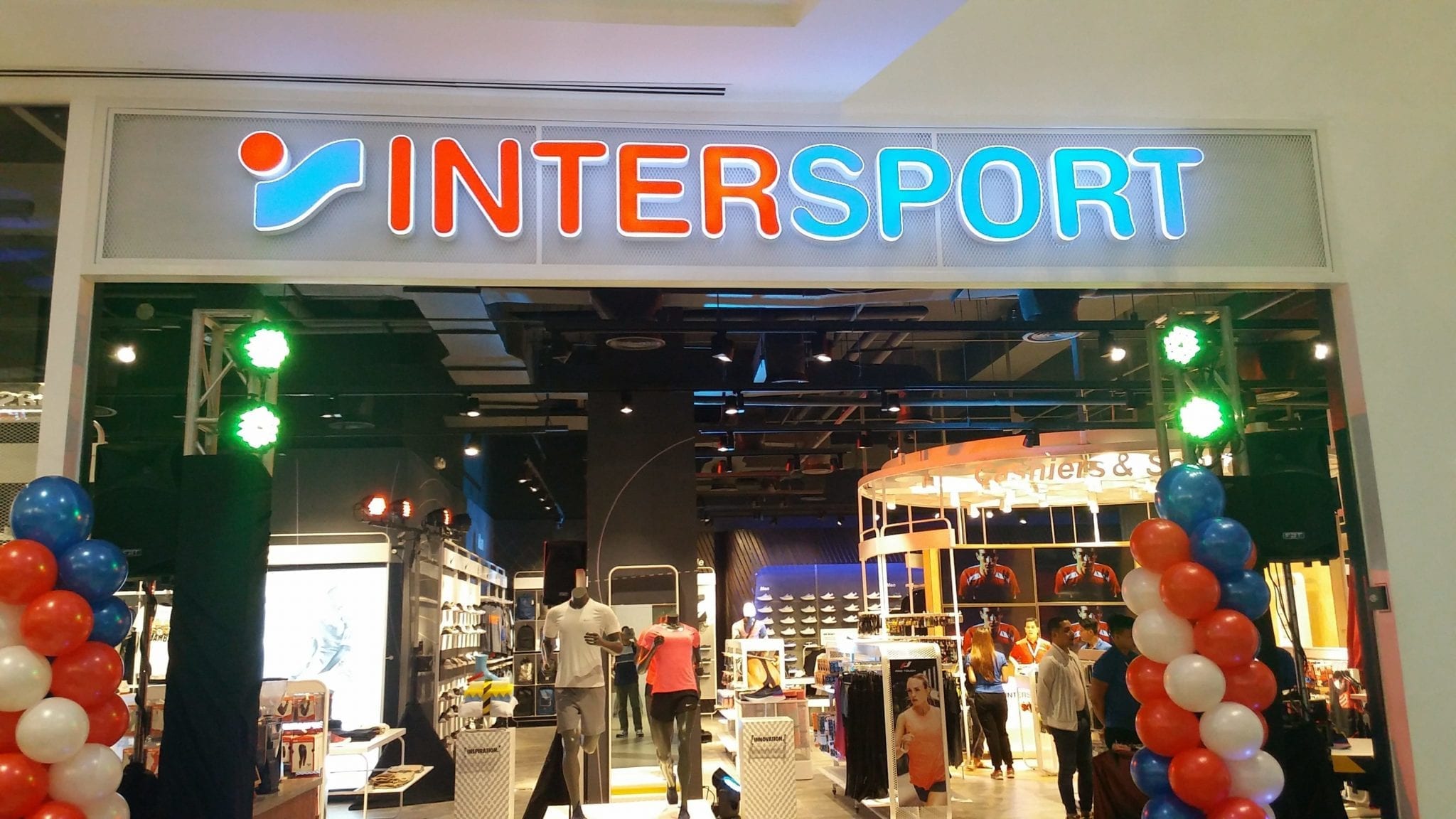
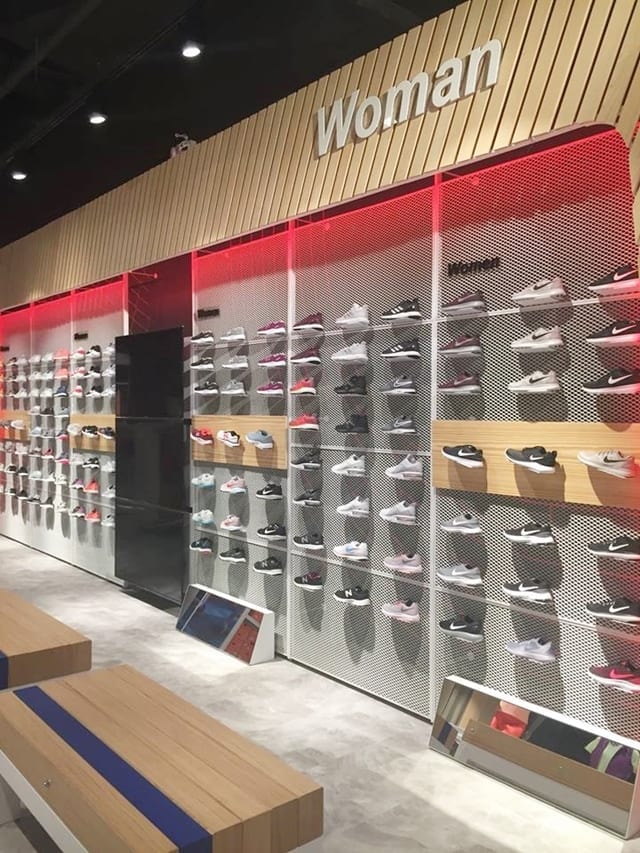
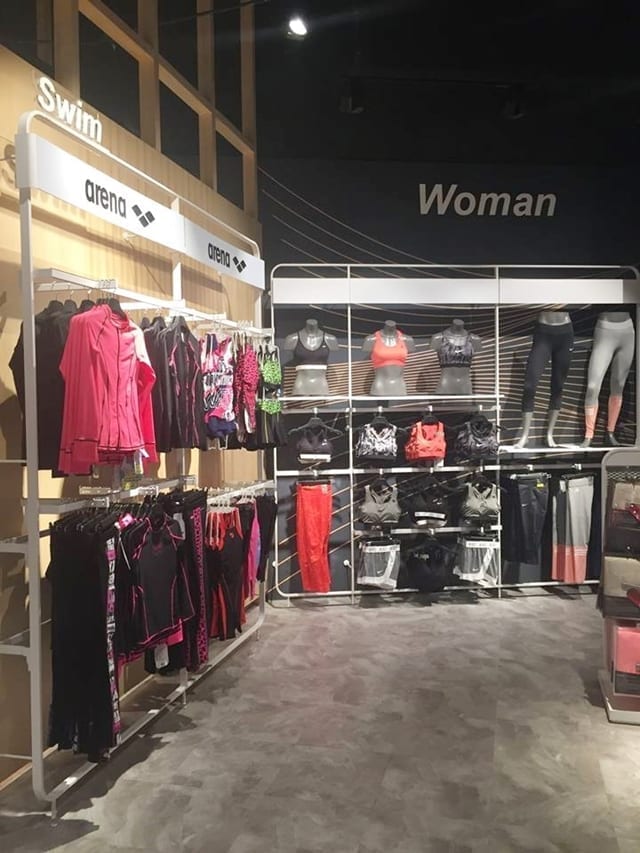
    Intersport Philippines has opened its first store at the Ayala Vertis North Mall in Quezon City.

    It is the Swiss international sporting goods retailer’s first outlet for Southeast Asia.

    Being introduced by Planet Sports Incorporated, the company behind Athlete’s Foot, Planet Sports and Sports Warehouse, it is the 5500th international outlet for Intersport, which carries such brands as Adidas, New Balance and Nike.


    A ribbon-cutting for the store was attended by volleyball stars Alyssa Valdez and Thirdy Ravena, along with basketballer Willie Miller.

    Planet Sport plans to continue its expansion with stores in Makati, Bonifacio Global City, Mall of Asia and Cebu, says president Anton Gonzalez.

  • A Successful Singapore Airshow 2018

    A Successful Singapore Airshow 2018

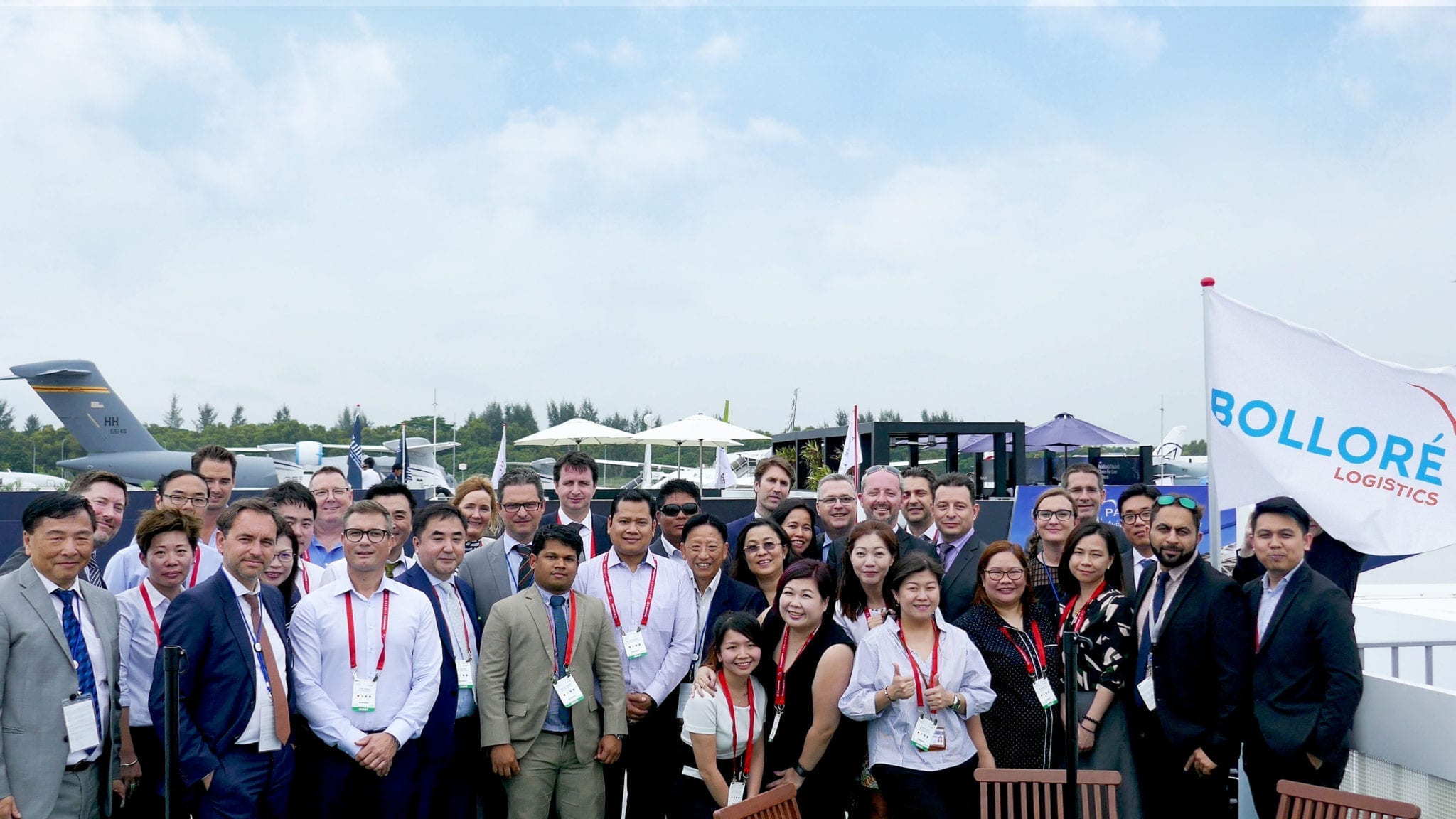
    Bolloré Logistics Asia-Pacific is happy to announce that this year’s edition of the Singapore Airshow was a resounding success. This edition of the biennial event was the 6th since the show’s inception in 2008. With a plethora of exhibitors from 38 countries, there were plenty of opportunities to boost Bolloré Logistics’ recognition at Asia’s largest Aerospace and Defense Airshow. This year featured not just one, but two Bolloré locations within the trade show, both at the booth and chalet.

    The Bolloré Logistics booth has been visited by many people. A lot of information was available through our marketing materials such as our dedicated brochures showcasing our tailored services for Airlines & MROs, Aerospace, and Helicopters, as well as our Press Kit. The presence of IER, a company belonging to the Bolloré Group, which develops and deploys mobile and self-service machines for passenger processing, and also offers track and trace tools for supply chains and logistics providers, was also a great success.

    “The entire industry has embraced self-service solutions and technology, which for airlines and airports also enhances customer experience,” says Fabrice Godeau, Managing Director at IER for Asia-Pacific and the Middle East.

    “We have teams of solution designers tailoring systems for clients, and creating end-to-end service for passengers who increasingly demand there be less time and fewer steps involved between entering terminals to their planes taking off.”

    The Bolloré chalet was equally busy between multiple events such as Speed Meetings, Workshops, and daily Business Luncheons. Over the Trade Days from February 6-9, 2018, executives had the chance to network across 24 different Bolloré Logistics entities. Our internal Speed Meetings brought together both Regional and Key Account Managers to create innovative solutions to address concerns in the Aerospace industry. In addition, some workshops were conducted to improve our approach to challenges in Asian countries that require greater finesse in complying with government and regulatory standards.

    Bolloré Logistics’ clients were also welcomed into the chalet during our daily Business Luncheons. Over a scrumptious buffet, clients and executives fostered a better understanding of their needs and goals. Some clients were even treated to special access visits to our notable hubs in order to gain a better sense of our infrastructure and capabilities. Upon their exit of the chalet, clients received a goodie bag containing – amongst other things – a mock-up of a boarding pass which allowed them to enter a lucky draw at our booth.