Author: Mei Ling Tan

  • Harley-Davidson enters race to buy Italian rival Ducati

    Harley-Davidson enters race to buy Italian rival Ducati

    U.S. motorcycle maker Harley-Davidson is lining up a takeover bid for Italian rival Ducati, potentially bringing together two of the most famous names in motorcycling in a deal that could be worth up to 1.5 billion euros ($1.67 billion), sources told Reuters.

    Indian motorcycle maker Bajaj Auto and several buyout funds are also preparing bids for Ducati, which is being put up for sale by German carmaker Volkswagen.

    A deal with Harley-Davidson would bring together the maker of touring bikes like the Electra Glide that are symbolic of America with a leading European maker whose high-performance bikes have a distinguished racing heritage.

    Milwaukee-based Harley-Davidson has hired Goldman Sachs to work on the deal, one source familiar with the matter said, adding tentative bids were expected in July.

    Volkswagen, whose Audi division controls Ducati – maker of the iconic Monster motorbike – is working with investment boutique Evercore on the sale which will help it fund a strategic overhaul following its emissions scandal.

    Based in the northern Italian city of Bologna, Ducati was on the wish list of private equity funds KKK, Bain Capital and Permira, which are all working on the deal, said the sources who declined to be identified as the process is private.

    Ducati was launched in 1926 as a maker of vacuum tubes and radio components and its Bologna factory remained open in World War Two despite being the target of several bombings.

    Ducati racers have won the Superbike world championship 14 times, with Carl Fogarty and Troy Bayliss its most successful riders.

    Harley-Davidson, which commands about half the U.S. big-bike market, was founded in Milwaukee, Wisconsin at the start of the last century and was one of two major American motorcycle manufacturers to survive the great depression.

    Demand for Harley’s motorcycles continues to be slow as its loyal baby boomer demographic ages and rivals such as the Indian brand bike maker Polaris Industries Inc (PII.N) and Japan’s Honda Motor offer discounts.

    Volkswagen’s powerful labor unions, which control half the seats on the carmaker’s 20-strong supervisory board, repeated their opposition to selling the Italian motorcycle maker.

    “Ducati is a jewel, the sale of which is not supported by the labor representatives on Volkswagen’s supervisory board,” a spokesman for VW group’s works council said in an email.

    “Harley-Davidson is miles behind Ducati in technology terms,” he added.

    BIDDING FIELD

    Evercore has sent out information packages to a number of potential suitors including Ducati’s previous owner Investindustrial, sources with knowledge of the matter said.

    Investindustrial bought a stake in Ducati before the financial crisis, subsequently taking control of the business before selling it to Audi in 2012.

    It is now looking to compete with heavyweight private equity firms and large industry players to regain control.

    Volkswagen, Audi, Harley-Davidson, KKR and Bain Capital declined to comment. Bajaj, Investindustrial and Permira were not immediately available.

    Volkswagen, Europe’s largest carmaker, is seeking to move beyond an emissions-cheating scandal that has tarnished its image and left it facing billions of euros in fines and settlements.

    A successful deal for Ducati, which last year reported revenues of 593 million euros, would show Volkswagen boss Matthias Mueller is serious about reversing his predecessor’s quest for size.

    Volkswagen said last June it would review its portfolio of assets and brands, rekindling speculation among analysts that “non-core” businesses could be put up for sale.

    Volkswagen hopes to raise between 1.4 billion and 1.5 billion euros from the sale of Ducati, valuing it at 14-15 times its earnings before interest, taxes, depreciation and amortization (EBITDA) of about 100 million euros, the sources said.

    The German car maker wants a valuation that reflects trading multiples of similar trophy assets in the automotive industry, such as Italian car maker Ferrari (RACE.MI) which trades at almost 30 times its forward earnings.

    Yet it may need to compromise on price as some of the bidders would struggle to pay as much as 1.5 billion euros for Ducati, several sources said.

    Price expectations have already proved challenging for some industry players who recently decided against bidding.

    Indian motorcycle firm Hero Moto and its rival TVS Motor initially expressed interest in Ducati but were put off by its price tag and decided to walk away, the sources said.

    German car marker BMW and Japanese motorcycle makers Honda and Suzuki have also decided against bidding for Ducati, sources close to the companies told Reuters.

    A BMW spokesman confirmed the German firm was not interested in Ducati, while Hero and TVS were not immediately available for comment.

    Another source close to Volkswagen said the sale of Ducati might not be finalised before the annual EICMA motorcycle show in Milan in mid-November as Volkswagen wanted to find the right buyer and the sales process might take time.

  • MCM offers made-to-order designs at Tokyo pop-up

    MCM offers made-to-order designs at Tokyo pop-up

    Global fashion brand MCM said that it offered made-to-order designs of its most popular products for the first time at its pop-up store in Isetan department store in Tokyo.

    The store, located in the luxury Isetan Shinjuku department store in Tokyo, Japan, allowed customers to pick up customized items they had designed through the brand‘s mobile app. Customizations included being able to change the color of the leather, handle or studs on MCM’s most popular products, as well as monogramming.

    The digital MTO service is expected to attract great interest in the twenties and thirties with a strong desire to express their individuality in fashion.
    Sungjoo Group, which holds global accessories brand MCM, has gone through a hard time. Since the Korean firm acquired the German brand in 2005, MCM’s sales revenue increased from 61.4 billion won in 2005 to 121.9 billion won in 2007. It posted 370 billion won in 2012, 450 billion won in 2013 and 589.9 billion won in 2014.
    However, the trend began to move downward after 2014. MCM posted 579.1 billion won in sales last year. The luxury brand has gone through a hard time in Japan as well. Its two subsidiaries there have suffered net losses for four consecutive years, recording 17.6 billion won in cumulative losses.

    “The result is because of our initial investment in the country. We do not worry about the result, as we are positive of successfully entering the fiercely competitive Japanese market,” a Sungjoo official said.

    Recently, MCM is strengthening its global business in order to make a second leap.

    Starting in July, the MTO service will be available at the brand‘s two stores in Ginza in Tokyo. The service will be expanded globally to cover MCM’s 35 markets in the second half of 2017.

  • Hong Kong mobile apps firms face serious talent shortage

    Hong Kong mobile apps firms face serious talent shortage

    Facing talent shortage and increased operational costs, nearly half of mobile apps development firms in Hong Kong need to turn down their business deals or outsource services to overseas, according to a recent survey conducted by the Wireless Technology Industry Association (WTIA).

    The WTIA’s Hong Kong Mobile Apps Industry Survey, conducted by Hong Kong Productivity Council (HKPC), interviewed 124 app development companies firms between May 8 and June 5 this year.

    According to the survey, 33% of the companies said they are facing a serious shortage of manpower with technical talents such as programmers, coders and engineers being the most difficult to fill.

    “There is a major talent shortage not just on the technical side, but also in sales,” said Wendy Alison Yung, executive director at WTIA.

    Another key challenge is an increase in operational costs, with a majority (86%) of the companies saying facing increasing pressure from high staff costs while 55% from office rental.

    To address the issues of talent shortage and increased operational costs, 42% of the companies said they have to use outsourced services, with domestic companies being the most popular choice (69%), followed by firms in mainland China (25%) and other countries or regions (21%).

    Despite these challenges, the survey found that the mobile app industry in Hong Kong is getting mature with a better business prospect.

    For one, the number of respondents with an annual revenue of HK$500,000 ($64,000) grew by 28%. At the same time, the number of companies in deficit reduced by 14%. These figures suggest a better business environment and prospects for a growing in the smartphone app industry, Yung said.

    Meanwhile, the number of companies operating for six or more years has drastically increased from 22% last year to 50% this year, while startups have also become considerably more well-established with an increase in founders aged 25 and above (23%) and in founders with five or more years of work experience (13%).

    Business applications (57%) tops the most popular app products this year followed by e-commerce applications (26%). Over four-fifths (82%) of the respondents allocated resources to R&D and product development in the previous year, with the average amount at over HK$2.1 million.

    Following the global success of the popular augmented reality (AR) game “Pokemon Go” and the introduction of NFC e-payment services in Hong Kong, the survey showed that AR and NFC are the most popular technologies being adopted in mobile apps in the city.

    According to the survey, 22% of mobile apps created feature AR in 2017, up from 9% the previous year, while adoption of NFC has increased to 21% this year from 10% in 2016.

  • Chinese tourism in Thailand to get slowly better

    Chinese tourism in Thailand to get slowly better

    It is not just the South Korean duty free and travel retail market that is suffering from a dearth of Chinese travellers – Thailand has also seen falling traffic according to travel retail analyst, research and category expert, Counter Intelligence Retail, but for very different reasons.

    Metrics from CiR’s traffic modelling and forecasting tool, Business Lounge, show that from peak growth of +101% in July 2015 (compared to July 2014 year-on-year) rates have been falling steadily ever since.

    By December 2016 there was zero growth and in the first quarter of 2017 the trend was negative overall at -2%.  “What this data from CiR Business Lounge tells us is that after a golden period of Chinese travel easily outstripping general international demand to Thailand, the situation has reversed – and since December 2016 international traffic to the country has been stronger,” says Garry Stasiulevicuis, President of Counter Intelligence Retail.

    Political stability and ‘tours’ ban influence Chinese demand

    As political stability returned, so did international traffic – from the Chinese in particular. In 2015, Chinese tourism was up by +66% (from a low base in 2014), while 2016 saw a more measured rise in Chinese PAX at +32% YoY. Nevertheless, this represents 1.3m extra Chinese arrivals to the country – a boon for duty free and travel retailers. The Chinese market is the largest source of tourists in Thailand.

    While Chinese growth rates have been falling since July 2015, they were well ahead of international levels. However, a September 2016 ban on so called ‘zero-dollar’ tours (cheap group packages where tourists are herded to specific hotels and shops and unable to do much independently) Chinese numbers to Thailand have dropped dramatically.

    The death of Thailand’s King Bhumibol Adulyadej a month later and official year-long mourning has also meant the cancellation of a number events and ‘full moon’ parties which affected the tourism sector.

    The ‘zero-dollar’ tours ban is a joint campaign with the Chinese authorities and it has resulted in the impounding of more than 2,000 tour buses. Backed by Tourism Authority of Thailand, the initiative is designed to improve tourism quality levels so that Chinese travellers have a better experience once the market purge is completed. TAT expects this will eventually result in renewed and sustainable growth from its largest source market.

    CiR sees some hopeful signs

    Forecast data from Business Lounge offer some hope to travel retailers in Thailand. Based on scheduled capacities from China, the data indicates that while seat numbers have stayed below 2016 up to May, from this month (June) the trend is set to improve.

    Helping FITs to Thailand will be low-cost carriers. As previously mentioned by CiR, growth in China’s LCC sector has been buoyant in recent years and this continues to be the case for traffic into Thailand. In July for example, carriers such as Spring Airlines, Juneyao Airlines & Sabaidee Airways have increased available capacity by about +43%.

  • Ford bets on low oil prices, moves Focus production to China

    Ford bets on low oil prices, moves Focus production to China

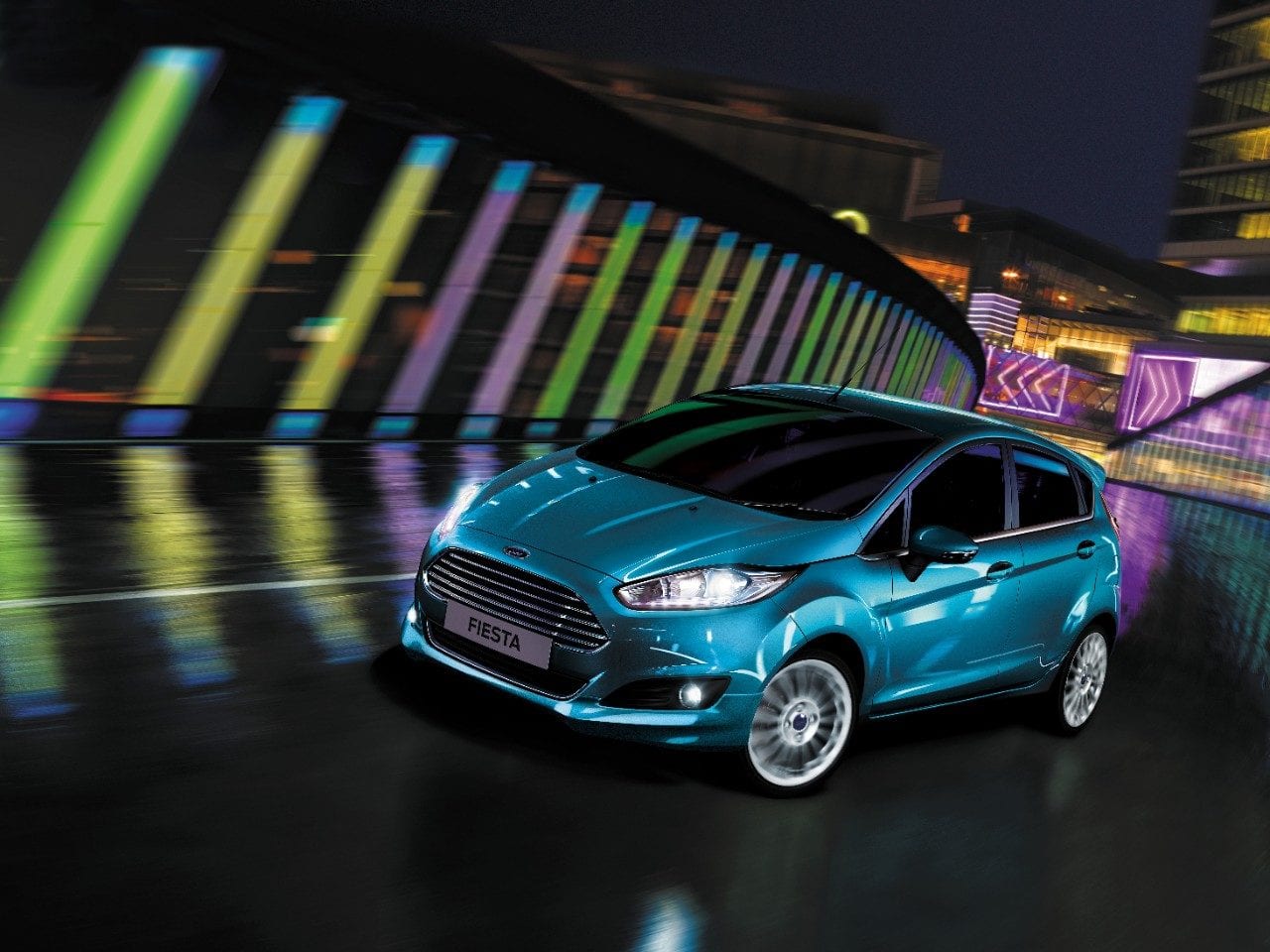
    Ford Motor said on Tuesday it will move some production of its Focus small car to China and import the vehicles to the United States in a long-term bet on low oil prices and stable U.S.-China trade relations despite recent tensions.

    The move suggests China could play a much larger role in future vehicle production for North America, perhaps eclipsing Mexico as a low-cost manufacturing source.

    Ford painted the production shift from Mexico to China, slated for mid-2019, as a purely financial move that will save the company $500 million in reduced tooling costs.

    But Ford also expects to ship about 80,000 vehicles to China this year, including the redesigned Lincoln Navigator luxury sport utility vehicle, which goes into production this fall at Ford’s Kentucky truck plant.

    Ford’s decision to import its first vehicles from China to the United States is also the first major manufacturing investment decision made by new Chief Executive Jim Hackett, who succeeded Mark Fields in May. Discussion about the small-car production shift from Mexico to China began “a couple months ago” under Fields, said Joe Hinrichs, president of global operations.

    The decision also signals a shift in strategy at Ford, which is responding to dwindling U.S. consumer demand for small cars in favor of more expensive and more profitable trucks and SUVs. Cars accounted for more than 50 percent of U.S. auto sales as recently as 2012, but have fallen to just 37 percent of sales this year.

    Ford on Tuesday said it would invest $900 million at the Kentucky truck plant to build the redesigned Navigator and Ford Expedition. It has contingency plans to build more of the big SUVs at an Ohio plant if demand grows.

    In January, after U.S. President Donald Trump repeatedly criticized Ford for shipping small-car manufacturing to Mexico, Ford said it would kill plans to build a $1.8 billion Focus plant in San Luis Potosi and instead produce the new Focus at an existing plant in Hermosillo.

    “The Ford decision shows how flexible multinational companies are in terms of geography,” U.S. Commerce Secretary Wilbur Ross said in a statement.

    Trump did not address the issue on Tuesday.

    White House Press Secretary Sean Spicer said Trump “wants to create a tax system (so) that companies want to come back and bring back jobs in manufacturing here in the United States.”

    Although it is cheaper to build and ship cars to the United States from Mexico than China, “this was not a variable cost decision,” Hinrichs said in a briefing on Tuesday. “It allows us to free up a lot of capital” because Ford now has to retool only one plant – the existing Focus factory in Chongqing – rather than two to supply North America.

    The current Focus will be phased out of production in Wayne, Michigan, in mid-2018, according to Hinrichs. The Wayne plant will begin building a new Ranger midsize truck in late 2018 and a Bronco midsize SUV in 2020.

    Ford executives told Trump last year that moving production to Michigan of bigger vehicles that were more profitable would secure the Wayne plant’s future – a decision later praised by Trump.

    No U.S. jobs will be affected by shifting Focus production to China, Ford said, adding that it employs more U.S. hourly workers and builds more vehicles in the United States than any other automaker.

    The United Auto Workers labor union declined to comment.

    Hinrichs said “the capital saving outweighs the risk” of having to pay a potential border tax, or import tax, on the Chinese-built Focus.

    Ford U.S. Focus sales have fallen 22 percent this year, as low gas prices have helped spur more buyers into larger vehicles. Ford’s full-size F-series pickup truck remains the best-selling U.S. vehicle by a wide margin.

    Unlike many consumer products, few Chinese-made vehicles are sold in the United States.

    General Motors has been exporting Buick and Cadillac vehicles from China to the United States since last year, as has Volvo Cars, a unit of Chinese automaker Geely Automobile Holdings.

  • China problems force Aston Martin into global recall of 1,658 cars

    China problems force Aston Martin into global recall of 1,658 cars

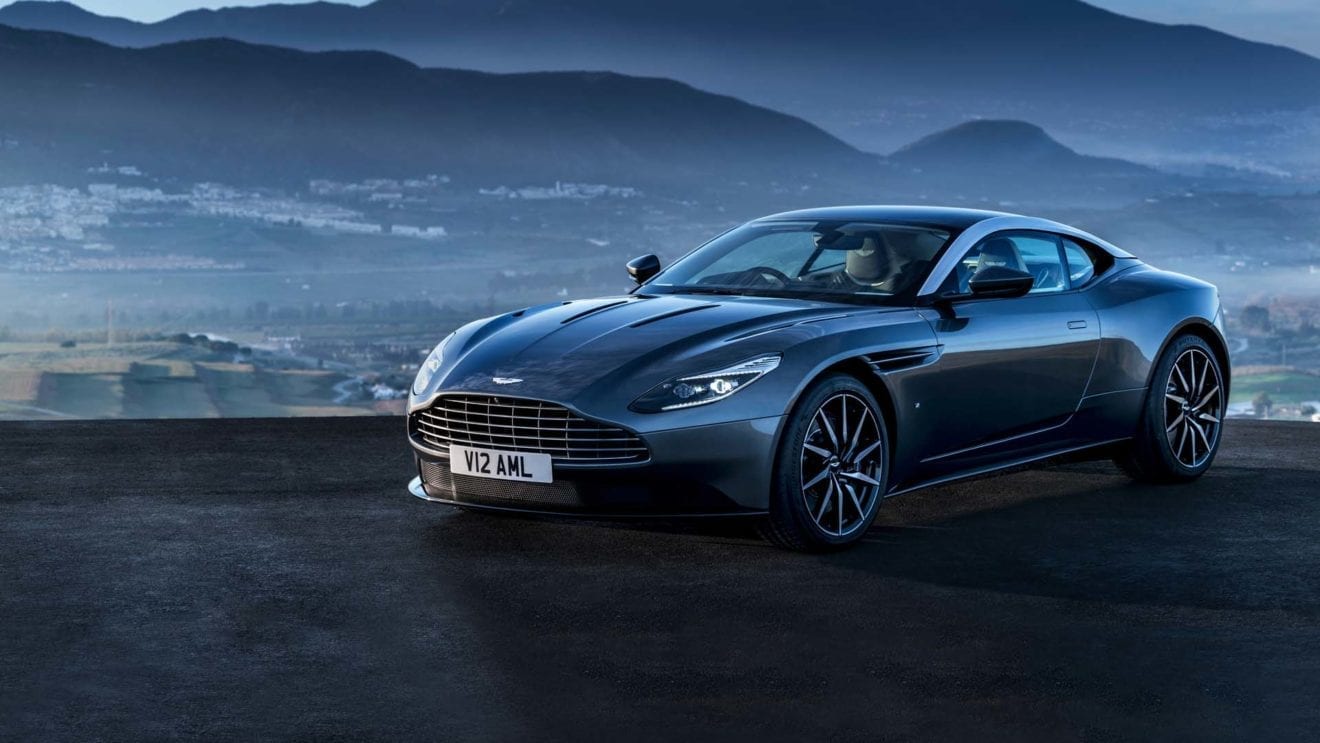
    British sports car maker Aston Martin Lagonda Ltd is ordering a global recall of 1,658 Vantage cars after problems with a routine transmission software update led to incidents in China in which some cars stalled and lost power, its CEO told Reuters.

    Chief executive Andy Palmer said the decision was taken after a team of Aston Martin engineers went to China in May to investigate a problem that several customers there had been complaining about since 2014.

    “Normally (recalls) start in America. I don’t think it is the only example, but it’s interesting that it started from China and becomes a global recall,” Palmer told Reuters by telephone.

    “It demonstrates the importance of China, the sophistication of the customer and the diligence of the authority there.”

    The luxury carmaker, famous for making the car driven by secret agent James Bond, sold 3,259 cars globally last year, nearly 8 percent of them in China.

    Aston Martin’s plan was conveyed on Tuesday to Chinese regulatory agencies that had taken up the issue after dissatisfied customers complained. Formal documents would be submitted by the end of the European day, Palmer said.

    Chinese authorities did not respond to a request for comment.

    The global recall will be unwelcome publicity for a company that has said for years it wants to go public. It reported its first Q1 profit in a decade in May.

    Palmer did not say how much the recall would cost, but knowledgeable people close to the company estimated the total cost at around 300,000 pounds ($380,760).

    The recall will cover 1,658 Vantage cars built between June 2010 and September 2013 with the Sportshift I and Sportshift II automated manual transmission gearboxes, including 113 that were sold in China. The Vantage is the only Aston Martin model with a semi-manual shift.

    FAILURE TO RESET

    Palmer said the problem occurred because some dealerships in China failed to reset the clutch position after software updates to the automatic transmission system.

    “In the normal course of events, when you make a software change, you have to re-teach the engagement position of the clutch. And most of our dealers around the world automatically did that,” he said.

    If the clutch is not re-taught the biting point – the point when the clutch plate engages with the engine plate – “it’s possible that a car could initially stall while in operation”, he said.

    Aston Martin sent its engineers to China after it tried and failed to replicate the stalling problem in its own engineering laboratories. When they arrived, they discovered that some cars suffered unusual noise and vibration, and in worst cases an engine stall, after the new software was installed.

    The stalling caused a complete loss of power in some cases, shutting off the engine and power to the electrically-assisted steering and brakes, making it extremely difficult for a driver to guide the car safely to a stop.

    Given that dealers and customers in China may have less experience operating and maintaining supercars like Aston Martins, Palmer said the company should have spelt out to dealerships what they needed to do.

    “I blame us,” Palmer said. “Basically we should have explicitly said within the service action for the software that we should re-teach the clutch. We didn’t explicitly say that. Therefore we take responsibility for fixing it.”

    Palmer, who joined Aston Martin from Nissan Motor Co in late 2014, said the company knows of 21 instances of potential sudden engine stall, all in China.

    The fluid pipe connectors on the gearboxes would also be replaced during the recall, he said.

    Three years ago Aston Martin recalled most of the cars sold in China that had been built since 2007 after discovering a problem with defective throttle pedals, which it blamed on Chinese subcontractors using counterfeit plastic material.

    “TOO DANGEROUS”

    The Beijing branch of China’s product quality watchdog – the General Administration of Quality Supervision, Inspection and Quarantine (AQSIQ) – in January last year asked the company to investigate the issue and report back.

    AQSIQ’s Defective Product Administrative Center opened its own investigation in April. Also in April, China’s Consumers Association issued a statement saying that there were enough incidents of the Vantage stalling to warrant a recall.

    Carson Guo and his brother James lost their licensed dealership with Aston Martin in Beijing in December 2016 after fielding complaints from customers about stalling cars. Of the eight customers who complained, six had bought Vantages.

    Carson Guo told several customers waged a campaign against the British carmaker via Weibo, China’s answer to Twitter, and at least two received a refund.

    One of the knowledgeable individuals close to Aston Martin said the Guos’ contract was terminated due to a “significant reduction in sales through that outlet”.

    Zhang Jia’ao, a 32-year-old partner at a Beijing-based venture capital firm, did not get a refund.

    He told he bought his Vantage S coupe from the Guo dealership for 2.35 million yuan ($344,287) in 2013, and sold it 11 months later to a used-car dealer for 1.23 million yuan ($180,201) after a series of stalls, some at high speed.

    On one occasion, following a complete loss of power, Zhang only managed to slow the car down by repeatedly bumping the tires against the kerb, he said.

    “It was too dangerous,” Zhang said.

    Asked about the problems Zhang encountered, Simon Sproule, chief marketing officer at Aston Martin Lagonda, said: “The recall will ensure that any issues with this car are fixed.”

  • LankaClear and JCBI partner to establish National Card Scheme in Sri Lanka

    LankaClear and JCBI partner to establish National Card Scheme in Sri Lanka

    LankaClear (Private) Limited (LankaClear), an organization incorporated in 2002 and owned by the Central Bank of Sri Lanka (CBSL) and all Licensed Commercial Banks operating in Sri Lanka, and JCB International Co., Ltd. (JCBI), the international operations subsidiary of JCB Co., Ltd. (JCB), announced on June 20th that both parties have entered into a strategic partnership for the establishment of the National Card Scheme (NCS) to introduce the issuance of LankaPay-JCB co-branded cards and to jointly promote the acceptance of such cards with JCB payment solutions.

    By integrating JCB payment solutions to LankaPay participant members and leveraging the planned interconnection between the payment networks of LankaClear and JCB, the LankaPay-JCB co-branded cards issued by LankaClear participant members would be accepted globally via the JCB international network and locally through the LankaClear network.

    In addition, the strategic partnership would also facilitate the acceptance of international JCB cards at ATMs and merchants accepting LankaPay-JCB co-branded cards across Sri Lanka. Both parties are targeting to complete the implementation and launch of the issuance and the acceptance of LankaPay-JCB co-branded cards by beginning of 2018.

    Through this strategic partnership, the issuance of the LankaPay-JCB co-branded cards would be the first-ever JCB branded cards issued in the country. The acceptance of the internationally issued JCB branded cards in Sri Lanka is expected to reach the same level of acceptance as the LankaPay-JCB co-branded cards issued in Sri Lanka. This would undoubtedly meet the demand of the usage of cards by the increasing number of tourists visiting Sri Lanka, especially those traveling from India, which is the biggest tourist contingent to Sri Lanka where JCBI is expected to have a large card base in the near future.

    General Manager and CEO of LankaClear, Channa de Silva said, “Our quest is to promote cost effective and efficient electronic transactions with the primary objective of reducing cash based transactions, thus, reduce the burden on the economy. In this context, NCS is one of the key elements in which we envisage to increase the usage of car based transaction in the country via our Common Card And Payment Switch (CCAPS). By conducting a transparent selection process, LankaClear identified JCB as the partner for NCS based on a set of stringent evaluation criteria and subsequently carrying out extensive negotiations from the pool of proposals received from many international card schemes. The primary objective of the selection was to select the partner who would give the best value proposition to this national endeavour. Launching NCS in partnership with JCB payment solutions would be a significant milestone in the Sri Lankan payment ecosystem to reduce cash usage. I am confident that issuance of LankaPay-JCB co-branded cards by all card issuing organizations and via international acceptance of such cards would strengthen the already established economic relationships and further enhance the exchange of cultural experiences for both nations.”

    Senior Vice President of JCBI, Yuichiro Kadowaki said, “We are pleased to be selected as the partner for the establishment of NCS and excited to contribute to this national endeavour with our payment solutions. As Sri Lanka is one of the most attractive travel destinations in the world, it is very important for JCB to expand and maintain better acceptance across the country as one of the aspects of the NCS project. In addition, accompanied with the stable economic growth in Sri Lanka, the number of Sri Lankans travelling outside the country would also bound to grow. JCB hopes that extensive card acceptance network and customer oriented services and promotions throughout Asia, including in Japan, could be experienced and enjoyed by such card members of LankaPay-JCB co-branded cards.

    We will also explore the opportunity of introducing new payment technologies such as contactless payments and mobile payments in Sri Lanka through this partnership with LankaClear. We are confident that the customers of LankaPay-JCB co-branded cards will experience the benefit of the emerging financial technologies in their daily lives as well as during their travel through this strategic partnership between LankaClear and JCBI.”

  • Thais use more electronic payments and shy away from cash for safety reasons

    Thais use more electronic payments and shy away from cash for safety reasons

    Thais are becoming increasingly confident in using electronic payments, as cash is seen as a hassle and unsafe to carry around, according to Visa’s research.

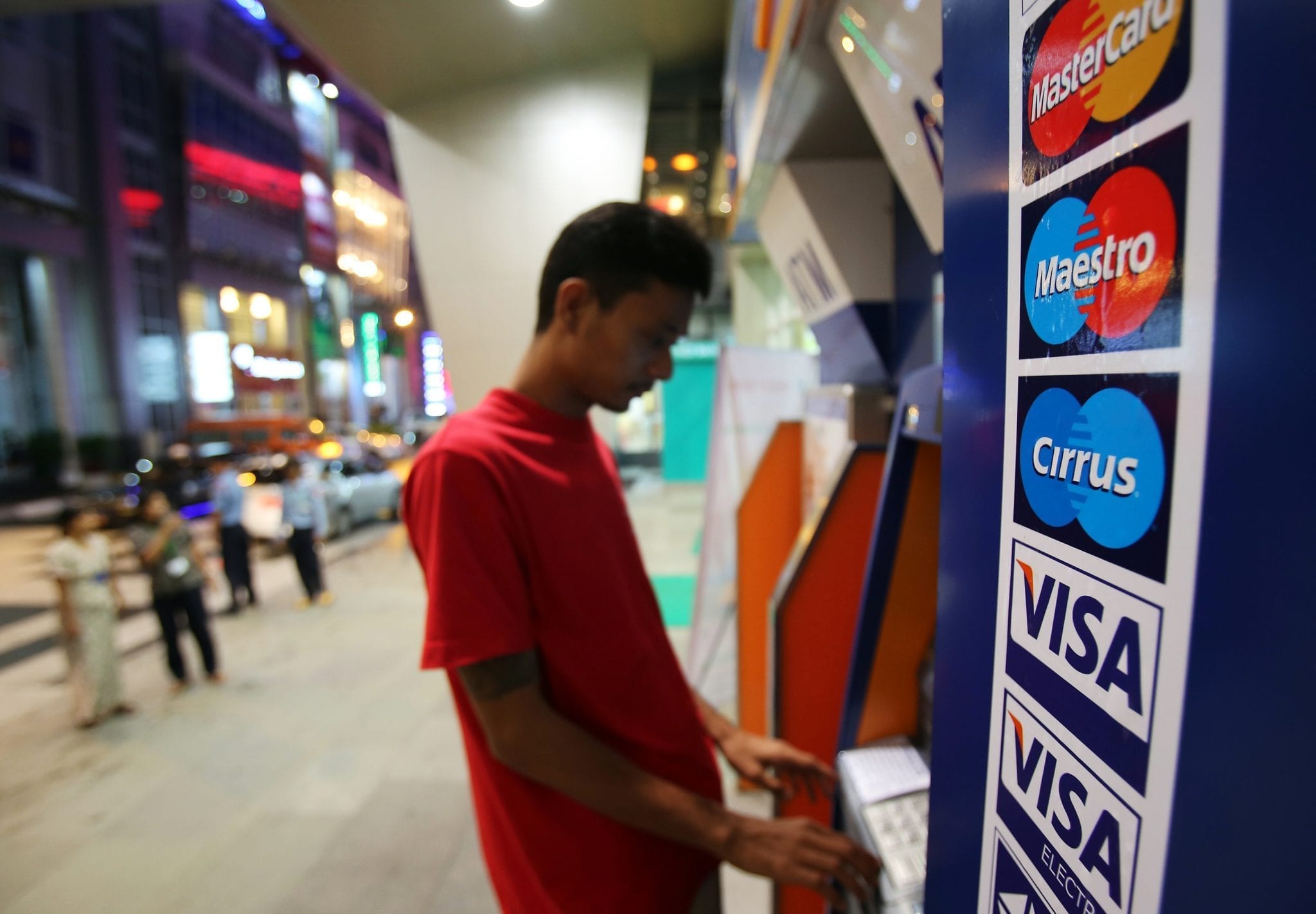
    In its third instalment, the 2016 Visa Consumer Payment Attitudes Study tracks the current attitudes consumers have on electronic payments and identifies trends in payments behavior in six Southeast Asian nations. Of those surveyed in Thailand, 73 percent said they used electronic payments, including cards, mobile devices and wearables, more often than cash, deliberately moving away from notes and coins.

    Emerging affluent were the heaviest users of electronic payments (83%) compared to the mass market at 68 percent. The main reasons cited for carrying less cash were the lack of safety (60%), up from 57 percent in 2015; and easy access to cash withdrawals (48%), up from 38 percent in 2015.

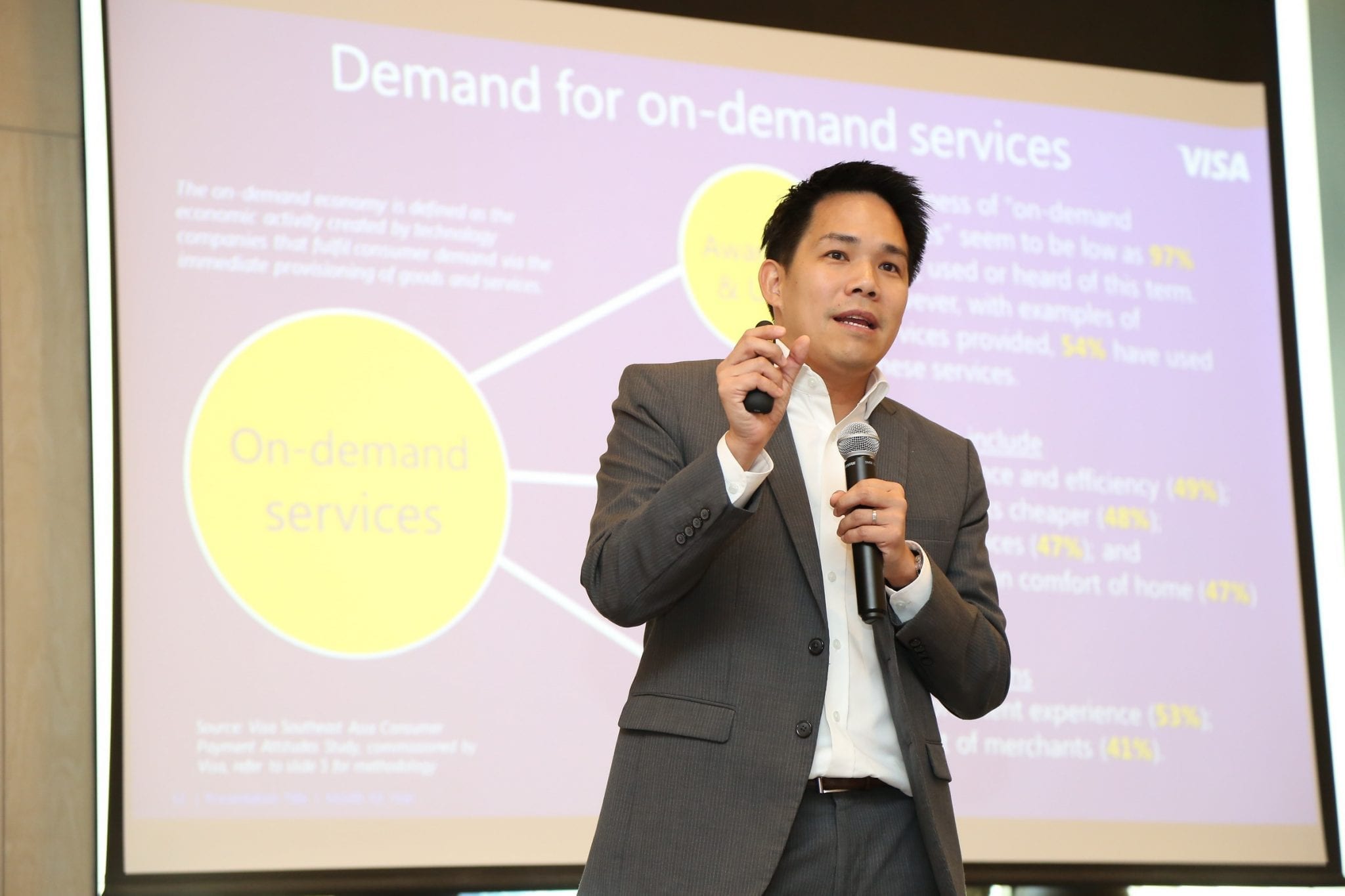
    “As new innovation emerges, consumers are more willing to try new payment technologies. The case in point is how seven in ten Thais (67%) prefer to automate payment, eliminating the entire physical process of paying. This came at a time when we are experiencing unprecedented growth in the on-demand economy, particularly in ride-sharing apps. This creates new demand for fast, secure and convenient card-not-present payments,” said Suripong Tantiyanon, Visa Country Manager, Thailand.

    New ways to authenticate payments are also a draw for Thais: 75 percent of respondents stated they felt “comfortable” using biometrics technology such as fingerprint and facial recognition – the highest percentage in Southeast Asia. Enthusiasm for biometrics are skewed towards Generation Y, 79 percent of which have no problem relying on biometrics, compared to 70 percent of Generation X.

    “There is clearly a growing appetite for electronic payments in Thailand. Take for instance existing innovation such as Visa payWave contactless payments, which is widely available at major retailers, supermarkets and restaurants nationwide. We are not surprised to see that 82 percent of respondents would choose contactless payments over cash, if merchants offer them,” said Mr. Suripong.

    Electronic payments for on-demand services, like meal delivery, grocery delivery, transportation, and travel too are shaping up in Thailand.

    According to the Visa Consumer Payment Attitudes Study, 54 percent of respondents have used on-demand delivery service in Thailand in the past 12 months, with 29 percent having used it 2-3 times a month. The most popular category was food delivery with 3 in 4 respondents (75%) having used their mobile device to order food online. Cash is currently the main payment method at 71 percent, but electronic means are catching up. Half the respondents (47%) said they would use payment via “card on file” or credit card registered with the app while 56 percent said they would like to pay upon delivery using mobile wallet.

    “Whether it is mobile wallet, payment gateway or any technology, our study shows that fundamentally Thai people still expect their payment experience to be safe, fast, and secure (82%). And a global payment network like Visa – that is capable of handling more than 65,000 transaction messages a second – more than meets the demand,” said Mr. Suripong.

  • Centara Achieves More Gold for Green

    Centara Achieves More Gold for Green

    Sustainability is at the heart of Centara Hotels & Resorts operations and is embedded in the corporate culture. Centara’s teams work diligently to reduce their impact on the environment and within local communities. As recognition for the hard work and motivation to continue sustainability initiatives, two more Gold Certifications were awarded by EarthCheck for Centara Grand & Bangkok Convention Centre at CentralWorld and Centara Karon Resort Phuket. Other Centara properties also retained Silver Certifications.

    Centara Gold Certified properties have continued to engage in programmes such as energy, water and waste management since 2008. In April 2017, Centara Grand Beach Resort & Villas Krabi achieved their 7th year of Earthcheck Gold Certification. Centara Grand Beach Resort and Villas Hua Hin and Centara Grand Beach Resort Samui reached their 6th year of Gold Certified. Their “Green Teams” still strive for continual improvement.

    The “EarthCheck Gold” designation is only conferred after five years of independent assessment and adherence to internationally-recognised, scientific standards. These efforts help inspire stakeholder confidence and drive further organisational improvement, competitive advantage, innovation and growth.

    At Centara Karon Resort Phuket, the Green Team understands the importance of educating and working with stakeholders, partners and local communities to implement sustainability efforts. Working together with local environment groups, Centara helps increase public awareness for the environment and social responsibility.  As part of these initiatives, Centara Karon Resort Phuket supports and educates local schools and communities. To celebrate their first year Gold Certification, the Green Team will repaint the playground of Wat Suwankirikhet School in Karon Province with biodegradable, nontoxic paints that are safer for the environment and students.

    Centara Grand & Bangkok Convention Centre at CentralWorld is the integrated five-star hotel, convention centre and lifestyle complex in the heart Bangkok. They have installed an energy management system throughout the property. In 2016, energy consumption was controlled to 199.6 MJ per guest night which is better than best practice benchmarks of peer properties. Centara Grand & Bangkok Convention Centre has saved 981,867 kwh/year and reduced CO2 emissions to 571 tons/year. To celebrate its Gold achievement, the hotel will launch a Green Meeting Package aligned with ISO 20121 standards for sustainable events management.

    “As one of Thailand’s leading hospitality groups, it is important to take a leadership role and encourage others to join the effort,” said Mr. Thirayuth Chirathivat, Chief Executive Officer of Centara Hotels & Resorts. “These accomplishments motivate our teams as we continue our efforts to bring about positive environmental change while providing our guests with memorable travel experiences.”

    Centara is also proud to announce that nine properties have retained Silver Certification in 2017: Centara Grand at Central Plaza Ladprao Bangkok; Centara Grand Mirage Beach Resort Pattaya; Centara Grand Beach Resort Phuket; Centara Kata Resort Phuket; Centara Villas Phuket; Centara Villas Samui; Centara Hotel Hat Yai; Centara Grand Island Resort & Spa Maldives; and Centara Ras Fushi Resort & Spa Maldives. Centara Anda Dhevi Resort & Spa Krabi also achieved Bronze Certification as their first year certified programme.

    “Centara Hotels & Resorts has taken a significant leadership position in sustainability and has shown continued dedication to the EarthCheck program. Achieving EarthCheck Certification is not an easy task. It requires the commitment and ownership from management, staff and suppliers and a willingness to submit reporting to expert scrutiny,” commented Stewart Moore, Chief Executive Officer for EarthCheck. “Congratulations to all 15 Certified properties, in particular Centara Grand & Bangkok Convention Centre at CentralWorld and Centara Karon Resort Phuket for being awarded with EarthCheck’s prestigious Gold Certification.”

    Five more properties are on track to receive Gold Certification in 2018: Centara Grand at Central Plaza Ladprao Bangkok; Centara Grand Mirage Beach Resort Pattaya; Centara Grand Beach Resort Phuket; Centara Kata Resort Phuket; and Centara Grand Island Resort & Spa Maldives. Centara Anda Dhevi Resort & Spa Krabi will also be certified Silver for the first time. While Centara Hotels & Resorts continue to make great strides in their sustainability management, they are always exploring new opportunities to improve sustainability, lessen their impact on the environment, and better support local communities.

  • ‘Chasing the Chinese Dream’ Shows Aspirations and Dilemmas at the Heart of China’s Consumer Economy

    ‘Chasing the Chinese Dream’ Shows Aspirations and Dilemmas at the Heart of China’s Consumer Economy

    China’s mass affluent population (individuals with RMB 650,000 to 6 million investment assets) makes up only around 2.5 percent of the country’s population, yet their personal consumption is expected to experience double digit growth to account for more than 75 percent of China’s total consumption by 2020, according to a report released by Oliver Wyman, a global consulting firm.

    The report, titled ‘Chasing the Chinese Dream’, reveals that China’s mass affluent population is expected to more than double from 15 million in 2015 to 33 million in 2020, rapidly accumulating wealth with investable assets projected to increase from RMB 21 trillion in 2015 to RMB 45 trillion in 2020.

    “The new mass affluent class, who are younger, more tech-savvy and free-spending, now allocate more money to investments and consumption than savings,” said Bernhard Kotanko, Oliver Wyman partner and co-author of the report. “Having suffered greatly from stock market volatility in recent years, investors are now looking to diversify risks and rebalance portfolios.”

    As financial needs evolve, half of respondents have already increased allocation of income towards financial products and/or Chinese stocks, the top two categories, followed by top-up insurance plans. Chinese equities and bank wealth management products are still the most common assets held by the mass affluent class, yet they are open to experimenting with financial innovations and have taken part in new fintech vehicles such as online money market funds and peer-to-peer products.

    On the consumption front, 60 percent of surveyed respondents have increased spending on entertainment (sports, cinema, etc.) and domestic vacations, on par with food and personal items. Furthermore, 30 percent of additional income is allocated to entertainment and holidays, exceeding the incremental spending on personal and household goods.

    “Our research suggests around two-thirds of incremental income will be funneled into consumption. However, Chinese consumers aren’t just buying more. They are now seeking meaningful experiences to elevate lifestyles, spending more on experiences that result in higher levels of self-fulfillment,” said Jacques Penhirin, Oliver Wyman partner and co-author of the report.

    The research shows that this new consumer class is forging new patterns of saving, investing and consuming, to support a more sophisticated and urbanized way of life.

    The paper also reveals that, even as Chinese consumers reach for meaningful lifestyles and experiences, the underlying foundation of economic and social security is shaky. Discontent over cost of living is widespread and profound. Quality providers of wealth management and basic welfare are still largely lagging – a paradox where they pursue higher values beyond material goods, but still grapple with basic needs.

      Aspirations Dilemmas
    Savings It’s not just about savings


    >> Savings is falling and more money is being allocated to investments and consumption


    Rising incomes but perceived wealth is not necessarily increasing

    >> Insecurities about the future means savings are still a safe haven and unlikely to fall to western levels

    Investments Investor appetites are diversifying


    >> Investors are more rational and demand more balanced, diversified asset allocation

    Desire to broaden investing but mistrusting of professional money management

    >> Without professional wealth management, wealth is mostly illiquid and consumption power is in deadlock

    Consumption Rise of the experiential consumer


    >> Consumers are seeking meaningful experiences to elevate lifestyles

    Striving to ‘live well’ but still uneasy about basic welfare, with healthcare the top concern

    >> There is growing demand for upgraded options in social goods to improve well-being

    “While increasing their spending on affluent lifestyles, Chinese consumers demand better welfare benefits and set money aside for future healthcare treatment and education,” said Jacques Penhirin.

    The skepticism towards local healthcare quality is fueling a rising medical tourism market, which is growing at a faster rate than the tourism industry. More affluent Chinese look overseas for wellness services, medical care and treatment for critical illnesses. The top five destinations, in order, are Japan, Korea, United States, Taiwan and Germany.

    The perception that Chinese consumers will indiscriminately buy more goods is a myth. As they search for ‘experience goods’ to elevate lifestyles, they are at the same time seeking upgraded options to social goods to improve well-being.

  • High quality is the leading purchase driver for urban Thais

    High quality is the leading purchase driver for urban Thais

    Although cheaper prices attract consumers in Thailand, it seems a product’s quality is the highest priority when making a purchase decision. According to new research from global market intelligence agency Mintel, as many as three in five (58%) metro Thai consumers* rate high quality as a key purchase factor, making this the leading driver of buying decisions. Also ranking in the list of the top five purchase influences among metro Thais are convenience (42%), special offers (40%), durability (35%), and finally, their favourite brands (26%).

    Thai consumers have seemingly become more cautious with their finances as Mintel research reveals three in five (59%) metro Thais said their personal goal in 2016 was to get their household finances in order. For the best bargains in town, 45% of metro Thais who are smartphone users say they use their devices to compare prices at other stores while out shopping, and 43% say they use their smartphone to research the best price of an item in their area before deciding where to make purchase.

    Avanthi Ravindran, Senior Trend & Innovation Consultant, Southeast Asia and India at Mintel, said:

    “Thailand’s consumers have become more prudent with their spending in recent years. In light of this, more and more consumers are turning to online channels that give them access to competitive offers and cheaper pricing. However, our research shows that high quality remains a key driver of purchases, and consumers are still willing to pay a premium for products that are safe and natural.”

    Furthermore, Mintel research shows that consumers are increasingly becoming more mindful of the environment and what they are consuming. Indeed, 37% of urban Thais prefer products that maintain fair trade regulations, while just over three in 10 (31%) prefer products that carry an environmental certification from a credible government or non-profit organisation.

    Consumers are now also willing to pay a premium for ‘safe to use’ claims on products, as indicated by two in five (40%) metro Thai consumers. This is the second biggest factor behind consumers’ willingness to pay a premium among urban Thais, following ‘better product performance’ (43%) which is the leading motivator. The third most important consideration for Thais to purchase products with a premium price tag is for them to be natural and formulated using pure ingredients; over one in four (27%) metro Thais said that they are willing to pay a premium for everyday products that are ‘natural’.

    “With ingredient safety concerns on an upward trend globally, consumers are on the lookout for products that highlight naturalness as well as clean, pure formulations. The words ‘safe’ and ‘natural’ enhance a product’s appeal to consumers, and these perceptions are only likely to grow with the increasing concerns around food safety and chemical contamination,” Avanthi adds.

    Finally, convenience is the second most important purchase driver among urban consumers in Thailand, after high quality (42% and 58% respectively). While the Digital Age has made shopping easier for convenience-seeking consumers, especially as information is now just a click away, Thai consumers’ busy lifestyles have also called for convenient and easy-to-use formats. Mintel research reveals that three in 10 (30%) metro Thai consumers prefer to eat out as they don’t have time to cook their meals at home, while as many as one in four (24%) prefer to eat lunch at their desk at work as it helps them save time.

    According to Mintel estimates, Thailand’s ready meals retail market saw an increase of 2.1% in volume, and reached 50,170 tonnes in 2015. The market is expected to grow at a volume CAGR (compound annual growth rate) of 3% in the five years from 2016, to reach a volume of 58,700 tonnes in 2020.

    “With metro consumers increasingly looking for convenient meal options, the opportunity for on-the-go formats has expanded, especially as Thailand’s ready meals market is forecast to grow over the next couple of years. The relationship between quality and speed should be recognised; consumers are looking for high quality, fresh products that are delivered conveniently and quickly. Offering the right price and discounting as appropriate are also crucial; companies will need to branch out with their marketing efforts, tap into online channels, and go beyond traditional retail stores,” Avanthi concludes.

  • Arvato Unveils Enhanced Automation at New China Distribution Centre

    Arvato Unveils Enhanced Automation at New China Distribution Centre

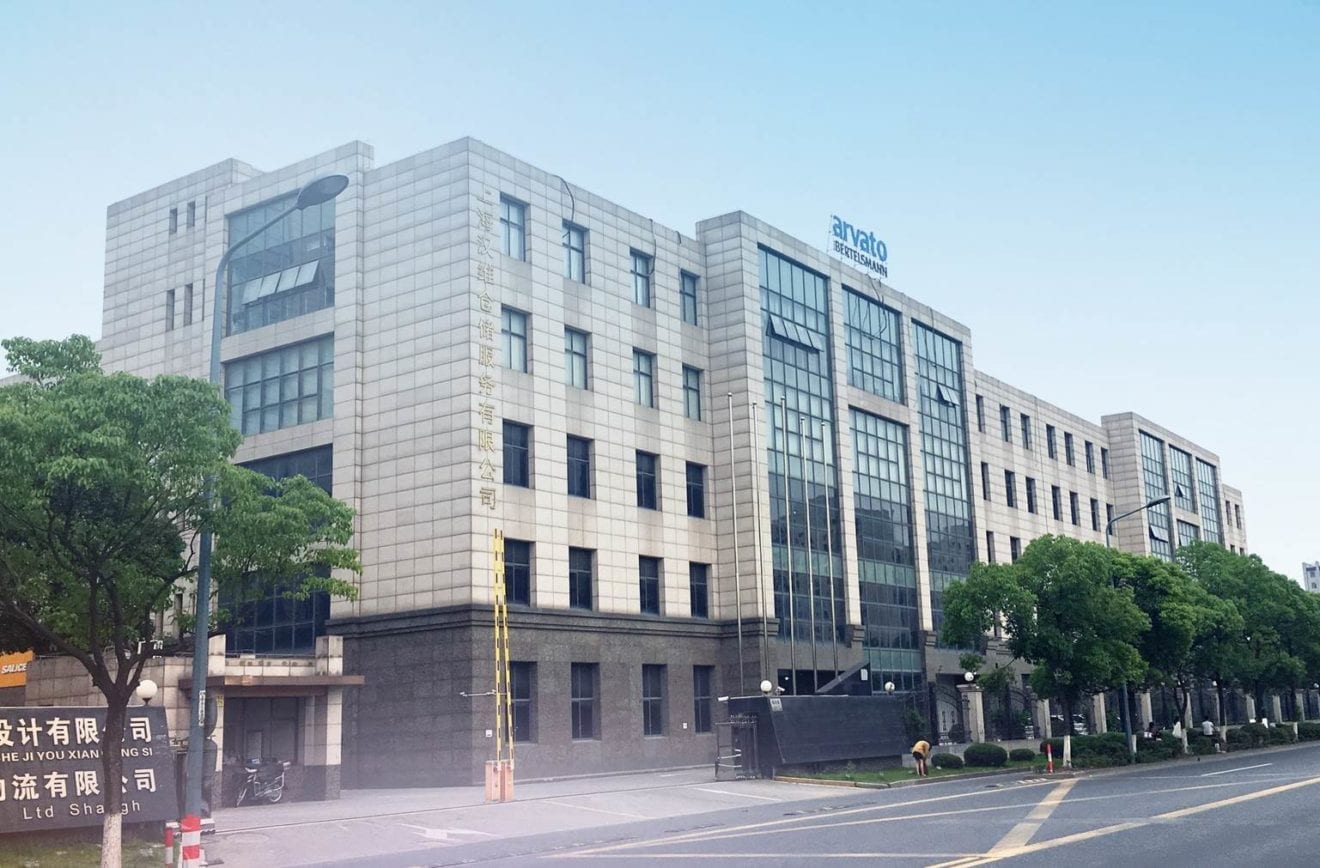
    International leading service provider for supply chain management, Arvato SCM Solutions, has begun operations at a new China distribution center. The new multi-client facility in Shanghai is equipped with conveyors spanning across five floors, a pick-by-light system and various customized processing modules that feature hands-free scanners.

    “Enhanced automation, increased flexibility in processing lines with customized client specific setups are key characteristics of the new warehouse”, said Raoul Kuetemeier, Head of Asia at Arvato SCM Solutions.

    Arvato had consolidated three of its existing Shanghai sites into the new facility. “We commit to highly-competitive efficiency and agility in our domestic distribution solutions. The new warehouse and technologies installed will support us in achieving these goals”, said Kuetemeier.

    Backed by Arvato’s IT backbone, processes such as picking and dispatch will be supported by semi-automatic technologies such as the newly upgraded pick-by-light system. This will allow Arvato to channel resources on more complex operations such as kitting, returns management and further value-added services. With the automation in place, capacity and flexibility that are critical to manage extreme peak volumes in China have also been enhanced.

    Solutions offered at the site include retail fulfillment, e-commerce and spare parts logistics. Located in the Qingpu district of Shanghai, the new warehouse is within five minutes to the nearest expressway and 15 minutes to the closest airport. The facility will service clients primarily from the high-tech and entertainment, and consumer products industries.

  • Vietjet and Safran sign SFCO2 agreement

    Vietjet and Safran sign SFCO2 agreement

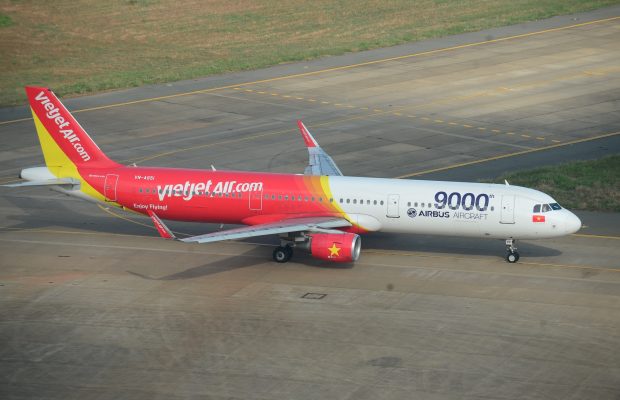
    Yesterday, at the Paris Airshow 2017 held in Paris – France, Vietjet signed with Safran the SFCO2 agreement for fuel efficiency solution. The SFCO2 service contract spans five years, starting in 2017, and covers the entire fleet of the Ho Chi Minh City-based airline. It will help Vietjet improve its operational efficiency by reducing fuel consumption and CO2 emissions. The agreement provides for operational recommendations, along with a special SFCO2 web application that enables the airline to track its progress and potential savings.

    The SFCO2 solution combines the expertise of Safran Aircraft Engines, one of the world’s leading aero-engine manufacturers, with the long-standing experience of Safran Electronics and Defense in flight data analysis.

    “As an important element of Vietjet fuel efficiency program, Safran’s SFCO2 service will enable us to meet our fuel consumption efficiency objectives, so that we can better our economic and environmental friendly performance,” said Dinh Viet Phuong, Vietjet Vice President.

    “We are proud of winning this contract to support Vietjet’s day-to-day performance and dynamic growth over the next five years. Our selection by Vietjet confirms the effectiveness of our SFCO2® service and provides further recognition of our global expertise in fuel efficiency solutions,” said François Planaud, Safran Vice President of Services & MRO.

    Applying advanced technology and environment friendly solution in daily operation is one of the top priorities of Vietjet. By analyzing both operational and maintenance aspects, Safran’s SFCO2® service develops procedures and recommendations to address airlines’ need for greater fuel efficiency which can reduce Vietjet fuel consumption up to 5%. Accordingly, the fuel expense saved yearly is expected to reach tens of millions of US dollars.

  • Vietnamese street food favored over foreign fast food chains

    Vietnamese street food favored over foreign fast food chains

    Several Burger King shops in HCMC and Da Nang have closed, while Lotteria has also shut down ineffective shops. Other giants have not closed many of their shops, but they are cautious developing their chains.

    McDonald’s, when setting foot in Vietnam, stated it would open 100 shops within 10 years. However, after three years in Vietnam, the giant has opened only 15 shops.

    A representative of Lotteria admitted that competition in the fast food market is getting stiff with many foreign and domestic brands.

    Some brands have shut down shops because their menus were not suitable to Vietnamese tastes and the prices were not competitive.

    Nguyen Huy Thinh, managing director of McDonald’s, said it was normal for fast food brands to shut down unprofitable shops, while a representative from Burger King said the chain’s business has been going well with a two-digit growth rate.

    However, Hoang Tung, a branding expert, blames the failure of some fast food chains on the difference between the food and Vietnamese tastes.

    Burger King, for example, develops products based on burgers as the core product.

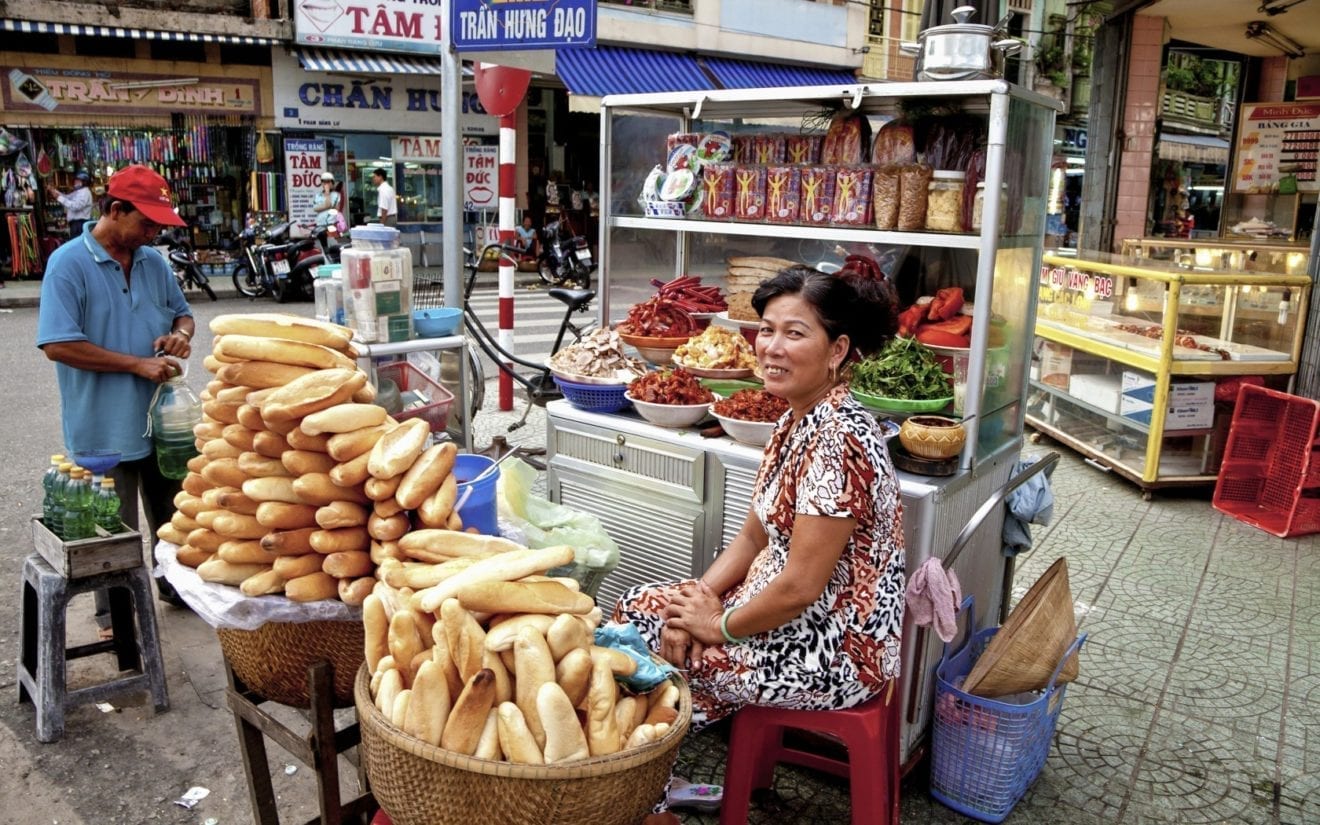
    “Vietnamese still prefer banh my (sandwich) and banh my is cheaper than a burger,” Tung said. “This is why the burger chain expansion has slowed down, while banh my chains have been booming.”

    Tran Anh Tuan, CEO of Pathfinder, a consultancy firm, also said that some fast food chains are not positioned well in the domestic market, and products don’t change regularly. And the price is too high compared to consumers’ income.

    “Fast food, in foreign countries, is generally for the masses. But in Vietnam, fast food chains target high-income earners,” he explained.

    Fast food… and rice

    While western-style fast food chains are not thriving, Vietnamese and Asian food brands are doing well.

    Anh from Pathfinder said that many Japanese and Korean food chains have appeared i which are closer to Vietnamese tastes.

    “Korean fried chicken chains have been developing rapidly because they have reasonable prices and fit Vietnamese tastes,” he said.

    In the past, only a few fast food chains sold Vietnam rice, but now it is a major dish on menus.

    MOIT has granted licenses to 148 foreign brands to enter the Vietnamese market in the last eight years.

    This includes 42 fast food, bakery, coffee, beverage and restaurant brands, accounting for 43.7 percent of the total.

  • Thailand to link 3,920 villages with fiber by mid-2018

    Thailand to link 3,920 villages with fiber by mid-2018

    Thailand’s first state-provided high speed fixed broadband services for rural areas are on track to launch by mid-2018, according to reports.

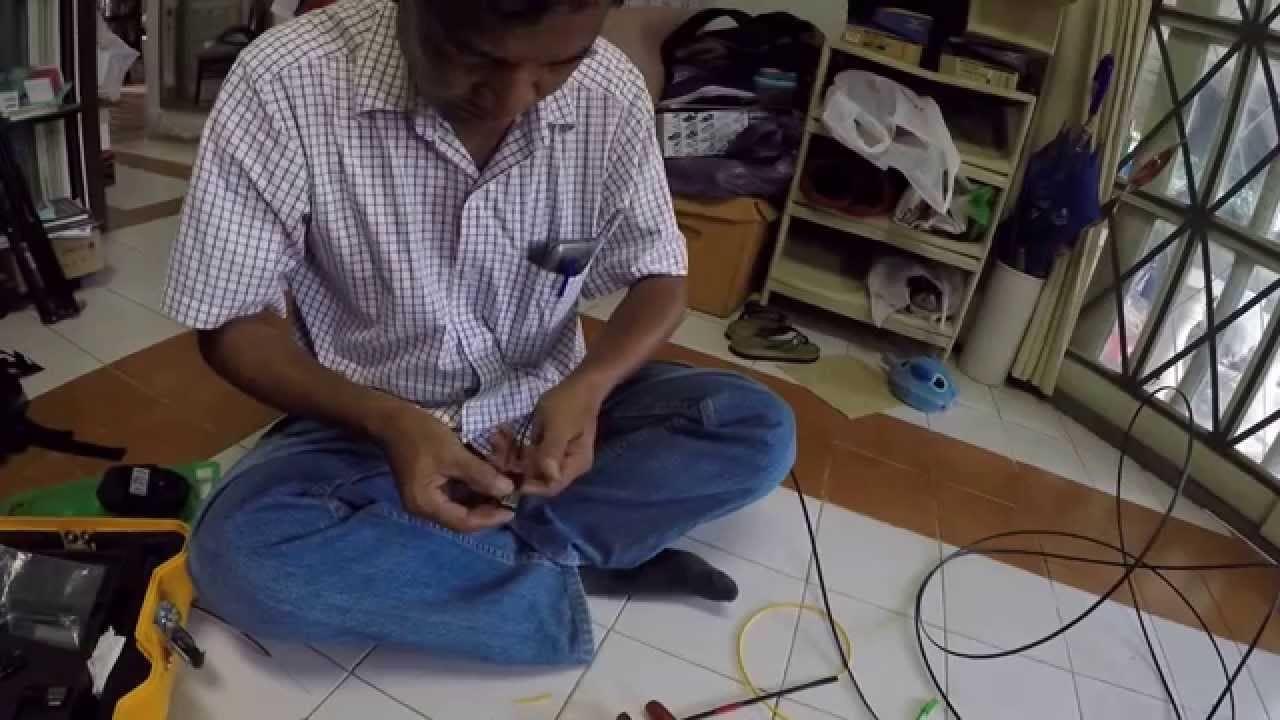
    The fiber-based service will be offered to 3,920 border villages across 62 provinces by this time, providing broadband at speeds of at least 10Mbps.

    The low cost services will start at just 50 baht ($1.47) per month for a 10Mbps connection with unlimited data, 150 baht or less for a 15Mbps connection and 200Mbps or less for a 20Mbps connection.

    An initiative of regulator NBTC, construction of the network will be funded as part of the 14 billion baht Universal Service Obligation (USO). It will also involve the construction of 5,229 free Wi-Fi hotspots, as well as 763 public internet centers that will fuction as community centers for 2-4 villages.

    The NBTC has just launched a tender process to select the project’s contractor, and plans to hold an online auction to choose a winning bidder in July. Networks must be capable of a minimum 30Mbps connection speed, and the service packages must be offered for at least five years.

    The NBTC is also finalizing the details of construction of a broadband network for an additional 15,732 villages, as part of its plan to deploy a low-cost broadband infrastructure spanning 40,432 underserved villages nationwide to help bridge the digital divide between urban and rural Thailand.